Tabelog 100 #3
Our verdict
In Shinjuku’s crowded curry field, FISH Shinjuku ten belongs to the smaller tier where spice curry is treated with the selectivity usually reserved for counter dining. Its Tabelog Curry TOKYO 100 selection in 2024, 26-seat scale, vegetarian options, and Nishishinjuku location make it a sharper choice than another casual station-area meal.

Pearl is the En Primeur Club membership app, where members save venues, book tables and use the concierge.
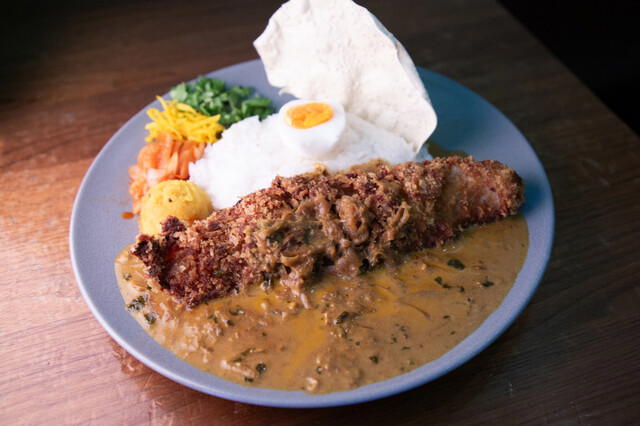
In Tokyo, the mood around FISH Shinjuku ten is less about ceremony than about a focused curry format that asks for attention. Tokyo’s curry culture has always been broader than the old shorthand of roux and rice. In the city’s current specialist tier, the stronger rooms read more like spice programs: tight menus, repeatable technique, and enough personality to separate lunch from utility.
That is the useful lens for FISH Shinjuku ten. This is not luxury dining dressed down; it is everyday Tokyo dining sharpened by selection pressure. A place chosen for Tabelog Curry TOKYO 100 in 2024 is competing in a category where the benchmarks are consistency, spice balance, turnover discipline, and the ability to hold interest at both lunch and dinner. The comparison is less with tasting-menu restaurants than with focused urban counters where the kitchen has one main argument and little room to hide.
Tokyo curry, judged by curation rather than spectacle
The assigned angle here is not wine in the conventional sense, because the restaurant is a curry specialist rather than a cellar-driven dining room. The relevant idea is curation. In a wine bar, the serious work happens in selection, editing, temperature, and context; in Tokyo curry, the equivalent is the spice architecture, plate composition, rice-to-sauce logic, and whether the room can deliver that structure repeatedly across service. FISH Shinjuku ten sits in that edited camp, where the format depends on focus rather than breadth.
Tokyo rewards speed, but it also supports restaurants that serve office workers, shoppers, solo diners, families, and destination eaters in the same day. That mixed audience tends to expose weak concepts quickly. The notable signal is not only that curry can be accessible by Tokyo standards, but that recognition in the Tabelog 100 Curry list places this restaurant among a curated citywide conversation rather than a purely local convenience. A 3.79 Tabelog score reinforces the point: in Japan’s restaurant-rating culture, that number carries more weight than it would on many international platforms.
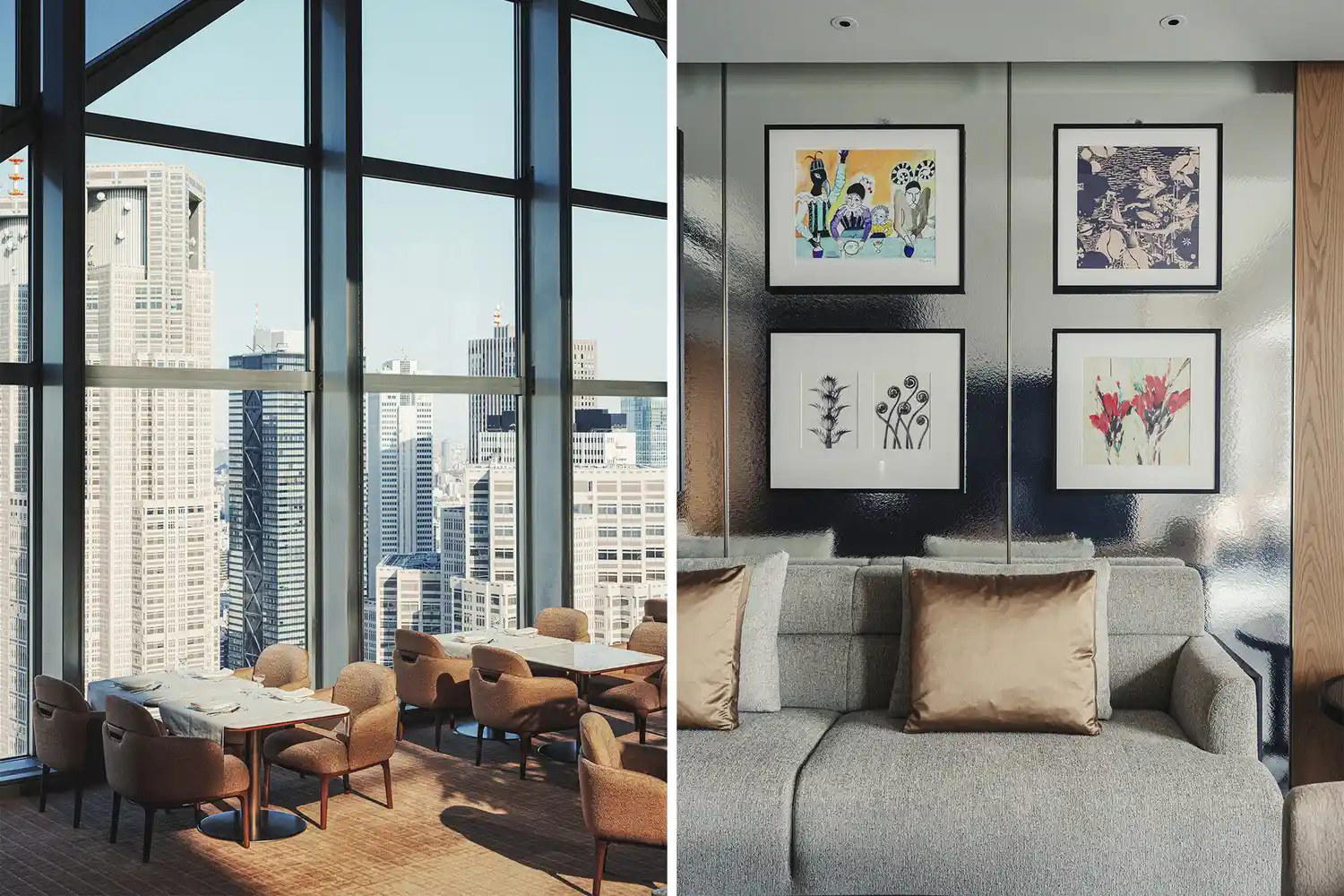
Within the comparison set, Spicy Curry House Hangetsu occupies a similar curry lane, while Menya Sho Honten belongs to the ramen economy where speed, broth identity, and queue rhythm define the meal. Rokkasen Otakibashi Street store and 焼肉トラジ新宿西口店 speak to a different Tokyo appetite: grilled meat, group dining, and higher-volume evenings. Restaurant Bellustar sits at the opposite end of the room-and-view spectrum. Against that spread, the appeal here is specificity. Curry is the subject, not a side category on a broad menu.
A small Tokyo room with practical range
The practical scale of the restaurant matters. Tokyo has plenty of compact restaurants where intimacy becomes theatre, but curry does not need that kind of performance. It needs flow: quick pacing, enough comfort for repeat visits, and a format that can absorb both lunch and dinner without losing precision. That breadth is a modern Tokyo advantage, especially in a city where meals often sit between train connections, work schedules, and late shopping routes.
Range is a meaningful detail in this category. Tokyo has become easier for diners with different preferences, but curry remains uneven: some kitchens lean on familiar formulas while others treat the category as a place for sharper editing. A curry specialist with recognition in a citywide list gives mixed groups more room to manoeuvre, particularly in a market where many alternatives lean toward ramen, yakiniku, izakaya food, or hotel dining. It also changes the decision for travellers who want a meal that feels specific without requiring a formal reservation culture.
The restaurant fits the post-2010s wave of Tokyo casual specialists: focused footprint, strong category identity, and enough practicality for repeat local use. The listed budget also supports that role, with dinner at JPY 2,000 - JPY 2,999 and lunch at JPY 1,000 - JPY 1,999. None of that makes the food better by itself, but it changes how easily a visitor can fold the meal into a Tokyo day.
Where it fits in a Tokyo eating itinerary
For travellers mapping Tokyo by category, this is a curry stop rather than a prestige reservation. That distinction is useful. It belongs in an itinerary that balances polished meals with specialist casual rooms, the kind of schedule that might move from curry to yakitori, ramen, coffee, or a hotel bar without pretending every meal needs the same level of ritual. Nearby and citywide references help clarify the range: other Tokyo dining rooms keep the focus local, while other curry specialists offer comparison points inside the city. For other specialist formats, Tokyo’s broader dining scene gives visitors many ways to build a day around focused, category-led meals.
Outside the immediate comparison set, the same specialist logic appears in different forms across Japanese dining: tightly edited menus, clear category identity, and formats built around repeatability rather than spectacle. For a broader city plan, use a full Tokyo restaurants guide, then pair meals with Tokyo hotels, bars, wineries, and experiences guides. For readers tracking Japanese food culture more broadly, the useful lesson is how tightly edited formats can travel beyond their original setting while still depending on clarity, discipline, and a strong point of view.
Frequently asked questions
Where do I go for FISH Shinjuku ten?
Tokyo.
What does dinner at FISH Shinjuku ten typically cost?
Pricing at FISH Shinjuku ten is listed as dinner: JPY 2,000 - JPY 2,999; lunch: JPY 1,000 - JPY 1,999.
What days is FISH Shinjuku ten closed?
Specific opening days and closing days are not provided here. Check the venue's official channels before visiting.
What is FISH Shinjuku ten known for?
FISH Shinjuku ten is a curry restaurant in Tokyo and was selected for Tabelog Curry TOKYO "Tabelog 100" 2024. The public listing shows a 3.79 score and a budget of dinner: JPY 2,000 - JPY 2,999; lunch: JPY 1,000 - JPY 1,999. Check the venue's official channels for the latest details.
Do they accommodate allergies at FISH Shinjuku ten?
The clearest move is to call the restaurant directly at +81-3-5937-6322 before visiting. Confirm any allergy needs with FISH Shinjuku ten in advance.
Is FISH Shinjuku ten child-friendly?
Child-friendliness is not specified here. Contact FISH Shinjuku ten directly before visiting with children.
The Essentials
Nearby venues at a similar price tier for orientation.
| Venue | Cuisine | Price | Awards | Notes |
|---|---|---|---|---|
| FISH Shinjuku tenThis venue (the venue you are viewing) | Japanese curry house | $10–20 | Tabelog 100 #3 | Not listed |
| Rokkasen Otakibashi Street store | Premium Wagyu Yakiniku All-You-Can-Eat | $100–150 | Not listed | Not listed |
| 焼肉トラジ新宿西口店 | Premium Yakiniku (Japanese Grilled Beef) | $50–100 | Not listed | Not listed |
| Spicy Curry House Hangetsu | Indian Curry | Not listed | Tabelog 100 #63 | JPY 1,000 - JPY 1,999 |
| Menya Sho Honten | Chicken shio ramen shop | $10–20 | Tabelog 100 #73 | JPY 999 - JPY 999 |
| Restaurant Bellustar | Modern French | Not listed | Not listed | Not listed |
Recognition history
Dated appearances from independent guides and award organizations, with the underlying list record or original source where available.
Tabelog 100 #3 · No. 3
Tabelog · Tabelog 100 - Curry - TOKYO - 2024