Our verdict
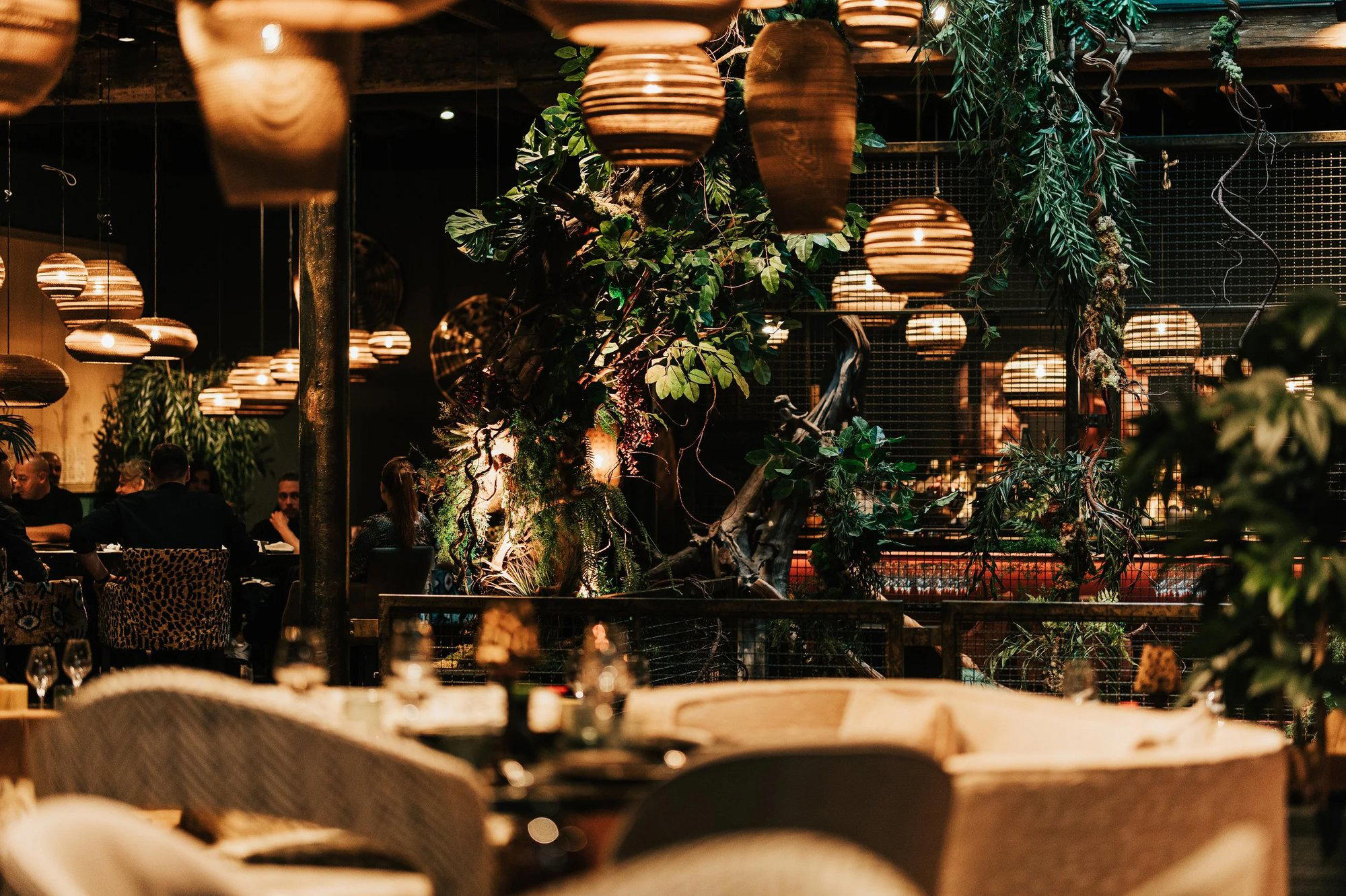
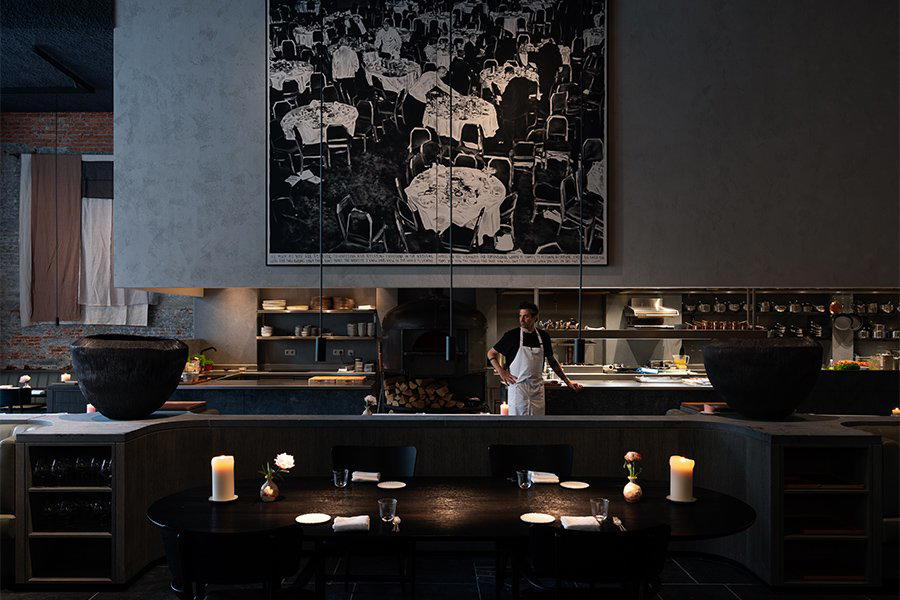
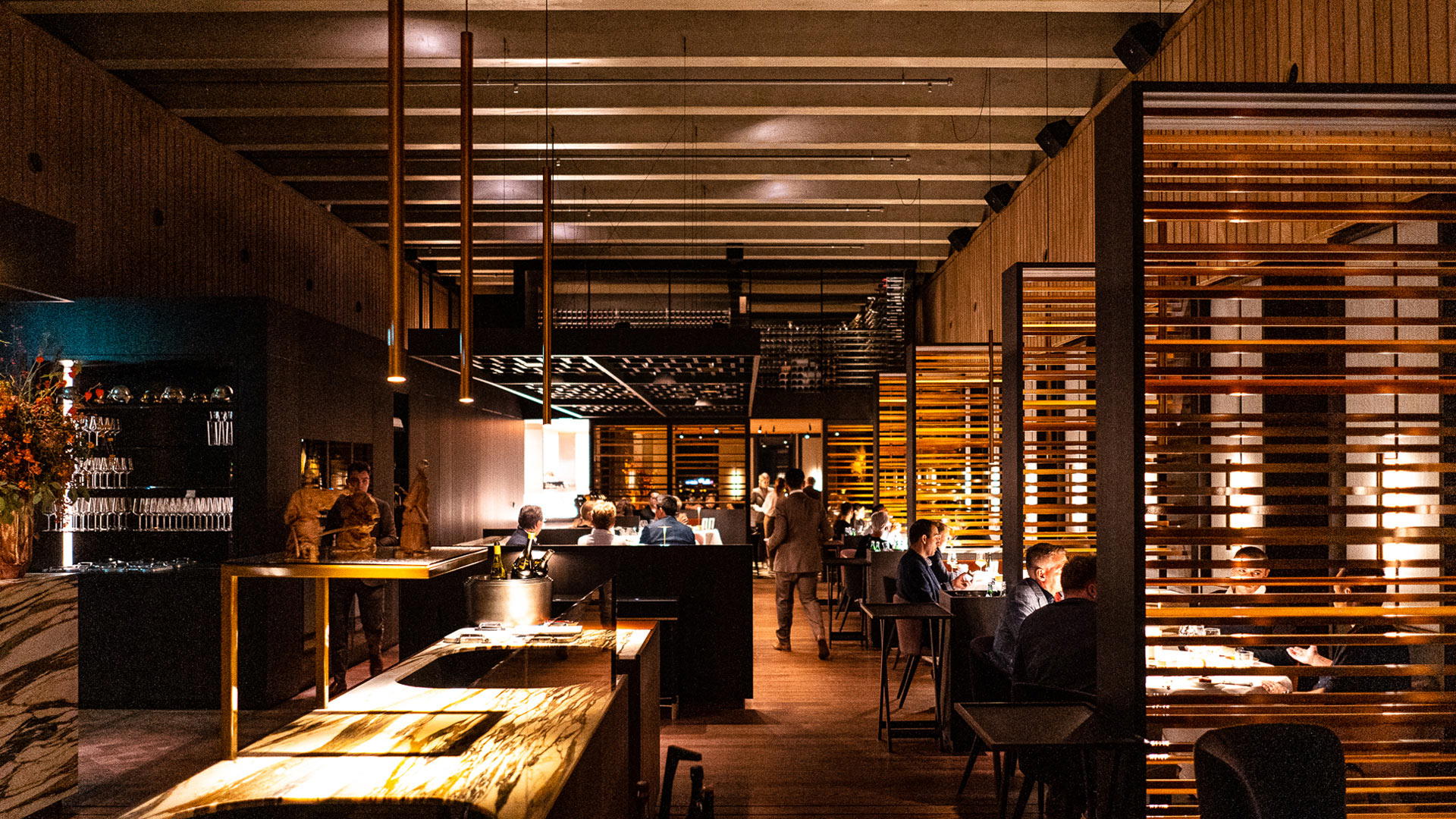
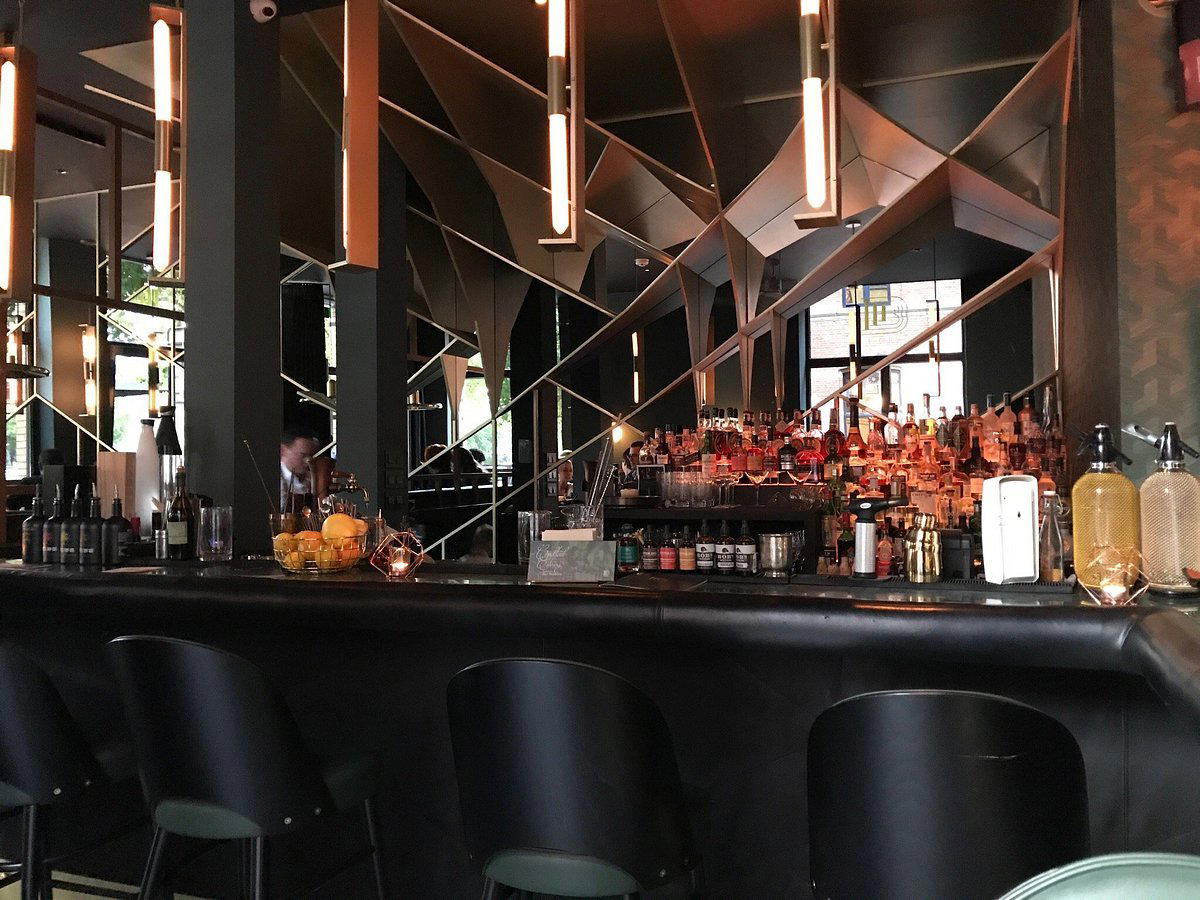
Umami in Antwerp serves Asian Fusion at Luikstraat 6, with an open kitchen, craft cocktails and a sake program for dinner in a smart casual setting.

Pearl is the En Primeur Club membership app, where members save venues, book tables and use the concierge.
The menu
What to order
- Sushi Platter
- Tempura Vegetables
- Robata Steak
Luikstraat and the Southern Quarters: Where Antwerp Eats Quietly
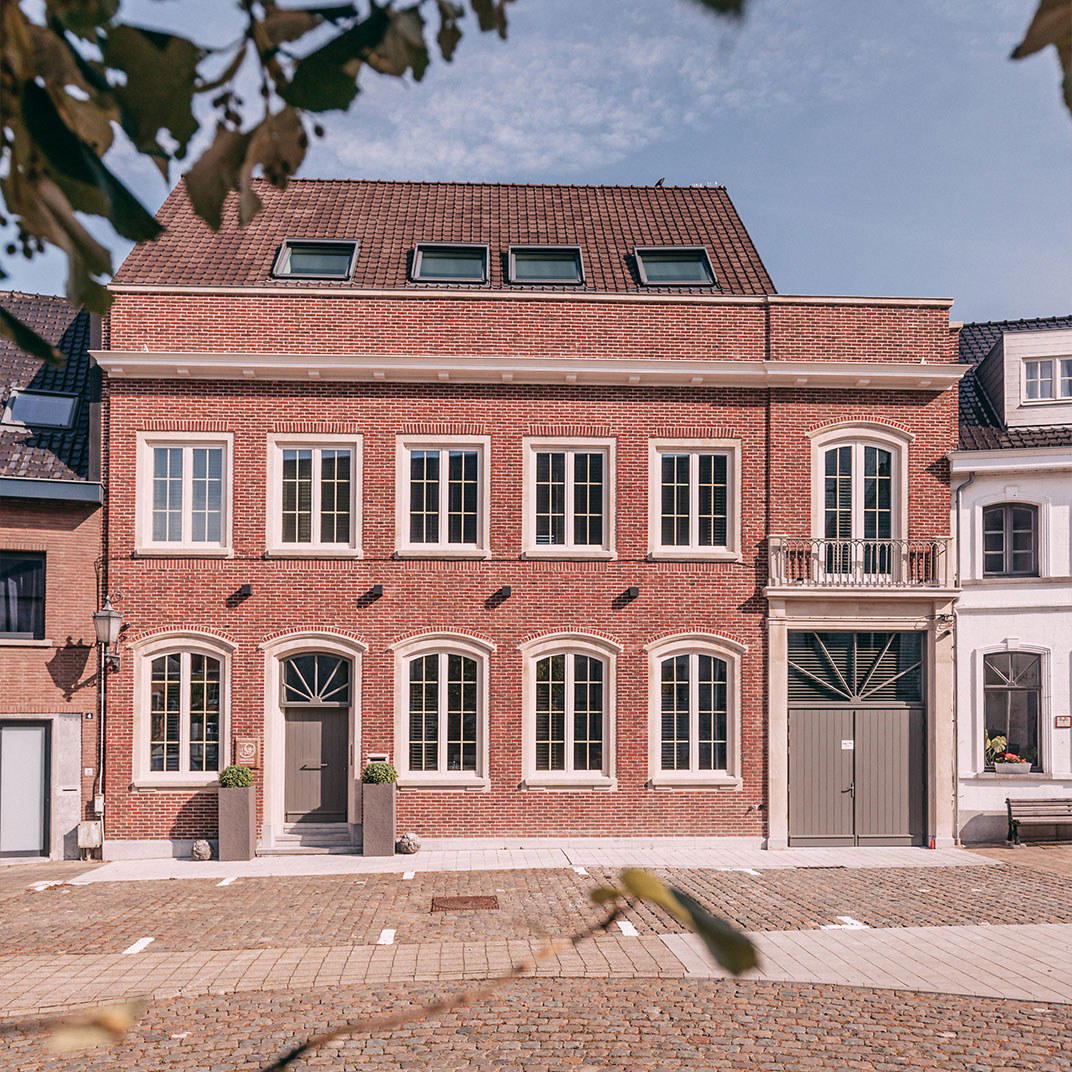
The stretch of the city south of the Meir and east of the fashion district has a different register from Antwerp's more publicised dining corridors. Streets here are narrower, the foot traffic more residential than tourist, and the restaurants that have taken root tend to reflect the neighbourhood rather than perform for it. Luikstraat 6 sits inside that logic. Umami occupies a position in a part of the city where tables fill because the neighbourhood sustains them, not because a guidebook sent the room there.
That geographic grounding matters more than it might seem. Antwerp's serious dining is distributed across a broader municipal footprint than most comparable European cities of its size. The Michelin-starred tier, represented by addresses like Zilte near the MAS museum and Hertog Jan at Botanic, anchors one end of the spectrum. Neighbourhood restaurants in the southern quarters occupy a different and arguably more durable role: they define what a city actually eats from week to week, rather than on occasions that require advance booking and expense accounts.
The Name as a Signal
In culinary terms, umami is the fifth taste, the one that resists clean description. It is not sweetness or salt or acid or bitterness; it sits underneath all of them, providing depth and persistence. A restaurant choosing that word as its only identity is making a specific kind of statement about what it values at the table. The name positions the kitchen squarely in the terrain of flavour complexity over visual spectacle, ingredient depth over technique demonstration.
That framing connects Umami to a broader pattern in Belgian restaurant culture, where a significant cohort of mid-range addresses have moved away from classical French formalism toward cooking that draws on Asian flavour principles, fermentation, and umami-forward technique. This is visible across the country, from coastal addresses like Bartholomeus in Heist to destination kitchens like Willem Hiele in Oudenburg, where the North Sea pantry is worked through a similarly depth-oriented lens.
Antwerp's Broader Restaurant Logic
Understanding where Umami sits requires a short map of how Antwerp organises its food scene. At the leading, a cluster of formally recognised kitchens, including 't Fornuis with its commitment to European-Flemish classic cuisine, sets the reference point for occasion dining. Below that tier, a range of neighbourhood restaurants and bistros, among them Bistrot du Nord with its traditional French orientation, carries the daily weight of the city's appetite. DIM Dining, which operates in the Japanese and Asian register at the €€€€ tier, represents how seriously Antwerp has absorbed non-European cooking traditions at the upper end of the market.
Umami's address on Luikstraat places it in a quieter corner of that ecosystem, away from the saturated blocks around the Grote Markt and the Eilandje waterfront. The practical implication for visitors is that the area rewards walking: the southern quarters connect to the city's main art institutions and design shops without the congestion of the central tourist axis.
For those building a multi-day Antwerp itinerary, the full Antwerp restaurants guide maps the city's dining by neighbourhood and register, which is the more useful framework than any single ranking.
Belgium's Wider Fine Dining Context
Any serious restaurant in Antwerp operates against a national backdrop that is disproportionately strong for the country's size. Belgium's density of Michelin stars per capita is among the highest in Europe. Kitchens like Hof van Cleve in Kruishoutem, Boury in Roeselare, and La Durée in Izegem have built national reputations from small towns, which has set a high technical baseline that even neighbourhood cooking absorbs over time. The result is a dining culture where produce sourcing and kitchen discipline tend to be taken seriously at price points that would feel casual in London or Paris.
That context shapes what regulars expect from an Antwerp address at any tier. It also explains why Belgian restaurants that name themselves after flavour principles rather than their chef or their town tend to position themselves as part of a flavour-first conversation rather than a prestige one. The comparison extends internationally: the umami-led approach visible in addresses like Atomix in New York or the precision seafood work at Le Bernardin signals how depth-of-flavour has displaced visual elaboration as the primary ambition of serious cooking across Western dining capitals.
Within Belgium, that shift is also visible in Wallonia: L'air du Temps in Liernu and d'Eugénie à Emilie in Baudour represent how the country's southern culinary tradition has moved toward nature-led, fermentation-aware cooking. Bozar Restaurant in Brussels and De Jonkman in Sint-Kruis round out the picture of a national scene that takes flavour seriously at every point on the map. Castor in Beveren, just outside Antwerp, reinforces how the city's culinary gravitational field extends into its surrounding municipalities.
Planning a Visit
Luikstraat is accessible on foot from Antwerp Centraal station in approximately twenty minutes through the city's southern residential streets, or by tram via the main arteries that connect the station to the museum quarter. The address at number 6 sits on a street that is primarily local in character, with limited tourist infrastructure immediately around it, which is itself a reliable indicator of a neighbourhood restaurant operating on its own terms.
For an Antwerp day that pairs a lunch or dinner here with the broader southern quarters, the neighbourhood connects naturally to the KMSKA museum and the antiques district on Kloosterstraat, both within walking range of Luikstraat.
Frequently asked questions
What dish is Umami famous for?
The restaurant's name signals a kitchen oriented toward depth of flavour, ingredient layering, and techniques associated with umami-forward cooking traditions. For current menu details, contacting the venue directly or checking recent diner reviews in Antwerp-focused publications is the most reliable approach. For a broader view of Antwerp's cuisine, the city's leading kitchens, including Zilte and Hertog Jan at Botanic, provide context for the local culinary standard.
What's the ideal way to book Umami?
No booking platform or reservation method is listed in available data for Umami. In Antwerp's mid-range neighbourhood restaurant tier, tables are typically available by phone or walk-in during off-peak periods, though this varies. Checking the venue's current online presence before planning is advisable. For comparison, Antwerp's upper tier, where addresses like 't Fornuis operate at the €€€€ level, typically requires advance booking several weeks out.
What's the signature at Umami?
The name alone points toward a kitchen that prioritises savoury depth and complexity over classical French formalism, a positioning that connects it to a generation of Belgian and international restaurants, among them DIM Dining in Antwerp's Asian-influenced tier, that have made flavour architecture rather than plating the central discipline. Current menu details are best confirmed directly with the venue.
Is Umami in Antwerp suitable for a special occasion dinner?
The address on Luikstraat places Umami in a quieter residential part of the city, which tends to suit dinners that prioritise a neighbourhood atmosphere over formal occasion settings. Without confirmed award recognition or a published tasting menu format, Umami sits outside the occasion-dining tier occupied by starred addresses like Zilte. For visitors seeking a more intimate, neighbourhood-scale experience in Antwerp, the southern quarters offer that register, and Umami's name positioning within Belgian food culture, where umami-led cooking has genuine critical standing, suggests a kitchen with a clear point of view.
Price and Positioning
Comparable venues nearby, for context on price, style, and recognition.
| Venue | Cuisine | Price | Notes |
|---|---|---|---|
| UmamiThis venue (the venue you are viewing) | Asian Fusion | $30–50 | Not listed |
| Verso Café | Fusion Bistro | $30–50 | fashion district, Fusion Bistro |
| Jitsk | Artisanal Chocolates & Pralines | $10–20 | Mechelen, Artisanal Chocolates & Pralines |
| Fredo | Seasonal Belgian Vegetable-Focused | Not listed | Berchem, Seasonal Belgian Vegetable-Focused |
| De Compagnie | Belgian Beer Cuisine | $20–30 | Antwerpen, Belgian Beer Cuisine |
| BelRoy's at Nine | Cocktail Bar | Not listed | Historic Center, Cocktail Bar |
Continue exploring
More in Antwerp
Restaurants in Antwerp
All restaurants in Antwerp →
Details
- Trendy
- Lively
- Modern
- Elegant
- Date Night
- Group Dining
- Casual Hangout
- Open Kitchen
- Craft Cocktails
- Sake Program
- Small Plates
- A La Carte
- Sake
- Cocktails
- Vegetarian Friendly
- Vegan Options
- Gluten Free Options
Current opening hours
- Monday
- 6–10 PM
- Tuesday
- 6–10 PM
- Wednesday
- 6–10 PM
- Thursday
- 6–10 PM
- Friday
- 6–10 PM
- Saturday
- 5–10 PM
- Sunday
- 5:30–10 PM
Hours can change for holidays and private events. Hours as of .
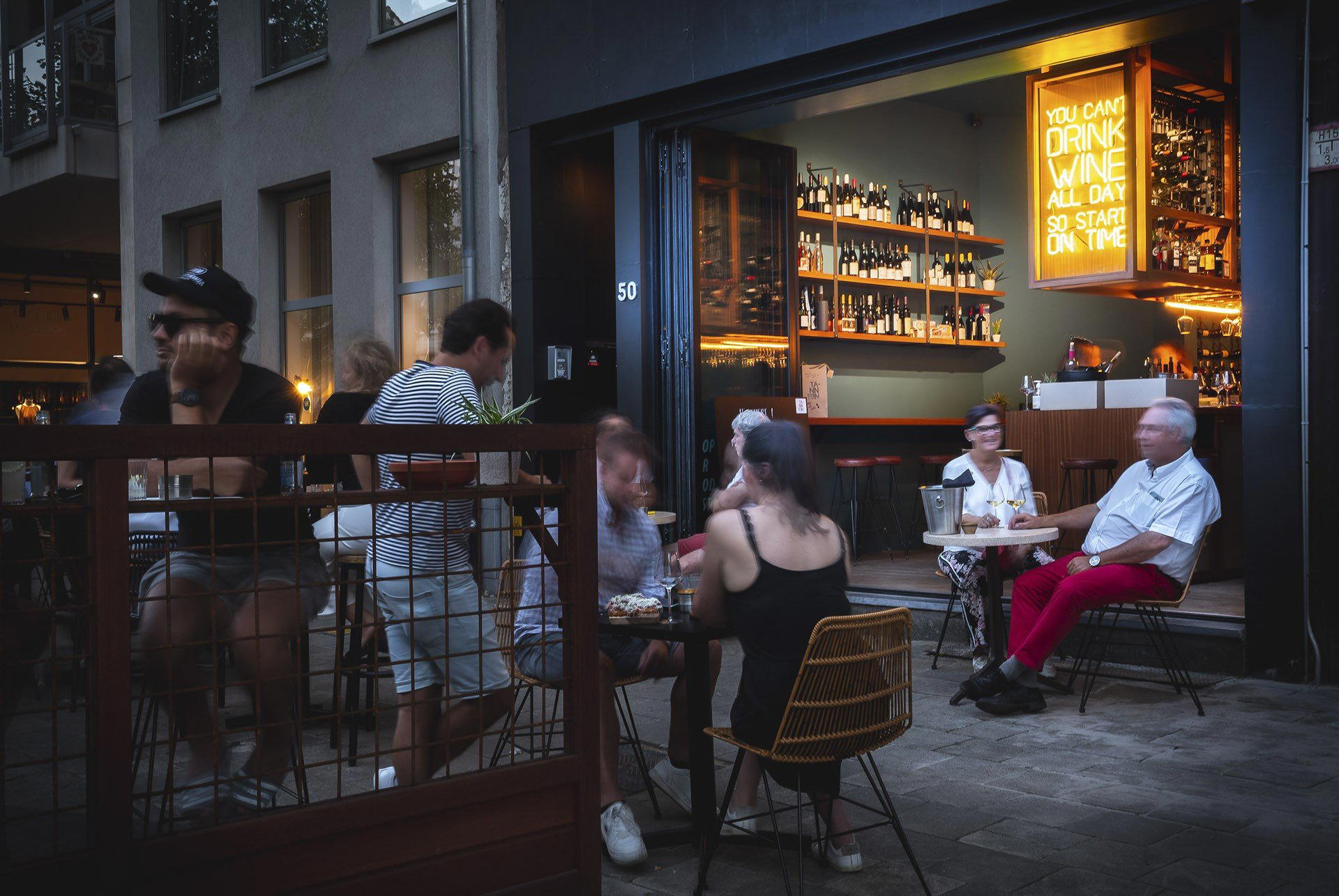
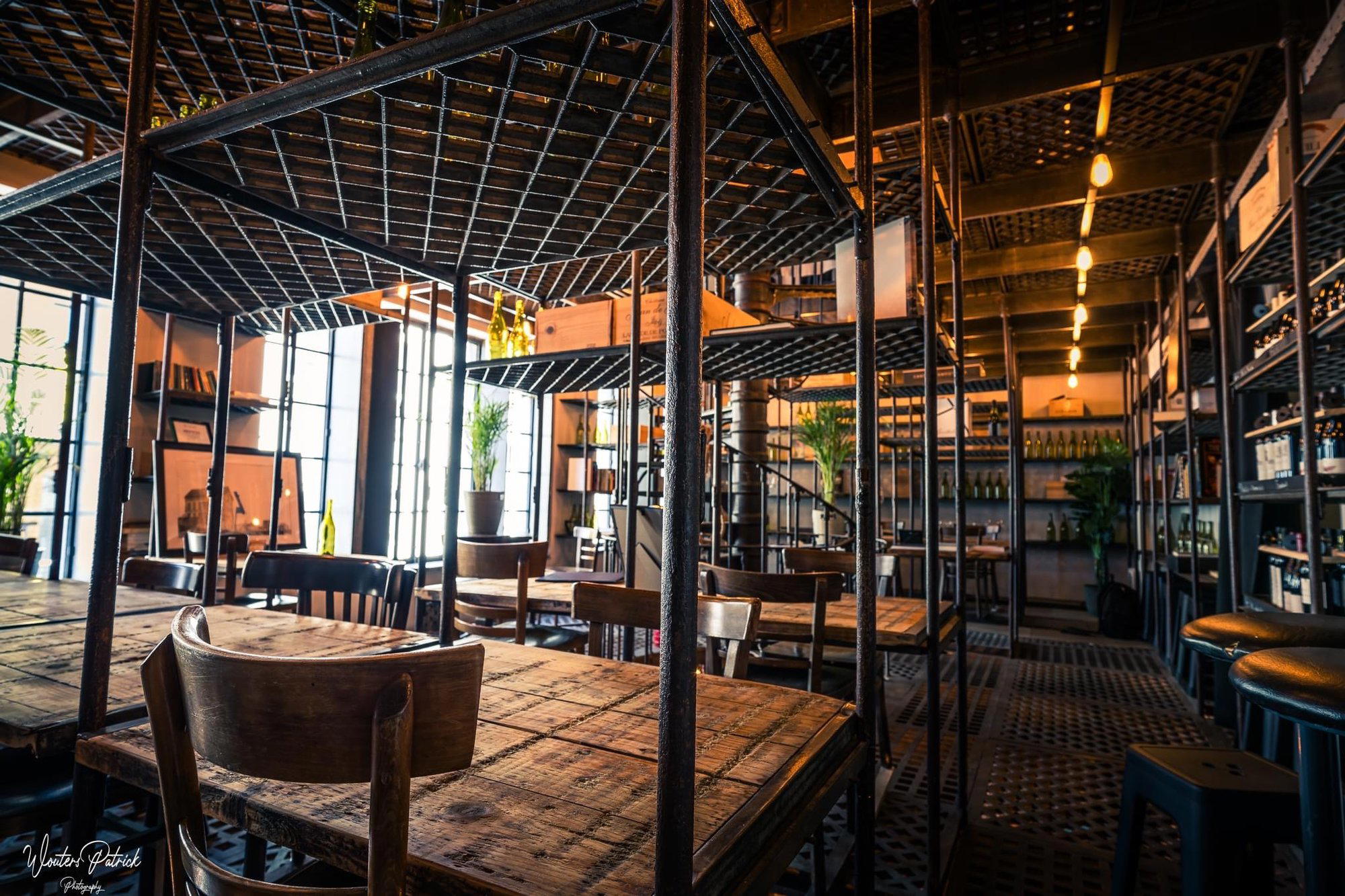
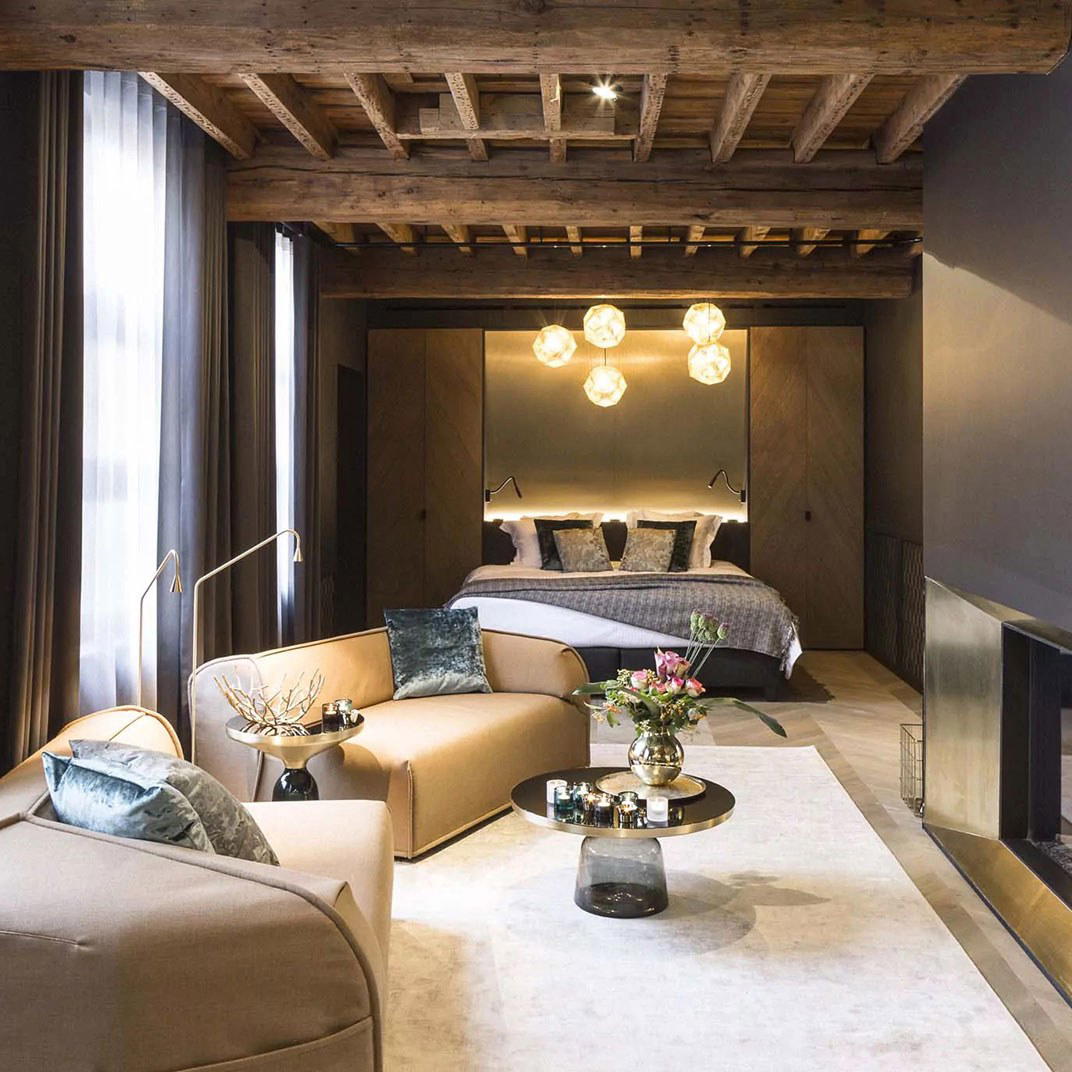
Lively and stylish with open kitchen and inviting modern decor.