Feng Shui Fine Asian Cuisine
Our verdict
Positioned in Dallas's Uptown district at 2355 Olive Street, Feng Shui Fine Asian Cuisine brings a formal approach to pan-Asian cooking in a city whose fine-dining scene continues to broaden well beyond its steakhouse roots. The address places it within walking distance of several of the neighborhood's more ambitious tables, making it a logical anchor for an evening that takes Asian cuisine seriously.

Pearl is the En Primeur Club membership app — saves, bookings, and concierge access live there. Same editors, same standards.
- Address
- 2355 Olive St #150, Dallas, TX 75201
- Phone
- (945) 288-6088
- Hours
- Daily 11 AM–10 PM
- Website
- fengshuidallas.com
- Directions
- Get directions
- Booking
- Book on OpenTable
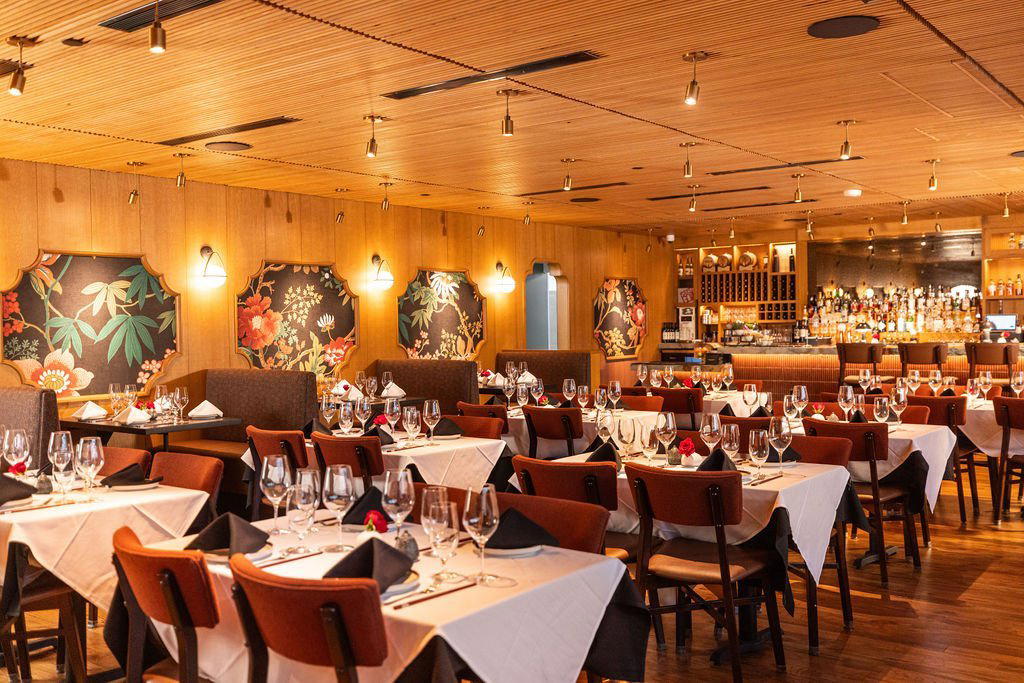
The menu
What to order
- Kung Pao Chicken
- Drunken Noodles
- Three Cultures Sampler
Fine Asian Dining in Dallas's Uptown: Reading the Room Before the Menu
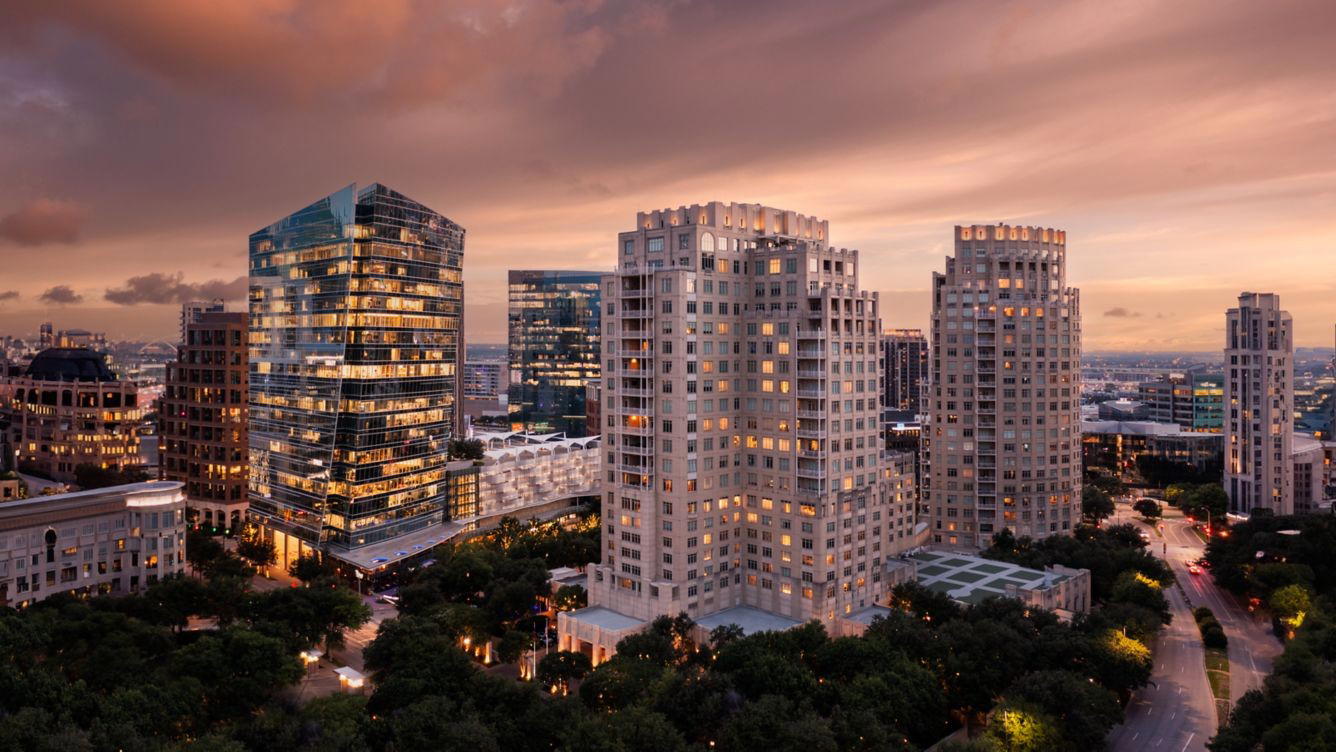
Uptown Dallas has developed into a corridor where independent fine-dining operators compete alongside established names for a guest who increasingly expects both technical seriousness and a considered physical environment. The architecture of that neighborhood signals intention before a dish arrives: the low lighting, the deliberate spacing between tables, the kind of room that asks you to slow down. Feng Shui Fine Asian Cuisine, at 2355 Olive Street, occupies that register. The address itself is a statement of positioning, placing the restaurant inside a zip code that Dallas diners have come to associate with ambitious, multi-course formats rather than casual pan-Asian eating.
Pan-Asian fine dining is a category that American cities have historically misread, collapsing the culinary traditions of an entire continent into a single generic register. The better operators in this space do the opposite: they use a broad culinary geography as a structural advantage, building progression and contrast across a meal rather than flattening everything to a common denominator. The tasting-progression format, when executed with discipline, lets a kitchen move from delicate to rich, from cool and acidic to deeply savory, in ways that a single-country menu rarely permits. That architecture is the most interesting thing about ambitious pan-Asian kitchens, and it is where the real editorial story lies.
The Architecture of a Multi-Course Asian Meal
The logic of a tasting progression through Asian culinary traditions rewards careful sequencing. A well-constructed meal in this format might open in the register of Japanese clarity, where technique prioritizes the integrity of a single ingredient over elaboration, before moving toward the more assertive flavor structures of Southeast Asian cooking, and arriving, several courses later, at the kind of long-braised, deeply reduced preparations that Chinese regional cuisine handles with particular authority. Each transition should feel intentional rather than arbitrary, a shift in register that resets the palate rather than simply piling on new flavors.
This is the discipline that separates the category's more serious operators from those who treat pan-Asian as a license for eclecticism without structure. At the level of formal dining, the comparison set shifts accordingly. Restaurants like Atomix in New York City have demonstrated that a Korean-rooted tasting menu can operate at the highest tier of critical recognition; its approach to coursing and ingredient sourcing has changed how critics and guests think about what Asian fine dining can achieve in an American context. That precedent matters for any kitchen working in this category, because it raises the standard against which ambition is measured.
Dallas's Fine-Dining Breadth in 2024
Dallas is a city whose restaurant identity has diversified considerably. The steakhouse remains a dominant format, and the Southwestern tradition still carries weight at tables like Fearing's, but the broader fine-dining field now includes Japanese counter formats, Italian-American tasting menus, and a growing number of operators who draw on Asian culinary traditions with genuine seriousness. Tatsu Dallas represents the Japanese side of that shift, anchoring a more technically specific approach to Japanese cooking in a city that had previously been underserved in that category.
Tables like Providence in Los Angeles and Smyth in Chicago have built sustained reputations by anchoring tasting formats in a rigorous editorial point of view about ingredients and progression. In Napa, The French Laundry and Single Thread Farm in Healdsburg represent the extreme end of that discipline, where every course is positioned as part of a larger compositional argument. These are the terms in which formal multi-course dining gets judged at the national level, regardless of city.
For Dallas diners who want to map the local fine-dining field more broadly, our full Dallas restaurants guide covers the range of formats and price tiers currently active in the city. Nearby in Uptown, Mamani and 3Eleven Kitchen and Cocktails represent different points on the neighborhood's dining spectrum, from South American-inflected cooking to a more cocktail-forward format. 12 Cuts Brazilian Steakhouse and 360 Brunch House round out the variety of formats available within a short radius.
What the Address Implies About Format and Commitment
A restaurant at 2355 Olive Street, Suite 150, is operating in a commercial context that implies a certain level of investment in the physical environment and service infrastructure. Uptown rents and the expectations of the guest demographic in that corridor tend to push operators toward a formal-leaning format, whether they are running an Italian tasting menu or an Asian-inflected multi-course experience. The neighborhood's dining culture rewards seriousness, and guests who arrive at a fine-dining address in Uptown are typically there because they have made a considered choice, not a spontaneous one.
That context matters when thinking about how to approach a meal at this level. The national conversation about tasting-format dining, from Le Bernardin in New York City to Blue Hill at Stone Barns in Tarrytown and Addison in San Diego, consistently returns to the same questions: does the progression of courses build toward something, and does the kitchen have a point of view worth spending two or three hours with? Those are the questions worth bringing to any formal Asian table, in Dallas or elsewhere.
For reference, international operators working in structured tasting formats, such as Atelier Moessmer Norbert Niederkofler in Brunico, have demonstrated that a tightly defined culinary philosophy, expressed through careful sequencing, is more durable than breadth alone. The comparison is instructive even across very different culinary traditions. Other US benchmarks like Lazy Bear in San Francisco, Emeril's in New Orleans, and The Inn at Little Washington in Washington each illustrate how a distinctive sense of place and progression has translated into long-term critical recognition.
Planning Your Visit
Venue-specific booking details, current hours, and pricing for Feng Shui Fine Asian Cuisine are best confirmed directly before visiting, as these can change. The table below maps the restaurant against several Dallas peers by format and general price positioning to help calibrate expectations.
| Venue | Format | Price Tier | Cuisine Focus |
|---|---|---|---|
| Feng Shui Fine Asian Cuisine | Fine dining, Asian | Confirm directly | Pan-Asian |
| Tei-An | Izakaya / Japanese | $$$$ | Japanese |
| Tatsu Dallas | Japanese fine dining | $$$$ | Japanese |
| Fearing's | Formal American | $$$$ | Southwestern |
| Lucia | Italian tasting | $$$ | Italian |
Frequently asked questions
Where is Feng Shui Fine Asian Cuisine in Dallas?
Feng Shui Fine Asian Cuisine is located at 2355 Olive St #150, Dallas, TX 75201, Dallas.
How does Feng Shui Fine Asian Cuisine compare to other Asian fine-dining options in Dallas?
Dallas's serious Asian dining tier has grown to include Japanese counter formats like Tatsu Dallas at one end and broader pan-Asian approaches at the other. Feng Shui Fine Asian Cuisine operates out of Uptown Dallas at 2355 Olive Street, a corridor that attracts guests choosing formal independent operators over hotel dining rooms. Without publicly documented awards or chef credentials on record, the clearest differentiator is its location within a neighborhood that consistently supports multi-course, destination-driven dining.
What dish is Feng Shui Fine Asian Cuisine famous for?
No single signature preparation has been publicly documented for Feng Shui Fine Asian Cuisine. At this Uptown Dallas address, operators in the fine-dining tier typically build recognition around a cohesive tasting progression rather than a single dish. Confirming the current menu directly with the restaurant will give the most accurate picture of what's driving repeat visits.
How far ahead should I plan for Feng Shui Fine Asian Cuisine?
For weekend tables at a formal fine-dining address in Uptown Dallas, one to three weeks of lead time is a reasonable working assumption. Reservations at 2355 Olive Street, Suite 150 should be confirmed directly with the venue, as booking windows vary by format and season. Midweek availability tends to open up faster across the Uptown corridor.
What has Feng Shui Fine Asian Cuisine built its reputation on?
Feng Shui Fine Asian Cuisine holds a position in Uptown Dallas, a neighborhood that has attracted serious independent fine-dining operators across multiple cuisine categories. Operating at a suite address on Olive Street implies a level of physical investment consistent with a formal dining commitment. Within Dallas's expanding Asian dining market, that positioning places it alongside operators who compete on sequenced courses and service depth rather than casual throughput.
Awards and Standing
Comparable venues nearby, for context on price, style, and recognition.
| Venue | Cuisine | Price | Notes |
|---|---|---|---|
| Feng Shui Fine Asian CuisineThis venue — the venue you are viewing | Traditional Chinese, Japanese & Thai | Not listed | Not listed |
| May Dragon | Authentic Cantonese and Szechuan Chinese | $30–50 | Addison |
| CBD Provisions | Modern Texas Brasserie | $50–100 | Downtown |
| Ramble Room | Classic American Bistro | $30–50 | Greenville Ave |
| rise soufflé - Dallas | French Soufflé Bistro | $30–50 | Devonshire |
| Léonie | Modern Italian with Wood-Fired Pizza | $100–150 | Victory Park |
Details
- Elegant
- Serene
- Sophisticated
- Date Night
- Business Dinner
- Open Kitchen
- A La Carte
Current opening hours
- Monday
- 11 AM–10 PM
- Tuesday
- 11 AM–10 PM
- Wednesday
- 11 AM–10 PM
- Thursday
- 11 AM–10 PM
- Friday
- 11 AM–10 PM
- Saturday
- 11 AM–10 PM
- Sunday
- 11 AM–10 PM
Hours can change for holidays and private events. Last verified .
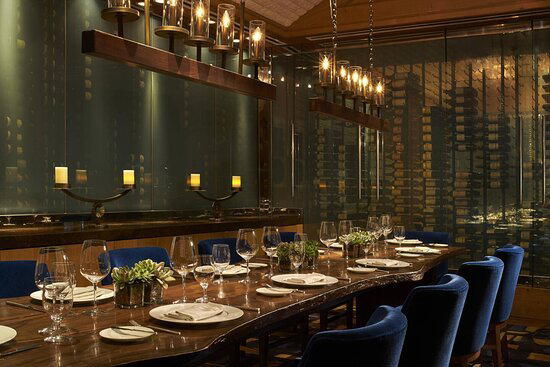
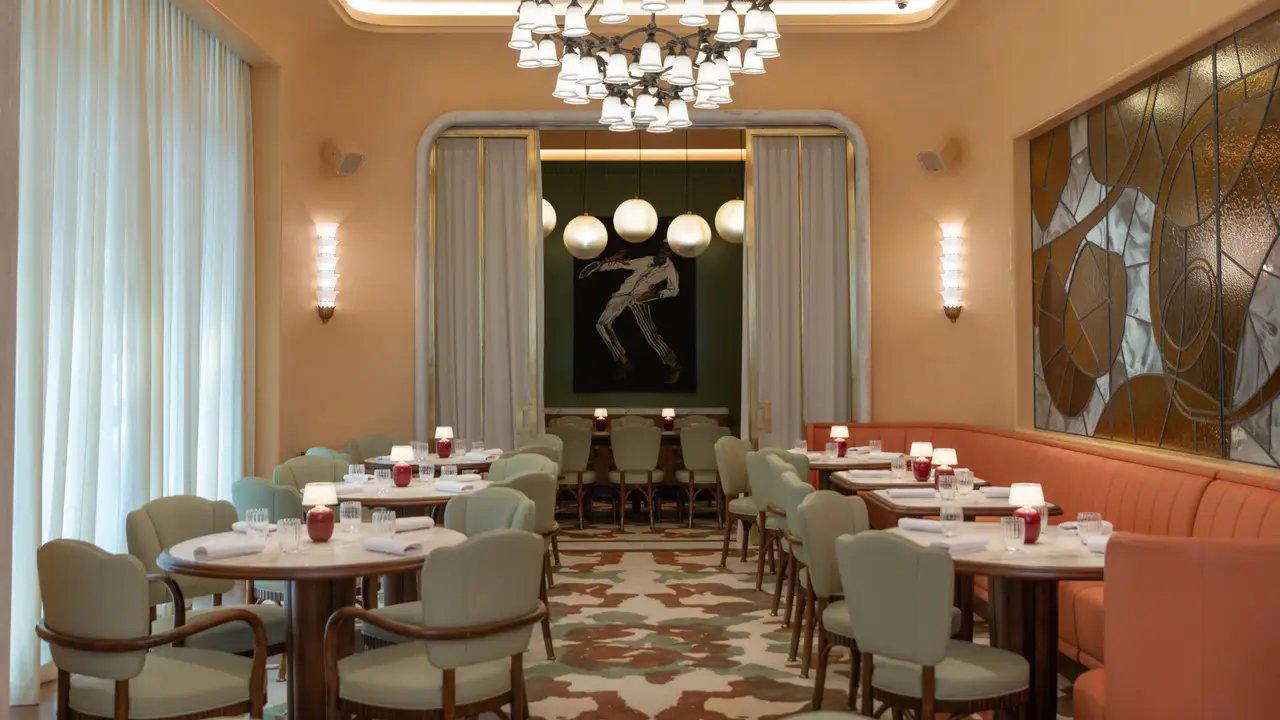
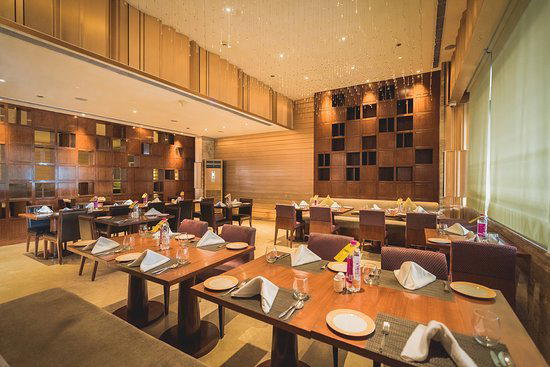
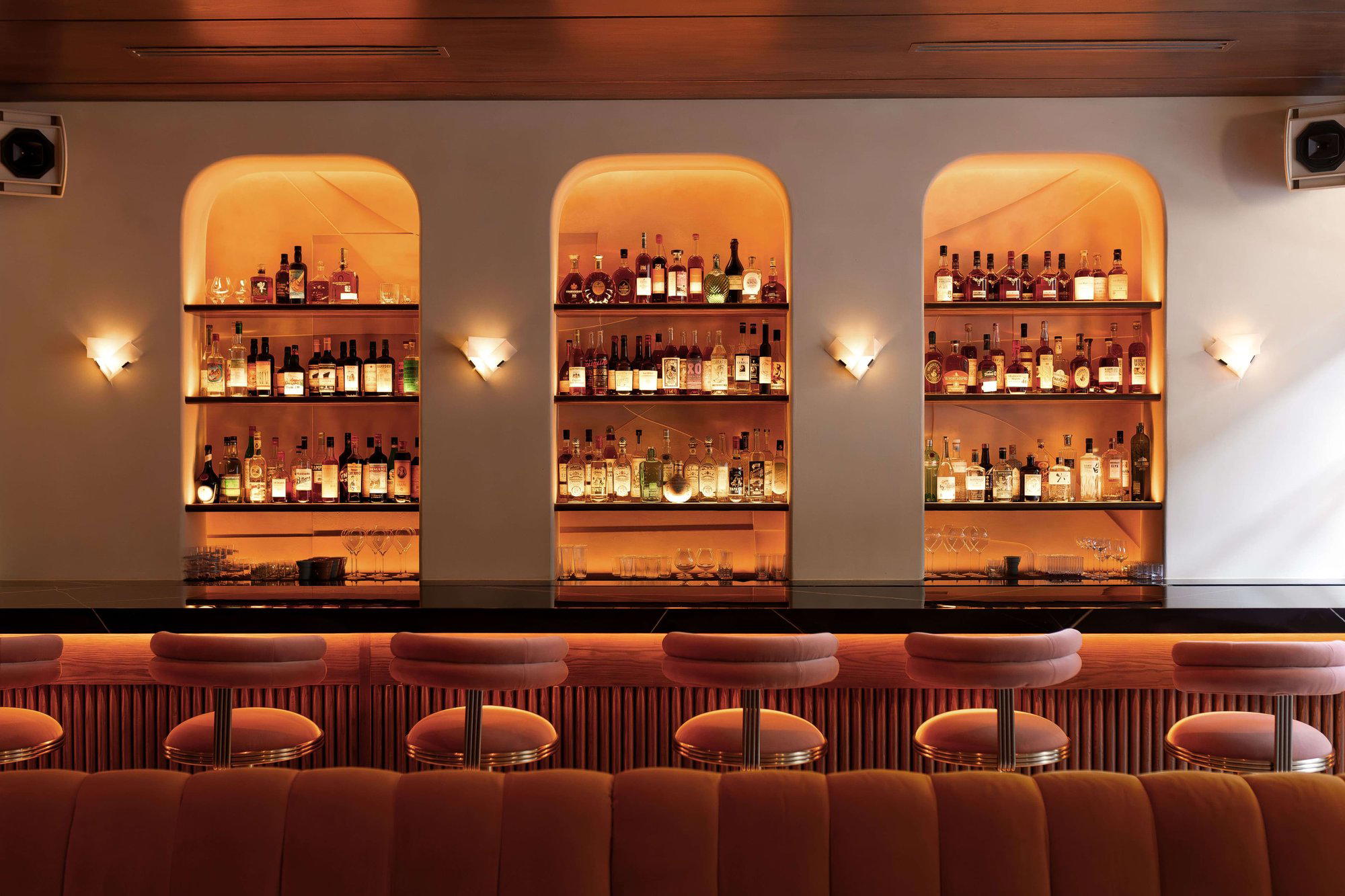
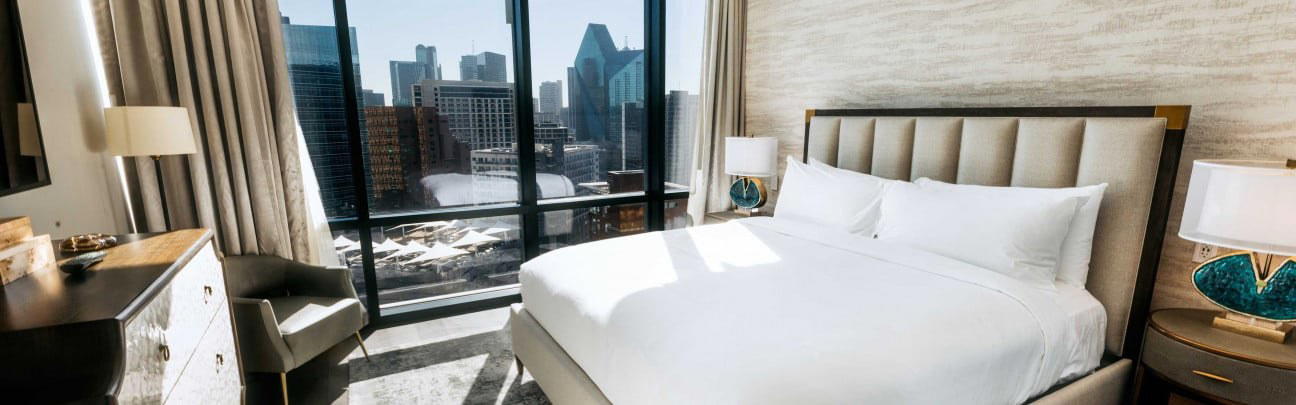
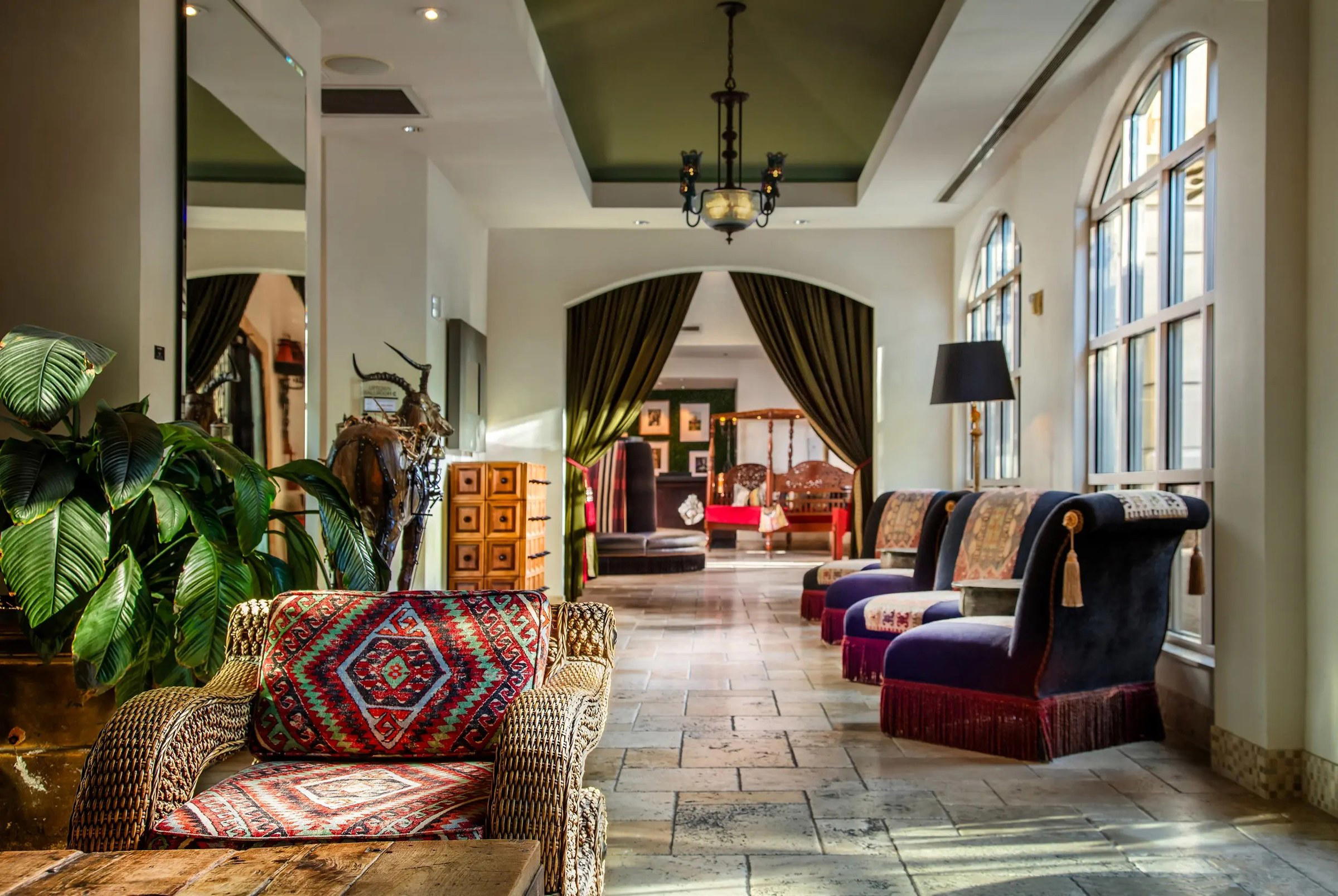
Refined and serene setting designed to nourish body and spirit, with moderate noise levels.