May Dragon
Our verdict
May Dragon serves authentic Cantonese and Szechuan Chinese at 4848 Belt Line Rd in Dallas, with Peking Duck, Sesame Chicken, and Lettuce Wraps on the table for lunch or dinner.

Pearl is the En Primeur Club membership app, where members save venues, book tables and use the concierge.
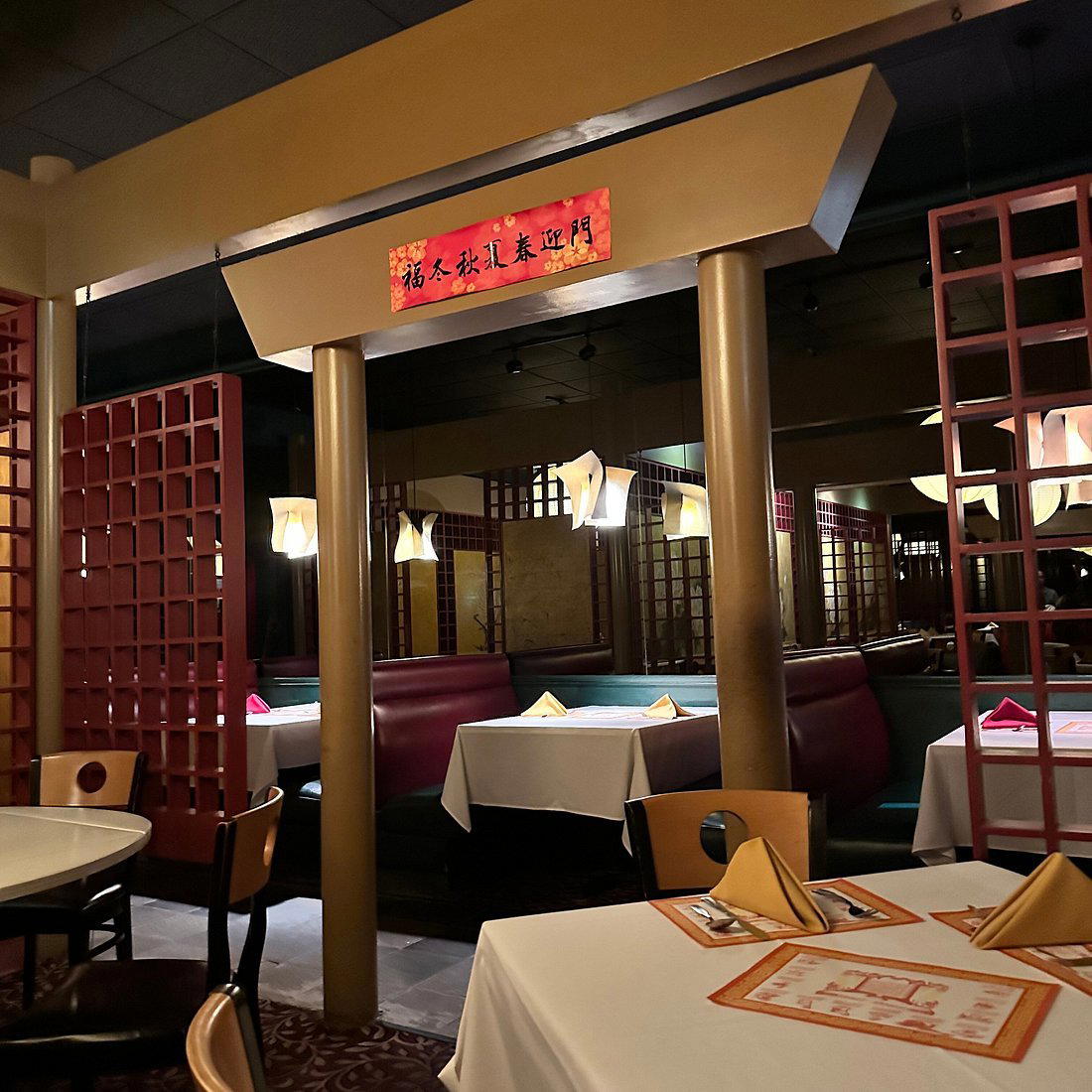
Where Addison's Chinese Dining Scene Earns Its Serious Reputation
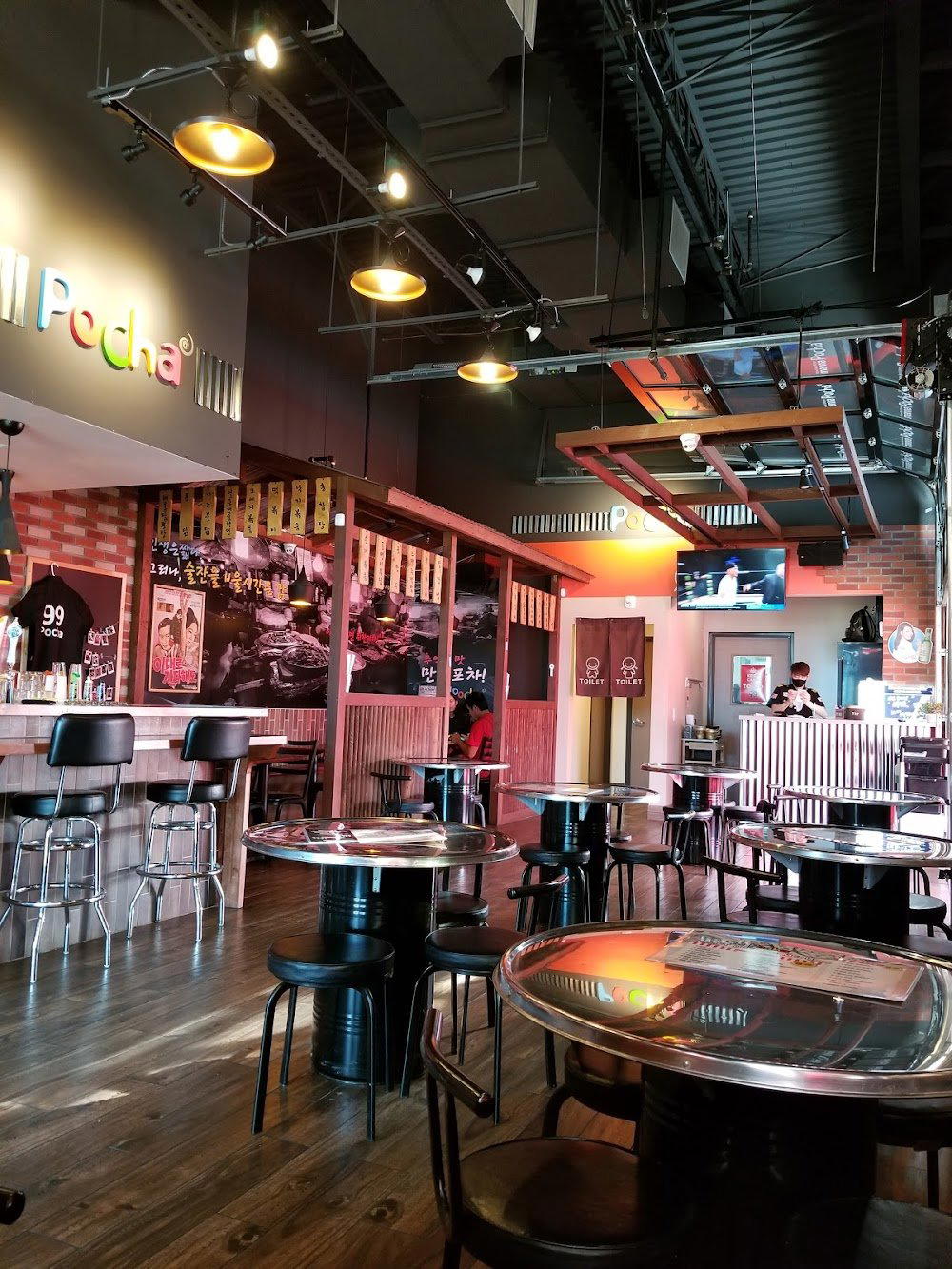
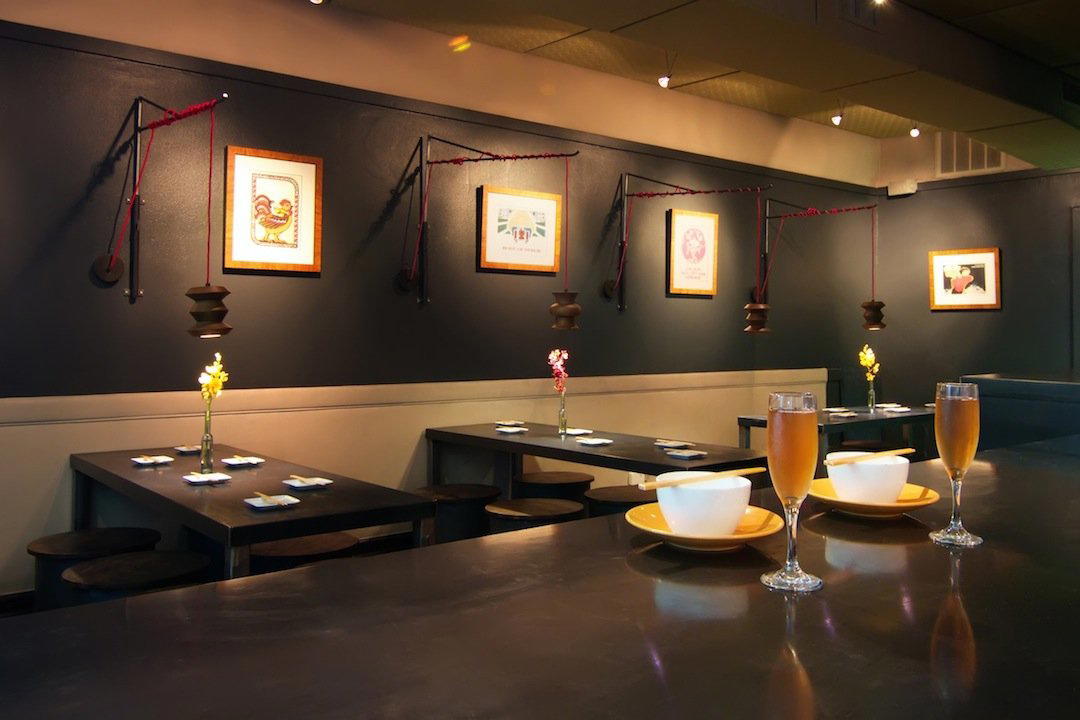
Belt Line Road in Addison, the dense restaurant corridor that runs through Dallas's northern suburbs, is where the city's Chinese dining conversation gets genuinely interesting. Strip-mall frontage is the norm here, and first impressions are deliberately low-key. The room at May Dragon, at 4848 Belt Line Rd, reads as a counterpoint to the theatrical interiors that define places like Alinea in Chicago or Atomix in New York City. The visual register is restrained: the energy comes not from the room itself but from the tables, from the rhythm of shared plates arriving, from the particular density of Chinese families and longtime regulars who treat the place as a weekly ritual rather than an occasion.
That regularity is itself a data point. In a corridor where new openings cycle quickly, longevity signals something. The Addison strip along Belt Line has sustained Chinese restaurants for decades, operating as a parallel dining economy to Dallas's downtown fine-dining bracket, which skews toward concepts like Mamani or the upscale Southwestern framework of Fearing's.
The Architecture of a Shared-Plates Meal
Chinese restaurant meals, particularly in the Cantonese and Hong Kong-inflected tradition that May Dragon represents, are built around a logic of sequencing that differs substantially from Western tasting-menu formats. At the high end of that tradition, say, 8 1/2 Otto e Mezzo Bombana in Hong Kong, the progression is deliberately paced and chef-directed. In a neighborhood setting like May Dragon, the sequencing is more negotiated: the table, not the kitchen, controls the arc of the meal.
That means the experience rewards tables who know how to order. The typical progression moves from cold appetizers and light soups toward proteins, then to whole fish or roasted poultry, then to rice and noodle dishes that close the meal. The logic is deliberate, building richness gradually, finishing with carbohydrates that settle the palate rather than overwhelm it early. This is a fundamentally different structure from the escalating intensity model used by tasting-counter formats at places like Lazy Bear in San Francisco or The French Laundry in Napa, where the kitchen fully controls pacing and portion scale.
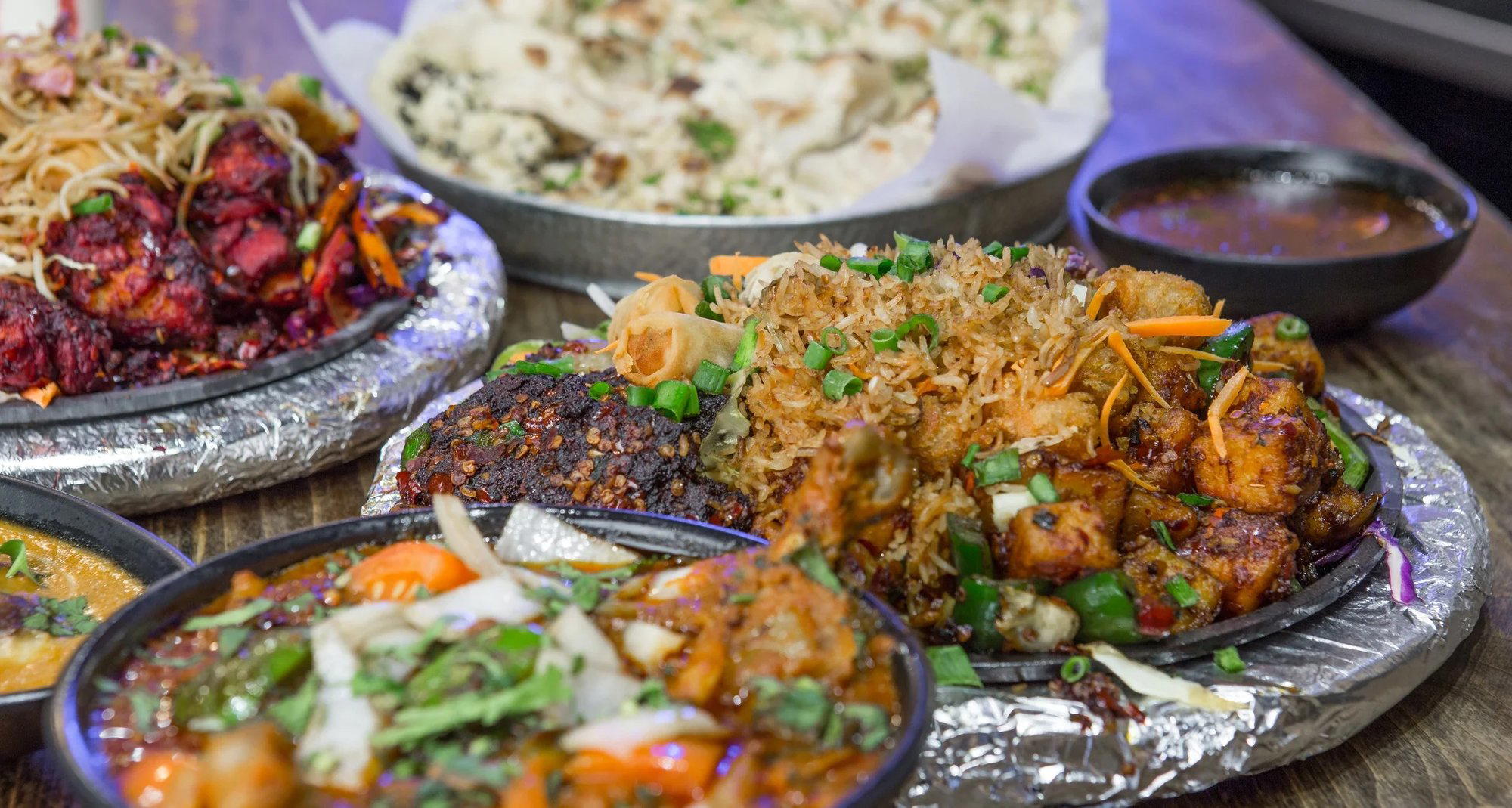
At May Dragon, the shared-table format means groups of four or more eat considerably better than solo diners or pairs. Range matters. A table that orders across categories, something preserved or pickled to open, a clay-pot dish mid-meal, a whole protein as the centerpiece, will experience the meal as a coherent arc. A table that orders from a single category will not.
How May Dragon Sits in the Dallas Chinese Dining Tier
Dallas's Chinese restaurant scene is geographically concentrated in two clusters: the Addison corridor along Belt Line, and further east into Richardson and Plano, where newer Sichuan and Taiwanese arrivals have expanded the city's range. May Dragon's location places it squarely in the older, more established cluster, where Cantonese traditions and Hong Kong-style seafood formats have the deepest roots.
This matters for comparison purposes. The newer Sichuan wave that has reshaped Chinese dining in American cities over the past decade, characterized by numbing heat, complex spice layering, and maximalist presentation, is a different culinary tradition entirely. May Dragon's register, rooted in the Cantonese preference for clarity of flavor and careful protein treatment, operates closer to the approach visible (at a completely different price and prestige tier) in the formal seafood focus of Le Bernardin in New York City or the ingredient-led restraint of Blue Hill at Stone Barns in Tarrytown. That is not a claim about quality equivalence, it is a claim about culinary philosophy: let the primary ingredient carry the weight.
Among Dallas Chinese options, May Dragon occupies a mid-tier position by price, sitting above the quick-service format but below the high-end private-room banquet restaurants that handle wedding receptions and corporate dinners. Its nearest direct competitors on Belt Line operate with similar format logic. What has kept May Dragon in the conversation is consistency over time, which in a strip-mall dining corridor is harder to maintain than it sounds. For broader Dallas context across cuisines, our full Dallas restaurants guide maps how these neighborhoods and price tiers fit together.
Planning the Meal
The Belt Line corridor is car-dependent. There is no meaningful pedestrian approach, and the parking lot dynamics outside the restaurant are typical of suburban Dallas: wide, utilitarian, shared across neighboring businesses. For visitors staying in central Dallas, the drive north on the Dallas North Tollway or Central Expressway puts May Dragon roughly twenty minutes from downtown, depending on time of day. The Addison dining corridor is worth understanding as a destination in its own right: it concentrates significant restaurant density in a walkable (by car) cluster, and a meal at May Dragon fits naturally into an evening that might also include 360 Brunch House for a later stop or 3Eleven Kitchen and Cocktails nearby.
Given the shared-plates format, the meal works well for groups. A table of four can order eight to ten dishes and cover the full progression without over-ordering. A table of two should focus on three to four dishes and treat it as a more selective, concentrated version of the same arc. Parking is uncomplicated, and the restaurant's neighborhood-institution status means the pace of service is efficient rather than leisurely, this is not a three-hour table.
For diners comparing across the Dallas Japanese dining bracket, Tatsu Dallas operates in a related but distinct high-end Japanese format, while 12 Cuts Brazilian Steakhouse covers the shared-protein, high-volume format in a completely different culinary tradition. The comparison is useful for understanding where May Dragon sits: it is neither a high-ceremony occasion restaurant nor a volume steakhouse, but a neighborhood-anchored institution where the quality of the meal scales directly with how well the table orders.
For reference against other American fine-dining programs that take a long-term, institution-building approach rather than a trend-chasing one, Emeril's in New Orleans, Providence in Los Angeles, The Inn at Little Washington, Addison in San Diego, and Single Thread Farm in Healdsburg each represent what sustained commitment to a culinary identity looks like at higher price points. May Dragon's version of that commitment is more modest in scale but operates on the same principle: a defined cuisine, a consistent execution, and a local clientele that returns because the standard holds.
Frequently asked questions
What's the must-try dish at May Dragon?
Can I walk in to May Dragon?
What do critics highlight about May Dragon?
How does May Dragon handle allergies?
Is May Dragon worth the price?
How does May Dragon compare to other long-established Chinese restaurants on the Dallas Belt Line corridor?
Cuisine and Recognition
Comparable venues nearby, for context on price, style, and recognition.
| Venue | Cuisine | Price | Notes |
|---|---|---|---|
| May DragonThis venue (the venue you are viewing) | Authentic Cantonese and Szechuan Chinese | $30–50 | Not listed |
| Léonie | Modern Italian with Wood-Fired Pizza | $100–150 | Victory Park |
| Bowen House | American Gastropub | $30–50 | State Thomas |
| Elephant East | Modern Pan-Asian | Not listed | Uptown |
| BOCADO | Modern Mexican Tapas | $30–50 | Old East Dallas |
| Olōyō | Heirloom Corn Mexican | Not listed | Mill Creek |
Continue exploring
More in Dallas
Restaurants in Dallas
All restaurants in Dallas →
Details
- Elegant
- Classic
- Business Dinner
- Group Dining
- Family
- Live Music
- Private Dining
- A La Carte
- Vegetarian Friendly
Current opening hours
- Monday
- 11 AM–10 PM
- Tuesday
- 11 AM–10 PM
- Wednesday
- 11 AM–10 PM
- Thursday
- 11 AM–10 PM
- Friday
- 11 AM–11 PM
- Saturday
- 12–11 PM
- Sunday
- 12–10 PM
Hours can change for holidays and private events. Hours as of .
Good atmosphere suitable for lunch or dinner with live piano music on Friday and Saturday nights.