Bar Colette

Bar Colette belongs to Dallas’s newer cocktail tier, where recognition depends less on speakeasy theater and more on a disciplined drinks program. Its 2025 James Beard Award semifinalist nod for Best New Bar gives it national context, placing the bar inside a conversation that now stretches from Texas to New Orleans, Chicago, Miami, Seattle, Honolulu, and beyond.
Pearl is the En Primeur Club membership app — saves, bookings, and concierge access live there. Same editors, same standards.
- Address
- 3699 McKinney Ave #306, Dallas, TX 75204
- Phone
- (214) 377-4809
- Website
- barcolette.com
- Directions
- Get directions
 Saves & bookings on Pearl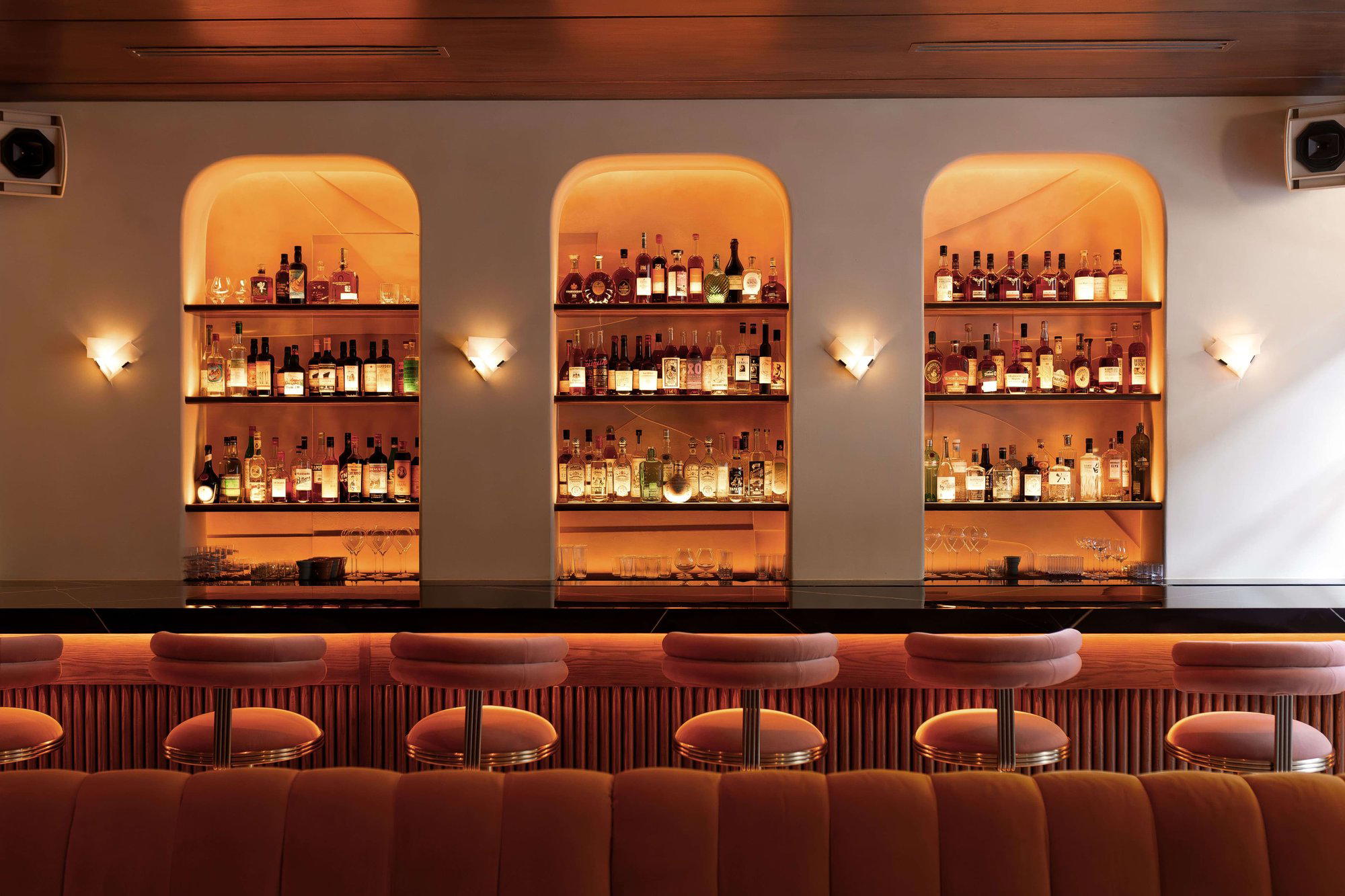
Dallas cocktail culture after the hidden-door era
The first read on a serious modern bar is rarely the drink list. It is the room’s rhythm: how conversation moves, whether the lighting asks people to lean in, whether the bar feels engineered for drinking or merely decorated around it. Dallas has spent years maturing past the easy signals of cocktail ambition, from coded entrances and antique glassware to menus that mistake length for depth. The city’s sharper bars now compete on execution, pacing, and a point of view that can survive without spectacle. Bar Colette enters that conversation with a national credential already attached: it was named a 2025 James Beard Award semifinalist for Leading New Bar, a recognition that matters because the Beard Foundation does not treat new bars as local curiosities.
That distinction is useful for reading the bar correctly. In Dallas, a new cocktail room can be judged against neighborhood drinking habits, hotel-bar polish, restaurant-adjacent service, or the broader American craft movement. The Beard semifinalist listing pushes Bar Colette toward the last category. It suggests a program being evaluated for more than charm: drink construction, hospitality systems, originality within recognizable forms, and the ability to make a new bar feel mature early in its life. For travelers, that changes the question from “Is this a good Dallas night out?” to “What does Dallas now contribute to the national cocktail discussion?”
The drinks program is the point, not the décor
The assigned center of gravity here is the cocktail program. With cuisine type, chef details, price range, hours, seat count, website, and phone absent from the available record, the responsible way to approach Bar Colette is through what is documented: Dallas, bar category, and the James Beard 2025 semifinalist citation for Leading New Bar. That is not a thin credential. In contemporary cocktail culture, new-bar recognition tends to favor places with a defined technical language rather than a loose list of house drinks and classics. Clarification, lower-ABV builds, culinary-style prep, house modifiers, and precise ice programs have moved from specialist circles into the mainstream, but recognition still depends on whether those tools serve the drink rather than advertise the technique.
Dallas is a useful city for that shift because it does not have one inherited cocktail identity. New Orleans has ritual and history, Miami has Cuban-American bar culture and hotel glamour, Chicago has a deep craft-cocktail infrastructure, and Houston has built a serious Southern bar canon through agave, Gulf Coast ingredients, and regional memory. Dallas has had to assemble its modern identity through neighborhoods, restaurant groups, independent operators, and a customer base that moves easily between steakhouses, natural wine, live music bars, and late-night lounges. In that context, Bar Colette’s Beard citation reads as a signal that a younger Dallas bar can compete without leaning on nostalgia.
The comparison matters. A venue such as Julep in Houston carries the weight of Southern cocktail tradition and a city with a defined Gulf-facing food culture. Jewel of the South in New Orleans works inside one of America’s deepest mixed-drink histories. Kumiko in Chicago helped prove how Japanese precision, tasting-menu discipline, and bar hospitality could occupy the same room. Café La Trova in Miami has a cultural frame that goes far beyond the shaker tin. Bar Colette is operating from a different Dallas premise: the city’s cocktail authority is being built in real time, so technical clarity and editorial confidence carry more weight than inherited myth.
Where Bar Colette fits among Dallas bars
Dallas drinking is broad enough that “cocktail bar” can mean several incompatible things. Some rooms are built around pre-dinner precision, others around music, beer, wine, or neighborhood durability. The value of a bar like Bar Colette is easier to understand when set against that spread. Apothecary sits in the city’s more experimental cocktail lane, useful for drinkers who want the bar to show its technique. Adair's Saloon represents another Dallas grammar entirely: live music, beer, and a long-running saloon culture where polish is not the point. Alcove Wine Bar and Ampelos Wines help define the wine side of the city’s drinking map, where bottle selection and pacing replace cocktail technique as the main decision.
That range is what makes the Beard recognition especially telling. The 2025 semifinalist list for Leading New Bar does not merely reward a new address with a good opening crowd. It points to a bar with enough clarity to register beyond its home market. For Dallas, that matters. The city’s dining reputation has often been discussed through steakhouse culture, Tex-Mex, barbecue, private-club energy, and ambitious restaurants with national money behind them. Cocktail bars had to fight for equal editorial attention. A new-bar citation from the James Beard Foundation gives the category a sharper public marker and tells travelers that Dallas’s drinking scene should not be treated as an afterthought between dinner reservations.
The better night in Dallas often depends on choosing the right format rather than chasing a single address. A visitor mapping the city through EP Club can use Our full Dallas restaurants guide for dinner context, then decide whether the drinking portion should be technical, casual, wine-led, or music-driven. Bar Colette belongs to the technical and contemporary end of that spectrum. It is the kind of bar to place before or after a serious meal, not because a documented food program is available here, but because nationally noticed cocktail programs reward attention. They are rarely at their strongest when treated as background noise.
Technique, recognition, and the new American bar
American cocktail recognition has changed over the past decade. Early-2000s revival bars built authority through forgotten classics, house bitters, and Prohibition-era atmosphere. Later, high-concept rooms leaned into theatrical service and hidden entrances. The current leading edge is quieter and more exacting: tight menus, better nonalcoholic options, culinary prep methods, and bartenders who understand that a drink’s structure matters more than a story printed beside it. A James Beard semifinalist for Leading New Bar in 2025 is being judged in that climate, where technique is expected but restraint separates serious bars from overbuilt ones.
That does not mean every drink must be unfamiliar. In fact, the opposite is often true. Strong modern programs tend to make familiar templates feel cleaner, drier, more aromatic, or more texturally controlled without losing the drink’s purpose. A Martini variation should not need a paragraph of explanation. A highball should earn its glassware. A stirred drink should reveal balance across temperature and dilution rather than arrive as a trophy object. Specific cocktails at Bar Colette are not listed in the available record, so no named order should be invented. The sound recommendation is to ask the staff for the drink that currently defines the bar’s house style, especially if the menu shifts or uses house preparations that benefit from explanation.
Seen nationally, Bar Colette is part of a network of bars proving that the American cocktail scene is no longer concentrated in a handful of coastal cities. Bar Leather Apron in Honolulu demonstrates how a serious room can emerge far from the old New York-San Francisco axis. Roquette in Seattle shows how wine, aperitif culture, and cocktail craft can sit close together. The Parlour in Frankfurt on the Main is a reminder that the same technical conversation has a European parallel, where precision and restraint often carry more status than theatricality. Dallas now has a fresh marker in that wider map.
Reading the room: low-key, high-energy, or somewhere between
A James Beard semifinalist for Leading New Bar in Dallas is unlikely to function like a dive, a pure hotel lobby bar, or a live-music saloon. The more useful expectation is a cocktail-focused room where the energy depends on timing. Early evening usually suits drinkers who want to talk through the menu and understand the house approach. Later service in Dallas tends to bring a higher social temperature, particularly at bars with national attention.
This distinction matters for planning. Low-key and high-energy are not fixed identities; they are time slots. If the goal is to evaluate the drinks program, arrive early in the night or choose a quieter window rather than treating the bar as the final stop after several rounds elsewhere. If the goal is a Dallas social scene with serious drinks in hand, a later visit may make more sense. The Beard citation will naturally draw cocktail travelers, local regulars, and award-curious visitors, so flexibility helps.
How to plan a sharper night around Bar Colette
The practical strategy is simple: make the drinks the anchor, then build dinner and movement around it. Dallas is a driving city with neighborhood-by-neighborhood variation in pace, parking, and late-night energy, and no address or coordinates are available in the record here. That means travelers should verify the exact location through current mapping tools before committing to a route. Nationally recognized cocktail rooms often price against technique, labor, and ingredients rather than standard neighborhood-bar expectations, but no specific number should be assumed without a current menu.
Reservation planning deserves the same caution. If reservations are offered through a third-party platform or the venue’s own channel, that information needs checking before the visit. If walk-ins are the format, award attention can still affect wait times, especially after the James Beard semifinalist announcement. The smartest approach is to treat the bar like a limited-capacity cultural stop rather than a casual backup. Build a plan with a nearby dinner option, keep arrival time realistic, and avoid making a tight connection immediately afterward.
For visitors using Dallas as part of a broader American bar itinerary, Bar Colette works as a comparison point rather than an isolated trophy stop. Pairing it mentally with Houston, New Orleans, Chicago, Miami, Seattle, Honolulu, and even Frankfurt sharpens the read: each city expresses cocktail seriousness differently. Dallas’s version is less burdened by inherited ritual and more dependent on whether the bar can define its own grammar quickly. A 2025 James Beard Award semifinalist nod for Leading New Bar suggests Bar Colette has done enough to earn that comparison. The reader’s task is to approach it with attention, not checklist behavior.
Recognition history
Dated appearances from independent guides and award organizations, with the underlying list record or original source where available.
James Beard Award Semi Finalist
James Beard Award
At a Glance
- Cozy
- Elegant
- Intimate
- Sophisticated
- Modern
- Trendy
- Date Night
- After Work
- Late Night
- Special Occasion
- Celebration
- Private Event
- Design Destination
- Standalone
- Seated Bar
- Lounge Seating
- Booth Seating
- Outdoor Terrace
- Craft Cocktails
- Conventional Wine
- Mezcal
- Tequila
- Whiskey
- Gin
Current opening hours
- Monday
- Closed
- Tuesday
- 5–11 pm
- Wednesday
- 5–11 pm
- Thursday
- 5–11 pm
- Friday
- 5 pm–12 am
- Saturday
- 5 pm–12 am
- Sunday
- Closed
Hours can change for holidays and private events. Last verified .
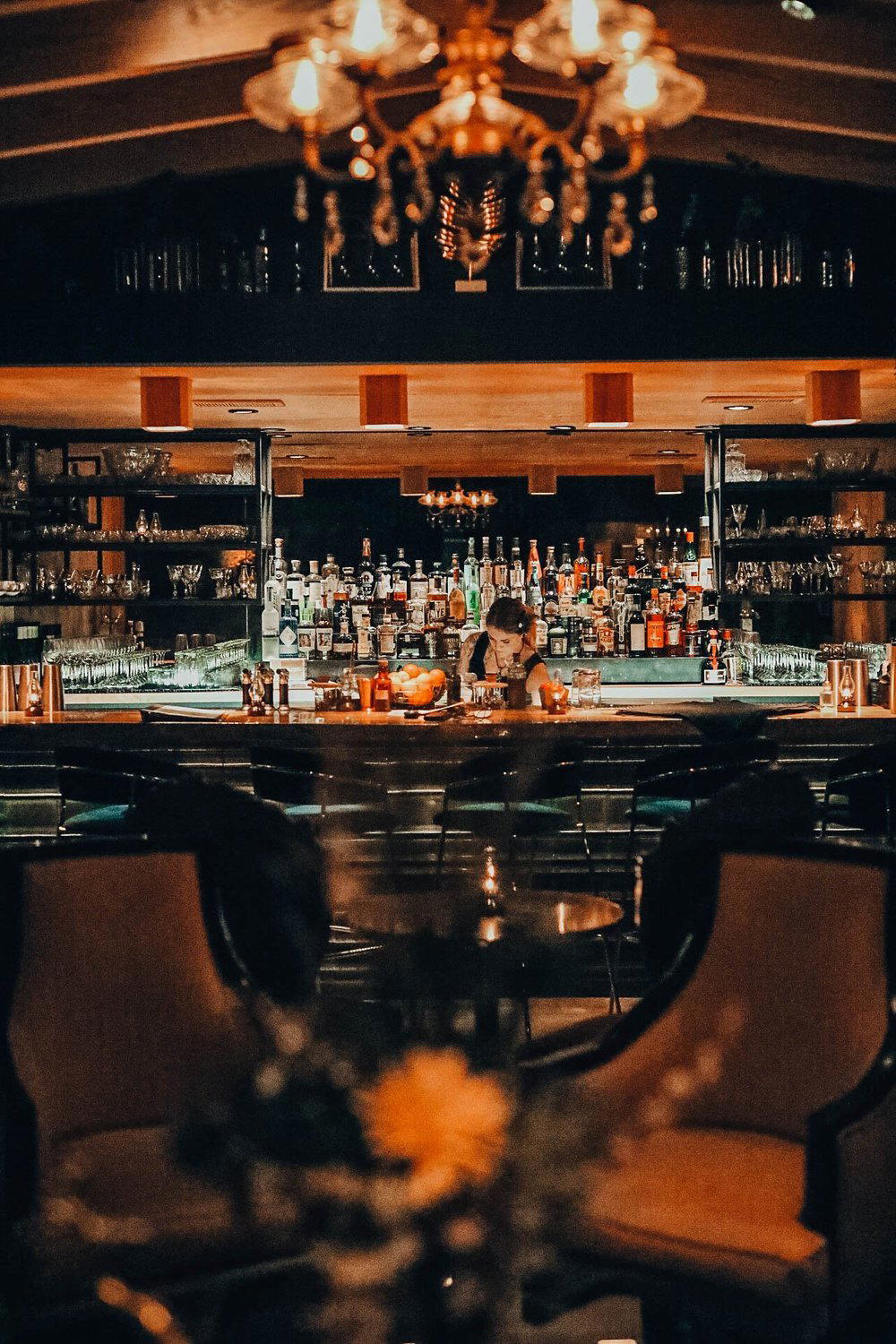
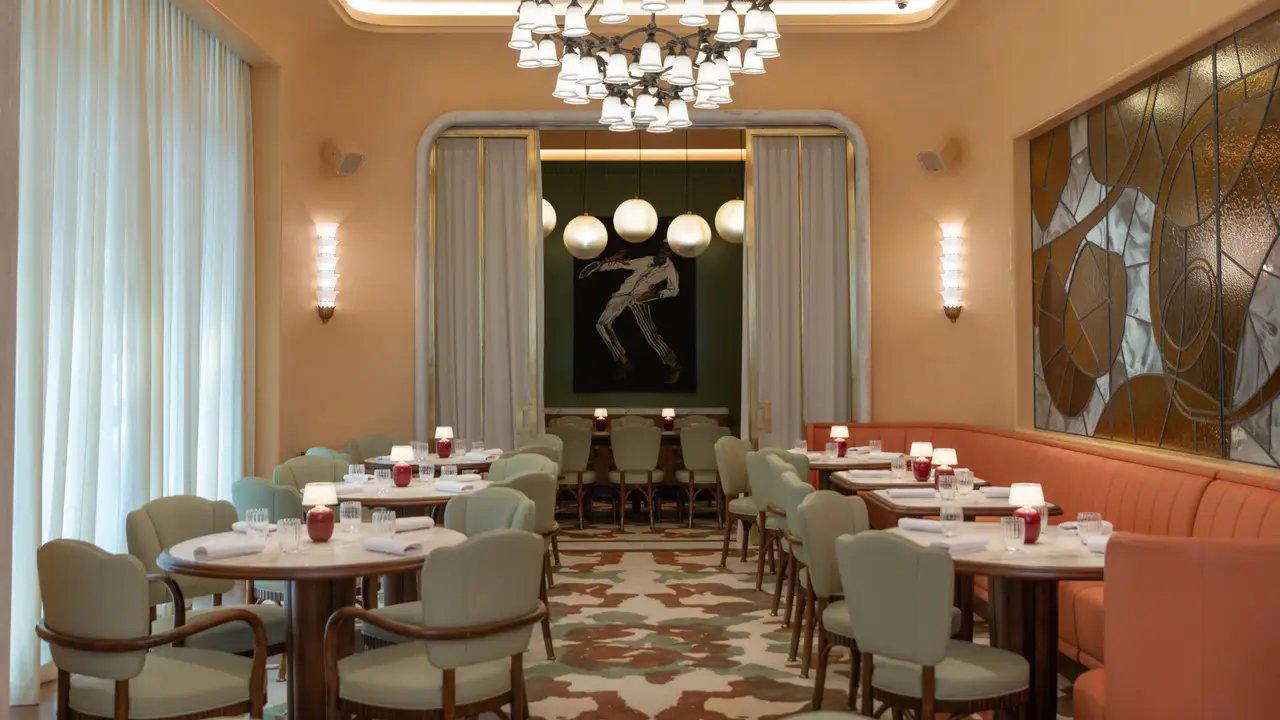
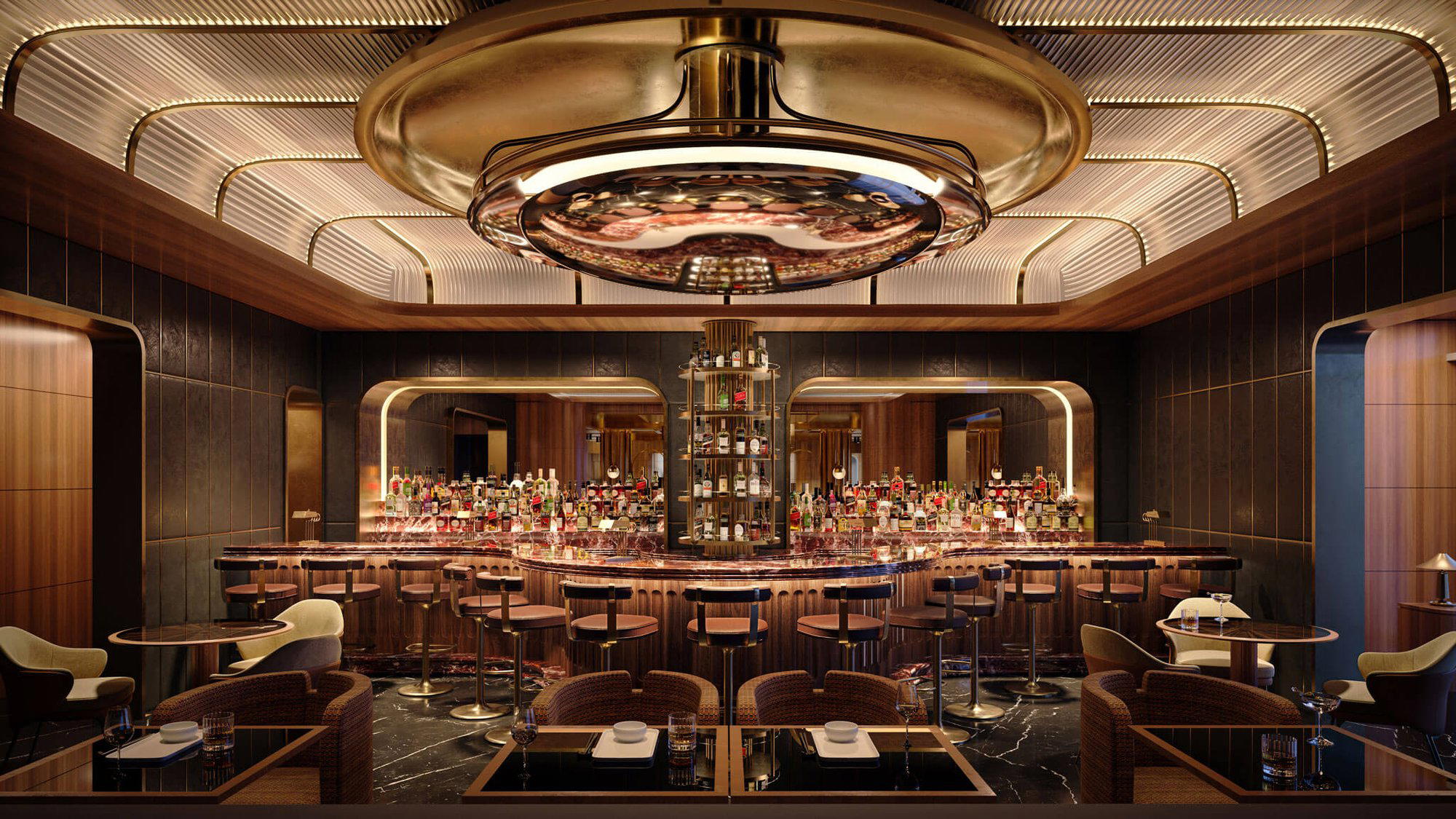
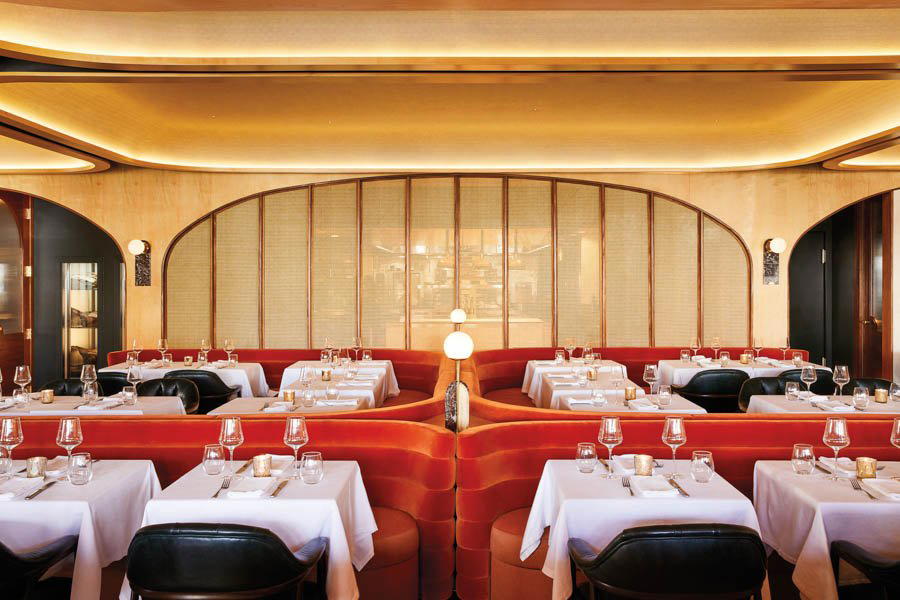
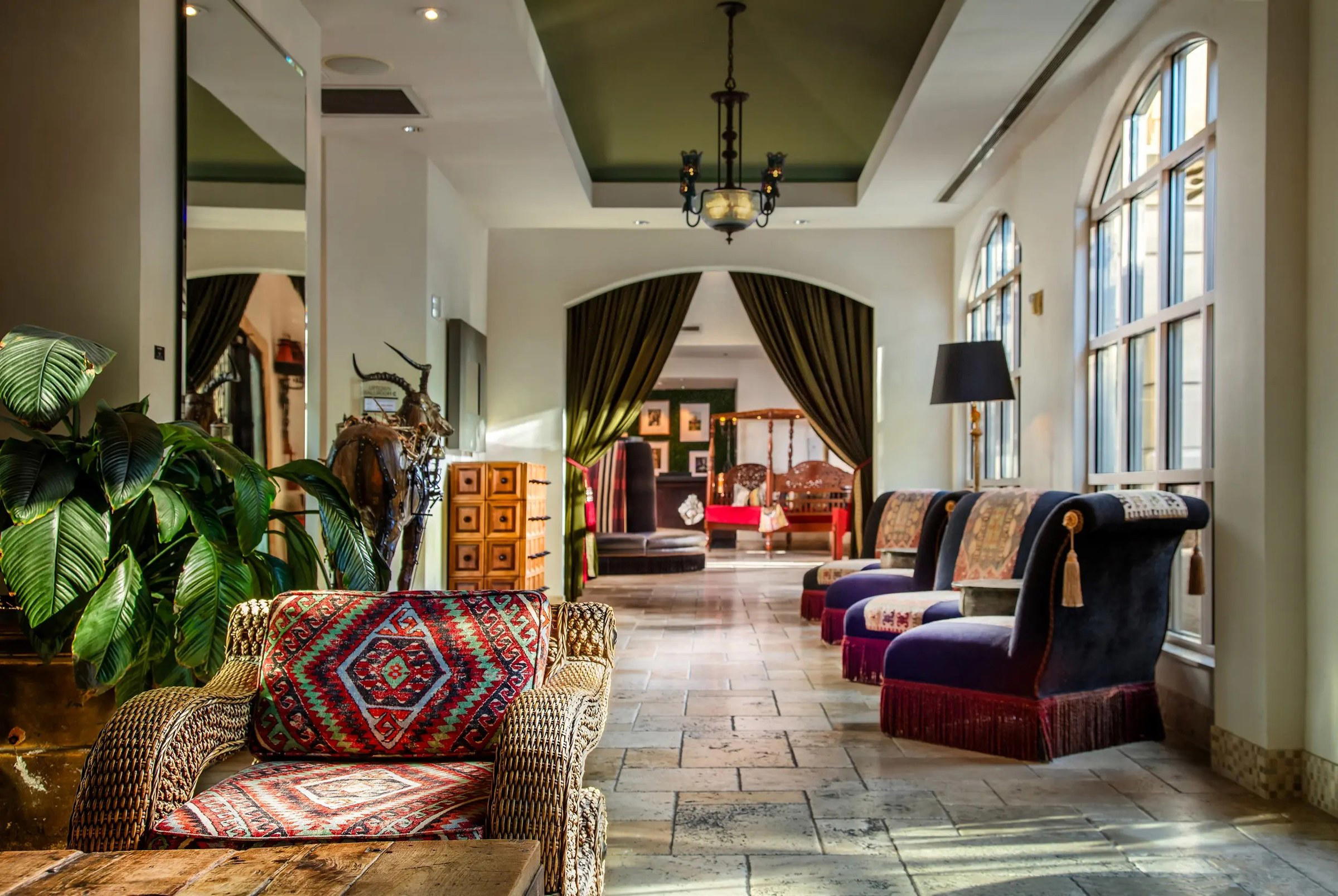
Warm, intimate, and glamorous, with Earth-toned terrazzo floors, custom butterscotch velvet booths, blush-pink bar chairs, and a backlit bar that creates a luxurious yet cozy lounge feel.
Know Before You Go
- Getting there
- 3699 McKinney Ave #306, Dallas, TX 75204