Faith & Flower
Our verdict
Faith & Flower occupies a corner of Downtown Los Angeles's historic core at 705 W 9th St, where the neighborhood's slow cultural reawakening has created fertile ground for a certain kind of ambitious, room-driven dining. The restaurant draws a loyal Downtown crowd alongside visitors who treat it as a reliable reference point in a city better known for its Westside institutions. Its address alone tells part of the story: an area that rewards those who look past the obvious zip codes.
- Address
- 705 W 9th St, Los Angeles, CA 90017
- Phone
- (213) 239-0642
- Directions
- Get directions
The menu
What to order
- Oxtail agnolotti
- Deviled eggs
- Ny steak tartare
Downtown's Anchor, Not Its Ornament
The stretch of Ninth Street running through Downtown Los Angeles carries the texture of a neighborhood mid-sentence. Converted commercial buildings share blocks with surface lots, and the foot traffic that defines dining rooms farther west arrives here more deliberately — people come because they chose to, not because they wandered past. That intentionality shapes the clientele at Faith & Flower, which sits at 705 W 9th St in a part of the city that has spent the better part of a decade building a dining identity from scratch. For regulars, that context is part of the draw: the room has never had to compete for walk-in spillover from a saturated corridor, so it has developed its own internal logic.
Downtown LA dining occupies a distinct tier in the city's broader restaurant conversation. The neighborhoods anchoring most critical attention — Los Feliz, Silver Lake, the Westside, tend to generate the louder press cycles. Downtown's better rooms, by contrast, accumulate loyalty through consistency rather than novelty cycles. That pattern is legible across the area's more established addresses, and it describes the dynamic that regulars at Faith & Flower tend to describe when asked why they return: the room holds its shape across visits.
The Scene the Regulars Keep Coming Back To
In Los Angeles, the distinction between a restaurant that generates initial interest and one that sustains a regular clientele runs deeper than cuisine type. The city has enough ambition per square mile that opening energy is abundant; what's harder to maintain is the specific atmosphere that makes a dining room feel consistent across a long booking window. Rooms with strong regular bases in LA tend to share certain characteristics: enough formality to signal occasion without the rigidity that discourages midweek use, wine programs that reward familiarity, and a floor team that calibrates service to the pace of the table rather than the turn.
Faith & Flower's Downtown address puts it in a peer conversation with rooms that have built loyal followings by serving a neighborhood that doesn't have the density of dining options found in, say, the blocks around Osteria Mozza in Hollywood. That comparative scarcity, counterintuitively, works in its favor. Regulars in areas with fewer strong options tend to commit harder, and a dining room that earns that commitment can build a room culture that high-traffic restaurant corridors often struggle to sustain.
The American restaurant category that Faith & Flower occupies in Downtown LA sits somewhere between the tightly formatted tasting experiences, the kind represented in Los Angeles by rooms like Kato, Hayato, and Somni at the highest price points, and the more casual neighborhood rooms where the check never climbs into the territory of genuine occasion dining. That middle register, in any serious dining city, is where the regular-clientele dynamic tends to be most pronounced. The guests aren't there for a once-a-year splurge; they're there because the room fits their monthly rhythm.
What Keeps the Regulars Ordering
The logic of a regular's relationship with a dining room has less to do with novelty than with a kind of accumulated trust. In cities like Los Angeles, where the dining conversation moves fast and opening press can distort perception of a room's actual staying power, the venues that build genuine repeat clientele tend to do so through depth rather than breadth. A wine list that rewards exploration across multiple visits, a kitchen that executes a consistent set of flavors at a reliable technical level, a bar program serious enough to anchor a meal but not so precious it becomes its own event: these are the building blocks.
Comparison set here isn't limited to Los Angeles. Rooms that operate in this register in other cities, Smyth in Chicago, Frasca Food & Wine in Boulder, Lazy Bear in San Francisco, tend to share an orientation toward the return guest over the first-timer. The experience is calibrated so that a second or fifth visit reveals something a first visit doesn't, whether through a more knowledgeable floor team, a rotating component of the menu, or simply the social texture of a room that recognizes its regulars.
For guests approaching Faith & Flower from outside Los Angeles, the useful frame is to look at what the city's Downtown restaurant corridor offers relative to its higher-profile peers. Providence on Melrose commands the best of the city's seafood and tasting format conversation. The Downtown room doesn't operate in that competitive tier, nor is it trying to. It occupies the space where occasion dining and neighborhood anchor overlap, which is a specific and genuinely useful category in a sprawling city where not every significant meal needs to happen in the same three zip codes.
Faith & Flower in the Wider American Dining Frame
Placing Faith & Flower inside the national conversation about American restaurant ambition requires some calibration. The rooms that define that conversation at the highest register, The French Laundry in Napa, Le Bernardin in New York City, Blue Hill at Stone Barns in Tarrytown, The Inn at Little Washington, Addison in San Diego, Atomix in New York City, operate in a different price and format tier. But the rooms that function most usefully in a city's dining ecosystem are often not those at the absolute apex; they're the ones that create reliable, repeatable occasions for guests who eat out seriously and often.
That cohort of diners is exactly who sustains a room like Faith & Flower over time. They've likely already been to Emeril's in New Orleans or Atelier Moessmer in Brunico or Single Thread Farm in Healdsburg. They're not in search of discovery for its own sake. They want a room that holds up, a floor team that knows what it's doing, and a version of the occasion that doesn't require a three-month lead time or a multi-hundred-dollar commitment per head. Faith & Flower, in the Downtown LA context, fills that space.
For a fuller picture of where Faith & Flower sits within Los Angeles's broader dining scene, see our full Los Angeles restaurants guide.
Planning Your Visit
Faith & Flower is located at 705 W 9th St in Downtown Los Angeles, in the Historic Core district. Downtown parking is available in several structures within a short walk, and the venue is accessible via Metro rail to the 7th St/Metro Center station. For visitors staying outside Downtown, the drive or rideshare from West Hollywood or Silver Lake runs roughly 20 to 30 minutes depending on time of day, with late-evening returns generally faster than pre-dinner arrivals. Given the room's regular clientele base, weekend evenings tend to fill earlier in the booking window than weekday slots.
Quick Reference: 705 W 9th St, Downtown Los Angeles, CA 90017. Walk from 7th St/Metro Center station. Book weekend tables early; weekday availability is generally broader.
Frequently asked questions
What do people recommend at Faith & Flower?
The bar component at American brasserie-style rooms in this tier frequently earns the most consistent mention from regulars, alongside whatever the kitchen is running as a protein centerpiece. For current menu specifics, checking the restaurant's own channels directly before visiting is the most reliable approach. Comparable LA rooms like Kato and Providence illustrate the range of what serious LA kitchens are doing at different price points and format depths.
Should I book Faith & Flower in advance?
In Los Angeles's Downtown corridor, rooms that draw a consistent regular clientele tend to fill their weekend prime times several days out rather than months ahead, unlike the city's most tightly allocated counters such as Hayato or Somni. If you're targeting a Friday or Saturday evening, booking at least a week ahead is a sensible baseline. Weeknight slots at Downtown LA restaurants in this tier are typically accessible with shorter lead times, making Faith & Flower a reasonable option for visitors with flexible schedules who want a reliable occasion dinner without months of planning.
Is Faith & Flower a good choice for a business dinner in Downtown Los Angeles?
Downtown LA's business dining ecosystem has historically skewed toward rooms that offer enough formality to signal occasion without requiring guests to manage a complex tasting format across a working conversation. Faith & Flower's address at 705 W 9th St places it within walking distance of several major Bunker Hill offices and the Financial District, making it logistically practical for midday or early-evening business use. The Historic Core location also offers a quieter room character than venues in higher-foot-traffic neighborhoods, which tends to matter when the table conversation is the point. For comparison, Osteria Mozza and Providence serve the business dinner function at higher price tiers elsewhere in the city.
Comparison Snapshot
| Venue | Cuisine | Price | Awards | Notes |
|---|---|---|---|---|
| Faith & FlowerThis venue — the venue you are viewing | Modern American Fine Dining | Not listed | Not listed | Not listed |
| Kato | Modern Taiwanese Fine Dining | $300–500 | 2 Michelin Stars · World's 50 Best #49 | New Taiwanese, Asian |
| Hayato | Traditional Japanese Kaiseki | $300–500 | 2 Michelin Stars · La Liste Top Restaurants | Japanese |
| Vespertine | Avant-Garde Tasting Menu | $200–300 | 2 Michelin Stars · La Liste Top Restaurants | Progressive, Contemporary |
| Holbox | Modern Mexican Seafood | $30–50 | 1 Michelin Star · World's 50 Best #26 | Mexican Seafood, Mexican |
| Sushi Kaneyoshi | Edomae Omakase | $300–500 | 1 Michelin Star · LA Times 101 Best Restaurants #24 | Sushi, Japanese |
Continue exploring
More in Los Angeles
Restaurants in Los Angeles
Browse all →
Bars in Los Angeles
Browse all →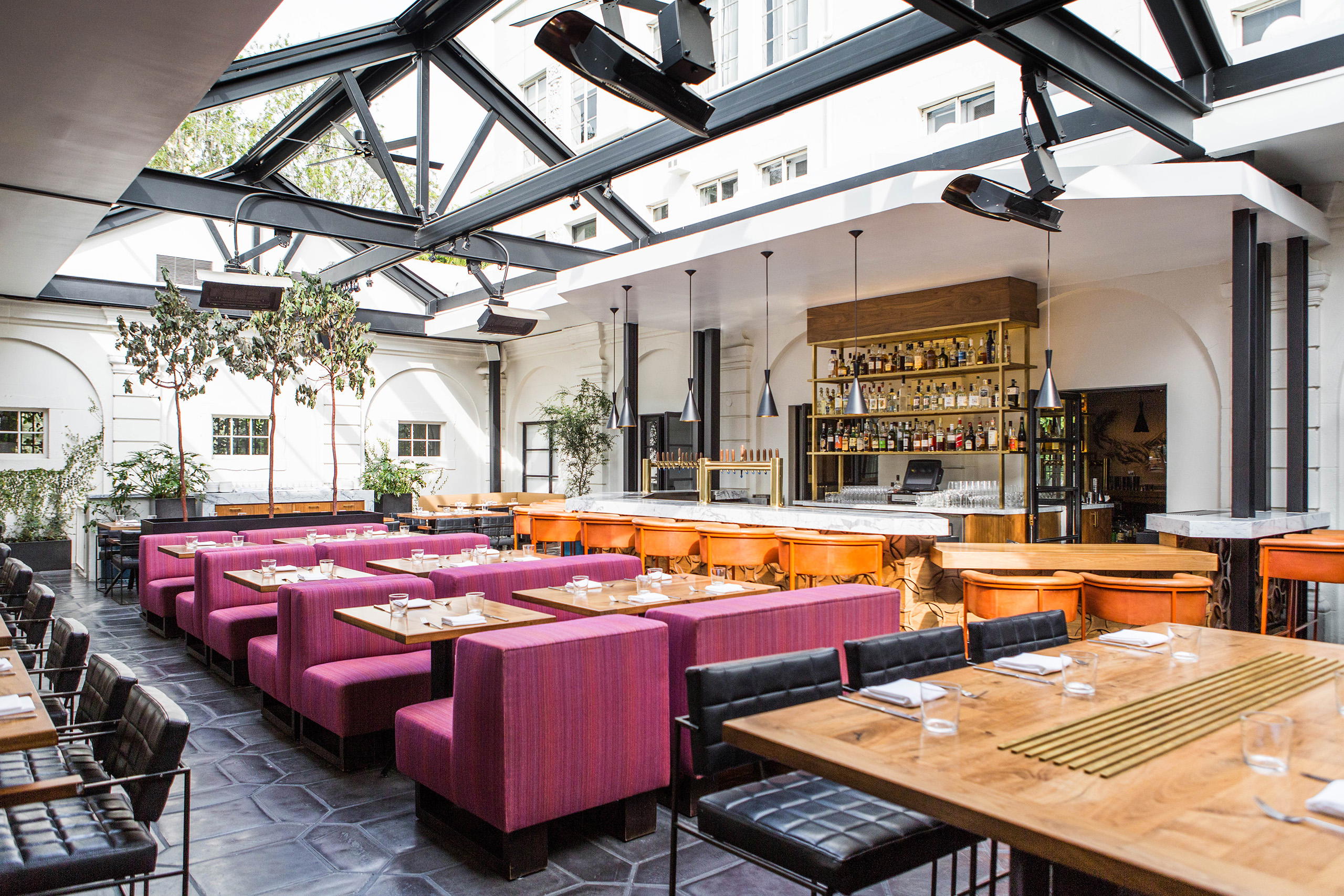
Hotels in Los Angeles
Browse all →
Wineries in Los Angeles
Browse all →
Details
- Elegant
- Sophisticated
- Modern
- Date Night
- Business Dinner
- Group Dining
- Special Occasion
- Open Kitchen
- Craft Cocktails
- Small Plates
- A La Carte
- Craft Cocktails
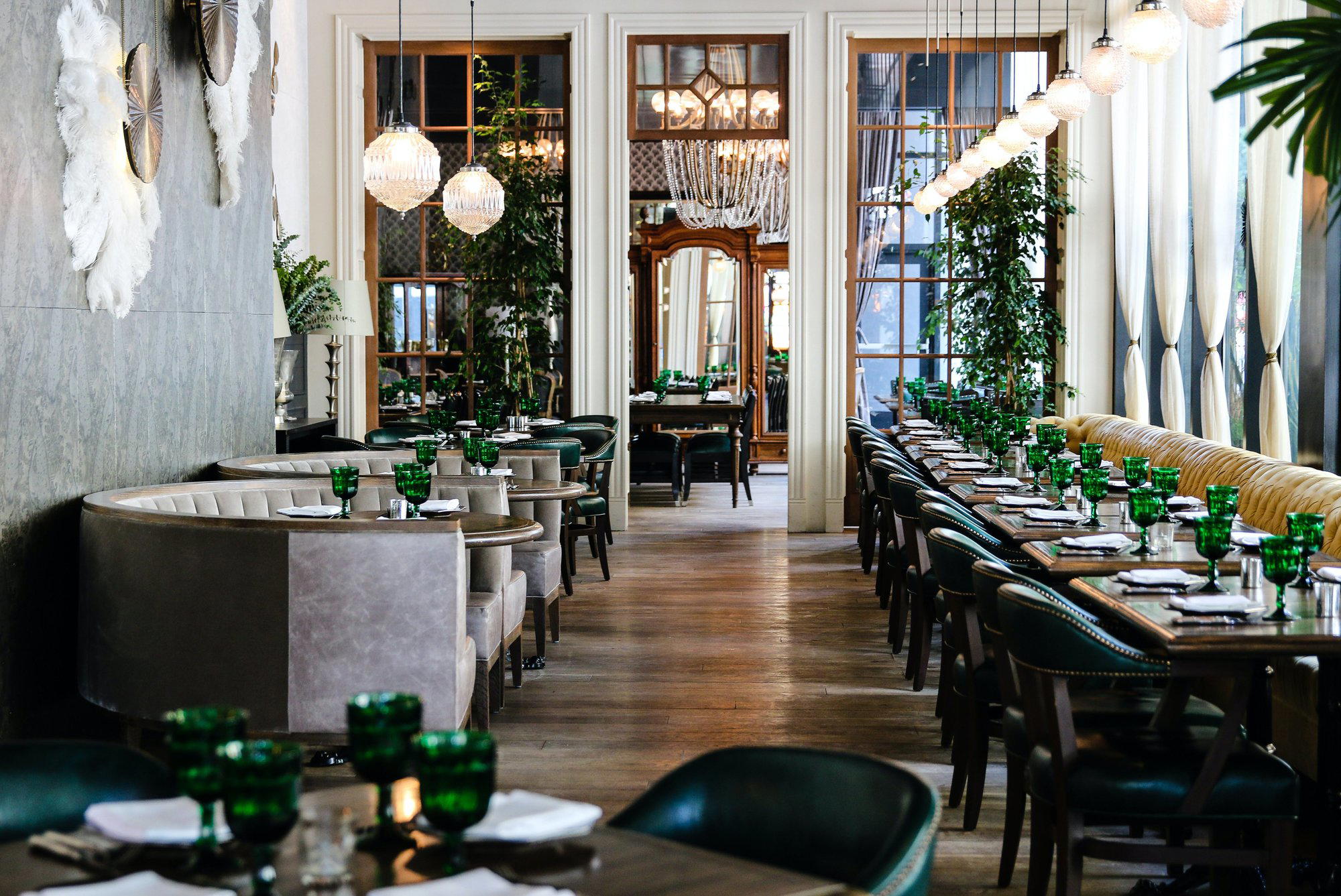
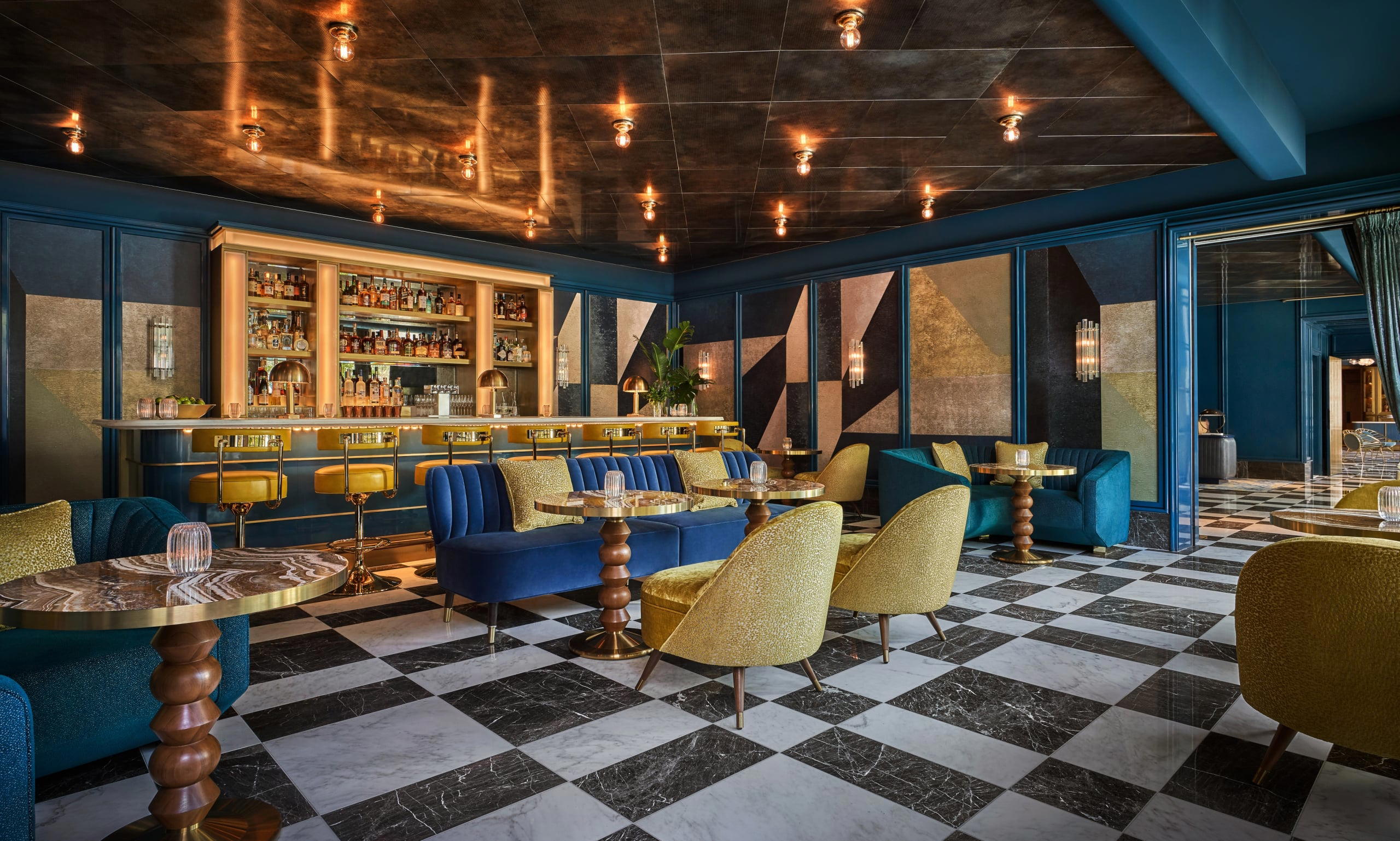
Luxurious 1920s-inspired decor with grandiose chandeliers, floor-to-ceiling windows, low velvet booths, and a lively bar area with blaring music.