Sushi Kaneyoshi



A 10-seat Edomae omakase counter in the basement of a Little Tokyo office building, Sushi Kaneyoshi holds a Michelin star and ranked #78 in Opinionated About Dining's 2025 North America list. Chef Yoshiyuki Inoue's focus on hikarimono and Edomae technique draws serious connoisseurs to one of Los Angeles's most demanding reservations.
Pearl is the En Primeur Club membership app — saves, bookings, and concierge access live there. Same editors, same standards.
- Address
- 250 1st St B1, Los Angeles, CA 90012
- Phone
- (213) 277-2388
- Website
- kaneyoshi.us
- Directions
- Get directions
 Saves & bookings on Pearl
Little Tokyo's Most Demanding Counter
Los Angeles has more omakase seats per square mile than any American city outside New York, and the competition for credibility at the top of that market is sharper than it looks from the outside. The format has split into two recognizable tiers: accessible prix-fixe counters that borrow omakase vocabulary without the sourcing discipline, and a smaller cohort of genuinely technique-driven rooms where the fish calendar dictates the menu and the rice is treated as a primary ingredient, not an afterthought. Sushi Kaneyoshi sits firmly in the second group. With a Michelin star held through 2025, a #78 ranking on Opinionated About Dining's North America list, and a #32 position in the LA Times 101 Best Restaurants 2024, its critical credentials are not in dispute. What makes it worth understanding is where it sits within Los Angeles's broader Edomae tradition and why its location — a basement in a 1960s-era Kajima building in Little Tokyo — is less an accident than a statement about the kind of diner it wants to attract.
Edomae Principles in a City That Loves Omakase
Edomae sushi, historically rooted in the techniques developed in Edo-period Tokyo, relies on the chef's preparation of fish rather than the raw ingredient alone. Aging, curing, marinating, and temperature control are the vocabulary. In Los Angeles, where omakase is, as the LA Times has noted, arguably the favored form of fine dining, most counters have adopted the format while drifting toward a more California-inflected approach: premium local fish, clean presentation, and minimal processing. Sushi Kaneyoshi works the other axis. Chef Yoshiyuki Inoue's emphasis on hikarimono, the category of shiny-skinned fish that includes mackerel, horse mackerel, and sardine, signals a commitment to the harder, more perishable end of Edomae technique. These are not the crowd-pleasing cuts. Their seasons are short, their handling unforgiving, and their reward available only to diners who have calibrated their palates past toro-and-uni benchmarks. Among the LA counters that operate at this level, peers include Q Sushi and Morihiro, both of which approach Edomae from slightly different angles, and Nozawa Bar, which runs a more accessible iteration of the same philosophy.
The Beverage Question at a Counter Like This
The editorial angle that most serious visitors underestimate at a counter like Sushi Kaneyoshi is the drink pairing dimension. Edomae sushi, with its range of cured, aged, and temperature-manipulated fish, presents a different pairing challenge than raw-focused omakase. The hikarimono cuts in particular, with their higher fat content and assertive mineral character, respond well to sake that can hold weight without overwhelming the fish's prepared nuance. Junmai daiginjo, with its clean, fruity profile, works at the lighter end of the progression. As the courses move toward fattier preparations and richer appetizer courses, a junmai with more body and umami depth becomes the more coherent choice. The match between shari (rice) and beverage is another variable that tends to go unexamined. At Sushi Kaneyoshi, Inoue has stated explicitly that the rice flavoring does not change to suit the fish, instead, the fish preparation is adjusted to complement the rice. This is an inversion of how many contemporary omakase counters approach the relationship, and it has direct implications for how sake interacts with the full sequence of courses. A sake selected to complement the shari's seasoning will create a more consistent through-line across the meal than one chosen fish by fish. For those seeking broader context on how beverage programs anchor chef's-table formats across the United States, the approach at Single Thread Farm in Healdsburg and Le Bernardin in New York City offers instructive comparison points, even across culinary traditions.
The Room and the Sequence
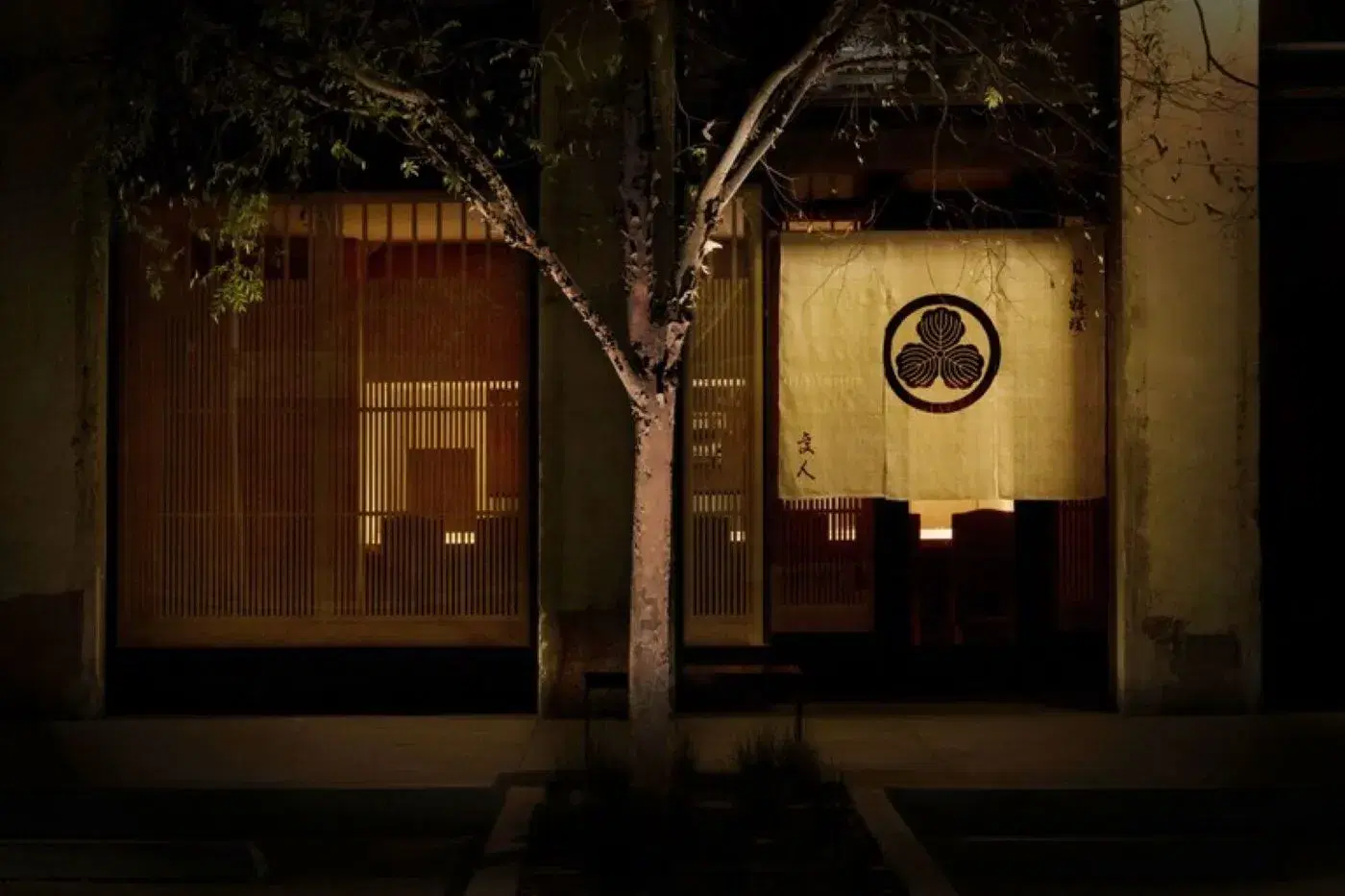
The physical experience at Sushi Kaneyoshi is deliberate in a way that city-center fine dining rarely manages. The route into the restaurant, through a parking structure adjacent to the Kajima building, past a security guard, down an elevator to the basement, and into a waiting room before being ushered to the counter, functions as a decompression sequence. By the time diners reach their seats in the windowless room lined with multiple shades of polished wood, the transition from city noise to focused attention is effectively complete. The counter holds 10 seats, operating four evenings a week, Tuesday through Saturday, seating at 7 p.m. The format is purely omakase, and the progression moves from cooked and composed appetizers through an Edomae nigiri sequence. Documented courses from critical sources include tempura belt fish with caviar, chawanmushi incorporating Hokkaido hairy crab, and pressed sushi wrapped in nori described by critics as crackling like the thinnest potato chip. The tamago that closes the nigiri sequence is, by multiple accounts, the moment that marks whether a diner is paying the kind of attention the restaurant asks for. Some of the pottery used for service is made by Inoue himself, a detail that locates the counter within a Japanese artisanal tradition where the vessel is understood as part of the dish. At this level of commitment to craft, comparisons naturally extend to other North American sushi counters operating in the same register: Masa in New York City and Sushi Masaki Saito in Toronto both represent how Edomae discipline translates to non-Japanese cities at the price point where craft and sourcing converge.
How It Ranks in the North American Context
Opinionated About Dining, the critic-weighted ranking system that tracks restaurant quality with unusual granularity, has placed Sushi Kaneyoshi at #69 (2023), #88 (2024), and #78 (2025) in its North America list. The trajectory reflects a counter that has held its position through years of scrutiny from the most engaged segment of the dining public, rather than a single-season discovery. Michelin awarded it one star in 2025. These are the benchmarks that frame the price point: at the $$$$ tier, Sushi Kaneyoshi prices against the cohort of counters where technical ambition and ingredient sourcing justify four-figure-per-person spending, not against the mid-tier omakase market that has expanded rapidly in Los Angeles over the same period. For travelers comparing across the American fine dining circuit, the peer tier includes Alinea in Chicago, The French Laundry in Napa, and Lazy Bear in San Francisco, all operating at a similar commitment level in different culinary registers.
Planning Your Visit
Sushi Kaneyoshi is located at 250 1st Street, B1, in Little Tokyo, Los Angeles. The restaurant is closed Sunday and Monday, with service running Tuesday through Saturday from 7 to 10 p.m. Parking is available in the structure adjacent to the Kajima building; from there, a security guard will direct visitors to the elevator that descends to the basement level. The 10-seat format means availability is narrow, and the counter's critical profile has made reservations competitive. Budget and dress considerations sit at the level expected of Michelin-starred omakase: this is not a casual drop-in. For visitors building a broader itinerary around the restaurant, the full Los Angeles restaurants guide covers the range from this upper tier down through neighborhood essentials. The Los Angeles hotels guide, bars guide, wineries guide, and experiences guide provide context for programming the days around the meal. Those traveling specifically for high-end Japanese dining in Los Angeles should note that Sushi Kaneyoshi does not operate a website or list a phone number through standard channels; reservations require sourcing through third-party platforms or direct inquiry. Plan accordingly, and plan early.
Side-by-Side Snapshot
| Venue | Cuisine | Price | Awards |
|---|---|---|---|
| Sushi KaneyoshiThis venue — the venue you are viewing | Sushi, Japanese | $$$$ | Michelin 1 Star |
| Kato | New Taiwanese, Asian | $$$$ | Michelin 1 Star |
| Hayato | Japanese | $$$$ | Michelin 2 Star |
| Vespertine | Progressive, Contemporary | $$$$ | Michelin 2 Star |
| Camphor | French-Asian, French | $$$$ | Michelin 1 Star |
| Gwen | New American, Steakhouse | $$$$ | Michelin 1 Star |
Recognition history
Dated appearances from independent guides and award organizations, with the underlying list record or original source where available.
Michelin 1 Star
Michelin
Opinionated About Dining Top Restaurants in North America Ranked #103
Opinionated About Dining
LA Times 101 Best Restaurants #24
LA Times
Michelin 1 Star
Michelin
Opinionated About Dining Top Restaurants in North America Ranked #78
Opinionated About Dining
LA Times 101 Best Restaurants #32
LA Times
Michelin 1 Star
Michelin
Opinionated About Dining Top Restaurants in North America Ranked #88
Opinionated About Dining
Opinionated About Dining Top Restaurants in North America Ranked #69
Opinionated About Dining
Continue exploring
More in Los Angeles
Restaurants in Los Angeles
Browse all →
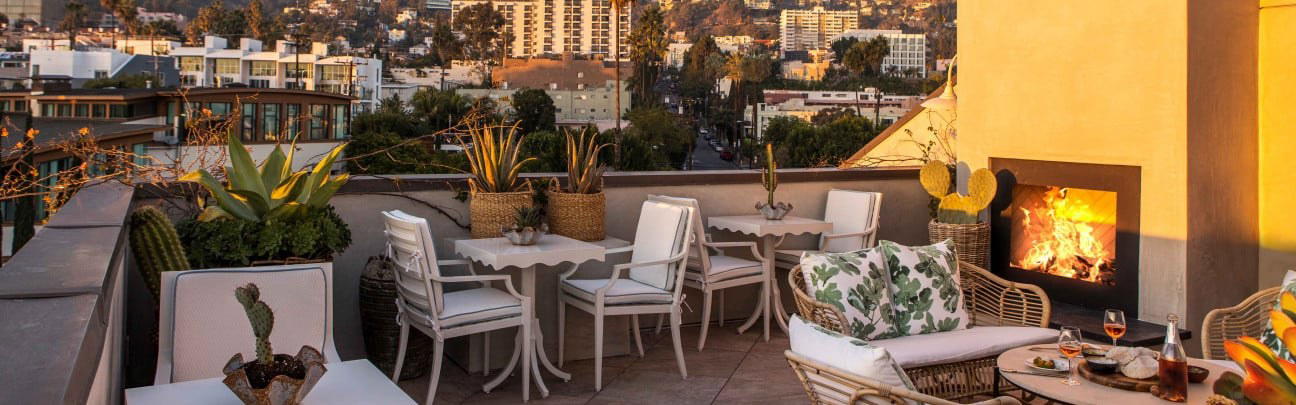
Bars in Los Angeles
Browse all →
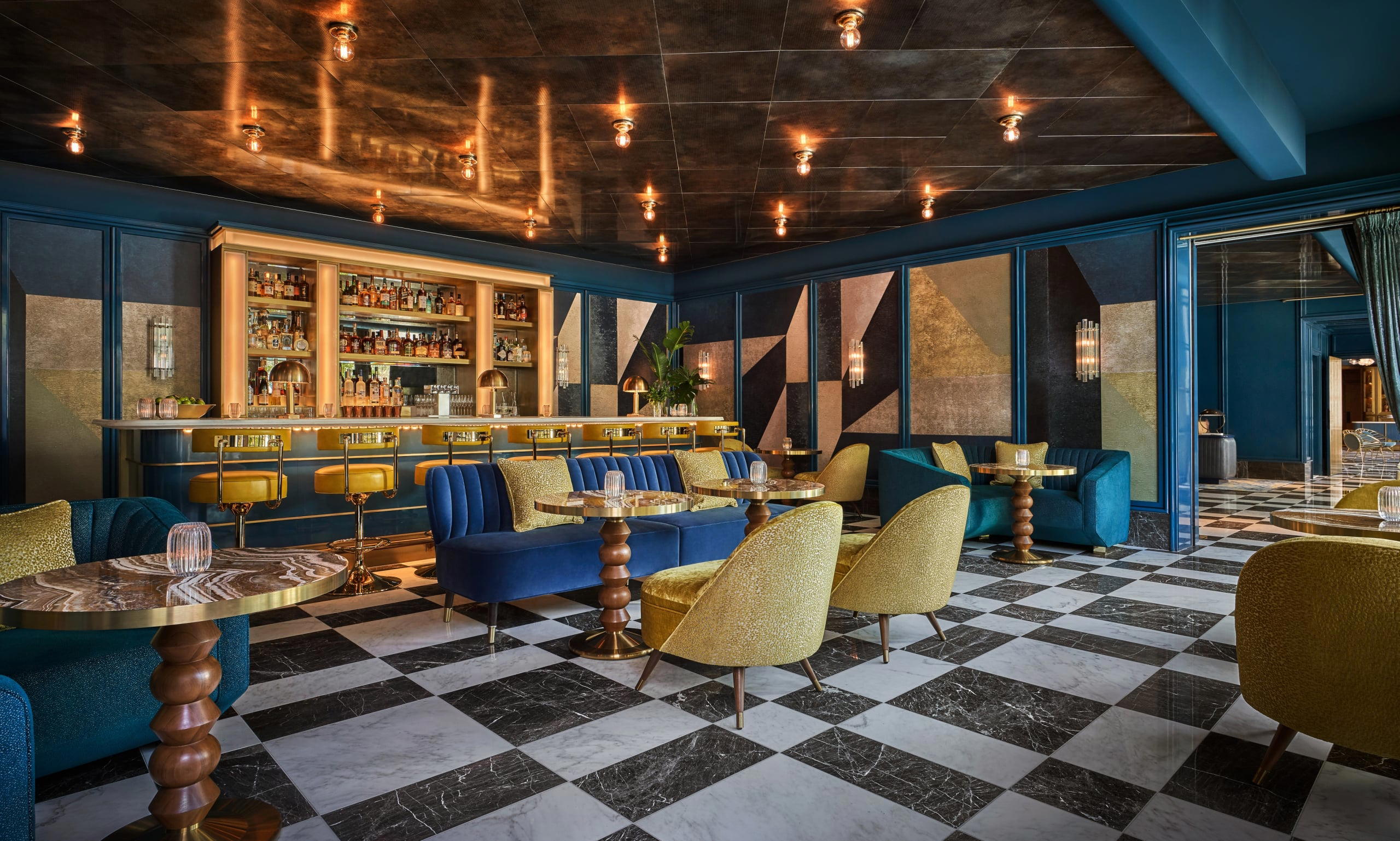
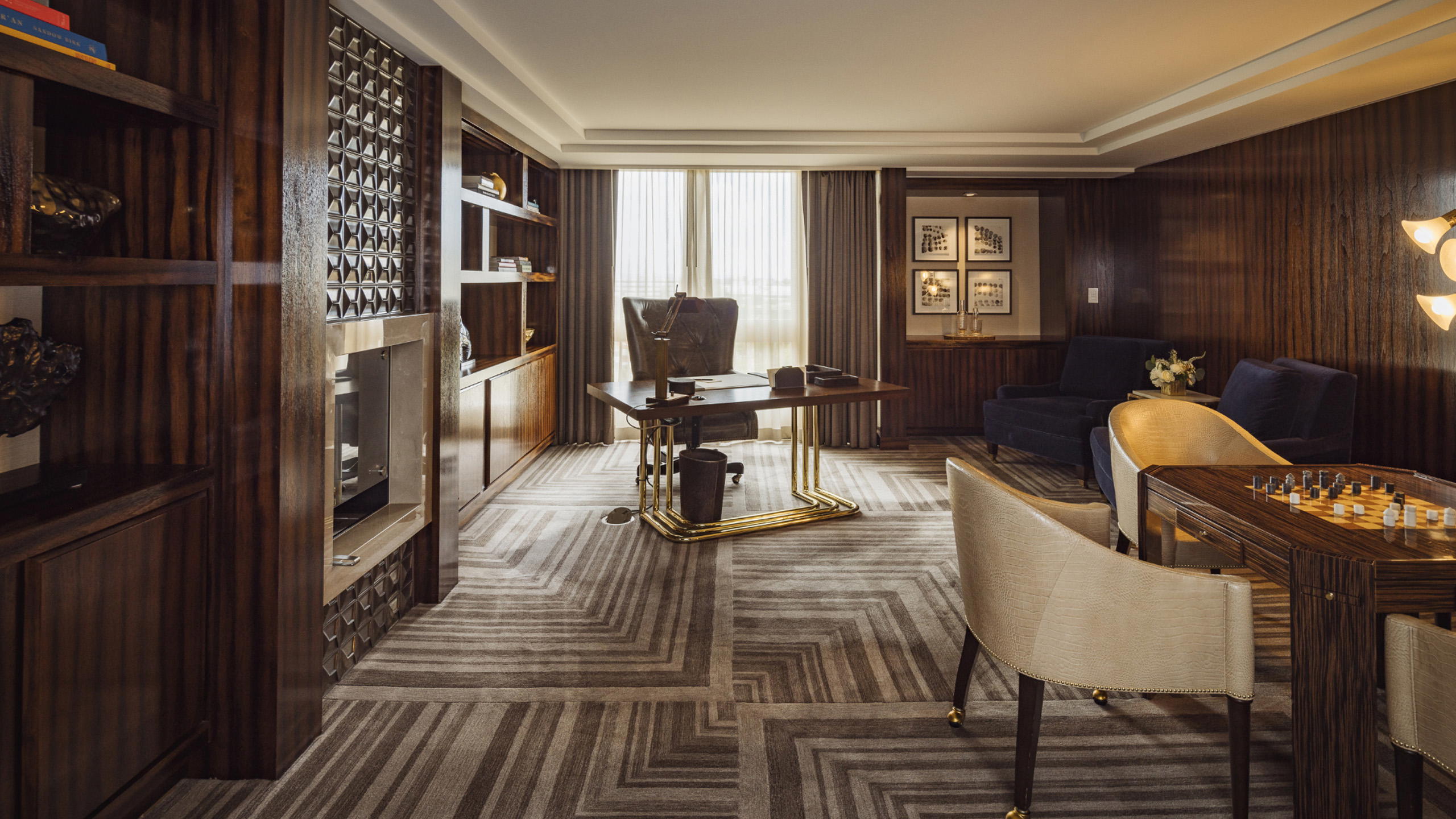
Hotels in Los Angeles
Browse all →
Wineries in Los Angeles
Browse all →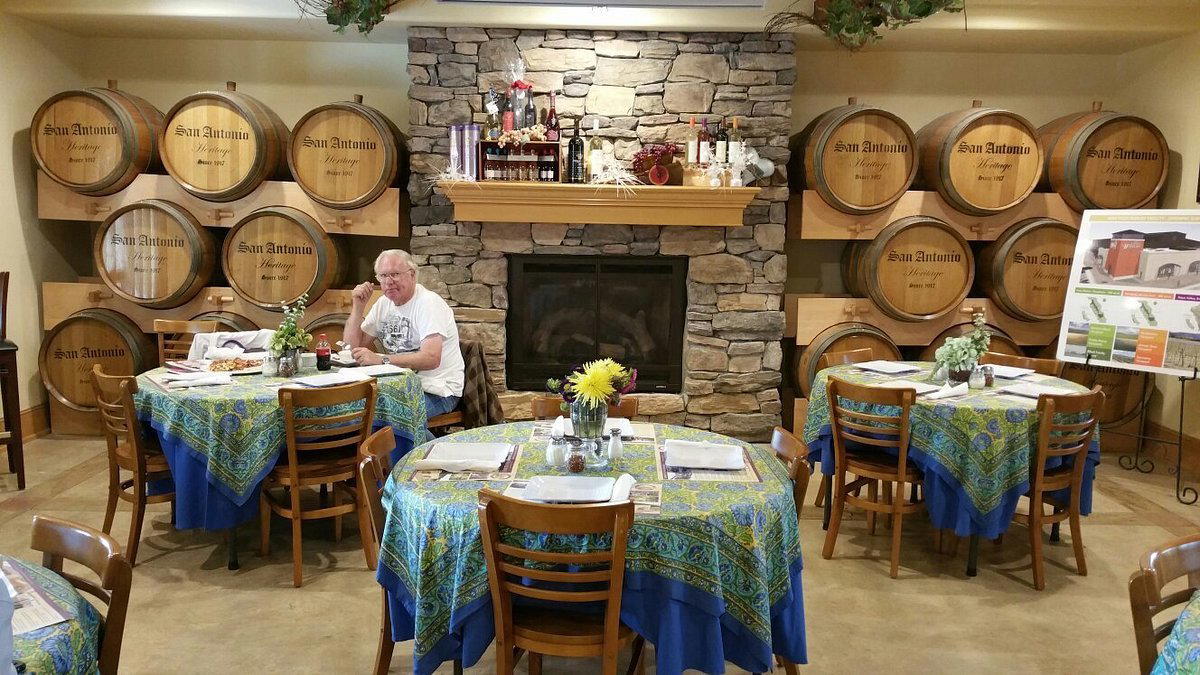
At a Glance
- Elegant
- Minimalist
- Intimate
- Sophisticated
- Special Occasion
- Date Night
- Chefs Counter
- Sake Program
Current opening hours
- Monday
- Closed
- Tuesday
- 7–10 PM
- Wednesday
- 7–10 PM
- Thursday
- 7–10 PM
- Friday
- 7–10 PM
- Saturday
- 7–10 PM
- Sunday
- Closed
Hours can change for holidays and private events. Last verified .
Elegant and minimalist 12-seat sushi counter with refined, traditional atmosphere.
Know Before You Go
- Getting there
- 250 1st St B1, Los Angeles, CA 90012