Faena
On Collins Avenue in Miami Beach's Mid-Beach corridor, Faena occupies one of the city's most theatrically designed hotel properties, where the dining ritual is as much about spectacle as sustenance. The address draws a crowd that treats the evening as performance, not just a meal. Expect a scene calibrated for those who regard atmosphere and provocation as essential components of any serious night out.
 Discover on Pearl
Pearl is the En Primeur Club membership app — saves, bookings, and concierge access live there. Same editors, same standards.
- Address
- 3201 Collins Ave, Miami Beach, FL 33140
- Phone
- +13055348800
- Website
- faena.com
Collins Avenue, After Dark
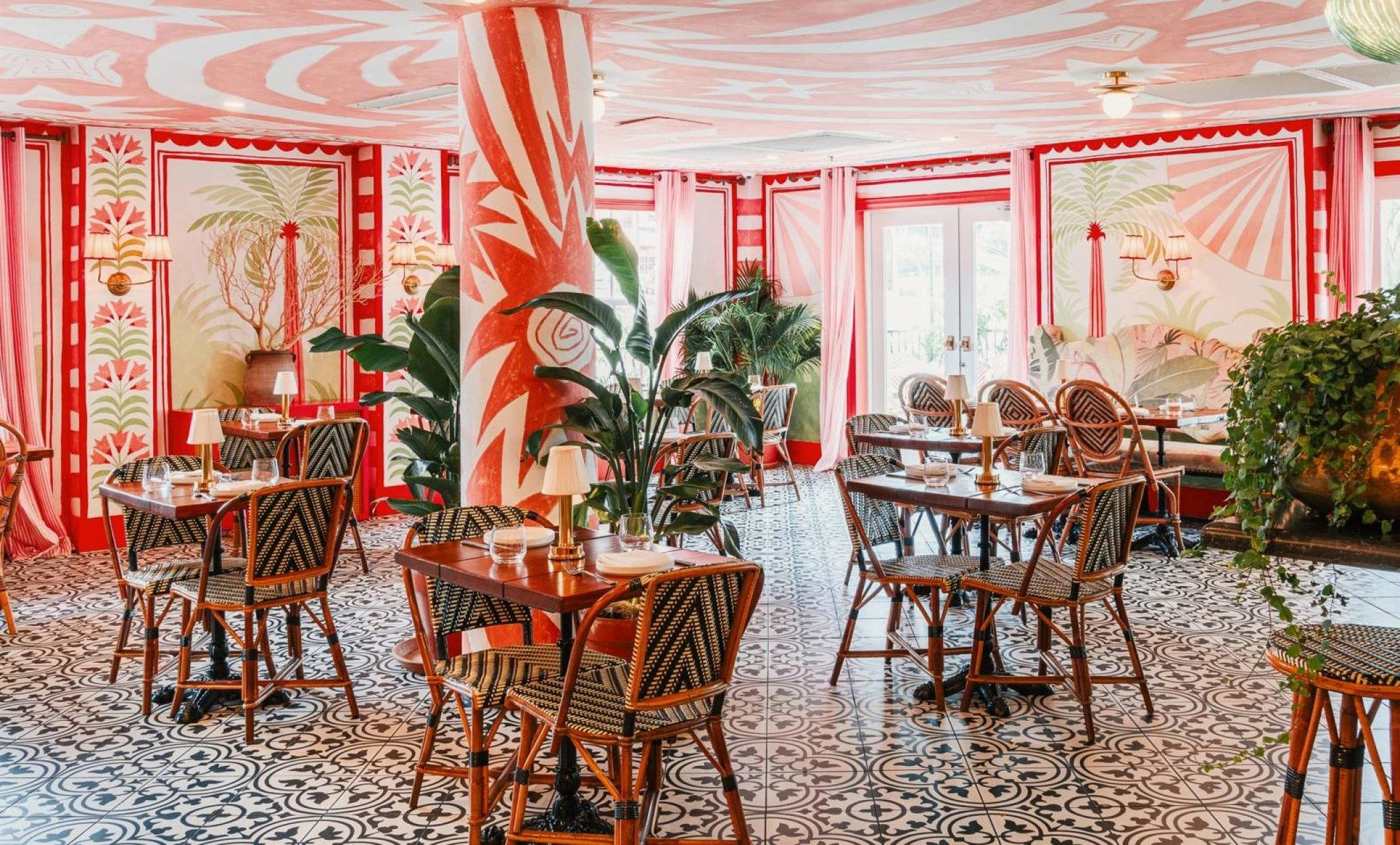
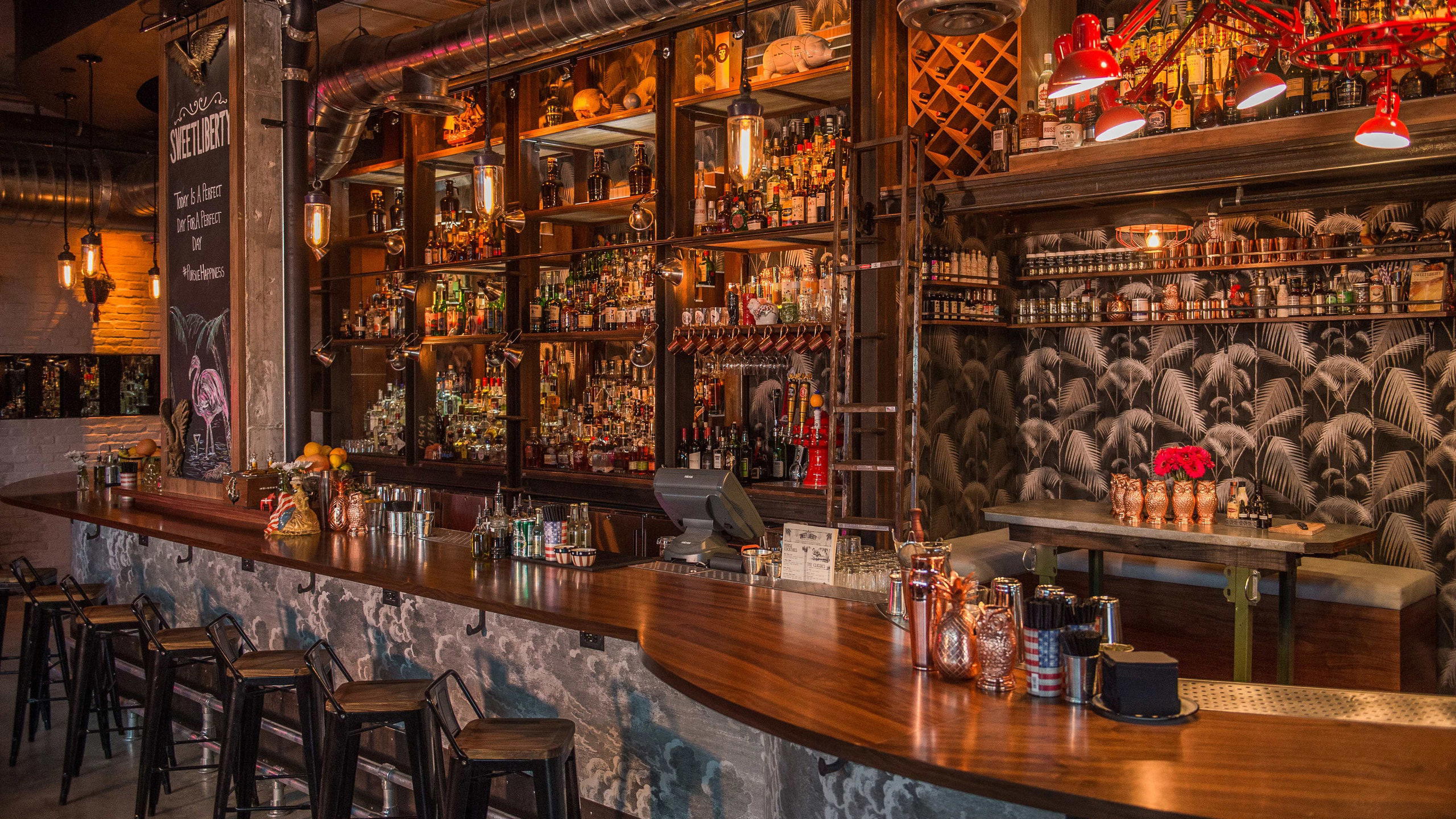
Faena is a restaurant at 3201 Collins Ave, Miami Beach, serving Argentine Live-Fire Steakhouse cuisine. Approaching the Faena complex at 3201 Collins Avenue, the visual register shifts before you reach the door. The building's crimson and gold palette, the theatrical scale of the interiors, the faint suggestion of a Buenos Aires surrealist hotel transported to the Florida coast, all of it signals that the conventions of a standard Miami dining outing have been set aside. This is not a restaurant that happens to be in a hotel. This is a total environment, and the meal is part of it.
Miami Beach's Mid-Beach strip operates differently from South Beach's saturated block of options or the quieter residential pockets further north. Mid-Beach in recent years has consolidated a handful of high-concept, destination-driven properties that compete less on neighbourhood foot traffic and more on the gravity of the property itself. Faena sits at the dominant end of that cohort, a place people travel to rather than stumble upon.
The Ritual of the Room
The dining tradition most relevant here is not a national cuisine or a chef's tasting arc, it is the dinner-as-theatre format that has roots in mid-century Continental dining rooms and has found a new expression in properties where design, performance, and food operate as equal parts of a single production. At its finest, this format demands that a diner surrender a certain kind of control: you arrive, you are absorbed into the atmosphere, and the pacing of the evening belongs to the room as much as to you.
Think of how The Inn at Little Washington in Washington uses its historic village setting as a theatrical frame, or how Blue Hill at Stone Barns in Tarrytown deploys its farm landscape as narrative infrastructure. At Faena, the equivalent is the interior itself, a room that operates at a scale and chromatic intensity most dining rooms consciously avoid.
The customs of an evening here are legible from the moment of check-in. Dress registers. Arrival time is noticed. The room's rhythm, the live entertainment on select evenings, the deliberate sequencing of the space, sets the tempo before any food arrives. Diners who approach this as they would a neighbourhood trattoria will find the experience dissonant. Those who understand it as an event, with all that implies about pacing and participation, will find it coherent.
Where Faena Sits in the Miami Beach Context
Miami Beach's dining scene divides roughly into three tiers: the casual, high-volume operations that service the beach crowd; the mid-market hotel restaurants that compete on convenience and brand recognition; and the smaller group of addresses where the price, format, and ambition are aligned with a destination-dining proposition. The last tier includes options across the geography of the island, from Ocean Drive classics like A Fish Called Avalon to the European-inflected spots like A La Folie, the deeply local Alma Cubana, and long-standing neighbourhood institutions like 11th Street Diner.
Faena operates at a different register from all of these. It is not competing for the casual diner or the neighbourhood regular. It competes, in the broadest sense, with hotel dining experiences that use design and concept as the primary differentiation. In the national context, this comparable set includes properties like Addison in San Diego and, at the tasting-menu end, Single Thread Farm in Healdsburg, though the comparison is more about the architecture of an evening than the specific culinary format. For reference points in the American fine-dining continuum, Le Bernardin in New York City, Providence in Los Angeles, and Smyth in Chicago represent the strictly culinary tier; Faena's proposition is broader and more explicitly theatrical.
The property also draws useful comparison to international dining environments where spectacle and cuisine are deliberately fused, Atelier Moessmer Norbert Niederkofler in Brunico uses alpine landscape as environmental drama with similar intentionality, even if the culinary philosophy is entirely different.
What the Format Asks of You
The dinner-as-event format has specific demands. It asks for time, the kind of evening that is not compressed to ninety minutes between other obligations. It asks for attention to setting, because ignoring the room is like attending a concert and facing the wall. And it asks for a certain willingness to be in an environment that is louder, more chromatic, and more socially charged than the stripped-back tasting-counter format that has come to dominate serious-dining discourse in cities like New York, where venues such as Atomix or Lazy Bear in San Francisco or Emeril's in New Orleans represent very different registers of hospitality.
Trade-off is real. What you gain in atmosphere, production, and a sense of occasion, you surrender in the kind of quiet, cook-focused intimacy that a twelve-seat counter provides. For Miami Beach, where the social energy of a room is itself part of the offer, this is not a compromise, it is the point.
Know Before You Go
- Address: 3201 Collins Ave, Miami Beach, FL 33140
- Neighbourhood: Mid-Beach, Collins Avenue corridor
- Format: Hotel dining environment; dinner-as-event proposition
- Booking: Reservations are essential and day
- Seasonal note: Miami Beach's high season runs November through April; demand and pricing across the Collins corridor peak during Art Basel (early December) and the winter months. Summer evenings offer lower occupancy and a more local crowd
- Dress: Smart casual
Peers You’d Cross-Shop
Comparable venues nearby, for context on price, style, and recognition.
| Venue | Cuisine | Price | Notes |
|---|---|---|---|
| FaenaThis venue — the venue you are viewing | Argentine Live-Fire Steakhouse | $$$$ | |
| Japón at The Setai | Contemporary Japanese | $$$$ | Miami Beach |
| Leahi Lanai by DECK | Hawaiian & Pacific | $$$$ | Port of Miami |
| The Deck at Island Gardens | Mediterranean Coastal Fine Dining | $$$$ | Port of Miami |
| The Joyce | Modern American Steakhouse | $$$$ | Española Way |
| Mirabella | Coastal Italian | $$$$ | Miami Beach |
Continue exploring
More in Miami Beach
Restaurants in Miami Beach
Browse all →
Bars in Miami Beach
Browse all →
At a Glance
- Elegant
- Opulent
- Sophisticated
- Special Occasion
- Group Dining
- Celebration
- Open Kitchen
- Hotel Restaurant
- Local Sourcing
- Waterfront
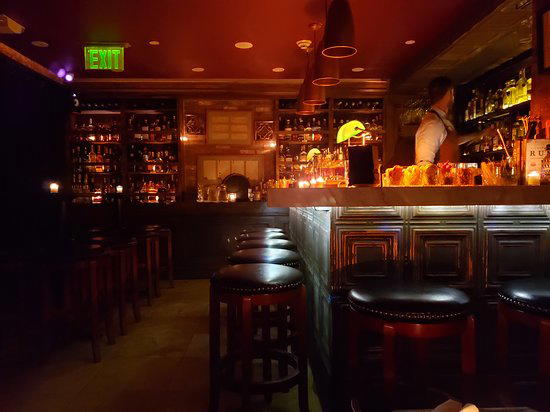
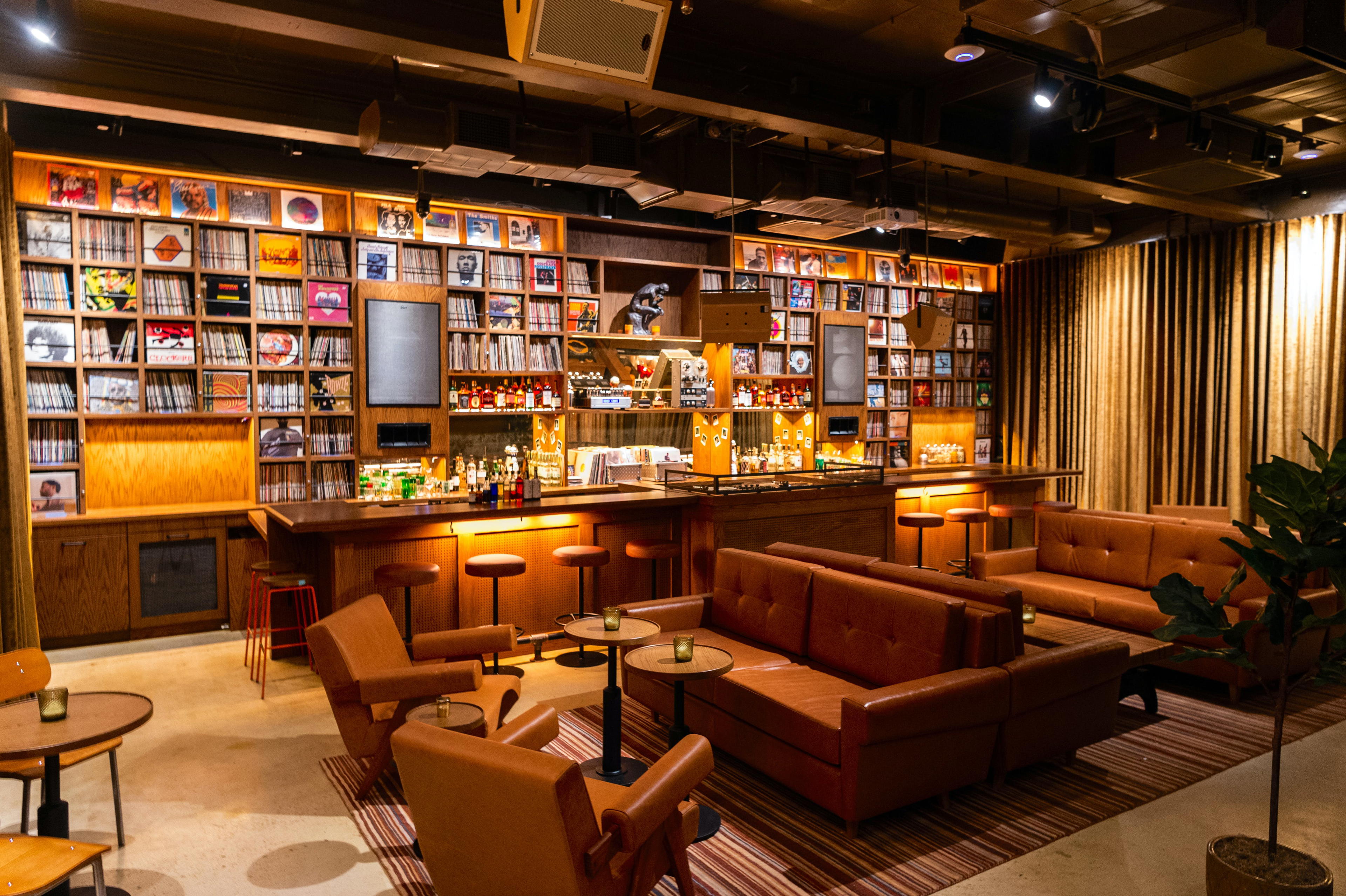
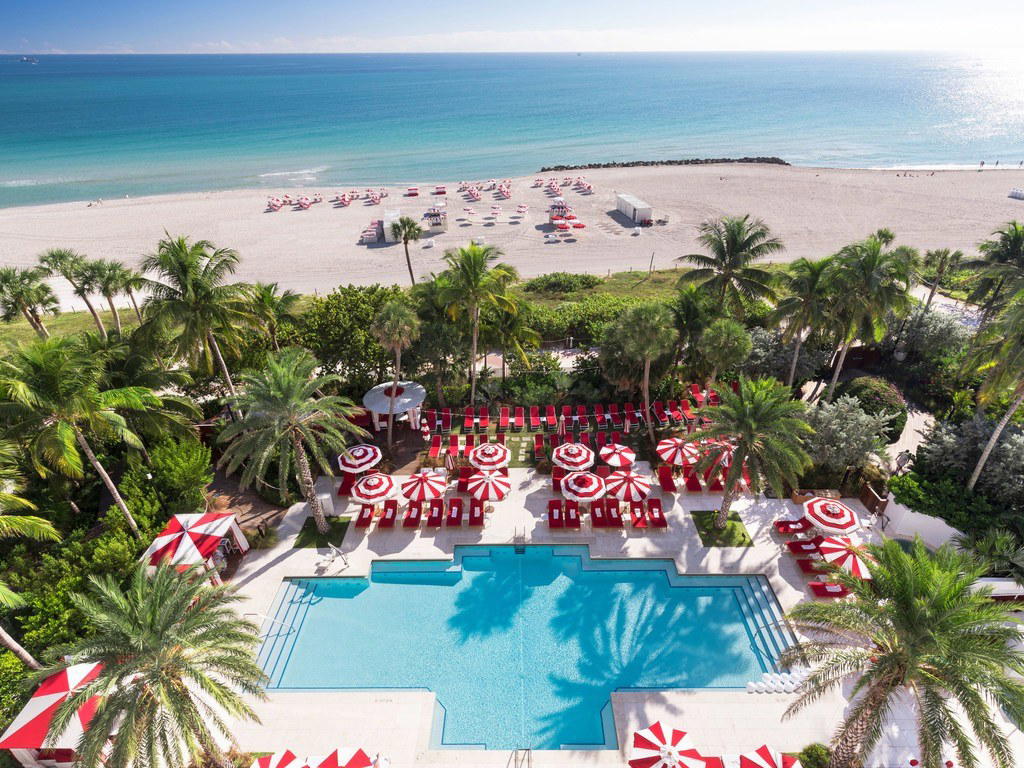
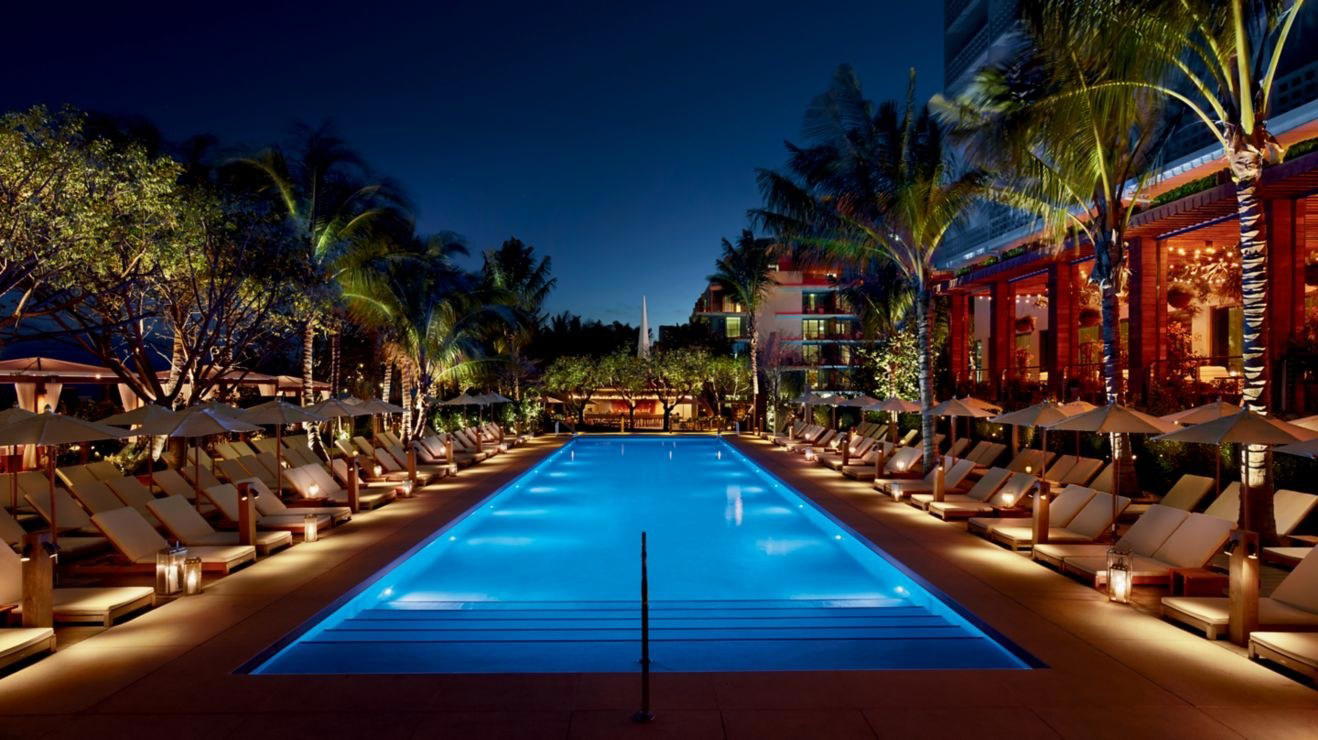
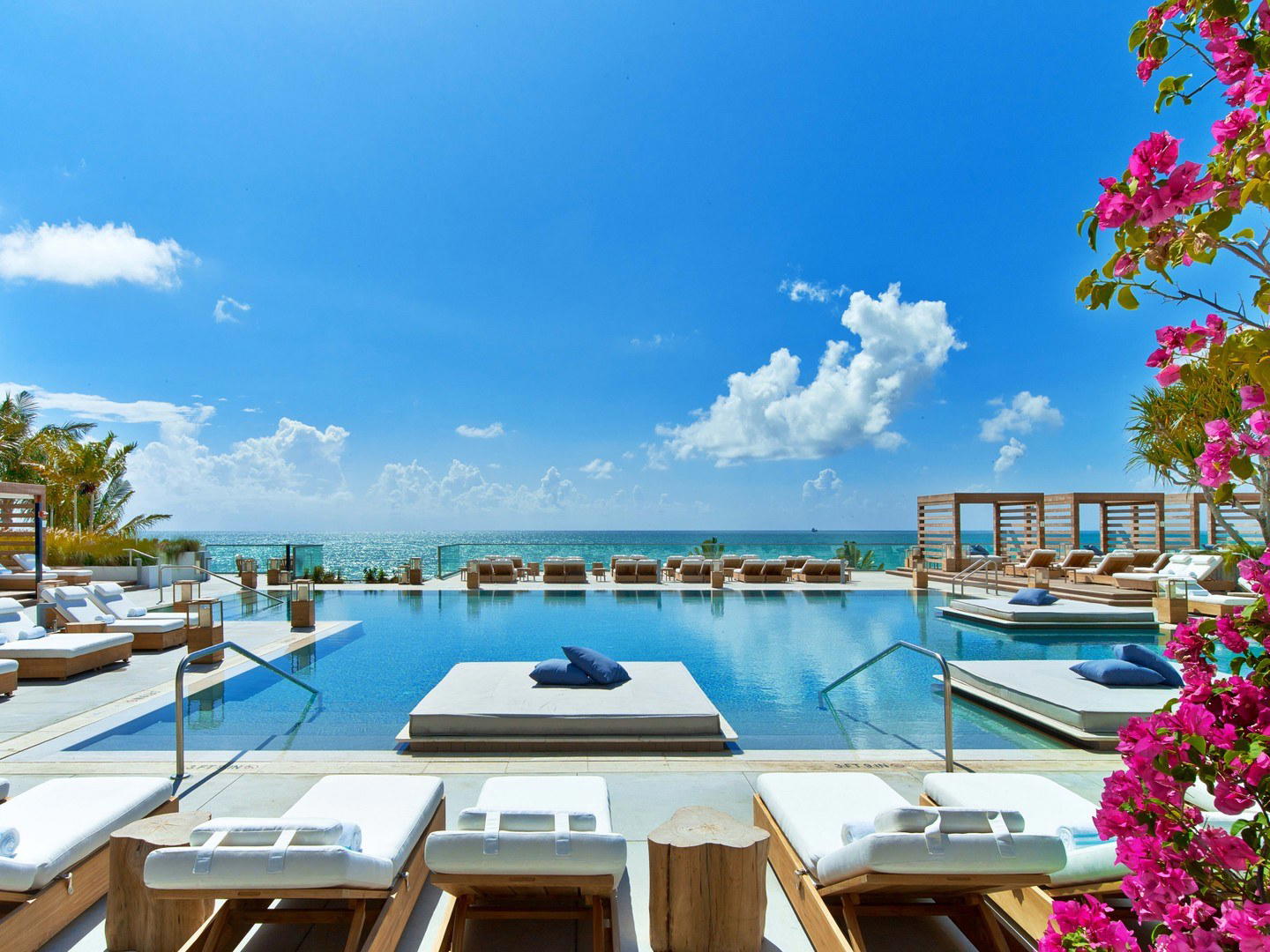
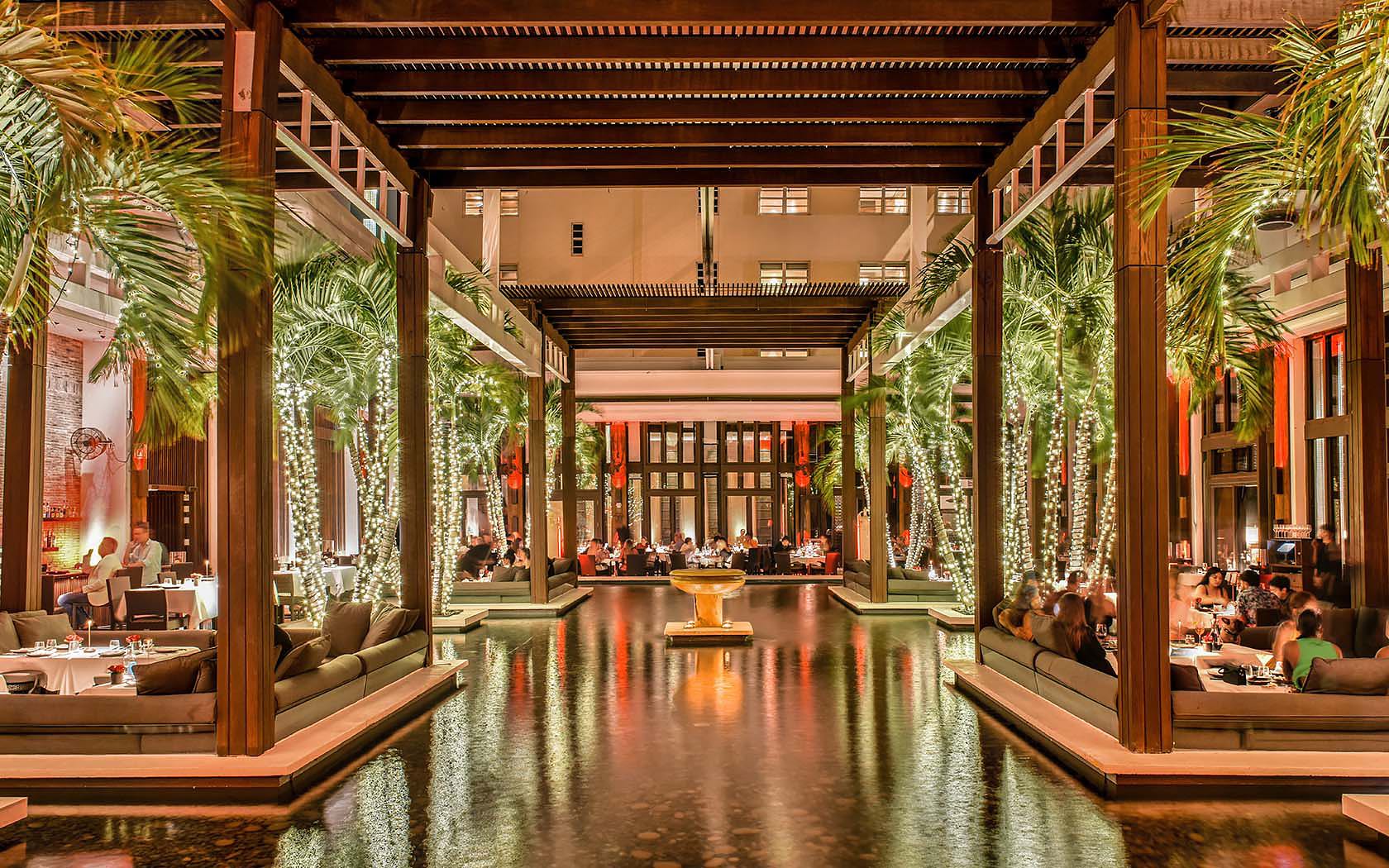
Rich interiors with lush, grand décor, open-fire kitchen, and poolside elegance creating a sophisticated yet rustic atmosphere.