Yue Chinese
Yue Chinese brings Northern Chinese cooking to Miami Beach, a cuisine defined by wheat-based preparations, bold seasoning, and the ma-la heat spectrum that separates it from the Cantonese-leaning Chinese options common across South Florida. In a city where the dining scene skews coastal and Latin-inflected, a restaurant anchored in the flavours of China's northern provinces occupies a genuinely distinct position.
Pearl is the En Primeur Club membership app — saves, bookings, and concierge access live there. Same editors, same standards.
- Address
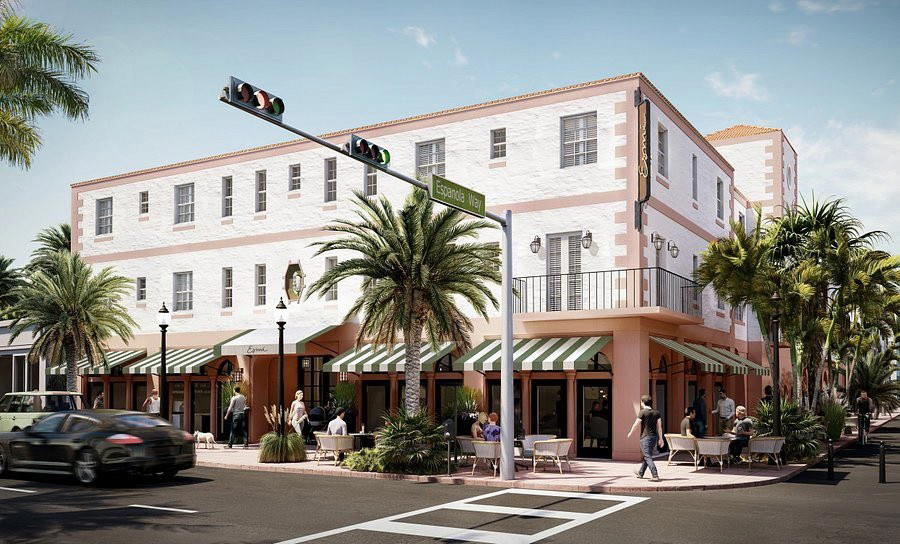
- 447 Española Wy, Miami Beach, FL 33139
- Phone
- +13059298552
- Website
- yuechinese.com
- Directions
- Get directions
 Saves & bookings on Pearl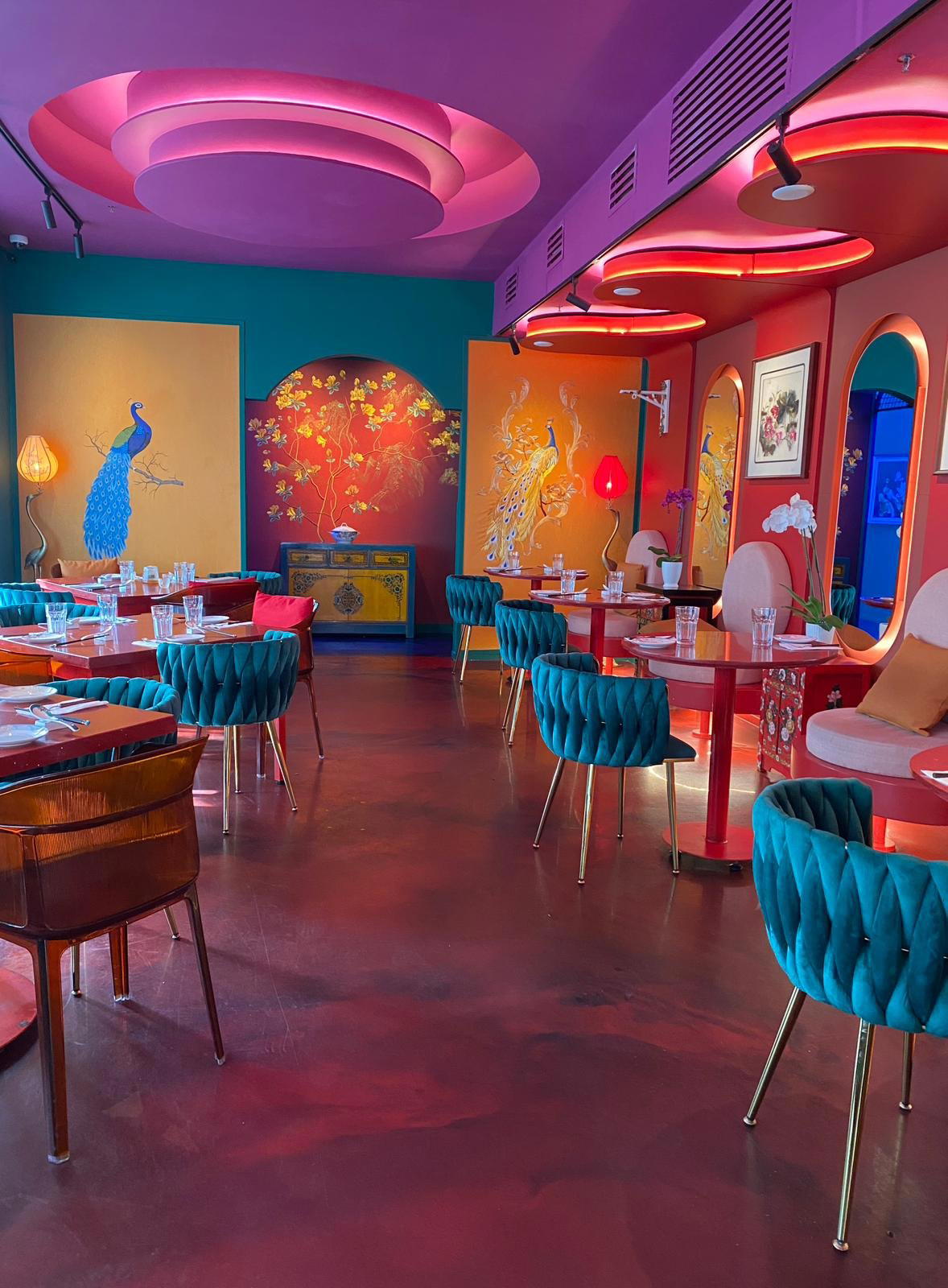
Northern Chinese in a City That Leans South
Miami Beach's dining identity is shaped by its geography and its demographics: coastal ingredients, Latin American technique, and a hospitality economy built around spectacle. The Chinese restaurants that have historically found footing here have tended toward the Cantonese-inflected, dim-sum-friendly formats that travel well across American cities. Northern Chinese cooking operates on a different register entirely, and Yue Chinese represents a specific culinary tradition that sits at some distance from that mainstream.
Northern Chinese cuisine, rooted in the provinces of Shandong, Hebei, and the northeastern rustbelt, is built around wheat rather than rice. Hand-pulled noodles, dumplings with thick skins, and pancake-wrapped preparations are structural staples. The flavour logic is bolder and often saltier than the restrained southern styles, with a heavier reliance on dark vinegars, fermented pastes, and the kind of allium backbone that comes from abundant scallion, garlic, and leek. Compared to the Chinese restaurants on Miami Beach's South Beach strip that pitch themselves at a tourist-facing clientele, a Northern Chinese format represents a more committed, less flexible proposition.
The Ma-La Spectrum in Context
One of the defining sensory characteristics of Northern Chinese cooking, particularly when it draws on Sichuan-adjacent flavour traditions, is the ma-la principle: the pairing of numbing (ma, from Sichuan peppercorns) and spicy (la, from dried and fresh chillies) into a compound heat that is physiologically distinct from the single-note burn of cayenne or the slow build of Southeast Asian chilli. The numbing effect of hydroxy-alpha-sanshool, the active compound in Sichuan peppercorns, creates a tingling that blunts the sharpness of chilli heat while amplifying the sensation across the palate.
In practice, this means the ma-la spectrum runs from gently tingly preparations, where peppercorn is decorative, through to full ma-la saturation, where the mouth goes partially numb and the heat compounds in waves. Chinese restaurants across the United States have largely served a diluted version of this spectrum to accommodate broader palates; venues in cities with significant Chinese diaspora populations, particularly in parts of New York and the San Francisco Bay Area, have maintained more faithful heat registers. Miami Beach sits further from that diaspora concentration, which makes the question of how faithfully Yue Chinese works the ma-la range a relevant one when choosing where to eat. For comparison, Hutong New York has positioned Northern Chinese cooking in Manhattan with an explicit premium framing, and its approach to heat calibration is part of what separates it from more accommodating competitors.
Where It Sits in Miami Beach's Dining Scene
Miami Beach's restaurant scene has deepened considerably over the past decade. The city now hosts formats that would not look out of place in New York or Los Angeles, with ambitious kitchen programmes, serious wine lists, and dining rooms that attract both the local professional class and the international visitor set. The reference points for premium dining in the United States remain concentrated elsewhere: Le Bernardin in New York City, Alinea in Chicago, and The French Laundry in Napa set the institutional standard for what a destination-level American restaurant looks like. Miami Beach's Chinese dining, by contrast, has remained underdeveloped relative to the city's overall ambition.
The cuisine formats that have found the most traction on Miami Beach skew toward the tropical and the cross-cultural. Paya works through Caribbean, Southeast Asian, and Spanish island influences in a way that maps naturally onto Miami Beach's layered climate and cultural geography. Las' Lap takes an Afro-Caribbean approach that similarly draws from the diasporic communities that have shaped the city. Ezio's operates as an Italian steakhouse, a format with durable appeal across the city's visitor economy. Northern Chinese cooking fits none of these grooves, which is precisely what gives Yue Chinese its positioning logic.
For a broader survey of where Miami Beach dining stands across categories, our full Miami Beach restaurants guide maps the scene in more detail.
The Northern Chinese Table: What to Expect
A Northern Chinese menu structured around its regional strengths will typically anchor on a few core categories. Dumplings, in boiled, pan-fried, and steamed formats, serve as the entry point, with filling ratios and skin thickness that differ meaningfully from the delicate dim sum iterations more common in Cantonese restaurants. Cold appetisers using wood ear fungus, cucumber with garlic and chilli oil, or smashed lotus root with vinegar offer the sour and cooling counterpoint that structures a Northern Chinese meal. Noodle dishes, whether served in rich bone broth or dry-tossed with fermented soybean paste in a format like zhajiangmian, occupy a central role rather than an ancillary one.
The ma-la dishes, where present, typically include mapo tofu, water-boiled preparations with chilli oil floated over protein and vegetables, and dry-fried options where the heat is embedded in the cooking process rather than applied at finishing. These dishes function as a test of how seriously a kitchen is working the flavour register. Venues that shy away from the numbing sensation of genuine Sichuan peppercorn tend to substitute with milder facsimiles; venues that maintain the authentic compound heat produce a noticeably different sensory experience at the table.
Planning Your Visit
Miami Beach's dining geography rewards some advance research. Restaurants here operate across multiple neighbourhoods, from the dense South Beach corridor to the quieter residential stretches further north, and transit options are limited enough that knowing your destination before arrival matters. For accommodation context alongside your dining plans, our Miami Beach hotels guide covers the property landscape. If the evening extends beyond dinner, the bars guide maps the drinking scene, and the experiences guide covers the broader cultural calendar.
Visitors building a multi-stop itinerary might also consider Silverlake Bistro for a different register of the Miami Beach dining proposition, or Las' Lap Miami for a contrasting cultural frame. Northern Chinese cooking sits in a specific lane, and the meal reads differently when it follows a day of the city's coastal-Latin default.
This applies particularly to group reservations, where Northern Chinese menus structured around shared dishes benefit from a minimum party size of three or four to work through the range of preparations that make the cuisine coherent.
How Yue Chinese Miami Beach compares with similar nearby venues.
| Venue | Cuisine |
|---|---|
| Yue Chinese | Northern Chinese |
Continue exploring
More in Miami Beach
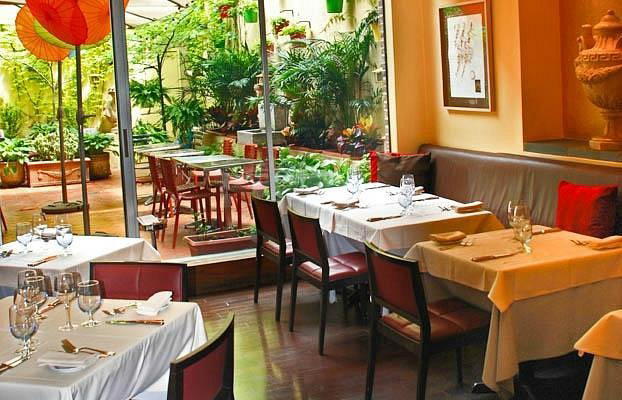
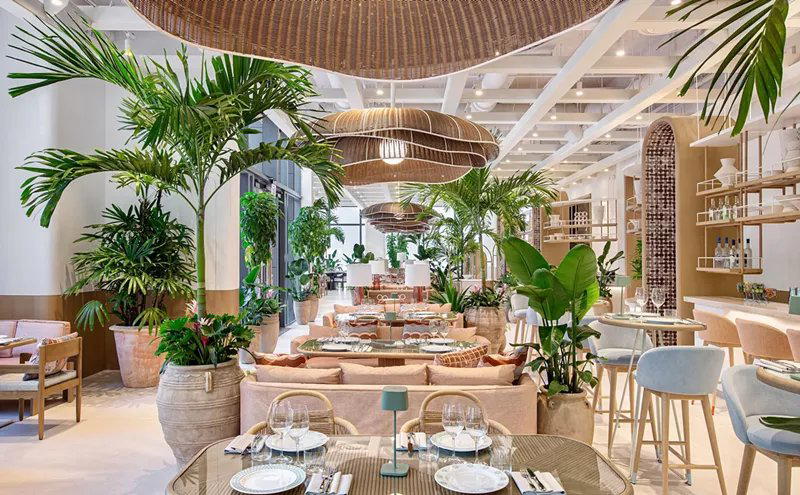
Restaurants in Miami Beach
Browse all →
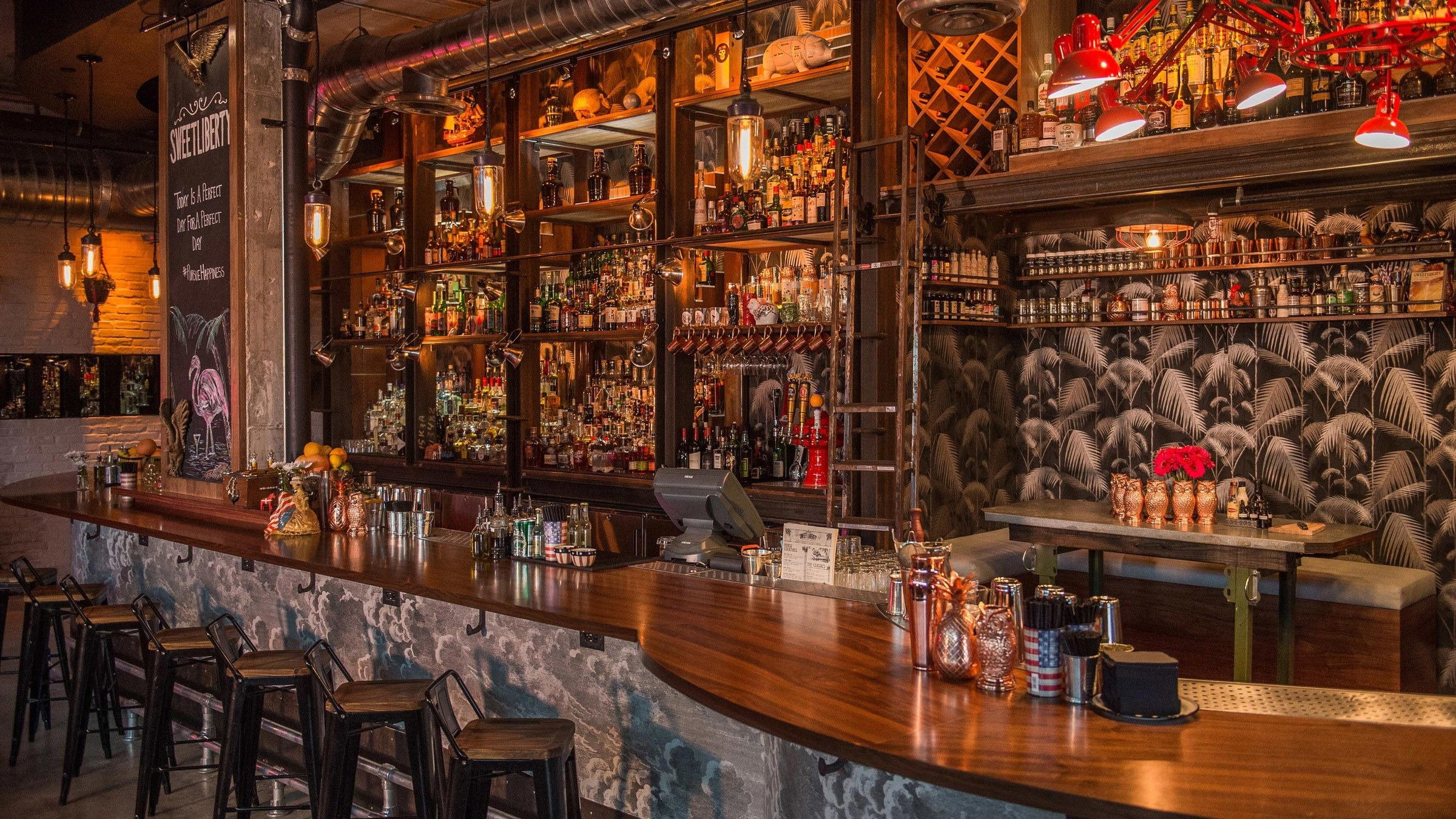
Bars in Miami Beach
Browse all →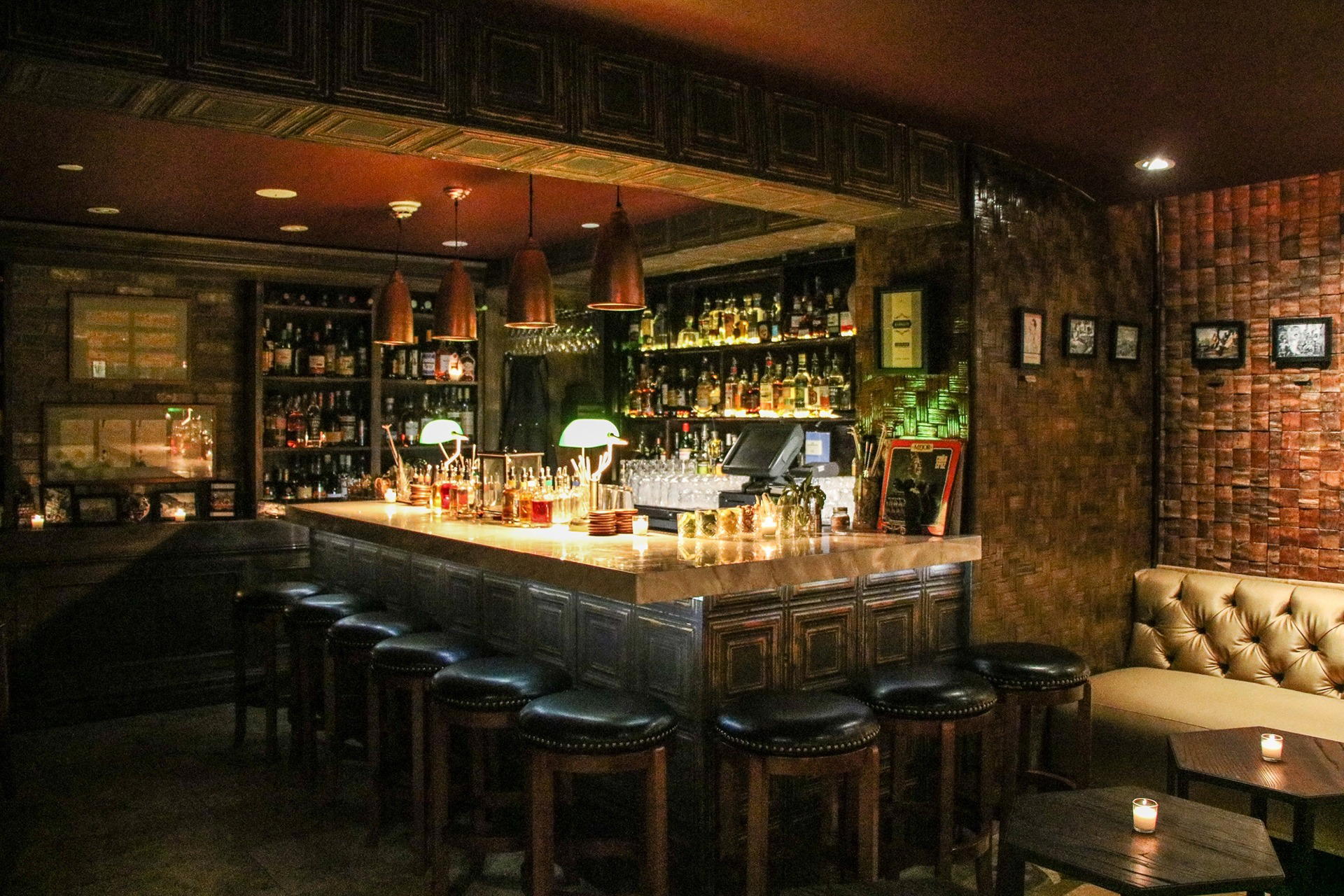
At a Glance
- Modern
- Elegant
- Cozy
- Celebration
- Date Night
- Group Dining
- Casual Hangout
- Open Kitchen
- Standalone
- Beer Program
- Craft Cocktails
Current opening hours
- Monday
- 12–11 PM
- Tuesday
- 5–11 PM
- Wednesday
- 12–11 PM
- Thursday
- 12–11 PM
- Friday
- 12–11 PM
- Saturday
- 12–11 PM
- Sunday
- 12–11 PM
Hours can change for holidays and private events. Last verified .
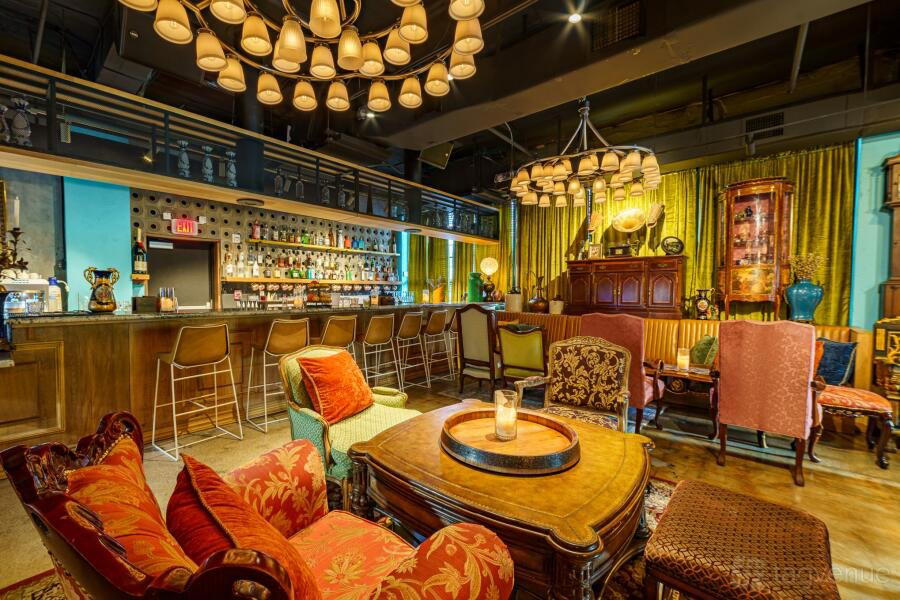
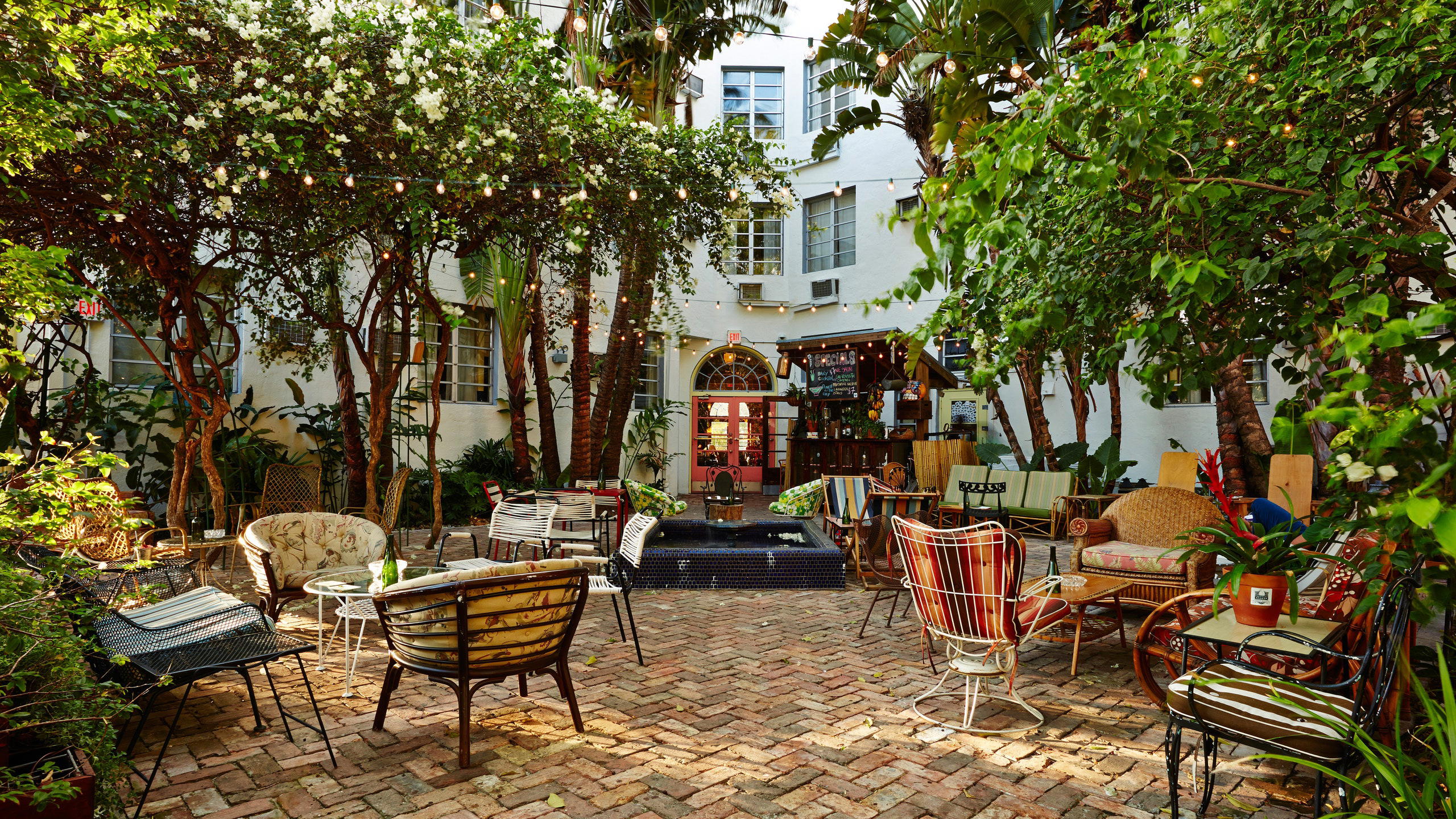
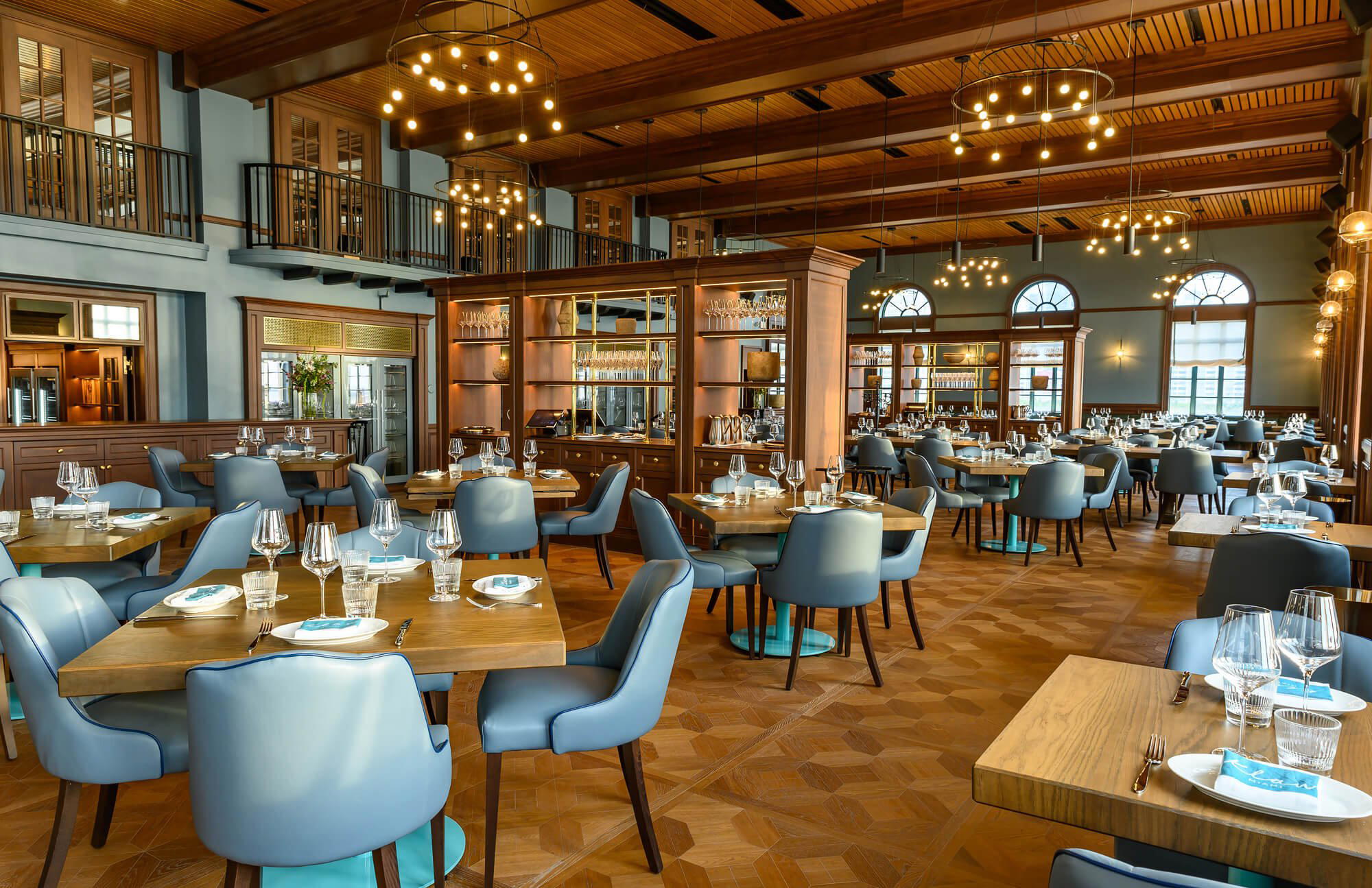
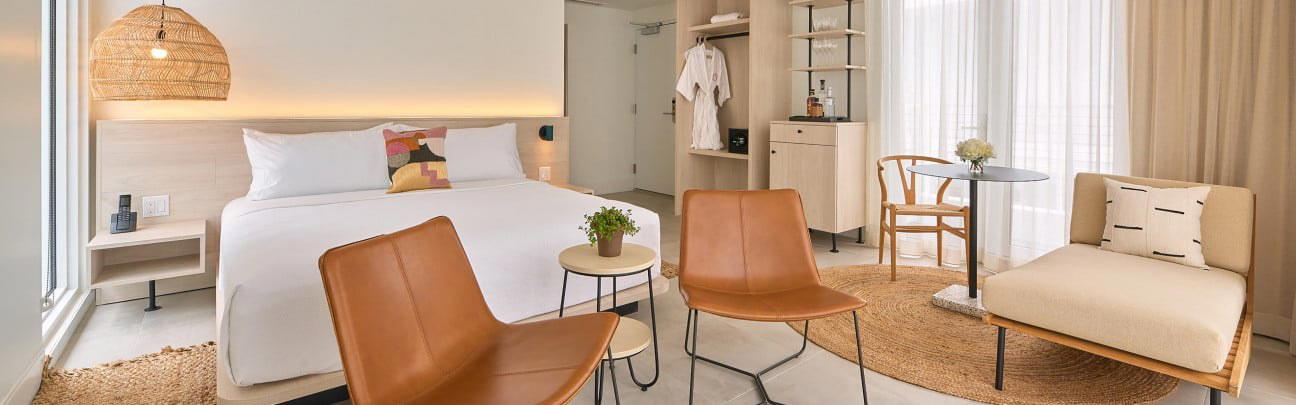
Modern, artfully designed interior with beautiful embroidered panels merging old-world Chinese elegance with Art Deco aesthetics, creating a lively yet charming and cozy atmosphere.
Know Before You Go
- Getting there
- 447 Española Wy, Miami Beach, FL 33139