Casa Isola Osteria
Casa Isola Osteria on 20th Street sits inside Miami Beach's quieter residential pocket, away from the South Beach crowd, serving Italian cooking that leans on ingredient sourcing rather than spectacle. The format is osteria rather than fine dining: considered, produce-driven, and built around the idea that what arrives on the plate should reflect where it came from. For a city that often favours volume over restraint, it occupies a distinct position.
Pearl is the En Primeur Club membership app — saves, bookings, and concierge access live there. Same editors, same standards.
- Address
- 1418 20th St, Miami Beach, FL 33139
- Phone
- +1 786 558 5787
- Website
- casaisolamiami.com
- Directions
- Get directions
 Saves & bookings on Pearl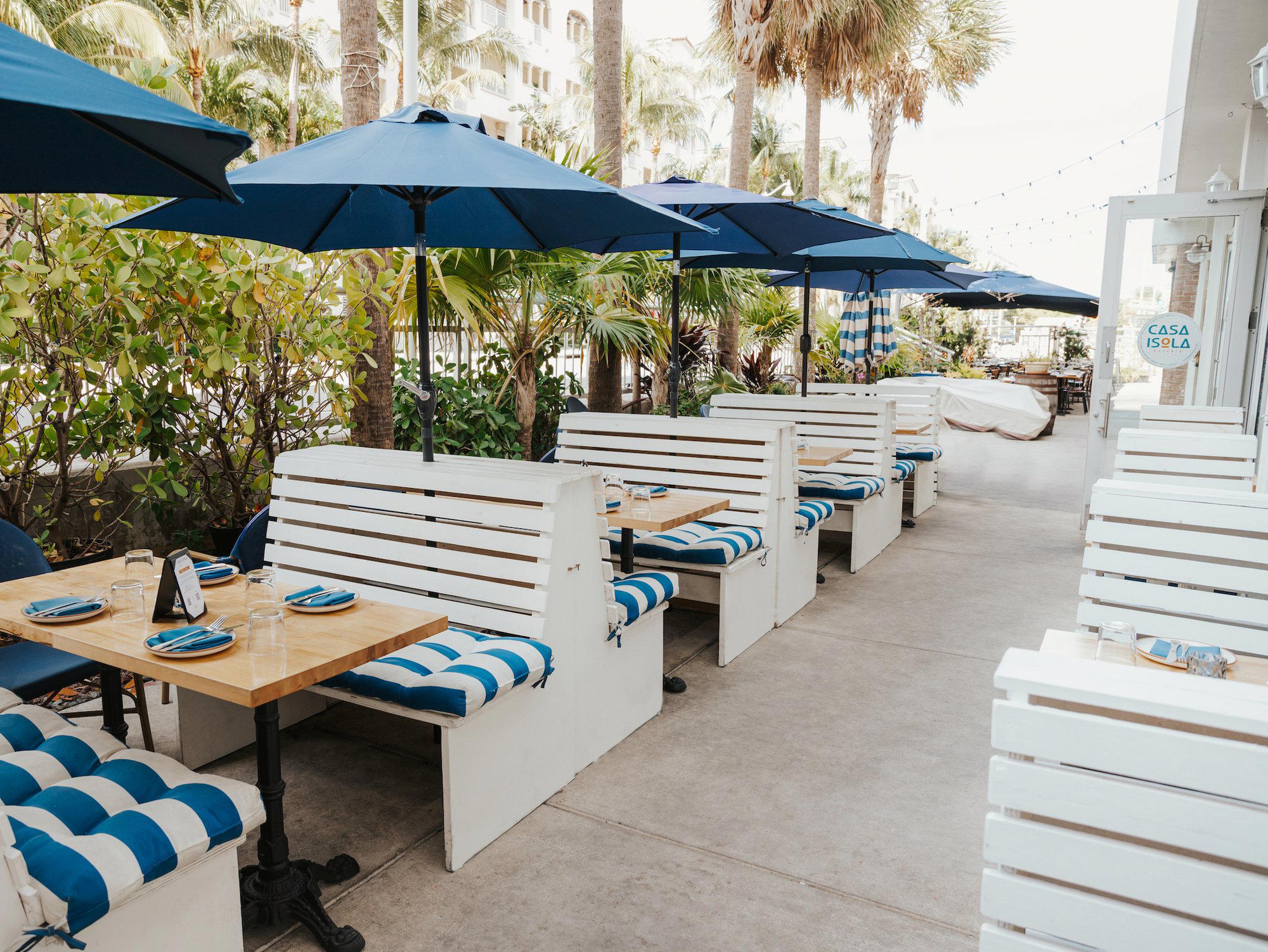
Where Miami Beach Slows Down
The stretch of 20th Street in Miami Beach where Casa Isola Osteria sits belongs to a different register than the Collins Avenue corridor a few blocks east. The pace is residential rather than commercial, the architecture lower and less assertive. Walking toward the address, the shift is felt before the door opens: this part of Miami Beach operates closer to neighbourhood trattoria territory than resort dining, and that context is what Casa Isola trades on. The premise of an osteria, in its Italian original, is a place where the food is tied to the land and season nearby, where the cook works from what is available rather than from a fixed identity. That philosophy, transplanted to South Florida, gains particular significance given what Florida’s agricultural calendar and coastal access actually offer.
What an Osteria Format Means for Sourcing
Italian dining in the United States has spent two decades bifurcating. On one side sit the high-end tasting-menu formats, marble counters, and wine lists organised by appellation. On the other, the casual red-sauce canon that many Americans still treat as a proxy for the whole tradition. The osteria format sits deliberately between those poles, and its logic depends on sourcing. In Italy, an osteria earns credibility through its relationship with local producers: the pork from a specific valley, the olive oil pressed nearby, the fish caught the same morning. Replicating that logic in South Florida requires understanding what the region actually produces. Florida’s agricultural output is more varied than its reputation suggests. Stone crabs from the Gulf and Atlantic coasts run a defined legal season from October through May. Tropical produce, including varieties of citrus, mango, and root vegetables that don’t travel well and therefore rarely appear on menus far from the source, grows in the farming communities south of Miami. The state’s aquaculture and wild-catch infrastructure gives coastal restaurants access to species that no other American city can claim as local. A kitchen committed to the osteria model in Miami has more to work with than the city’s dining reputation might suggest.
Miami’s geography is different but not weaker: proximity to Caribbean growing traditions, access to Gulf and Atlantic seafood, and a subtropical climate that allows year-round production of ingredients that go dormant further north. The osteria approach applied here is not a copy of a Northern Italian model but an adaptation of its logic to a genuinely different supply chain.
Miami Beach’s Italian Positioning
Miami Beach runs a competitive Italian dining scene, particularly concentrated in South Beach and the Design District across the causeway. The range spans from hotel-dining Italians aimed at international visitors expecting familiar luxury signals, through to neighbourhood spots serving the city’s large Italian-American and Brazilian-Italian communities. Casa Isola’s 20th Street address places it closer to the latter context. The Venetian Islands and the mid-Beach residential grid attract a different diner than the Ocean Drive tourism belt, and restaurants in this pocket tend to serve a more repeat-visit clientele. That repeat-visit dynamic rewards the kind of menu discipline that ingredient-led cooking requires: regulars notice when sourcing quality shifts, and they notice when it doesn’t.
Miami Beach’s dining options in this tier range widely in character. a’Riva occupies a different register on the waterfront, while neighbourhood staples like 11th Street Diner anchor the more casual end of the spectrum. Further along the Miami Beach dining map, Alma Cubana and A La Folie reflect how broadly the city draws from different culinary traditions. A Fish Called Avalon handles the seafood-forward end of the South Beach canon. Casa Isola reads as the Italian option most focused on the producer relationship rather than the occasion.
Ingredient-Led Cooking in Context
The broader conversation about sourcing in American restaurants has moved considerably since the early farm-to-table wave made it a marketing point rather than a practice. Places like Smyth in Chicago, Lazy Bear in San Francisco, and Providence in Los Angeles represent how seriously the sourcing conversation has been integrated into formal American dining. At the other end of the formality spectrum, the osteria model in Europe has always treated ingredient provenance not as a selling point but as a structural requirement: the menu changes when the supply changes, and the kitchen’s identity is expressed through what it chooses not to put on the plate as much as what it does. European practitioners of this discipline, from the Alpine sourcing philosophy evident at Atelier Moessmer Norbert Niederkofler in Brunico to the rigorous produce calendars behind tasting menus at The French Laundry in Napa and Le Bernardin in New York City, share a common commitment: the ingredient is the argument, and the technique serves the ingredient rather than the reverse.
An osteria in Miami applying this framework has the advantage of geography that most Italian-American restaurants ignore. The question is whether the kitchen is structured to take advantage of it: whether the menu has the flexibility to respond to what’s actually available, whether supplier relationships are maintained with the specificity that genuine sourcing requires, and whether the format is priced to sustain that kind of operational commitment.
Planning a Visit
Casa Isola Osteria is located at 1418 20th Street in Miami Beach, within walking distance of the mid-Beach residential grid. The address sits in a quieter block that rewards arriving on foot from the nearby neighbourhood rather than by car. Casa Isola Osteria is recommended for reservations and opens Tuesday through Sunday, with hours of 5 to 10 PM Tuesday through Thursday and Sunday, and 5 to 11 PM Friday and Saturday. Miami Beach’s osteria-format dining tends toward a mid-week evening crowd during the winter season (November through April), when the city’s population of seasonal residents peaks and neighbourhood restaurants fill more consistently. The summer months bring a different visitor profile and often more flexibility in seating.
At-a-Glance Comparison
Comparable venues nearby, for context on price, style, and recognition.
| Venue | Cuisine | Price | Notes |
|---|---|---|---|
| Casa Isola OsteriaThis venue — the venue you are viewing | Brooklyn-Style Italian Osteria | $$$ | Not listed |
| Mercato Di Mare - Ocean Drive | Art Deco Italian Seafood | $$$ | South Beach |
| a'Riva | Seasonal Italian Mediterranean | $$$ | Sunset Harbour |
| Donatella | Modern Italian Fine Dining | $$$$ | Miami Beach |
| ll Pastaiolo | Neapolitan Trattoria | $$$ | South Beach |
| Ezio’s | Italian Steakhouse | $$$$ | North Beach |
Continue exploring
More in Miami Beach
Restaurants in Miami Beach
Browse all →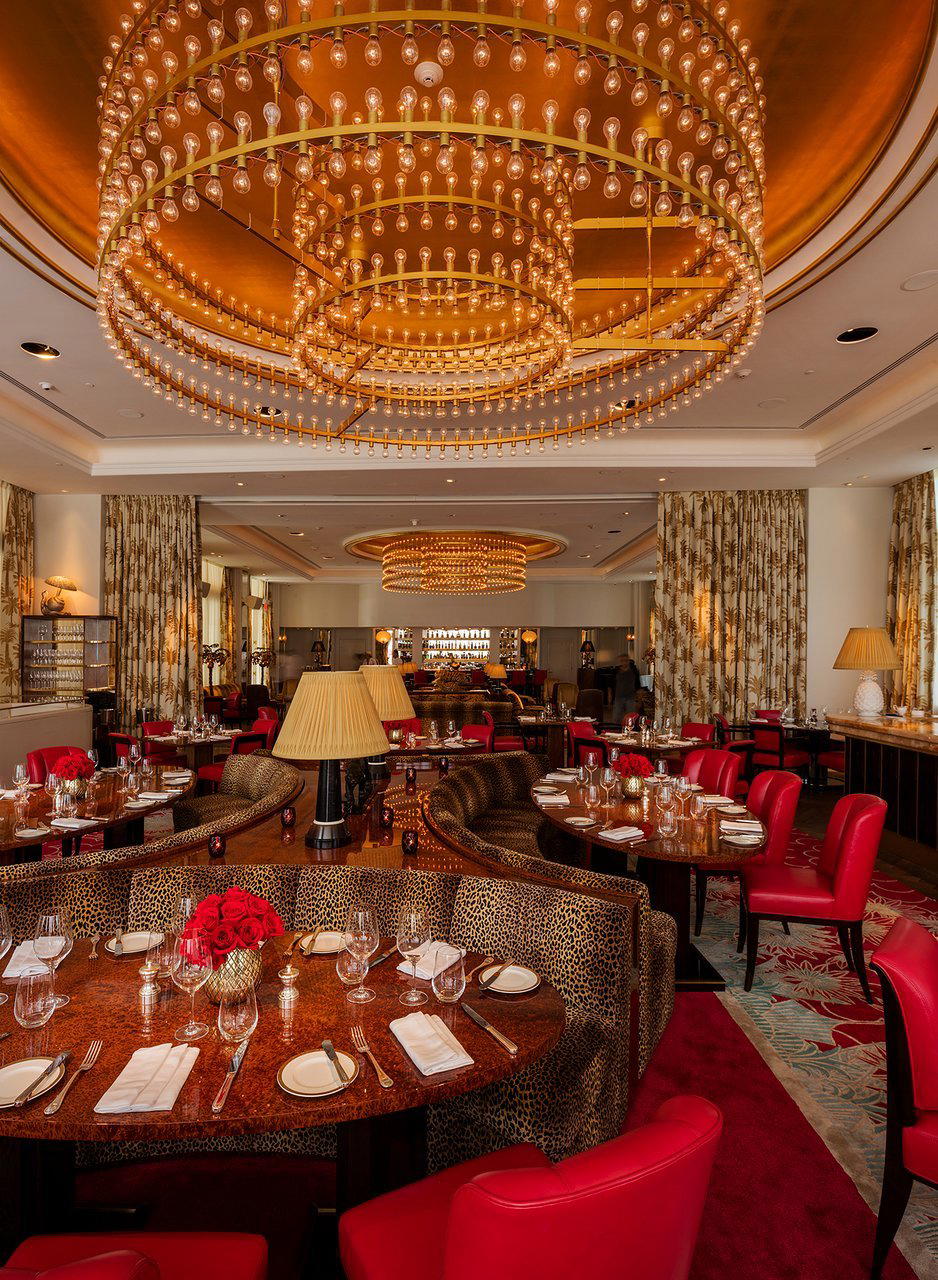
Bars in Miami Beach
Browse all →





At a Glance
- Cozy
- Rustic
- Classic
- Intimate
- Date Night
- Casual Hangout
- Group Dining
- Family
- Standalone
- Open Kitchen
- Craft Cocktails
- Beer Program
- Farm To Table
Current opening hours
- Monday
- Closed
- Tuesday
- 5–10 PM
- Wednesday
- 5–10 PM
- Thursday
- 5–10 PM
- Friday
- 5–11 PM
- Saturday
- 5–11 PM
- Sunday
- 5–10 PM
Hours can change for holidays and private events. Last verified .
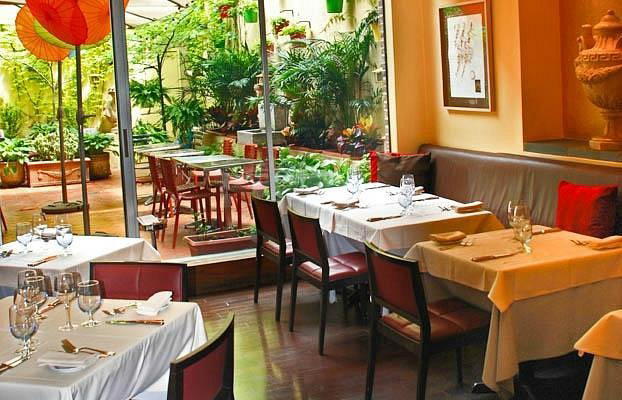
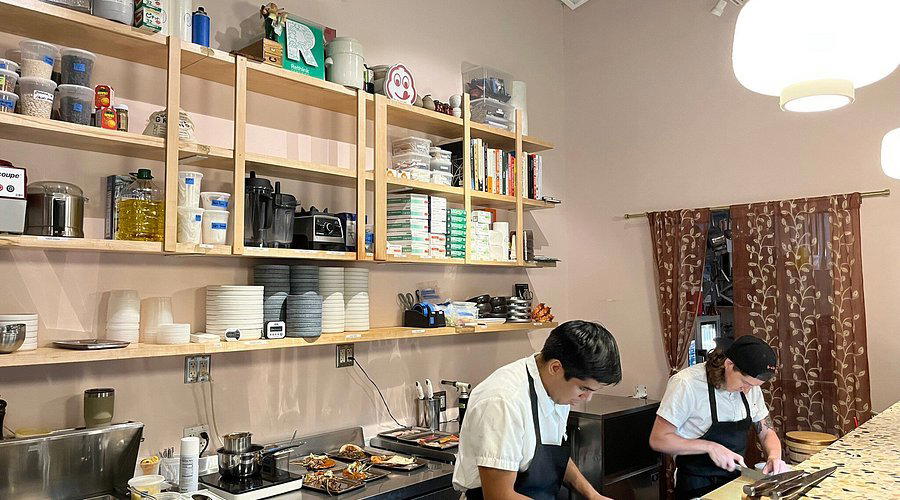
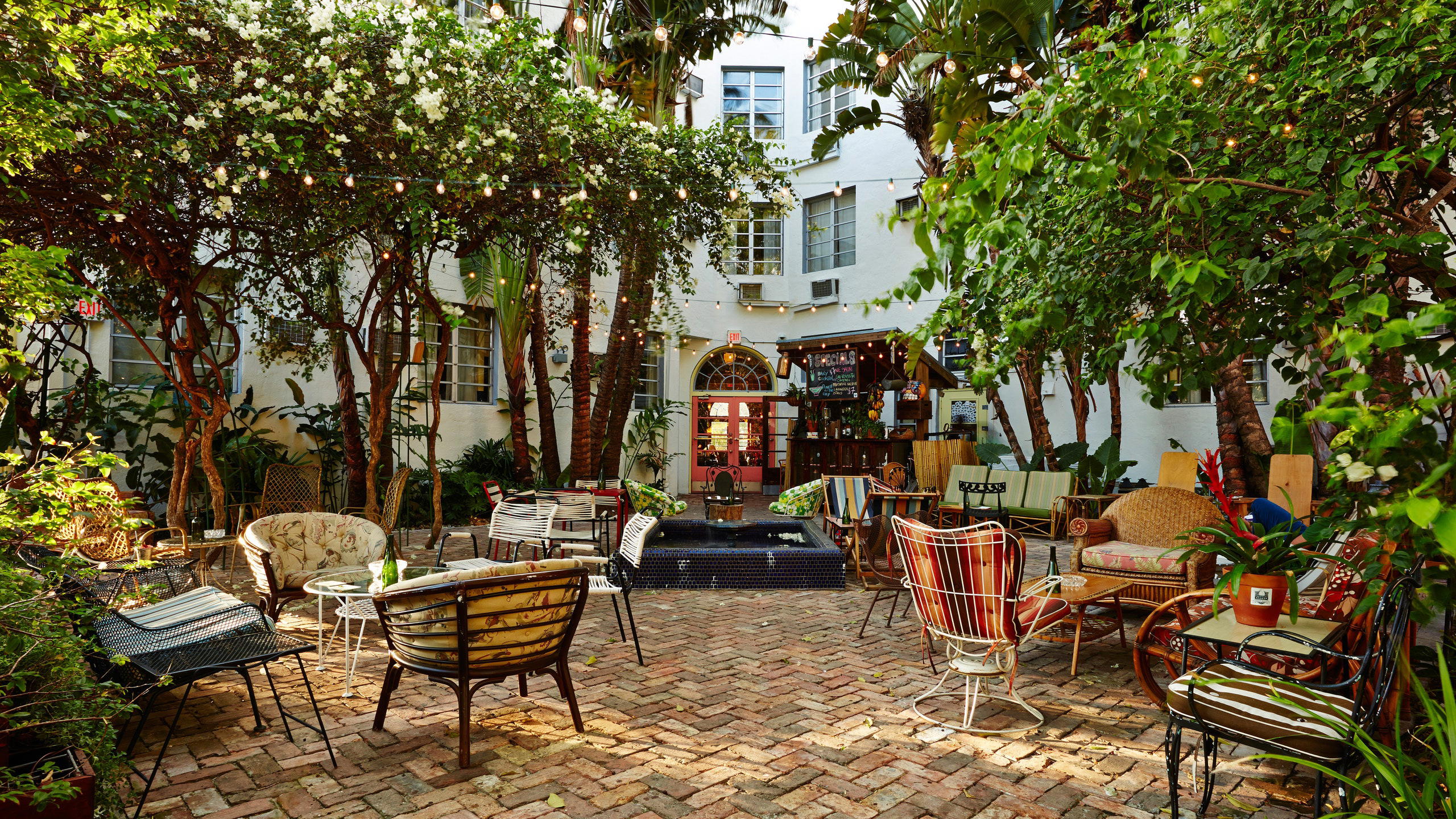
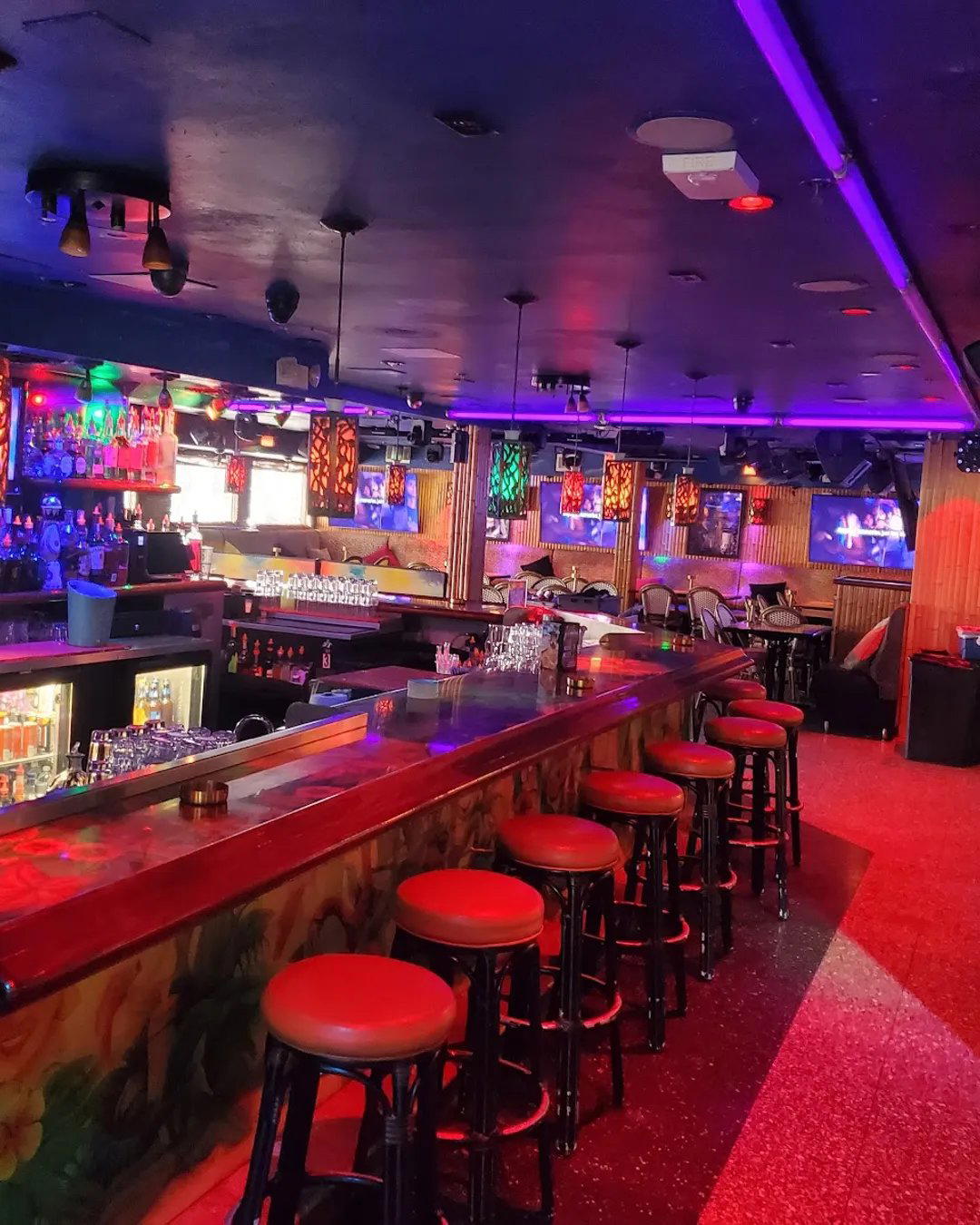
Warm, rustic, and homespun atmosphere with quaint neighborhood charm; tavern-style dining with a focus on family and simple pleasures.