Faber Wine & Seafood Restaurant
Faber Wine & Seafood Restaurant occupies a handsome Edwardian address on Hammersmith Road, positioning itself within London's growing tier of serious seafood-and-wine houses where the sourcing story carries as much weight as the cooking. For west London diners accustomed to travelling into the centre for this level of food focus, Faber offers a local alternative worth examining on its own terms.
 Discover on Pearl
Pearl is the En Primeur Club membership app — saves, bookings, and concierge access live there. Same editors, same standards.
- Address
- Welbeck Mansions, 206 - 208 Hammersmith Rd, London W6 7DH, United Kingdom
- Phone
- +442081619800
- Website
- faberrestaurants.co.uk
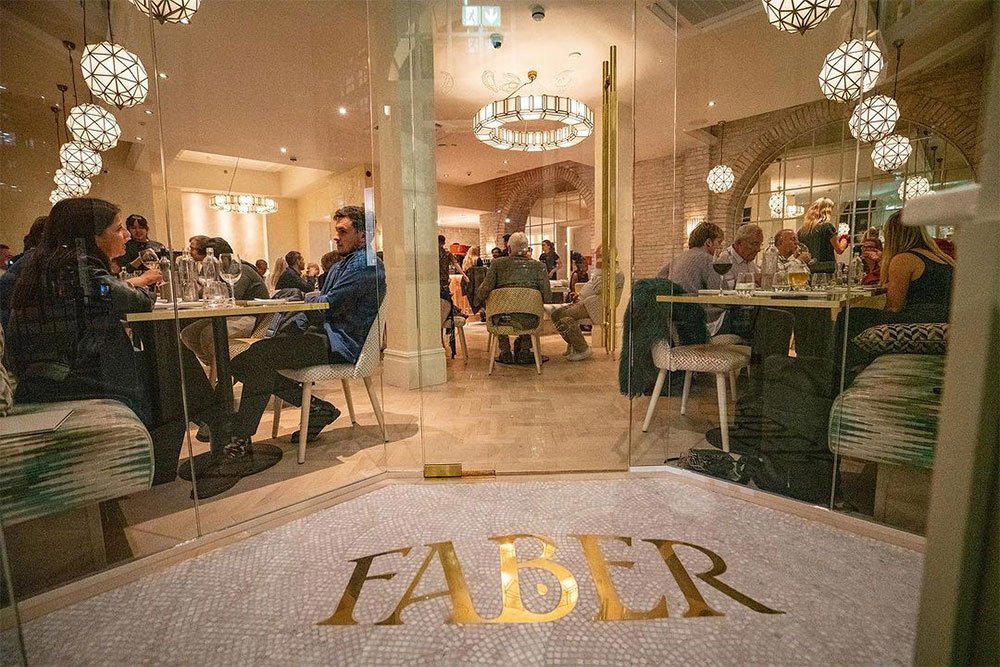
A Seafood House on the West London Stretch
Hammersmith Road does not announce itself as a dining destination. The wide arterial corridor running between Kensington and Chiswick has long been the kind of address where office conversions and transit-facing cafés dominate the ground floor. Which makes the presence of a dedicated wine and seafood restaurant at Welbeck Mansions, a substantial Edwardian block at numbers 206 to 208, a more deliberate statement than the postcode might suggest. London's serious seafood houses have historically concentrated in the Square Mile or Mayfair; the west and southwest have remained underserved relative to the quality of the neighbourhood. Faber's position on this corridor reads as a considered bet on local demand that has not yet found the right address.
Faber Wine & Seafood Restaurant in London brings British Coastal Seafood to Hammersmith Road. Sourcing transparency, producer relationships, and coastal provenance have replaced the old white-tablecloth formality as the primary markers of credibility. Restaurants that once led with silver service and theatrical presentation have been displaced, or have themselves pivoted, toward kitchens that let the origin of the fish do the argumentative work. In that context, a venue calling itself a wine and seafood restaurant is making a specific promise: that the sea and the glass will be in genuine conversation, and that both will be traceable. For reference points at the higher end of this British tradition, Waterside Inn in Bray and Moor Hall in Aughton have long anchored the argument that fine dining and regional sourcing can coexist without compromise.
The Sourcing Argument in British Seafood Cooking
Britain's coastline gives its leading seafood restaurants a real competitive advantage when they choose to use it. Cornish day boats, Scottish langoustine, Orkney crab, Dorset oysters, the raw material arriving on the right kitchen's dock is, on its leading days, a match for anything France or Spain can offer. The gap between venue quality has historically been one of discipline: how consistently a restaurant commits to those relationships, how quickly produce moves from water to plate, and whether the wine list has been assembled to frame rather than overwhelm the flavour.
This sourcing logic is what separates a serious seafood house from a competent fish restaurant. At venues like hide and fox in Saltwood in Kent, proximity to the coast has been made into a structural feature of the offer, not merely a talking point on the menu header. Further north, L'Enclume in Cartmel extended the same logic across land and sea, producer-led sourcing as the controlling philosophy, with everything else built around it. These are the precedents against which London's committed seafood addresses are now measured, including those arriving in less expected postcodes.
Faber's address in Hammersmith places it within useful range of several supply routes. The kitchen's supply chain discipline will shape how that geography reads on the plate. The wine-and-seafood pairing format works well when the list has been built with as much care as the sourcing: coastal whites, mineral-driven bottles from the Atlantic arc, and the occasional red that can carry cured or smoked fish without collision. When those two halves are properly integrated, the format produces something the standard tasting-menu model cannot, a meal that evolves through the glass as much as through the plate.
West London's Fine Dining Position
The concentration of London's highest-rated restaurants remains central and north-central. CORE by Clare Smyth in Notting Hill sits at the outer edge of that cluster. The Ledbury, also in Notting Hill, has held its position as one of the city's most considered Modern European addresses through multiple iterations. Restaurant Gordon Ramsay and Sketch, The Lecture Room and Library anchor the Chelsea and Mayfair ends respectively. Dinner by Heston Blumenthal sits in Knightsbridge. The geography tells a consistent story: serious food has clustered where serious money concentrates.
Hammersmith sits just outside that cluster but is not isolated from it. The neighbourhood's demographic has shifted steadily over two decades, with a professional residential base that travels into the centre for high-end dining but would clearly support a local alternative of comparable ambition. The opening of dedicated wine and seafood restaurants at this kind of address follows a pattern visible in other European cities, the dispersal of quality away from the historic fine-dining districts toward secondary neighbourhoods with genuine local demand. In Paris, the 11th arrondissement absorbed that energy in the 2010s. In London, the process has been slower and patchier, but Hammersmith and Shepherd's Bush have begun to accumulate serious addresses.
For diners approaching from outside London, the comparison set widens considerably. Gidleigh Park in Chagford, Midsummer House in Cambridge, and Ynyshir Hall in Machynlleth represent the model of serious ambition operating away from capital-city density. Internationally, Le Bernardin in New York City and Lazy Bear in San Francisco set different benchmarks for what a seafood-focused or producer-led tasting format can achieve at full stretch. Opheem in Birmingham, Hand and Flowers in Marlow, and Restaurant Andrew Fairlie in Auchterarder each illustrate that the most compelling British dining experiences increasingly fall outside the M25. Faber positions itself within a different part of that argument: quality that makes sense precisely where it sits, rather than quality that has migrated from somewhere grander.
Planning Your Visit
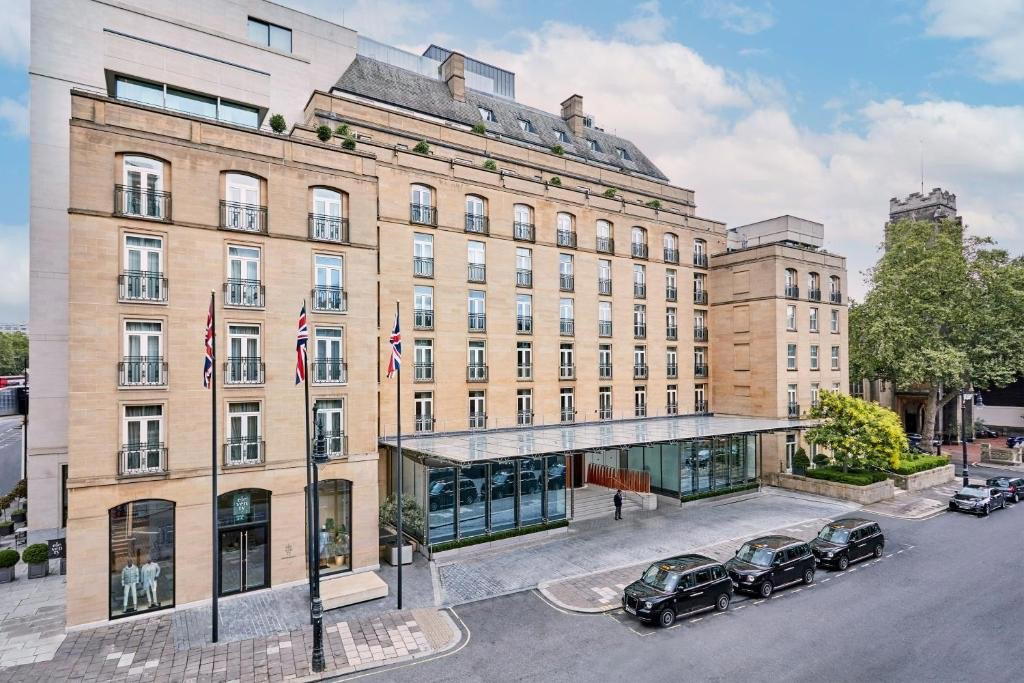
Faber Wine and Seafood Restaurant is at Welbeck Mansions, 206-208 Hammersmith Road, London W6 7DH. Hammersmith station (District and Piccadilly lines) puts the address within a short walk. Given the venue's focus on wine and seafood, a format that tends to suit longer, more considered meals, evenings are the natural frame for a first visit.
Comparison Snapshot
Comparable venues nearby, for context on price, style, and recognition.
| Venue | Cuisine | Price | Awards | Notes |
|---|---|---|---|---|
| Faber Wine & Seafood RestaurantThis venue — the venue you are viewing | British Coastal Seafood | $$$ | , | |
| Pearly Queen | Modern Seafood & Oyster Bar | $$$ | 1 recognition | Spitalfields |
| Melusine | Modern Mediterranean Seafood | $$$ | 1 recognition | Wapping |
| Rick Stein Barnes | British Seafood | $$$ | , | Mortlake |
| Fishworks - Marylebone | Fresh Seafood with British Influences | $$$ | , | Marylebone |
| Randall & Aubin Soho | Classic Seafood Bar | $$$ | 1 recognition | Soho |
Continue exploring
More in London
Restaurants in London
Browse all →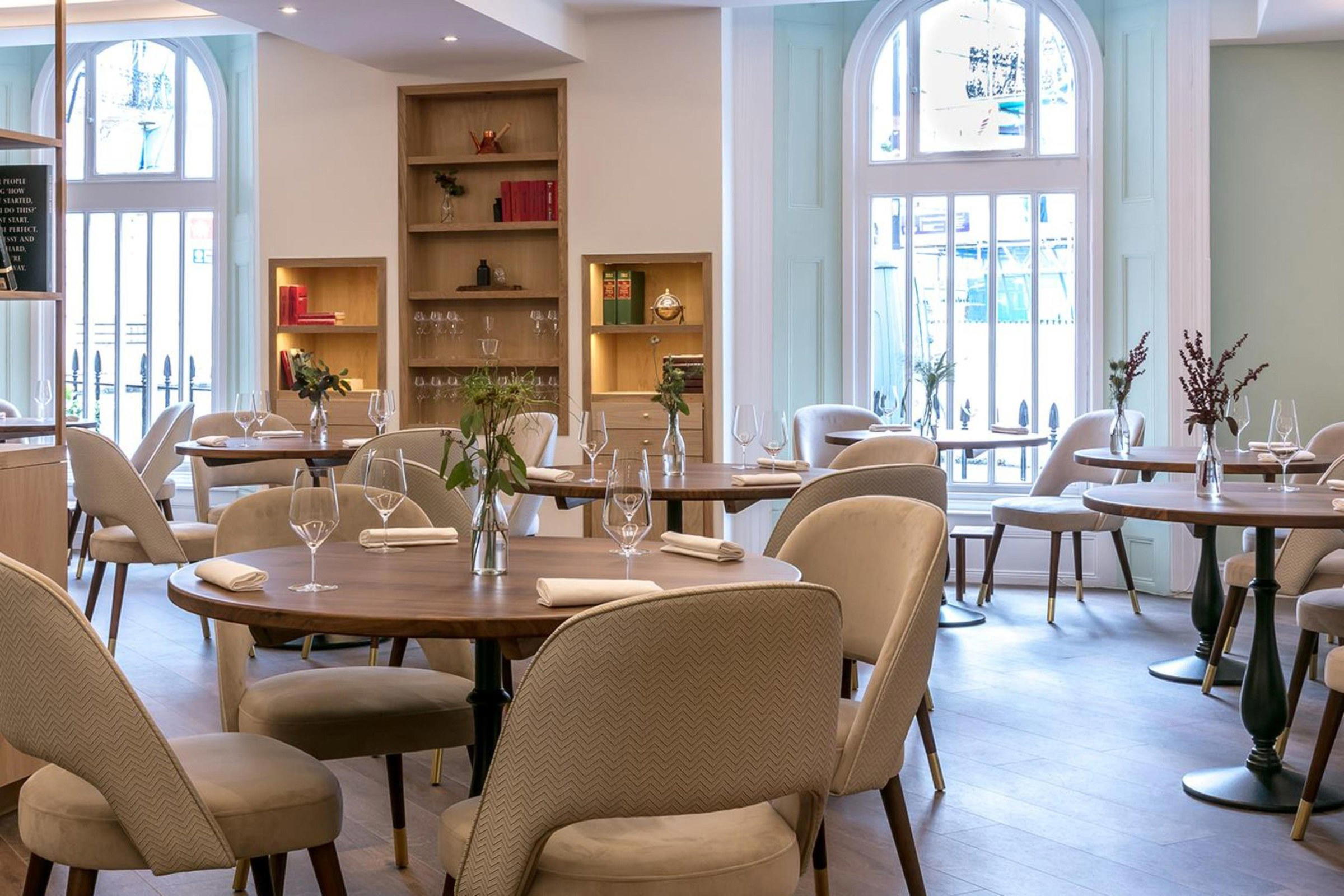
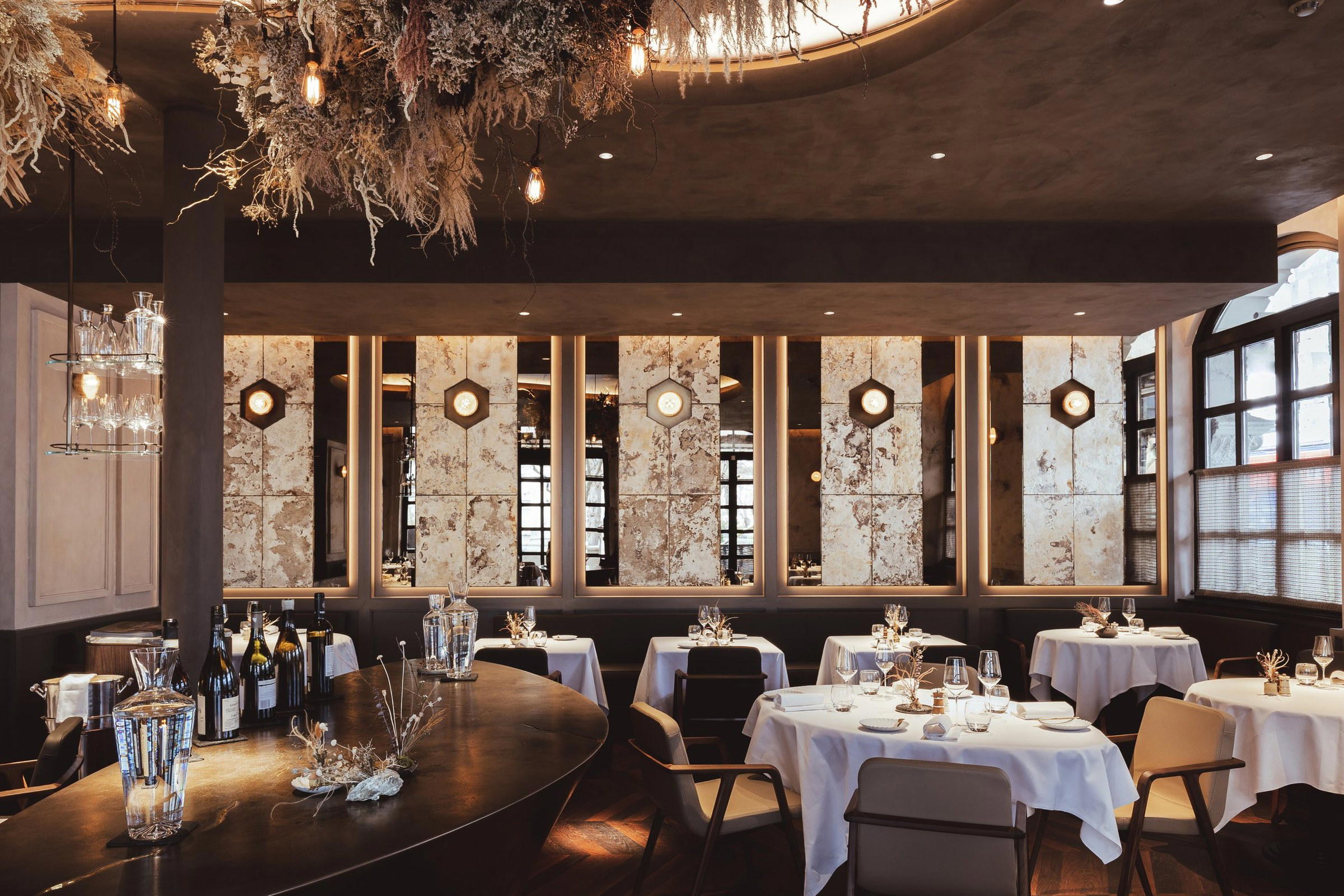
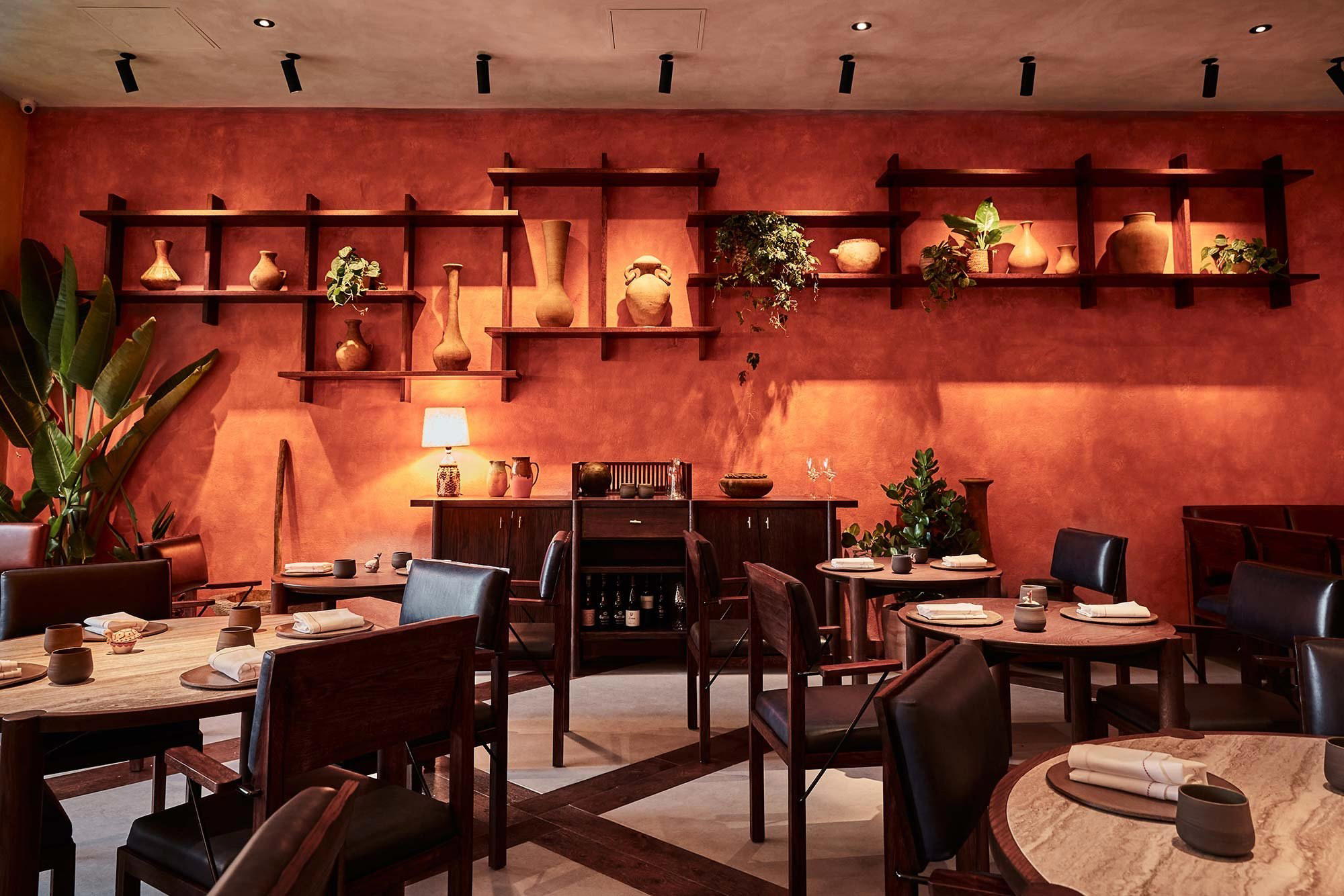
Bars in London
Browse all →
Hotels in London
Browse all →
At a Glance
- Elegant
- Sophisticated
- Classic
- Cozy
- Date Night
- Casual Hangout
- After Work
- Celebration
- Open Kitchen
- Standalone
- Extensive Wine List
- Sommelier Led
- Sustainable Seafood
- Local Sourcing
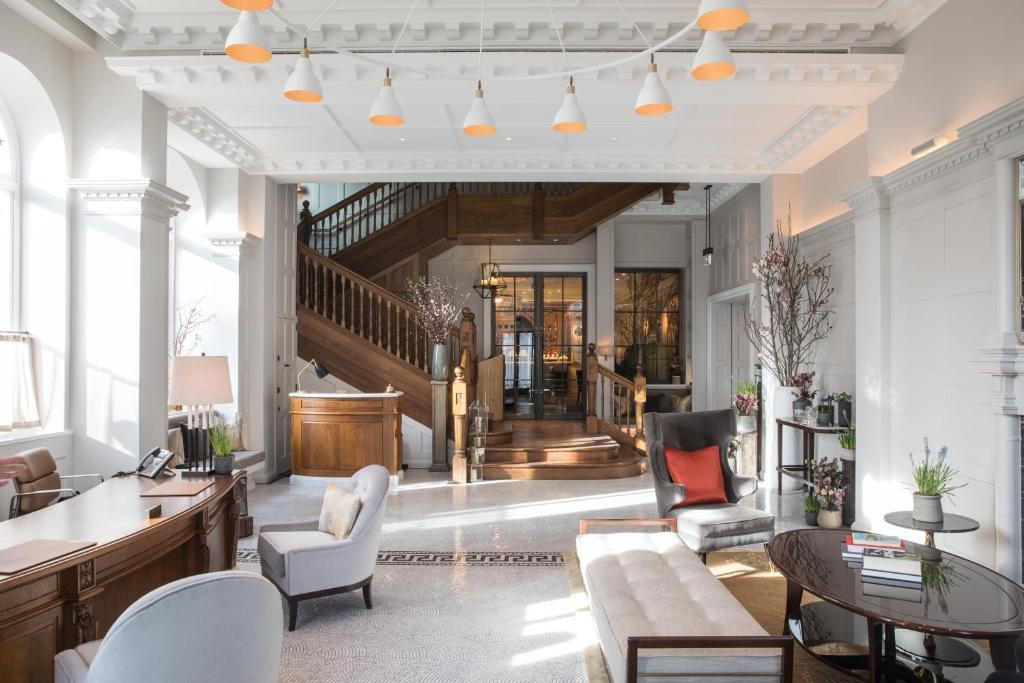
Glossy, welcoming neighborhood atmosphere with Victorian building charm; evening crowds gather for casual dining with white wine and mussels.