Fishworks - Marylebone
Fishworks on Marylebone High Street sits inside London's mid-market seafood tier, where the cooking centres on sourcing and simplicity rather than technical flourish. The address puts it on one of the capital's most browsed stretches of high street, and the format follows the British fishmonger-restaurant tradition, counter-fresh produce translated directly to plate. A practical choice for well-sourced fish without the formality of a white-tablecloth tasting room.
Pearl is the En Primeur Club membership app — saves, bookings, and concierge access live there. Same editors, same standards.
- Address
- 89 Marylebone High St, London W1U 4QW, United Kingdom
- Phone
- +442079359796
- Website
- fishworks.co.uk
- Directions
- Get directions
 Saves & bookings on Pearl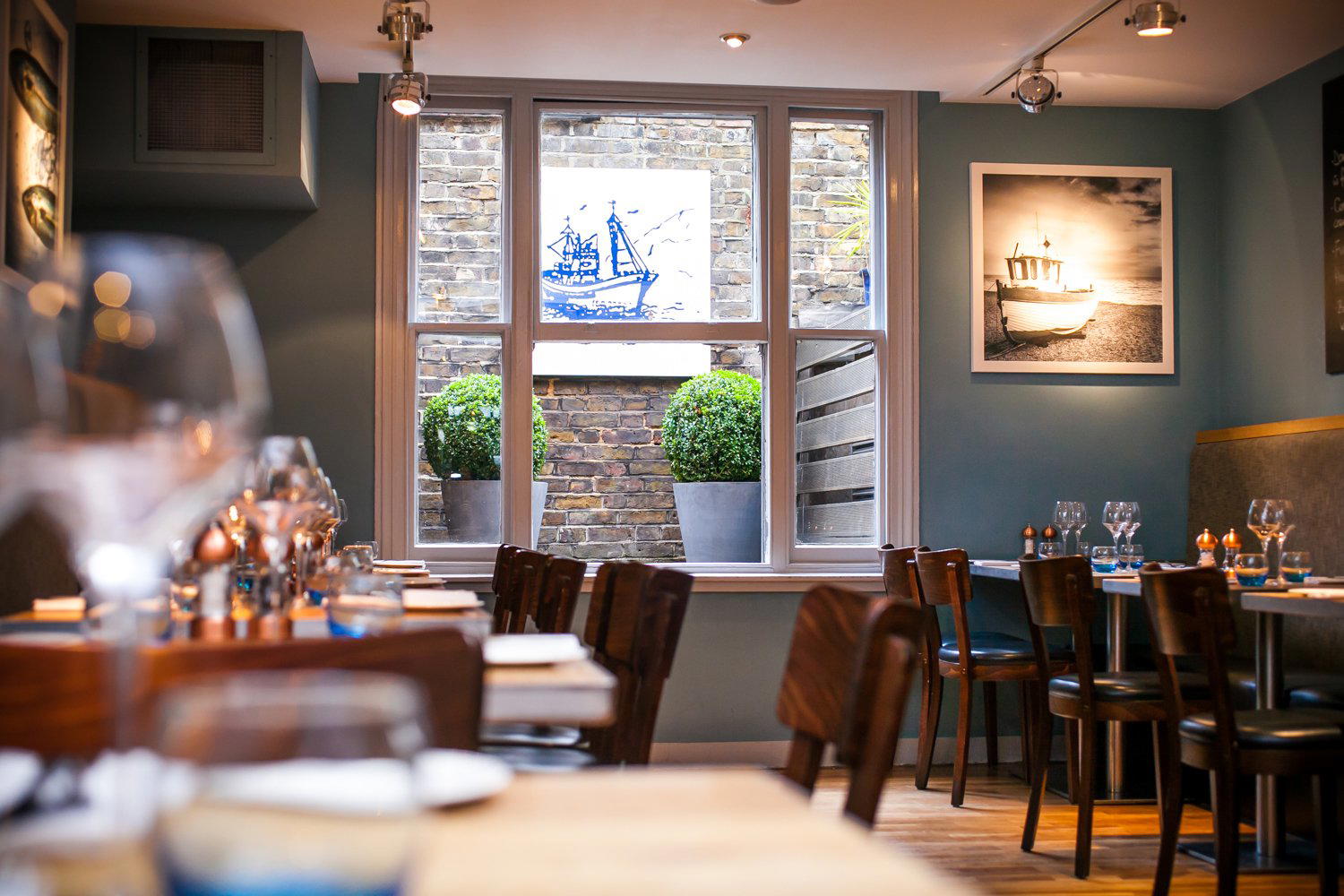
The Marylebone Setting
Marylebone High Street occupies an odd position in London dining. It is commercial enough to sustain chains, yet the street's independent-leaning character and residential catchment have historically attracted operators with a degree of editorial seriousness about their produce. The fishmonger-restaurant format, which Fishworks fits that atmosphere more naturally here than it might on a high-volume tourist corridor. Approaching the address at 89 Marylebone High St, you are in the company of food shops, wine merchants, and a demographic that is largely local and return-visit rather than tourist. The room's function follows from that: a place to eat well-sourced fish without ceremony.
The Fishmonger-Restaurant Tradition
The concept of the combined fish shop and dining room has deep roots in British coastal towns, where the logic is direct: sell what you could not move by lunchtime, cook it at the counter. In London, that tradition has been reinterpreted at various price points. At the leading end, restaurants like Le Bernardin in New York City have made fish cookery into a fine-dining argument entirely of its own. At the other end, wet-fish shops with a few tables remain a fixture in market towns. Fishworks sits in the middle tier of that range, closer to the fishmonger end of the spectrum than the tasting-menu end, and that positioning shapes everything about what the meal is and is not.
Across the Atlantic, the format that prioritises the provenance of the catch over the transformation of it has been explored by places like Lazy Bear in San Francisco, though in a different register. In the UK, the fishmonger-dining hybrid has remained more literal, less conceptual. Fishworks is that tradition applied to a London postcode.
How the Meal Progresses
The meal still has a logic, and it is defined by the catch rather than by a chef's creative programme. The meal begins with what is available, which in a genuine fishmonger-restaurant means the menu is a function of supply. That daily variability is either the main attraction or a mild inconvenience, depending on what you expected.
Shellfish typically anchor the opening stage of a seafood meal at this type of venue: oysters, dressed crab, or a plateau of mixed shellfish that sets the temperature and salinity register before the kitchen applies heat to anything. In the British seafood-restaurant tradition, this cold section matters more than it does in most other restaurant formats, because it is where the sourcing either announces itself or fails to. What follows, grilled whole fish, fried sections, or simply prepared fillets, is judged against that opening benchmark.
This is a meaningful contrast with London's current fine-dining seafood rooms, where fish arrives as one element inside a multi-course structure designed around a broader culinary argument. At venues operating in the ££££ tier, CORE by Clare Smyth, The Ledbury, or Dinner by Heston Blumenthal, fish appears as a composed mid-course, transformed through technique. At Fishworks, the fish is the argument in full, and the technique is largely in service of not getting in the way.
Where It Sits in the London Seafood Field
London has never had the concentrated seafood identity of, say, coastal Portugal or Brittany, but the city's seafood restaurant tier has grown more defined over the past decade. At the formal end, fish-forward tasting menus represent a small niche. In the mid-market, the quality of the fish-and-chips pub has improved. The fishmonger-restaurant occupies a band between those poles: sit-down service, a proper wine list, and a menu that changes with supply, but without the ceremony or pricing of a tasting room.
For context on where the highest-investment seafood and produce-led cooking lands in Britain, it is worth considering venues like Waterside Inn in Bray, L'Enclume in Cartmel, Moor Hall in Aughton, or Gidleigh Park in Chagford, all of which treat British provenance with a kind of systematic rigour. Fishworks does not operate in that register, but the underlying commitment to sourced-first cooking belongs to the same broader shift in British dining that those restaurants represent at a different price point and level of ambition.
In London itself, restaurants like Sketch, The Lecture Room and Library and Restaurant Gordon Ramsay represent the end of the spectrum where fish is one ingredient inside a technically complex French-influenced framework. That is a different project entirely. Fishworks is not in conversation with those venues; it is in conversation with the British tradition of treating the sea as the kitchen.
The Marylebone Address as Context
Location is a relevant variable for this type of restaurant. The fishmonger-restaurant format in a central London postcode carries overhead that affects the value proposition in ways it would not in a coastal town. Marylebone High Street's retail rents place a floor under pricing that a comparable venue in, say, Cornwall or the Kent coast would not face. That context is worth holding in mind when assessing the offer: the fish may come from the same British waters as those served by hide and fox in Saltwood or the produce-led kitchens of Hand and Flowers in Marlow, but the cost of delivering it in W1U is structurally different.
The address also affects the format. A fishmonger-restaurant in a coastal town can operate with minimal booking friction; the Marylebone address implies some degree of planning, particularly at peak hours. The street is walkable from both Bond Street and Baker Street Underground stations, placing it within easy reach of Mayfair and the broader West End.
For comparison points across Britain's produce-led and Michelin-recognised scene, the guides to Midsummer House in Cambridge, Opheem in Birmingham, Ynyshir Hall in Machynlleth, and Restaurant Andrew Fairlie in Auchterarder provide a sense of how seriously British and Scottish kitchens are pressing the sourcing question at the higher end.
Planning a Visit
Fishworks Marylebone is at 89 Marylebone High Street, London W1U 4QW. The format suits a lunch or early dinner when the catch is freshest and the room is less pressured. The restaurant is open daily from 12 to 10:30 PM, and reservations are recommended.
Reputation Context
Comparable venues nearby, for context on price, style, and recognition.
| Venue | Cuisine | Price | Notes |
|---|---|---|---|
| Fishworks - MaryleboneThis venue — the venue you are viewing | Fresh Seafood with British Influences | $$$ | Not listed |
| Faber Wine & Seafood Restaurant | British Coastal Seafood | $$$ | Brook Green |
| Rick Stein Barnes | British Seafood | $$$ | Mortlake |
| Burger & Lobster - West India Quay | Burgers & Lobster | $$$ | Poplar |
| Burger and Lobster | Burgers and Lobster | $$$ | Mayfair |
| Salmontini | Seafood and Sushi with Smoked Salmon Focus | $$$ | Belgravia |
Continue exploring
More in London
Restaurants in London
Browse all →
Bars in London
Browse all →
Hotels in London
Browse all →


At a Glance
- Elegant
- Sophisticated
- Classic
- Date Night
- Business Dinner
- Special Occasion
- Open Kitchen
- Extensive Wine List
- Sustainable Seafood
- Local Sourcing
Current opening hours
- Monday
- 12–10:30 PM
- Tuesday
- 12–10:30 PM
- Wednesday
- 12–10:30 PM
- Thursday
- 12–10:30 PM
- Friday
- 12–10:30 PM
- Saturday
- 12–10:30 PM
- Sunday
- 12–10:30 PM
Hours can change for holidays and private events. Last verified .
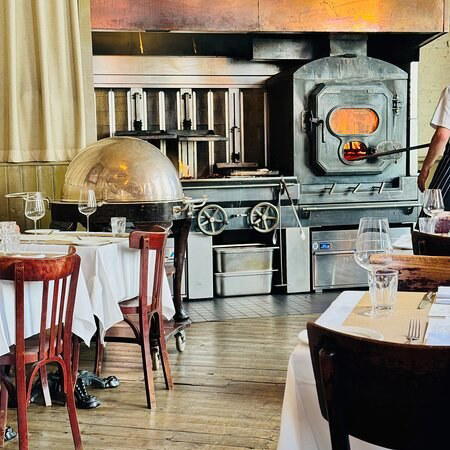
Welcoming atmosphere with a focus on fresh seafood display, professional service, and a classic dining room evoking a seafood market-to-table experience.