Everglades Restaurant
Our verdict
Everglades Restaurant sits on International Drive in Orlando, positioning itself within a city better known for theme-park dining than serious culinary ambition. The address places it in the middle of Orlando's densest tourist corridor, where the surrounding dining scene ranges from chain casual to a small cluster of higher-end options. Visitors seeking a step above the area's default register will find it worth investigating before booking.

Pearl is the En Primeur Club membership app — saves, bookings, and concierge access live there. Same editors, same standards.
- Address
- 9840 International Dr, Orlando, FL 32819
- Phone
- (407) 996-2385
- Hours
- Daily 5:30–10 PM
- Website
- evergladesrestaurant.com
- Directions
- Get directions
- Booking
- Book on OpenTable
The menu
What to order
- Alligator Bay Chowder
- Grilled Angus Filet
International Drive and the Question of Serious Dining in Orlando
Orlando's dining reputation has long been shaped by the gravitational pull of its theme parks, which set the default expectation for most visitors: high volume, broad appeal, and pricing calibrated to captive audiences. International Drive, where Everglades Restaurant is addressed at 9840, sits at the center of that tension. The corridor runs through one of the highest-footfall tourist zones in the United States, flanked by hotel towers, dinner-show venues, and chain restaurants scaled for thousands of covers a night. Against that backdrop, any restaurant attempting a more considered register is working against the grain of its immediate environment.
That context matters when assessing where Everglades fits in the city's broader dining picture. Orlando has developed a genuine upper tier over the past decade, anchored partly by resort-based programs and partly by a growing independent scene in neighborhoods like Mills 50 and the Milk District. On the resort side, Capa at Four Seasons Orlando operates as a steakhouse with genuine ambition, while the Japanese counter format has found footing at venues like Kadence and Sorekara. Camille has added Vietnamese fine dining to the mix, and Natsu extends the Japanese presence further. The question for any International Drive address is whether it connects to that emerging upper tier or remains oriented toward the corridor's dominant tourist-volume logic.
The Atmosphere of an International Drive Address
Arriving on International Drive at any hour involves a particular kind of sensory overload: competing signage, the ambient noise of tourist shuttles, and the visual compression of dozens of hospitality concepts stacked along a single road. Restaurants in this zone have to make a deliberate architectural and atmospheric argument for themselves, because the street itself offers no ambient cachet. The experience of approaching a restaurant here is categorically different from arriving in a quiet neighborhood street or a resort enclave, and that difference shapes what a room has to do before a single dish arrives.
In cities where fine dining has consolidated around a few recognized addresses, the room's atmosphere carries significant weight as a trust signal. At Lazy Bear in San Francisco or Smyth in Chicago, the physical environment is calibrated to signal intention and commitment. On International Drive, that calibration requires more active effort from the operator, because the surrounding context works against it.
What Orlando's Upper Tier Looks Like by Comparison
Across the United States, the restaurants that have defined regional fine dining ambition in recent years share a few common characteristics: a clear point of view on sourcing, a format that controls the pace and sequence of a meal, and a sensory environment designed to support rather than distract from the food. Blue Hill at Stone Barns in Tarrytown built its reputation on farm integration so thorough that the sourcing became inseparable from the dining experience itself. Single Thread Farm in Healdsburg extended that logic to hospitality as a whole. The French Laundry in Napa and Le Bernardin in New York City represent the institutional end of that spectrum, where decades of consistent execution have turned individual restaurants into reference points for their respective categories.
Orlando has its own version of that ambition, smaller in scale and less recognized nationally, but present. The city's most discussed fine dining address remains Victoria and Albert's at Disney's Grand Floridian, which has carried AAA Five Diamond status and maintained a no-children policy that signals its positioning clearly. That kind of credentialed anchor shapes visitor expectations for what serious dining in the city can look like. Addison in San Diego, Atomix in New York City, and Providence in Los Angeles show how other Sun Belt and coastal cities have built their own reference-point addresses. Orlando is still consolidating that identity, and International Drive restaurants occupy an ambiguous position within it.
Regional American Cooking and the Everglades as a Reference Point
The name Everglades carries specific cultural and ecological weight in Florida. As a geographic reference, it points toward the southwestern corner of the state, a system of wetlands that defines a particular strand of Florida's natural character. In culinary terms, the Everglades region has historically informed a cooking tradition built around specific proteins: alligator, frog, catfish, stone crab, and Florida spiny lobster, alongside indigenous ingredients like hearts of palm and saw palmetto.
American regional cooking has become a more serious category over the past fifteen years, with restaurants from Emeril's in New Orleans to The Inn at Little Washington and Atelier Moessmer Norbert Niederkofler in Brunico demonstrating that place-rooted cooking can operate at the highest levels of technical discipline and critical recognition. A Florida restaurant that commits seriously to that logic, using the state's distinctive ingredients and ecological specificity as a genuine framework rather than a decorative gesture, would occupy a meaningful position in Orlando's dining scene. The city has relatively few restaurants making that argument.
Planning Your Visit
The venue is located at 9840 International Drive, placing it within easy reach of the convention center district and the major hotel clusters that line the corridor. International Drive is serviced by the I-Ride Trolley, which runs between the convention center area and the Orlando Premium Outlets, making the address reachable without a car for visitors staying nearby. Traffic on International Drive is predictably dense during peak tourist season, which in Orlando runs broadly from late November through early January and again from June through August. Midweek visits outside school holiday windows tend to involve shorter waits at area restaurants generally. For the broader Orlando dining picture, including neighborhood restaurants beyond the International Drive corridor, see our full Orlando restaurants guide.
Know Before You Go
- Address: 9840 International Dr, Orlando, FL 32819
- Neighbourhood: International Drive corridor, central Orlando tourist district
- Getting there: I-Ride Trolley stops along International Drive; rideshare widely available from all major hotel clusters
- Parking: Surface and garage parking available along International Drive
- Timing: Midweek visits outside school holiday periods typically involve less corridor congestion
- Contact / booking: Phone and online booking in; verify directly before visiting
Frequently asked questions
Is Everglades Restaurant okay with children?
The address at 9840 International Drive places Everglades Restaurant squarely in Orlando's primary tourist corridor, which skews toward family traffic by design. Nothing in the venue's documented profile restricts younger diners, and the surrounding district is oriented around mixed-age groups. That said, families should check current hours and booking requirements directly with the venue before visiting.
What's the vibe at Everglades Restaurant?
Sitting on International Drive, the venue draws from the name recognition of the Everglades as a Florida reference point, suggesting a regional identity rooted in the state's ecology and culture. The surrounding stretch of International Drive brings high foot traffic and tourist energy, so the atmosphere reflects that context rather than a secluded dining room. The interior positioning relative to that street likely shapes the pace and tone of a meal here considerably.
Is Everglades Restaurant a good option for dining near the Orlando Convention Center?
At 9840 International Drive, Everglades Restaurant sits within the convention center district cluster, making it a practical choice for attendees based in that corridor. The International Drive address puts it within reach of the major hotel concentrations that serve the convention center. For groups planning around conference schedules, confirming current hours and reservation availability in advance is advisable.
What should I eat at Everglades Restaurant?
The venue name draws a deliberate line toward Florida's regional identity, particularly the cuisine traditions associated with the state's southern ecosystems. Without a published menu on record, the safest approach is to ask staff on arrival about signature preparations or anything market-driven. Given the Florida framing, dishes rooted in Gulf seafood or native ingredients would fit the conceptual logic of the name.
What's Everglades Restaurant's location?
Everglades Restaurant is located at 9840 International Dr, Orlando, FL 32819, Orlando.
Where It Fits
Comparable venues nearby, for context on price, style, and recognition.
| Venue | Cuisine | Price | Notes |
|---|---|---|---|
| Everglades RestaurantThis venue — the venue you are viewing | Florida Fusion Steakhouse & Seafood | $50–100 | Not listed |
| Delmonico's Italian Steakhouse | Italian Steakhouse | $30–50 | Central Florida Parkway |
| Le Cellier | Canadian Steakhouse | $50–100 | EPCOT |
| A Land Remembered | Florida-Inspired Prime Steakhouse | $50–100 | Convention Center |
| Palm Tree Club Orlando | Upscale Coastal Cuisine | Not listed | Pointe Orlando |
| Siro Urban Italian Kitchen | Urban Italian Kitchen | $50–100 | Vistana |
Everglades Restaurant
The wine
- Wine program
- Curated wine list
- Extensive wine list
Details
- Elegant
- Classic
- Intimate
- Special Occasion
- Date Night
- Celebration
- Hotel Restaurant
- Extensive Wine List
- A La Carte
- Prix Fixe
- Gluten Free Options
Current opening hours
- Monday
- 5:30–10 PM
- Tuesday
- 5:30–10 PM
- Wednesday
- 5:30–10 PM
- Thursday
- 5:30–10 PM
- Friday
- 5:30–10 PM
- Saturday
- 5:30–10 PM
- Sunday
- 5:30–10 PM
Hours can change for holidays and private events. Last verified .
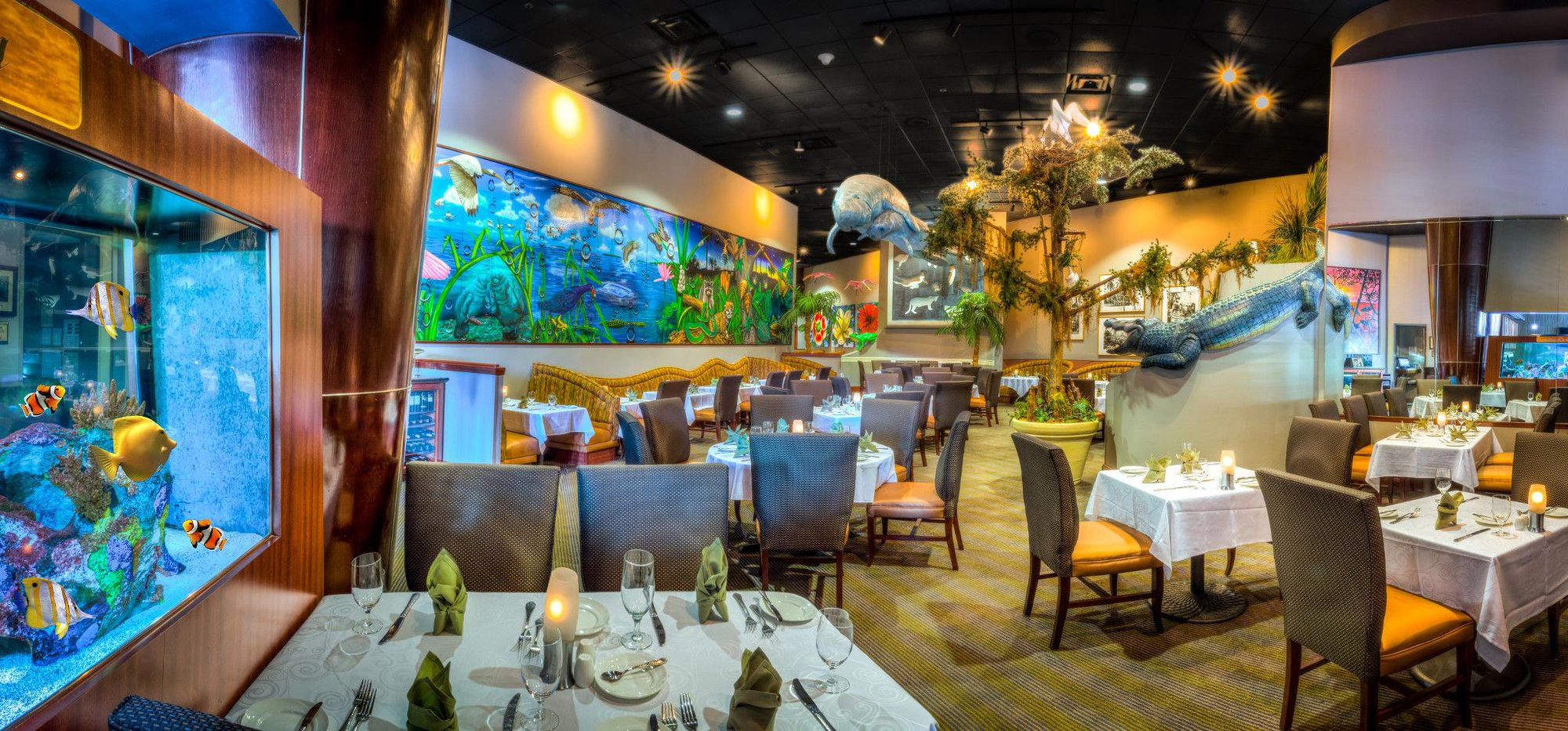
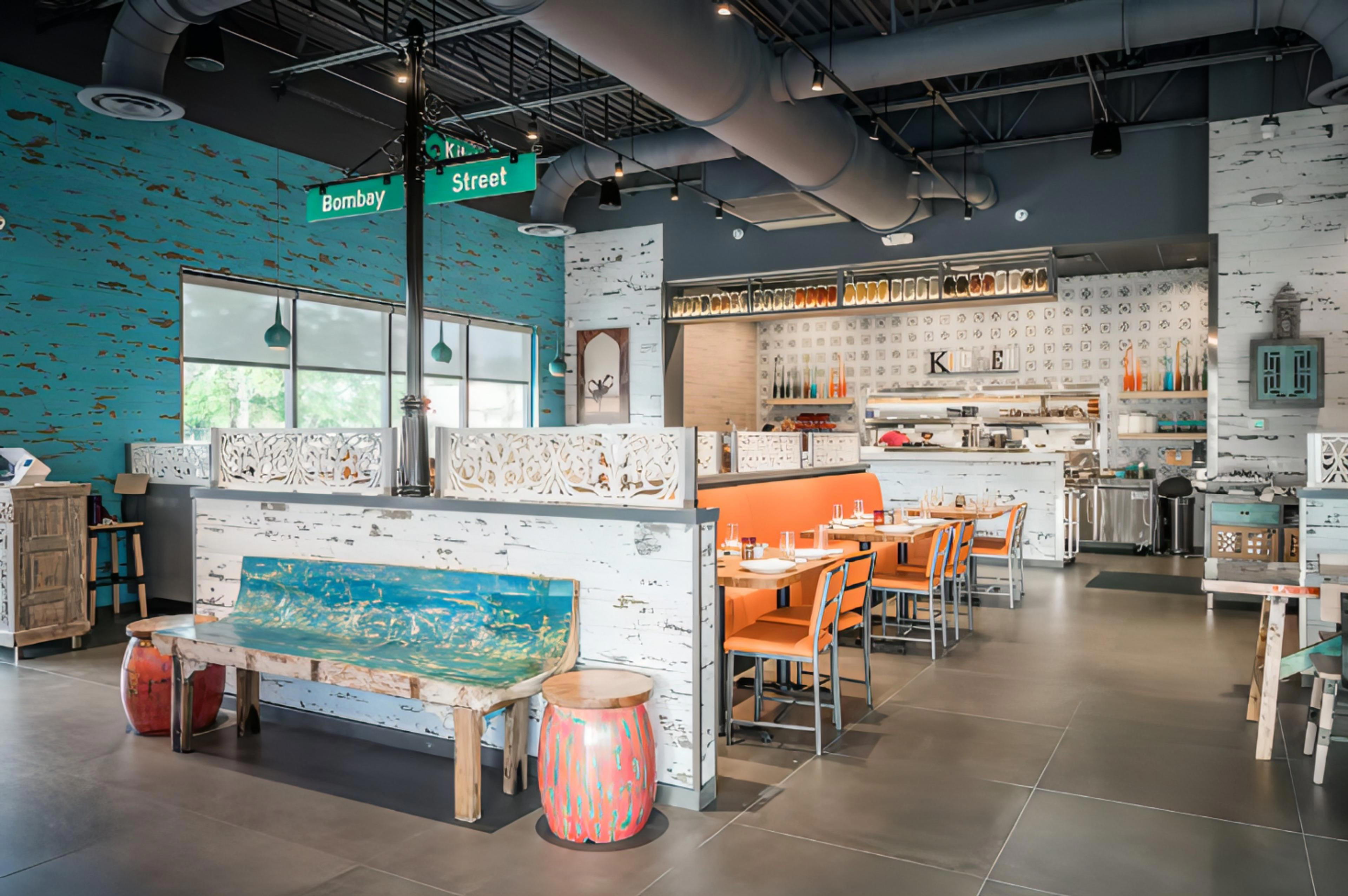
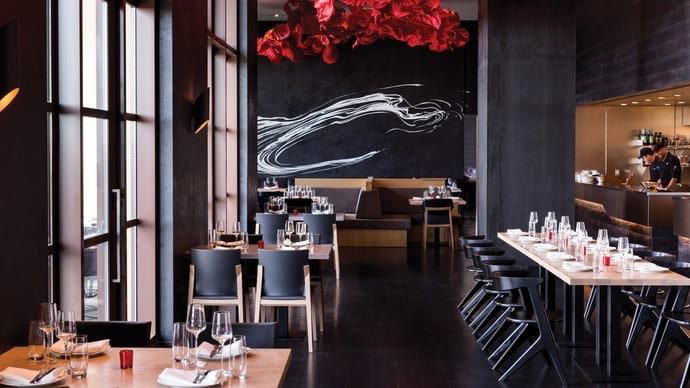
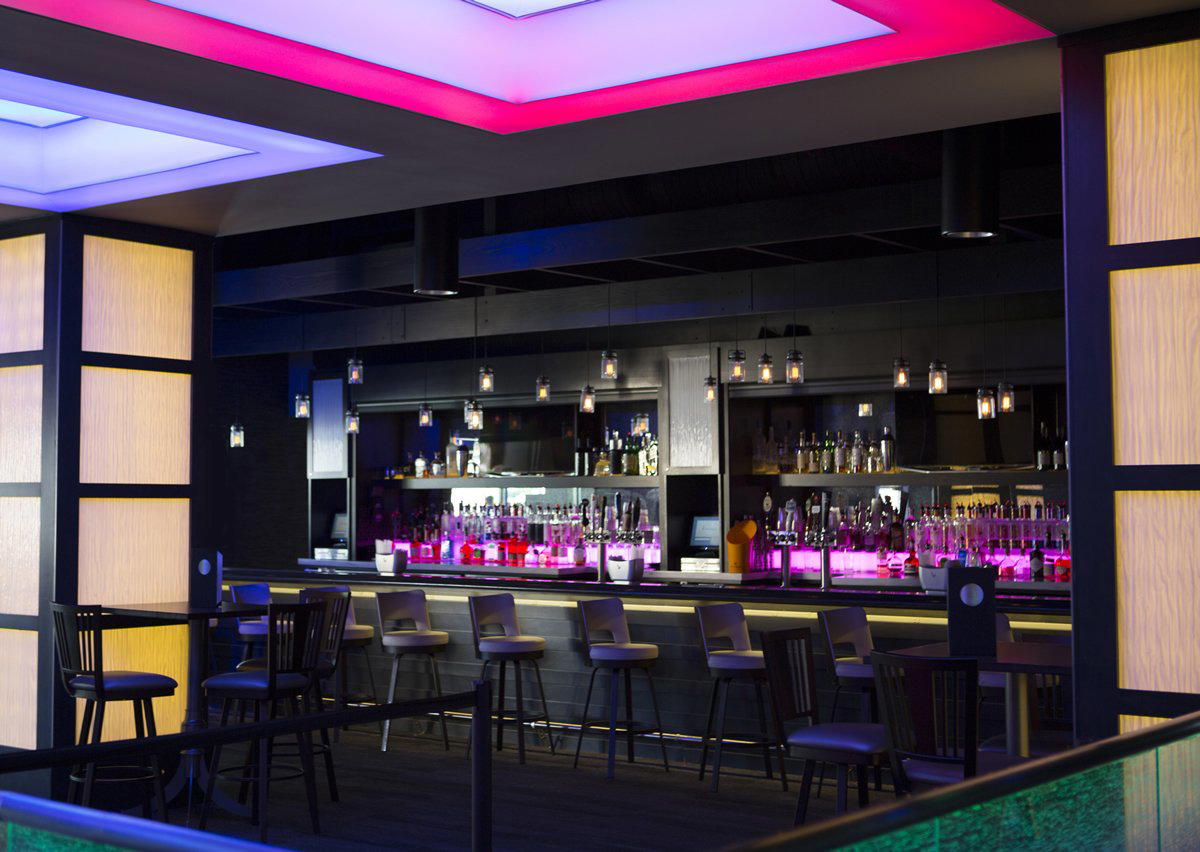
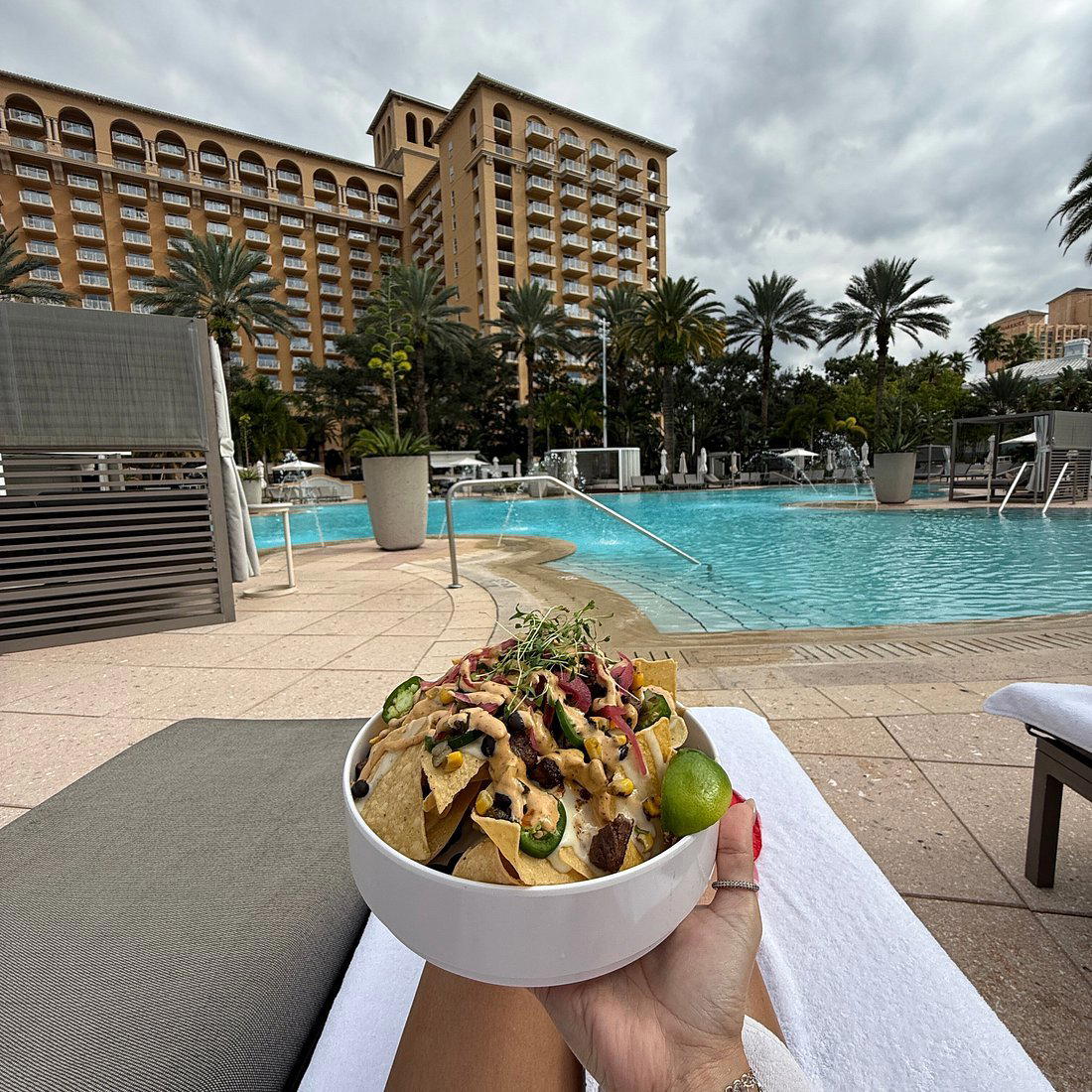
Mysterious Florida wetlands theme with colorful murals and figures of native creatures, creating an elegant and sumptuous atmosphere.