Evelina
Evelina at 211 DeKalb Ave sits inside Brooklyn's Fort Greene neighbourhood, where farm-sourced and sustainability-led cooking has found a committed audience outside Manhattan's tasting-menu circuit. The restaurant draws on ethical sourcing and waste-reduction principles that place it in a growing cohort of New York restaurants treating environmental accountability as a culinary discipline, not a marketing position.
Pearl is the En Primeur Club membership app — saves, bookings, and concierge access live there. Same editors, same standards.
- Address
- 211 DeKalb Ave, Brooklyn, NY 11205
- Phone
- +19292980209
- Website
- evelinabk.com
- Directions
- Get directions
 Saves & bookings on Pearl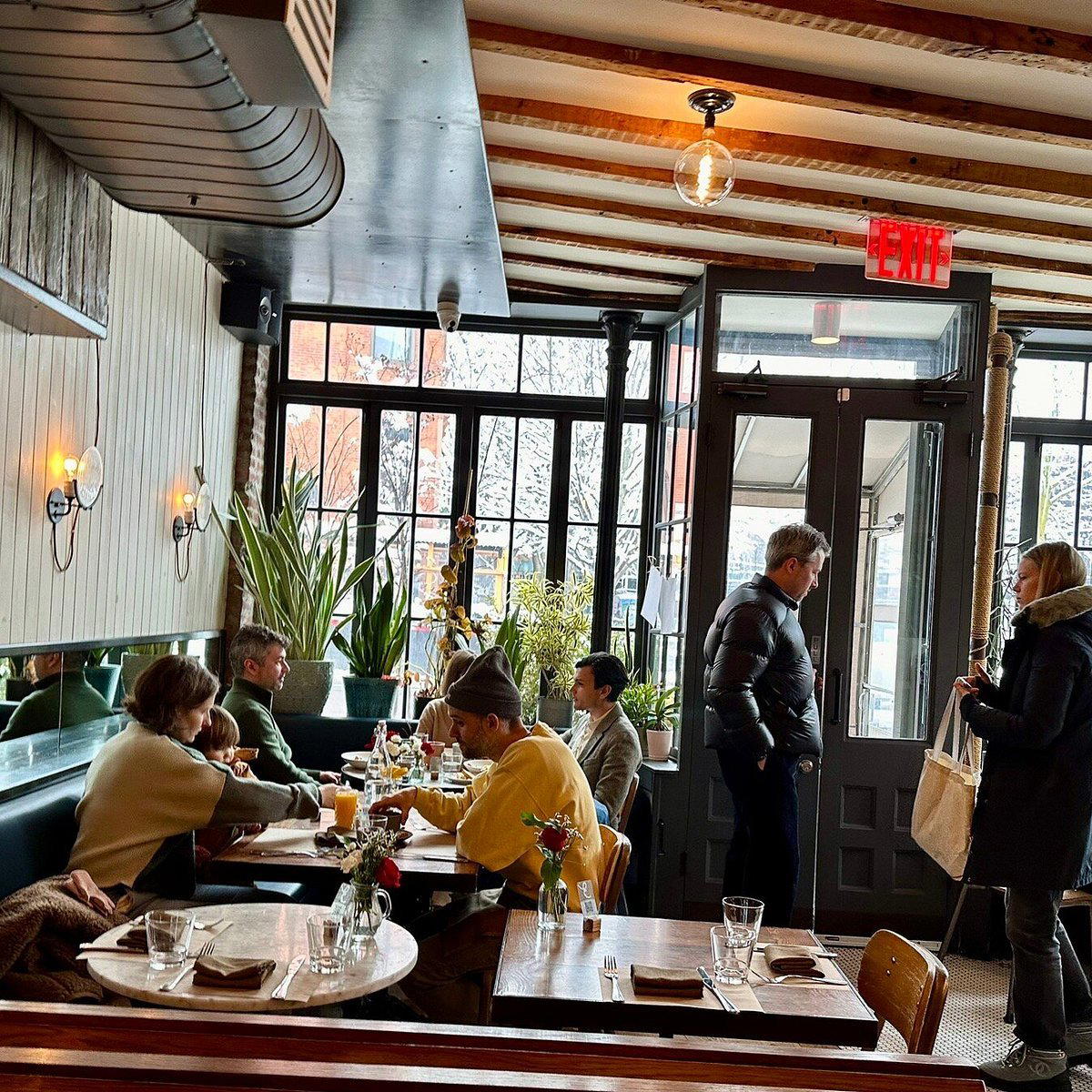
Brooklyn's Sustainability-Led Dining Tier, and Where Evelina Sits Inside It
Fort Greene is home to Evelina, a Brooklyn restaurant serving modern Italian Mediterranean cooking at 211 DeKalb Ave,505 reviews and an average spend of about $50 per person. The neighbourhood sits far enough from Manhattan's $$$$ tasting-menu corridor, think Le Bernardin, Per Se, or Masa, to attract a different kind of ambition: restaurants that compete on ethical coherence as much as on technique. Evelina at 211 DeKalb Ave is one of the more discussed names inside that cohort, occupying a position that aligns it with a national movement in which sustainability functions as the primary editorial lens on a kitchen's identity.
Across American fine dining, a fork has opened between restaurants that treat provenance as one marketing bullet among many and those that rebuild their operations around it. Blue Hill at Stone Barns in Tarrytown and Single Thread Farm in Healdsburg have spent years establishing what that discipline looks like at the highest level: farm integration, seasonal constraint, and waste reduction baked into the menu format rather than bolted on after the fact. Brooklyn has started producing its own version of that conversation, at a different price tier and with a different urban energy. Evelina is part of that local iteration.
Ethical Sourcing as Culinary Architecture
The broader shift in American restaurant culture toward accountability-led cooking did not begin with social media campaigns about compostable packaging. It began, more quietly, with kitchens that changed what they ordered, how they stored it, and what they did with the parts that didn't make the plate. Restaurants operating in this mode tend to share a few structural features: relationships with named farms or regional producers, menus that rotate with genuine seasonal pressure rather than quarterly refresh cycles, and a kitchen culture that treats offcuts and secondary ingredients as design problems rather than waste streams.
This is the comparable set Evelina belongs to. Nationally, the same orientation appears in places like Smyth in Chicago, which builds its programme around hyper-local sourcing and fermentation, and Lazy Bear in San Francisco, where the tasting format is structured around what a specific moment in the season makes possible. In Brooklyn, the scale is different and the price points are generally lower, but the underlying discipline is recognisable. Evelina fits inside that frame: a restaurant that appears to treat the sourcing decision as the first creative act, not the last.
Fort Greene as a Context, Not Just an Address
Location shapes what kind of sustainability restaurant can survive. Fort Greene is a neighbourhood with the purchasing habits and civic appetite to support cooking that requires some explanation, why the menu is shorter this week, why a dish has disappeared, why the protein on offer is not what was advertised when you booked. That kind of operational transparency is easier to sustain in a neighbourhood where regulars return frequently and build familiarity with a kitchen's rhythms. Manhattan's high-volume dining culture tends to reward consistency over seasonality; Brooklyn's slower-burn restaurant culture, particularly in pockets like Fort Greene and Cobble Hill, has more room for the kind of menu variability that genuine sustainability practice produces.
The borough distinction matters here: Evelina is not positioning against Atomix or Eleven Madison Park for the same diner on the same night. It is operating in a different register, one where the room is likely less formal, the booking window shorter, and the criteria for a successful meal weighted differently.
The National comparable set and What It Implies
When critics assess sustainability-led restaurants in the United States, the reference list tends to cluster around a handful of operations that have made the commitments legible through press coverage, award recognition, or documented farm partnerships. Providence in Los Angeles has made ocean stewardship a documented part of its identity. Addison in San Diego and The French Laundry in Napa have both incorporated kitchen garden programmes that directly influence the plate. Frasca Food & Wine in Boulder has built producer relationships into its wine and food programme over two decades. Internationally, Atelier Moessmer Norbert Niederkofler in Brunico has made Alpine seasonal constraint the structural premise of three-Michelin-star cooking.
What these examples share is documentation: the sourcing decisions are visible, explained, and subject to scrutiny. That scrutiny is, the mark of a restaurant that takes the commitment seriously. Evelina's position in the Fort Greene neighbourhood, and its association with the Brooklyn sustainability-led dining conversation, places it adjacent to that scrutiny, even if its scale and format are more modest. For a restaurant operating in that mode, the credibility comes from the cumulative evidence of daily decisions, not from a single marquee credential.
Comparable European rigour in this space appears at Dal Pescatore in Runate, where seasonal and regional fidelity has been maintained across generations. And in the American South, Emeril's in New Orleans has documented Louisiana producer relationships that extend well beyond the standard provenance note on a menu. The Inn at Little Washington has operated a kitchen garden since the 1990s. The through-line across all of them is time and consistency: sustainability is a position that accrues credibility slowly and loses it quickly.
Comparable Spots, Quickly
Comparable venues nearby, for context on price, style, and recognition.
| Venue | Cuisine | Price | Notes |
|---|---|---|---|
| EvelinaThis venue — the venue you are viewing | Modern Italian Mediterranean | $$ | Not listed |
| L’Industrie | Modern New York-Style Pizza | $$ | Williamsburg |
| L’Industrie | Neapolitan-Style New York Pizza | $$ | Little Italy |
| Convivium Osteria | Authentic Old World Italian Osteria | $$ | Park Slope |
| Savelli | Authentic Italian Trattoria | $$ | Downtown Brooklyn-DUMBO-Boerum Hill |
| La Pecora Bianca | Modern Italian | $$ | Midtown South-Flatiron-Union Square |
Continue exploring
More in New York City
Restaurants in New York City
Browse all →
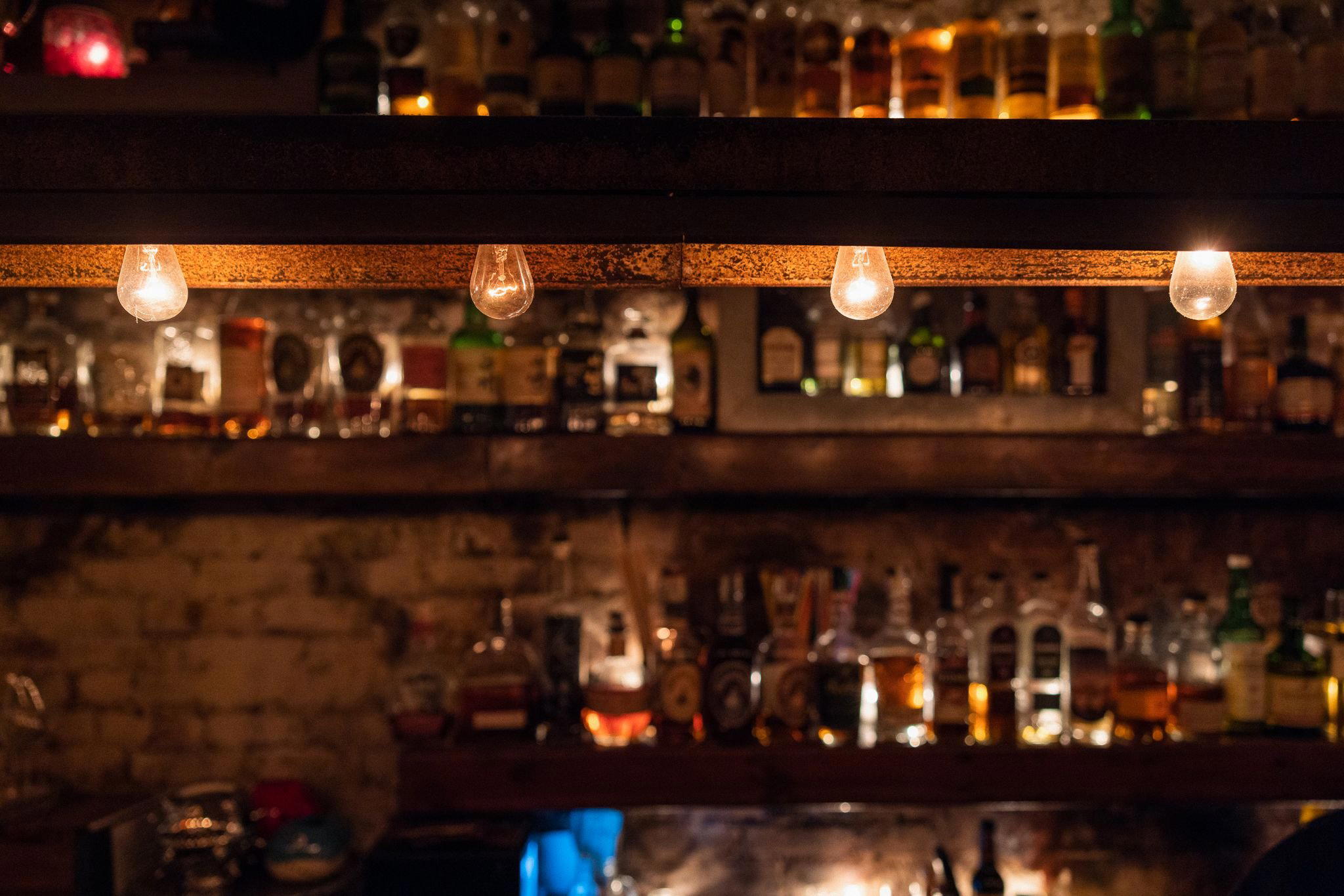
Bars in New York City
Browse all →
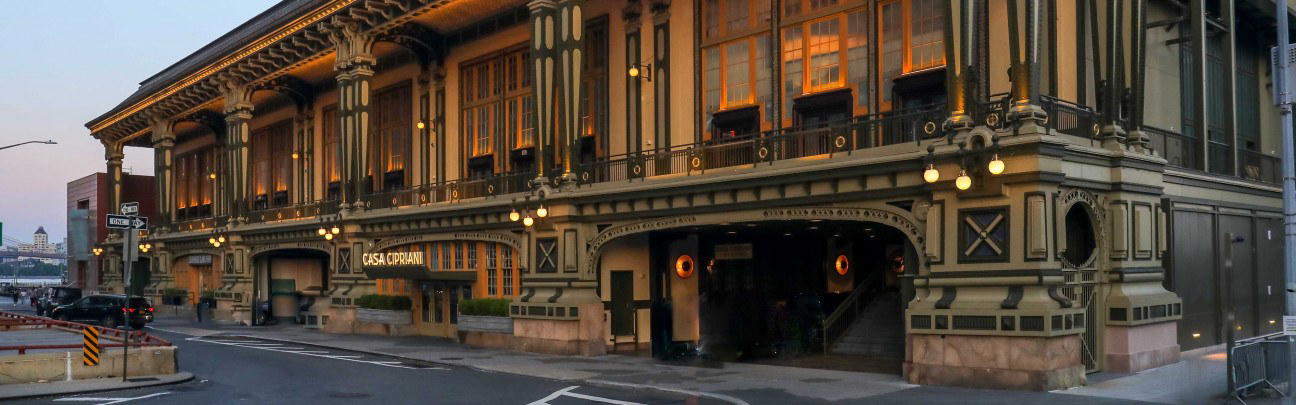
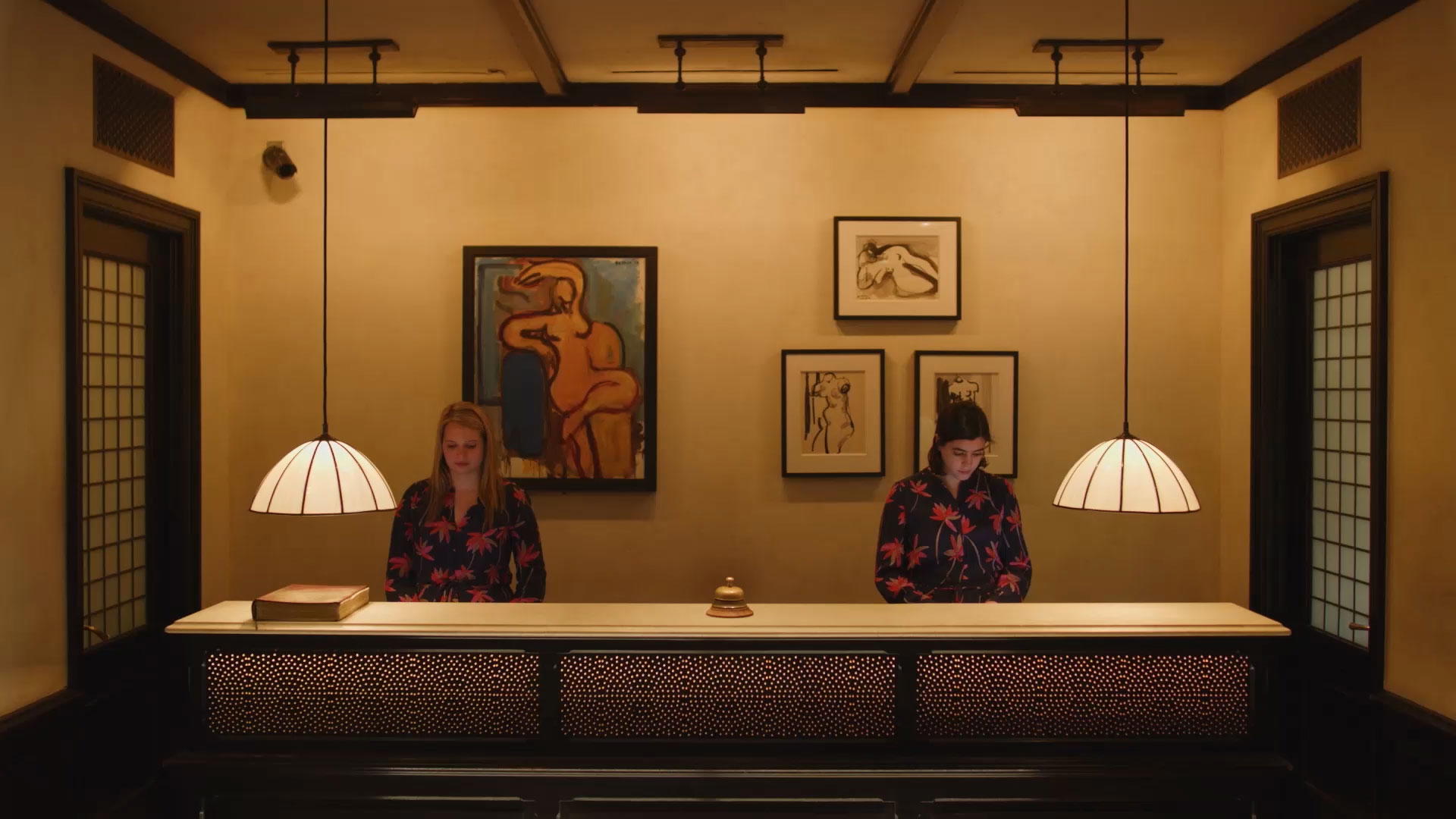
Hotels in New York City
Browse all →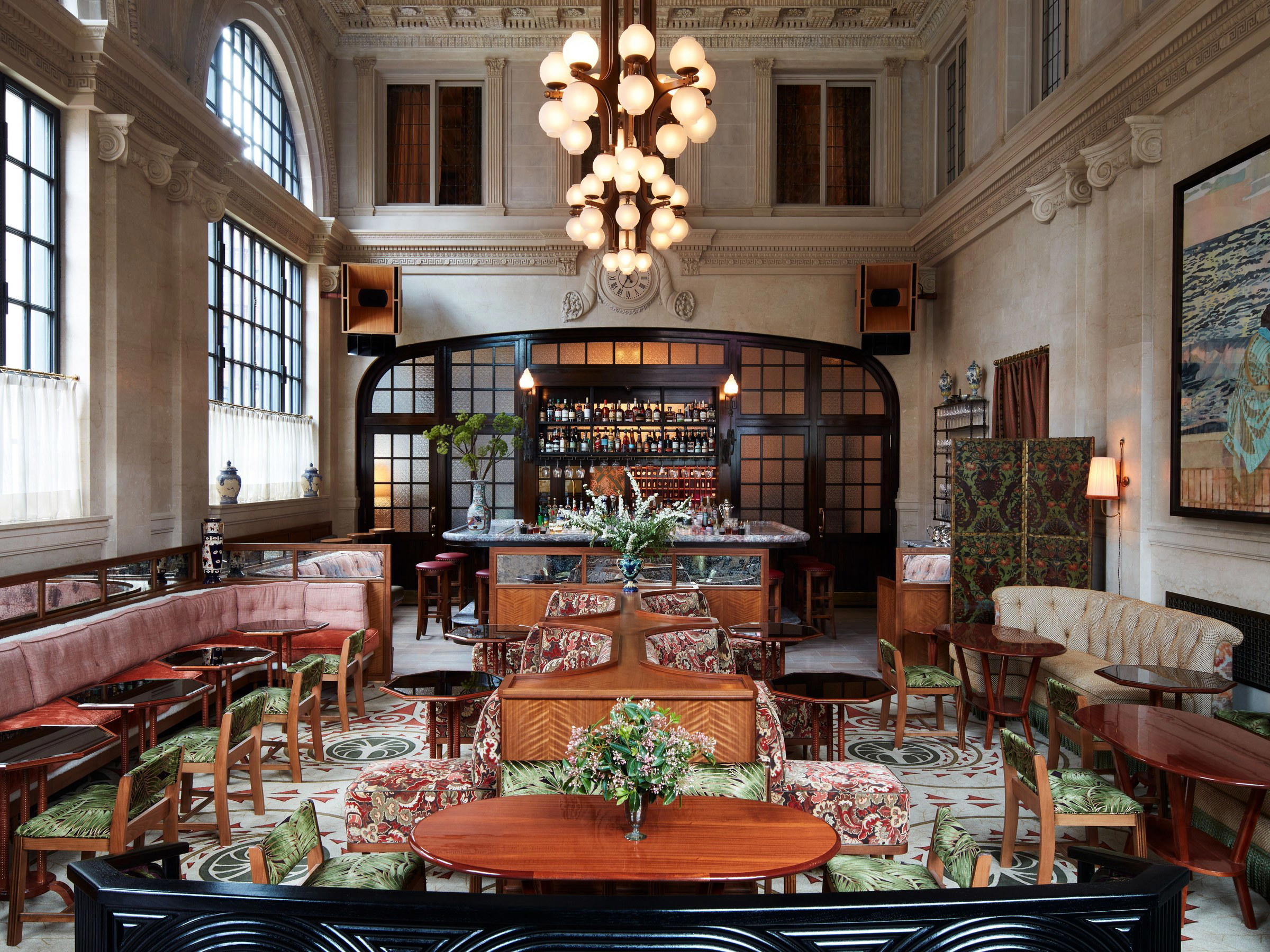







At a Glance
- Cozy
- Elegant
- Modern
- Sophisticated
- Date Night
- Brunch
- Special Occasion
- Open Kitchen
- Craft Cocktails
Current opening hours
- Monday
- 9 AM–3:30 PM, 5–10 PM
- Tuesday
- 9 AM–3:30 PM, 5–10 PM
- Wednesday
- 9 AM–3:30 PM, 5–10 PM
- Thursday
- 9 AM–3:30 PM, 5–10:30 PM
- Friday
- 9 AM–3:30 PM, 5–10:30 PM
- Saturday
- 10 AM–3:30 PM, 5–10:30 PM
- Sunday
- 10 AM–3:30 PM, 5–10 PM
Hours can change for holidays and private events. Last verified .
Cozy with sleek decor, warm lighting, and welcoming interior praised for its intimate and chic atmosphere.