
Etna sits on a quiet street in Divača, a karst-country town more often crossed than stopped in, and delivers regional Slovenian cooking that earned a Michelin Bib Gourmand in 2025.
Pearl is the En Primeur Club membership app — saves, bookings, and concierge access live there. Same editors, same standards.
- Address
- Kolodvorska ulica 3a, 6215 Divača, Slovenia
- Phone
- +386 31 727 568
- Website
- etna.si
- Directions
- Get directions
 Saves & bookings on Pearl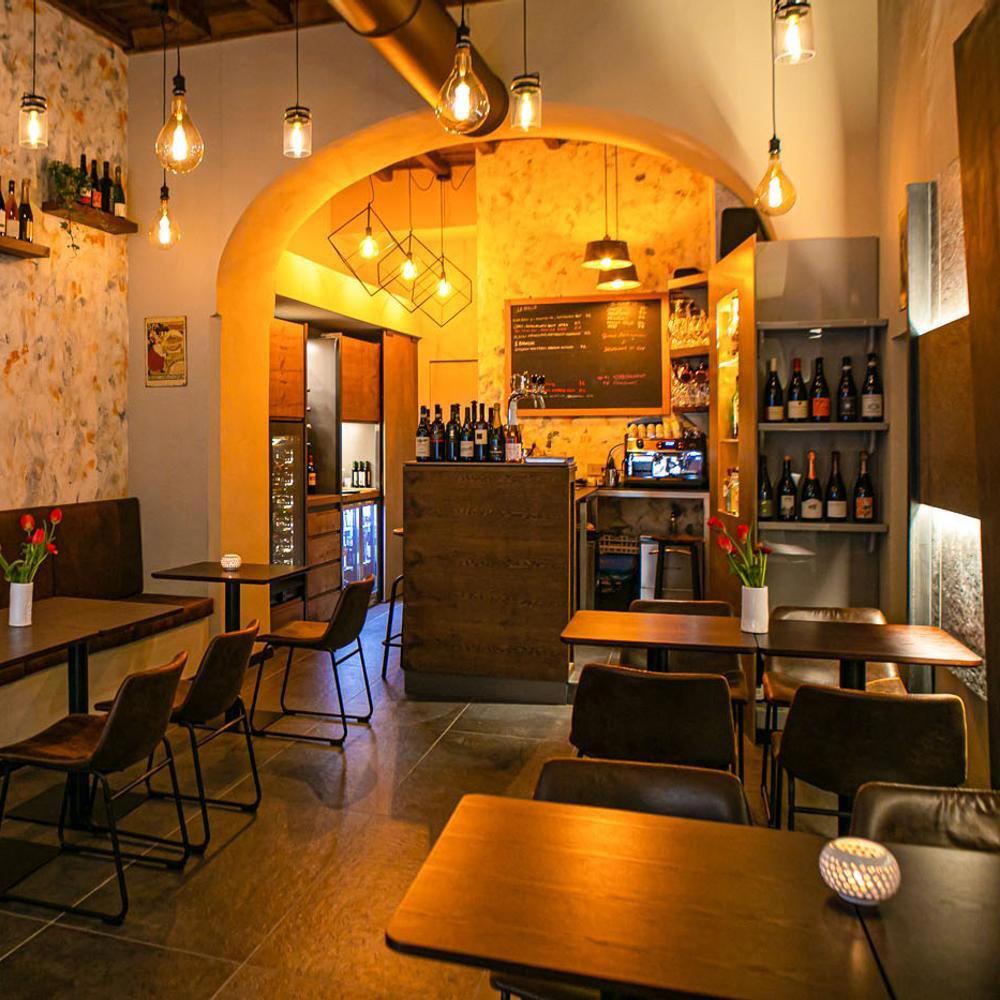
A Railway Town, a French Name, and a Michelin Stamp
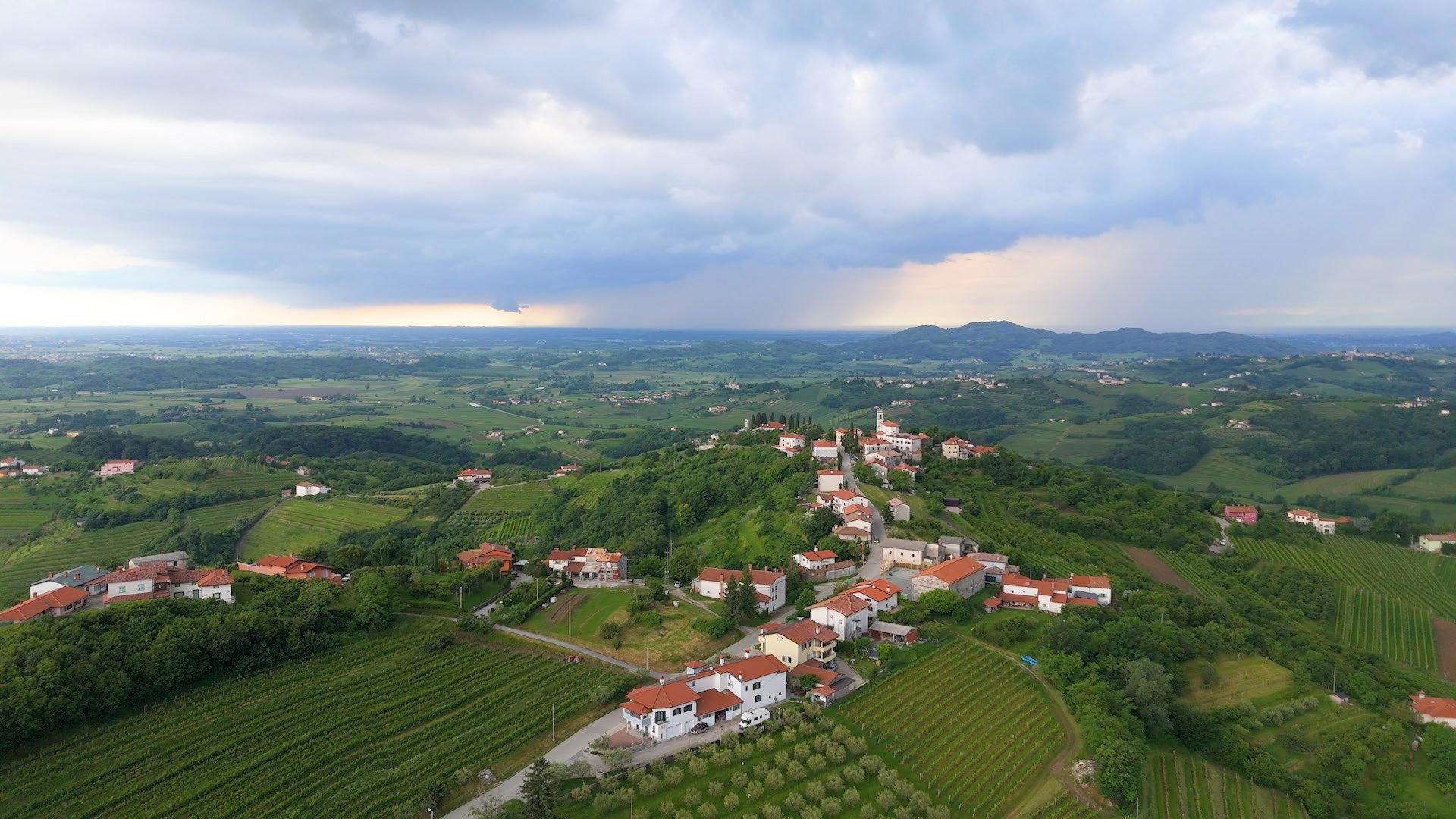
Divača is the kind of town that earns its place on maps through infrastructure rather than tourism. It sits on the karst plateau in southwestern Slovenia, known as the gateway to Škocjan Caves and a junction on the rail line between Ljubljana and the coast. Travellers tend to pass through. The town's address on Kolodvorska ulica, Railway Street, captures its character plainly. That a kitchen producing Michelin-recognised regional cooking operates here, in a building within walking distance of the station, is the kind of detail that rewards the traveller who stops rather than continues.
Etna earned a Michelin Bib Gourmand in 2025. The Bib Gourmand is awarded specifically for good cooking at a moderate price, it is a quality-per-value judgment, not a consolation prize below star level, and it positions Etna in a different competitive register than the starred restaurants that dominate Slovenia's dining conversation. The country has produced genuinely ambitious fine-dining in recent years: Hiša Franko in Kobarid holds three stars, Milka in Kranjska Gora holds two, and properties like Gostilna Pri Lojzetu in Vipava and Grič in Šentjošt nad Horjulom sit at the one-star level with multi-course menus priced accordingly. Etna operates in the single-euro price tier, which in Slovenia means accessible, everyday pricing.
Regional Cuisine and What That Signals in the Karst
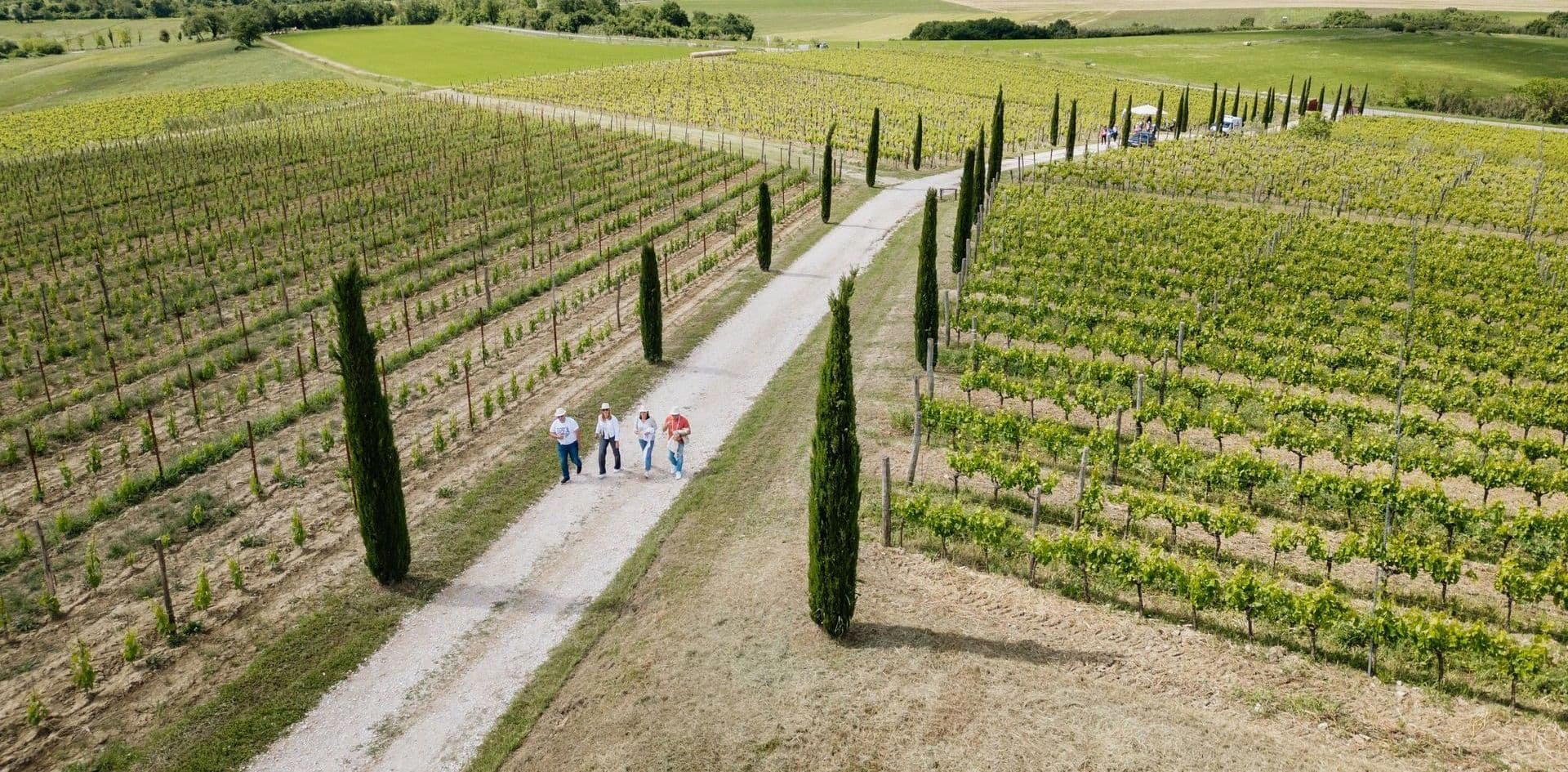
The cuisine type listed for Etna is regional, which in the context of the karst plateau carries specific meaning. The karst is not a soft or forgiving landscape for agriculture. Its thin limestone soils, cold winters, and exposure to the Bora wind define what grows and what doesn't. Historically, the food of this area leaned on dried and cured products, pršut from the nearby Vipava Valley and Karst, aged sheep's milk cheeses, wild greens foraged from the plateau, and dishes built around lamb and game. Regional cooking here is distinct from the richer dairy traditions of the Julian Alps or the freshwater fish emphasis of the Ljubljana basin. A kitchen that commits to regional cuisine in Divača is drawing from that specific karst pantry, not a generic Slovenian one.
This is the editorial context in which chef Jean-Christophe Febbrari's name becomes interesting. A French name running a Michelin-recognised regional Slovenian kitchen in a karst railway town is not the expected biography. The pattern is familiar in European gastronomy: a chef trained in one tradition who relocates to work with a different regional larder, bringing technical framework to local ingredients rather than importing their own. The result, when it works, is a kitchen that handles local products with more precision than pure tradition alone might produce, while remaining grounded in the specific character of the place. Whether the cooking at Etna follows that model exactly is a question the menu would answer, but the credentials, the Bib Gourmand at a modest price point, the progression from Plate to Bib in a single year, suggest a kitchen where the gap between ambition and execution has been closing.
The Scene at Kolodvorska Ulica 3a
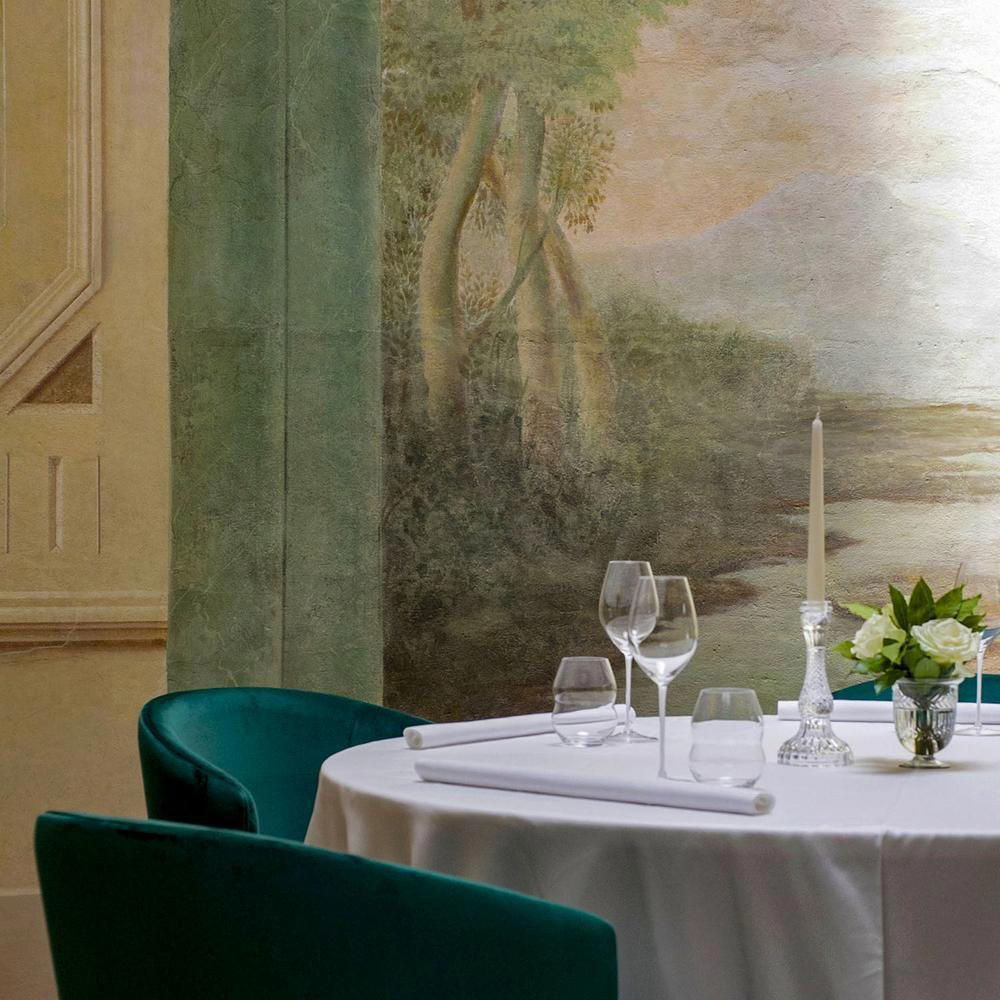
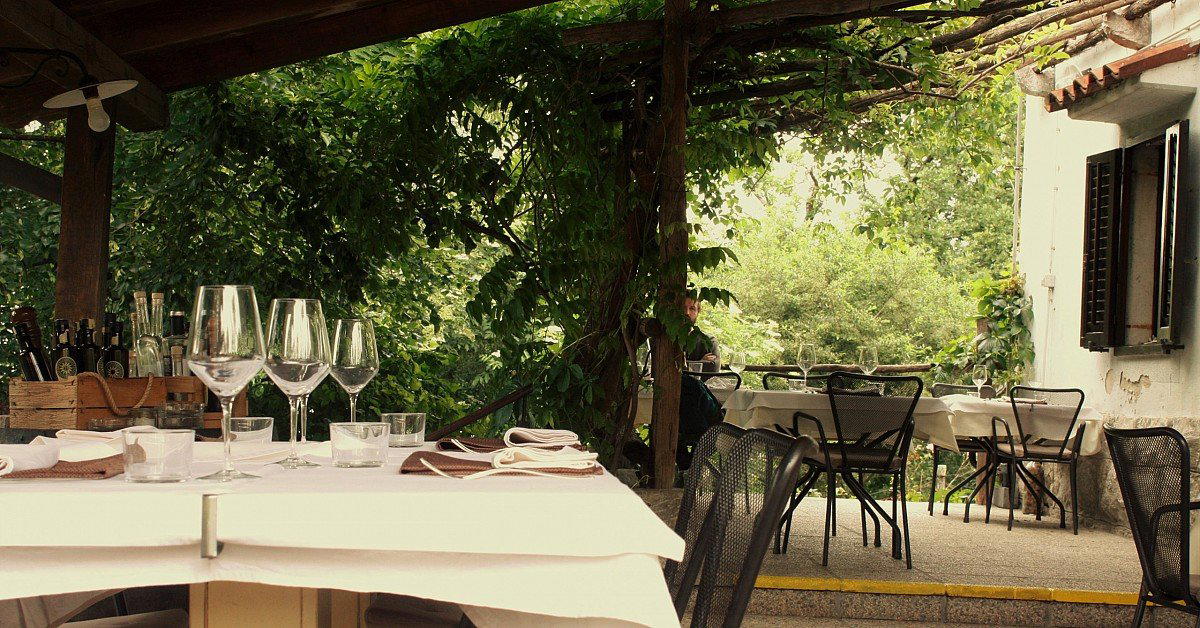
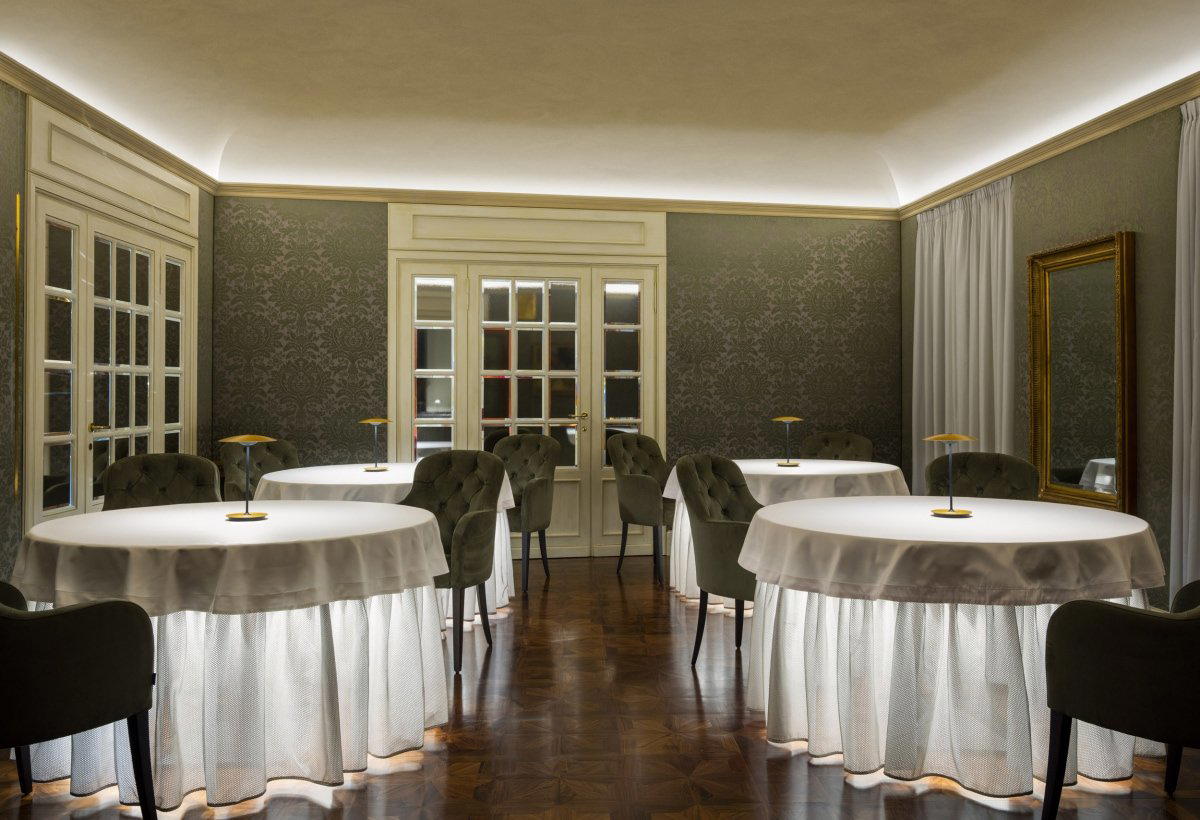
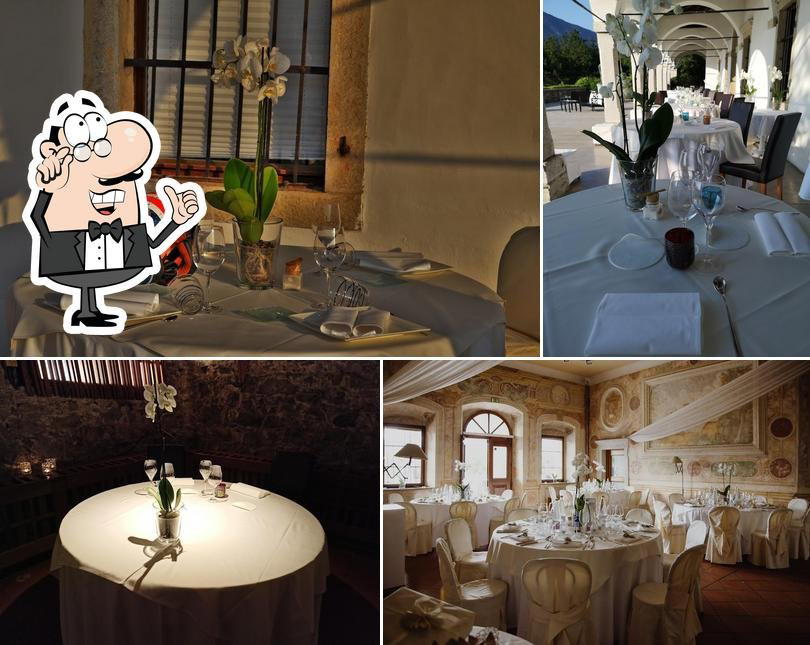
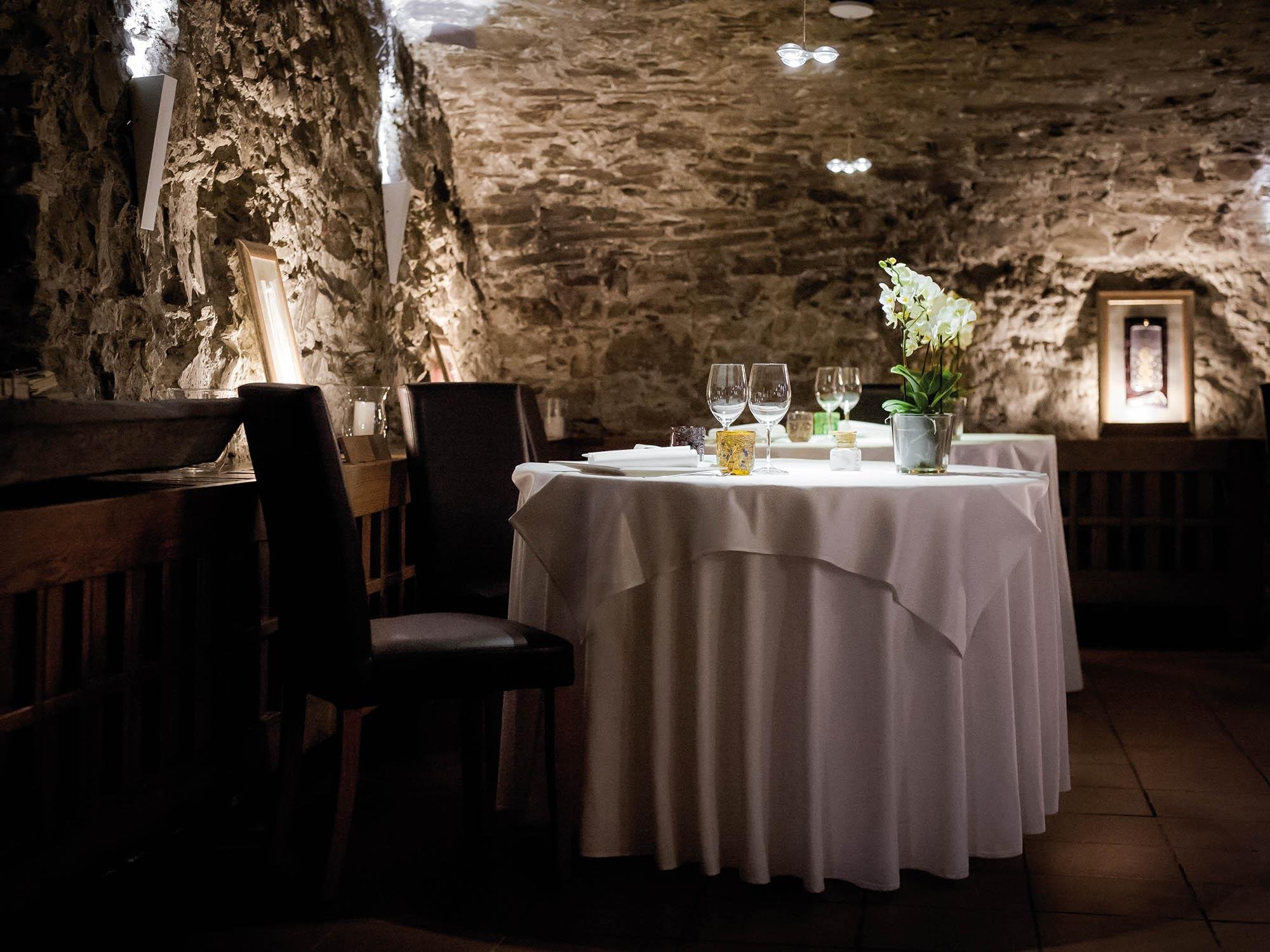
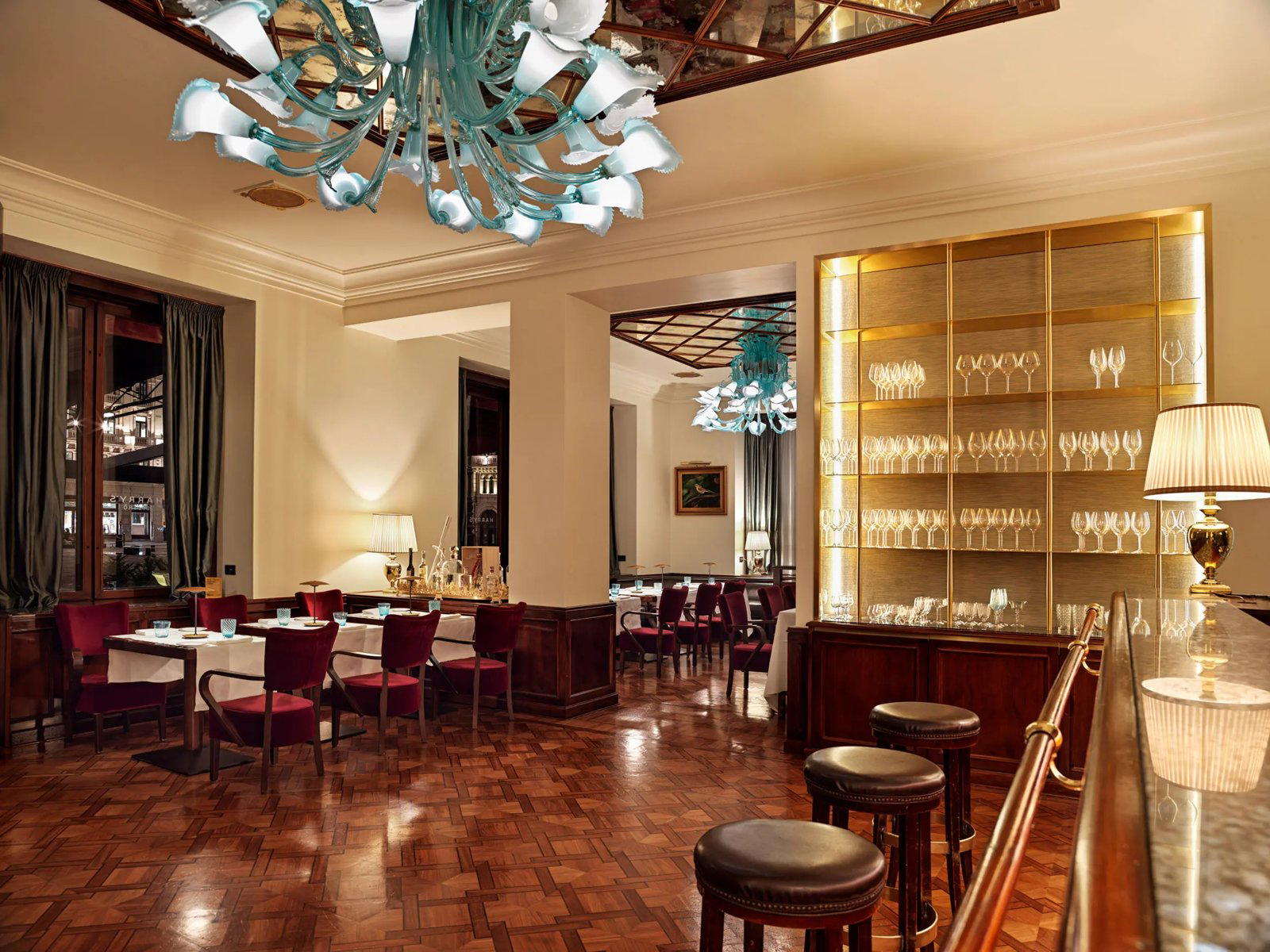
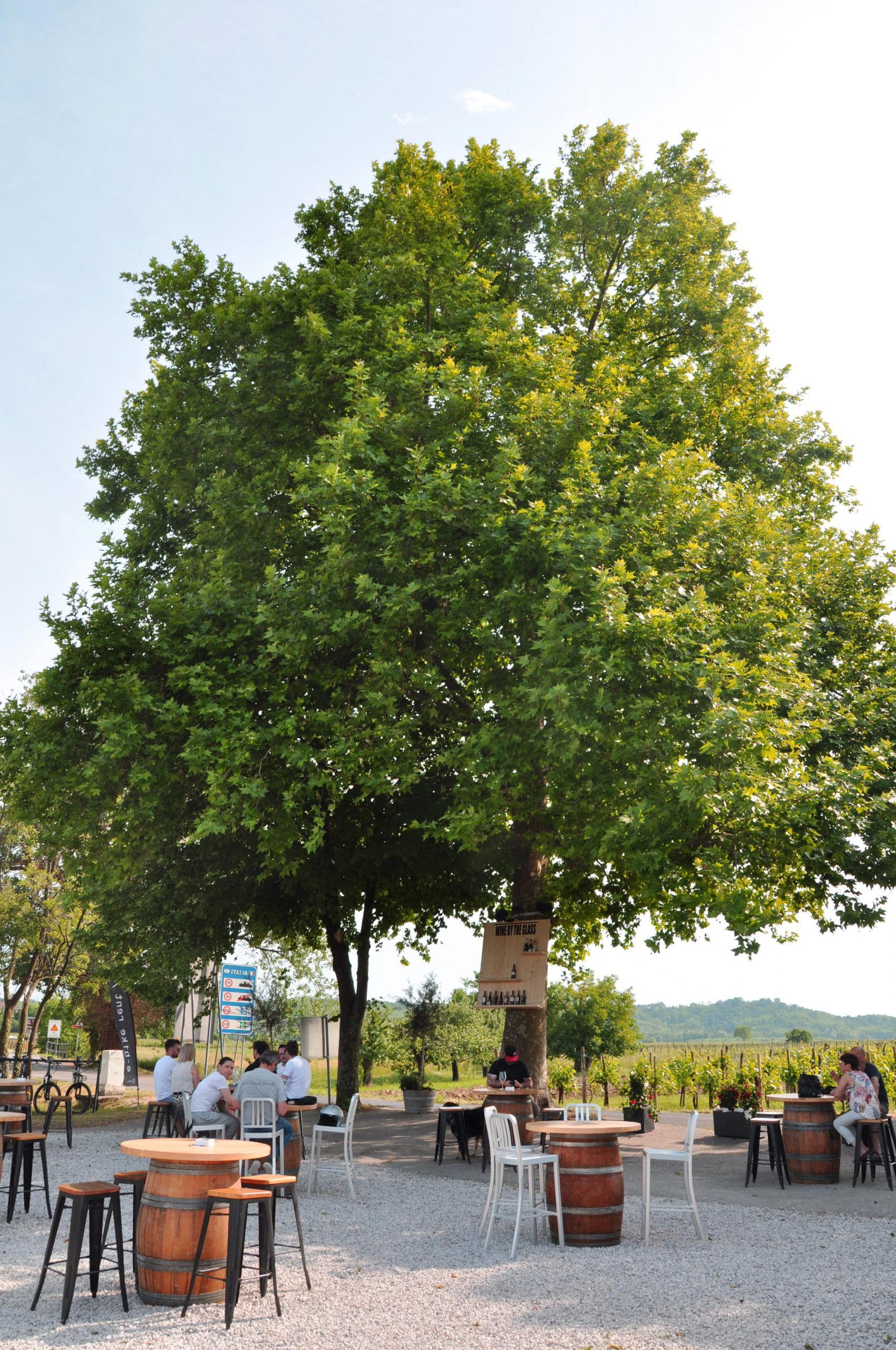
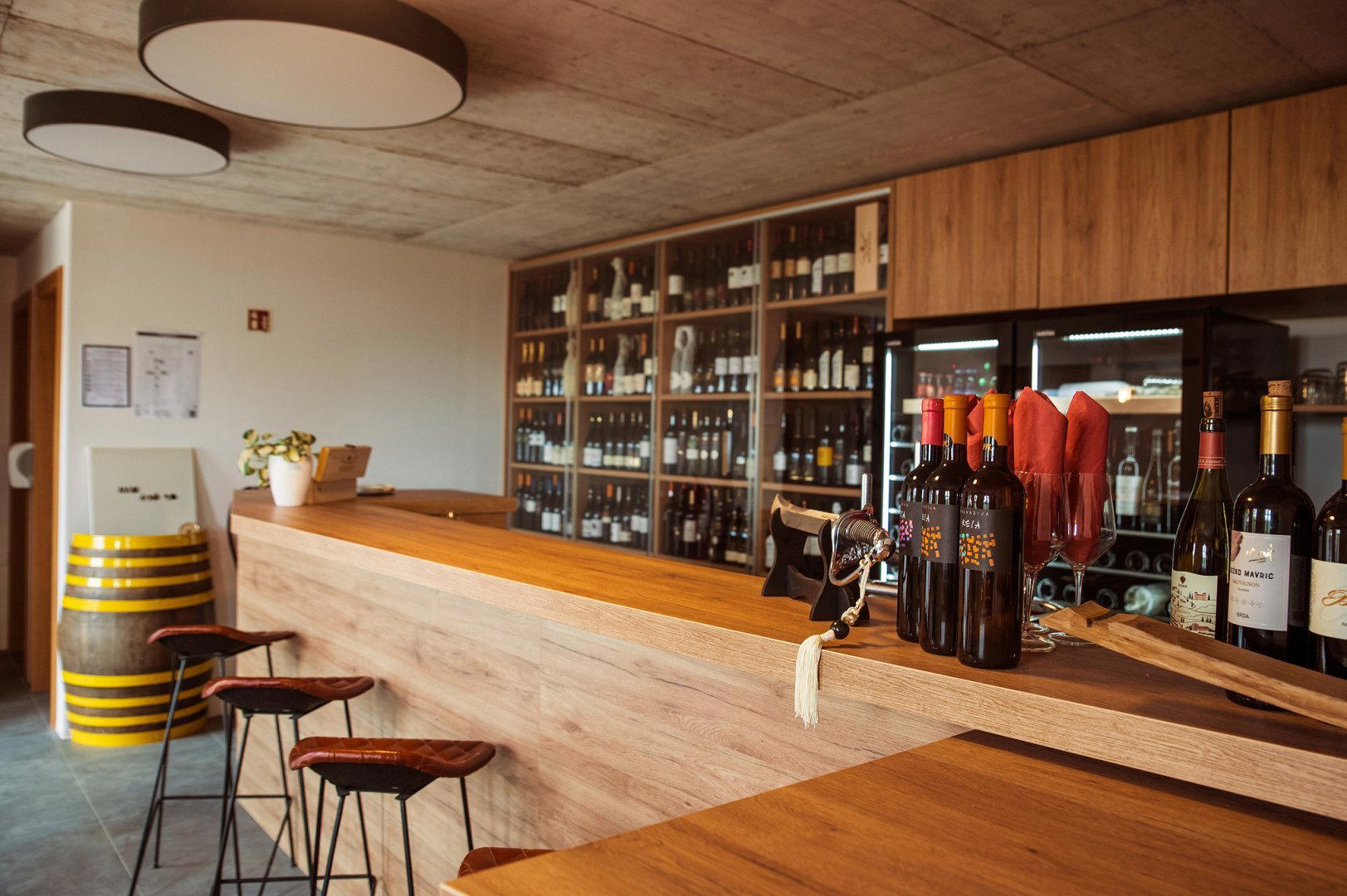
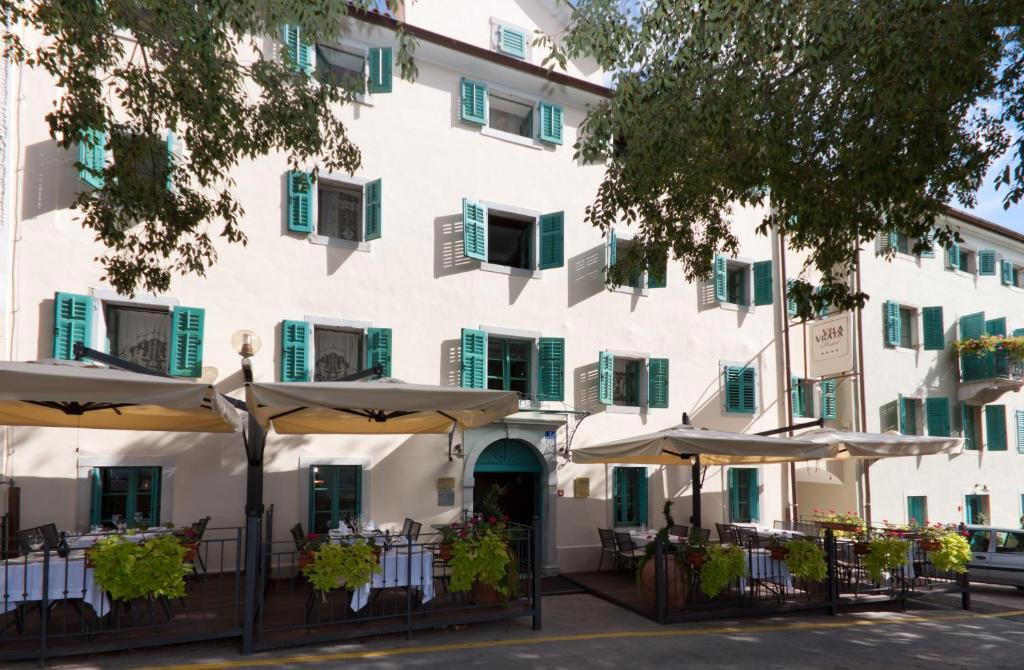
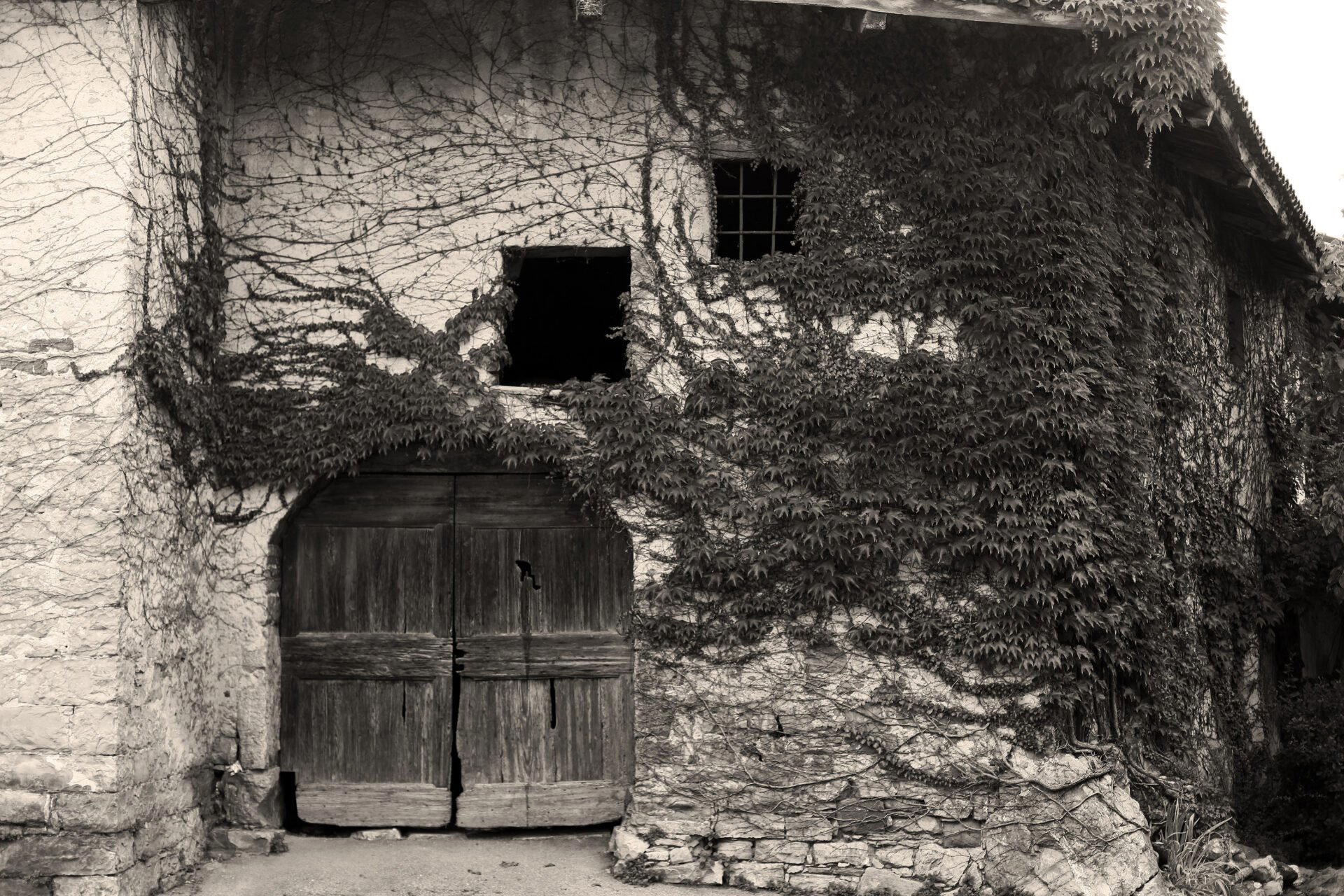
Small towns with serious kitchens share certain atmospheric qualities across Europe. The dining room is rarely designed to announce itself. The room at Etna, on a side street off the town's modest centre, is the kind of space where the food earns the reputation rather than the address. In Slovenian towns at this price level and scale, the expectation is a room that reads as local rather than destination-branded: practical furniture, direct service, and a clientele that includes as many regulars as passing travellers. The 4.6 score across nearly 2,000 reviews points to consistent execution over time, which is what builds that kind of base. Tourist-dependent restaurants rarely accumulate that volume of reviews at that consistency in a town of Divača's size.
Travellers approaching from Ljubljana or the coast will find the town accessible by both train and road. The station location is an asset here: Kolodvorska ulica is findable on foot from the platform. For those combining a visit with Škocjan Caves, the timing works logically around a lunch or early dinner stop. The caves sit a few kilometres outside the town centre; Etna is in the centre itself.
Where Etna Sits in Slovenia's Broader Dining Picture
Slovenia's recognition in international food guides has accelerated over the past decade, concentrated initially in Ljubljana and then spreading into the regions as chefs committed to specific local terroirs. The pattern across the country's Michelin-recognised properties tends toward either the tasting-menu format at higher price points, Dam in Nova Gorica, Hiša Denk in Zgornja Kungota, Hiša Linhart in Radovljica, or the gostilna tradition, which blends inn hospitality with serious cooking. The Bib Gourmand tier is smaller in Slovenia than the star tier by raw count, which makes Etna's position within it more notable, not less.
For comparison, Restavracija Strelec in Ljubljana, Pavus in Lasko, A3 in Brestanica, and City Terasa in Maribor represent the range of serious cooking distributed across Slovenian towns and cities. Etna's distinction is geographic: Divača is not a culinary destination by reputation, which means the kitchen is not trading on place identity the way a Ljubljana address or a wine-country location might. The recognition stands on the cooking itself. Further afield, the Bib Gourmand tier in neighbouring alpine and central European countries includes properties like Fahr in Künten-Sulz and Gannerhof in Innervillgraten, which confirm how broadly the format of serious regional cooking at moderate prices extends across the region.
Side-by-Side Snapshot
Comparable venues nearby, for context on price, style, and recognition.
| Venue | Cuisine | Price | Awards | Notes |
|---|---|---|---|---|
| EtnaThis venue — the venue you are viewing | Modern Italian Pizza & Regional Karst Cuisine | $$ | Bib Gourmand | Not listed |
| Gostilna Mahorčič | Dining | Not listed | Bib Gourmand | Rodik |
| Gostilna in vinoteka Faladur | Dining | Not listed | Bib Gourmand | Vipava |
| Jožef | Modern Slovenian Regional with Mediterranean Influences | $$ | Bib Gourmand | Idrija |
| Gostilna na Gradu | Modern Slovenian | $$$ | Bib Gourmand | Ljubljana Castle |
| Triangel | Modern Regional Slovenian | $$$ | Bib Gourmand | Gozd Martuljek |
Recognition history
Dated appearances from independent guides and award organizations, with the underlying list record or original source where available.
Michelin Bib Gourmand
Michelin
Michelin Bib Gourmand
Michelin
Michelin Plate
Michelin

At a Glance
- Cozy
- Modern
- Rustic
- Family
- Casual Hangout
- Open Kitchen
- Local Sourcing
Current opening hours
- Monday
- Closed
- Tuesday
- 11 AM–10 PM
- Wednesday
- 11 AM–10 PM
- Thursday
- 11 AM–10 PM
- Friday
- 11 AM–10 PM
- Saturday
- 11 AM–10 PM
- Sunday
- 12–9:30 PM
Hours can change for holidays and private events. Last verified .
Charming and comfortable atmosphere with a nice vibe, open view of the pizza maker, refined yet relaxed setting praised in guest reviews.