Gabreku 1929 sits on Starogradska ulica in Samobor's old town, carrying a name that anchors it to nearly a century of the town's dining culture. In a town where weekend lunches are a serious civic ritual and restaurant traditions run deep, that kind of longevity places it in a specific tier of the local scene, one where the meal itself is expected to follow a recognisable, unhurried tempo.
Pearl is the En Primeur Club membership app — saves, bookings, and concierge access live there. Same editors, same standards.
- Address
- Starogradska ul. 46, 10430, Samobor, Croatia
- Phone
- +38513360722
- Website
- gabrek.hr
- Directions
- Get directions
 Saves & bookings on Pearl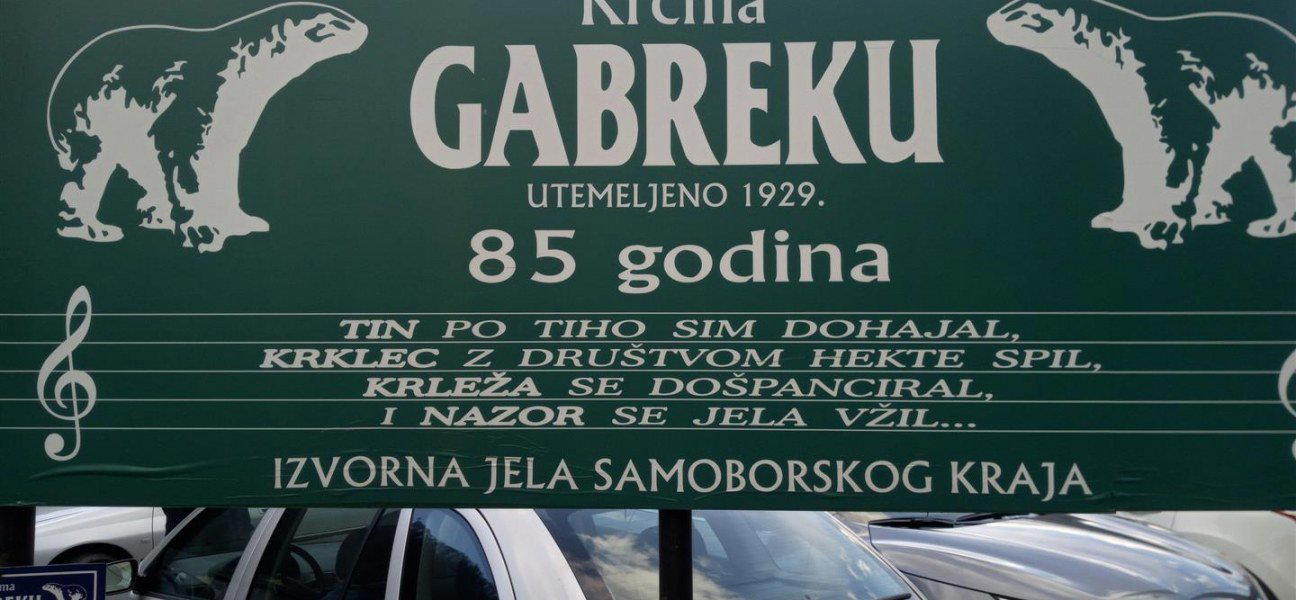
Samobor's Table Manners: How the Town Eats
Samobor operates on a particular rhythm that most Croatian towns twice its size have long abandoned. On weekend mornings, the main square fills not with tourists checking phones but with Zagreb day-trippers who have made the 30-minute drive specifically to eat, and to eat in a particular way. The meal comes first, the walk comes after. Kremšnita (vanilla cream slice) arrives at the end, with coffee. This sequencing is not incidental; it reflects a dining culture in which the structure of the meal carries as much weight as what is on the plate. Gabreku 1929, located on Starogradska ulica 46 in Samobor, belongs to a tradition that leans fully into that tempo.
Restaurants in this part of Croatia that carry a founding year in their name are making a claim: that continuity itself is a form of quality signal. The 1929 in the name signals a long-running local identity in Samobor. In a regional context where many restaurants compete on novelty or Adriatic coastal glamour, venues like Agli Amici Rovinj in Rovinj or LD Restaurant in Korčula are chasing international recognition, a place like Gabreku operates in a different register entirely. Its comparable set is the inland, tradition-rooted dining house, not the fine-dining destination.
The Ritual of the Inland Croatian Lunch
To understand what eating at Gabreku 1929 implies, it helps to understand what a proper Samobor lunch involves by convention. The meal in this part of the Samobor-Žumberak region typically begins with a soup or brodet, moves through a meat-centred main, often in the form of a roast, goulash, or game preparation, and finishes with something sweet. Wine or domestic spirits may bookend the table. The pace is slow by design. Two hours is not unusual. Conversation is part of the structure. The table is not cleared quickly.
This is the cultural frame in which a restaurant on Starogradska ulica, the historic core of Samobor, functions. Starogradska is a working part of the old town, and a restaurant that has traded under the same identity since 1929 has seen the neighbourhood through iterations that most Croatian dining establishments never survived. That historical persistence is itself a form of trust signal in an inland town where institutional memory matters.
For comparison across the Samobor scene, Cantilly Garden Restaurant and Salvator occupy different positions in the town's dining range. Further out from the centre, the experience shifts toward rural formats: Ethno farm Mirnovec operates as an agro-tourism property, while Izletište Kuzmanović Slavagora and Restoran "Kod špilje" both lean into the excursion-dining model that the Samobor hills support. Gabreku, by contrast, is a town-centre proposition, the kind of place that functions as an anchor for the square's social gravity.
Where Gabreku 1929 Sits in the Wider Croatian Scene
Croatia's restaurant scene has split into recognisably distinct tiers over the past decade. At the leading, a cluster of ambitious kitchens is building international profiles: Pelegrini in Sibenik, Nebo by Deni Srdoč in Rijeka, and Alfred Keller in Mali Lošinj are among those operating with a self-consciously contemporary agenda. Below that, the country supports a broad band of regional cooking houses, working restaurants in smaller cities and inland towns where the expectation is honest, technically competent food rooted in local tradition, served in an environment that reads as familiar rather than designed.
The restaurant occupies that second category. The comparison point is not Zagreb's fine dining (venues like Dubravkin Put sit in a different competitive set) and certainly not international reference points like Le Bernardin in New York City or Lazy Bear in San Francisco. The relevant peer group is the earnest regional dining house: places like Korak in Jastrebarsko, a short drive away, which similarly anchors itself in continental Croatian cooking. Against that comparable set, a founding year of 1929 and a central Samobor address are meaningful credentials.
The southern coast offers its own version of this pattern: Boskinac in Novalja and Krug in Split are both restaurants where regional cooking tradition is taken seriously, but the Dalmatian ingredients and Adriatic framing make them a different proposition from what the Samobor hills produce. Inland continental Croatia runs on different produce, different cooking fats, and a different idea of what constitutes a satisfying plate.
Planning a Visit
The restaurant is on Starogradska ulica 46, within easy walking distance of Samobor's central square. Samobor itself is approximately 30 kilometres west of Zagreb, making it a practical half-day or full-day excursion from the capital by car or bus. The town's dining culture peaks on Saturday and Sunday, when the local ritual of the weekend lunch draws steady traffic. Visiting mid-week offers a quieter room and more likely availability without advance planning, though for a weekend table, particularly in warmer months when terrace season extends the appeal, checking availability in advance is advisable.
- mushroom soup with homemade cornbread
- sautéed mushrooms with sauce
- Parisian-style breaded mushrooms
- tripe with bacon
- stewed liver
- pancakes with assorted fillings
Cuisine and Credentials
Comparable venues nearby, for context on price, style, and recognition.
| Venue | Cuisine | Price | Notes |
|---|---|---|---|
| Gabreku 1929This venue — the venue you are viewing | Traditional Croatian | $$ | Not listed |
| Zeleni papar | Traditional Croatian | $$ | Samobor |
| Ethno farm Mirnovec | Traditional Croatian Rural Cuisine | $$ | Samobor |
| Izletište Kuzmanović Slavagora | Traditional Croatian Rural Cuisine | $$ | Slavagora |
| Samoborska klet | Traditional Croatian Barbecue | $$ | city centre |
| Restoran "Kod špilje" | Traditional Croatian Continental | $$$ | Otruševec, Samobor |
Continue exploring
More in Samobor
Restaurants in Samobor
Browse all →
Bars in Samobor
Browse all →
Hotels in Samobor
Browse all →

At a Glance
- Classic
- Cozy
- Rustic
- Well Known
- Family
- Casual Hangout
- Date Night
- Celebration
- Historic Building
- Standalone
- Beer Program
- Local Sourcing
- Waterfront
Current opening hours
- Monday
- 12–11 PM
- Tuesday
- Closed
- Wednesday
- 12–11 PM
- Thursday
- 12–11 PM
- Friday
- 12–11 PM
- Saturday
- 12–11 PM
- Sunday
- 12–6 PM
Hours can change for holidays and private events. Last verified .
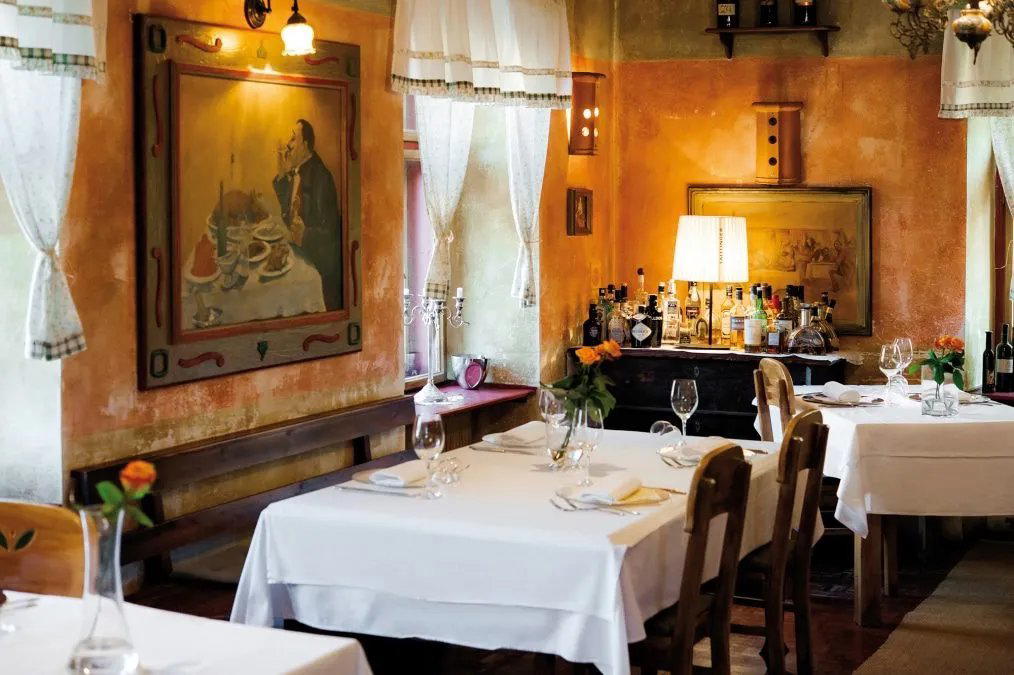
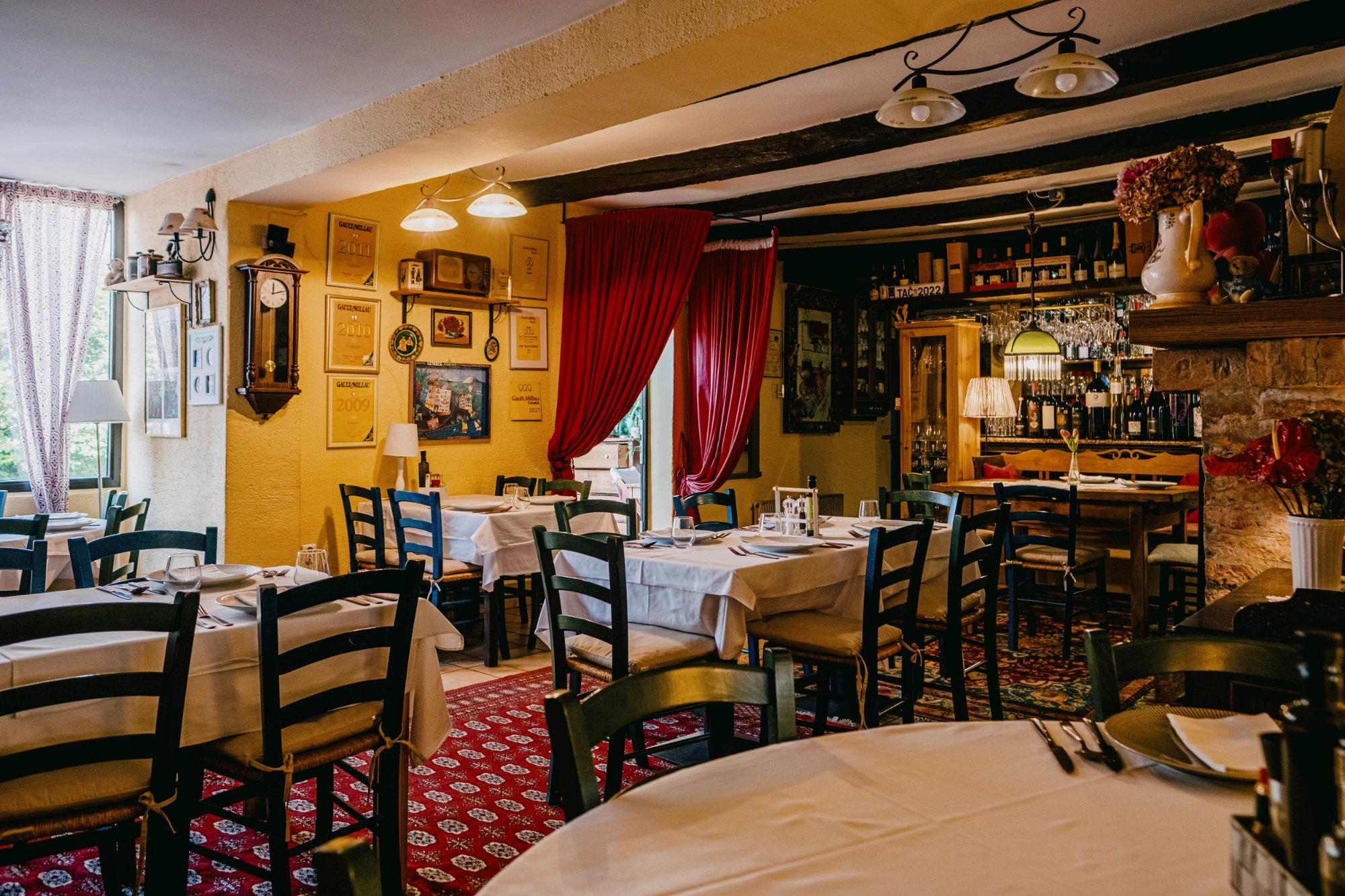
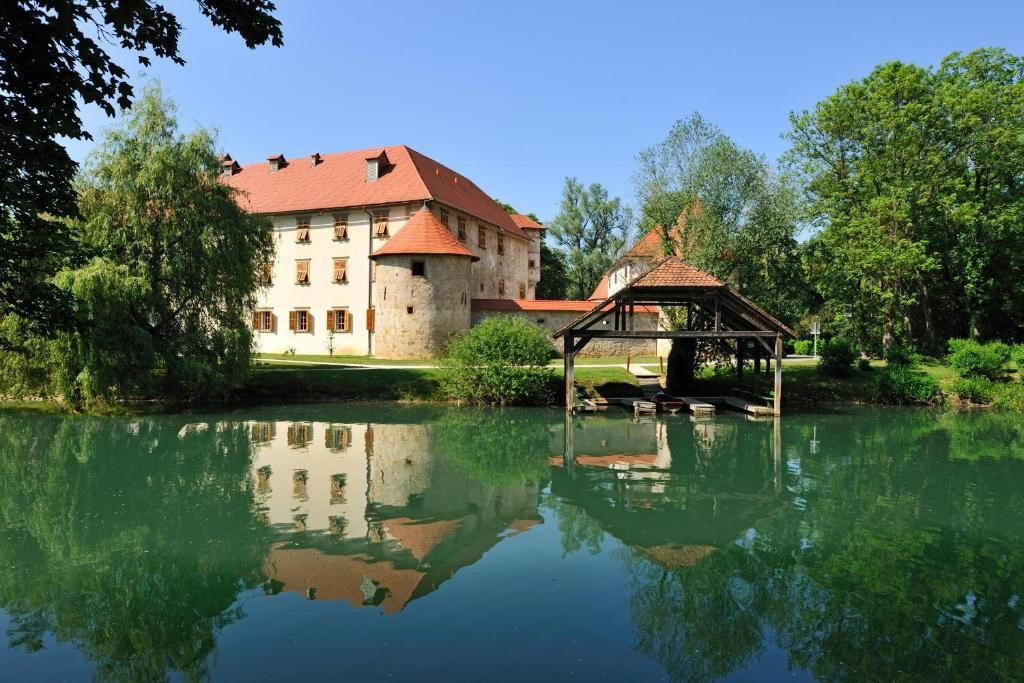
Warm, casual, traditional tavern atmosphere suited to family and friends, set beneath the Old Town walls along the Gradna stream.