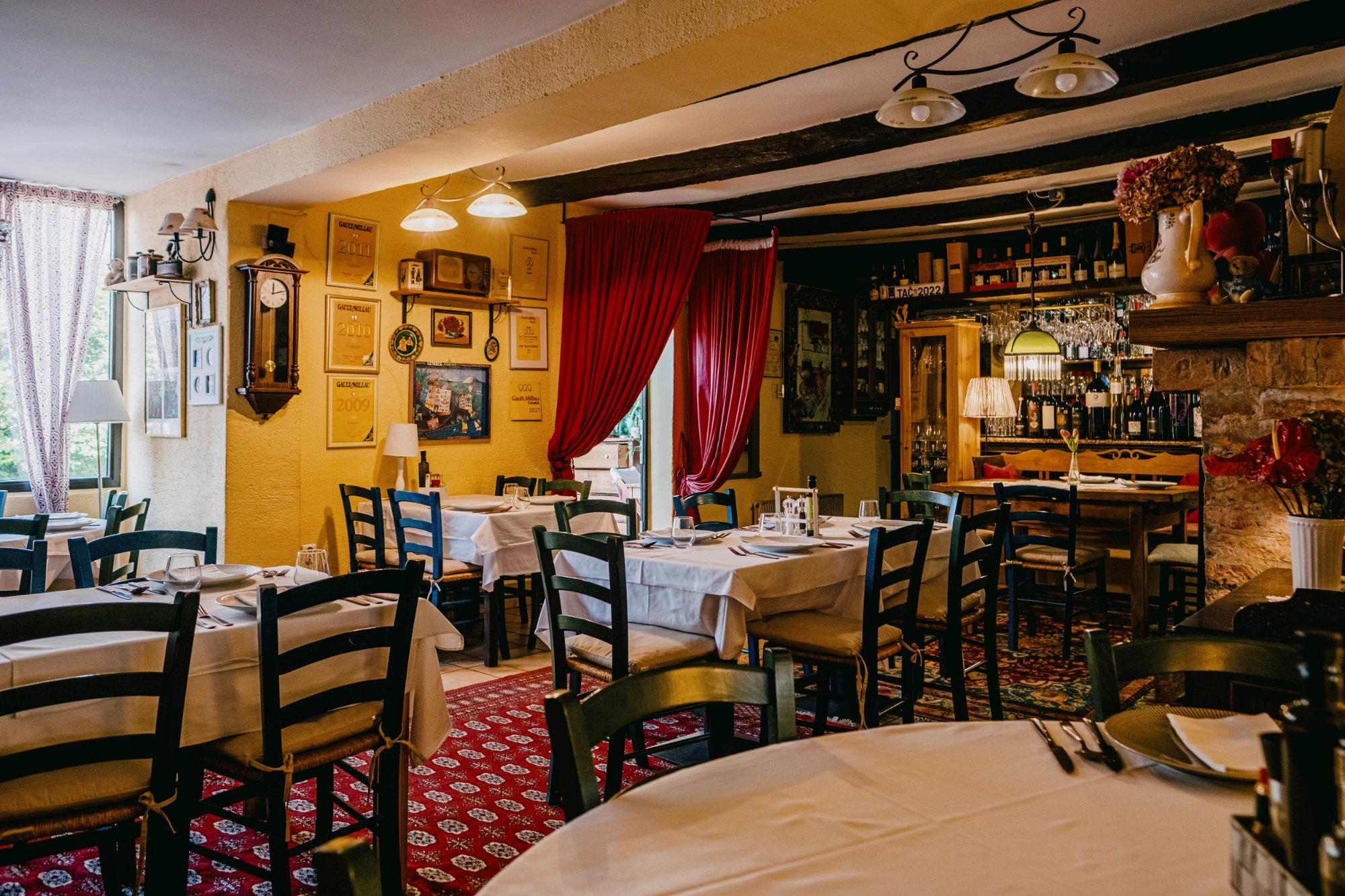
Salvator occupies a quiet address in the heart of Samobor, one of Croatia's most traditionally minded dining towns, where the rhythm of the meal matters as much as what arrives on the plate. The restaurant sits within a local dining culture shaped by Central European customs and Austro-Hungarian culinary inheritance. For travellers approaching Samobor from Zagreb, it represents a considered stop in a town that takes its table rituals seriously.
Pearl is the En Primeur Club membership app — saves, bookings, and concierge access live there. Same editors, same standards.
- Address
- Ul. Ljudevita Šmidhena 3, 10430, Samobor, Croatia
- Phone
- +38513379924
- Website
- hotel-livadic.hr
- Directions
- Get directions
 Saves & bookings on Pearl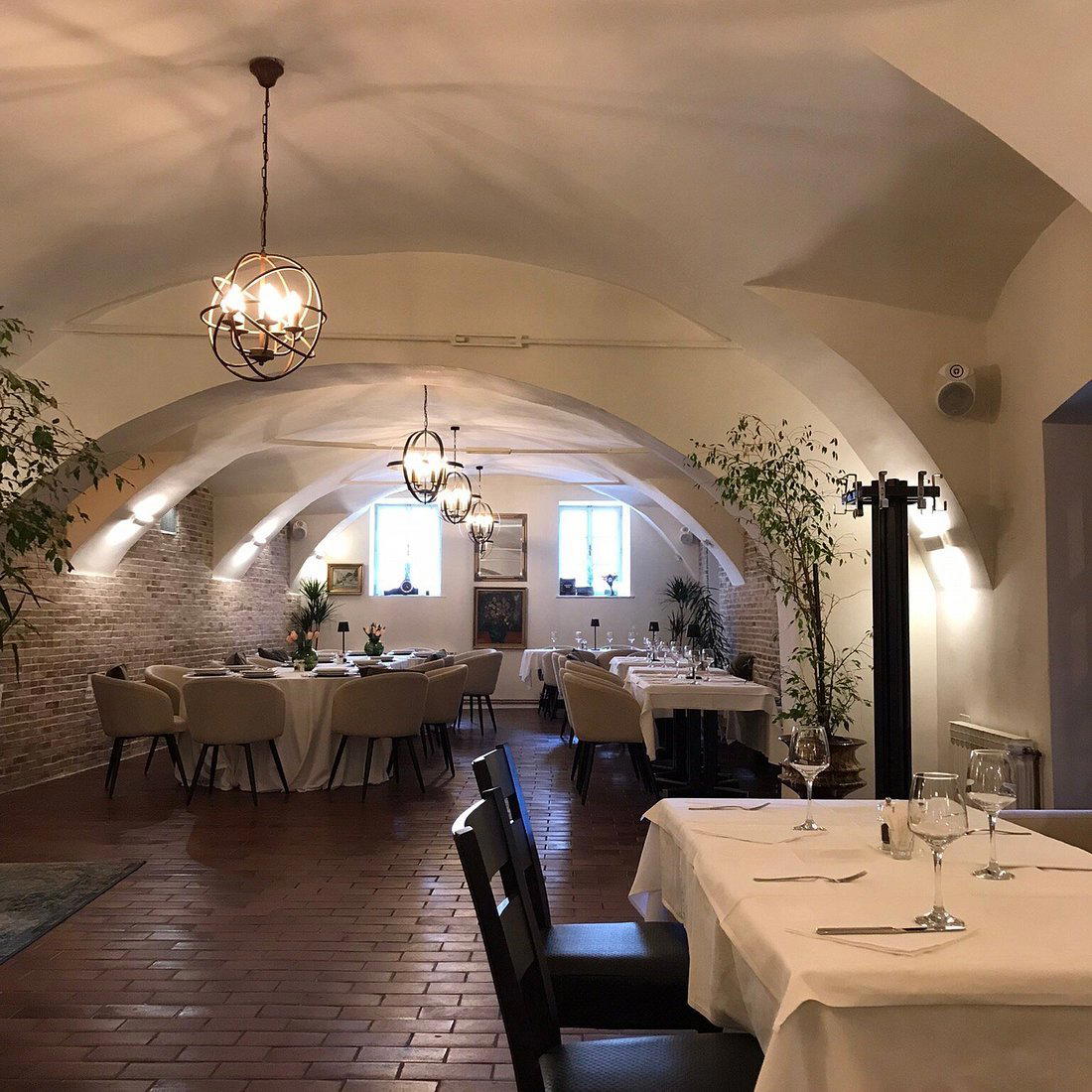
Where the Meal Has a Pace of Its Own
Samobor is not a city that rushes. Positioned roughly 20 kilometres west of Zagreb, this compact Croatian town has maintained a dining culture that resists the acceleration visible in the capital. Lunch here is not a transaction. It unfolds with the kind of deliberate pacing that Central European towns preserved long after urban centres abandoned it. Salvator is a restaurant in Samobor, Croatia, at Ul. Ljudevita Šmidhena 3, serving traditional Croatian cuisine. The address alone situates it within the older fabric of Samobor, where streets named after local cultural figures signal a neighbourhood that still holds its history close.
The approach to a meal in this part of Croatia carries weight that visitors from coastal destinations sometimes find surprising. Samobor's dining customs draw from a different inheritance than Dalmatia or Istria: less olive oil and Adriatic fish, more slow-cooked inland preparations, bread brought before conversation settles, and a structural formality to the sequence of courses that echoes Austro-Hungarian table culture. Where restaurants in Dubrovnik or Korčula pivot toward the sea, Samobor's leading tables orient themselves toward the land, the seasons of the Žumberak hills, and the kind of cooking that requires patience on both sides of the pass.
The Ritual Logic of an Inland Croatian Table
Dining in Samobor carries customs that function almost as choreography. The meal begins slowly, often with local spreads or cured preparations, and the expectation is that guests will stay. This is not a culture of quick covers or aggressive table turns. The towns around Zagreb that have sustained this format longest tend to be the ones that built their reputations on Sunday lunches drawn out across three hours, multi-generational tables, and wine poured without calculation. Salvator occupies that same general register, though
What is consistent across Samobor's dining scene is a commitment to the local product calendar. The region's proximity to both Zagreb's supply networks and the forested terrain of the Žumberak hills means kitchens here have access to ingredients that don't appear on coastal menus: game, mushrooms gathered from specific elevations, freshwater preparations, and preserved items from producers who have been supplying local restaurants for decades. The ritual of eating in this context is inseparable from those supply lines. The dish and its origin are understood to be the same subject.
For comparison within the broader Croatian restaurant conversation, the inland table tradition that Samobor represents sits at a remove from the internationally recognised coastal tier, where restaurants like Pelegrini in Šibenik, Agli Amici in Rovinj, or Boskinac in Novalja have built profiles that attract international attention. Samobor operates in a different register, one defined by local regulars, regional loyalty, and a dining culture that measures quality by continuity rather than by award cycles.
Samobor's Competitive Table
Within Samobor itself, the restaurant conversation is shaped by a handful of addresses that each occupy a distinct position in the town's dining ecology. Gabreku 1929 carries the weight of one of the region's longer institutional histories, its name referencing a founding year that predates most of Croatia's current dining generation. Ethno Farm Mirnovec operates in the rural-experience format that has grown across Central European food tourism, where the setting is as much the product as the plate. Cantilly Garden Restaurant draws visitors with a different aesthetic posture, while Izletište Kuzmanović Slavagora and Restoran Kod Špilje each anchor specific parts of the excursion-dining tradition that has defined Samobor's relationship with Zagreb day-trippers for generations.
Salvator's position among these addresses is best understood through geography and street-level context rather than through the kind of award-tier analysis that applies to higher-profile Croatian restaurants. The Ul. Ljudevita Šmidhena address places it within the town's central zone, accessible on foot from Samobor's main square. For travellers arriving from Zagreb by car, Samobor sits comfortably within a 30-minute drive on the A3 motorway, making it a practical choice for a dedicated lunch excursion rather than an incidental stop.
Zagreb's own restaurant scene provides a useful reference point. Tables like Dubravkin Put represent the capital's more polished continental register, and the contrast with Samobor's approach is instructive: Zagreb has moved toward formality and European reference points, while Samobor has retained a more grounded regional identity. That distinction is not a deficiency in either direction. They serve different purposes in the itinerary of a traveller working through inland Croatia.
For those extending a Croatia itinerary further, the restaurant conversation on the Kvarner coast includes Nebo by Deni Srdoč in Rijeka and Alfred Keller in Mali Lošinj, both of which operate at a different level of international engagement. Closer to Samobor, Korak in Jastrebarsko represents another inland option within the same Zagreb hinterland. And for reference against formats at the far end of the global spectrum, the tightly choreographed service rituals at places like Atomix in New York or Le Bernardin illustrate how different the structure of intention can be when a dining culture is built around performance versus one built around repetition and familiarity. Samobor belongs firmly to the latter tradition.
Planning Your Visit
Samobor is leading approached as a full half-day from Zagreb, with the town's square, its mustard producers, and the surrounding walk routes offering enough context to make the journey worthwhile independent of any single table.
Cuisine-First Comparison
Comparable venues nearby, for context on price, style, and recognition.
| Venue | Cuisine | Price | Notes |
|---|---|---|---|
| SalvatorThis venue — the venue you are viewing | Traditional Croatian | $$ | Not listed |
| Gabreku 1929 | Traditional Croatian | $$ | Samobor |
| Ethno farm Mirnovec | Traditional Croatian Rural Cuisine | $$ | Samobor |
| Cantilly Garden Restaurant | Contemporary Croatian Mediterranean | $$$ | Samobor |
| Zeleni papar | Traditional Croatian | $$ | Samobor |
| Restoran "Kod špilje" | Traditional Croatian Continental | $$$ | Otruševec, Samobor |
Continue exploring
More in Samobor
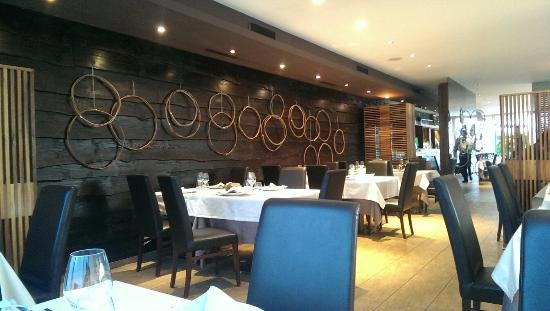
Restaurants in Samobor
Browse all →
Bars in Samobor
Browse all →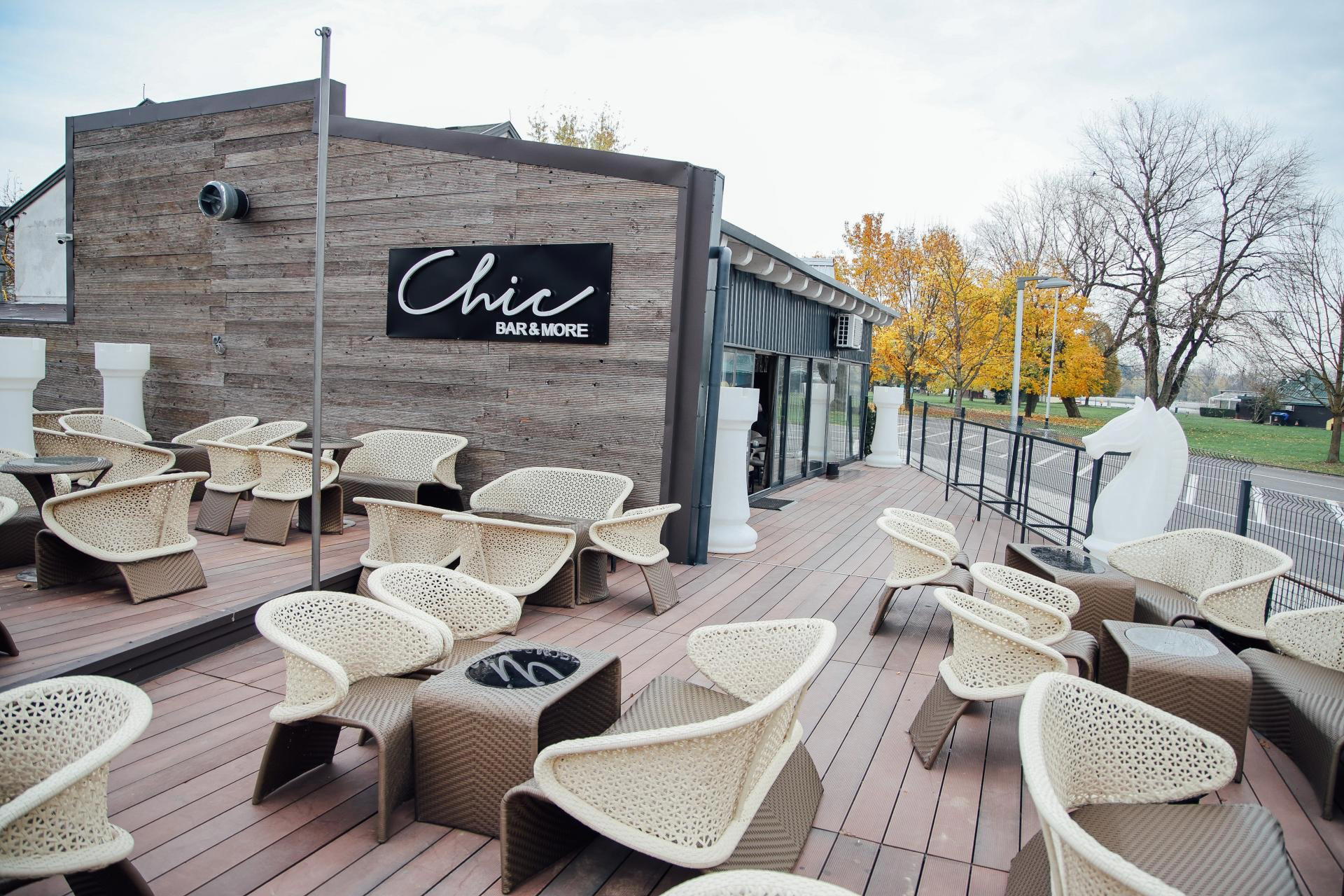
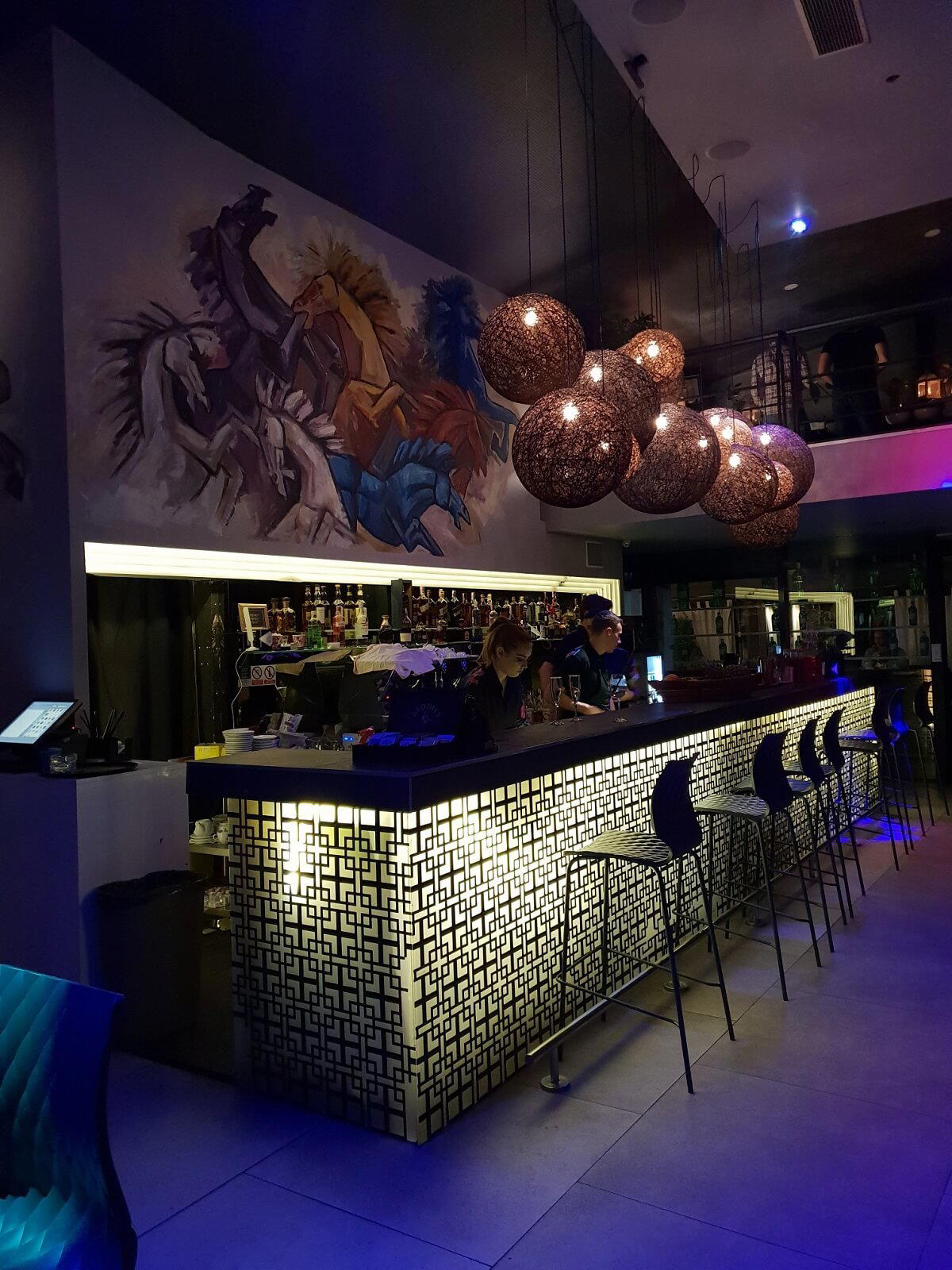
Hotels in Samobor
Browse all →

At a Glance
- Cozy
- Rustic
- Classic
- Family
- Casual Hangout
- Historic Building
- Local Sourcing
- Street Scene
Current opening hours
- Monday
- Closed
- Tuesday
- Closed
- Wednesday
- Closed
- Thursday
- Closed
- Friday
- 11 AM–10 PM
- Saturday
- 12–10 PM
- Sunday
- 12–8 PM
Hours can change for holidays and private events. Last verified .
Tavern-like dining in an atmospheric old cellar with brick vaults, lime-white walls, cozy and warm atmosphere.