Set in the village of Otruševec on the edge of Samobor's rolling hills, Restoran "Kod špilje" draws on the deep-rooted konoba tradition of inland Croatian cooking, hearty, unhurried, and grounded in local produce. The name references a nearby cave, a geographical anchor that signals the restaurant's commitment to place. For visitors exploring the Samobor area, it represents the kind of regional table that urban restaurants rarely replicate.
Pearl is the En Primeur Club membership app — saves, bookings, and concierge access live there. Same editors, same standards.
- Address
- Otruševec 17/4, 10430, Otruševec, Croatia
- Phone
- +38513375888
- Website
- gostionica-kodspilje.hr
- Directions
- Get directions
 Saves & bookings on Pearl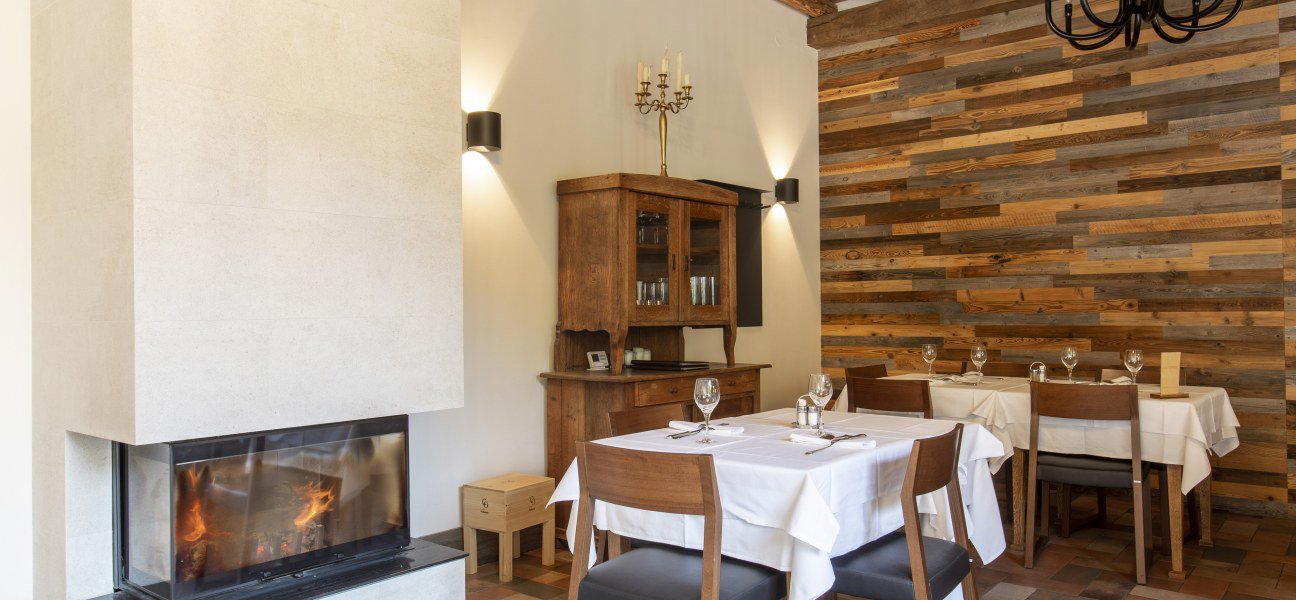
Where the Hill Country Meets the Table
The village of Otruševec sits a few kilometres from Samobor proper, past the vineyards and orchards that have supplied this corner of the Zagreb County for generations. Arriving at Restoran "Kod špilje", the name translates loosely as "at the cave," a nod to the karst formations in the surrounding hills, you encounter a setting that is less about designed atmosphere and more about accumulated place. Rural Croatian restaurant culture in this region grew from the izletište tradition. It grew from the izletište tradition: the Sunday excursion spot, the place families drove to after church, the table where roasting meat and cold local wine were understood as sufficient reasons to make the journey.
That tradition is worth understanding before you sit down anywhere in the Samobor hinterland. The area around Samobor has long occupied a specific role in Croatian food culture, close enough to Zagreb to draw city visitors, far enough to maintain a genuinely agricultural character. Restaurants in this category compete not on novelty but on consistency, on the quality of their peka-roasted meats, on whether the local wine they pour is honest, and on whether the experience feels rooted rather than performed. The question is which restaurants have maintained that rootedness across changing tastes.
The Cultural Logic of Inland Croatian Cooking
Croatian cuisine fractures sharply along a north-south axis. The Dalmatian coast gets the international press, the olive oil, the grilled fish, the Adriatic shellfish that have attracted coverage from publications benchmarking against places like Agli Amici Rovinj in Rovinj or LD Restaurant in Korčula. But the inland tradition, shaped by Central European rather than Mediterranean influences, is a different culinary argument entirely. This is the territory of slow-cooked lamb under the peka, of štrukli (a baked cheese pastry that Samobor's residents regard as a near-sacred local product), of šarac and bermet, the aromatic wine produced in Samobor since the 18th century and once exported to Habsburg courts.
Restaurants operating in this inland register, from Otruševec to the Žumberak hills, are making a case for a food culture that resists tourist flattening. For a broader comparison of what this culinary category looks like at its most developed, the fine-dining registers of Dubravkin Put in Zagreb or Boskinac in Novalja offer a useful counterpoint, restaurants that have taken regional Croatian ingredients into a more formal framework. Restoran "Kod špilje" operates at the opposite end of that spectrum: the appeal is precisely that it does not reach for formality.
Placing Kod špilje in the Samobor Scene
Samobor's restaurant options divide broadly into two types. There are the town-centre establishments that handle tourist traffic efficiently, some with long histories, some newly opened, and there are the out-of-town spots that attract a more local, repeat clientele. Restoran "Kod špilje," addressed to Otruševec 17/4 and removed from the main square bustle, belongs to the second category. This positioning is not incidental. Restaurants that survive in rural Croatian settings without heavy tourist foot traffic tend to do so because local families keep returning, which is a more demanding quality test than positive online reviews from passing visitors.
Within the Samobor area specifically, the competitive set includes places like Gabreku 1929, which carries the weight of a named historical identity, and Ethno farm Mirnovec, which leans into a more overtly agricultural presentation. Cantilly Garden Restaurant and Salvator cover different parts of the spectrum, while Izletište Kuzmanović Slavagora leans into the excursion-spot format with particular directness. Kod špilje's location on the village edge, rather than on a main road or hilltop viewpoint, suggests a clientele that finds it by word of mouth rather than roadside signage, a pattern common to the stronger rural tables in this part of Croatia.
For those building a broader picture of where Croatian regional cooking sits nationally, it is worth cross-referencing against the Adriatic fine-dining tier represented by Pelegrini in Sibenik, Nebo by Deni Srdoč in Rijeka, or Restaurant 360 in Dubrovnik, all of which operate in a register where formal technique and award recognition are the primary currency. The inland rural table that Kod špilje represents answers a different question entirely: not what Croatian cooking can do when stretched toward European fine-dining norms, but what it looks like when left to its own agricultural logic.
Planning a Visit
Otruševec is reachable from Samobor town in under ten minutes by car, and from Zagreb the drive runs roughly 30 to 40 minutes depending on traffic through the western suburbs. The address, Otruševec 17/4, is a village house number rather than a commercial strip location, so mapping software is the practical starting point. Given the rural setting and the likelihood that the restaurant operates on a limited-seating model common to this category, contacting in advance before visiting is advisable, particularly for weekend lunches, when the izletište culture drives Croatian families out of the city in numbers that can fill smaller rural restaurants quickly.
Visitors with a deeper interest in the wider region's food culture should cross-reference Korak in Jastrebarsko, a nearby inland option worth considering as a complementary stop. The full context of what Samobor's dining scene offers, including town-centre and rural options across different formats and price registers, can be found in the Samobor restaurants guide.
For context, the gap between a rural Croatian konoba and a technically rigorous operation like Le Bernardin in New York City or Atomix in New York City is not a hierarchy so much as a difference in what dining is being asked to do. In Otruševec, it is being asked to anchor a place, feed a community, and hold a culinary tradition steady. That is a serious task, and restaurants that do it well deserve to be assessed on those terms.
- porcini mushroom soup
- lamb under the bell
- veal Wellington
- boar pate
- nettle soup
- blueberry cake
Pricing, Compared
Comparable venues nearby, for context on price, style, and recognition.
| Venue | Cuisine | Price | Notes |
|---|---|---|---|
| Restoran "Kod špilje"This venue — the venue you are viewing | Not listed | $$$ | Not listed |
| Salvator | strict center, Traditional Croatian | $$ | Not listed |
| Cantilly Garden Restaurant | Not listed | $$$ | Samobor, Contemporary Croatian Mediterranean |
| Zeleni papar | Samobor, Traditional Croatian | $$ | Not listed |
| Ethno farm Mirnovec | Not listed | $$ | Samobor, Traditional Croatian Rural Cuisine |
| Izletište Kuzmanović Slavagora | Not listed | $$ | Slavagora, Traditional Croatian Rural Cuisine |
Continue exploring
More in Samobor
Restaurants in Samobor
Browse all →
Bars in Samobor
Browse all →
Hotels in Samobor
Browse all →


At a Glance
- Rustic
- Cozy
- Scenic
- Classic
- Casual Hangout
- Family
- Special Occasion
- Standalone
- Historic Building
- Garden
- Extensive Wine List
- Local Sourcing
- Farm To Table
Current opening hours
- Monday
- Closed
- Tuesday
- 10 AM–11 PM
- Wednesday
- 10 AM–11 PM
- Thursday
- 10 AM–11 PM
- Friday
- 10 AM–11 PM
- Saturday
- 10 AM–11 PM
- Sunday
- Closed
Hours can change for holidays and private events. Last verified .
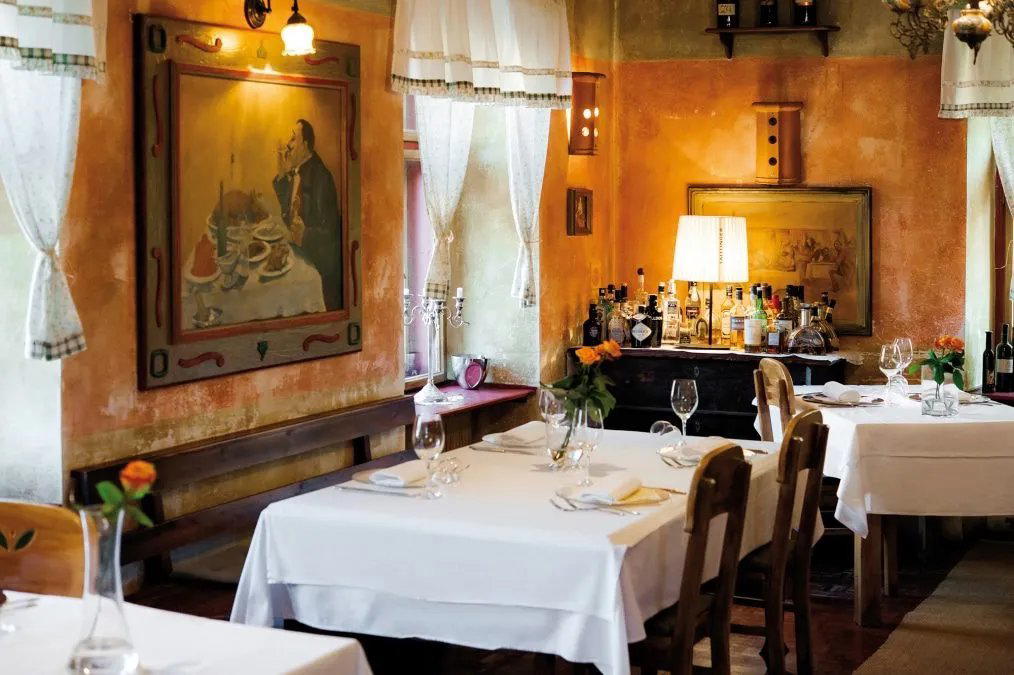
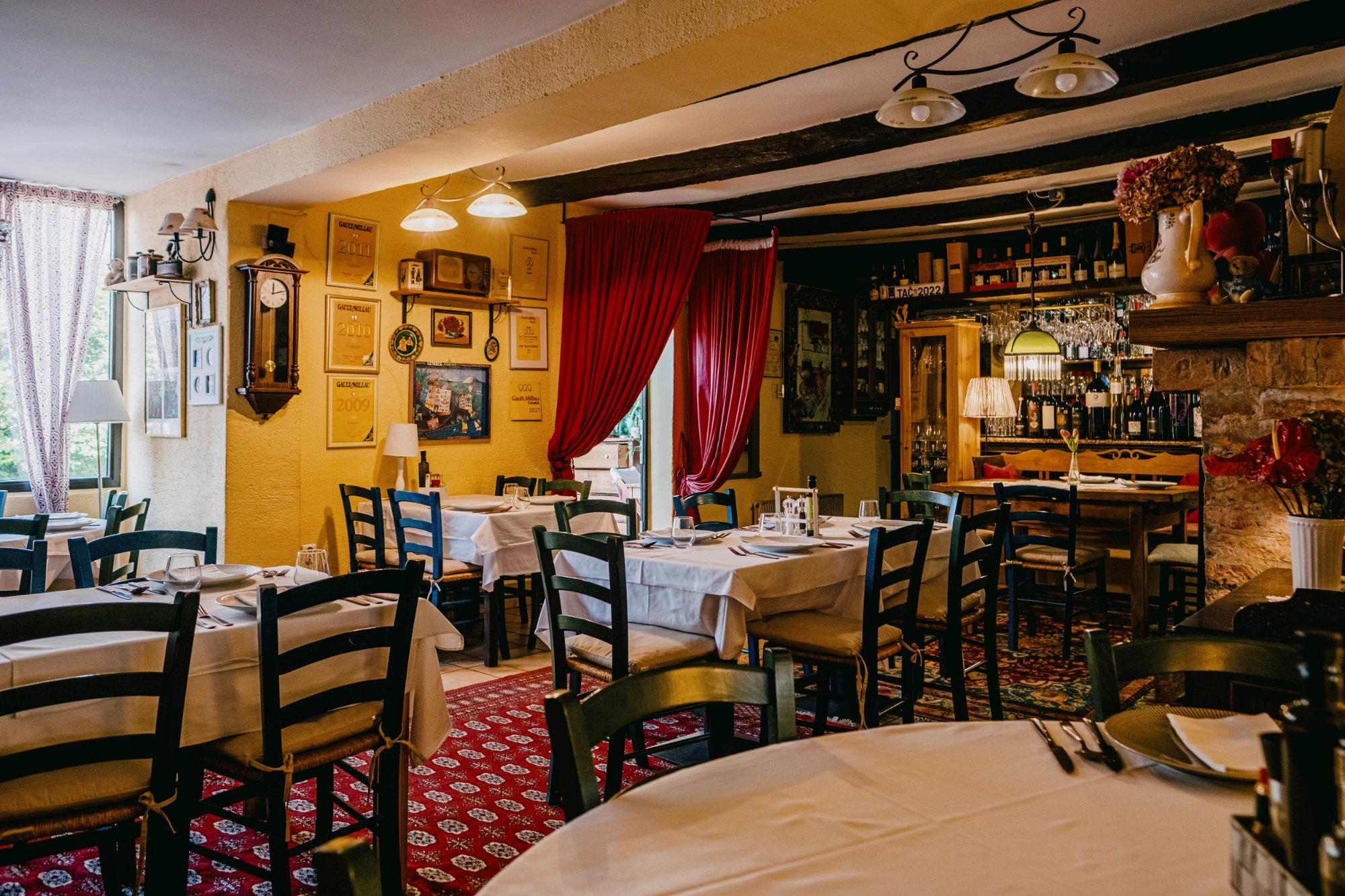
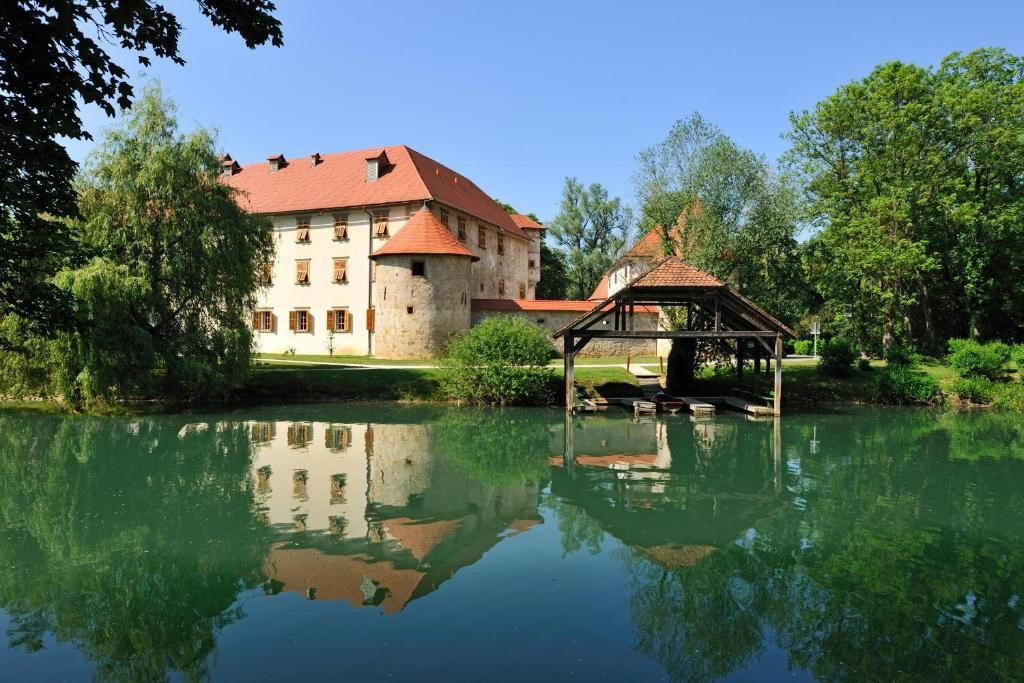
Warm, family-style atmosphere in a traditionally renovated konoba with stone ornaments from the nearby cave, creating a cozy and intimate dining experience.