Estia
Our verdict
Estia occupies a prominent address on Locust Street in Philadelphia's Avenue of the Arts corridor, drawing on Greek dining traditions to anchor a neighborhood better known for concert halls than tavernas. The restaurant operates in a register that sits above casual Mediterranean and below the city's omakase-tier counters, making it a useful reference point for understanding where refined Greek cuisine fits in Philadelphia's broader dining hierarchy.

Pearl is the En Primeur Club membership app — saves, bookings, and concierge access live there. Same editors, same standards.
- Address
- 1405-07 Locust St, Philadelphia, PA 19102
- Phone
- (215) 735-7700
- Hours
- Mon–Thu 3–8:30 PMFri–Sat 3–9:30 PMSun 3–8:30 PM
- Website
- estiarestaurant.com
- Directions
- Get directions
- Booking
- Book on the venue's website
The menu
What to order
- Spanakopita
- Moussaka
- Whole Grilled Fish
- Cheese Saganaki
Locust Street and the Greek Table
Philadelphia's Avenue of the Arts stretch of Locust Street is built around performance — the Kimmel Center, the Academy of Music, and a cluster of institutions that fill the sidewalks before curtain and drain them after. Restaurants on this corridor tend to calibrate around that rhythm: pre-theater menus, later seatings, rooms designed to hold noise without losing intimacy. Estia, at 1405-07 Locust St, occupies that context while working within a dining tradition — Greek hospitality at a metropolitan scale, that has its own internal logic, one that predates and outpaces the neighborhood's performance calendar.
Greek dining in American cities has historically split between casual souvlaki counters and a smaller tier of full-service restaurants attempting the kind of table rituals more commonly associated with French or Italian fine dining. Estia belongs to the latter category. That positioning matters in Philadelphia, where the mid-to-upper dining tier is increasingly defined by Fork (New American) and Friday Saturday Sunday (New American) on one end and a growing international range that includes Mawn (Cambodian, Pan-Asian) on the other. A Greek restaurant that pitches at table-service quality rather than counter speed occupies a distinct lane.
The Ritual of the Greek Meal
Understanding how a meal at Estia unfolds requires some familiarity with Greek dining structure, which differs from French or Japanese tasting formats in a way that American diners occasionally misread. The Greek table is built around shared plates arriving in loose succession rather than a linear progression of individual courses. Mezedes, small dishes of spreads, grilled vegetables, seafood preparations, set the pace of the early meal. The expectation is not efficiency but accumulation: flavors layered across the table rather than presented one at a time.
This format rewards unhurried eating. The pacing question at a restaurant like Estia is not whether the kitchen can turn a table in ninety minutes but whether the room is calibrated to let guests extend into the meal's natural rhythm. In cities where the Greek dining tradition has room to breathe, Athens, Thessaloniki, and to a lesser extent New York, that rhythm is assumed. In Philadelphia, where the Avenue of the Arts crowd often has somewhere to be afterward, the Greek meal's structural openness requires a kitchen and floor team willing to hold the pace without losing momentum. That calibration is part of what separates a credible Greek table from a Mediterranean-adjacent menu dressed with feta.
For context on how this kind of pacing discipline plays out at the highest tier of American dining, it is worth looking at how restaurants like Le Bernardin in New York City or The French Laundry in Napa manage sequential progression versus shared formats. The Greek communal table is a different architecture entirely, and Estia's version of it draws on that tradition rather than borrowing the structure of European tasting menus.
Seafood, the Central Argument
Greek cuisine at the restaurant level makes its most convincing case through seafood. The Hellenic relationship with fish is not incidental, it is geographic and historical, and restaurants that take it seriously tend to organize their menus accordingly. Whole fish, sourced and priced by weight, grilled over high heat and finished simply, are the most direct expression of that tradition. The quality of the fish and the discipline of the grill matter more than the complexity of a sauce.
This puts Estia in conversation with a broader set of American restaurants that have built reputations around sourcing rigor and minimal intervention, places like Providence in Los Angeles or Blue Hill at Stone Barns in Tarrytown, where the ingredient is the argument. The comparison is not one of cuisine type but of philosophy: the conviction that what arrives at the table should reveal the quality of what was sourced rather than obscure it. For Philadelphia diners accustomed to the New American register of My Loup (French-Inspired), the Greek approach to seafood can read as austere. That is, in part, the point.
Philadelphia's Mediterranean Gap
Philadelphia's restaurant scene has developed significant depth in several directions, taco and Mexican formats anchored by places like South Philly Barbacoa (Mexican), a strong New American current, and a growing Asian range. What it has not developed, relative to New York or Chicago, is a deep bench of full-service Mediterranean restaurants operating above the casual tier. Estia represents one of the more sustained attempts to hold that space in Center City.
That context gives the restaurant a function beyond its menu: it anchors a category that might otherwise have no serious Philadelphia representative. Cities with stronger Greek-American populations, Chicago, New York, Baltimore, have more competitive fields. Philadelphia's version of refined Greek dining is thinner, which means Estia operates with less competitive pressure but also less of the infrastructure that comes with a mature scene: specialty importers, deep wine lists weighted toward Greek regions, and a dining public fluent in the format. The restaurant has to educate and serve simultaneously, which is a harder task than it sounds.
For diners who want to calibrate Estia against other serious American restaurants working in tradition-rooted formats, the reference set includes Smyth in Chicago, Lazy Bear in San Francisco, Atomix in New York City, Addison in San Diego, Single Thread Farm in Healdsburg, The Inn at Little Washington, Emeril's in New Orleans, and Atelier Moessmer Norbert Niederkofler in Brunico. These are not direct peers in cuisine type, but they share the condition of operating a specific culinary tradition at a metropolitan scale with high expectations for sourcing and service.
Planning Your Visit
Estia sits at 1405-07 Locust Street, within walking distance of the Kimmel Center and the Broad Street Line at Walnut-Locust station. The Avenue of the Arts location makes it a natural pre- or post-concert option, though the pacing of a proper Greek meal, built around shared plates and an unhurried table, works better when there is no curtain time to meet. For the full dining ritual, book a night without a performance to anchor the evening. See our full Philadelphia restaurants guide for neighborhood context and comparable options across price tiers.
| Venue | Cuisine | Format | Location |
|---|---|---|---|
| Estia | Greek | Full-service, shared plates | Avenue of the Arts, Center City |
| Friday Saturday Sunday | New American | Full-service, tasting menu option | Rittenhouse Square |
| Fork | New American | Full-service, a la carte | Old City |
| Jean-Georges Philadelphia | French | Full-service, a la carte and tasting | Center City |
| Helm | Filipino | Full-service, tasting menu | Kensington |
Frequently asked questions
What dish is Estia famous for?
Estia has built its reputation in large part through its seafood program, consistent with the Greek dining tradition in which whole fish, grilled simply and sourced carefully, carries the weight of the menu. Greek cuisine at the full-service level organizes around seafood, mezedes, and lamb preparations as its central arguments. Awards and public recognition for the restaurant have tracked closely with those categories rather than with a single marquee dish, which is typical of Greek restaurants that take the communal, multi-plate format seriously.
What is the ideal way to book Estia?
Given Estia's location on the Avenue of the Arts in Philadelphia, demand tends to spike around concert and performance schedules at the Kimmel Center and Academy of Music. If you are aiming for a weekend evening or a night aligned with a major performance, booking well in advance is advisable. For the most current reservation method, phone, OpenTable, or direct website, check the restaurant's current booking platform directly, as policies in this tier of Philadelphia dining have shifted over recent years. Arriving without a reservation on a performance night carries real risk of a wait or no availability.
Is Estia suitable for groups celebrating a special occasion?
Greek dining's communal format, shared mezedes, whole fish for the table, long unhurried meals, makes it structurally well-suited to group celebrations in a way that individual-course tasting menus are not. Estia's Center City location and full-service model place it in the same planning tier as other Philadelphia restaurants used for corporate dinners and milestone events, such as Fork and Friday Saturday Sunday. For groups, the shared-plate format typically requires coordination with the floor team on timing and any dietary requirements, particularly given whole fish preparations that are ordered and priced by the piece or weight.
Quick Comparison
Comparable venues nearby, for context on price, style, and recognition.
| Venue | Cuisine | Price | Notes |
|---|---|---|---|
| EstiaThis venue — the venue you are viewing | Authentic Greek Seafood | $30–50 | Not listed |
| Kanella | Greek-Mediterranean Kebab House | $20–30 | Washington Square West |
| Mary Cassatt Tea Room & Garden | British Afternoon Tea | $50–100 | Rittenhouse Square |
| High Street Restaurant & Bar | Dining | Not listed | Washington Square West |
| South Street Souvlaki | Authentic Greek | $20–30 | Society Hill |
| Akwaaba Tea Salon | Southern-Inspired Afternoon Tea | $50–100 | Mantua |
Continue exploring
More in Philadelphia
Restaurants in Philadelphia
Browse all →
Bars in Philadelphia
Browse all →



Details
- Cozy
- Classic
- Intimate
- Group Dining
- Special Occasion
- Brunch
- Open Kitchen
- Extensive Wine List
- Local Sourcing
- A La Carte
- Family Style
- Vegetarian Friendly
- Vegan Options
- Gluten Free Options
Current opening hours
- Monday
- 3–8:30 PM
- Tuesday
- 3–8:30 PM
- Wednesday
- 3–8:30 PM
- Thursday
- 3–8:30 PM
- Friday
- 3–9:30 PM
- Saturday
- 3–9:30 PM
- Sunday
- 3–8:30 PM
Hours can change for holidays and private events. Last verified .
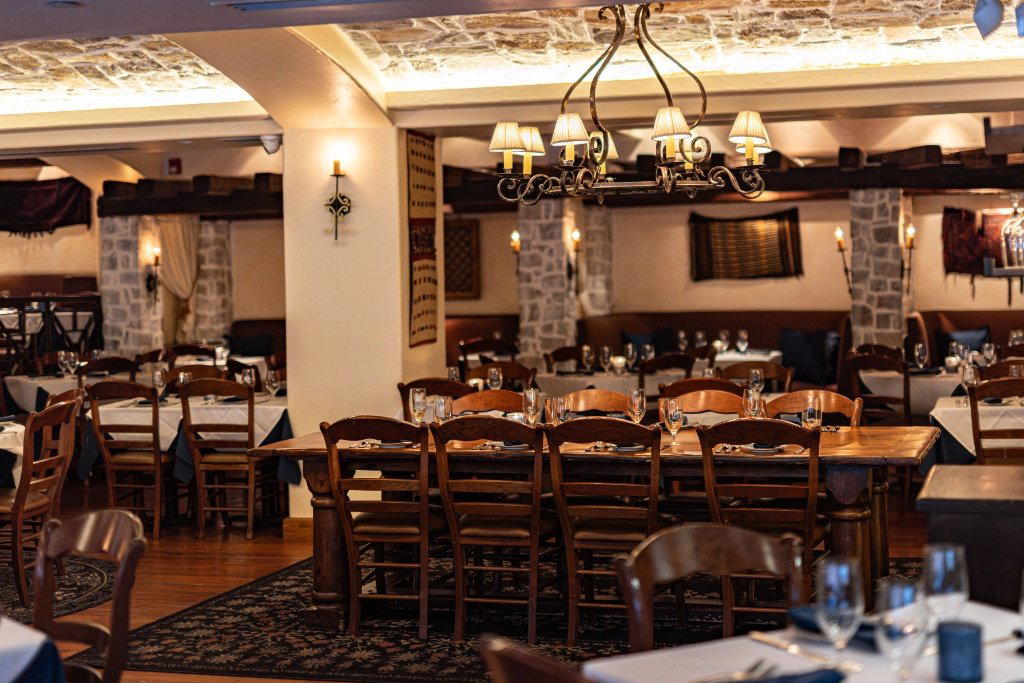
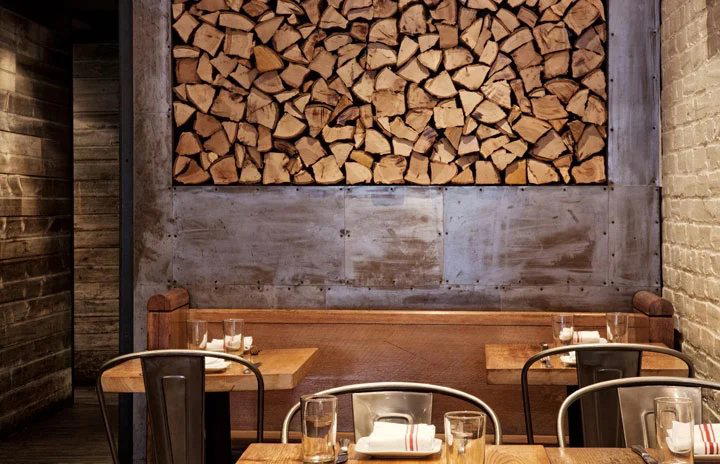
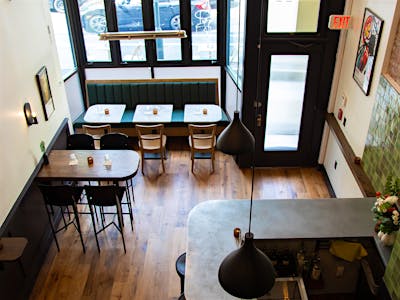
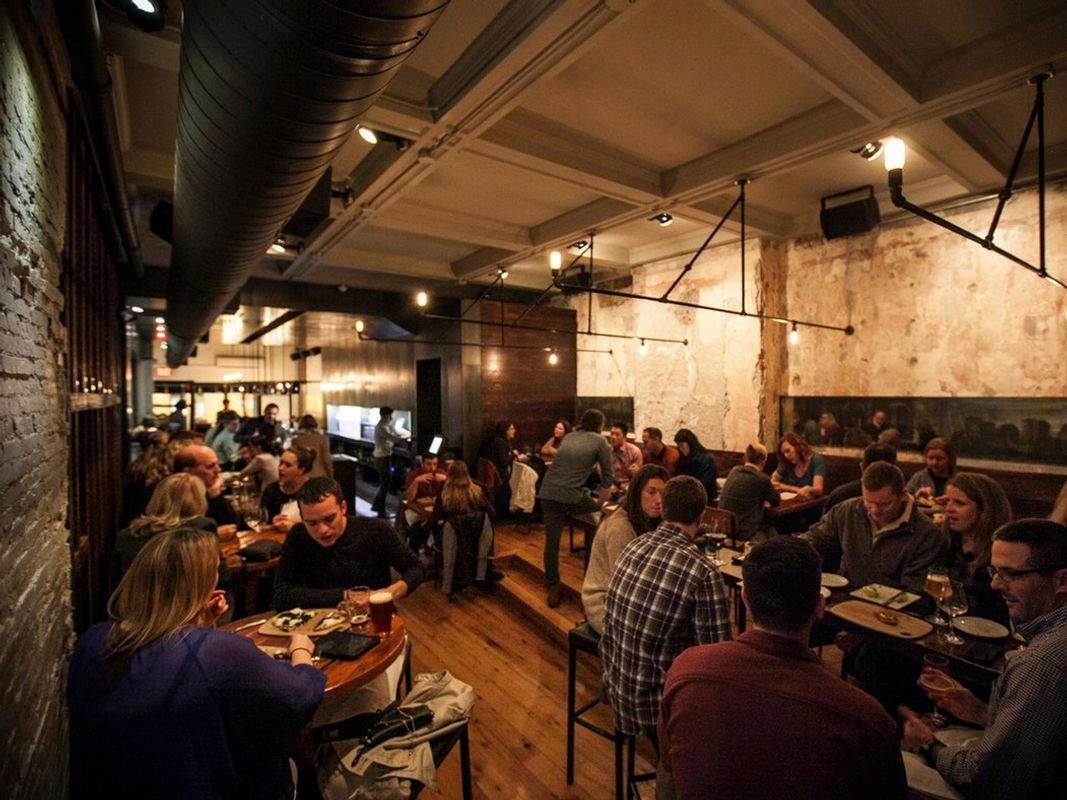
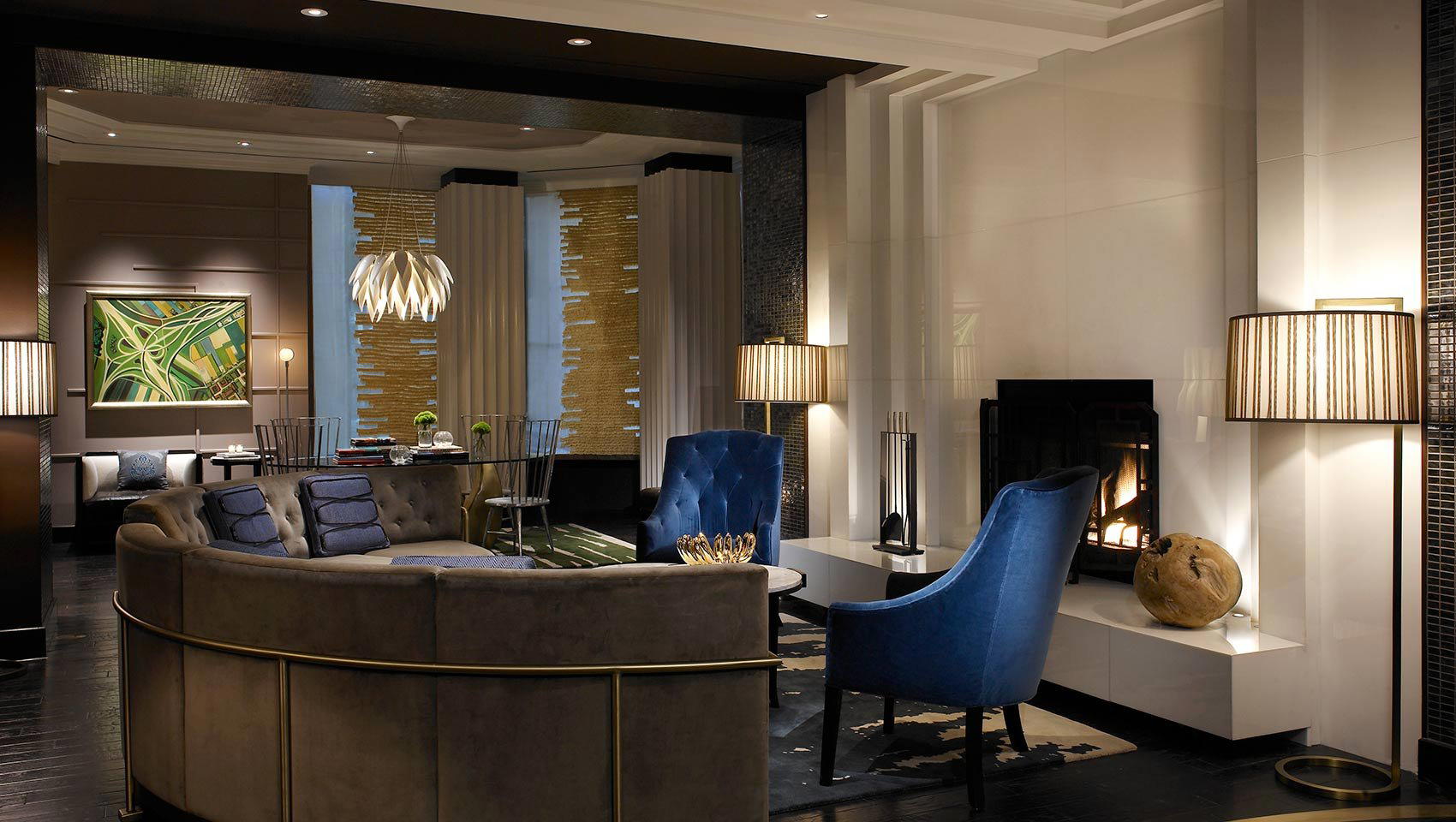
Homelike Mediterranean atmosphere with exposed stone, thick wood tables, and fresh fish display.