South Street Souvlaki
Our verdict
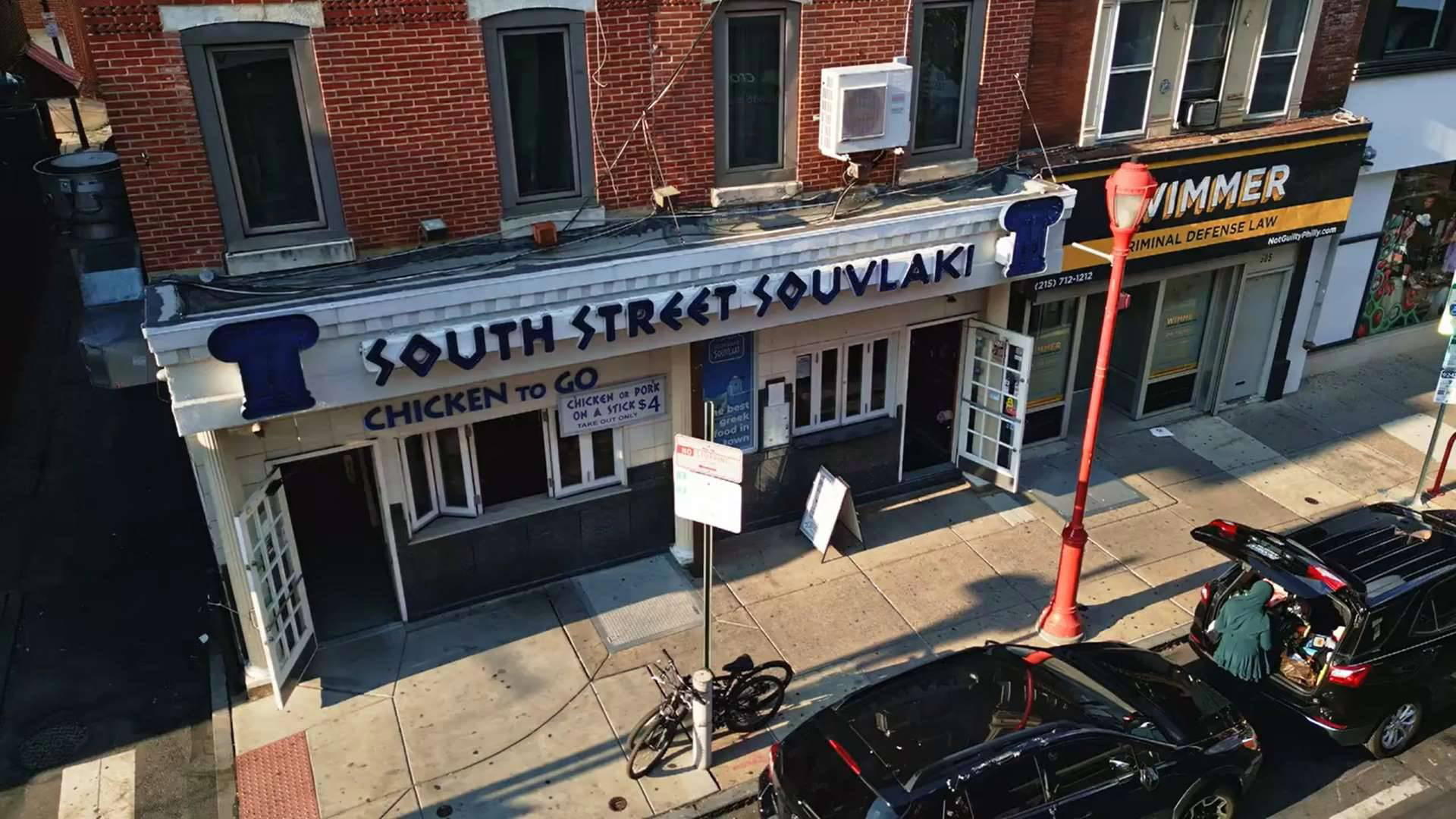
On South Street, one of Philadelphia's most reliably chaotic stretches, South Street Souvlaki has held ground as a straightforward address for Greek fast-casual eating. The souvlaki format, built around skewered and griddled meat tucked into pita with the standard condiment array, connects this block to a tradition that predates every current dining trend in the city.

Pearl is the En Primeur Club membership app — saves, bookings, and concierge access live there. Same editors, same standards.
- Address
- 509 South St, Philadelphia, PA 19147
- Phone
- (215) 925-3026
- Hours
- Mon–Thu 12–9 PMFri–Sat 12–10 PMSun 12–9 PM
- Website
- south-street-souvlaki.com
- Directions
- Get directions
- Booking
- Book on the venue's website
The menu
What to order
- Gyro Platter
- Souvlaki Platter
- Chicken Kebob
Greek Fast-Casual on a Street That Has Seen Everything
South Street has cycled through boutique retail, late-night bars, vintage shops, and art galleries across decades of Philadelphian urban drift. What it has retained, through each wave, is a constituency of people who want to eat quickly, inexpensively, and without ceremony. The souvlaki format, specifically the Greek tradition of skewered grilled meat served in flatbread with tzatziki, onion, and tomato, fits that demand with an efficiency that more trend-sensitive concepts cannot match. South Street Souvlaki, at 509 South St, occupies that position: a counter-service Greek address on a block that rewards directness over elaboration.
The souvlaki itself, as a category, deserves some framing. In Athens and Thessaloniki, souvlaki shops operate as a kind of civic infrastructure, open late, priced for daily use, and evaluated by locals on extremely narrow criteria: the char on the meat, the temperature of the pita, the ratio of tzatziki to bread. The American versions of this format have historically clustered around Greek-American communities in cities like Chicago, Baltimore, and Philadelphia, where the cuisine arrived with waves of Greek immigration through the mid-twentieth century. Philadelphia's South Street address participates in that tradition, serving a format that does not require menu literacy or a reservation, and does not benefit from one.
The Street, the Format, and What They Demand of Each Other
Walking along South Street toward the address, the sensory register is familiar to anyone who has spent time in a mixed commercial corridor: signage competing across storefronts, the smell of grilling meat cutting through colder air, foot traffic that includes local regulars, students from nearby universities, and tourists who have drifted south from the more photographed parts of the city. The souvlaki shop operates within this texture rather than against it. There is no softening of the environment, no design layer meant to distinguish the interior from the street outside. That alignment between format and location is part of what makes the address coherent.
Within Philadelphia's broader Greek-American dining scene, fast-casual souvlaki sits at a different register than the city's more celebrated restaurants. Spots like Fork (New American), Friday Saturday Sunday (New American), and Kalaya operate in the reservation-driven, full-service tier where ingredient sourcing, tasting menus, and chef credentials are the primary points of differentiation. South Street Souvlaki does not compete in that tier. Its competitive set is the group of fast-casual spots where the decisive question is whether the core product is executed with consistency and at a fair price. That is not a lesser standard; it is a different one.
Sourcing, Simplicity, and the Sustainability Case for Simple Menus
The editorial angle on sustainability in food tends to default toward fine dining: the farm-to-table tasting menu, the chef with a named producer relationship, the kitchen that composts and tracks food miles. That framing misses something. Short menus built around a single protein category, served in a format with minimal packaging variation and low waste per cover, often carry a lighter environmental load than elaborate tasting operations with daily changing courses and complex supply chains.
The souvlaki format is structurally conservative in this respect. A menu anchored in pork, chicken, or lamb skewers with a small set of accompaniments requires fewer ingredients, generates less preparation waste, and allows for more precise ordering from suppliers. Venues operating at this format scale have less structural incentive to over-order and fewer surfaces where food loss accumulates. None of this is unique to South Street Souvlaki specifically, but the format itself participates in a kind of unintentional sustainability that more complex kitchen operations have to engineer deliberately. Addresses like Single Thread Farm in Healdsburg and Blue Hill at Stone Barns in Tarrytown have made ethical sourcing a defining credential of their premium positioning. The logic at the fast-casual end of the spectrum is different but worth taking seriously: simplicity, when maintained rigorously, can be its own form of restraint.
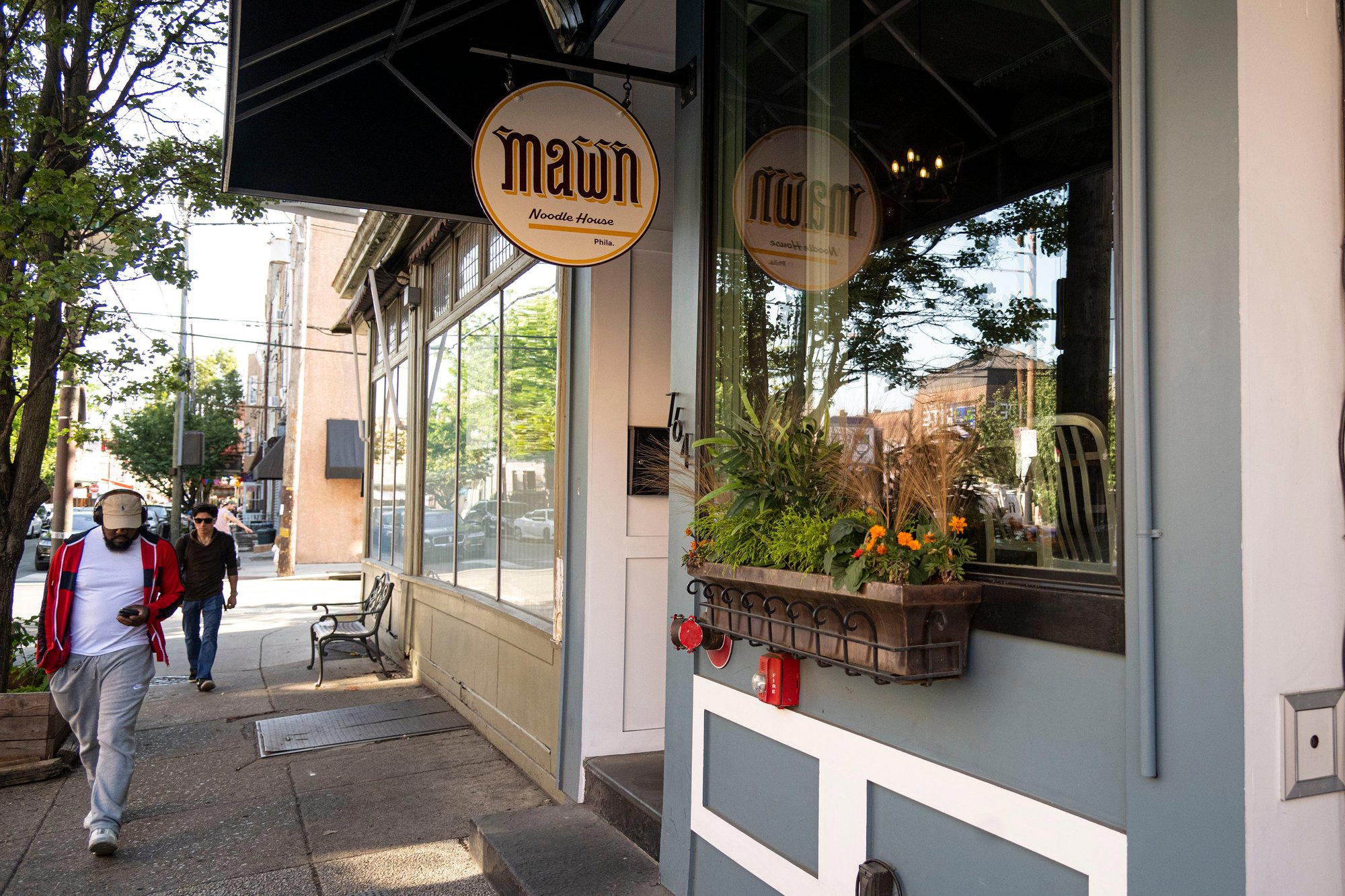
That principle shows up across Philadelphia's food scene in different registers. Mawn (Cambodian, Pan-Asian) and My Loup (French-Inspired) operate at a higher price point and with more elaborate sourcing frameworks, but the underlying argument for focused menus is similar: when a kitchen commits to fewer things, it tends to do those things better and with less waste.
Philadelphia's Fast-Casual Greek in City Context
Philadelphia has a credible Greek-American dining presence, and the South Street corridor has historically been one of the streets where that presence has concentrated. Fast-casual Greek addresses in the city compete on consistency and hours rather than on the kind of credentials tracked by national food media. The comparison venues in this tier, which include other South Philly spots known for Mexican street food and Italian casual formats, confirm that the city's most durable neighborhood addresses tend to serve a narrow product with repetitive precision. For national context, it is worth noting that the format at this address sits at a considerable distance from the tasting-menu operations reviewed in the same editorial ecosystem, including Le Bernardin in New York City, Alinea in Chicago, The French Laundry in Napa, and Providence in Los Angeles. Those addresses are relevant reference points for different decisions. The decision at South Street Souvlaki is simpler: whether you want a souvlaki, and whether this is the block to get one on.
For readers building a fuller picture of Philadelphia dining, the our full Philadelphia restaurants guide maps the city's restaurants across price tiers and neighborhoods, from the South Street corridor through to the more formal addresses in Rittenhouse and Fishtown. Other destinations worth cross-referencing for regional fast-casual context include Emeril's in New Orleans, Lazy Bear in San Francisco, Addison in San Diego, The Inn at Little Washington in Washington, Atomix in New York City, and 8 1/2 Otto e Mezzo Bombana (Hong Kong) in Hong Kong.
Know Before You Go
Address: 509 South St, Philadelphia, PA 19147
Format: Fast-casual Greek, counter service
Reservations: Not applicable for this format
Hours: Not confirmed; verify directly before visiting
Getting there: South Street runs east-west through South Philadelphia; accessible on foot from the Broad Street Line or by rideshare from Center City
Frequently asked questions
Does South Street Souvlaki fit within a wider South Philly Greek-American dining tradition?
South Philadelphia has one of the city's more established Greek-American communities, and the South Street corridor has historically concentrated several Greek casual-dining addresses within a walkable stretch. South Street Souvlaki at 509 South St participates in that neighborhood pattern, operating at the fast-casual end of a cuisine category that also includes sit-down Greek tavernas elsewhere in the city. For visitors building a Greek-American itinerary in Philadelphia, this address represents the street-food end of that spectrum, distinct from the formal restaurant tier reviewed by national food press.
Where the Accolades Land
Comparable venues nearby, for context on price, style, and recognition.
| Venue | Cuisine | Price | Notes |
|---|---|---|---|
| South Street SouvlakiThis venue — the venue you are viewing | Authentic Greek | $20–30 | Not listed |
| Olympia II | Greek Pizza & Specialties | $10–20 | South Street |
| Mixto | Cuban, Latin American & Caribbean | $30–50 | Gayborhood |
| David's Mai Lai Wah | Cantonese Chinese | $20–30 | Chinatown |
| Thanal Indian Tavern | South Indian Tavern | $20–30 | Logan Square |
| Cantina "Calaca" Feliz | Contemporary Mexican | $20–30 | Fairmount |
Continue exploring
More in Philadelphia
Restaurants in Philadelphia
Browse all →
Bars in Philadelphia
Browse all →
Details
- Lively
- Trendy
- Casual Hangout
- Late Night
- Standalone
- A La Carte
- Vegetarian Friendly
Current opening hours
- Monday
- 12–9 PM
- Tuesday
- 12–9 PM
- Wednesday
- 12–9 PM
- Thursday
- 12–9 PM
- Friday
- 12–10 PM
- Saturday
- 12–10 PM
- Sunday
- 12–9 PM
Hours can change for holidays and private events. Last verified .
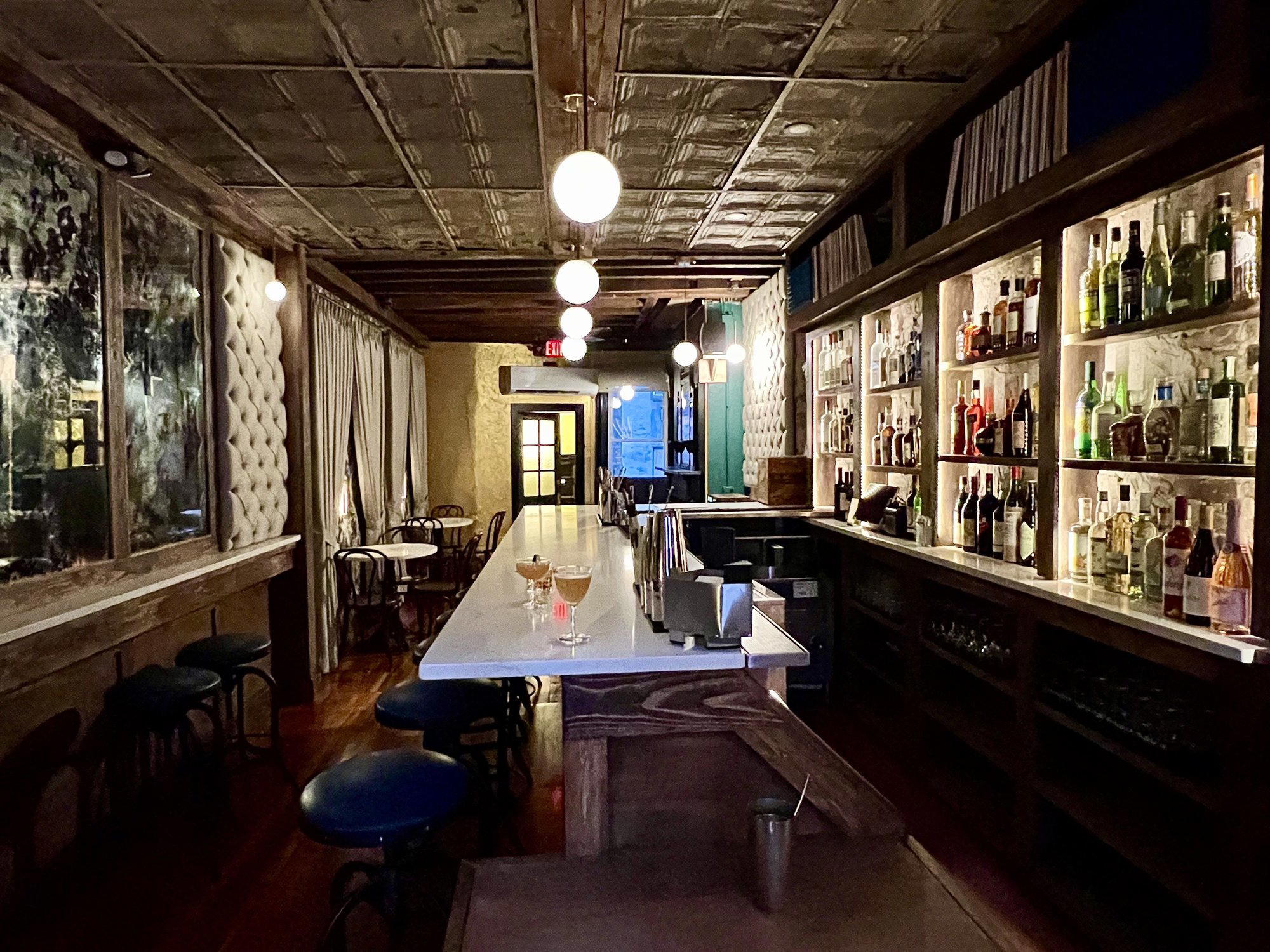
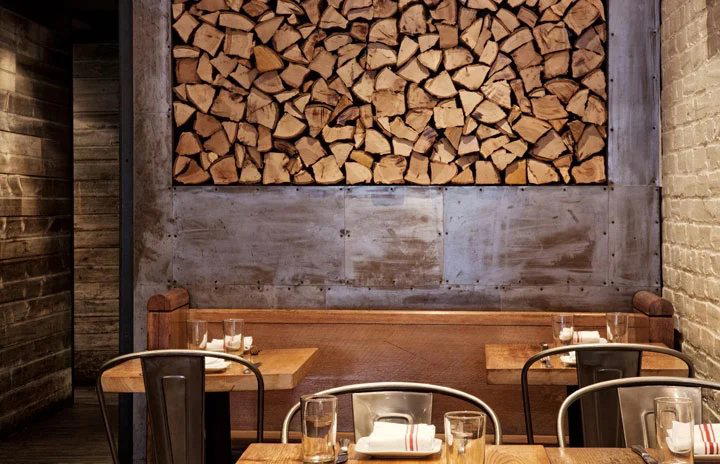
Casual and welcoming atmosphere with table service in a longstanding neighborhood spot.