Essex
Essex occupies a Lower East Side address on Rivington Street where the neighbourhood's immigrant food history and contemporary technique intersect. The restaurant draws from a tradition of cross-cultural cooking that defined the area long before the term became fashionable. For New York dining, it represents the kind of approachable seriousness the Lower East Side has always done better than almost anywhere else in the city.
Pearl is the En Primeur Club membership app — saves, bookings, and concierge access live there. Same editors, same standards.
- Address
- 124 Rivington St, New York, NY 10002
- Phone
- +12125339616
- Website
- essexnyc.com
- Directions
- Get directions
 Saves & bookings on Pearl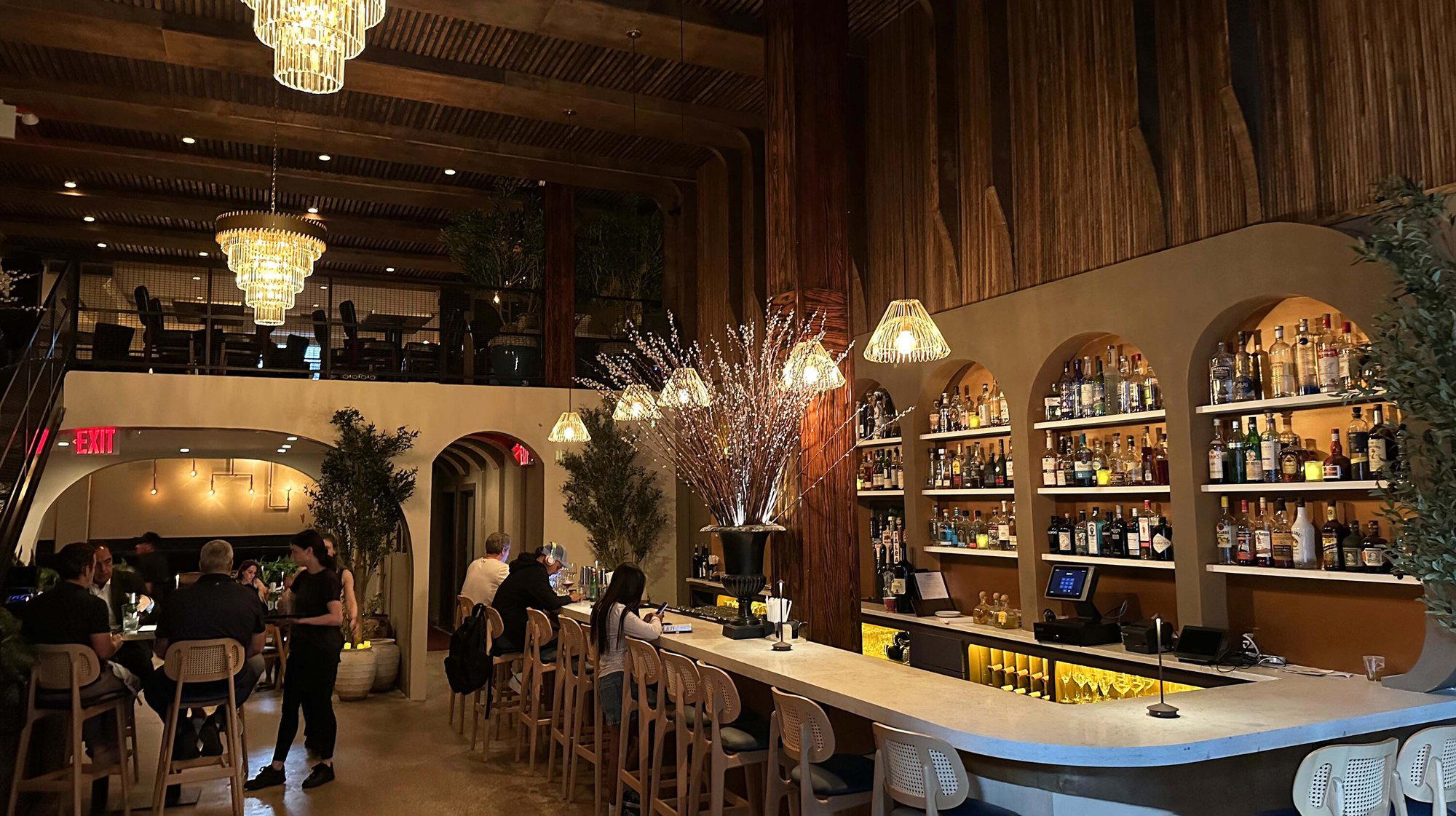
Where the Lower East Side Sets the Terms
Rivington Street has never been a neutral address. For over a century, the blocks between Delancey and Houston functioned as one of New York's most densely layered immigrant food corridors, where Eastern European, Jewish, Latin, and Asian culinary traditions compressed into a few square blocks and, in the process, created something that belonged to none of those traditions individually. Essex, at 124 Rivington St, sits inside that legacy whether it intends to or not. The address carries weight that most Manhattan dining rooms never accumulate regardless of their ambitions.
In the current New York dining conversation, the Lower East Side occupies a distinct tier. The borough's upper bracket is dominated by tasting-menu institutions like Le Bernardin, Atomix, Eleven Madison Park, Masa, and Per Se, all operating within formats that require weeks of advance planning and budgets that reflect their ambitions. The Lower East Side has historically provided the counterweight: restaurants where the cooking is serious but the contract with the diner is less formal, where the neighbourhood itself is part of what you are paying for.
Local Ingredients, Global Technique: A Lower East Side Framework
One instructive frame for understanding what Essex represents is the tension between imported method and local material, a tension the Lower East Side has navigated for generations before fine dining critics arrived to give it a vocabulary. This is a neighbourhood where rye bread, pickled herring, and slow-braised brisket arrived from Central Europe and were almost immediately reinterpreted through the produce and pressure of New York street life. The result was not fusion in the contemporary marketing sense, but something more organic: technique migrating to new ingredients, new ingredients reshaping technique.
That pattern has continued into the current era. Across American cities, restaurants operating at the intersection of global cooking tradition and regional product have become a recognizable category. Lazy Bear in San Francisco applies haute technique to California forage traditions. Single Thread Farm in Healdsburg runs Japanese kaiseki structure through Northern California's agricultural calendar. Smyth in Chicago grounds its tasting menu in Midwest product while applying precision that reads as European. Blue Hill at Stone Barns in Tarrytown has built its entire identity around the argument that American terroir deserves the same kind of attentiveness that European fine dining gives its regional ingredients. Essex, on Rivington Street, operates in a neighbourhood where that argument predates the phrase.
The Neighbourhood as Culinary Context
Understanding Essex requires understanding what the Lower East Side has become in the past decade. The area absorbed a wave of bar and restaurant openings in the 2010s that skewed young and experimental, producing a scene more interested in natural wine and fermentation programs than in classical knife technique. That wave has since consolidated. What remains is a neighbourhood with real dining depth: kitchens that have survived New York's brutal attrition rate and have developed a relationship with a local clientele that differs from the tourist-facing restaurants of Midtown or the occasion-dining rooms of the Upper West Side.
Rivington Street specifically has maintained a character that resists the full gentrification of its culinary identity. The Essex Street Market, which operated for decades as a public market serving the neighbourhood's immigrant communities before relocating to Essex Crossing, is one concrete example of how food infrastructure shapes a street's dining culture over time. Restaurants on and around Rivington absorb that context by proximity, if not always by intention.
Placing Essex in a National Frame
It is not operating in the register of destination restaurants like The French Laundry in Napa, Addison in San Diego, or The Inn at Little Washington, where the restaurant is the entire reason for the trip. Nor does it sit in the category of chef-driven destination projects like Emeril's in New Orleans or Providence in Los Angeles, where a single figure's biography and philosophy anchor the dining room's identity.
Instead, Essex occupies the kind of position that New York does particularly well: a neighbourhood restaurant with ambitions that exceed its category, operating in a location where the street itself generates part of the experience. The international analogue would be something like Frasca Food and Wine in Boulder, which built its reputation on regional specificity and technique rather than tasting-menu spectacle, or Dal Pescatore in Runate, where location and ingredient sourcing create an identity that no amount of chef biography could replicate. The closest European parallel in the technique-meets-territory conversation might be Atelier Moessmer Norbert Niederkofler in Brunico, where Alpine ingredients are handled with a precision more commonly associated with kitchens in Paris or Copenhagen.
Planning Your Visit
Address: 124 Rivington St, New York, NY 10002, in the Lower East Side between Essex and Ludlow Streets. The nearest subway access is the Delancey St/Essex St station on the F, M, J, and Z lines, approximately two blocks south. The Lower East Side is most active from Thursday through Saturday evenings; weeknight visits tend to produce a more neighbourhood-facing crowd and a quieter room.
Cuisine Lens
Comparable venues nearby, for context on price, style, and recognition.
| Venue | Cuisine | Price | Notes |
|---|---|---|---|
| EssexThis venue — the venue you are viewing | Mediterranean Steakhouse | $$$ | Not listed |
| Bubo | Modern Mediterranean Small Plates | $$$ | Murray Hill-Kips Bay |
| Marlow Bistro | Modern Mediterranean Bistro | $$$ | Morningside Heights |
| Zaytinya | Eastern Mediterranean Mezze | $$$ | Midtown South-Flatiron-Union Square |
| ZOI Mediterranean Cuisine | Modern Mediterranean & Asian Fusion | $$$ | Midtown South-Flatiron-Union Square |
| Queen | Mediterranean | $$ | Brooklyn Heights |
Continue exploring
More in New York City
Restaurants in New York City
Browse all →
Bars in New York City
Browse all →
Hotels in New York City
Browse all →




At a Glance
- Lively
- Trendy
- Energetic
- Brunch
- Group Dining
- Celebration
- Casual Hangout
- Open Kitchen
- Historic Building
- Craft Cocktails
Current opening hours
- Monday
- 5–11 PM
- Tuesday
- 5–11 PM
- Wednesday
- 5–11 PM
- Thursday
- 5 PM–12 AM
- Friday
- 5 PM–2 AM
- Saturday
- 11 AM–2 AM
- Sunday
- 11 AM–11 PM
Hours can change for holidays and private events. Last verified .
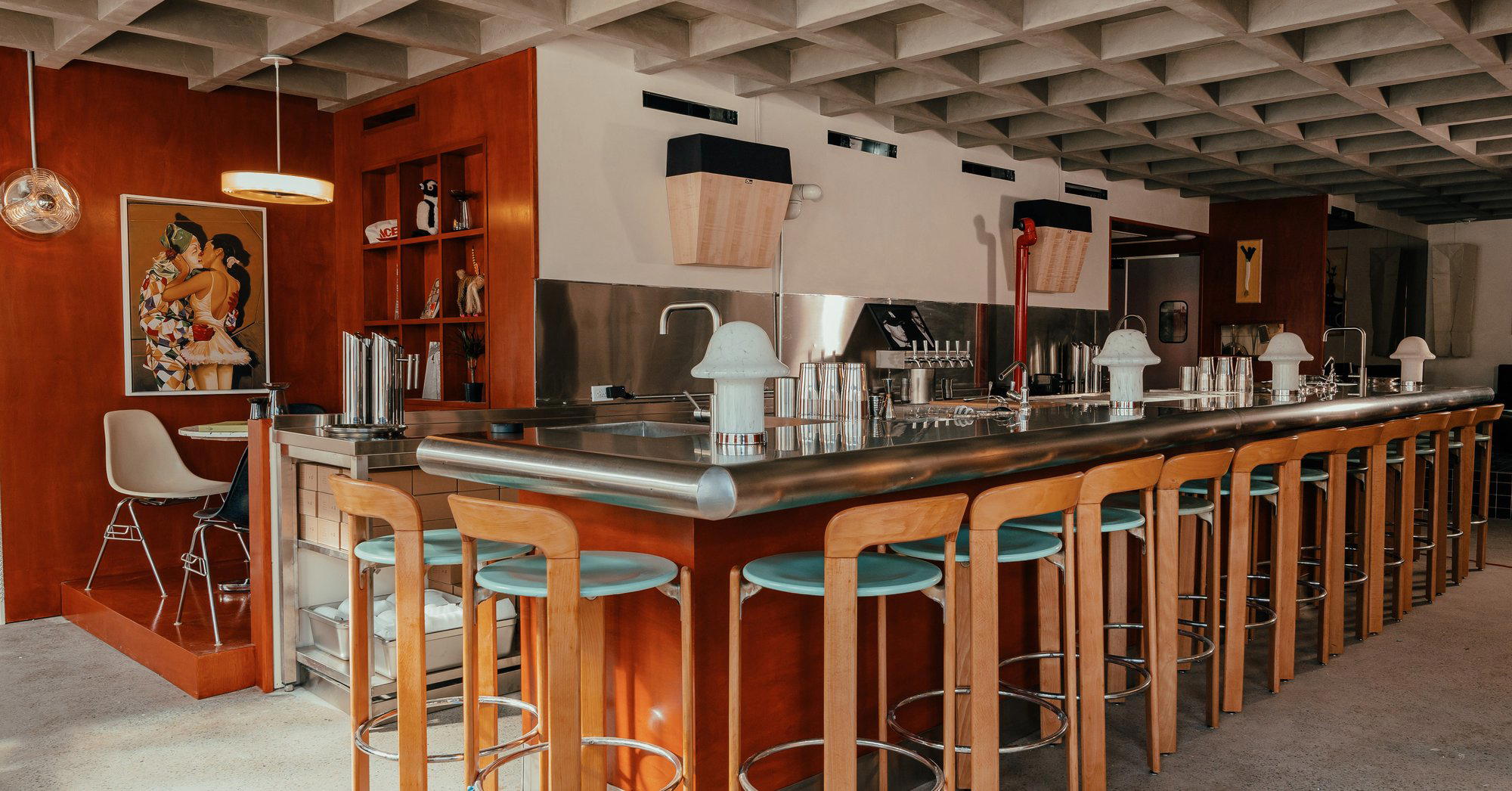
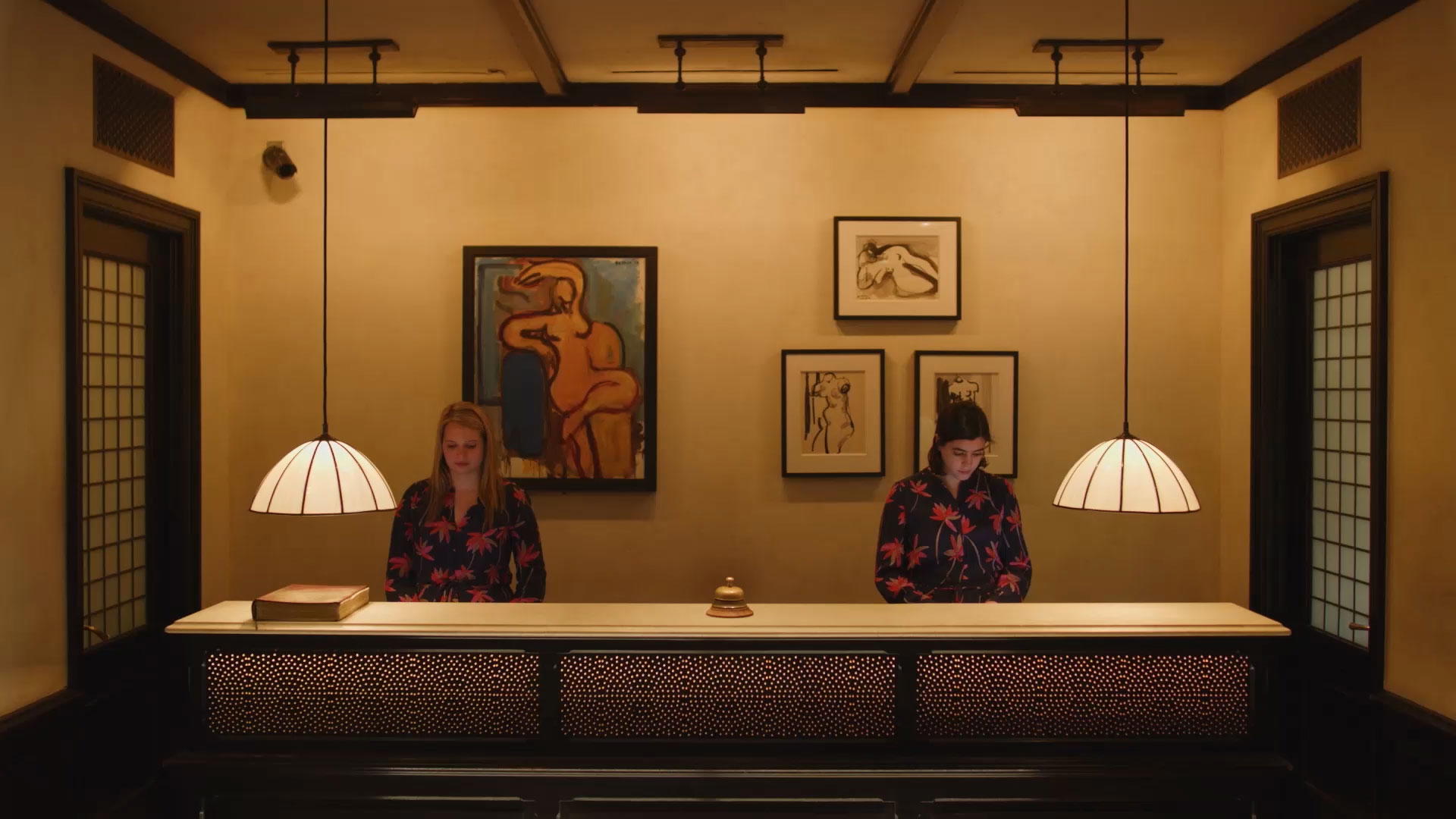
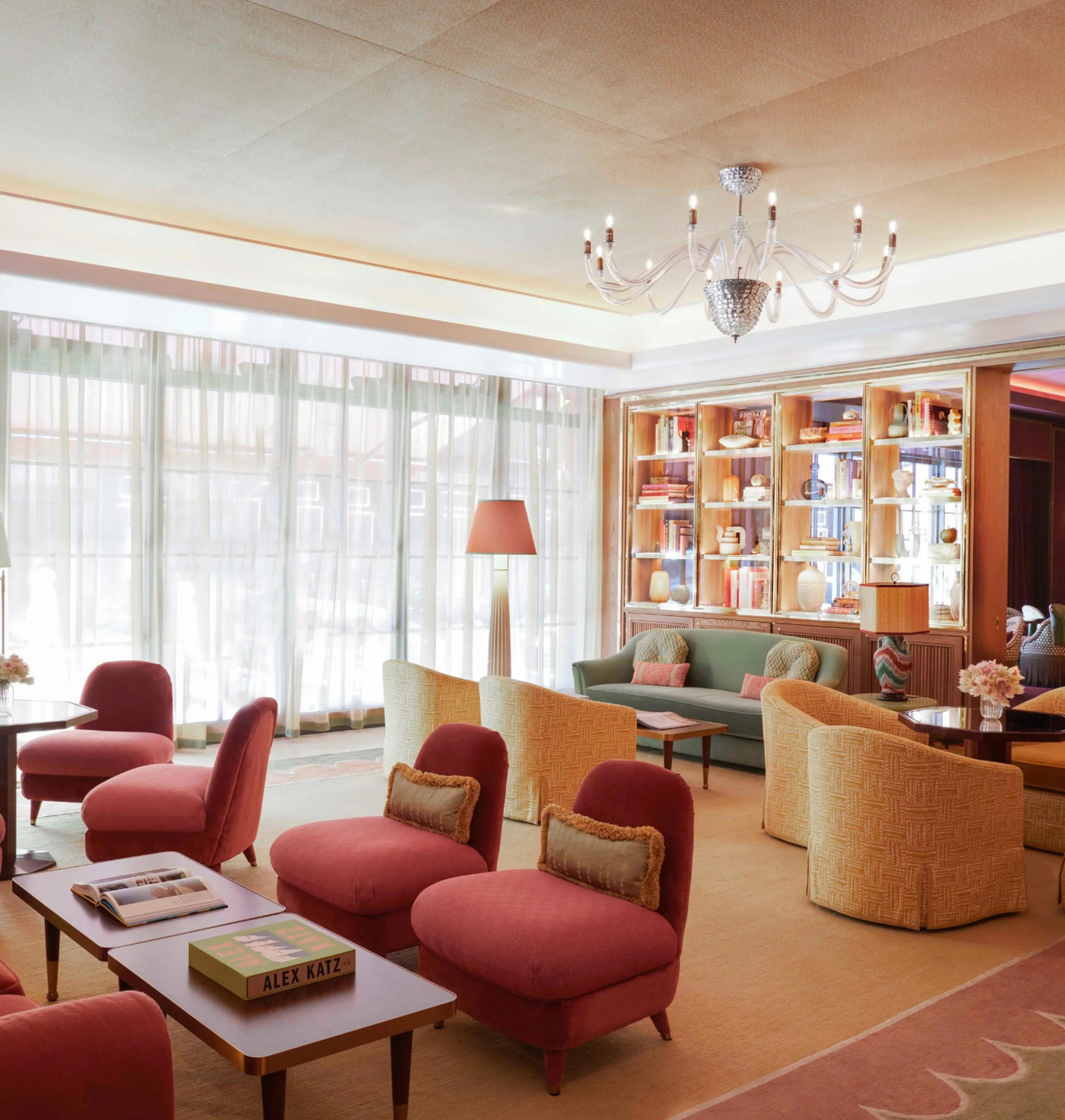
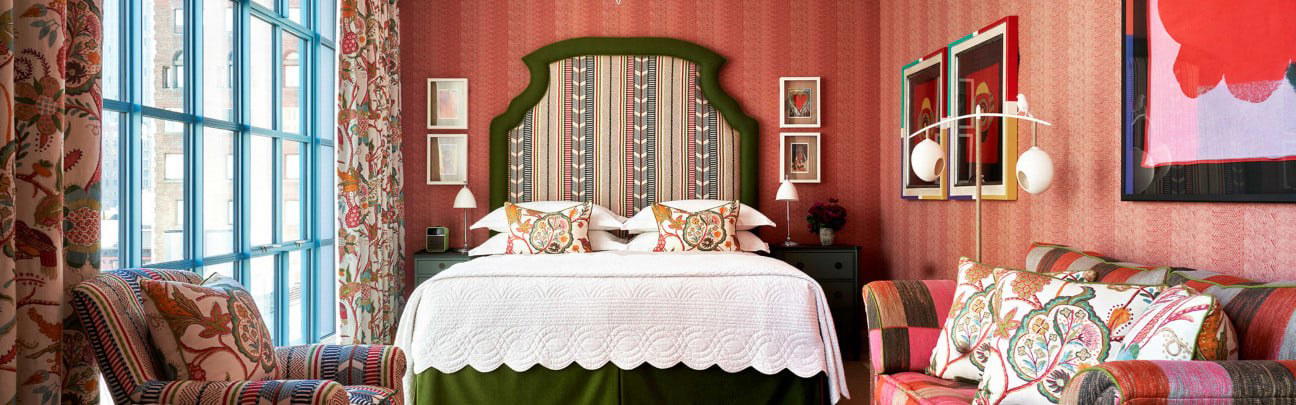
Loft-like multi-level space with festive energy, intimate balcony seating, and lively bar scene.