ZOI Mediterranean Cuisine
ZOI Mediterranean Cuisine occupies a mid-block address on West 31st Street in Manhattan's Koreatown corridor, offering a Mediterranean menu in a neighborhood better known for its Korean dining density. The restaurant sits in a price tier and culinary category that gives it room to operate differently from the tasting-menu heavyweights nearby, making it a practical and considered choice for those after something grounded in the flavors of the broader Mediterranean basin.
Pearl is the En Primeur Club membership app — saves, bookings, and concierge access live there. Same editors, same standards.
- Address
- 19 W 31st St, New York, NY 10001
- Phone
- +19179949463
- Website
- zoinomad.com
- Directions
- Get directions
 Saves & bookings on Pearl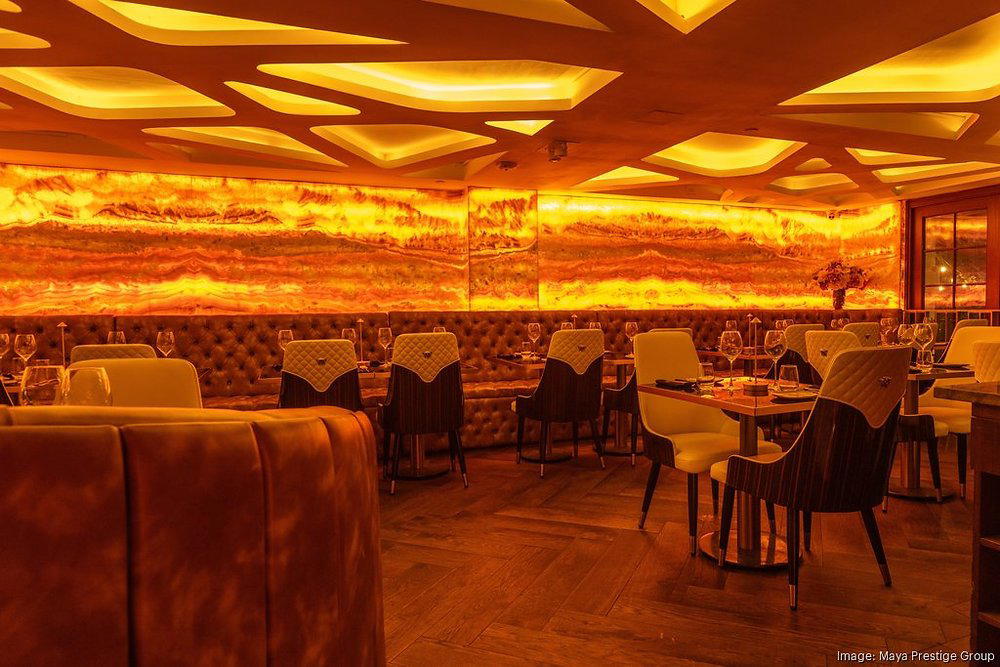
Mediterranean in Midtown: Reading the Room Before You Order
ZOI Mediterranean Cuisine is a modern Mediterranean and Asian fusion restaurant in Midtown Manhattan at 19 W 31st St, New York, NY 10001, with. West 31st Street in Manhattan sits in one of the city's more idiosyncratic dining corridors, where Korean BBQ houses and late-night pojangmacha-style spots define the block character. Into that context, ZOI Mediterranean Cuisine arrives as something of a counterpoint, a kitchen working a culinary tradition that runs from the Levant through Greece and North Africa rather than the peninsula's eastern shore. That combination of location and cuisine type is worth sitting with, because it shapes the entire experience.
Mediterranean cooking in New York has historically been sorted into two commercial registers. On one end, you have the high-production Aegean-concept restaurants in Midtown and the Meatpacking District, where the room is designed to evoke whitewashed walls and the menu reads like a scenic highlight reel of the region's greatest hits. On the other, there are the neighborhood-level spots in Astoria, Bay Ridge, and parts of the Bronx that operate closer to the domestic cooking traditions of diaspora communities. ZOI at 19 W 31st Street occupies neither of those brackets cleanly, which makes it worth placing in its own context before you commit to a table.
The Physical Container and What It Signals
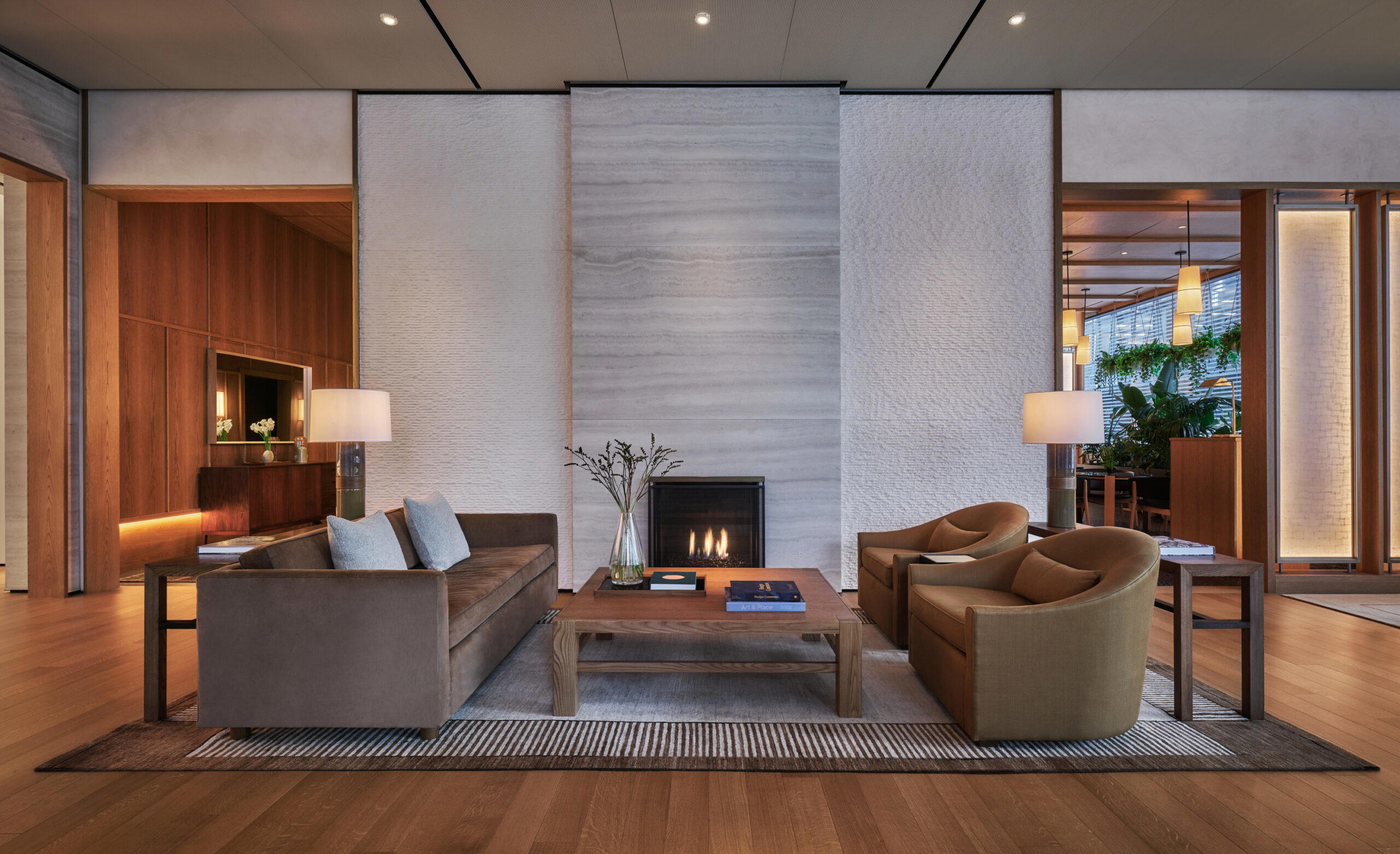
Interior design in this part of Midtown tends to follow one of two logics: the compressed efficiency of spaces built for high-turnover lunch crowds, or the more deliberate investment of restaurants targeting dinner-focused guests who will stay for two hours. The design register a restaurant chooses here communicates a great deal about which customer it is actually serving. A space built around warm materials, considered lighting, and seating arrangements that allow for conversation signals an intent to hold the room; a room organized around volume signals something else entirely.
For a Mediterranean kitchen in particular, the physical environment functions as part of the argument. The tradition being referenced, carries embedded associations with gathering, shared plates, and extended meals. A room that contradicts those associations by cramming covers too close together or keeping the lighting at office-ceiling levels undercuts the register the menu is trying to establish. The better Mediterranean rooms in New York, from the taverna-format spots in Astoria to the more polished Levantine concepts in Lower Manhattan, understand that the container has to do some of the work the geography normally does.
ZOI's West 31st Street address places it adjacent to the Herald Square retail zone, which drives a specific kind of foot traffic during the day that shifts meaningfully toward neighborhood diners and intentional restaurant-goers by evening. That shift in room composition across dayparts is a consistent feature of this stretch of Midtown, and restaurants that program their menus and service models accordingly tend to read more coherently than those that try to serve every hour with the same approach.
Placing ZOI Against the Broader New York Scene
New York's highest-profile restaurant tier currently centers on a cluster of venues with Michelin recognition and tasting-menu formats. Le Bernardin, Atomix, Masa, Per Se, and Jungsik New York define the city's most expensive and most scrutinized end of the market. ZOI operates at a different register entirely, one where the value proposition rests on cuisine type, neighborhood accessibility, and a dining format that is closer to the shared-plate Mediterranean tradition than the structured tasting-menu genre.
That distinction matters for how you should plan around a visit. Restaurants in ZOI's general category tend to reward group bookings more than solo or two-leading visits, because Mediterranean cooking at its most coherent involves multiple dishes arriving across a stretched timeline. The comparative logic shifts too: you are not pricing ZOI against Per Se or Masa, but against the broader category of mid-register Mediterranean and Middle Eastern restaurants across Manhattan, a group that has grown considerably in the past five years as Levantine and eastern Mediterranean cooking has moved from specialty-niche into mainstream Manhattan dining.
For comparison across the country, the Mediterranean-influenced or produce-driven format has produced some of the more interesting rooms outside New York as well. Blue Hill at Stone Barns in Tarrytown works the seasonal-produce logic from a farm-to-table angle; Single Thread Farm in Healdsburg does something similar with Japanese-inflected precision. Further afield, Providence in Los Angeles and Addison in San Diego both demonstrate what a rigorous kitchen can do with coastal and Mediterranean-adjacent sourcing. Closer to home, The French Laundry in Napa, Alinea in Chicago, Lazy Bear in San Francisco, and Emeril's in New Orleans each represent the tasting-menu and chef-driven end of the American dining scene that occupies a different lane than where ZOI operates. The Inn at Little Washington, Bacchanalia in Atlanta, and internationally, 8½ Otto e Mezzo Bombana in Hong Kong and Alain Ducasse at Louis XV in Monte Carlo represent the furthest reaches of the fine-dining Mediterranean and European tradition. ZOI sits at a more accessible coordinate on that map, which is not a criticism but a useful orientation for anyone planning a broader New York evening that might include drinks elsewhere on the block.
Planning Your Visit
That proximity makes the restaurant a logical anchor for an evening that starts or ends with a journey through Penn Station, whether you are coming from New Jersey, Long Island, or connecting from another borough.
Frequently Asked Questions
- What should I order at ZOI Mediterranean Cuisine?
- Mediterranean menus in this price tier tend to organize around shared cold and hot starters followed by larger proteins and grain-based dishes. The practical approach is to order across several categories rather than treating it as a single-plate dinner, which is how the cuisine tradition functions at its most coherent. If there are Levantine or eastern Mediterranean preparations on the menu, those tend to be where kitchens in this genre distinguish themselves from the more generic Greek-American format that dominated the category a decade ago.
- Is ZOI Mediterranean Cuisine reservation-only?
- For any Midtown Manhattan restaurant in this category, booking ahead is the reliable approach. The Herald Square and Penn Station corridor generates unpredictable walk-in volume, particularly on weekday evenings and weekend afternoons when retail and transit traffic spills into the dining blocks. If you are planning around a specific time, a reservation removes the variable. Reservations are recommended.
- What is the defining dish or idea at the restaurant?
- The organizing idea of Mediterranean cooking, across its many national variants, is that the whole table is the unit of measure rather than the individual plate. Kitchens that execute this well tend to show it in the balance of their menu structure, with spreads, grain dishes, and vegetable preparations given as much structural weight as the proteins. At ZOI, the Mediterranean designation points toward a cuisine tradition that prizes olive oil, legumes, fresh herbs, and char as foundational techniques rather than decorative ones.
- How does ZOI fit into New York's current eastern Mediterranean dining scene?
- Eastern Mediterranean and Levantine cooking has moved from a specialty niche into one of Manhattan's more active restaurant categories over the past five years, with new openings appearing across Midtown, the West Village, and NoMad. ZOI's address on West 31st places it within reach of that broader momentum, positioning it as part of a cuisine category that now draws comparisons across a wider competitive set than the Greek-American restaurants that historically defined Mediterranean dining in New York. For travelers already familiar with the tradition through cities like Beirut, Athens, or Istanbul, the reference points will be recognizable.
- Manti
- Branzino Fillet
- Whole Branzino
- Seafood Cavatelli
- Mezze plates
- Lamb Shank Begendi
Peers Worth Knowing
Comparable venues nearby, for context on price, style, and recognition.
| Venue | Cuisine | Price | Notes |
|---|---|---|---|
| ZOI Mediterranean CuisineThis venue — the venue you are viewing | Modern Mediterranean & Asian Fusion | $$$ | Not listed |
| TESSA | Modern Mediterranean | $$$ | Upper West Side (Central) |
| Pera Mediterranean Brasserie | Eastern Mediterranean Brasserie | $$$ | Midtown-Times Square |
| Olive Tree Cafe | Mediterranean & American | $$ | Greenwich Village |
| Mezze on the River | Modern Mediterranean Seafood | $$$ | Financial District-Battery Park City |
| Iris Aegean | Modern Aegean Mediterranean | $$$ | Midtown-Times Square |
Continue exploring
More in New York City
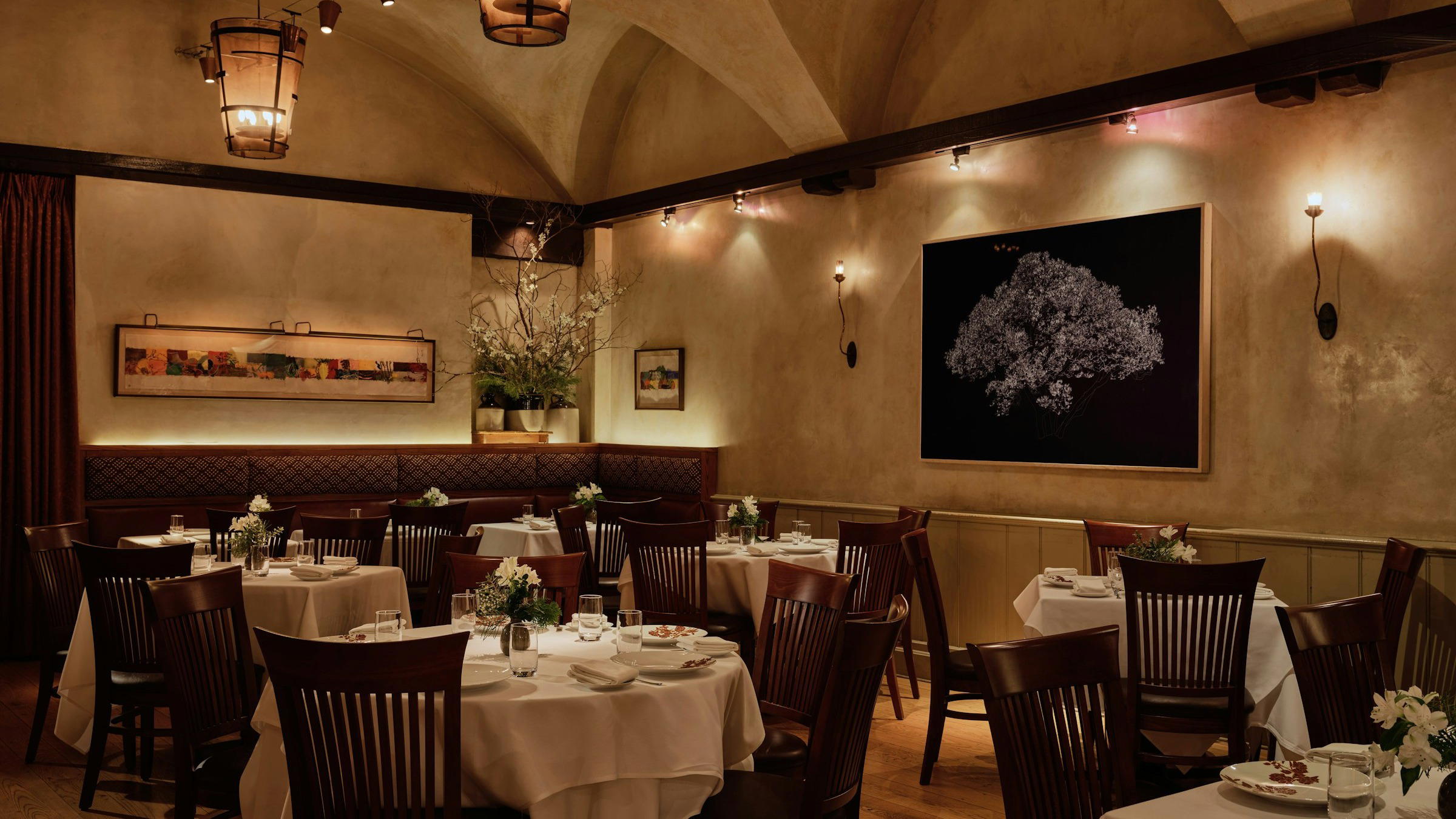
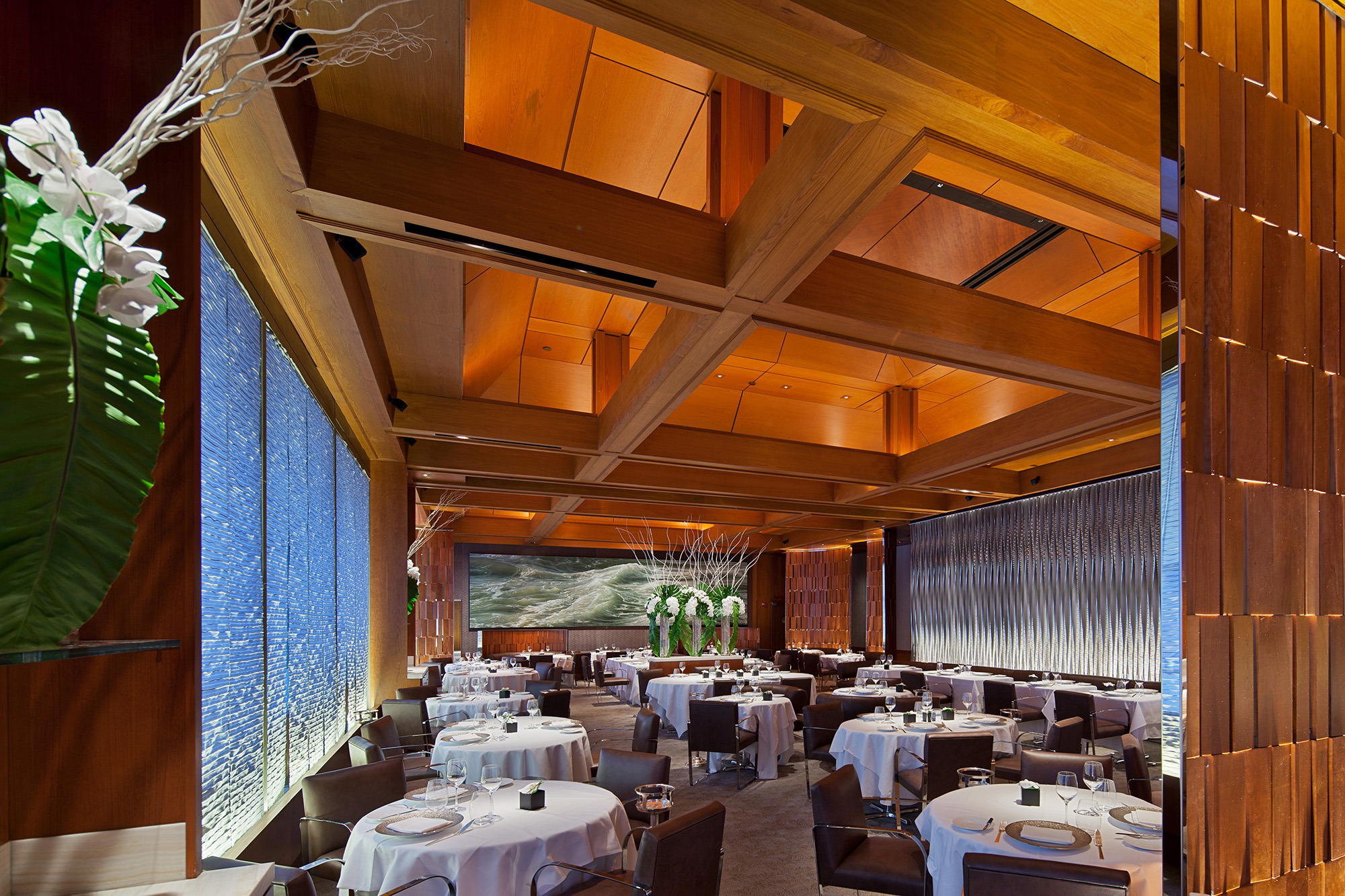
Restaurants in New York City
Browse all →
Bars in New York City
Browse all →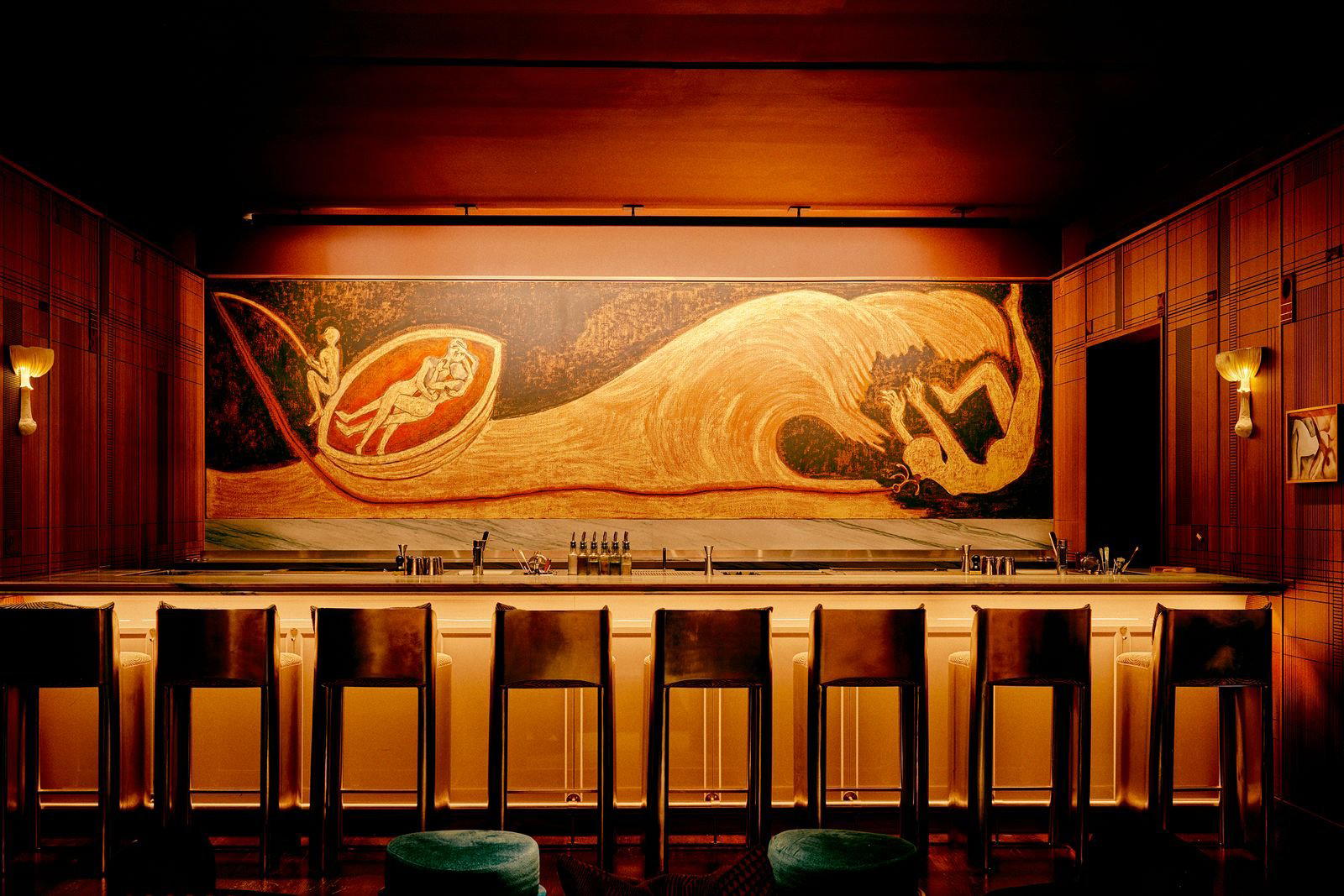
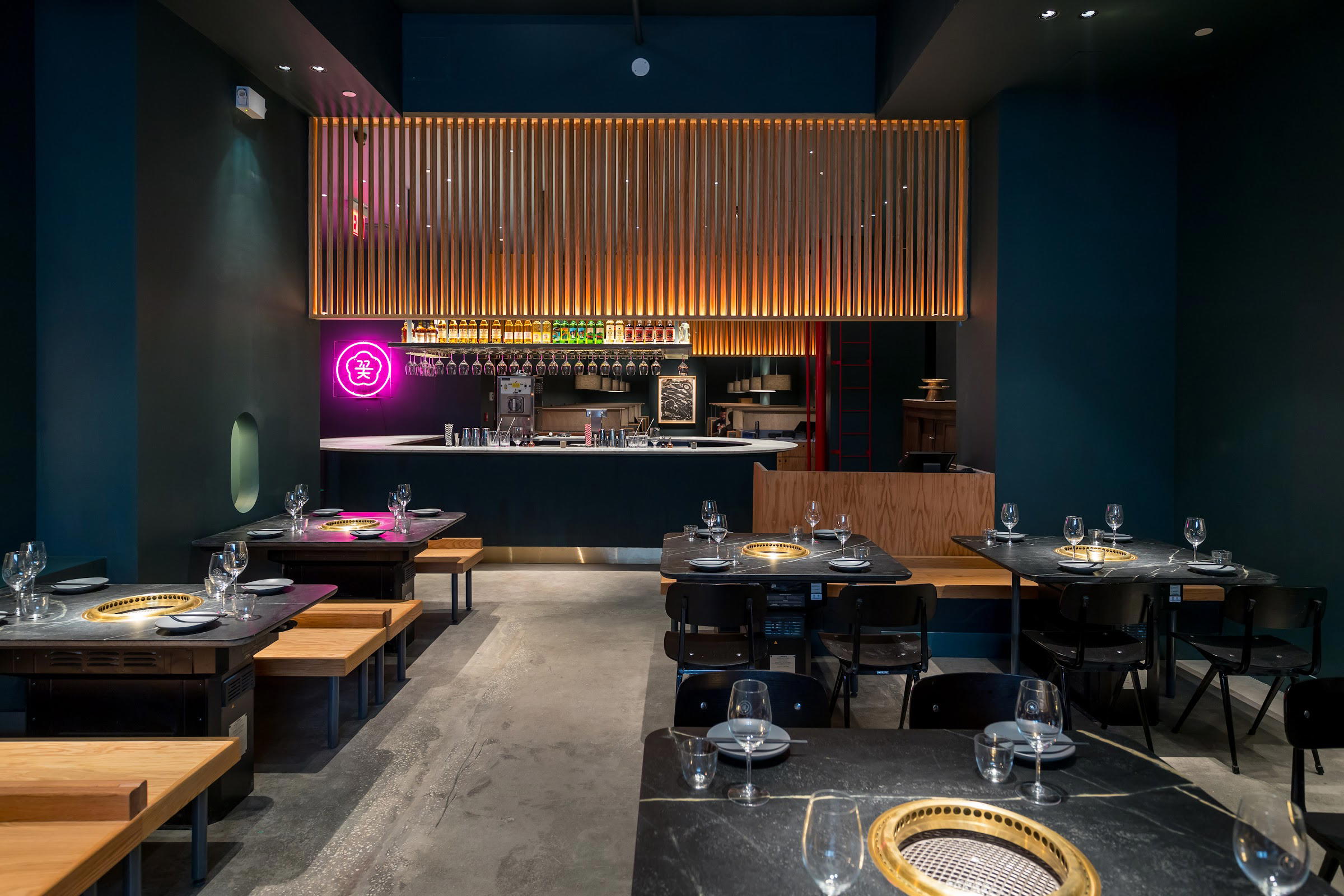
Hotels in New York City
Browse all →




At a Glance
- Elegant
- Lively
- Modern
- Sophisticated
- Date Night
- Group Dining
- Celebration
- Brunch
- Business Dinner
- Live Music
- Hotel Restaurant
- Design Destination
- Craft Cocktails
- Extensive Wine List
Current opening hours
- Monday
- 11:30 AM–11 PM
- Tuesday
- 11:30 AM–11 PM
- Wednesday
- 11:30 AM–11 PM
- Thursday
- 11:30 AM–12 AM
- Friday
- 11:30 AM–1 AM
- Saturday
- 10 AM–1 AM
- Sunday
- 10 AM–11 PM
Hours can change for holidays and private events. Last verified .
Sophisticated yet welcoming atmosphere with pink marbled interiors, bright teal accents, and live entertainment including saxophone and belly dancers creating lively energy without overwhelming conversation.