Named after the Moroccan port city, Essaouira at 16 Rue de Magdebourg positions itself within the 16th arrondissement's quieter, occasion-led dining circuit, distinct from the grand-palace formality of nearby Ledoyen or Le Cinq. For Paris diners seeking a meal tied to a specific moment rather than a trophy reservation, its address places it at the intersection of neighbourhood discretion and deliberate dining.
Pearl is the En Primeur Club membership app — saves, bookings, and concierge access live there. Same editors, same standards.
- Address
- 16 Rue de Magdebourg, 75116 Paris, France
- Phone
- +33147275728
- Website
- essaouira-paris.fr
- Directions
- Get directions
 Saves & bookings on Pearl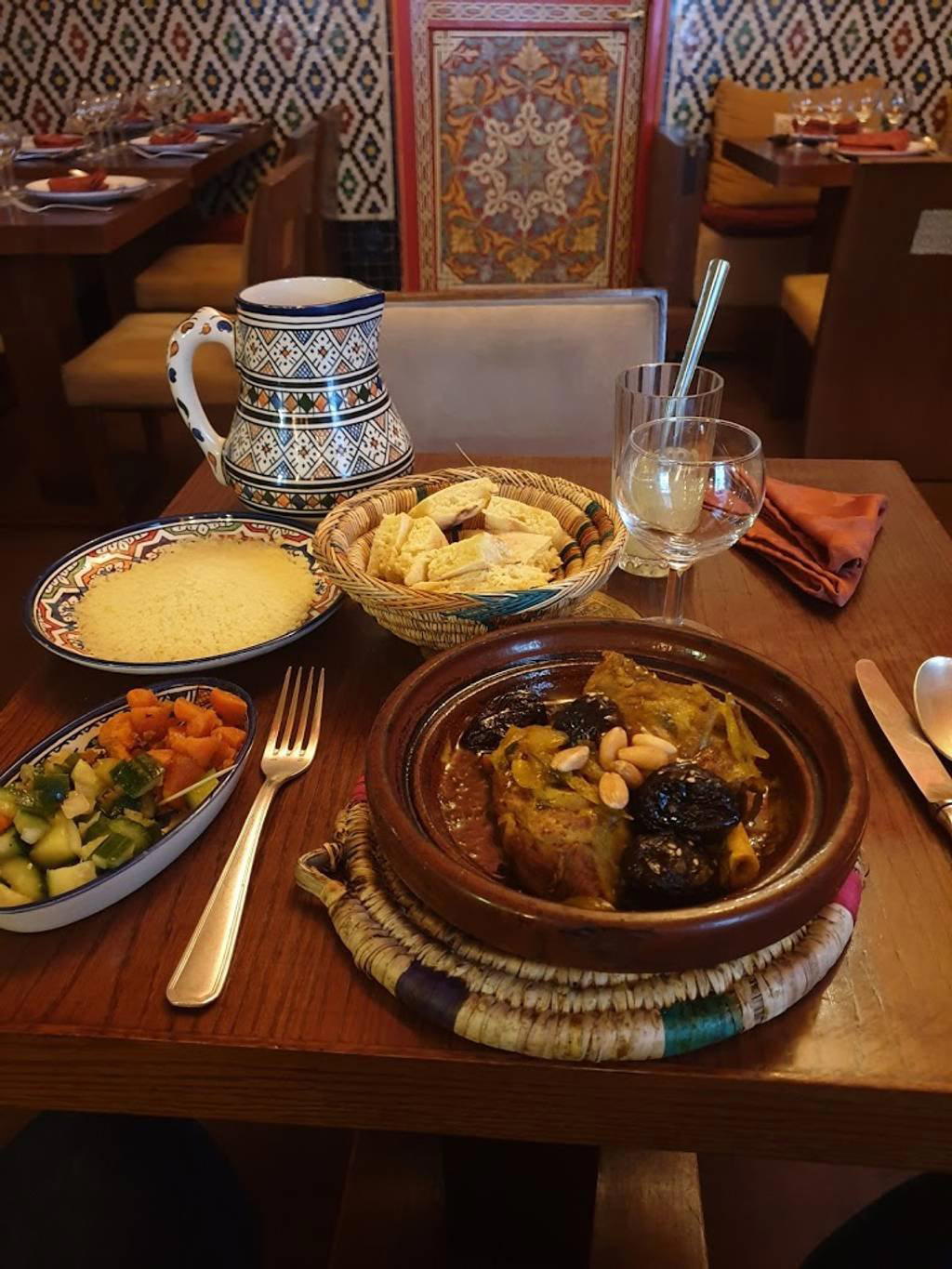
The 16th's Occasion-Dining Register
Paris's 16th arrondissement has long operated on a different frequency from the city's more theatrically ambitious dining districts. Where the 8th deals in grand-hotel dining rooms and three-Michelin-star spectacle, venues like Le Cinq at the Four Seasons George V and Alléno Paris au Pavillon Ledoyen carrying the weight of institutional prestige, the 16th tends toward a more residential register: rooms where Parisians bring their own occasions rather than inherit the occasion from the venue's reputation. Essaouira, at 16 Rue de Magdebourg, sits within that quieter tier, on a street that draws a local clientele rather than out-of-towners working through a starred checklist.
The name itself is a signal. Essaouira, the Moroccan Atlantic port city known for its medina, its wind, and its centuries of cross-cultural trade, carries a specific cultural weight. In Paris, where North African culinary traditions have shaped the city's eating habits more substantially than most formal guides acknowledge, naming a restaurant after that city is a position, not mere decoration. It places the venue within a lineage of French-Moroccan dining culture that sits well outside the tasting-menu orthodoxy of Arpège or Kei, and closer to the kind of table where food is the medium for a shared evening rather than the evening's primary subject.
What Occasion Dining Looks Like at This Address
In cities where starred restaurants have become booking achievements as much as dining experiences, there is a distinct market for rooms that feel weighted toward the guest's event rather than the restaurant's own mythology. France's most celebrated destination tables, from Mirazur in Menton to Flocons de Sel in Megève and the generational institution of Paul Bocuse outside Lyon, earn their occasion status through accumulated renown. Neighbourhood addresses like Essaouira earn it differently, through proximity, consistency, and the kind of room that does not demand to be talked about afterward.
That distinction matters when you are planning a meal around something other than the restaurant itself. Anniversary dinners, family reunions, professional celebrations: all of these function better in rooms that absorb the event rather than compete with it. The 16th, with its wide avenues, its relative quiet, and its predominantly residential character, has historically supported this kind of dining in a way that, say, the Marais or Saint-Germain increasingly cannot, as those districts have tilted toward tourist volume and bar-driven street energy.
The address on Rue de Magdebourg, within reach of the Trocadéro axis, is a sensible choice for a milestone dinner that requires neither the formality of L'Ambroisie on Place des Vosges nor the trek that restaurants like Troisgros in Ouches, Bras in Laguiole, or Auberge de l'Ill in Illhaeusern require. For diners already based in the 16th or arriving from the western suburbs, it removes the logistical overhead that can dull the edge of a special evening.
The Broader Context: North African Dining in Paris
Any serious reading of Paris's restaurant culture has to account for the city's deep, sustained engagement with North African cuisine. Moroccan cooking in particular, with its layered spicing, its slow-cooked braises, its facility with both savoury and sweet registers within a single dish, has developed a substantial audience in Paris that extends well beyond the immigrant communities who established it. The city now has a range of Moroccan-influenced addresses operating across different price and format tiers, from casual neighbourhood tagine houses to more polished rooms that position themselves for the occasion-dining market.
Essaouira's address places it in the latter category by geography alone. The 16th arrondissement's clientele skews older, wealthier, and more habitually celebratory in its dining behaviour than, say, the 11th or the 18th. A Moroccan-inflected restaurant in this postcode is implicitly pitching toward the anniversary dinner and the multi-generational family table rather than the spontaneous Tuesday-night crowd. That pitch either works over time, through repeat custom and word-of-mouth within the arrondissement, or it does not. The restaurants that have lasted in this neighbourhood, whatever their cuisine type, have generally done so by becoming the default answer to a specific local question: where do we go for something important?
For comparison, consider how France's more removed destination tables build their reputations over decades: Les Prés d'Eugénie in Eugénie-les-Bains, Georges Blanc in Vonnas, or Auberge du Vieux Puits in Fontjoncouse all function as regional anchors, places people travel to for events. A city address like Essaouira cannot compete on pilgrimage terms, but it does not need to: its competitive set is the neighbourhood itself, and the standard is whether it justifies choosing it over the dozens of other addresses within a ten-minute radius.
Planning a Visit
Rue de Magdebourg is accessible from the Trocadéro metro station (lines 6 and 9), making it direct to reach from central Paris without a taxi. For occasion dinners, particularly those involving guests who may not be familiar with the neighbourhood, the Trocadéro adjacency is useful context: the Eiffel Tower views from the esplanade are a short walk, which makes pre- or post-dinner positioning easy for groups. Paris's dining culture generally supports later reservation times for occasion meals, with 8pm or 8:30pm the conventional start for a table where the evening is meant to stretch.
For those building a longer itinerary around French dining at the highest level, the contrast with Michelin-starred rooms in Paris, from Le Cinq to Alléno, or with internationally recognised French-lineage rooms like Le Bernardin in New York and Lazy Bear in San Francisco, underlines what the neighbourhood occasion-dining format is and is not. Essaouira is not a trophy. It is, or aims to be, the kind of room that becomes a household answer, the place a local family returns to for the dinners that matter.
A Lean Comparison
Comparable venues nearby, for context on price, style, and recognition.
| Venue | Cuisine | Price | Notes |
|---|---|---|---|
| EssaouiraThis venue — the venue you are viewing | Not listed | $$ | Not listed |
| Romantica Caffè | Not listed | $$ | 16th Arr. - Passy, Authentic Italian with tableside pasta flambé |
| OPPA CANTINE | Not listed | $$ | 15th arrondissement (Dupleix), Authentic Korean Canteen |
| L'Entredgeu | Ternes, Traditional French Bistro | $$ | Not listed |
| Wepler | Not listed | $$ | 18th Arrondissement, Classic French Brasserie & Seafood |
| Moustache | Montparnasse, Franco-Fusion Bistro | $$ | Not listed |
Continue exploring
More in Paris
Restaurants in Paris
Browse all →

Bars in Paris
Browse all →
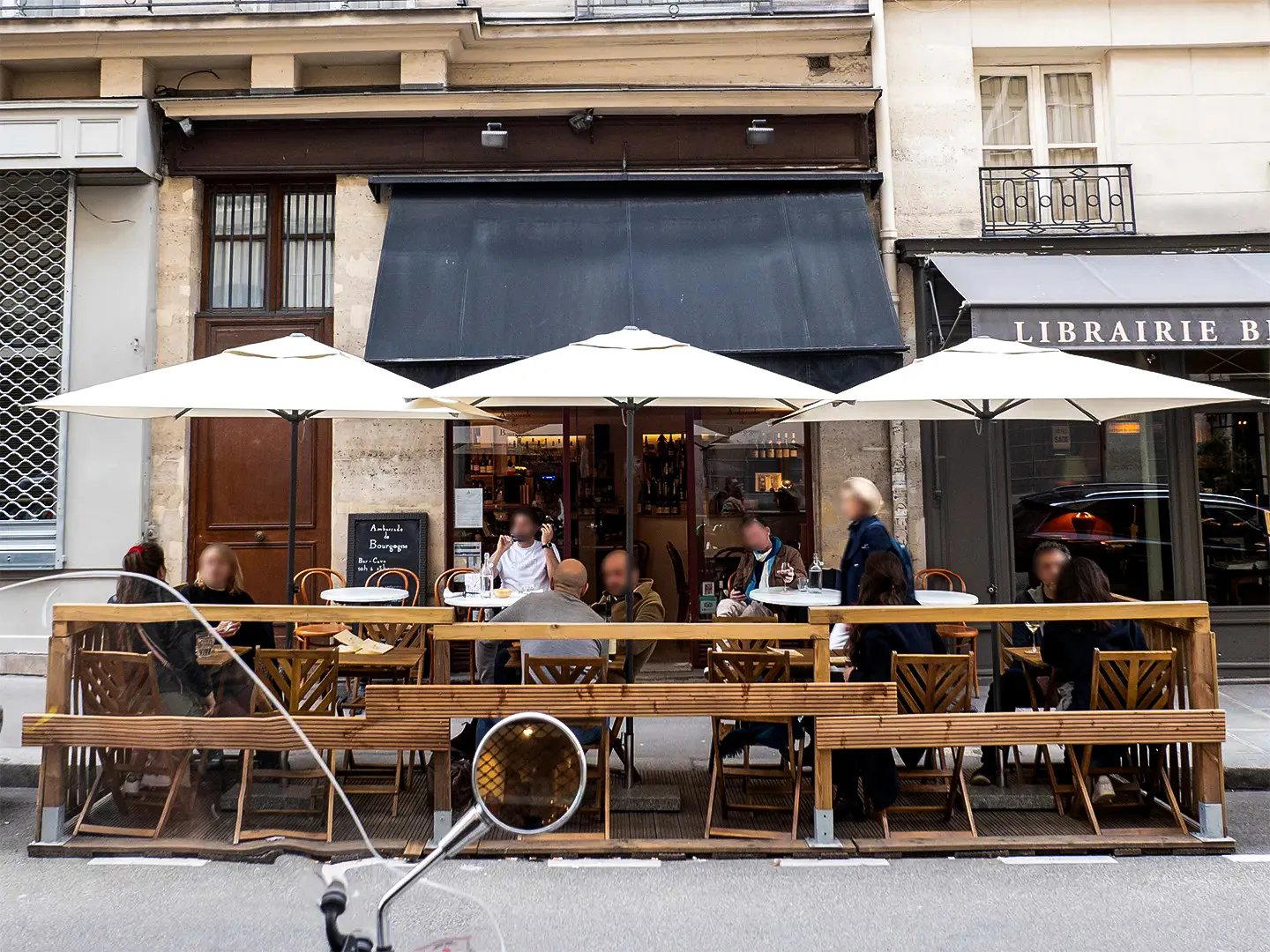
Hotels in Paris
Browse all →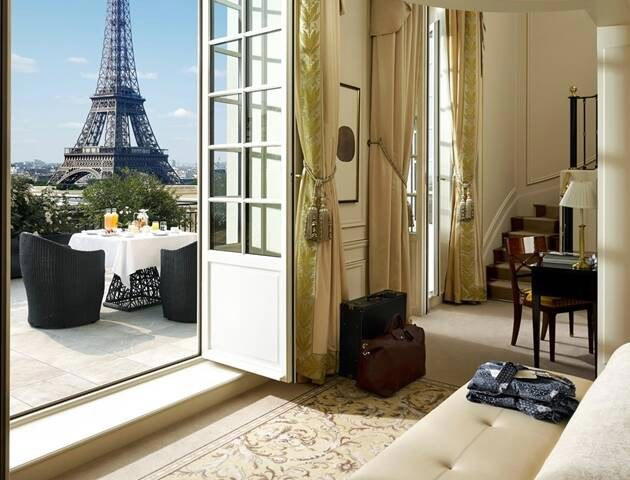
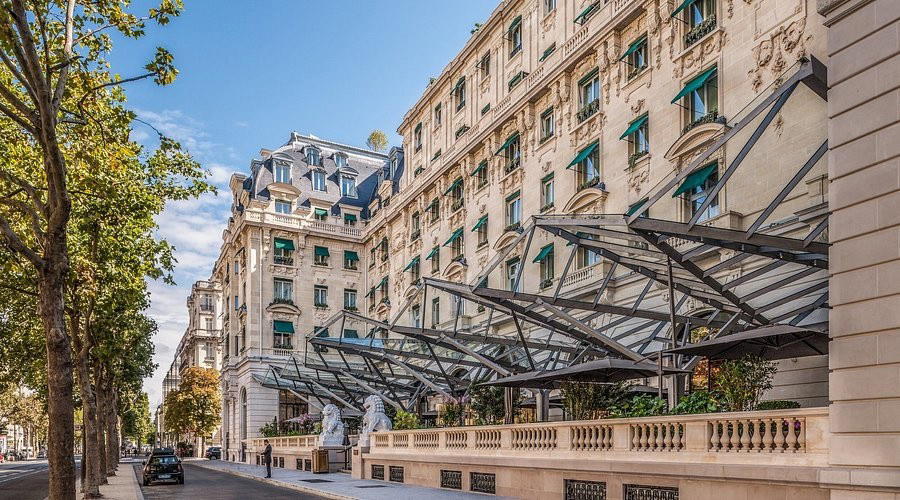
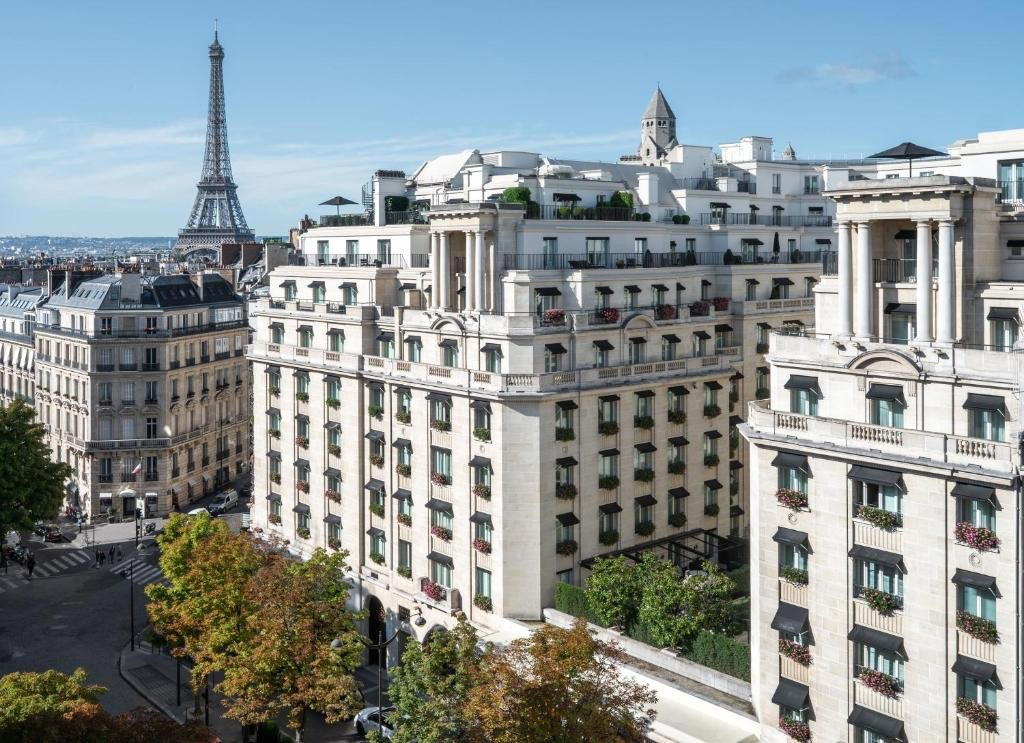
Wineries in Paris
Browse all →
At a Glance
- Cozy
- Rustic
- Elegant
- Date Night
- Family
- Group Dining
- Historic Building
- Extensive Wine List
- Street Scene
Current opening hours
- Monday
- Closed
- Tuesday
- 12–3 PM, 7–11 PM
- Wednesday
- 12–3 PM, 7–11 PM
- Thursday
- 12–3 PM, 7–11 PM
- Friday
- 12–3 PM, 7–11 PM
- Saturday
- 12–3 PM, 7–11 PM
- Sunday
- 12–3 PM, 7–11 PM
Hours can change for holidays and private events. Last verified .
Warm, clean, and comfortably decorated with Moroccan zellige tiles, ceramics, and music, creating a magical and hospitable atmosphere.