A Brazilian rodízio house in Woolloomooloo, Espetus Churrascaria operates on the gaucho tradition of tableside skewer carving, where passadores circulate continuously and the diner controls the pace via the classic green-and-red card system. The format places it outside Sydney's produce-led fine dining conversation entirely, operating instead on the logic of cut selection, protein variety, and how faithfully the southern Brazilian cattle culture is maintained.
Pearl is the En Primeur Club membership app — saves, bookings, and concierge access live there. Same editors, same standards.
- Address
- Unit 60/70 William St, Woolloomooloo NSW 2011, Australia
- Phone
- +61293606070
- Website
- espetus.com.au
- Directions
- Get directions
 Saves & bookings on Pearl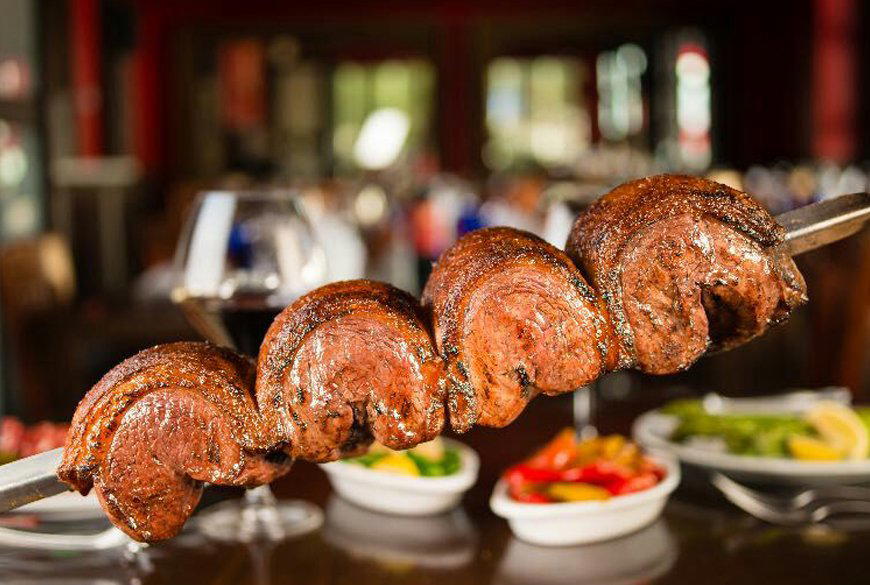
The Arc of the Meal at a Sydney Churrascaria
William Street in Woolloomooloo runs from the harbour fringe toward Kings Cross with the particular energy of a street that has never quite settled on what it wants to be. On one stretch you find wine bars and small-plates kitchens sitting alongside longstanding neighbourhood staples. Espetus Churrascaria occupies a unit at number 70, a format that announces its intentions before you sit down: this is a Brazilian rodízio house, and the structure of the meal is baked into the concept rather than printed on a menu.
The rodízio format is worth understanding as a dining tradition before treating it as a simple all-you-can-eat proposition. In Brazil, the churrascaria rodízio emerged from the gaucho cattle culture of Rio Grande do Sul, where large cuts of beef were slow-roasted on skewers over open coals. The service model, in which passadores circulate the dining room carrying skewers and carving tableside on request, is a direct inheritance from that tradition. It is one of the few dining formats where the pace of the meal is entirely in the diner's hands: a green card signals readiness, a red card signals pause. The meal has no fixed arc in the conventional tasting-menu sense, but skilled diners learn to impose one.
How the Meal Sequences at a Churrascaria
The editorial angle here is progression, and at a churrascaria the progression is self-directed but not structureless. The salad bar functions as the first course by convention: cold preparations, cured items, breads, and side dishes that set the table before the parade of proteins begins. At a Brazilian rodízio, restraint at this stage pays off later. The salad bar exists as an overture, not the main performance.
First skewers to arrive typically include lighter cuts, chicken hearts, and linguiça, the seasoned pork sausage that acts as a warm-up before the beef dominates. Picanha, the rump cap cut with its fat cap intact, is the benchmark protein of any Brazilian churrascaria worth the comparison: the fat renders during roasting and bastes the meat from above, producing a crust on the exterior and moisture through the centre. In Brazil and in serious churrascarias abroad, the quality of the picanha is the primary signal of whether a kitchen understands the tradition or merely performs it.
After the lighter proteins, the mid-section of the meal belongs to the beef parade in earnest: alcatra (leading sirloin), costela (short rib slow-cooked until the bone loosens), and fraldinha (flank steak), among others depending on what the kitchen rotates that evening. The accompanying sides, including pão de queijo (cheese bread), farofa (toasted cassava flour), and vinaigrette salsa, are designed to punctuate rather than compete with the proteins. Eating them in rhythm with the meat rather than front-loading creates a more legible meal.
The closing movement of any rodízio is managing the finish. The format is generous by design, and the temptation to match every skewer is one to resist. The final cuts are often the interesting: lamb, aged beef, or specialty preparations that the kitchen holds back from the early rotation. Signalling pause rather than exit at the three-quarter mark and waiting for those later passes is the move that separates experienced rodízio diners from first-timers.
Woolloomooloo and the Churrascaria in Sydney's Dining Ecosystem
Sydney's dining conversation tends to concentrate on Australian-produce-led kitchens: the Rockpool lineage for Australian fine dining, Saint Peter for the fish-led counter format, and wine-bar kitchens like 10 William St for the natural wine and small-plates intersection. The churrascaria sits outside that conversation almost entirely, operating in a different register: communal, protein-centric, and format-driven rather than ingredient-narrative-driven.
That positioning is neither a criticism nor a defence. Brazilian churrascaria is a coherent dining tradition with its own internal logic, and Sydney has a Brazilian community large enough to sustain venues that take the format seriously. The comparison set for Espetus is not 1021 Mediterranean or any of the city's produce-forward kitchens. It is other rodízio houses, measured by cut selection, skewer frequency, the quality of the supporting salad bar, and how faithfully the gaucho tradition is maintained under an Australian operational context.
For visitors benchmarking Sydney's broader restaurant scene, the full context is available in our full Sydney restaurants guide. If your interests run toward the Australian fine dining tier, properties like Brae in Birregurra, Attica in Melbourne, or Botanic in Adelaide represent a different ambition entirely. For experience-format dining at the international level, Le Bernardin in New York City and Lazy Bear in San Francisco anchor what the format-driven meal can achieve in a fine dining context.
Other Australian venues worth cross-referencing for regional travel include Hentley Farm in Seppeltsfield, Laura at Pt Leo Estate in Merricks, Ormeggio at The Spit in Mosman, Pipit in Pottsville, Provenance in Beechworth, Salt Water Restaurant in Cairns, and Lizard Island Resort in Lizard Island. The neighbourhood also has close walking proximity to 10 Pounds for those building an evening around the Woolloomooloo precinct.
Know Before You Go
Address: Unit 60/70 William St, Woolloomooloo NSW 2011, Australia
Format: Brazilian rodízio (all-inclusive rotating skewer service)
Parking: Street parking on William St; the Domain car park is a short walk
Neighbourhood: Woolloomooloo, eastern edge toward Kings Cross
Note: Phone and website details were not available at time of writing; confirm booking options directly before visiting.
City Peers
Comparable venues nearby, for context on price, style, and recognition.
| Venue | Cuisine | Price | Notes |
|---|---|---|---|
| Espetus ChurrascariaThis venue — the venue you are viewing | Brazilian Churrascaria | $$$ | Not listed |
| Gina | Italian Coastal Pasta Bar | $$$ | Barangaroo |
| Golden Century | Classic Cantonese Seafood | $$$ | Barangaroo |
| Manly Grill | Beachside Steakhouse & Grill | $$$ | Manly |
| Glass Brasserie | Modern French Brasserie with Asian Influences | $$$ | Sydney |
| BARTIGA | Modern Australian with Southeast Asian influences | $$$ | Double Bay |
Continue exploring
More in Sydney
Restaurants in Sydney
Browse all →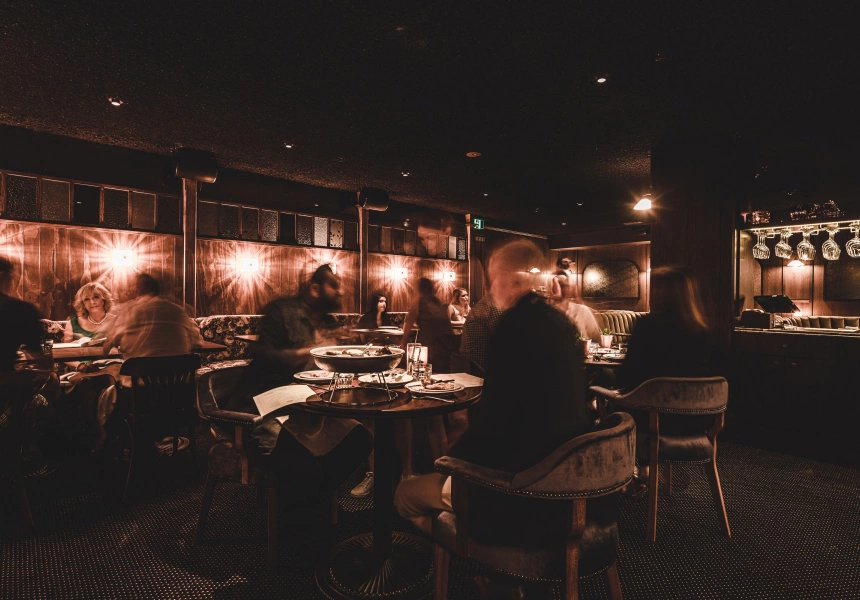
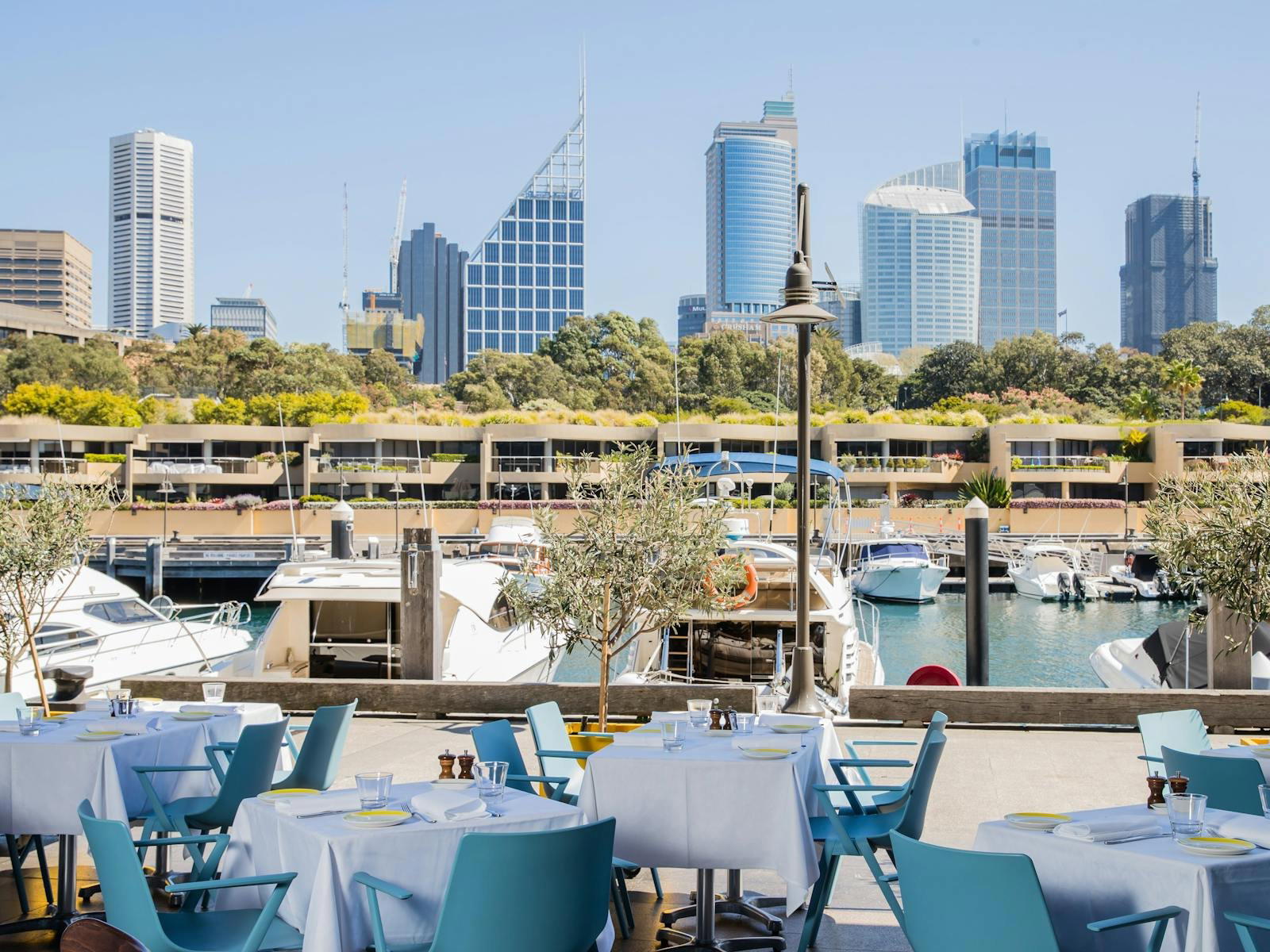
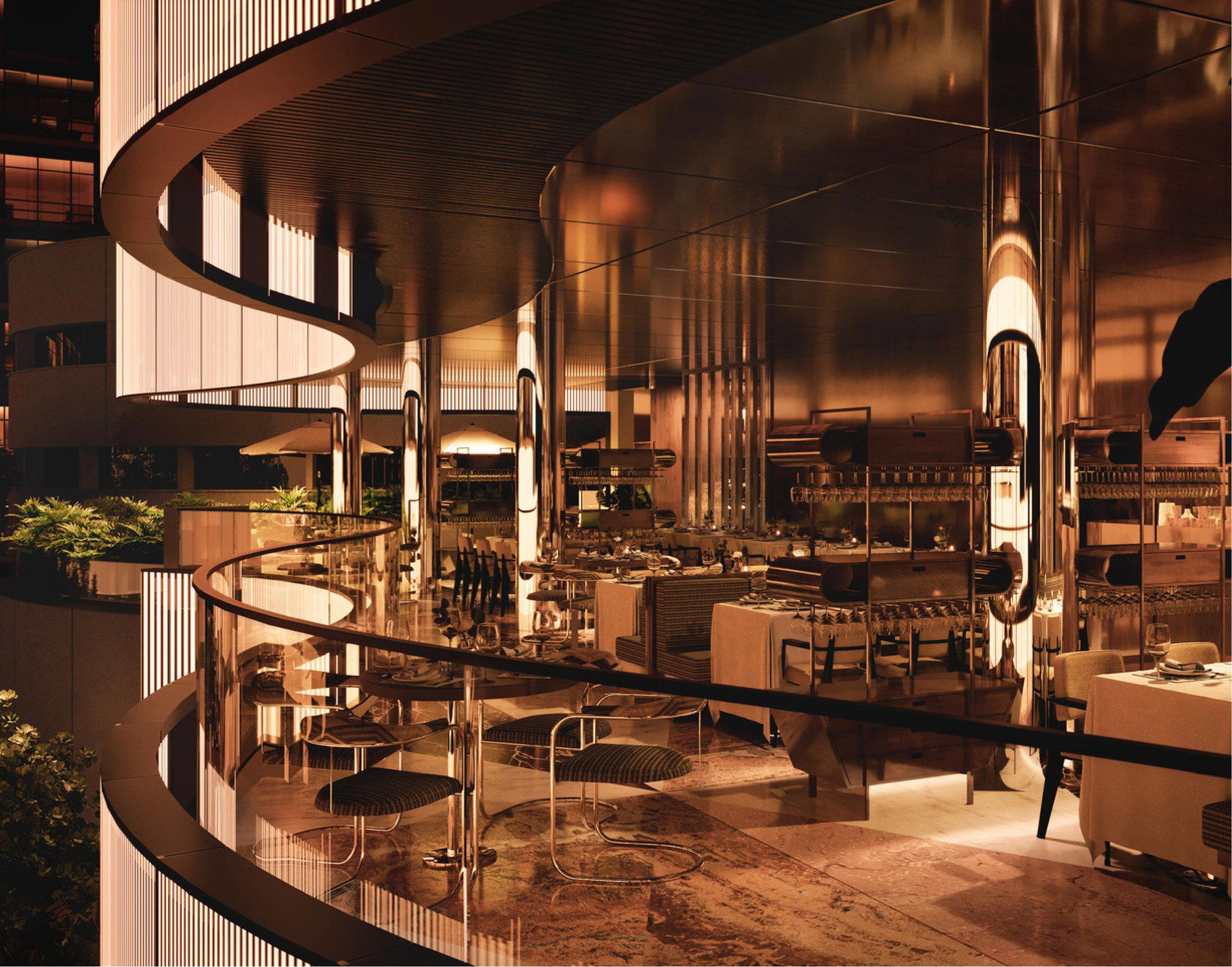
Bars in Sydney
Browse all →
Hotels in Sydney
Browse all →

At a Glance
- Lively
- Energetic
- Elegant
- Group Dining
- Celebration
- Special Occasion
- Family
- Open Kitchen
- Standalone
- Beer Program
Current opening hours
- Monday
- 5:30–9:30 PM
- Tuesday
- 5:30–9:30 PM
- Wednesday
- 5:30–9:30 PM
- Thursday
- 5:30–9:30 PM
- Friday
- 5:30–9:30 PM
- Saturday
- 5:30–9:30 PM
- Sunday
- 5:30–9:30 PM
Hours can change for holidays and private events. Last verified .
Energetic and lively atmosphere with an open flame cooking experience; warm lighting from the wood fire pit creates an inviting, celebratory dining environment.