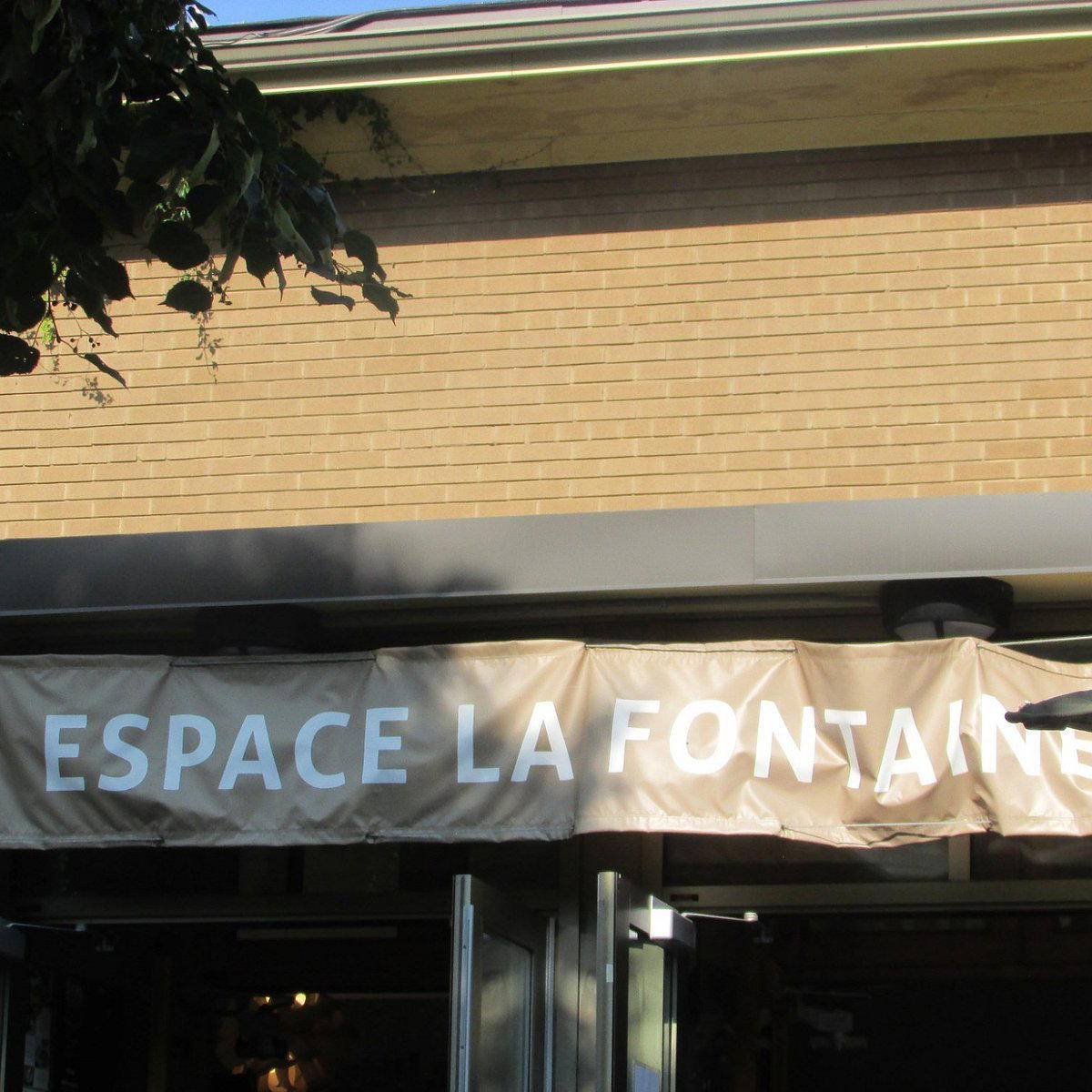
Espace La Fontaine sits on the edge of Parc La Fontaine in Montreal's Plateau-Mont-Royal district, one of the city's most park-centric dining addresses. The venue draws visitors and locals alike to a setting defined by its green surroundings, placing it in a distinct niche among Montreal's broader restaurant scene. Planning ahead is advisable, particularly during warmer months when the park's foot traffic peaks.
- Address
- 3933 Av. du Parc-La Fontaine, Montréal, QC H2L 0C7, Canada
- Phone
- +1 514 280 2525
- Website
- espacelafontaine.com
- Directions
- Get directions
A Park Address in the Plateau
Espace La Fontaine is a cultural bistro in Montreal, located at 3933 Avenue du Parc-La Fontaine in the Plateau-Mont-Royal. The stretches of Saint-Laurent and Saint-Denis corridors carry most of the city's dense restaurant foot traffic, while park-adjacent addresses operate on a different rhythm entirely. Espace La Fontaine, at 3933 Avenue du Parc-La Fontaine, sits at that second type of location: a venue whose physical context is shaped as much by Parc La Fontaine as by the neighbourhood around it. In Plateau-Mont-Royal, that proximity means seasonal swings are sharper than almost anywhere else in the city. Summer turns the park into one of Montreal's most active outdoor gathering points, and addresses on its perimeter absorb that energy directly. Winter quiets things considerably, which is worth factoring into when and how you plan a visit.
The clientele skews residential and local, foot traffic is pedestrian-led rather than hotel-driven, and the dining tone tends toward the approachable rather than the formal. Compare that to the fine-dining concentration closer to downtown, where venues like Jérôme Ferrer - Europea and Mastard operate at a higher price point and with a more structured service format. The Plateau's park fringe occupies a different register, one defined by setting and accessibility rather than tasting menus and cellar depth.
What the Address Signals About the Experience
Montreal has a strong tradition of treating public parks as dining infrastructure rather than simply green space. Parc La Fontaine is one of the largest parks on the island, covering roughly 40 hectares and anchoring the eastern Plateau. A venue positioned at its edge inherits that civic function: it becomes a waypoint for walkers, cyclists, families spending the afternoon outdoors, and locals treating the park as an extension of their neighbourhood. That role shapes the pace and format of a visit in ways that a traditional restaurant address would not.
Properties like Fogo Island Inn Dining Room in Newfoundland and Eigensinn Farm in Singhampton have made landscape-integrated dining a central part of what they do, at a high price tier and with significant advance planning required. Park-edge urban venues operate at a different scale, but the underlying logic is similar: the setting is not incidental. Espace La Fontaine's address on Parc La Fontaine places it in that conversation, albeit in a more accessible, city-embedded format.
Planning Your Visit: What to Know Before You Go
Reservations are recommended. A park-adjacent address in the Plateau during July or August is precisely the type of situation where showing up without advance confirmation carries real risk.
Seasonality matters more here than at a typical interior address. Parc La Fontaine's peak activity runs from late May through early September, when outdoor concerts, paddleboats on the lake, and general park use generate consistent foot traffic around the perimeter. That is when demand for park-adjacent dining is highest and when planning the furthest ahead works well. Shoulder seasons, particularly April-May and September-October, often represent the better tactical window for visitors who want the park setting without peak-season congestion. Winter visits are a different proposition entirely: the park retains a distinct quieter character, and dining in the area becomes more of a neighbourhood affair than a destination draw.
For visitors exploring Montreal's broader dining options alongside a Plateau stop, the city's restaurant scene rewards some mapping before arrival. The Plateau and adjacent Mile-End sit in a different culinary register from downtown's higher-end Modern Cuisine tier, where venues like Sabayon and the four-dollar-sign French formality of Toqué operate. Neighbourhood spots in the Plateau tend to run shorter hours, smaller teams, and tighter reservation windows, which makes early contact more important rather than less. Elsewhere in the city, 3 Pierres 1 Feu and Abu el zulof represent the kind of neighbourhood-scale dining that defines much of Montreal's off-downtown character.
Montreal and the Broader Canadian Context
Montreal sits at a particular point in Canada's restaurant hierarchy. Quebec City has Tanière³, a venue that has pushed modernist tasting-menu ambition into national conversation. Toronto has Alo and its French-influenced fine-dining tier. Vancouver's neighbourhood dining, exemplified by spots like AnnaLena, has developed its own format-conscious approach. Montreal's contribution is partly structural: the city has a density of bistro-to-casual neighbourhood dining that few Canadian cities match, rooted in a French culinary inheritance that keeps cooking standards relatively high even at informal price points. The Plateau is one of the districts where that baseline quality shows up most consistently.
Further afield, Canadian dining geography produces venues of genuinely unusual specificity: Narval in Rimouski, The Pine in Creemore, Restaurant Pearl Morissette in Lincoln, and Busters Barbeque in Kenora each operate in small or mid-sized markets with their own distinct culinary logic. Internationally, the reference points that Montreal fine dining often circles back to are French: Le Bernardin in New York remains a benchmark for technique-led cooking, while San Francisco's Lazy Bear represents the community-table experiential format that has influenced how casual-premium dining presents itself. Cafe Brio in Victoria shows how regional identity and neighbourhood anchoring can sustain a dining institution over time, a model that park-adjacent Plateau addresses implicitly share.
For a visit to the restaurant, the practical takeaway is simple: the address and setting shape the experience, and current hours should be checked before you plan around it.
Quick Comparison
Comparable venues nearby, for context on price, style, and recognition.
| Venue | Cuisine | Price | Notes |
|---|---|---|---|
| Espace La FontaineThis venue — the venue you are viewing | Cultural Bistro | $$ | Not listed |
| Satay Brothers Resto 3721 Notre-Dame | Singaporean Street Food | $$ | Saint-Henri |
| Café Pista | Specialty Coffee Cafe | $ | District de Saint-Édouard |
| Capitaine Sandwich | Global Fusion Sandwiches | $ | Saint-Louis |
| Stash Café | Traditional Polish | $ | Vieux Montréal |
| Restaurant 3734 | other | $ | Saint-Henri |
At a Glance
- Scenic
- Cozy
- Modern
- Brunch
- Family
- Casual Hangout
- Terrace
- Garden
- Garden
- Street Scene
Current opening hours
- Monday
- Closed
- Tuesday
- Closed
- Wednesday
- 11 AM–5 PM
- Thursday
- 11 AM–8 PM
- Friday
- 11 AM–8 PM
- Saturday
- 11 AM–8 PM
- Sunday
- 11 AM–5 PM
Hours can change for holidays and private events. Last verified .
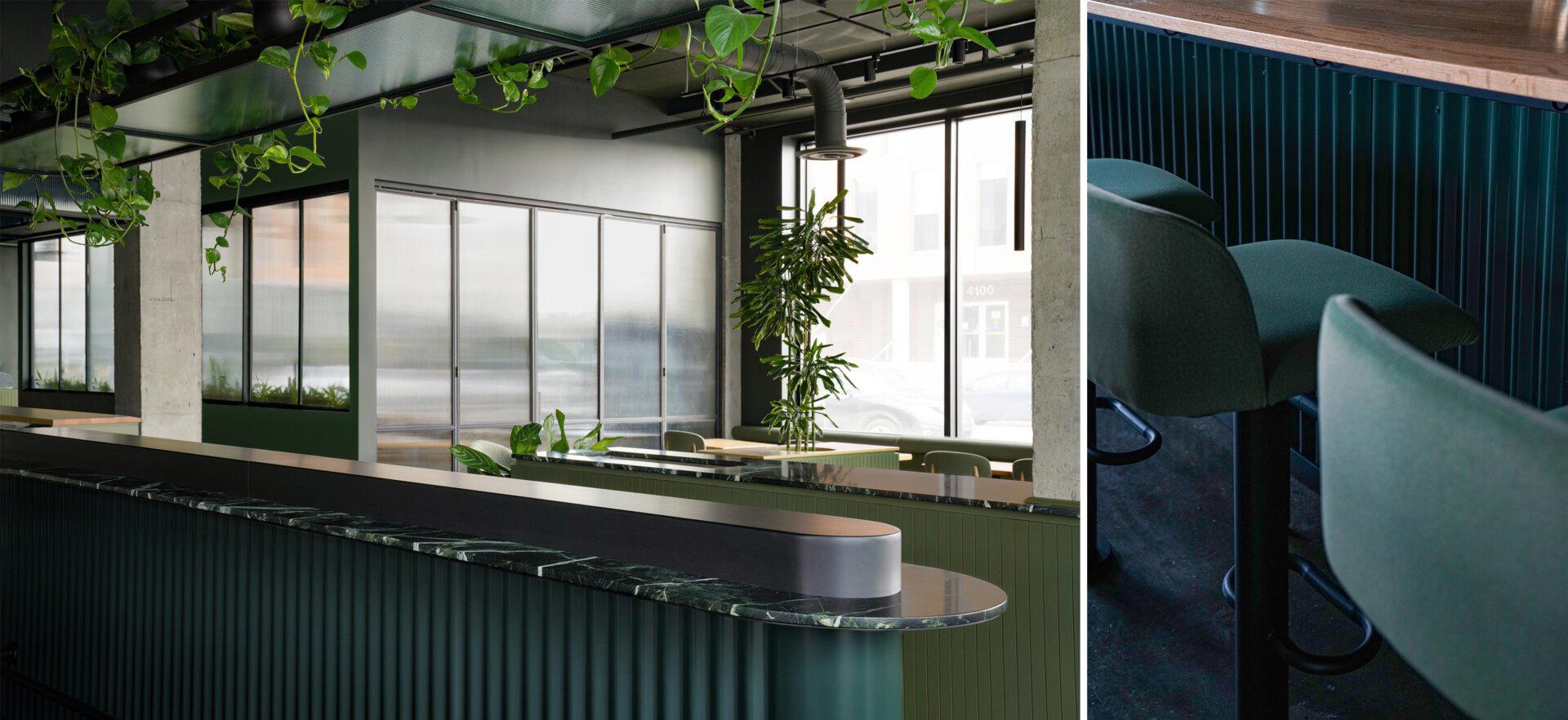
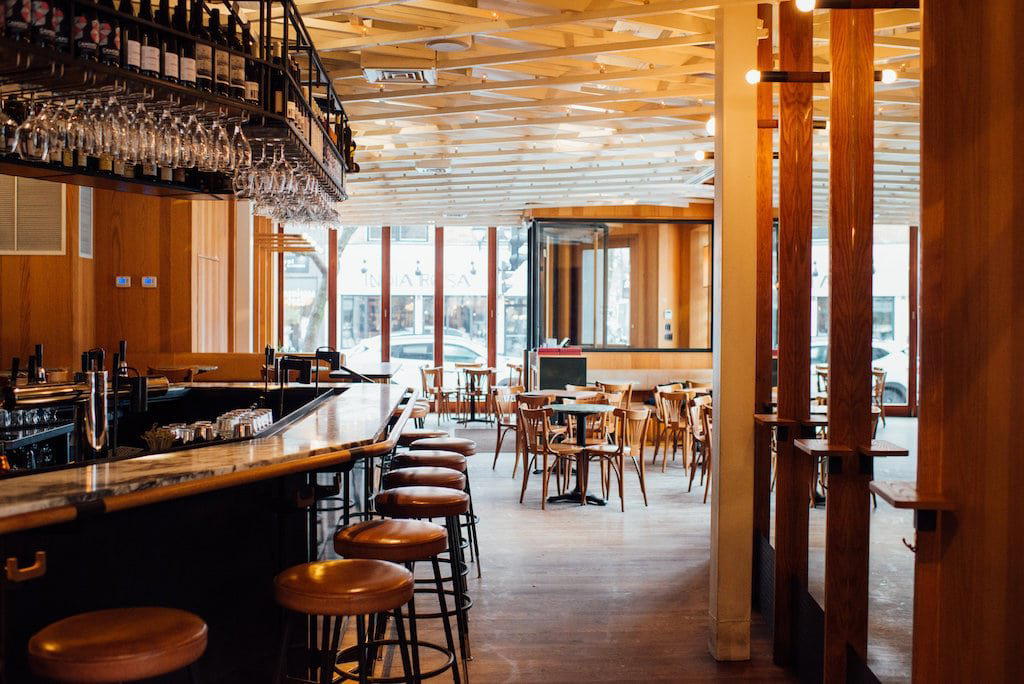
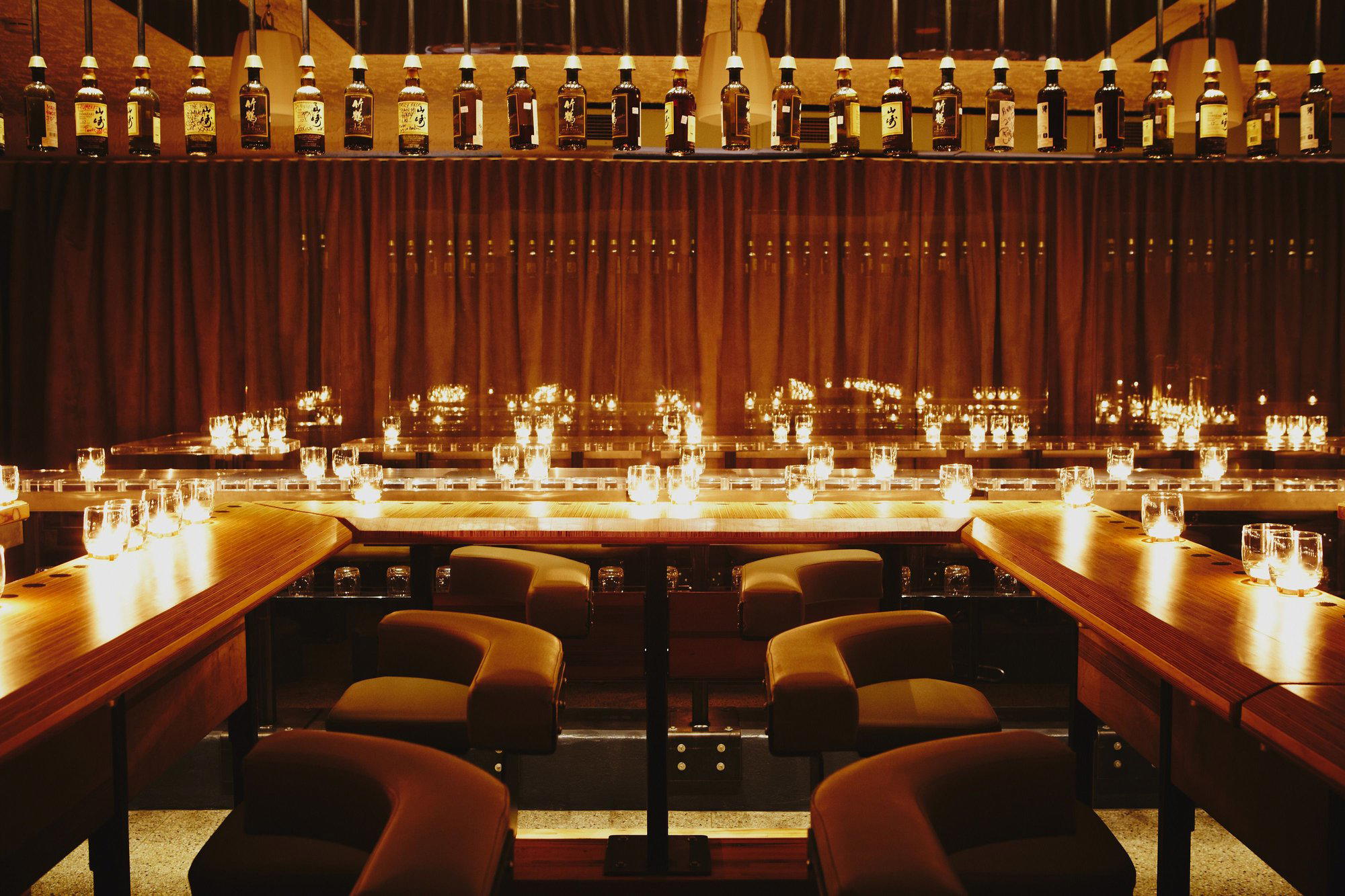
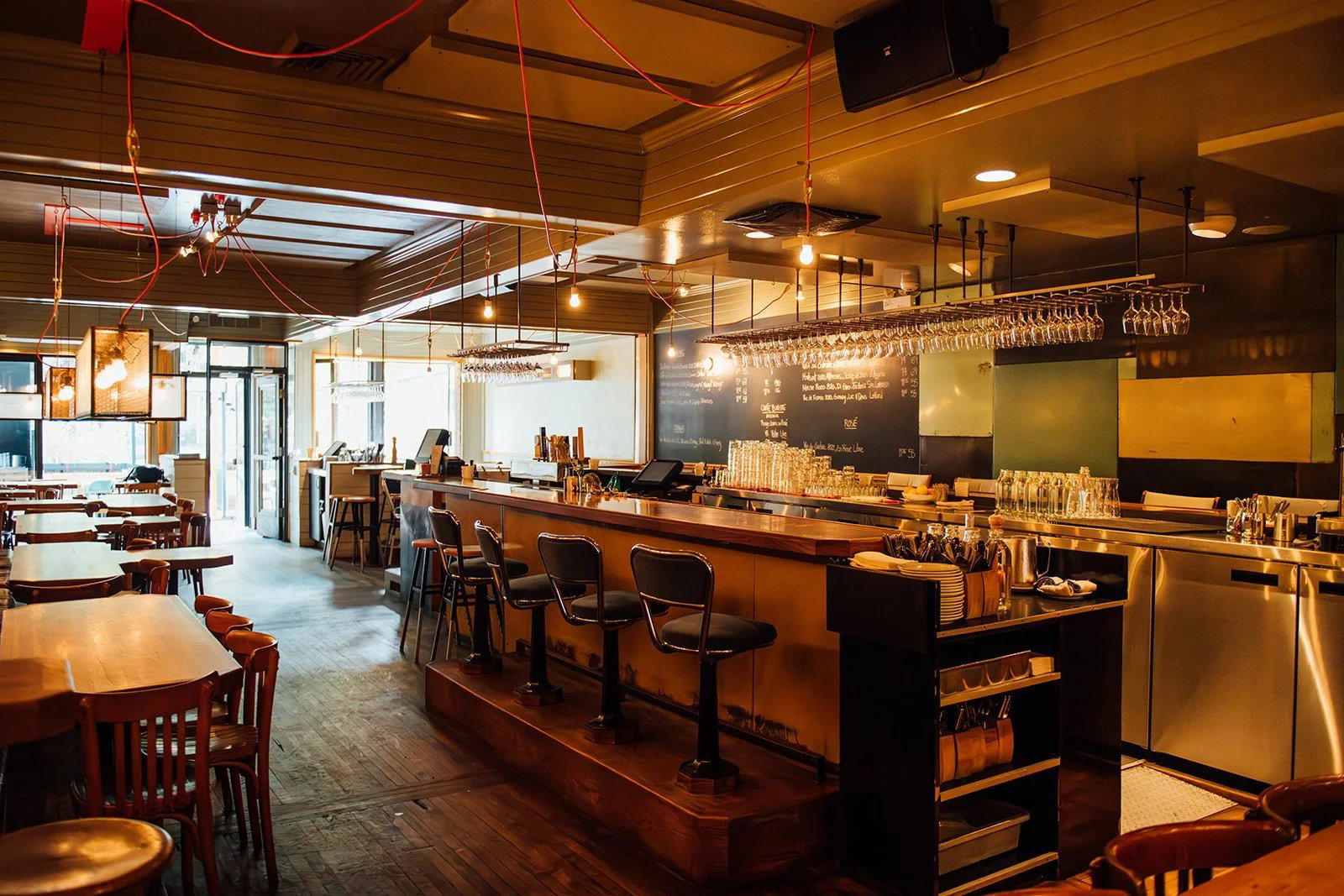
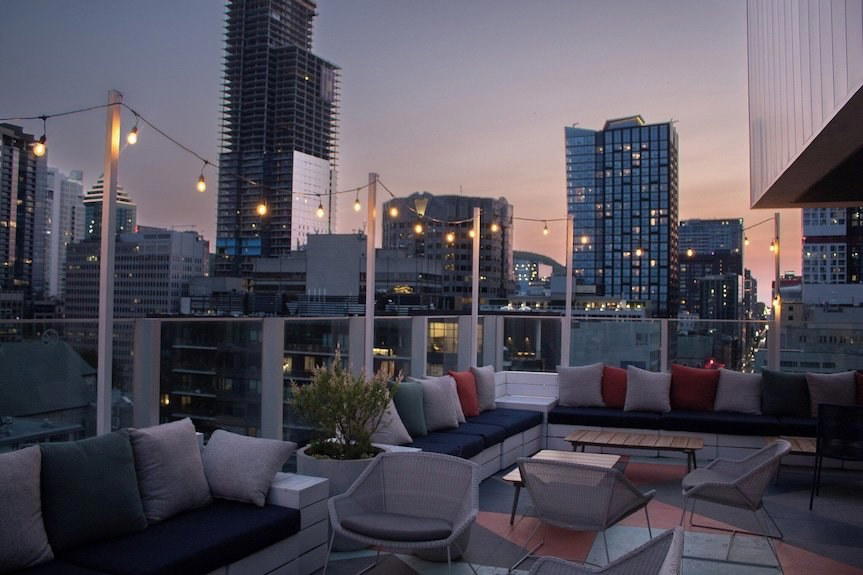
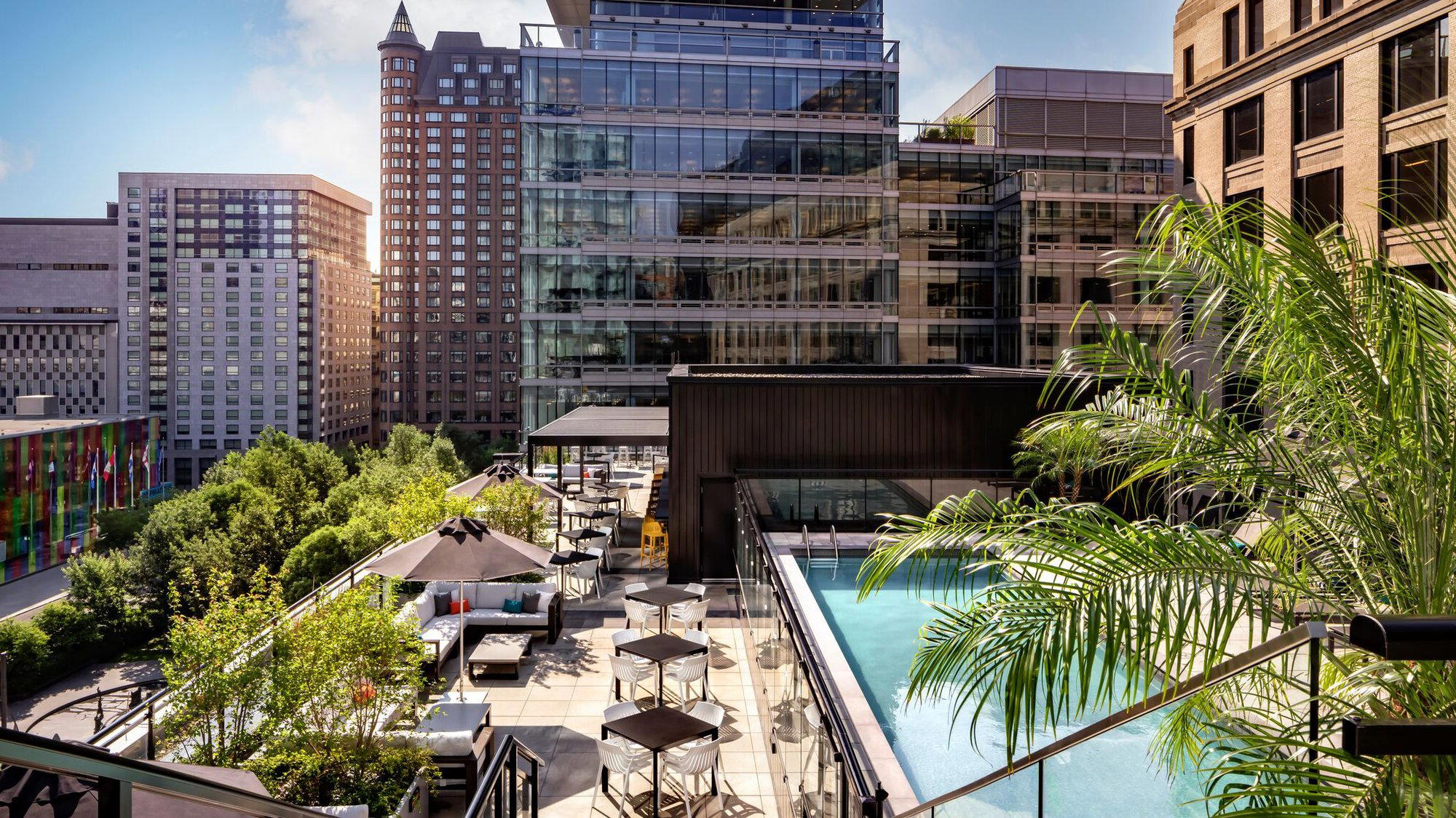
Bright, open, and modern interior with a welcoming European charm; outdoor terrace provides a serene park atmosphere.