Eskina Brazilian Restaurant
Our verdict
Eskina Brazilian Restaurant on International Drive brings the architecture of Brazilian dining to Orlando's most visited corridor — a format built around communal tradition, grilled protein, and the kind of structured progression that separates churrascaria culture from standard steakhouse fare. For visitors moving between theme parks and convention hotels, it offers a reference point for what Brazilian restaurant culture actually looks like on its own terms.

Pearl is the En Primeur Club membership app — saves, bookings, and concierge access live there. Same editors, same standards.
- Address
- 5627 International Dr, Orlando, FL 32819
- Phone
- (689) 325-7833
- Hours
- Mon–Thu 12–11 PMFri–Sat 12 PM–12 AMSun 12–11 PM
- Website
- beacons.ai
- Directions
- Get directions
- Booking
- Book on OpenTable
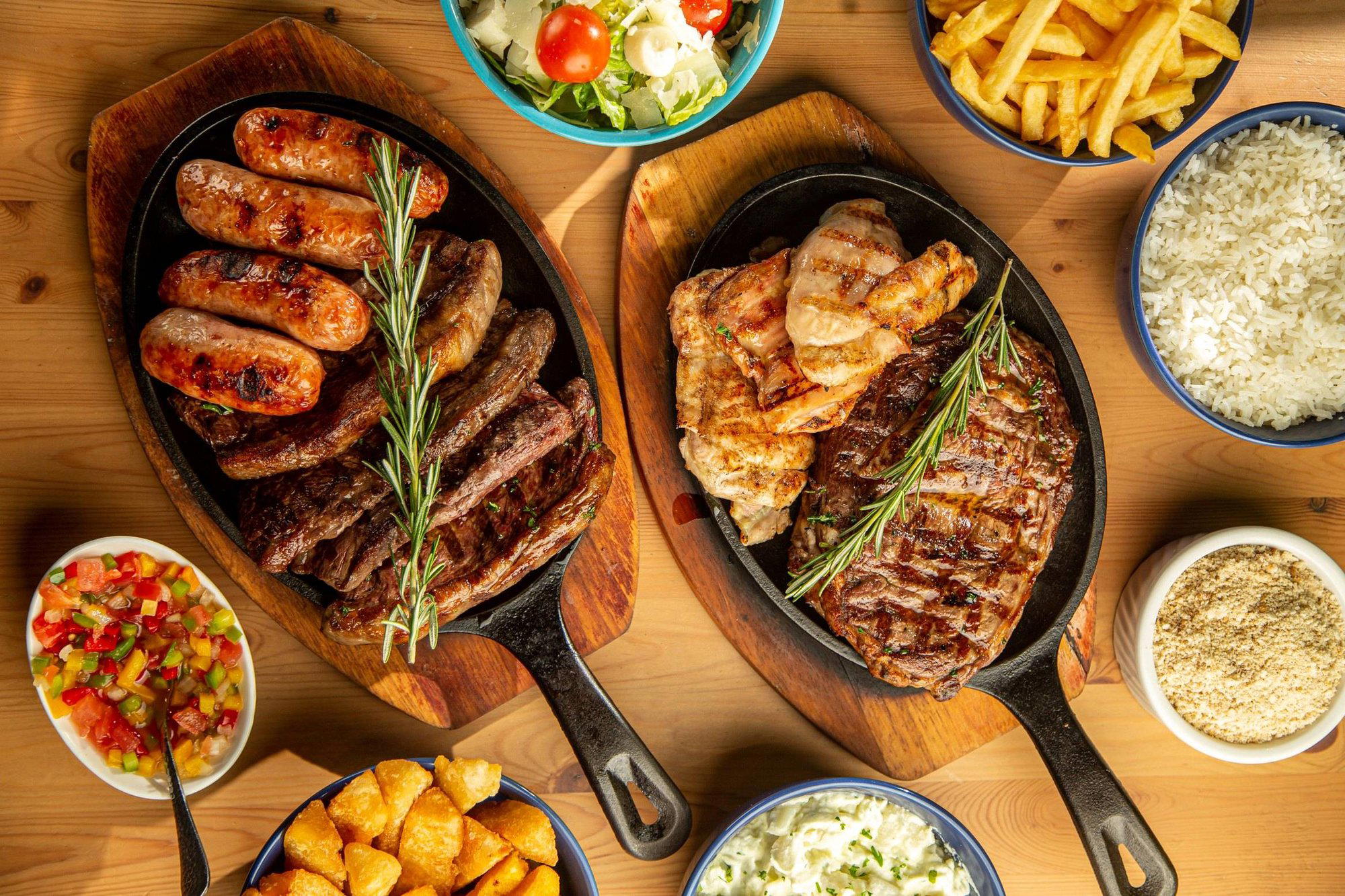
International Drive and the Brazilian Dining Format
International Drive is not a neighbourhood that rewards patience. The corridor runs through the heart of Orlando's tourist infrastructure, flanked by chain hotels, entertainment complexes, and restaurants calibrated for maximum throughput and minimum friction. Against that backdrop, a Brazilian restaurant operating at 5627 International Drive occupies an interesting position: the format itself carries enough structural distinctiveness that it reads differently from the surrounding options, regardless of décor or marketing.
Brazilian dining, at its most recognisable, is built around a rhythm that most American restaurant formats don't share. The churrascaria model structures a meal as an ongoing negotiation between kitchen and table: meat is carved tableside at intervals, the pace is set collectively, and the meal ends when the diner decides rather than when a plate arrives. That architecture sits closer to the kaiseki progression at places like Kadence or Sorekara than it does to a conventional steakhouse, even though the price point and setting are entirely different. The meal has a structure; understanding that structure changes how you eat.
What the Menu Architecture Reveals
The churrascaria format, when executed properly, is one of the more honest menu architectures in restaurant dining. There is no elaborate description of sourcing, no tasting-note prose for each course. The salão de frios, the cold table or salad bar section, functions as an opening act: farofa, pão de queijo, hearts of palm, cured meats. It is designed to be grazed, not finished, because the grill programme that follows is the real statement.
What the progression reveals about a Brazilian kitchen's priorities is largely expressed through the cut selection and the order in which meat arrives tableside. Picanha, the rump cap cut with its fat cap intact, is the reference point against which everything else is measured in Brazilian grilling culture. It is not a cut that appears frequently on American steakhouse menus, which tend to prioritise ribeye and strip. The presence and quality of picanha at any churrascaria is a more reliable signal of kitchen seriousness than the breadth of the menu.
Other cuts — fraldinha (flank), maminha (sirloin tip), linguiça (sausage), chicken wrapped in bacon — fill out the rotation, each arriving at different intervals to keep the table engaged across the meal's duration. The format rewards a slower pace than most dining in Orlando's tourist corridor, which makes it a different kind of evening than the surrounding options suggest.
Orlando's Brazilian Restaurant Context
Orlando has a Brazilian dining presence that is proportionally larger than most American cities of comparable size, driven by the city's role as a primary destination for Brazilian tourists. Brazilian visitor numbers to Orlando have historically ranked among the highest of any international market, and the restaurant infrastructure has followed: churrascarias, pão de queijo bakeries, and Brazilian steakhouses appear across the metro area in a density that reflects genuine community demand rather than novelty positioning.
That context matters when assessing any individual Brazilian restaurant on International Drive. The audience for Eskina is not exclusively tourists encountering the format for the first time. It includes Brazilian visitors who arrive with a clear reference point for what the food should taste and feel like. That dual audience, first-timers and experienced regulars, is the harder brief to satisfy, and it sets the standard against which the kitchen is implicitly measured.
Orlando's wider dining scene at the upper tier skews toward steakhouses and hotel-anchored fine dining. Capa represents the steakhouse model with a Spanish-inflected approach; Camille and Vietnamese formats occupy a different register entirely. For a city with this volume of international visitors, the Brazilian segment occupies a mid-tier that is notably underrepresented at the higher end. Compared to the precision-driven tasting formats at places like Le Bernardin in New York City, The French Laundry in Napa, or Smyth in Chicago, the churrascaria operates in a fundamentally different register, but the structural logic of a sequenced, experience-led meal is a connecting thread across all of them.
The International Drive Logistics
Location on International Drive carries specific practical implications. The corridor is walkable from most of the major hotel clusters in the immediate area, which reduces the friction of arrival for visitors already staying nearby. Parking exists along the strip, though congestion during peak tourist season and convention periods can make driving the corridor more effort than it is worth. Evening timing matters: the churrascaria format runs long by design, so arriving early in the dinner window gives a table the full rhythm of the service rather than a truncated version of it.
The format also requires a specific kind of appetite management. The cold table section, grazed too heavily at the start, blunts the impact of the grill programme that follows. That is not specific to Eskina; it is structural to the format itself, and understanding it is the difference between a satisfying meal and an expensive one that ends too early. First-timers to the churrascaria format benefit from treating the salão as a palate opener rather than a meal in itself.
Brazilian Dining on Its Own Terms
Placed in the broader context of American destinations where Brazilian dining has established a serious footprint, Orlando is closer to Miami and New York than it is to cities where the format is purely novelty. That gives the International Drive corridor's Brazilian restaurants a more demanding audience and, correspondingly, more pressure to execute the format with accuracy rather than approximation.
For visitors working through our full Orlando restaurants guide, Eskina represents a category that sits outside the steakhouse and contemporary American formats that dominate the upper tier. The churrascaria is a format with its own vocabulary, pacing, and standards. Alongside options like Natsu for Japanese precision or the farm-driven sequencing at properties like Blue Hill at Stone Barns in Tarrytown, Single Thread Farm in Healdsburg, and Addison in San Diego, the churrascaria model is a reminder that structured, experience-led dining is not the exclusive territory of fine dining price points. Additional reference points across formats include Lazy Bear in San Francisco, Emeril's in New Orleans, Providence in Los Angeles, Atomix in New York City, The Inn at Little Washington in Washington, and Atelier Moessmer Norbert Niederkofler in Brunico.
Know Before You Go
- Address: 5627 International Dr, Orlando, FL 32819
- Format: Brazilian churrascaria; tableside carving service with salad bar component
- Timing note: Allow 90 minutes minimum; the format is designed to run long
- Approach: Treat the cold table as an opener, not the main event
- Access: Walkable from major International Drive hotels; parking available on-site
- Booking: Contact details not currently listed; walk-in availability varies by season
Frequently asked questions
How do I find Eskina Brazilian Restaurant?
Eskina Brazilian Restaurant is located at 5627 International Dr, Orlando, FL 32819, Orlando.
How does Eskina Brazilian Restaurant compare to other Brazilian dining options in Orlando?
Orlando's Brazilian restaurant scene is larger than most American cities of comparable size, shaped by the city's role as a primary destination for Brazilian tourists and a resident Brazilian community concentrated in surrounding areas like Kissimmee. Eskina's position on International Drive places it squarely in the visitor-facing tier of that market, rather than the neighborhood-rooted restaurants further off the main tourist corridor. That distinction in location, at 5627 International Drive, shapes both the clientele mix and the operational rhythm of service.
What do regulars order at Eskina Brazilian Restaurant?
At a churrascaria format like Eskina on International Drive, the draw is the continuous rotation of grilled meats carved tableside. Regulars tend to pace themselves through the early cuts and hold space for the beef selections, which anchor the format in Brazilian churrasqueiro tradition. The salad bar and hot side buffet are part of the same prix-fixe structure, not afterthoughts.
Can I walk in to Eskina Brazilian Restaurant?
Eskina sits at 5627 International Drive, within walking distance of several major hotel clusters along the corridor. Walk-in availability depends on the day and season; Orlando's tourist calendar means weekends and school holidays see heavier traffic across all International Drive restaurants. Calling ahead or checking availability before arrival is the practical approach.
What's the defining dish or idea at Eskina Brazilian Restaurant?
The defining idea is the churrascaria model itself: a fixed structure where grilled meats arrive tableside on skewers, carved to order, with no individual plating decisions required from the diner. This format originated in southern Brazil's Rio Grande do Sul region and gives Eskina a clear identity on International Drive, where the dining offer is otherwise dominated by casual American chains and tourist-facing concepts.
Can Eskina Brazilian Restaurant adjust for dietary needs?
The churrascaria format accommodates some flexibility by design: the salad bar and buffet sides run parallel to the meat service, giving diners who eat less or no meat a separate lane through the meal. For specific allergen or dietary requirements, contacting the restaurant directly before arrival is the clearest path, as menu composition can shift and staff guidance will be more reliable than general assumptions.
Is Eskina Brazilian Restaurant worth it?
For visitors staying along International Drive, Eskina offers a format that most American casual dining does not: a structured, meat-forward meal rooted in a specific regional tradition rather than a generalized menu. Orlando has a proportionally large Brazilian dining presence relative to its size, meaning local competition is real and expectations from Brazilian diners in particular tend to be precise.
Booking and Cost Snapshot
Comparable venues nearby, for context on price, style, and recognition.
| Venue | Cuisine | Price | Notes |
|---|---|---|---|
| Eskina Brazilian RestaurantThis venue — the venue you are viewing | Authentic Brazilian Steakhouse | $30–50 | Not listed |
| Café Mineiro Brazilian Steak House | Brazilian Churrascaria | $30–50 | International Drive, Brazilian Churrascaria |
| Krazy Good Food | American Seafood and Burgers | $20–30 | Millenia, American Seafood and Burgers |
| Bosphorous Turkish Cuisine - Orlando | Authentic Turkish Cuisine | $20–30 | The Rialto, Authentic Turkish Cuisine |
| Tropicale | Classic American Breakfast | $20–30 | International Drive, Classic American Breakfast |
| Talay | Thai Seafood | Not listed | North Quarter, Thai Seafood |
Details
- Lively
- Energetic
- Family
- Group Dining
- Casual Hangout
- Live Music
- Craft Cocktails
- Local Sourcing
- A La Carte
- Family Style
- Caipirinha
Current opening hours
- Monday
- 12–11 PM
- Tuesday
- 12–11 PM
- Wednesday
- 12–11 PM
- Thursday
- 12–11 PM
- Friday
- 12 PM–12 AM
- Saturday
- 12 PM–12 AM
- Sunday
- 12–11 PM
Hours can change for holidays and private events. Last verified .
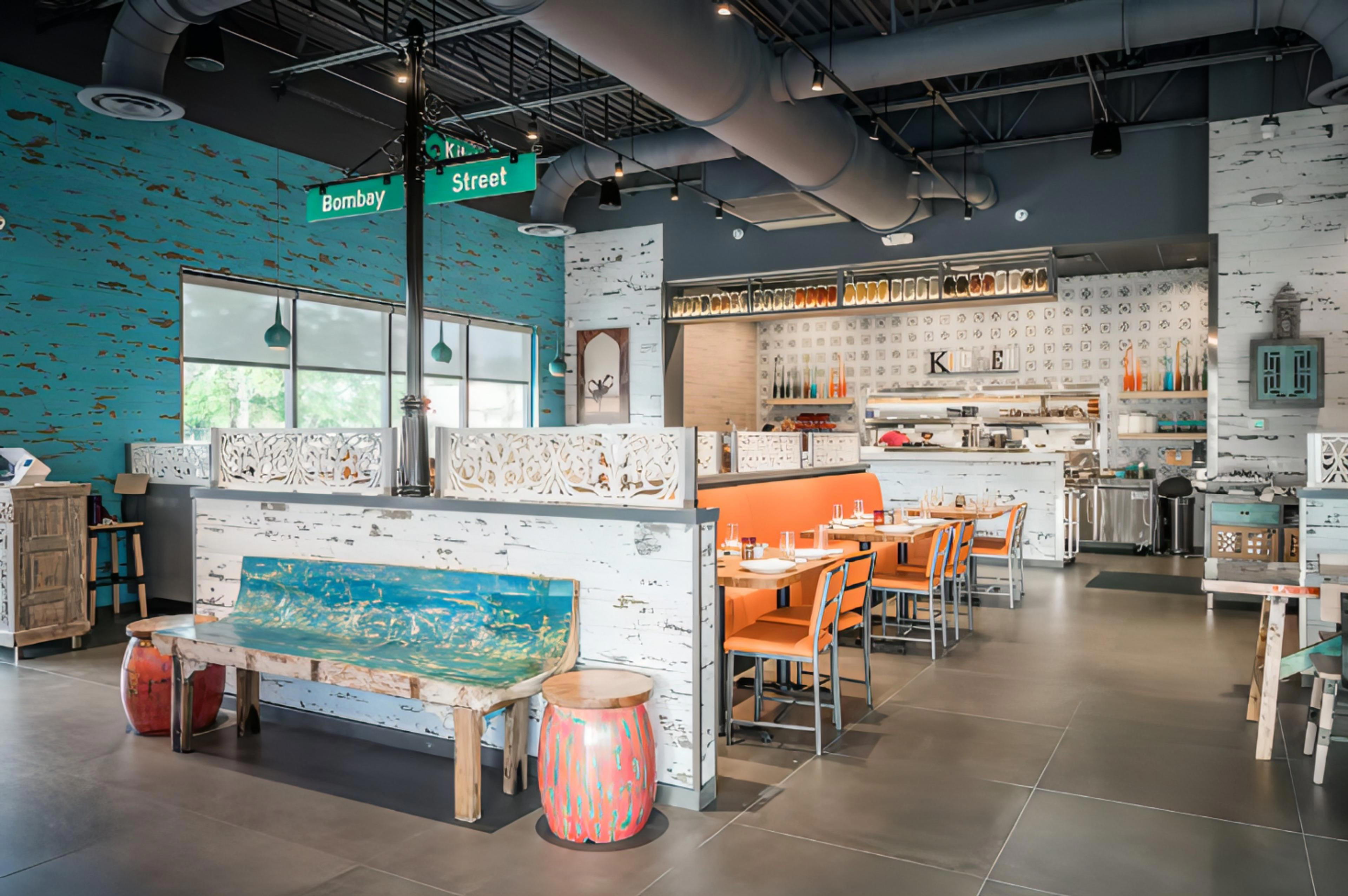
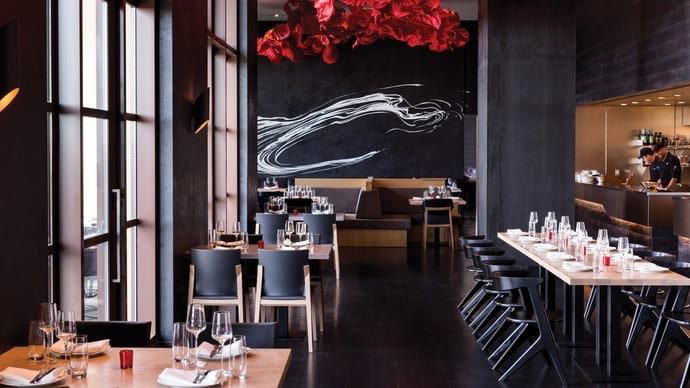
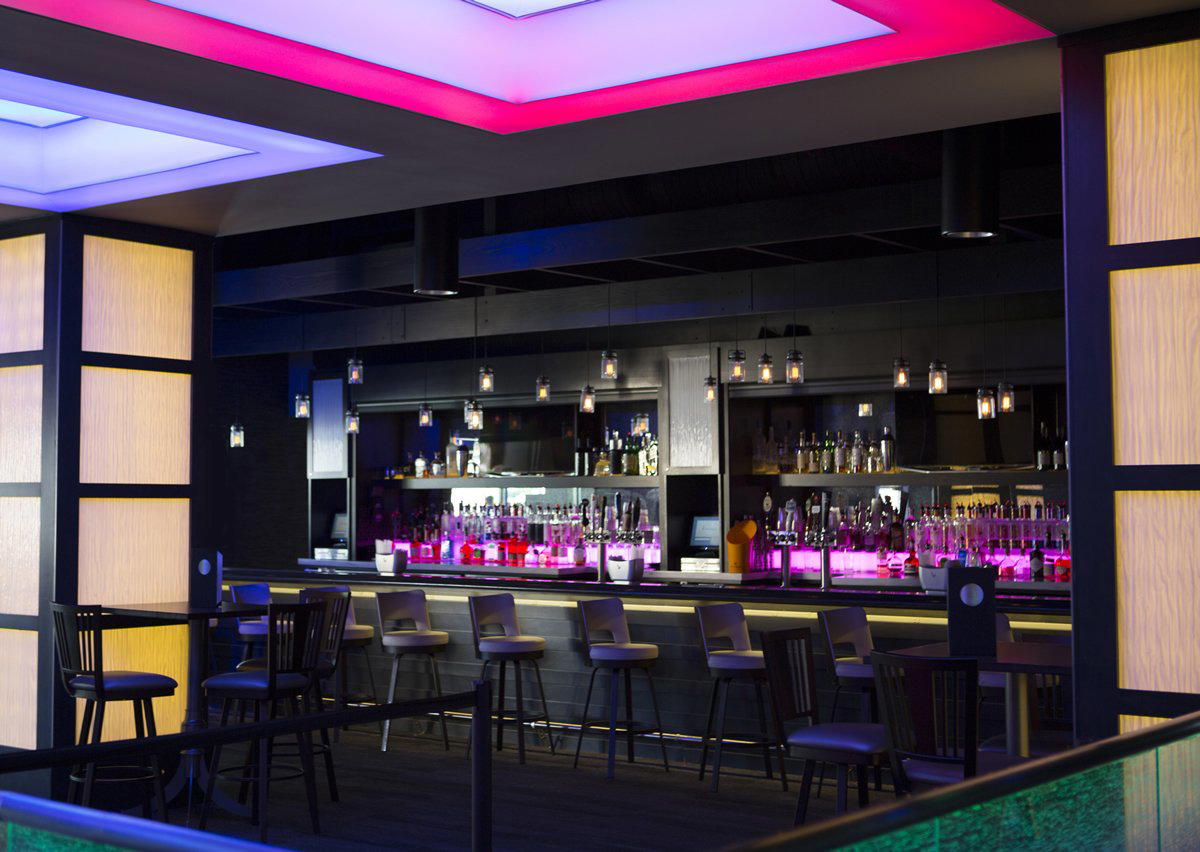
Eclectic mix of fun and fancy with colorful decor, Brazilian music, live weekend entertainment, and warm lighting creating a lively family-friendly vibe.