Escala
Escala K-town sits on West 6th Street in the heart of Los Angeles's Koreatown, where the collision of Korean culinary tradition and globally trained technique defines the neighborhood's most ambitious dining. The address places it inside one of the city's densest and most culinarily active corridors, a district that has moved well beyond its barbecue origins into a more layered and internationally inflected food culture.
Pearl is the En Primeur Club membership app — saves, bookings, and concierge access live there. Same editors, same standards.
- Address
- 3451 W 6th St, Los Angeles, CA 90020
- Phone
- (213) 387-1113
- Website
- escalaktown.com
- Directions
- Get directions
 Saves & bookings on Pearl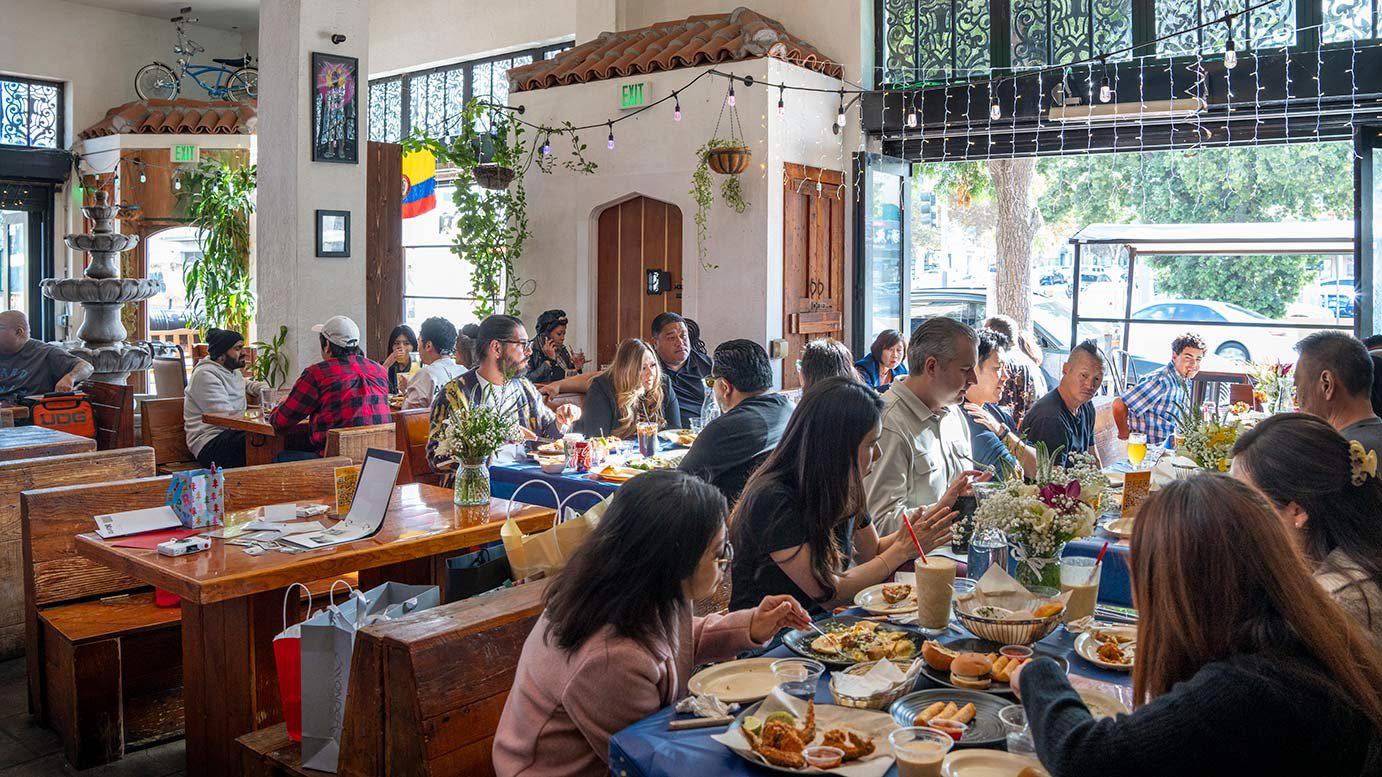
Koreatown's Culinary Shift: Where the Neighborhood Is Heading
Los Angeles's Koreatown is no longer a district defined by a single format. The stretch of Wilshire and 6th Street that once meant late-night barbecue and soju towers has expanded into something considerably more layered. Over the past decade, a wave of operators has brought formally trained technique into a neighborhood historically shaped by communal, high-volume tradition. The result is a dining corridor that now contains both ends of the ambition spectrum within a few blocks of each other, from the casual to the structurally serious. Escala K-town, at 3451 W 6th St, sits inside this transition zone.
That address is significant. West 6th Street in K-town is not a tourist-facing strip — it operates at neighborhood speed, drawing a primarily local and regionally aware crowd rather than the destination-dining pilgrims who trek to Hayato in the Arts District or to Kato in its current West Adams iteration. That distinction matters for what Escala K-town is and how it operates within the city's broader restaurant ecosystem.
The Intersection That Defines K-Town Dining Right Now
The editorial angle that keeps appearing across Koreatown's more ambitious tables is the same one reshaping Korean cooking in Seoul, New York, and London: the application of imported culinary frameworks to ingredients and flavor logics that are distinctly Korean. This is not fusion in the depreciated sense. It is something more structured — chefs trained in classical European or Japanese formats returning to, or deliberately working within, a Korean pantry and discovering what fermentation, chile heat, sesame depth, and the umami architecture of doenjang or ganjang do when treated with the same precision applied to a French mother sauce or a Japanese dashi.
Globally, this conversation is well advanced. Atomix in New York City has been the most decorated expression of it, with two Michelin stars and a tasting menu format that treats Korean culinary history as primary source material rather than accent. In Los Angeles, the equivalent conversation is younger and more distributed, appearing across a larger number of smaller formats rather than concentrated in one flagship address. Koreatown is where that conversation is most densely compressed.
The broader Los Angeles fine-dining scene that surrounds this neighborhood is one of the most competitive in the United States. Providence anchors the city's contemporary seafood category. Somni occupies the molecular-progressive tier. Osteria Mozza remains the benchmark for Italian. Against that context, Koreatown's ambitious operators are working in a space that is both more ethnically specific and, increasingly, more technically rigorous than the neighborhood's reputation has historically implied.
What the Address Tells You
The physical environment of West 6th Street in Koreatown is dense, mixed-use, and emphatically not designed for the kind of slow-walk browsing that characterizes tourist dining districts. Parking structures and apartment buildings define the visual field. Signage is often bilingual or Korean-only. The foot traffic is residential and purposeful. A venue operating in this context is not trading on neighborhood atmosphere to supplement a thin culinary proposition, it needs to function as a destination on its own terms for the people who live or work nearby, and as a deliberate detour for those coming from elsewhere in the city.
This dynamic shapes the competitive set differently from a venue on, say, Melrose or in Culver City. The comparison is not with neighboring concept restaurants but with the broader register of Korean-American dining the neighborhood represents, and with the small but growing cohort of technically ambitious addresses that have opened in and around K-town as the district's culinary profile has shifted.
Local Ingredients, Global Technique: The Framework That Matters Here
The most meaningful lens for reading any serious Korean-influenced restaurant in this era is the tension, and the resolution, between imported method and indigenous product. Korean fermentation traditions are among the oldest and most complex in Asia. Kimchi, doenjang, gochujang, ganjang: these are not condiments but infrastructure, providing the acidic, umami, and heat scaffolding around which entire flavor systems are built. The question a technically trained cook faces when working with this pantry is not whether to respect it, that is assumed, but how much formal structure to impose without collapsing the spontaneity that makes fermented foods interesting.
The restaurants that have answered this question most successfully, from Atomix in New York to Mingles in Seoul, have done so by treating Korean culinary history as a design constraint rather than a decorative layer. Technique serves the ingredient; the ingredient does not serve the technique. That principle, applied consistently, is what separates a serious Korean-inflected menu from one that simply applies French plating conventions to Korean flavor.
What the address and neighborhood context establish is that the audience for that kind of cooking exists within a short radius, that the competitive pressure from the broader Los Angeles scene, from Lazy Bear in San Francisco to The French Laundry in Napa to Alinea in Chicago, sets a high bar for what technical ambition must actually deliver, and that the K-town corridor has enough dining depth to support differentiated positioning at multiple price points.
For context on how the local-ingredients-global-technique conversation plays out across different culinary traditions globally, it is worth noting how venues like 8½ Otto e Mezzo Bombana in Hong Kong and Emeril's in New Orleans have each negotiated the relationship between imported culinary frameworks and local pantry in their respective contexts. The resolution is always specific to place, and that specificity is exactly what makes it legible as cuisine rather than exercise.
Planning Your Visit
Escala K-town is located at 3451 W 6th St, Los Angeles, CA 90020, in the heart of Koreatown. For a wider view of where this address sits within Los Angeles's dining options, see our full Los Angeles restaurants guide. You can also consult our full Los Angeles hotels guide, our full Los Angeles bars guide, our full Los Angeles wineries guide, and our full Los Angeles experiences guide to build out a complete trip. For comparable technically ambitious restaurants elsewhere in the country, Single Thread Farm in Healdsburg and Le Bernardin in New York City offer a useful reference range for what serious culinary ambition looks like at the top of the American market.
How Escala K-town Los Angeles compares with similar nearby venues.
| Venue | Cuisine | Price |
|---|---|---|
| Danbi | Korean | $$ |
| Quarters BBQ | Korean | $$$ |
Continue exploring
More in Los Angeles
Restaurants in Los Angeles
Browse all →
Bars in Los Angeles
Browse all →


Hotels in Los Angeles
Browse all →

Wineries in Los Angeles
Browse all →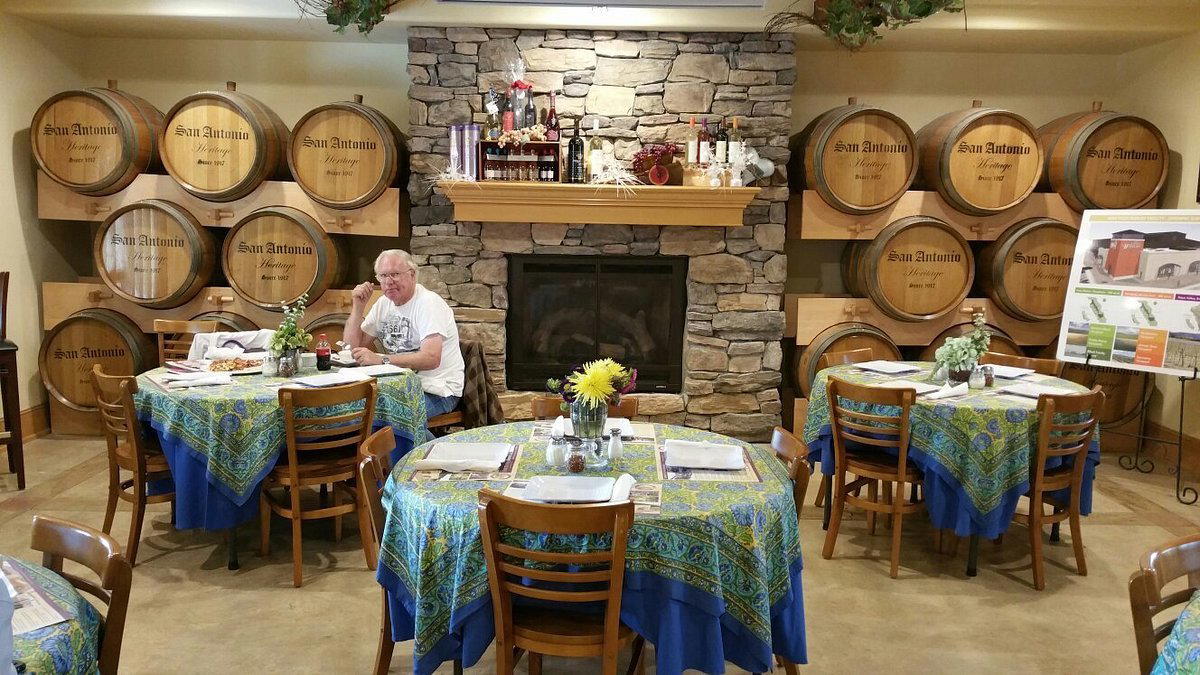
At a Glance
- Lively
- Trendy
- Energetic
- Group Dining
- Casual Hangout
- Celebration
- Open Kitchen
- Craft Cocktails
Current opening hours
- Monday
- 11:30 AM–1 AM
- Tuesday
- 11:30 AM–1 AM
- Wednesday
- 11:30 AM–1 AM
- Thursday
- 11:30 AM–2 AM
- Friday
- 11:30 AM–2 AM
- Saturday
- 11:30 AM–2 AM
- Sunday
- 11:30 AM–1 AM
Hours can change for holidays and private events. Last verified .
Bright, colorful interior with murals, lively music, open windows creating an airy and energetic party-like atmosphere.
Know Before You Go
- Getting there
- 3451 W 6th St, Los Angeles, CA 90020