Cafe 2001

LA Times 101 Best Restaurants #49
Our verdict
Ranked #49 on the LA Times 101 Best Restaurants list for 2025, Cafe 2001 occupies a stretch of East 7th Street in the Arts District that has become one of Los Angeles's more interesting corridors for ingredient-driven cooking. The LA Times placement puts it in documented company with some of the city's most-watched tables, at a price point and format the full editorial below examines in detail.

Pearl is the En Primeur Club membership app — saves, bookings, and concierge access live there. Same editors, same standards.
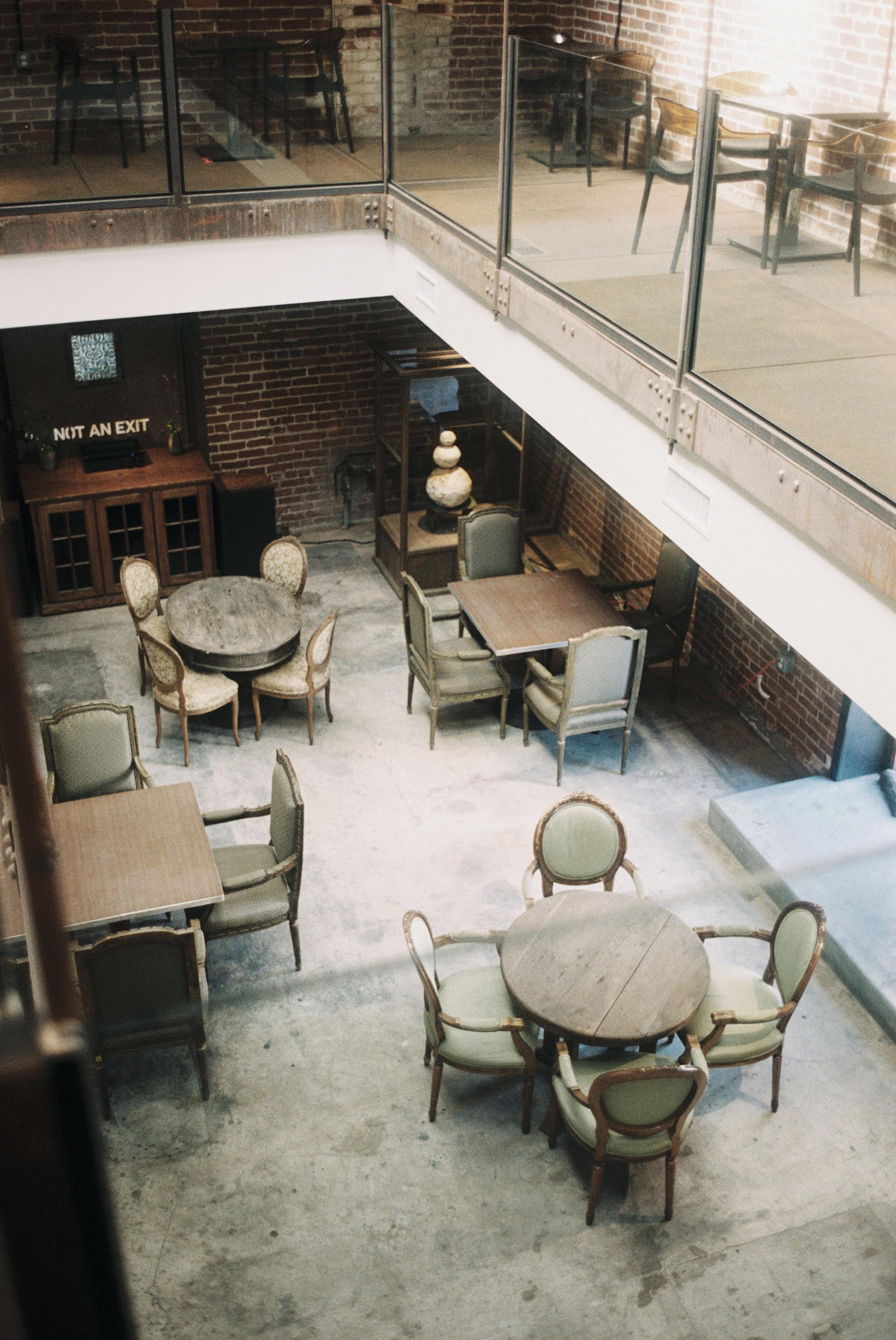
The menu
What to order
- Pork Tenderloin Katsu Sandwich
- Watermelon Cake
- House Terrine Plate
- Smoked Trout with Hash Browns and Huckleberry Jam
- Lemon Tart
East 7th Street and the Ingredient Question
The Arts District corridor along East 7th Street has spent the last decade becoming something more than a backdrop for gallery openings and converted warehouse bars. The restaurants that have taken root here — and stayed — tend to share a preoccupation with where food actually comes from, in contrast to the more technique-forward rooms that dominate the city's Michelin tier. That preoccupation matters in Los Angeles more than in almost any other American city, because the supply chain available here is genuinely different: year-round access to California's Central Valley, direct relationships with small farms in the Inland Empire and beyond, and proximity to a fishing infrastructure that stretches from San Pedro to Santa Barbara. When a restaurant earns placement on the LA Times 101 Best Restaurants list, that sourcing context is always part of the story.
Cafe 2001, at 2001 E 7th St on the north entrance side of the building, earned that placement in 2025, landing at #49 on the LA Times list. That ranking positions it clearly: not at the very best of the city's critical consensus, but inside the documented tier of restaurants that critics who cover Los Angeles consider worth seeking out. For a room on the eastern edge of the Arts District, that is a meaningful signal about how the kitchen operates relative to its neighbourhood and its price point.
What the Sourcing Frame Reveals
In Los Angeles, the ingredient-sourcing conversation has a different character than it does in, say, New York or Chicago. At a room like Le Bernardin in New York City, sourcing is about the global logistics of pristine product arriving at a destination-dining address. At Alinea in Chicago, sourcing is a technical input into a controlled transformation process. In Los Angeles, particularly in the Arts District, the sourcing question is more direct: what is grown or caught within a reasonable radius, and how little needs to happen to it between field and plate? That philosophy is visible across the neighbourhood's more committed kitchens, and it tends to show up in menus that shift with the season rather than cycling through a fixed repertoire.
Restaurants that operate in this register in LA, from the Michelin-starred rooms downtown to the more neighbourhood-scaled addresses in the Arts District, tend to be evaluated by critics partly on how honestly they reflect the seasonal supply they claim to work with. The LA Times list, which is one of the most rigorous annual restaurant rankings produced by an American newspaper, has consistently rewarded kitchens where sourcing integrity is evident on the plate rather than simply stated on the menu. Cafe 2001's position at #49 in 2025 reflects that critical framework.
For comparison, the LA Times list sits in a different register than the Michelin Guide's LA selections, which have rewarded rooms like Hayato (two stars), Kato (one star), and Somni for technically ambitious, often high-format cooking. The Times list casts a wider net, recognising restaurants across price points and formats where the food itself is doing something worth attention. That breadth means a #49 placement is a genuine editorial endorsement rather than a participation credential, especially when the paper's critics are known for cycling the list aggressively year to year.
The Arts District Context
The address at 2001 E 7th St places Cafe 2001 in a part of Los Angeles that has evolved from light industrial to a mixed-use corridor where food businesses, design studios, and creative agencies share the same converted buildings. The north entrance detail matters practically: the block has a particular streetscape logic, and arriving at the right entrance avoids the confusion that catches first-time visitors at some of the larger multi-tenant buildings in the area.
The Arts District's dining character is different from other high-attention neighbourhoods in the city. West Hollywood's restaurant concentration, anchored by rooms like Osteria Mozza, tilts toward Italian-influenced, hospitality-polished dining. Downtown's Michelin-acknowledged addresses, including Providence for seafood, operate at a different price point and with a different set of expectations. The Arts District, by contrast, has maintained a more informal register even as its restaurants have become increasingly sophisticated. That informality is an asset when you are trying to cook ingredient-first: it removes the pressure to dress a seasonal vegetable in architectural ambition and allows the sourcing to speak more directly.
For travellers planning a broader LA dining itinerary, the Arts District makes logical sense as part of a day that also includes the gallery spaces and design shops in the neighbourhood. Full planning resources are available in our full Los Angeles hotels guide, our full Los Angeles bars guide, and our full Los Angeles experiences guide.
Where It Sits in LA's Critical Consensus
The LA Times 101 list is compiled annually and reflects the paper's food desk assessment of where the city's dining is most worth a diner's time and money. Being listed at all in 2025 places Cafe 2001 in documented company with rooms that critics actively return to. It does not place it in the same tier as the city's most technically ambitious kitchens: Hayato, with two Michelin stars and a kaiseki format that demands considerable advance booking, occupies a different category entirely. Nor does it compete directly with destination-format rooms that attract visitors from outside California, like The French Laundry in Napa or Single Thread Farm in Healdsburg.
What the #49 placement signals is a kitchen operating at a level where the city's most attentive food press considers it a reliable recommendation, within the particular critical framework the LA Times applies: food quality, value relative to format, and consistency over time. That is the tier Cafe 2001 occupies in 2025, and it is a meaningful one for visitors deciding where to direct their attention in a city with a genuinely crowded list of serious tables. See our full Los Angeles restaurants guide for the broader picture, including Atomix in New York City and Lazy Bear in San Francisco for calibration across the West Coast's most discussed dining rooms.
Know Before You Go
- Address: 2001 E 7th St, North Entrance, Los Angeles, CA 90021
- Neighbourhood: Arts District, Downtown Los Angeles
- Recognition: LA Times 101 Best Restaurants #49 (2025)
- Phone / Website: Not publicly listed at time of publication
- Booking: Contact details; check current LA Times listing or Google for up-to-date reservation access
- Nearby guides: LA bars | LA hotels | LA wineries | LA experiences
Frequently asked questions
Is Cafe 2001 a family-friendly restaurant?
The 2001 E 7th St address sits in the Arts District corridor, a mixed-use stretch that draws a cross-generational crowd of gallery visitors, studio workers, and neighbourhood regulars. A placement at #49 on the LA Times 101 Best Restaurants list for 2025 suggests a room the paper's food desk considers broadly accessible rather than narrowly specialist.
What's the vibe at Cafe 2001?
The Arts District block of East 7th Street has shifted over the past decade from light industrial to a corridor where food businesses anchor the street-level activity — which sets a particular register: neither precious nor casual. Landing at #49 on the LA Times 101 Best Restaurants list for 2025 places Cafe 2001 in company the paper reserves for rooms it considers worth a Angeleno's deliberate trip, not just a convenient stop.
Is Cafe 2001 award-winning?
Cafe 2001 has received recognition including: LA Times 101 Best Restaurants #49 (2025).
What's the must-try dish at Cafe 2001?
What the LA Times 101 Best Restaurants ranking for 2025 does confirm is that the food desk found the kitchen's output worth a #49 slot in a city with one of the most contested dining scenes in the country. Checking the venue directly for current menu details before visiting is the practical move.
What's Cafe 2001's location?
Cafe 2001 is located at 2001 E 7th St North Entrance, Los Angeles, CA 90021, Los Angeles.
How It Stacks Up
| Venue | Cuisine | Price | Awards | Notes |
|---|---|---|---|---|
| Cafe 2001This venue (the venue you are viewing) | Japanese-European Café | $20–30 | LA Times 101 Best Restaurants #49 | Not listed |
| Kato | Modern Taiwanese Fine Dining | $300–500 | 2 Michelin Stars · World's 50 Best #49 | New Taiwanese, Asian |
| Hayato | Traditional Japanese Kaiseki | $300–500 | 2 Michelin Stars · La Liste Top Restaurants | Japanese |
| Vespertine | Avant-Garde Tasting Menu | $200–300 | 2 Michelin Stars · La Liste Top Restaurants | Progressive, Contemporary |
| Camphor | Modern French with Southeast Asian influences | $150–200 | Michelin Plate · World Best Burgers World's 101 Best Burgers #15 | French-Asian, French |
| Gwen | Contemporary American Steakhouse | $50–100 | Michelin Plate · Wine Spectator Best of Award of Excellence | New American, Steakhouse |
Recognition history
Dated appearances from independent guides and award organizations, with the underlying list record or original source where available.
LA Times 101 Best Restaurants #49
LA Times