


Pharaoh has held the Michelin Bib Gourmand in both 2024 and 2025, a rare back-to-back recognition for a mid-price Greek kitchen operating on a near-daily rotating menu. Located on Solomou 54 in Exarchia, it drew immediate attention from Athens diners and sits clearly below the city's fine-dining tier in price while competing on ingredient quality and creative output.
Pearl is the En Primeur Club membership app — saves, bookings, and concierge access live there. Same editors, same standards.
- Address
- Solomou 54, Athina 106 82, Greece
- Phone
- +30 21 0380 8412
- Website
- pharaoh.gr
- Directions
- Get directions
 Saves & bookings on Pearl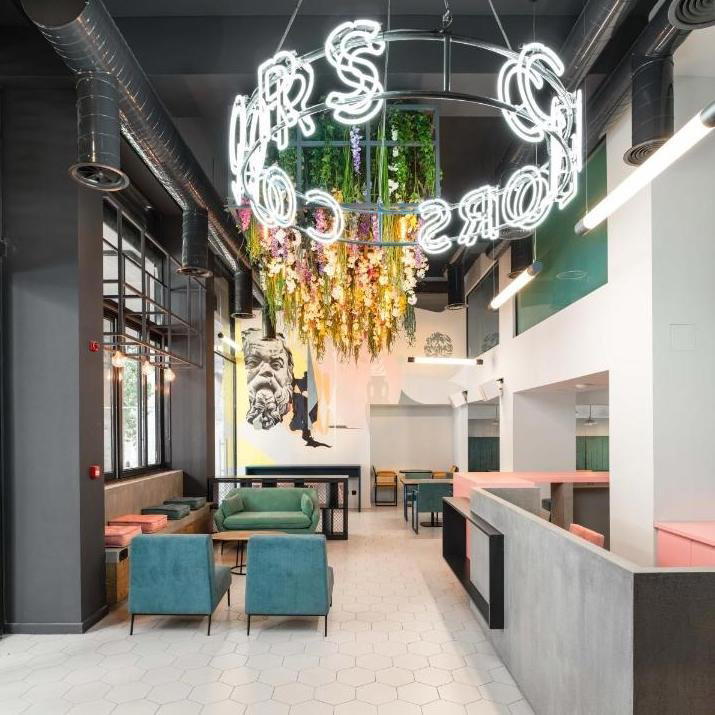
Where Exarchia Meets the Plate
The streets around Solomou in Athens' Exarchia neighbourhood carry a particular charge: bookshops, coffee bars, and neighbourhood tavernas occupy the same blocks, and the area has historically resisted the kind of polished restaurant development that transformed Kolonaki or Monastiraki. That resistance makes Pharaoh's arrival and its subsequent pull on Athens' dining conversation more telling. A restaurant that became the talk of the town from day one, in a neighbourhood not known for welcoming that kind of attention, signals something worth examining about where Athenian dining is moving.
The mid-price bracket in Athens has long been a contested tier. On one side sit the traditional taverna format, which trades on familiarity and volume; on the other, a cluster of ambitious modern Greek kitchens at the €€€ and €€€€ level, including Aleria and Cookoovaya, that have drawn both Michelin attention and a loyalist reservation crowd. Pharaoh occupies the €€ middle ground, where the proposition is sharper: serious cooking at accessible prices, with no room to hide behind ceremony or setting.
A Menu That Doesn't Stay Still
Defining structural feature of Pharaoh's kitchen is a menu that changes almost every day, driven by what is available at market rather than what is printed on a laminated card. This is not an unusual claim in contemporary restaurant culture, where market-driven menus have become a standard marketing position. What separates genuine daily variation from performative flexibility is the degree to which the kitchen is actually reconfiguring dishes rather than swapping one garnish for another. At Pharaoh, chef Manolis Papoutsakis and his team have built their reputation on the former, responding to ingredient availability with sufficient range that repeat visits yield materially different meals.
This structural commitment to impermanence carries real consequences for the dining experience. Regular guests develop a relationship with the kitchen's logic rather than with specific dishes, which is a different kind of loyalty than the one built around a signature plate. It also places significant demand on the brigade: consistent quality across a menu that shifts this frequently requires a team operating from deep technique rather than rehearsed execution.
For the broader Athens scene, this approach represents a meaningful departure from the format that has dominated mid-price Greek dining. The Greek kitchen's canonical strengths, its seasonal ingredients, its regional variation, its clarity of flavour, are ideally suited to this kind of responsive programming. Pharaoh's format makes those strengths visible in a way that fixed menus rarely do. Restaurants like Linou Soumpasis k sia and Merceri approach the same creative space from different angles, and together they represent a shift in what Athenian diners are willing to seek out at price points below the city's fine-dining ceiling.
Two Consecutive Bib Gourmands: What That Signal Means
Michelin's Bib Gourmand is a category often misread as a consolation tier below the star system. In practice, it functions as a different kind of recognition: it identifies kitchens delivering quality at price points the guide considers accessible relative to their local market. Back-to-back Bib Gourmand recognition in 2024 and 2025 is not automatic. It requires the kitchen to sustain the standard across the inspectors' multiple visits that the guide's methodology demands, and it signals that what initially impressed has not been a novelty effect. For a restaurant with a near-daily rotating menu, maintaining that consistency across separate inspection windows is a more demanding test than it would be for a kitchen running the same tasting menu on a fixed cycle.
Within Athens' Michelin geography, this places Pharaoh in a distinct comparable set. The city's starred restaurants, Spondi, Tudor Hall, Botrini's, and Akra, operate at price points two brackets above. Aleria sits at €€€ with its own Michelin recognition. Pharaoh's position at €€ with consecutive Bib Gourmands carves out a specific niche: the restaurant that Michelin inspectors consider worth tracking at a price most Athens diners can reach without a special occasion.
The Bib also carries weight outside Greece. For visitors who move between Athens and the islands, the same guide geography that covers Koukoumavlos in Fira or Aktaion in Firostefani places Pharaoh on the same map, making it a natural stop for diners who track Michelin recognition across a Greek itinerary.
The Evolution of a Centre-City Kitchen
Pharaoh's trajectory since opening has followed a pattern recognisable in Athens' more interesting recent arrivals: an immediate local response, followed by sustained critical attention, followed by the harder work of delivering on the original premise consistently. The restaurants that have cleared that third stage in Athens, and there are fewer of them than the city's restaurant density might suggest, tend to be those where the format itself enforces quality rather than relying solely on the energy of an opening period.
A daily-changing menu is a self-policing format in this sense. It removes the option of coasting on a dish that was exciting six months ago. That Pharaoh has maintained Michelin recognition through two consecutive years while holding to that format suggests the evolution has been managed rather than accidental.
For context on how Athens' mid-range creative dining has developed, the gap between a neighbourhood taverna and a polished modern Greek kitchen has narrowed considerably in the past decade. Pharaoh sits in that narrowed space and has helped define what it looks like at the €€ price point: a working kitchen where the menu is genuinely responsive, the credentials are independently verified, and the neighbourhood setting is not incidental to the experience but part of it.
Planning a Visit
Pharaoh is at Solomou 54, Athens 106 82, in the Exarchia district, walkable from the central metro network and a short distance from Omonia Square. Given the daily-shifting menu and the attention the restaurant has attracted since opening, booking ahead is advisable rather than optional. Hours are Mon to Thu 5:30 PM to 2 AM, Fri and Sat 1:30 PM to 2 AM, and Sun closed; reservations are recommended.
Credentials Lens
Comparable venues nearby, for context on price, style, and recognition.
| Venue | Cuisine | Price | Awards | Notes |
|---|---|---|---|---|
| PharaohThis venue — the venue you are viewing | Traditional Greek Wood-Fire Cuisine | $$$ | Bib Gourmand | Not listed |
| Akra | Modern Greek | $$$ | Bib Gourmand | Pangrati |
| see|ds | Modern Greek Fine Dining | $$$ | Michelin Plate | Pangrati |
| Merceri | Modern Greek Bistro | $$$ | Michelin Plate | Thiseio |
| Aneton | Modern Greek | $$$ | Michelin Plate | Plaka |
| 2 Mazi | Modern Greek Creative | $$$ | Not listed | Plaka |
Recognition history
Dated appearances from independent guides and award organizations, with the underlying list record or original source where available.
Falstaff Wine Bar - 94 Falstaff Points
Falstaff
Star Wine List
Star Wine List
Michelin Bib Gourmand
Michelin
Michelin Bib Gourmand
Michelin
Continue exploring
More in Athens
Restaurants in Athens
Browse all →
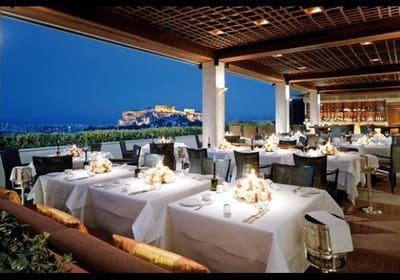
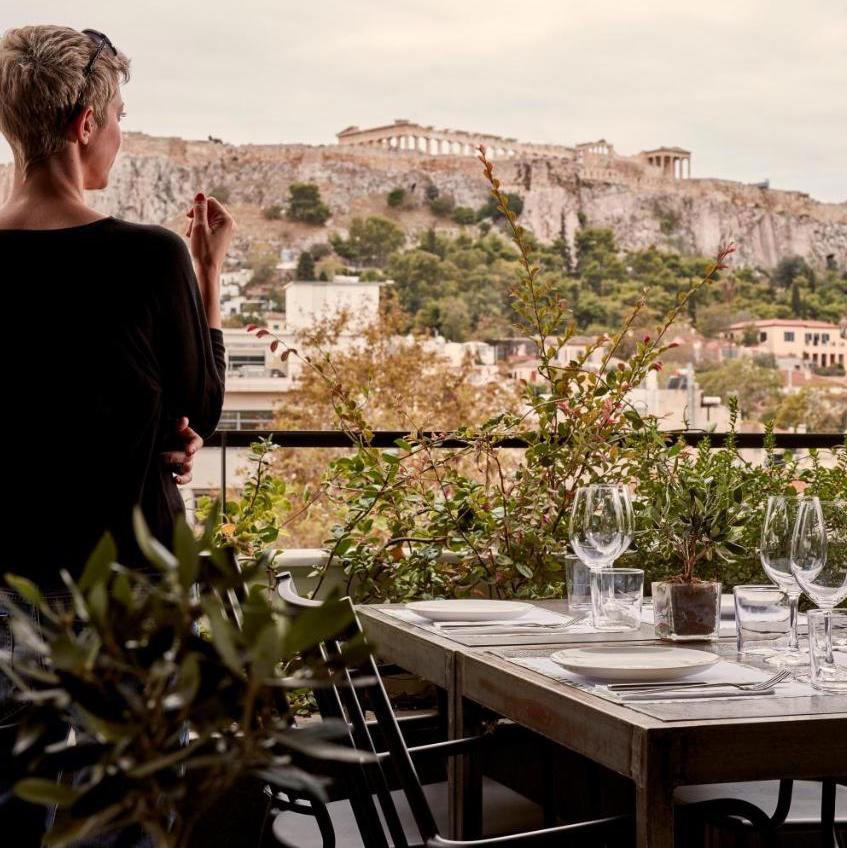
Bars in Athens
Browse all →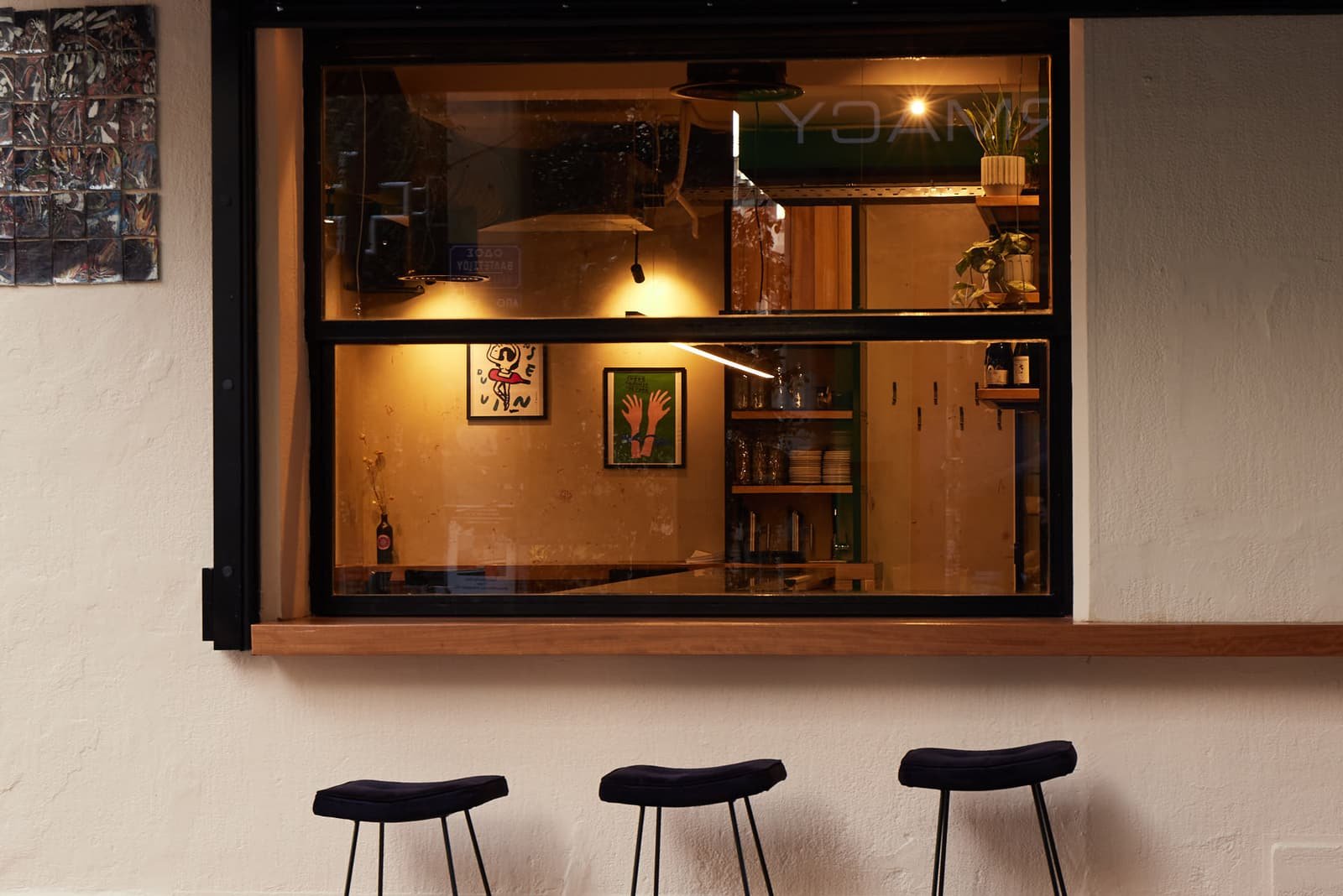
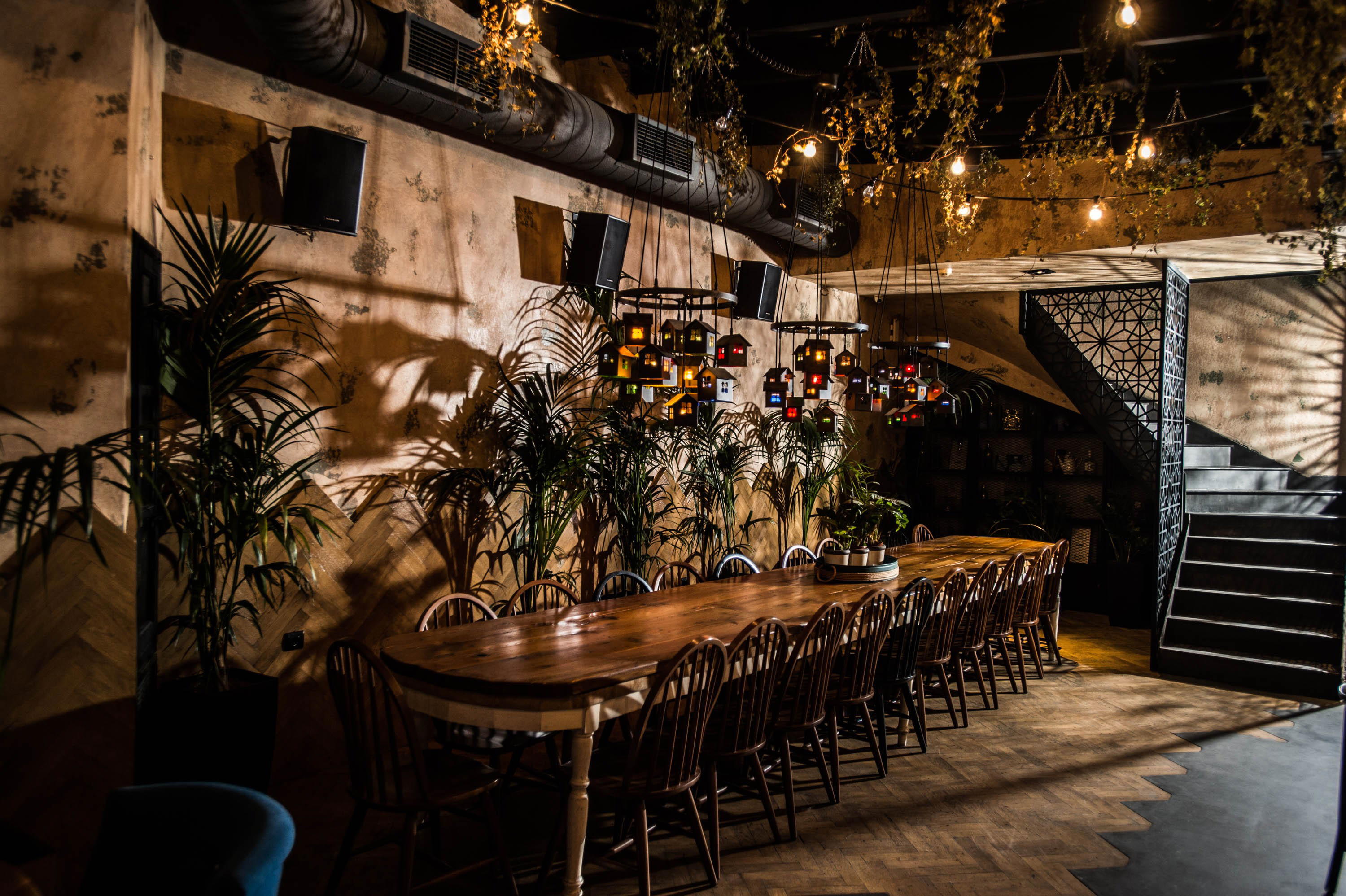
Hotels in Athens
Browse all →
At a Glance
- Trendy
- Lively
- Modern
- Industrial
- Energetic
- Date Night
- Special Occasion
- Open Kitchen
- Terrace
- Extensive Wine List
Current opening hours
- Monday
- 5:30 PM–2 AM
- Tuesday
- 5:30 PM–2 AM
- Wednesday
- 5:30 PM–2 AM
- Thursday
- 5:30 PM–2 AM
- Friday
- 1:30 PM–2 AM
- Saturday
- 1:30 PM–2 AM
- Sunday
- Closed
Hours can change for holidays and private events. Last verified .
Stylish modern-industrial decor with dim lighting, open kitchen views, and a lively atmosphere enhanced by funky electro music from a DJ.