Our verdict
ALK sits on North Cahuenga Boulevard in Hollywood, a stretch where the dining scene has grown considerably more serious over the past decade. With sparse public data and a low profile that resists easy categorization, it occupies a tier of LA restaurants where the experience tends to speak before the marketing does. For those tracking the city's more considered dining options, it warrants attention.

Pearl is the En Primeur Club membership app — saves, bookings, and concierge access live there. Same editors, same standards.
- Address
- 1400 N Cahuenga Blvd, Los Angeles, CA 90028
- Phone
- (323) 762-1000
- Hours
- Mon–Fri 7–10:30 AM, 11 AM–1:30 PM, 5–10 PMSat 7 AM–10 PMSun 7–10:30 AM, 11 AM–1:30 PM, 5–10 PM
- Website
- godfreyhotelhollywood.com
- Directions
- Get directions
- Booking
- Book on OpenTable
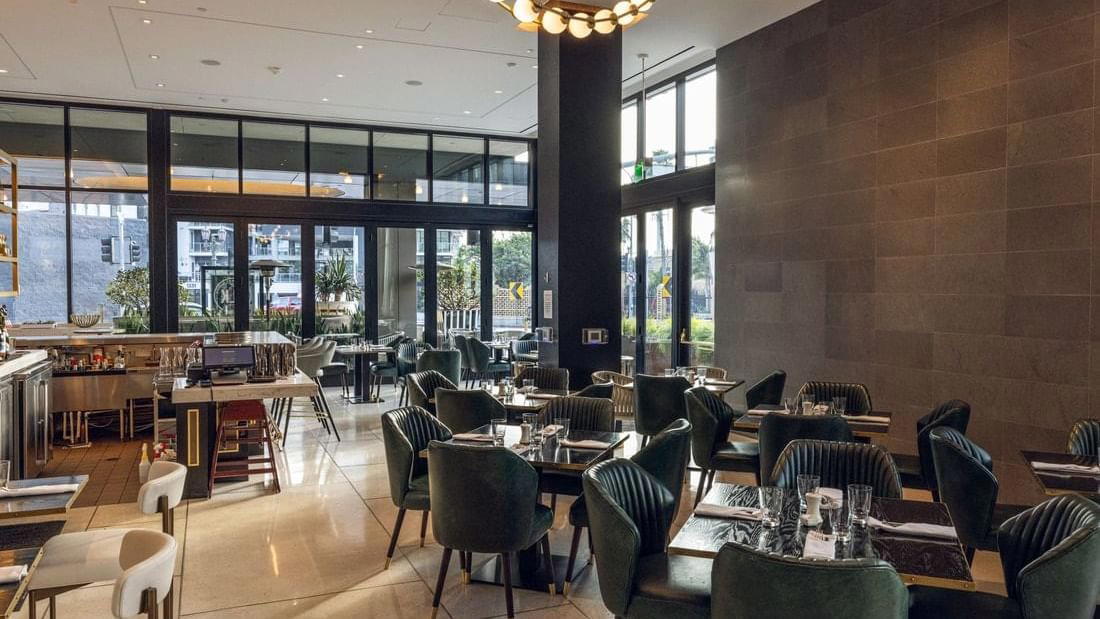
Hollywood's Quieter Register
North Cahuenga Boulevard runs through a part of Hollywood that most dining coverage skips in favour of the westside or downtown. That oversight is partly geographic habit and partly the result of how the strip has developed: incrementally, without a single anchor moment, accumulating a working dining culture rather than a curated one. ALK, at 1400 N Cahuenga Blvd, sits inside that pattern. Its address places it in a neighbourhood where the competition for attention is real but the noise level, editorially speaking, remains lower than in West Hollywood or Arts District.
Los Angeles has spent the better part of a decade sorting itself into legible dining tiers. At the leading end, a cluster of destination restaurants — Providence, Somni, and Hayato — anchor the city's credibility on a national stage. Below that, a middle tier has developed that resists easy labelling: restaurants that are neither purely casual nor fully tasting-menu formal, that attract a local clientele more than a tourist one, and that tend to book through word of mouth before marketing. Kato, with its New Taiwanese framework and $$$$ price point, demonstrates how LA's more serious mid-tier restaurants operate: tight format, deliberate pacing, a dining ritual that asks something of the guest in return. ALK's positioning on Cahuenga suggests a similar mode, though its details remain closer to the chest.
The Ritual of the Meal in a City That Invented Casual
There is a particular tension in Los Angeles dining between the city's foundational casualness and its increasing appetite for structured, paced, intentional meals. The tasting-menu format, with its fixed progression, deliberate service beats, and implicit demand for the guest's full attention, has found a genuine audience here, even if it arrived later than in New York or San Francisco. Lazy Bear in San Francisco and Smyth in Chicago represent how cities outside LA have codified the dining-as-ritual format; in LA, the form tends to feel slightly less institutional, slightly more personal in its hospitality register.
What defines the dining ritual at the upper-middle tier of the LA market is pacing: courses that arrive with enough interval for conversation, wine service that tracks the food rather than running ahead of it, a room quiet enough to actually hear what the server is describing. Osteria Mozza showed early that LA audiences would commit to a formal meal if the room felt right and the food gave them something to think about. The restaurants that have followed in that tradition, and there are more of them now than there were five years ago, have learned that the ritual is as much about sequence and spacing as it is about the food itself.
For a point of comparison outside California: Le Bernardin in New York City and The Inn at Little Washington represent the most codified version of American fine-dining ritual, where every beat of the service is choreographed and the guest is largely passive. The more interesting development in cities like LA is a version of that ritual that feels collaborative rather than performative, where the kitchen's progression makes a case and the guest has some agency in how the evening unfolds.
Cahuenga and the Hollywood Dining Shift
The corridor from Hollywood and Highland down toward Franklin has attracted a different kind of restaurant operator over the past several years: less interested in visibility on Sunset, more interested in building a regular clientele that comes back rather than checking in. This mirrors patterns visible in other American cities, the way Addison in San Diego built its reputation away from the obvious tourist footprint, or how Frasca Food & Wine in Boulder became a destination by serving its local market exceptionally well rather than chasing national attention.
The Cahuenga stretch benefits from proximity to the Hollywood residential neighbourhoods that house a significant portion of LA's working creative industry. The demographic is not the tourist market; it is the industry-adjacent local who dines out frequently, has strong opinions about value and quality, and is not easily impressed by concept-driven novelty. Restaurants that survive here tend to do so because their regulars return, and regulars return when the ritual of the meal is consistent and worth repeating. Single Thread Farm in Healdsburg and Blue Hill at Stone Barns in Tarrytown represent how this logic plays out at the highest investment level; on a more local scale, the same principle of repeat-visit loyalty holds.
Its address on North Cahuenga places it outside the obvious fine-dining corridors but inside a neighbourhood with genuine dining ambition. Restaurants at the $$$$ tier in LA, Kato, Hayato, and Vespertine being the clearest reference points, operate with small formats, deliberate service, and a dining experience that is front-loaded with intention. The restaurants at the $$ tier in the same general area, like Holbox with its Mexican seafood focus, demonstrate that the neighbourhood's dining range is wide.
Internationally, the model of the serious neighbourhood restaurant with a low marketing footprint has precedents: Atomix in New York City built its reputation through format and execution before media coverage caught up, and Atelier Moessmer Norbert Niederkofler in Brunico demonstrates how a restaurant can anchor a regional identity through consistency rather than visibility. Emeril's in New Orleans is a useful counter-example: a restaurant whose name recognition eventually exceeded its dining experience in the public conversation. The restaurants worth tracking are typically those where the inverse is true.
For the full picture of where ALK fits within Los Angeles's broader dining scene, see our full Los Angeles restaurants guide.
Planning Your Visit
Address: 1400 N Cahuenga Blvd, Los Angeles, CA 90028. Reservations: Booking method not confirmed; contacting the venue directly is advised before visiting. Dress: Budget: Parking: Street parking is available on Cahuenga and adjacent side streets; the area is also served by the Hollywood/Vine Metro B Line station approximately half a mile south.
Frequently asked questions
What's the address for ALK?
ALK is located at 1400 N Cahuenga Blvd, Los Angeles, CA 90028, Los Angeles.
Is ALK in Hollywood close to major Los Angeles landmarks or transport links?
ALK's address at 1400 N Cahuenga Blvd, Los Angeles, CA 90028 places it in central Hollywood, within the corridor running between Hollywood and Highland to the south and Franklin Avenue to the north. Hollywood/Highland Metro B Line station is in the immediate area, making the venue accessible from much of central Los Angeles without a car. Parking options on Cahuenga and surrounding streets vary by time of day, so checking conditions before arrival is practical.
What should I eat at ALK?
ALK sits at 1400 N Cahuenga Blvd in a Hollywood corridor that has drawn operators running tighter, more intentional menus than the westside mainstream. Asking the team about the current offerings when you book will give you a clearer picture than any third-party summary.
Is ALK reservation-only?
The booking format at ALK has not been confirmed through available channels. Given the address on North Cahuenga and the direction dining in that Hollywood corridor has taken toward more structured operations, reaching out to the venue directly before arriving is the safest move. Walk-in availability, if it exists, is something ALK itself can clarify.
What is ALK known for?
ALK is positioned on North Cahuenga Boulevard, a stretch of Hollywood that has attracted a different class of restaurant operator over recent years, favouring intention over volume. Direct contact with the venue will give the fullest account of what defines the experience.
Do they accommodate allergies at ALK?
Standard practice at independently operated Los Angeles restaurants is to discuss requirements at the time of booking or reservation. Contacting ALK directly at 1400 N Cahuenga Blvd, Los Angeles, CA 90028 before your visit is the only way to confirm specifics.
Same-City Peers
| Venue | Cuisine | Price | Awards | Notes |
|---|---|---|---|---|
| ALKThis venue — the venue you are viewing | SoCal-Centric Brasserie | Not listed | Not listed | Not listed |
| Kato | Modern Taiwanese Fine Dining | $300–500 | 2 Michelin Stars · World's 50 Best #49 | New Taiwanese, Asian |
| Hayato | Traditional Japanese Kaiseki | $300–500 | 2 Michelin Stars · La Liste Top Restaurants | Japanese |
| Vespertine | Avant-Garde Tasting Menu | $200–300 | 2 Michelin Stars · La Liste Top Restaurants | Progressive, Contemporary |
| Holbox | Modern Mexican Seafood | $30–50 | 1 Michelin Star · World's 50 Best #26 | Mexican Seafood, Mexican |
| Sushi Kaneyoshi | Edomae Omakase | $300–500 | 1 Michelin Star · LA Times 101 Best Restaurants #24 | Sushi, Japanese |
Continue exploring
More in Los Angeles
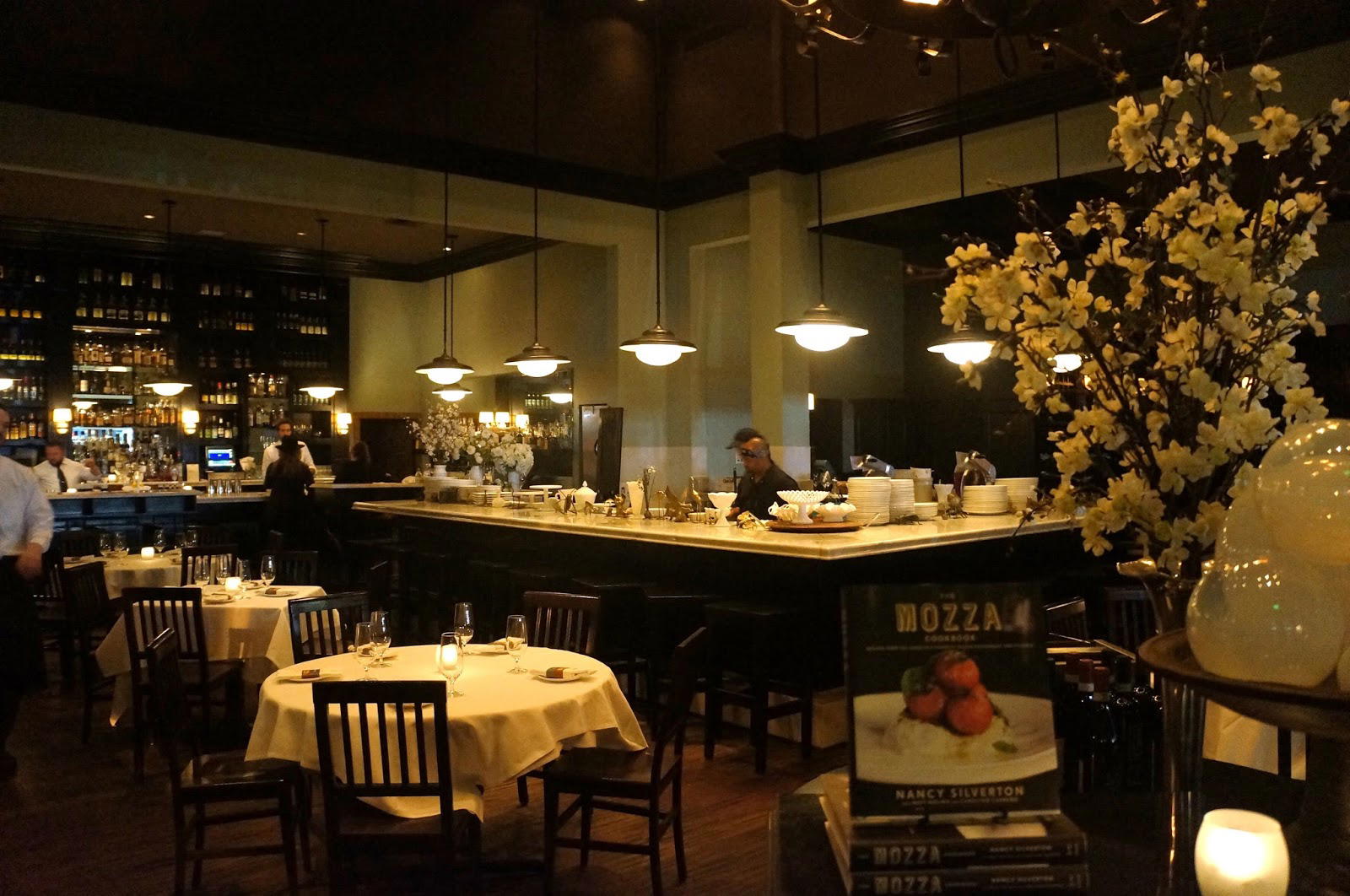
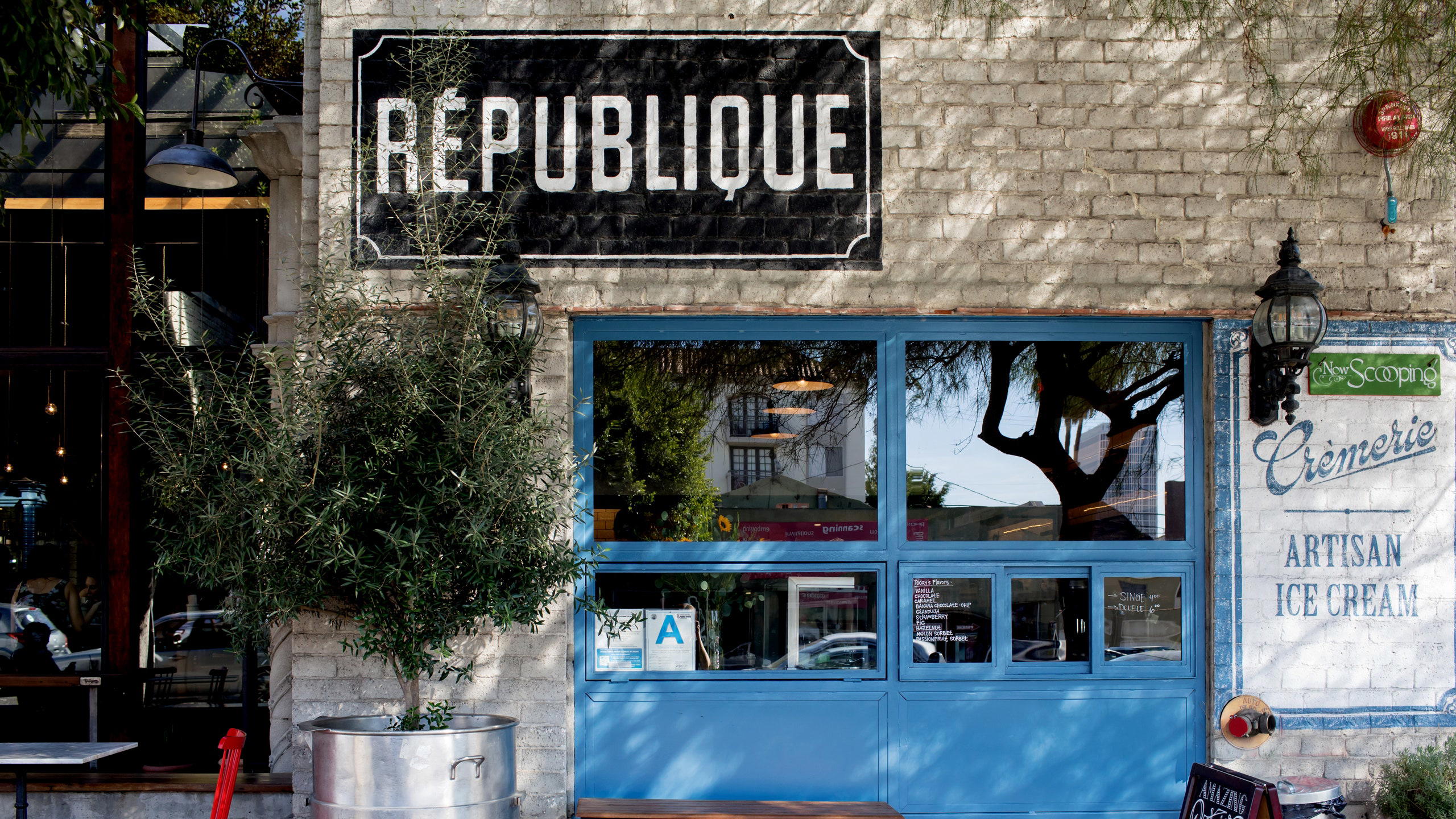
Restaurants in Los Angeles
Browse all →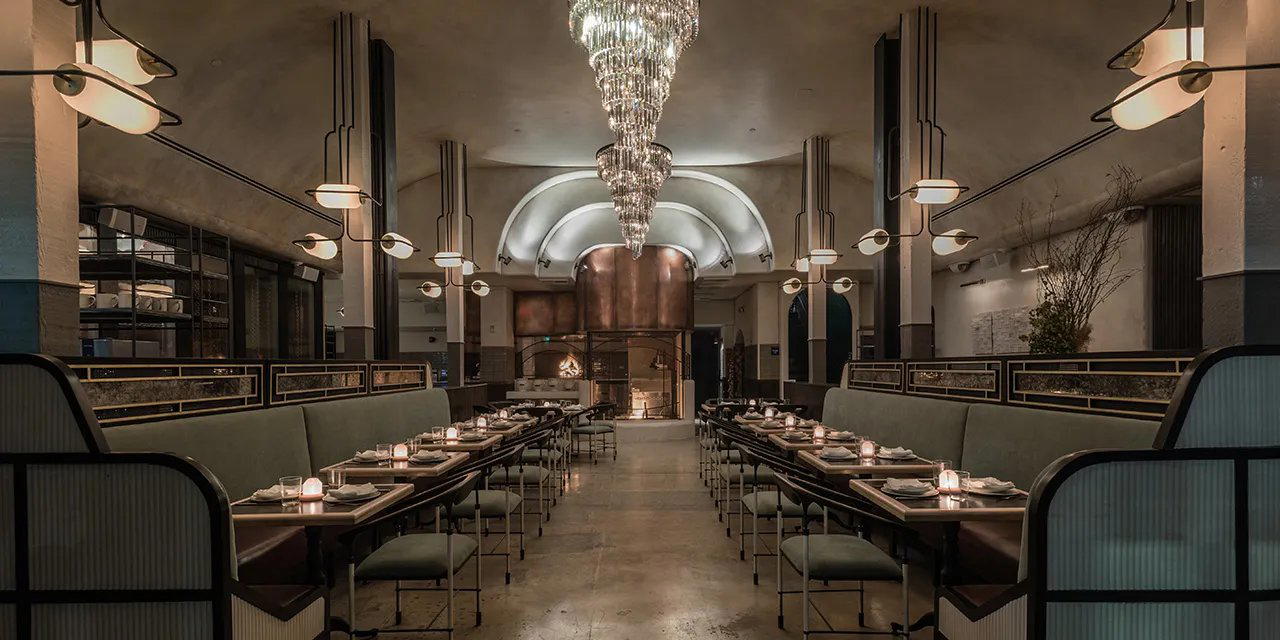
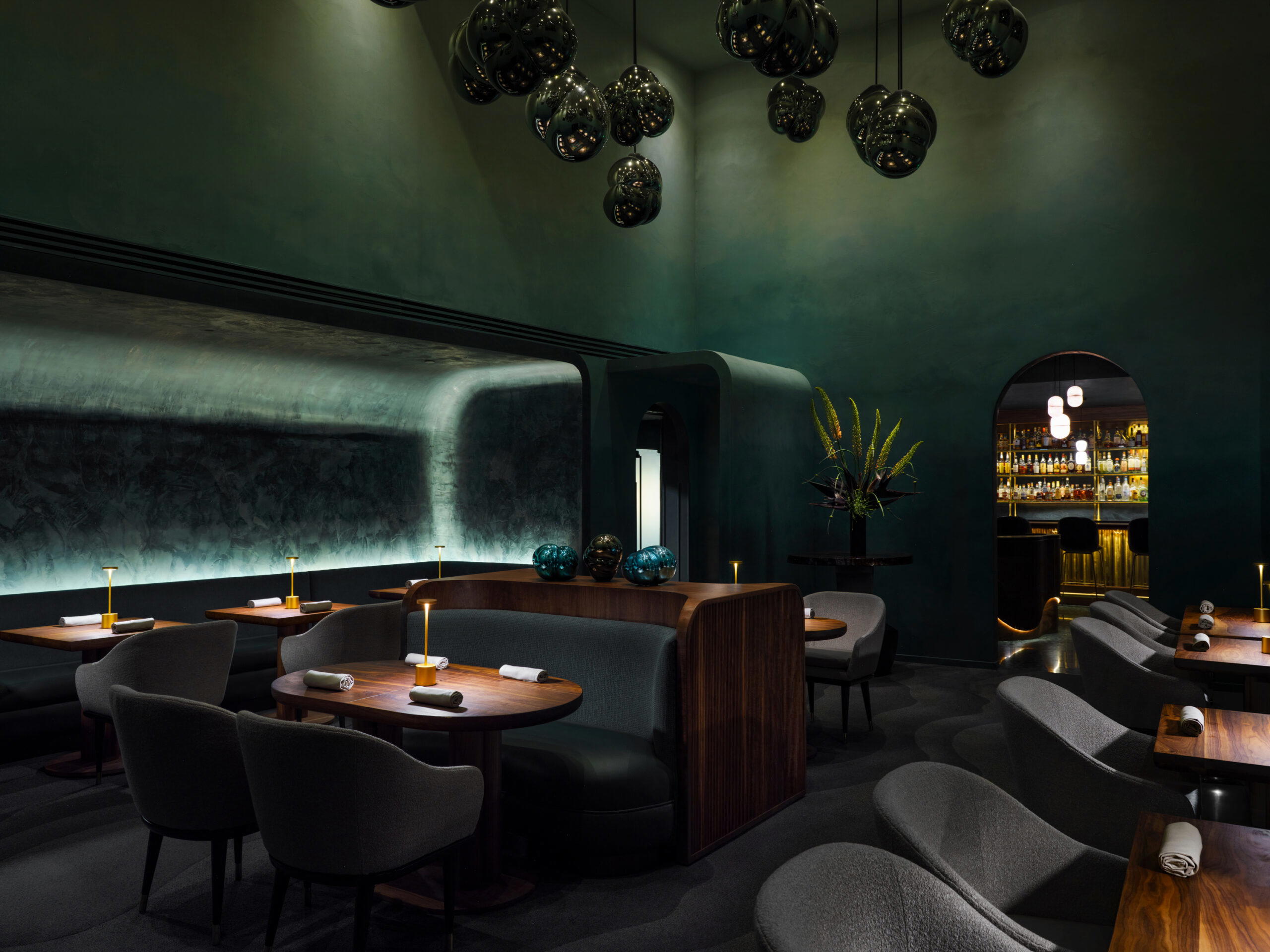
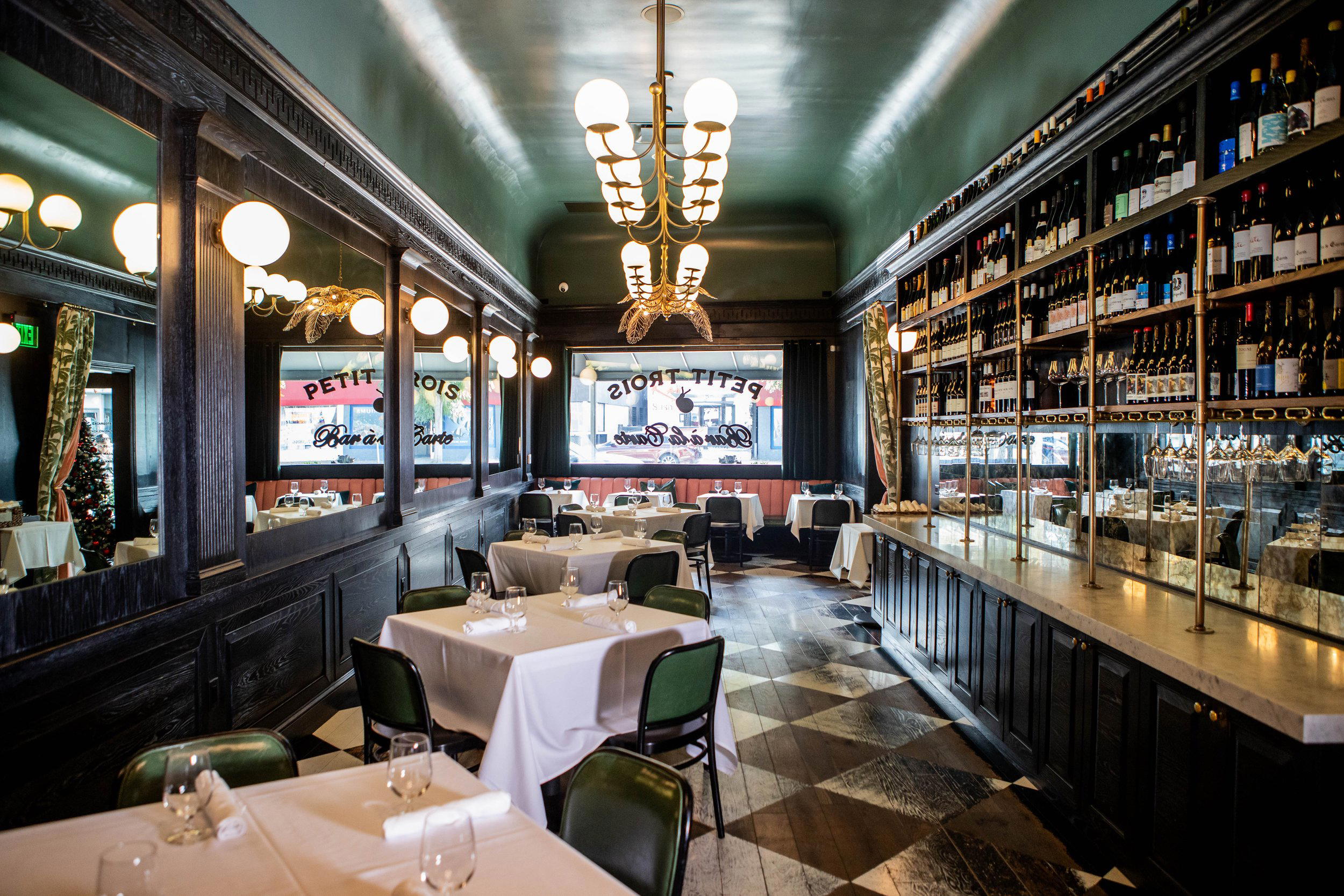
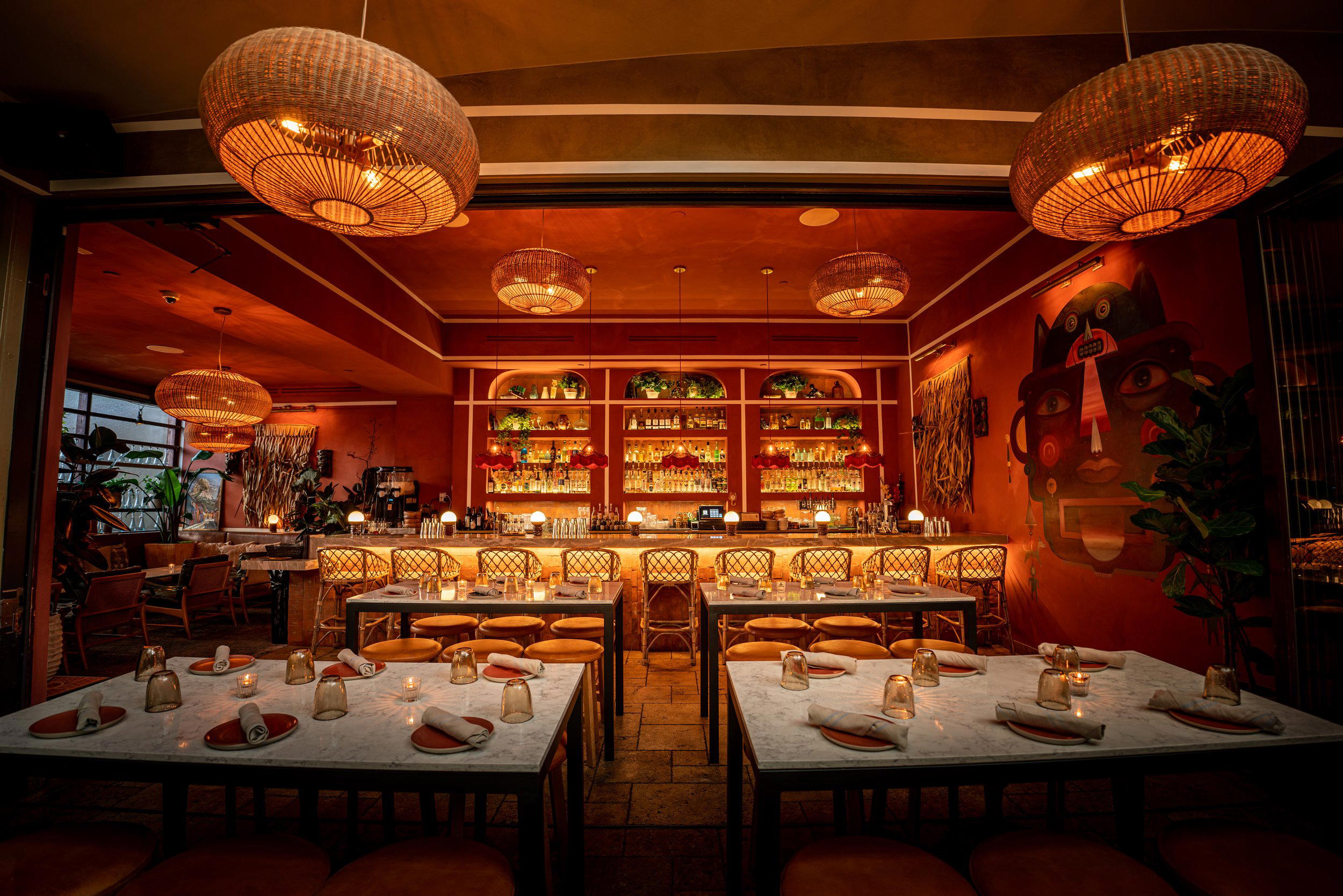
Bars in Los Angeles
Browse all →
Hotels in Los Angeles
Browse all →
Wineries in Los Angeles
Browse all →
Details
- Trendy
- Lively
- Date Night
- Business Dinner
- Casual Hangout
- Hotel Restaurant
- Open Kitchen
- Craft Cocktails
- Local Sourcing
- A La Carte
Current opening hours
- Monday
- 7–10:30 AM, 11 AM–1:30 PM, 5–10 PM
- Tuesday
- 7–10:30 AM, 11 AM–1:30 PM, 5–10 PM
- Wednesday
- 7–10:30 AM, 11 AM–1:30 PM, 5–10 PM
- Thursday
- 7–10:30 AM, 11 AM–1:30 PM, 5–10 PM
- Friday
- 7–10:30 AM, 11 AM–1:30 PM, 5–10 PM
- Saturday
- 7 AM–10 PM
- Sunday
- 7–10:30 AM, 11 AM–1:30 PM, 5–10 PM
Hours can change for holidays and private events. Last verified .
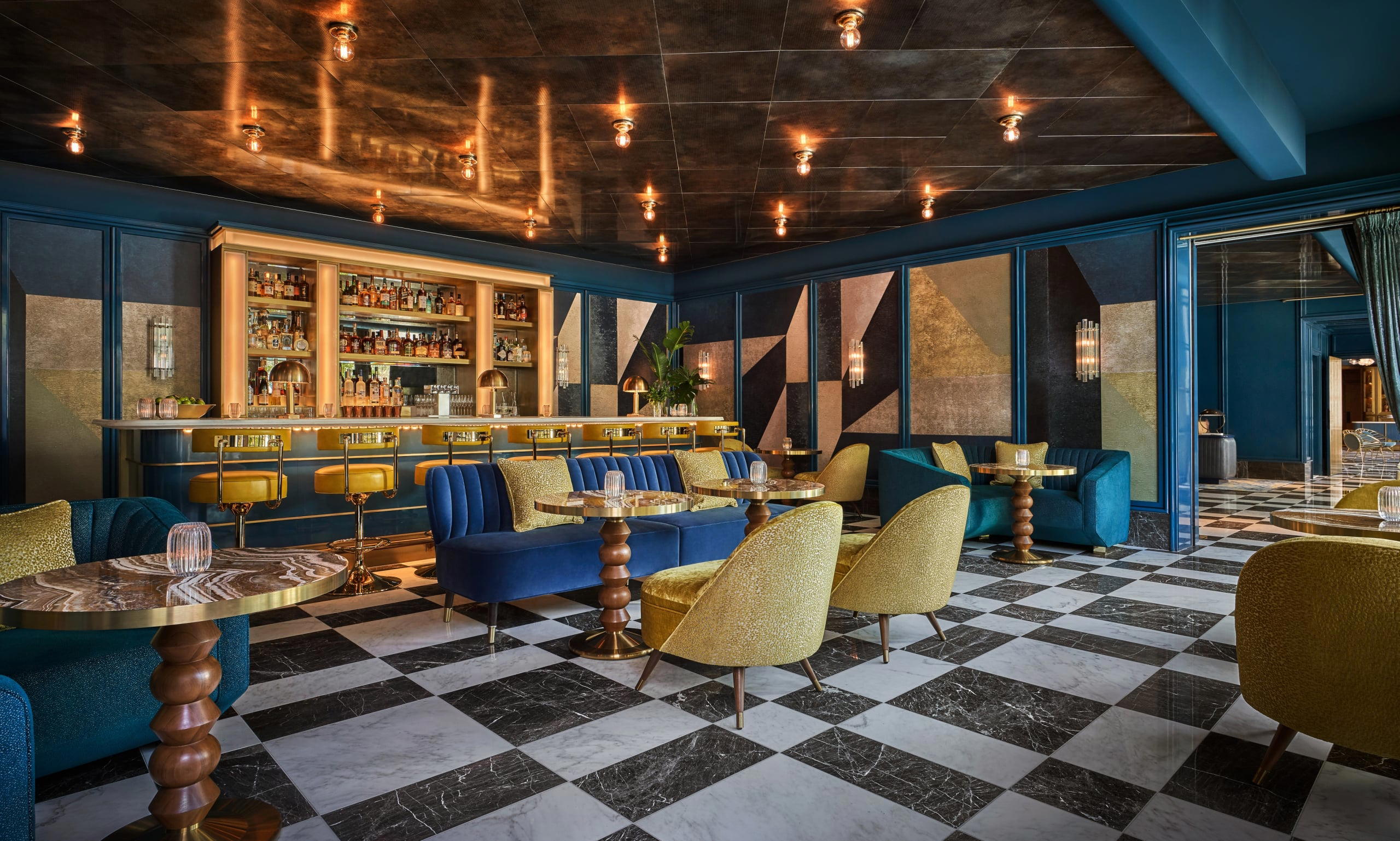
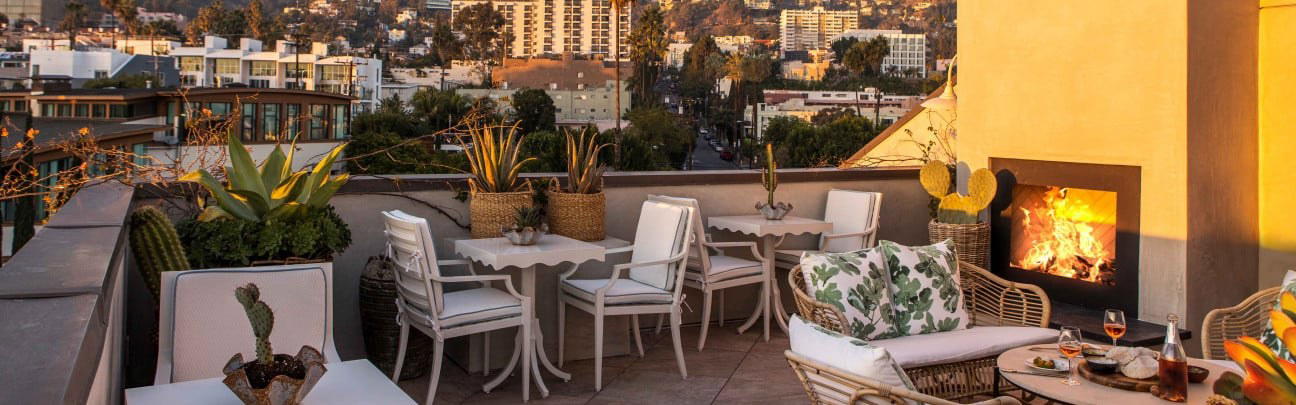
Retro-chic aesthetics inspired by Hollywood's historic past, fostering a social and lively atmosphere with al fresco dining.