Asturiano
Our verdict
Asturiano occupies a Polanco address on Calle Arquímedes 4, placing it inside Mexico City's most concentrated corridor of serious dining. The restaurant operates within a neighbourhood where multi-course format and editorial recognition have become baseline expectations, and where the competition for a reader's evening runs directly against Pujol, Quintonil, and a handful of other destination-grade rooms.

Pearl is the En Primeur Club membership app — saves, bookings, and concierge access live there. Same editors, same standards.
Polanco's Dining Grammar and Where Asturiano Sits Within It
Calle Arquímedes cuts through the residential core of Polanco IV Sección, a few blocks from Avenida Presidente Masaryk — the commercial spine that has anchored Mexico City's premium dining scene for two decades. The neighbourhood's culinary character is not accidental: Polanco absorbed an early concentration of internationally trained chefs, deep-pocketed wine programs, and the kind of clientele that treats a three-hour dinner as a normal Tuesday.
In that context, Asturiano's placement on Arquímedes 4 is itself a signal. Polanco restaurants at this address level are not operating in a forgiving market. The room sits within walking distance of Pujol, arguably the most internationally documented Mexican restaurant of the past fifteen years, and within easy reach of Quintonil, which has built a parallel reputation on contemporary Mexican technique at a comparable price tier. A restaurant that opens in Polanco without a clear editorial identity tends not to survive that proximity for long.
The Architecture of a Meal: Sequencing in a Serious Room
Mexico City's most ambitious restaurants have increasingly adopted a tasting-progression format as the primary vehicle for communicating a kitchen's point of view. This is not purely a trend borrowed from European fine dining; it reflects the depth of Mexican ingredient culture, where the arc from snack to main to sweet can cover multiple climatic zones, technique generations, and flavour registers within a single sitting. The format rewards kitchens with genuine range and exposes those without it.
The multi-course progression imposes a specific discipline on a dining room. Pacing, temperature contrast, the transition from acid-forward early courses to fat-rich mid-courses, the decision about when to deploy a protein centrepiece — these are the craft questions that distinguish a kitchen running a format from one that has thought through why the format exists. For a reader considering where to spend a long evening in Polanco, the question is not simply whether a restaurant offers tasting menus, but whether the sequencing reflects a culinary logic that holds together from first bite to final course.
Mexico City's broader fine-dining trajectory has produced a generation of kitchens fluent in this language. The city now competes on this register with restaurants elsewhere in the country, Animalón in Valle de Guadalupe, Le Chique in Puerto Morelos, and Alcalde in Guadalajara each represent regional nodes of the same format discipline, but the capital remains the primary arena where international critical attention concentrates.
Polanco's Competitive Tier: What Proximity to Peer Rooms Means for the Reader
Booking an evening in Polanco requires calibrating expectations across a compressed geography. The neighbourhood's density of serious restaurants means that a reader's decision is almost always a comparison decision. Rosetta, running Italian-inflected creative cooking in Roma Norte, and Em, one of the city's more focused Mexican tasting rooms, represent the kind of destination-grade alternatives that shape how Polanco addresses are evaluated by repeat visitors to the city.
At the national level, the comparison set extends further. KOLI Cocina de Origen in Monterrey and Pangea in San Pedro Garza Garcia have demonstrated that Mexico's fine dining ambition is not contained within the capital, while Levadura de Olla in Oaxaca operates on a different axis entirely, grounding its menu in regional tradition rather than technique-forward progression. Within this expanded field, a Polanco address carries both privilege and expectation.
For readers whose reference points extend outside Mexico, the relevant comparison tier includes rooms like Le Bernardin in New York City or Lazy Bear in San Francisco, kitchens that have used the tasting format to establish a sustained critical and commercial identity over years, not just a season. That is the level of consistency the Polanco market quietly demands.
The Neighbourhood at Table: What Polanco Signals Beyond the Plate
Polanco's dining culture has always been inflected by its residential character. The neighbourhood's streets are quieter than Roma or Condesa; the clientele skews toward long-term Mexico City money, international business travel, and serious food tourism rather than the younger crowd that gravitates toward the city's more experimental registers. A dinner here is rarely a spontaneous decision. The room, the service register, and the wine program are expected to function at a level commensurate with the planning that goes into booking.
That expectation shapes what kind of restaurant survives in Polanco over time. The addresses that endure tend to have a consistent point of view, a service team that can read a table, and a format that rewards rather than exhausts a three-hour commitment. Rooms that open on novelty alone tend to cycle out within two years. The ones that remain become reference points for what the neighbourhood's dining character actually means in practice.
For context on how Mexico City's full dining map sits together, our full Mexico City restaurants guide covers the breadth from Polanco's formal registers to the more casual but equally serious kitchens in Condesa, Roma, and beyond. Readers building an itinerary should also consider the regional dimension: Arca in Tulum, HA' in Playa del Carmen, Olivea Farm to Table in Ensenada, and Lunario in El Porvenir each represent a different geography of Mexico's expanding fine-dining conversation, all worth mapping against a capital visit.
Asturiano's Calle Arquímedes address places it inside one of the most demanding dining corridors in Latin America. For a reader whose evening in Polanco is a considered decision rather than a casual one, the neighbourhood context is part of what is being purchased alongside the meal itself.
Know Before You Go
- Address: Calle Arquímedes 4, Polanco IV Sección, Miguel Hidalgo, 11560 Ciudad de México, CDMX
- Neighbourhood: Polanco, Mexico City's primary concentration of destination-grade dining, within proximity of Pujol and Quintonil
- Phone: Not publicly listed, check current booking channels directly
- Reservations: Confirmed booking is strongly advised for any Polanco address at this tier; walk-in availability cannot be assumed
- Getting There: Polanco IV Sección is accessible via the Polanco metro station (Line 7) or by taxi and ride-share from Condesa or Roma in approximately 15–20 minutes, depending on traffic
- When to Go: Weekday dinner typically offers more flexibility than weekend service across Polanco's serious dining addresses
- Format Note: Polanco's leading rooms commonly operate tasting-progression formats; confirm current menu structure and duration before booking
Frequently asked questions
How do I find Asturiano?
Asturiano is located at Calle Arquímedes 4, Polanco IV Secc, Miguel Hidalgo, 11560 Ciudad de México, CDMX, Mexico City.
How does dining at Asturiano in Polanco compare to Mexico City's other upscale neighbourhoods?
Polanco operates on a different register from Roma Norte or Condesa: the pace is deliberate, the rooms are quieter, and the expectation is a full, considered evening rather than a casual drop-in. Calle Arquímedes sits a few blocks from Avenida Presidente Masaryk, which concentrates some of Mexico City's highest-spend dining in a compact geography. That density means Asturiano competes directly against serious peer rooms within walking distance, which tends to keep quality standards measurably higher than in more sprawling dining corridors.
What do people recommend at Asturiano?
Dish-level recommendations at Asturiano shift with the kitchen's current direction, and fixed editorial calls on specific plates tend to date quickly in rooms operating at this tier. The most reliable source is recent diner accounts from the weeks before your visit. What the address on Calle Arquímedes consistently signals is a sequenced, progression-format meal rather than an à la carte free-for-all — plan your evening accordingly.
Do they take walk-ins at Asturiano?
Walk-in availability at a Polanco address of this calibre is not something to count on. Restaurants along and around Calle Arquímedes in Polanco IV Sección operate on reservation logic, and demand at the neighbourhood's serious rooms routinely outpaces available covers. Contacting the venue directly ahead of your visit is the only reliable approach.
What has Asturiano built its reputation on?
Asturiano's position on Calle Arquímedes places it inside a neighbourhood whose credibility rests on consistency rather than trend cycles. Polanco's dining culture is formal and residential in character — quieter than Roma or Condesa, with a clientele that returns rather than grazes.
Cost and Credentials
Comparable venues nearby, for context on price, style, and recognition.
| Venue | Cuisine | Price | Notes |
|---|---|---|---|
| AsturianoThis venue — the venue you are viewing | Traditional Spanish Asturian & Basque | $20–30 | Not listed |
| Bulla - CDMX | Authentic Spanish Tapas | $20–30 | Bosque de Chapultepec, Authentic Spanish Tapas |
| Centro Castellano | Traditional Spanish | $30–50 | Casa Blanca, Traditional Spanish |
| Creperie de la Paix | French Creperie | $20–30 | Condesa, French Creperie |
| Osteria Mattea Condesa | Authentic Italian Osteria with Pizza and Pasta | Not listed | Hipodromo, Authentic Italian Osteria with Pizza and Pasta |
| Delirio | Mediterranean Deli-Cafe | $10–20 | Hipodromo, Mediterranean Deli-Cafe |
Continue exploring
More in Mexico City
Restaurants in Mexico City
All restaurants in Mexico City →
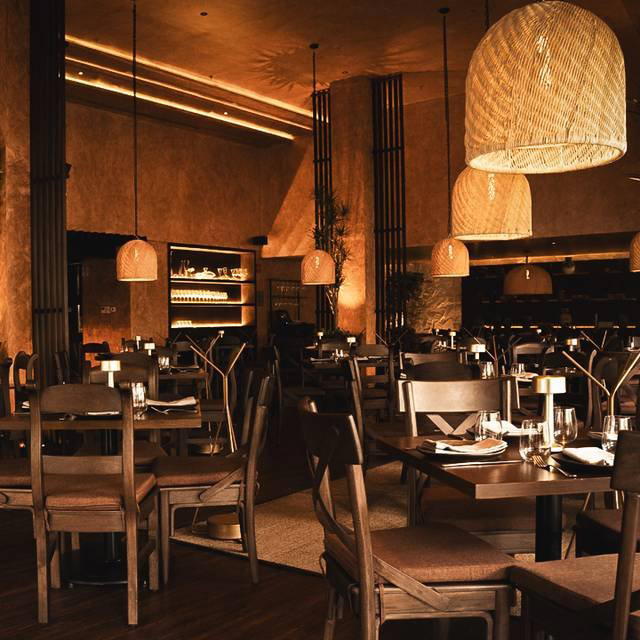
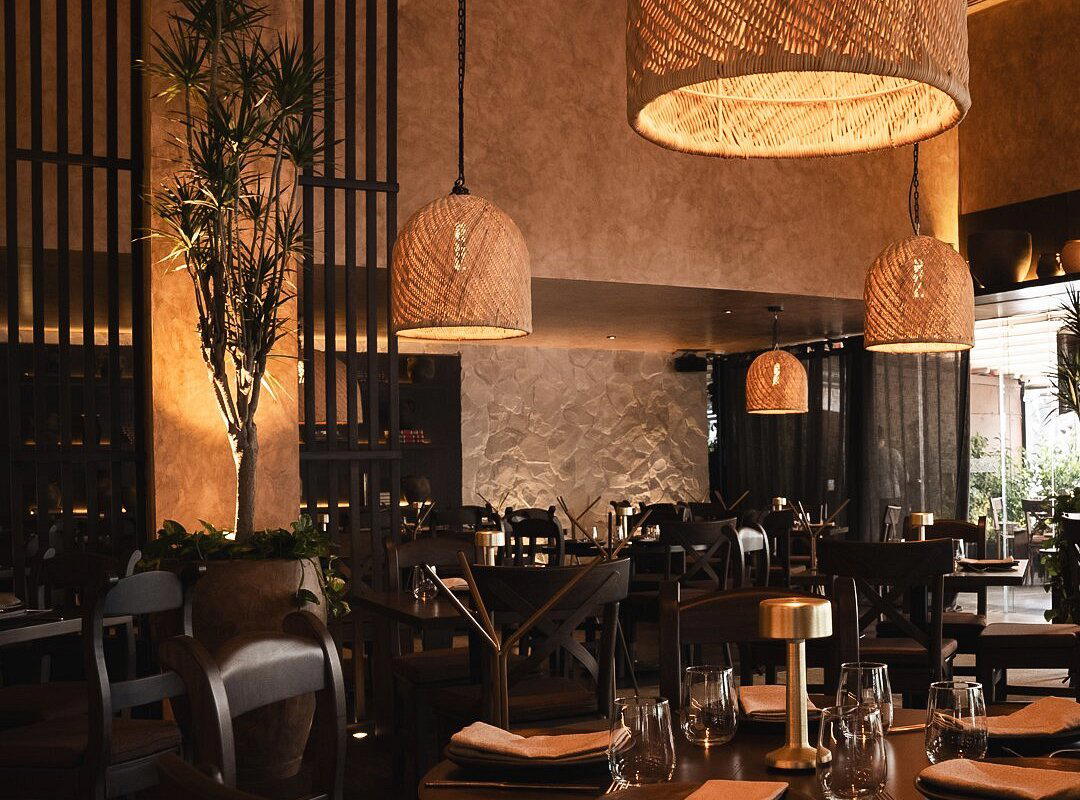
Bars in Mexico City
All bars in Mexico City →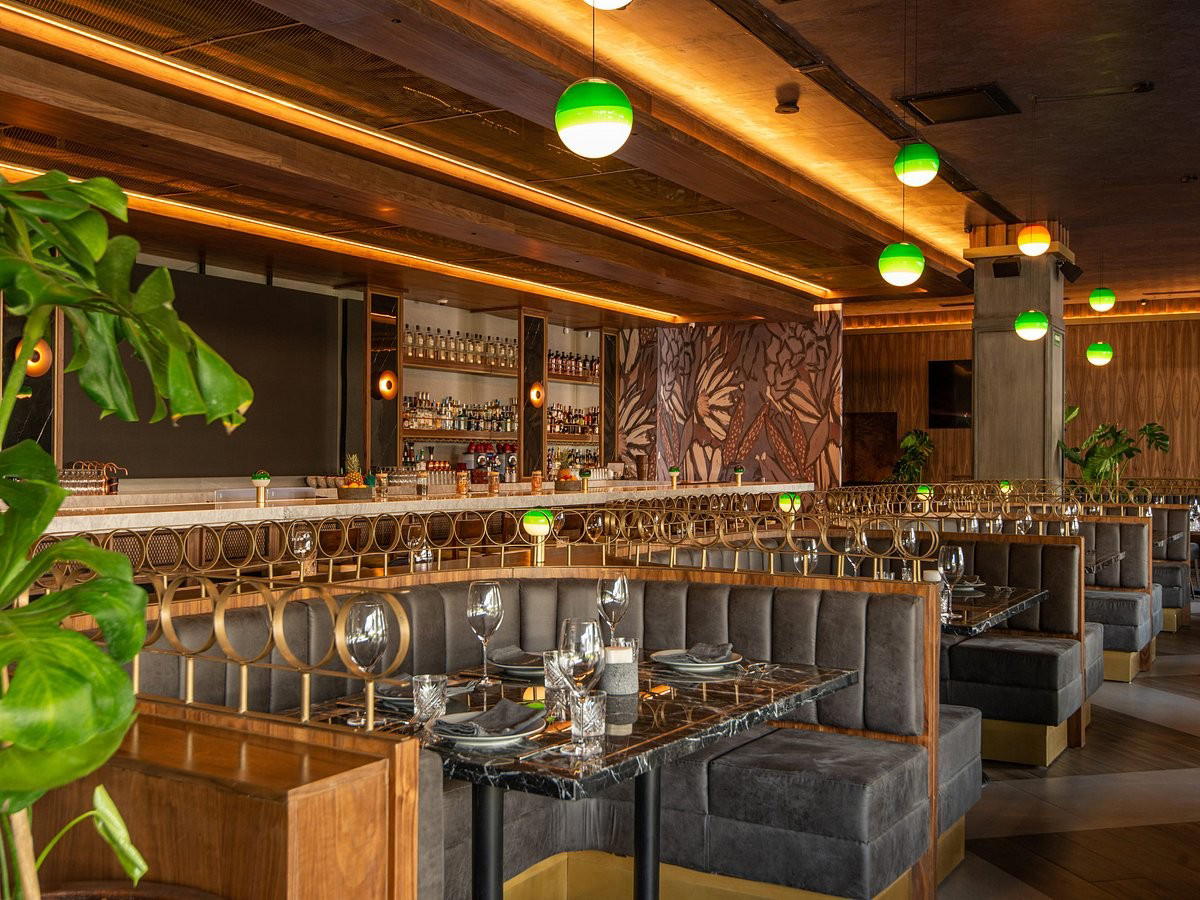
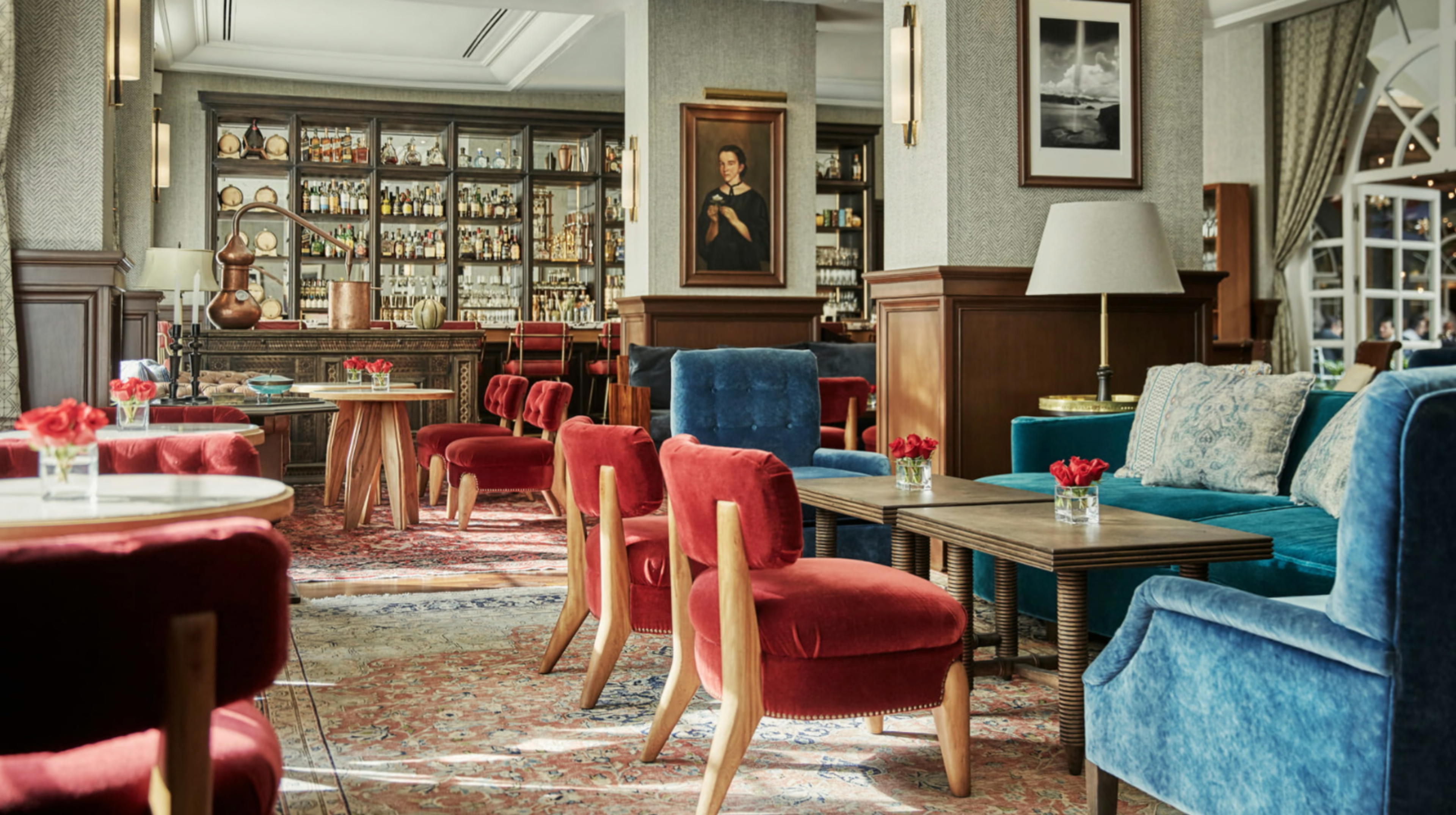
Asturiano
The wine
- Wine program
- Deep wine list
- Extensive wine list
Details
- Classic
- Elegant
- Business Dinner
- Family
- Celebration
- Private Dining
- Extensive Wine List
- A La Carte
- Family Style
- Vegetarian Friendly
Current opening hours
- Monday
- 8 AM–6 PM
- Tuesday
- 8 AM–6 PM
- Wednesday
- 8 AM–6 PM
- Thursday
- 8 AM–6 PM
- Friday
- 8 AM–6 PM
- Saturday
- 9 AM–6 PM
- Sunday
- 9 AM–6 PM
Hours can change for holidays and private events. Last verified .
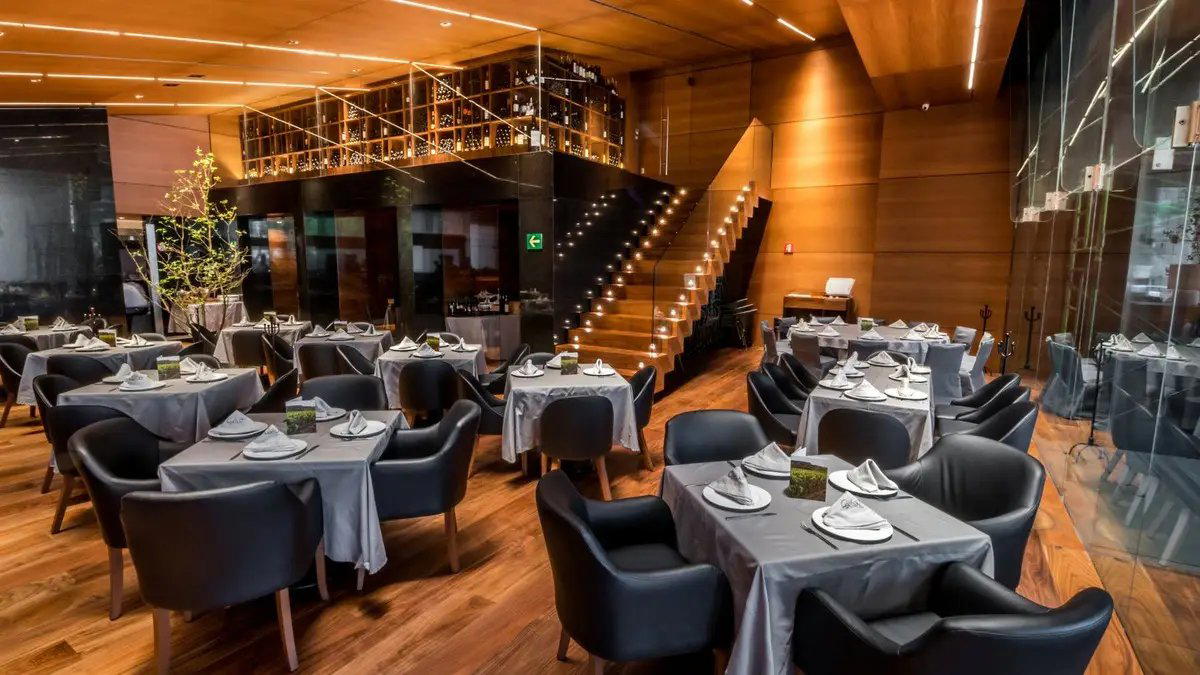
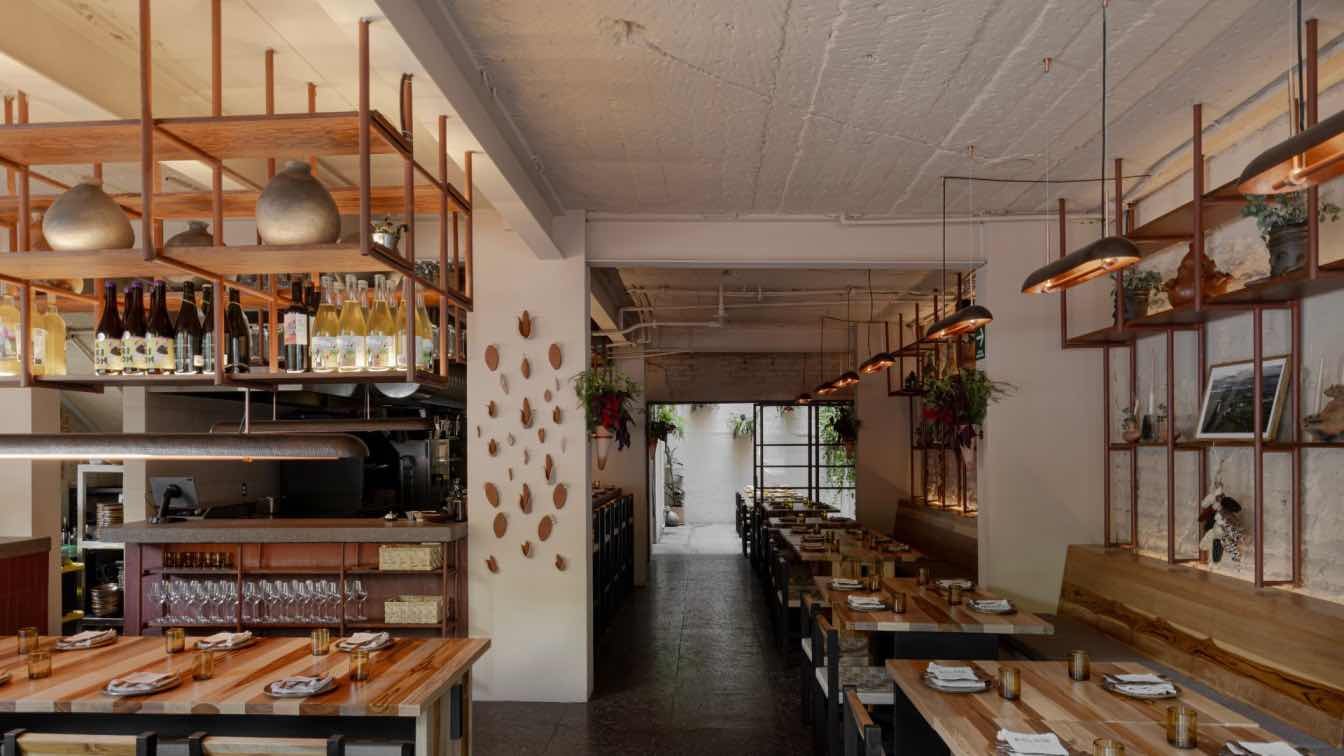
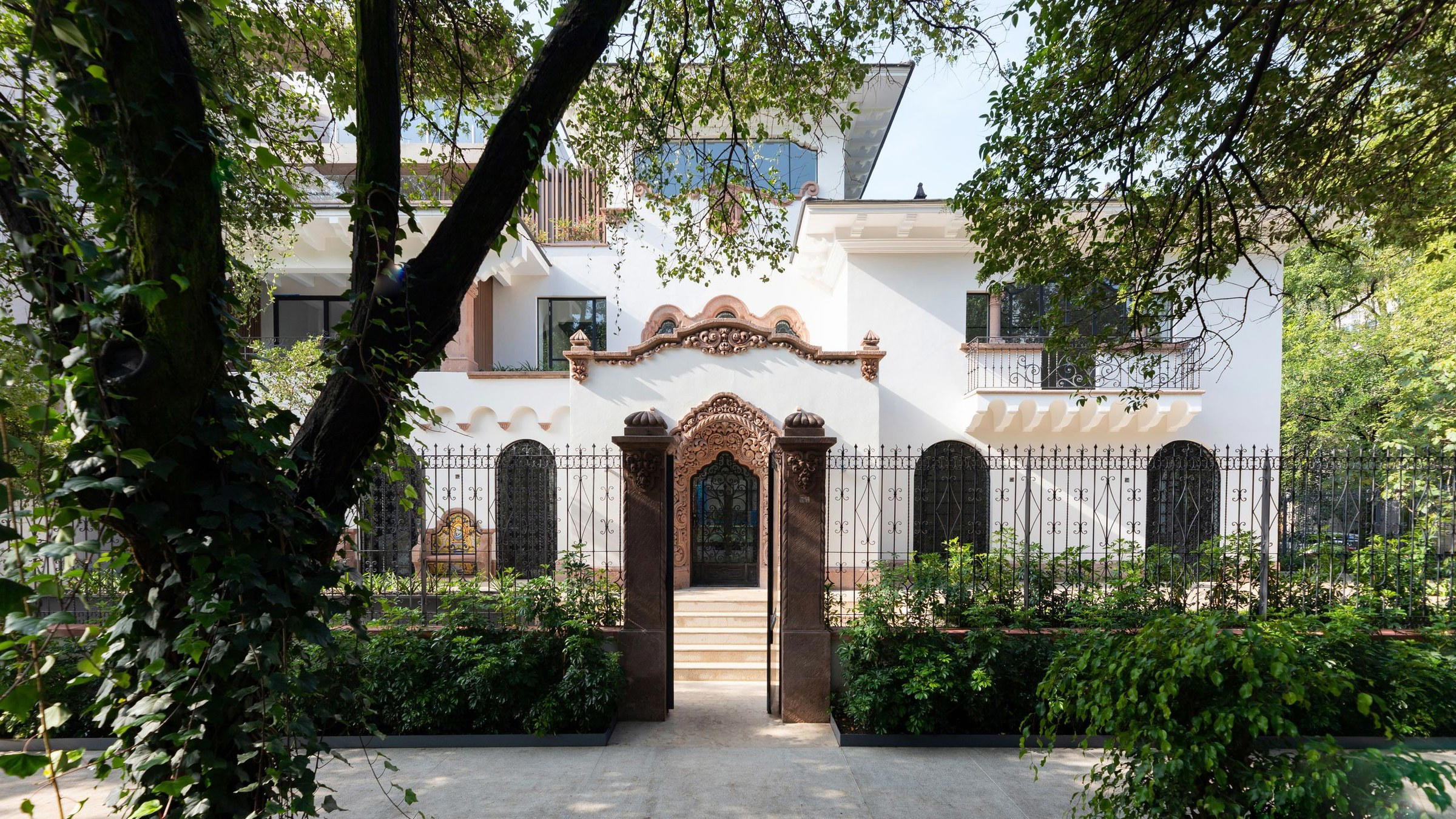
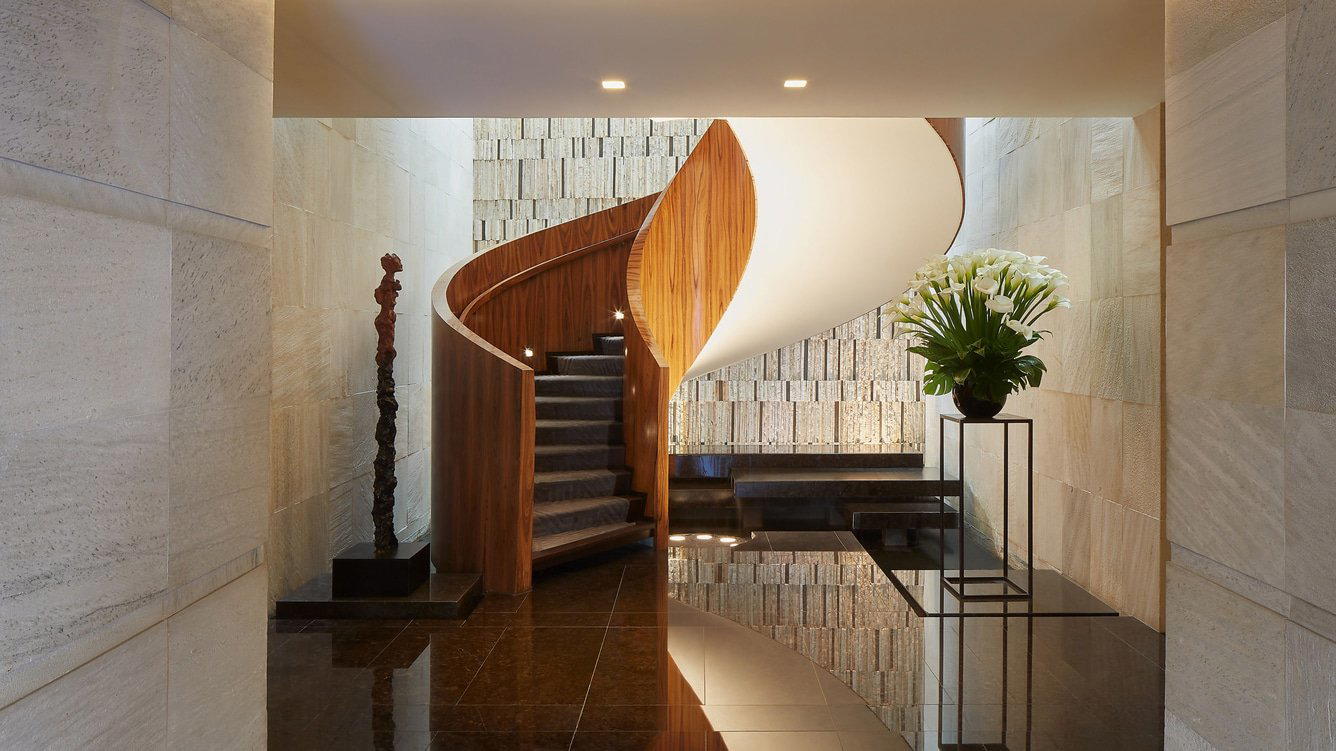
Elegant atmosphere with white linen tables, professional service, and a touch of exclusivity in a quiet, upscale environment.