
Embla is a small wine bar on Russell Street that has won Star Wine List's number-one ranking in both 2021 and 2022, placing it at the front of Melbourne's natural and low-intervention wine scene. It runs largely as a walk-in space, which shapes its atmosphere as much as its list. The food program is tight and produce-driven, designed to move alongside glass pours rather than compete with them.
Pearl is the En Primeur Club membership app — saves, bookings, and concierge access live there. Same editors, same standards.
- Address
- 122 Russell St, Melbourne VIC 3000, Australia
- Phone
- +61 455 122 121
- Website
- embla.com.au
- Directions
- Get directions
 Saves & bookings on Pearl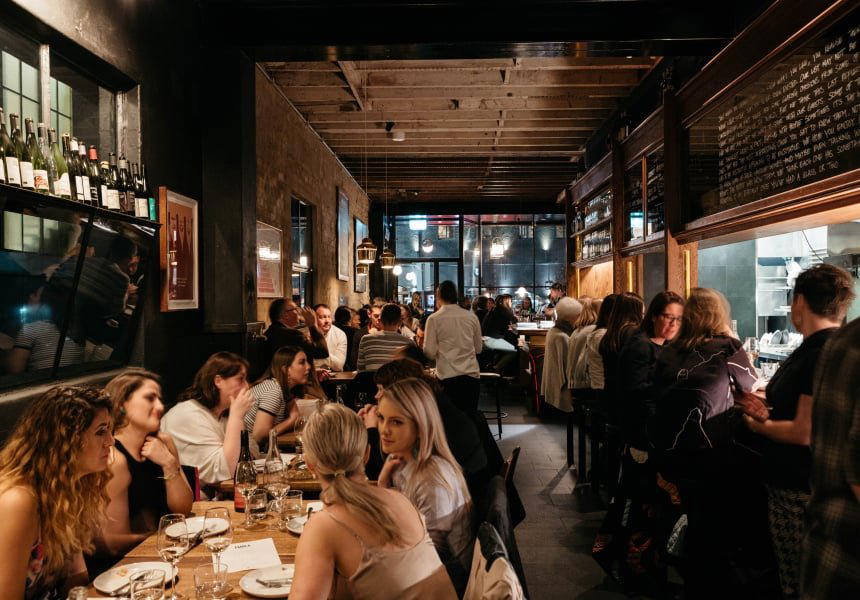
Russell Street After Dark
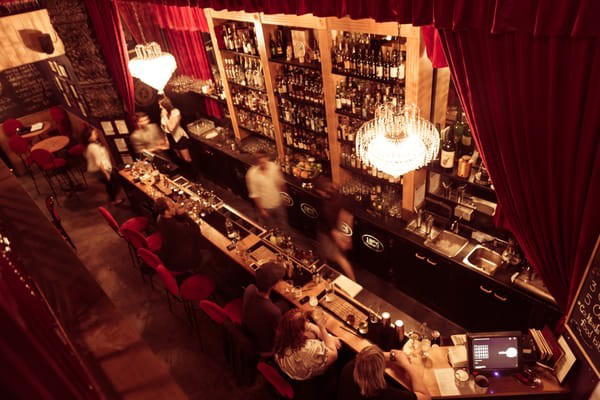
There is a particular kind of bar that Melbourne does better than almost any other city in the world: the serious wine room that wears its knowledge lightly. Step off Russell Street into Embla and the room reads immediately. Low light, close tables, the sound of wine being poured and conversation that doesn't need to compete with a playlist turned up too high. The physical space is compact enough that the energy concentrates rather than dissipates. This is a bar that rewards arrival on foot, without a plan, and that quality is not accidental.
Melbourne's CBD wine bar scene has matured significantly over the past decade, splitting between polished dining destinations with deep cellars and more informal drop-in formats where the glass program is the point. Embla belongs clearly to the second tier, though its credentials reach well beyond what that classification might suggest.
What the Wine List Actually Signals
Star Wine List ranked Embla the number-one wine bar in Australia in both 2021 and 2022. That consistency matters more than a single year's recognition. Star Wine List evaluates programs on depth, curation, and value across the full list, not just on the presence of trophy bottles. Two consecutive leading rankings place Embla alongside a very small cohort of Australian venues that treat the glass program as serious editorial work rather than a supporting role for the kitchen.
The broader movement Embla reflects is one that has reshaped urban wine bars across Sydney, Melbourne, and increasingly Brisbane and Perth: a shift away from cellar-heavy, old-world prestige formats toward lists built around natural, low-intervention, and small-producer wines from both Europe and the expanding number of Australian regions now working in that register. For context on how that Australian producer scene has developed, the work coming out of operations like Brae in Birregurra illustrates how seriously regional Victoria now takes provenance-driven food and drink culture. Embla sits in that same current, applied to the glass rather than the plate.
For readers building a wider picture of where Melbourne's drinking culture sits relative to Australian peers, our full Melbourne bars guide maps the competitive set in detail.
The Walk-In Culture and What It Produces
Embla takes bookings, but the bar operates primarily as a walk-in space, and that operational choice defines the atmosphere more than any design decision. Walk-in bars at this level of program quality produce a specific kind of energy: the room fills with people who came because they wanted to be there tonight, not because they planned it six weeks ago. Regulars cycle through on Tuesday evenings the way others might revisit a favourite neighbourhood restaurant. The bar counter becomes a social infrastructure rather than just a service point.
Compare this to the booking-heavy format that governs much of Melbourne's higher-end dining, where Attica and similar tasting-menu destinations require considerable forward planning. The walk-in format at Embla is not a logistical afterthought; it is a deliberate statement about what kind of evening this is supposed to be. The room on Russell Street, at 122, is positioned centrally enough that it absorbs foot traffic from the theatre district, the CBD hotel corridor, and the surrounding restaurant blocks without depending on any single source.
Practically speaking: arrive early in the week or earlier in the evening if you want the leading chance of a seat without waiting. Weekend evenings fill quickly, and while the bar will accommodate standing drinkers, the full experience of the food program is better served seated.
Food as a Frame for Wine
The food program at Embla is produce-focused and built to accompany wine rather than anchor the meal. This is a format that appears across Melbourne's better wine bars and has parallels in the snack-and-share formats that define wine-led dining in London, Copenhagen, and New York. The kitchen at Saint Peter in Sydney represents a different register entirely, where the food is the primary event. Embla's proposition inverts that hierarchy: the glass leads, the plate supports.
For readers who want a broader Melbourne dining survey that includes both food-first and wine-first venues, our full Melbourne restaurants guide covers the range. Nearby options worth considering in relation to Embla include Aru Melbourne for a more structured approach to Australian produce, Bottarga for an Italian-leaning counterpoint, and 48h Pizza e Gnocchi Bar if the evening calls for something more casual. For Cantonese cooking at an entirely different tier of formality, Flower Drum remains the benchmark on the CBD's eastern side.
Where Embla Sits in the City
Russell Street places Embla in a block that connects the CBD grid to the arts and theatre precinct. The surrounding neighbourhood draws a mix of post-theatre diners, hotel guests from the nearby accommodation strip, and CBD workers who extend the evening rather than leave after dinner. This demographic mix produces a room that feels neither tourist-oriented nor exclusively local-insider, which is harder to achieve than it sounds at this price point in a central Melbourne address.
For visitors building a full Melbourne itinerary, our full Melbourne hotels guide covers the accommodation options within walking distance of Russell Street, and our full Melbourne experiences guide maps what to do with the hours before you arrive. If the wine focus extends to a day trip, our full Melbourne wineries guide covers the Yarra Valley and Mornington Peninsula producers that supply much of the regional material you'll find on lists like Embla's.
For comparison outside Melbourne, the produce-and-wine format has strong Australian parallels at Agrarian Kitchen in Hobart and Amaru in Armadale, both operating in the same broader current of regional Australian produce consciousness. Further afield, Bacchus in Brisbane and the American fine dining tradition represented by Le Bernardin in New York City or Emeril's in New Orleans illustrate how differently other markets have approached the wine-and-food relationship that Embla resolves in its own particular way. And for another Italian-influenced point of comparison within the Melbourne market, 400 Gradi in Brunswick East shows how the city's European food traditions play out in a different register entirely.
Planning Your Visit
Embla is at 122 Russell Street, Melbourne CBD. Walk-ins are the standard mode of arrival; the bar takes bookings but the room functions leading when it fills organically. For the wine list specifically, the back catalogue of two consecutive Star Wine List number-one rankings gives reasonable confidence that the glass program will be worth the trip on any given evening. The venue sits within easy walking distance of Flinders Street Station and the hotel district along Collins and Bourke streets, making it a natural end-of-evening option rather than a destination that requires separate logistics.
Comparable Options
| Venue | Cuisine | Price |
|---|---|---|
| EmblaThis venue — the venue you are viewing | This venue | Not listed |
| Flower Drum | Cantonese | Cantonese |
| Attica | Australian Modern | Australian Modern |
| Vue de Monde | Australian Fine Dining | Australian Fine Dining |
| Florentino | Modern Italian | Modern Italian |
Recognition history
Dated appearances from independent guides and award organizations, with the underlying list record or original source where available.
Star Wine List
Star Wine List
Star Wine List
Star Wine List
Star Wine List
Star Wine List
Continue exploring
More in Melbourne
Restaurants in Melbourne
Browse all →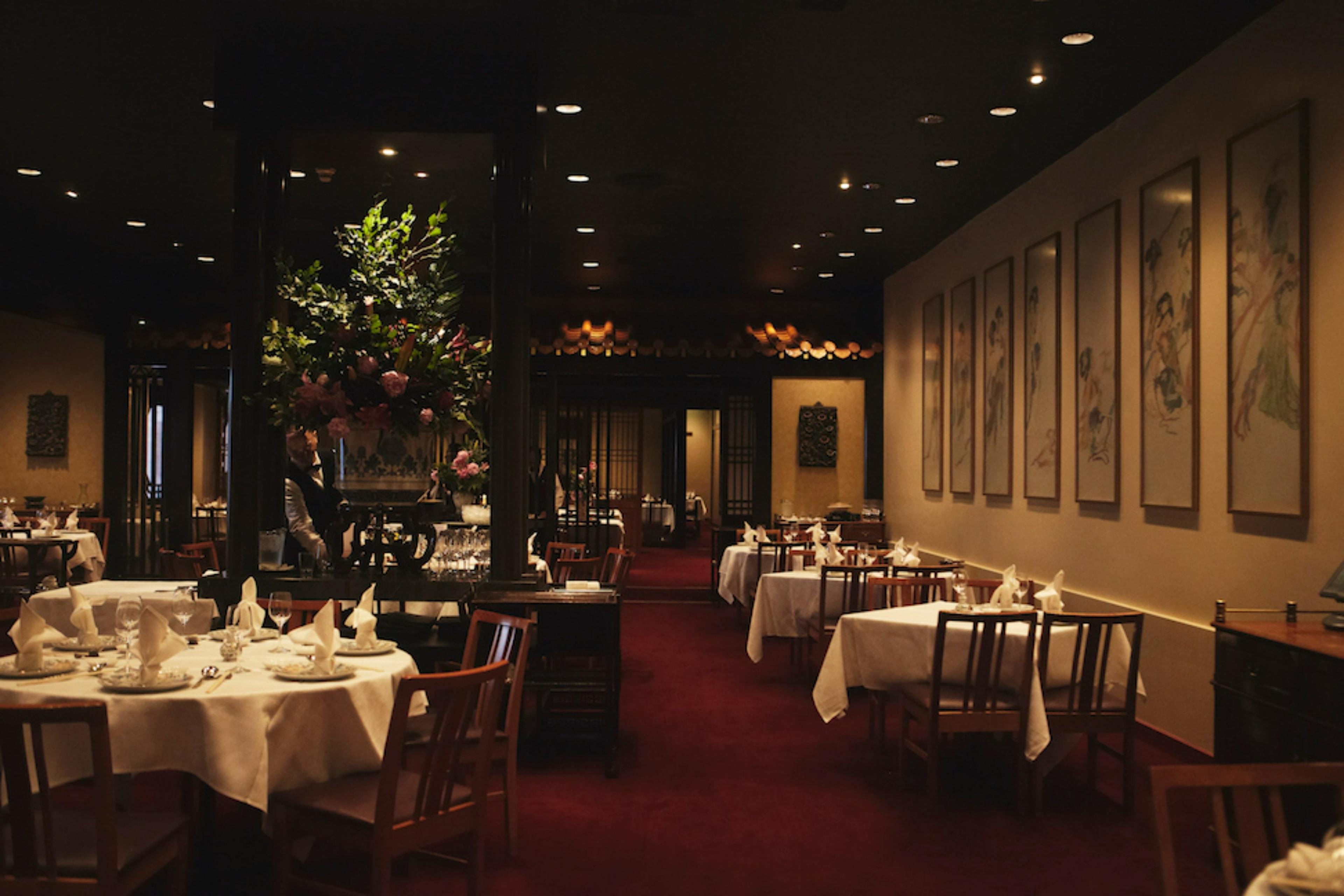
Bars in Melbourne
Browse all →
Hotels in Melbourne
Browse all →
At a Glance
- Cozy
- Intimate
- Trendy
- Lively
- Sophisticated
- Date Night
- Group Dining
- Casual Hangout
- Special Occasion
- Open Kitchen
- Extensive Wine List
- Natural Wine
- Local Sourcing
Current opening hours
- Monday
- 3 PM–12 AM
- Tuesday
- 3 PM–12 AM
- Wednesday
- 12 PM–12 AM
- Thursday
- 12 PM–12 AM
- Friday
- 12 PM–12 AM
- Saturday
- 12 PM–12 AM
- Sunday
- Closed
Hours can change for holidays and private events. Last verified .
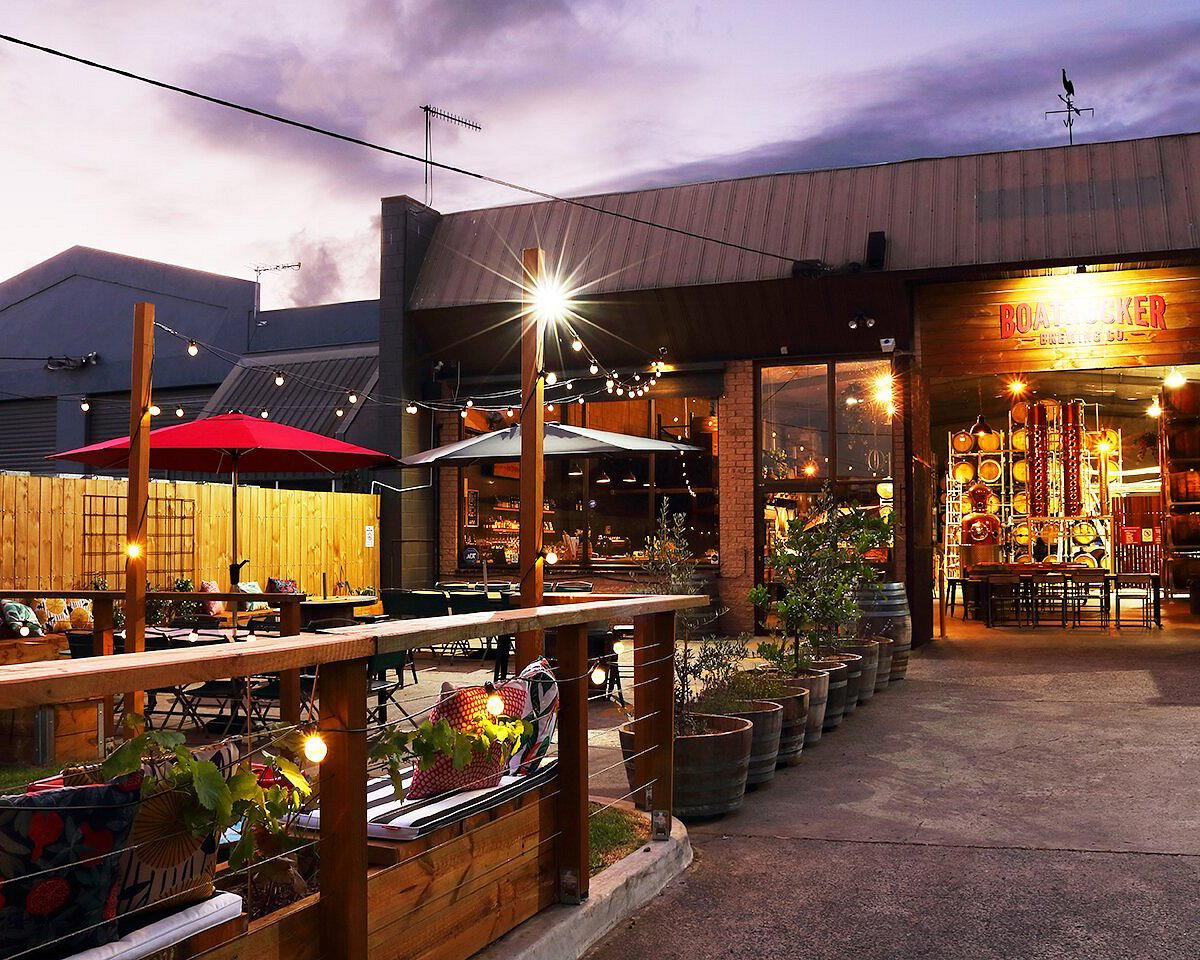
Dim lighting, stripped-back industrial decor with naked wood, lively and buzzy atmosphere.
Know Before You Go
- Getting there
- 122 Russell St, Melbourne VIC 3000, Australia