
Elite at Eteläinen Hesperiankatu 22 occupies a distinctive position in Helsinki's dining scene, where classical European frameworks meet the seasonal rhythms of Finnish larder traditions. The address places it in the quieter residential fringe of Töölö, a neighbourhood that rewards deliberate visitors over casual foot traffic. For those tracking the intersection of imported culinary method and indigenous Nordic product, Elite merits close attention.
Pearl is the En Primeur Club membership app — saves, bookings, and concierge access live there. Same editors, same standards.
- Address
- Eteläinen Hesperiankatu 22, 00100 Helsinki, Finland
- Phone
- +358961285200
- Website
- elite.fi
- Directions
- Get directions
 Saves & bookings on Pearl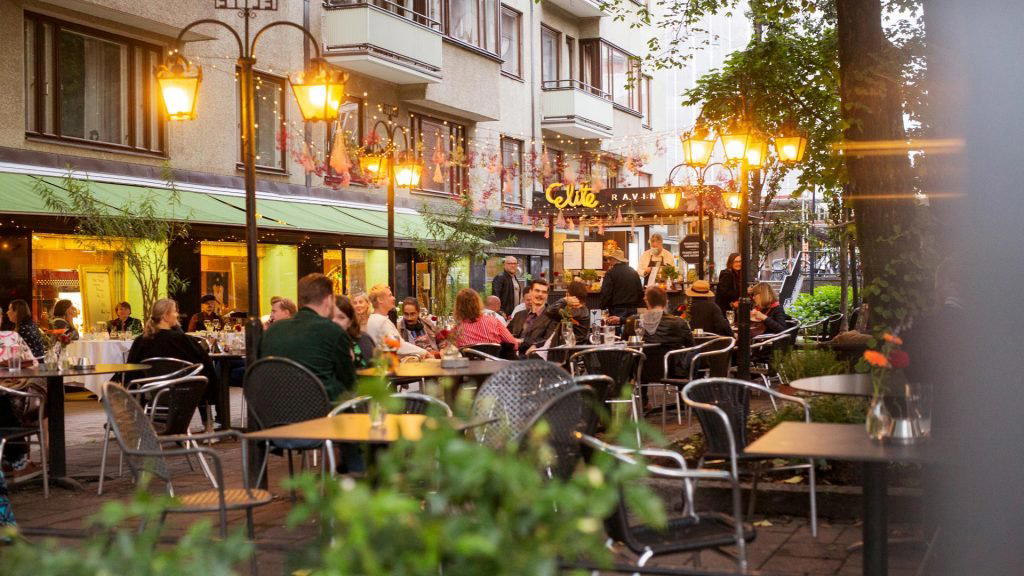
Töölö, Quiet Ambition, and the Helsinki Dining Divide
Helsinki's restaurant geography has a pattern that repeat visitors learn quickly: the waterfront and Market Square pull the headline addresses, while the streets running north through Töölö and Etu-Töölö operate at a different register, less visible to tourists, more embedded in the rhythms of the city's professional and artistic communities. Eteläinen Hesperiankatu, where Elite sits at number 22, belongs to that second category. The streetscape is residential and unhurried, the kind of block where regulars arrive without consulting a map. That context matters when reading any restaurant that has established itself here, because longevity in this neighbourhood comes from repeat local custom, not from passing footfall.
Elite is a restaurant in Helsinki serving classic Finnish food with French influences. Addresses like Palace, Grön, and Olo have drawn international recognition and pushed the city into conversations about Nordic cuisine that extend well beyond Sweden and Denmark. Elite operates in that broader context, a Helsinki restaurant scene that now takes seriously the question of what Finnish cooking actually means when classical European technique is applied to ingredients that are specifically, irreducibly local.
Local Ingredient, Imported Method: The Central Argument of Finnish Fine Dining
The tension between global technique and indigenous product is the defining editorial question of serious Finnish restaurants right now, and it plays out differently depending on where a kitchen sits on the spectrum. At one end, you have places drawing heavily on New Nordic theory, foraging culture, and hyper-seasonal menus that change with the Finnish calendar, late summer's chanterelles giving way to autumn's root vegetables, winter's cold-water fish and game. At the other end, you have kitchens that apply French or broader European frameworks to Finnish produce, a tradition with deep roots in Helsinki's restaurant history that predates the New Nordic wave by several decades.
That older tradition, classical European technique applied to Finnish ingredients, is what gives venues like Elite their particular register. Finnish pike-perch handled with French precision, Baltic herring treated with the care typically reserved for sole or turbot, reindeer or elk appearing in preparations that would read as Lyonnaise were they built around different proteins. This is not fusion in the contemporary sense; it is the result of generations of Finnish cooks training in European kitchens and returning home with methods that they then applied to what their own forests, lakes, and coastline produced. Finnjävel Salonki represents one contemporary reading of this tradition; The ROOM by Kozeen Shiwan represents how far Helsinki's creative tier now extends beyond it.
What the Töölö Address Signals About the Dining Format
A restaurant that has established itself on a quiet residential street in Töölö rather than in the Design District or along the South Harbour is, almost by definition, operating on a neighbourhood institution model rather than a destination-dining model. These are not interchangeable. Neighbourhood institutions in Helsinki tend to maintain broader menus, longer service windows, and a more flexible approach to how guests use the room, a table for business lunch, a counter seat for a solo diner, an evening booking that extends without pressure. The experience is less choreographed than a fixed tasting menu counter and more dependent on the quality of its à la carte execution across a range of dishes and occasions.
This format has real advantages for a certain kind of traveller. Those visiting Helsinki for longer than a weekend and wanting to eat well without committing to the full tasting-menu format at Olo or Grön will find that the neighbourhood institution model offers something those rooms cannot: flexibility and the texture of a room full of locals going about ordinary life, which in Helsinki is its own form of atmosphere.
Helsinki in a Broader Finnish Context
It is worth placing Helsinki's dining density in national perspective. The capital concentrates most of Finland's internationally recognised restaurants, but the country's serious cooking extends further than that. Kaskis in Turku has built a reputation that draws visitors from the capital. VÅR in Porvoo operates at a level that justifies the short drive east. Bistro Henriks in Tampere anchors serious dining in Finland's third city. Even further afield, Hai Long in Rovaniemi and Filipof in Joensuu show that the intersection of global technique and Finnish produce is not a Helsinki-only conversation. Venues like Gösta in Mänttä, Figaro in Jyväskylä, JJ's BBQ in Salo, Vintti in Hämeenlinna, and Hejm in Vaasa collectively indicate that Finnish dining ambition is genuinely distributed across the country. Elite's position in Helsinki, then, is as one node in a network, a city address rather than an isolated proposition.
For readers mapping Helsinki against global cooking scenes, the city's leading rooms now trade in a register that connects to addresses like Le Bernardin in New York in terms of classical technical rigour, and to Atomix in terms of the project of applying precision technique to a specific cultural ingredient vocabulary. Helsinki is doing something similar with Finnish produce, and that project is visible across the city's restaurant generation.
Planning a Visit: Practical Orientation
Eteläinen Hesperiankatu 22 sits in the Töölö district, walkable from the Hesperian puisto park and accessible by tram from the city centre in under fifteen minutes. Reservations are recommended.
Nearby-ish Comparables
Comparable venues nearby, for context on price, style, and recognition.
| Venue | Cuisine | Price | Notes |
|---|---|---|---|
| EliteThis venue — the venue you are viewing | Classic Finnish with French influences | $$$ | Not listed |
| Emo | Modern Scandinavian Bistro | $$$ | Kaartinkaupunki |
| Garden by Olo | Modern Scandinavian Fine Dining | $$$$ | Kruununhaka |
| Kosmos | Traditional Finnish with French, Swedish & Russian Influences | $$$ | Kluuvi |
| Skörd | Finnish Farm-to-Table Fine Dining | $$$$ | Kamppi |
| Grotesk | Modern European Steakhouse with Nordic Twist | $$$ | Kaartinkaupunki |
Recognition history
Dated appearances from independent guides and award organizations, with the underlying list record or original source where available.
White Guide Nordic Restaurants - Fine Level
White Guide
At a Glance
- Classic
- Elegant
- Sophisticated
- Well Known
- Business Dinner
- Special Occasion
- Date Night
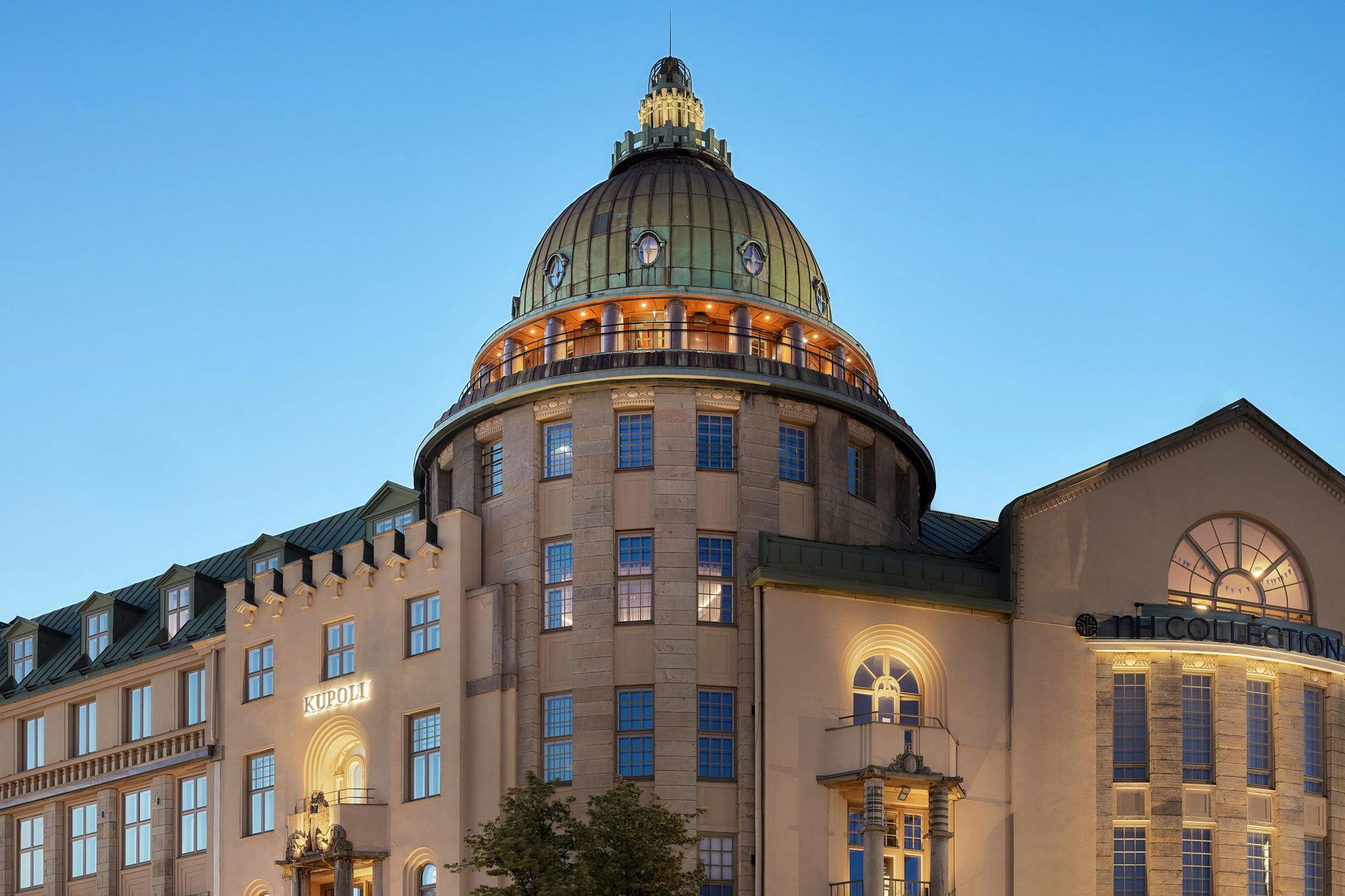
- Historic Building
- Extensive Wine List
Current opening hours
- Monday
- 12–10 PM
- Tuesday
- 12–10 PM
- Wednesday
- 12–11 PM
- Thursday
- 12–11 PM
- Friday
- 12–11 PM
- Saturday
- 1–11 PM
- Sunday
- 1–10 PM
Hours can change for holidays and private events. Last verified .
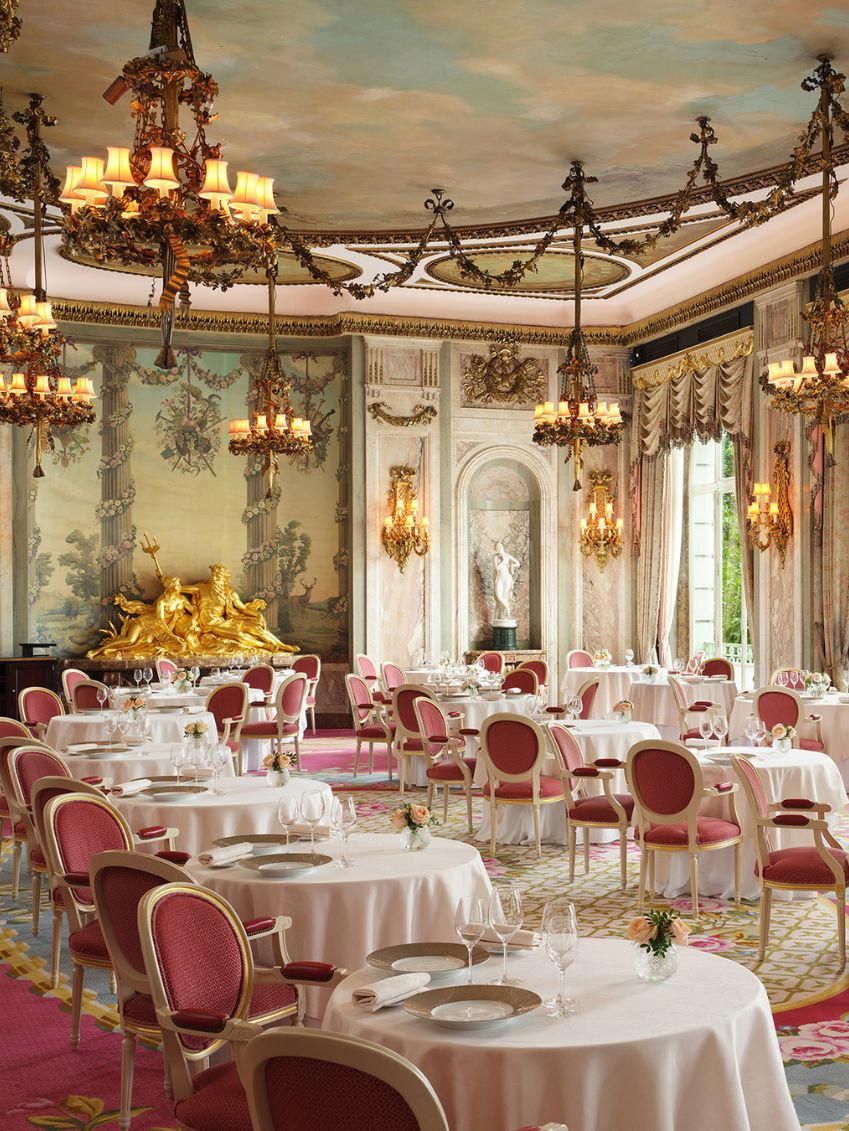
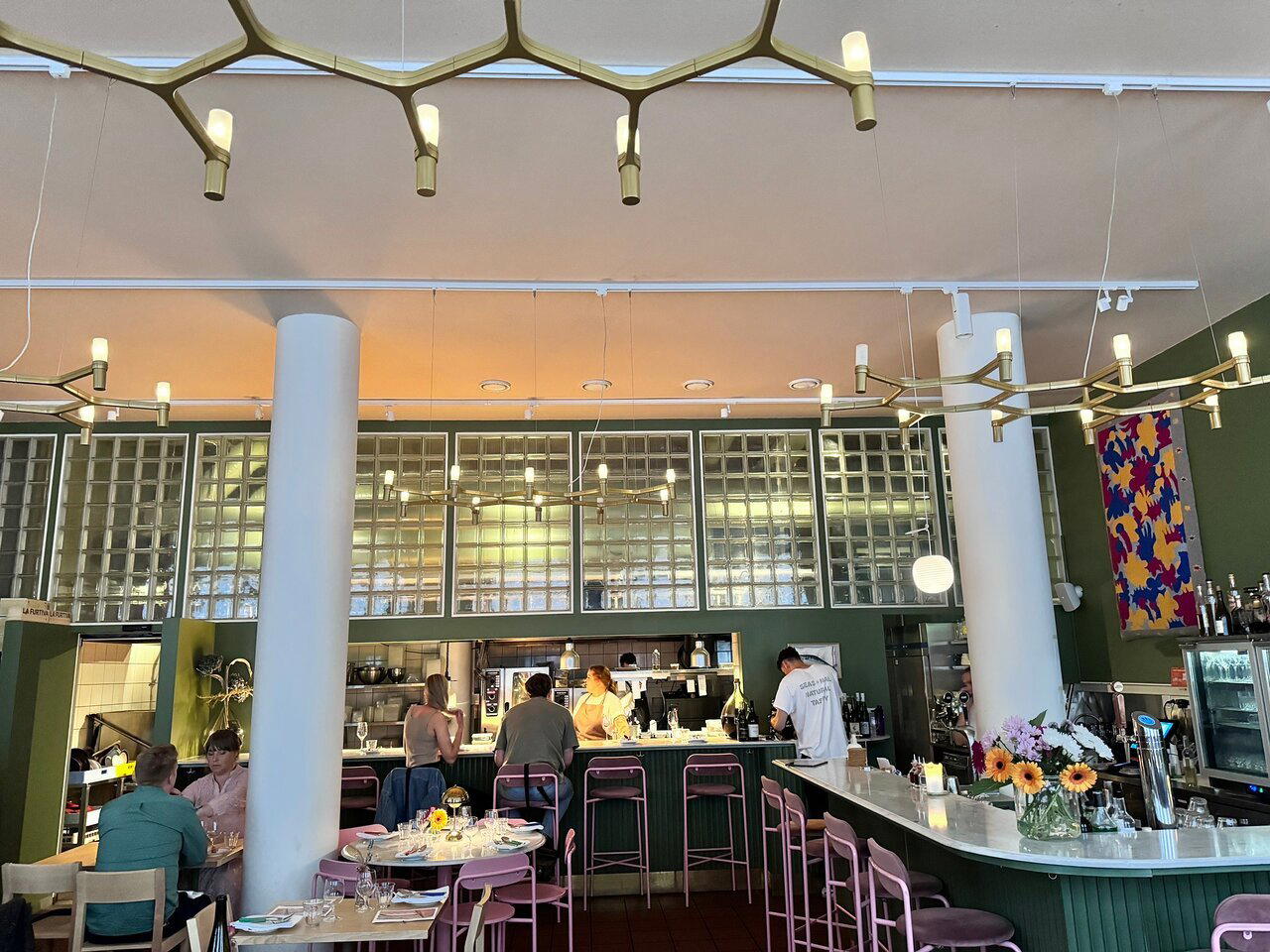
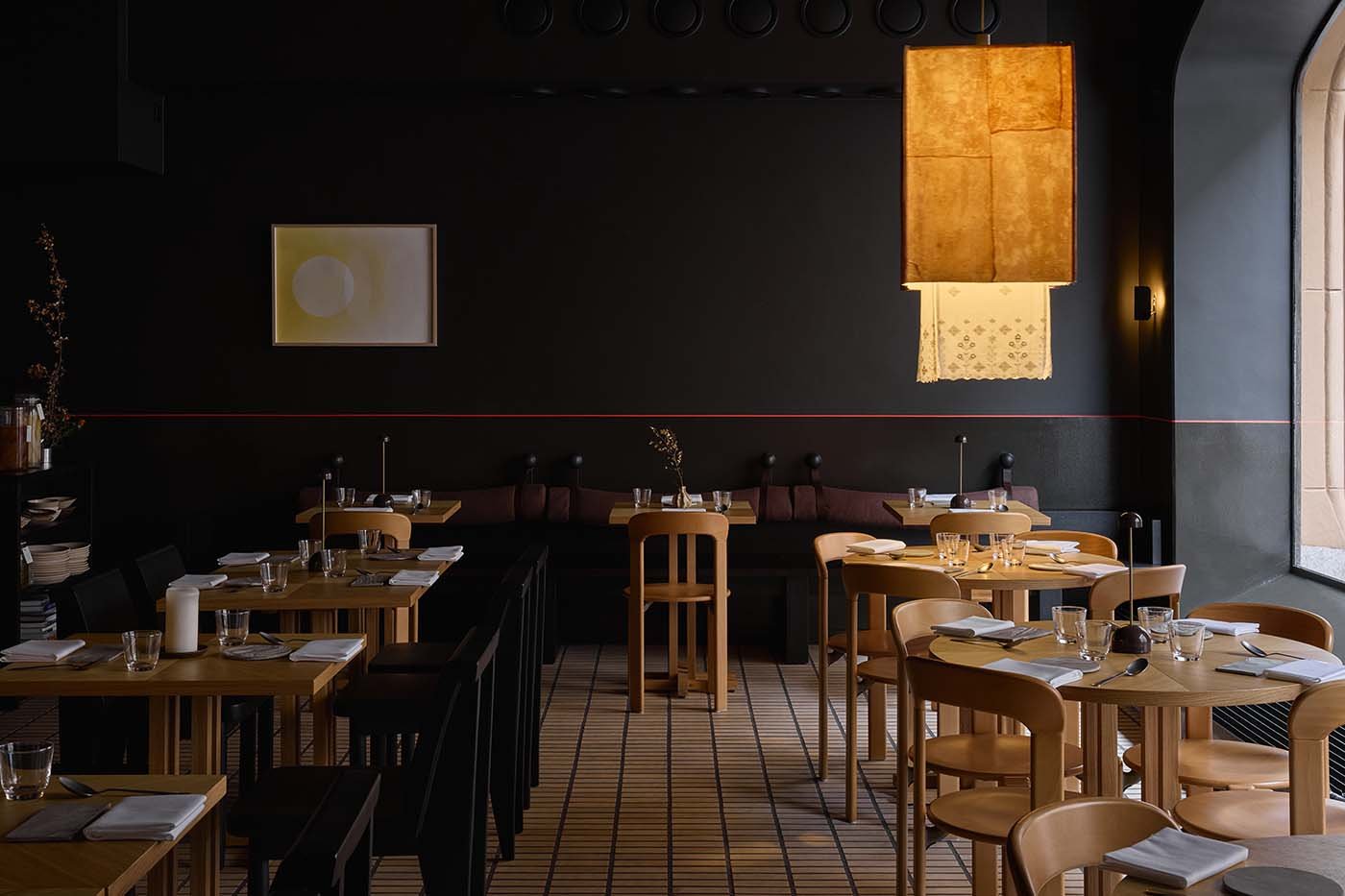
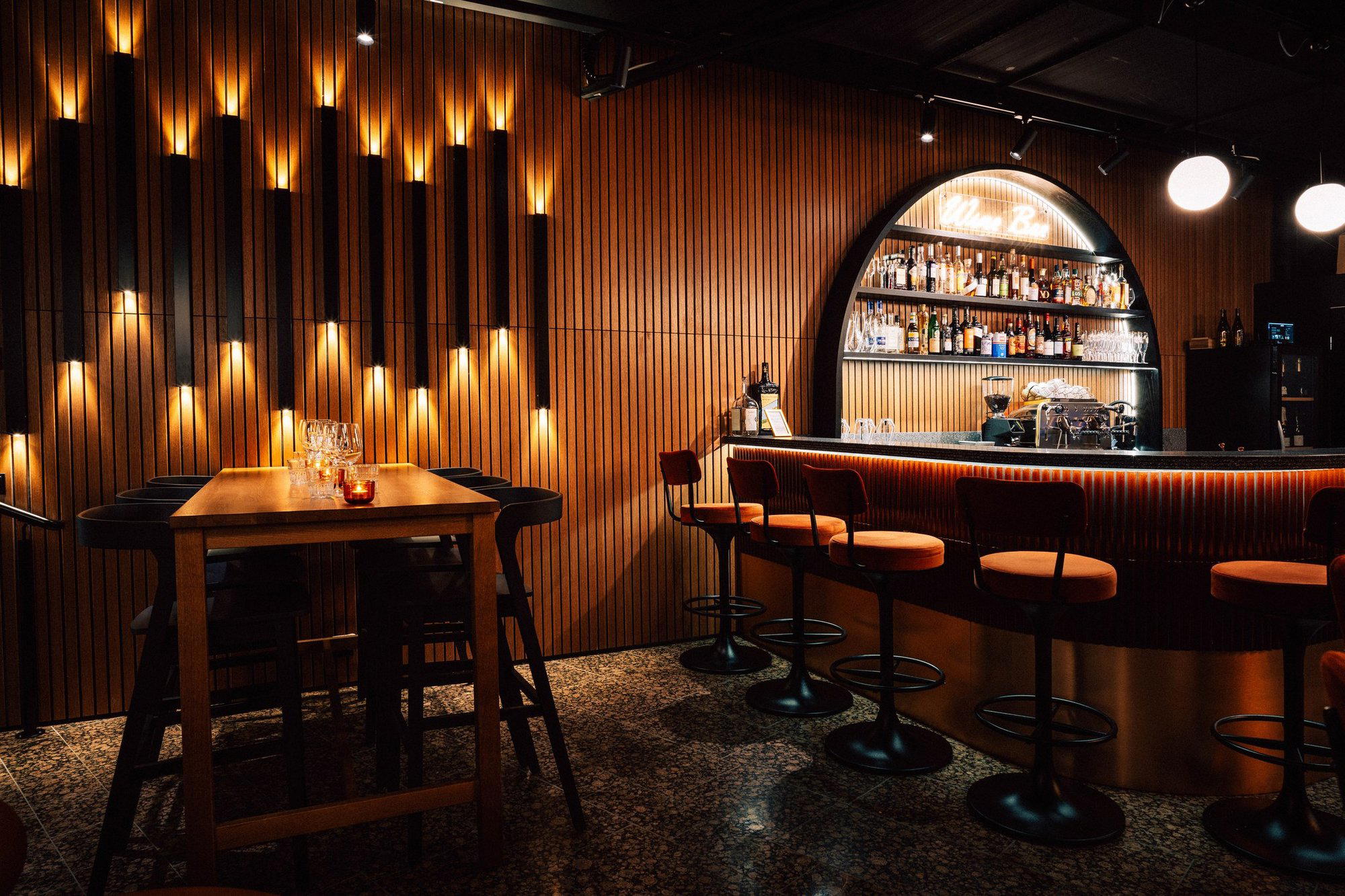
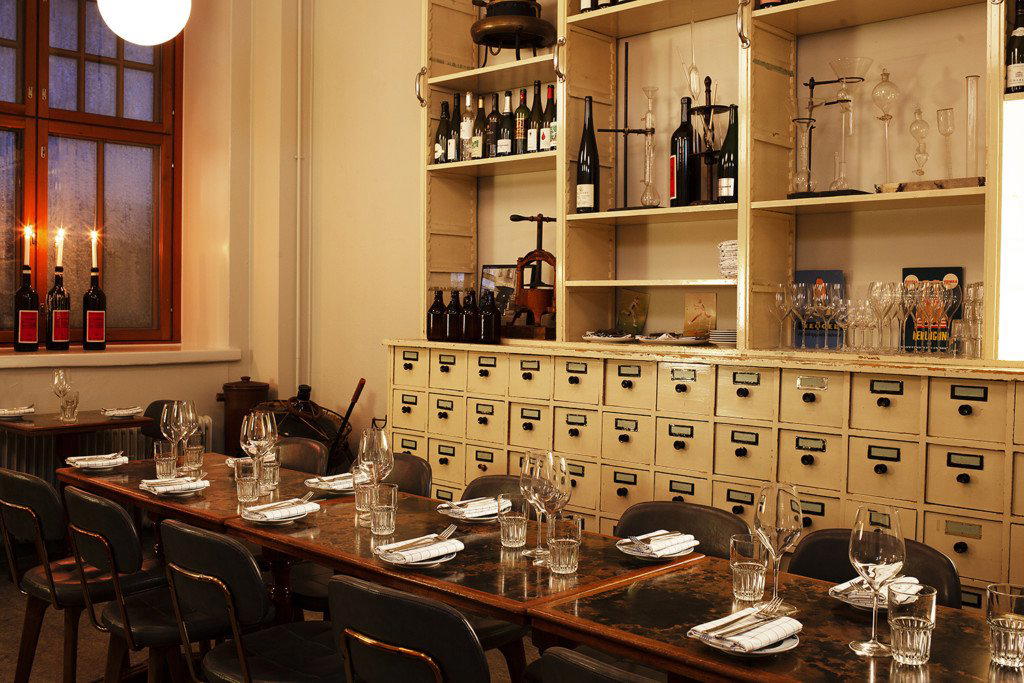
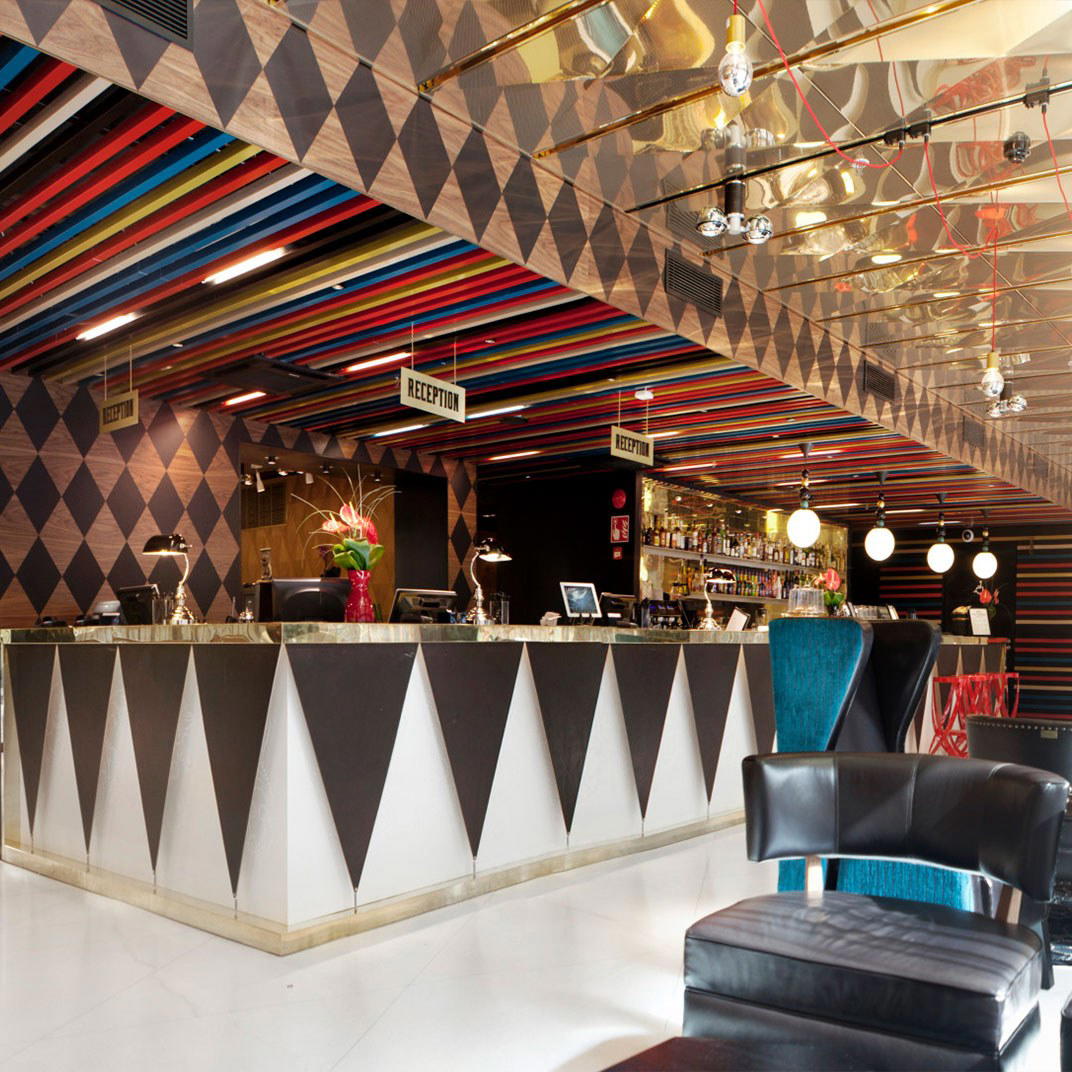
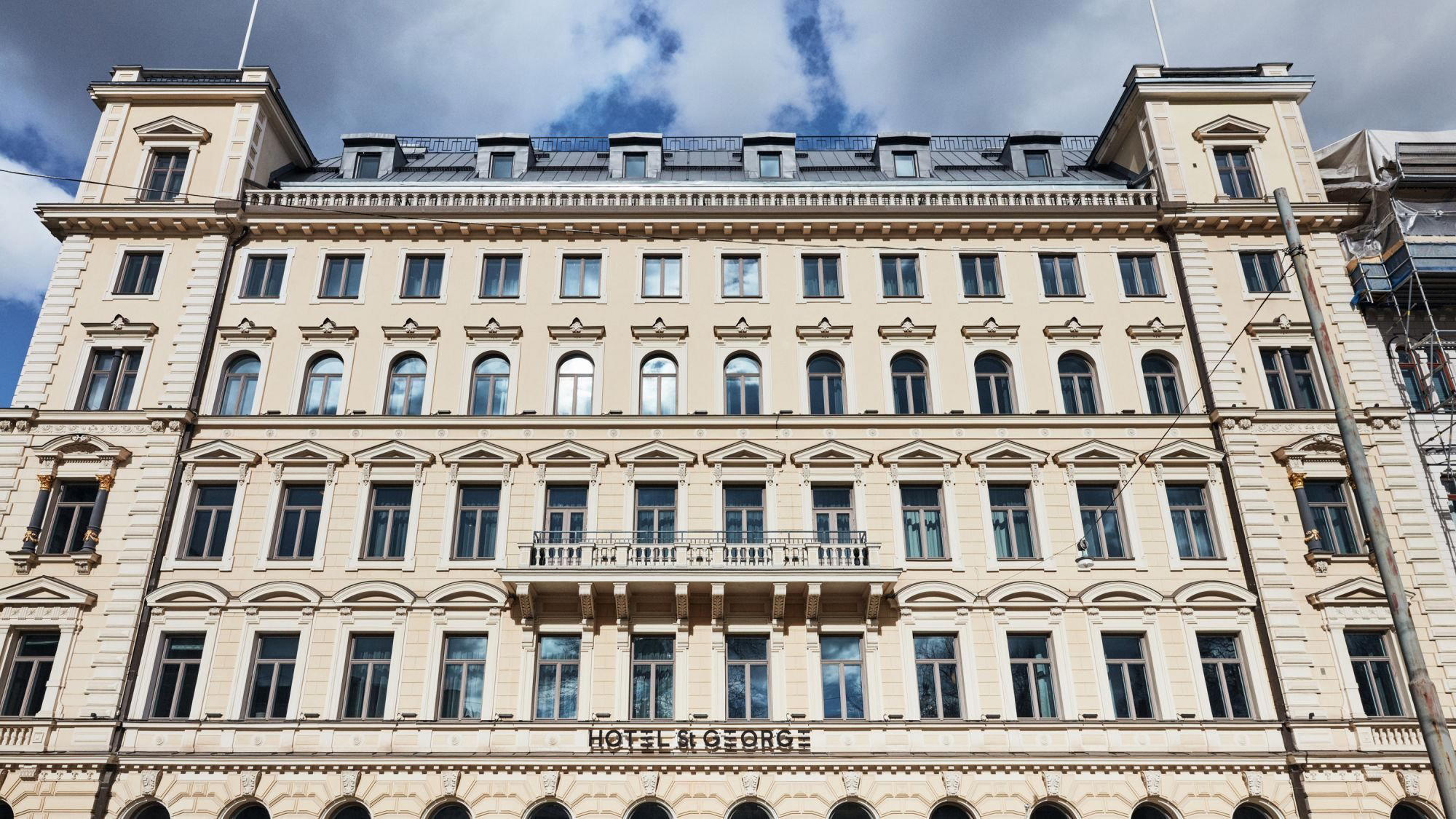
Elegant atmosphere with white tablecloths, attentive service, and old-fashioned charm reflecting traditional dining.