NOHO
Our verdict
NOHO occupies a address on Flæsketorvet in Copenhagen's Kødbyen district, a former meatpacking quarter that now anchors the city's most concentrated stretch of after-dark dining. The venue sits within a scene defined by the tension between New Nordic precision and the looser, more convivial energy that Kødbyen has always carried — and that tension shapes what NOHO does with both its daytime and evening hours.

Pearl is the En Primeur Club membership app — saves, bookings, and concierge access live there. Same editors, same standards.
- Address
- Flæsketorvet 28, 1711 København V, Denmark
- Phone
- +4571995990
- Hours
- Mon ClosedTue–Wed 3 PM–12 AMThu 3 PM–2 AMFri 3 PM–3 AMSat 4 PM–3 AMSun Closed
- Website
- url
- Directions
- Get directions
- Booking
- Book on the venue's website
Kødbyen After Hours — and Before Them
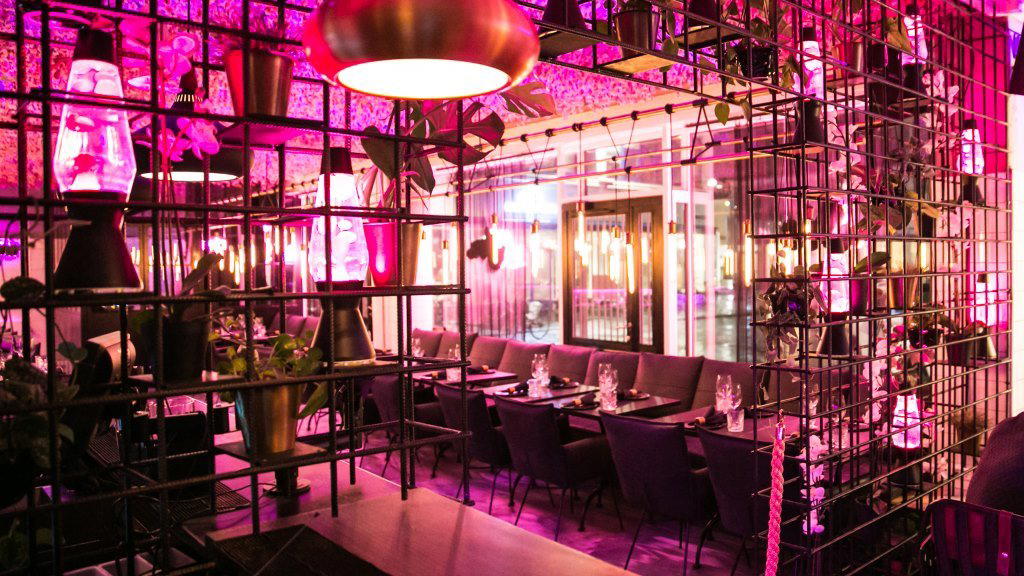
Copenhagen's meatpacking district, Kødbyen, operates on a different rhythm to the white-tablecloth rooms that have made the city a reference point for serious dining. Where Geranium and Koan demand weeks of advance planning and a certain formality of occasion, the venues that populate Flæsketorvet run on a more democratic timetable — walk-ins at lunch, a loosening of dress conventions, a willingness to share tables with strangers. NOHO, at Flæsketorvet 28, occupies this zone. Its address places it inside one of Europe's more convincing examples of industrial-to-hospitality conversion: the white-tiled buildings that once processed meat for the city now process reservations for a dining public that wants proximity to the New Nordic canon without the full ceremony of it.
That positioning matters because Kødbyen's character is genuinely bifurcated by time of day. In the afternoon, the district functions as a neighbourhood destination, locals moving between coffee stops, small producers, and lunch spots that draw more from the area's working past than from any aspirational dining agenda. By early evening, the same streets shift register: the bars fill, the kitchen tempo rises, and venues that read as casual at noon carry a distinct edge after dark. Any honest account of NOHO has to reckon with that split.
The Daytime Case
Across Kødbyen's better lunch operations, the format tends toward informality and speed without sacrificing ingredient quality. The district's concentration of food-adjacent businesses, importers, specialist suppliers, wholesale butchers still operating alongside the restaurants, means that sourcing conversations happen at close range. Venues here have access to the same product networks that feed Copenhagen's upper tier, including tables like Noma and Kadeau, at considerably lower overhead. Lunch in this part of the city tends to represent a sharper value proposition than dinner at the same address, partly because daytime service strips away wine pairing architecture and tasting-menu pacing, and partly because kitchens working at lunch tempo often produce their most direct, least self-conscious food.
For a visitor planning around Copenhagen's broader dining geography, daytime in Kødbyen offers a calibration point. It is possible to spend an afternoon here that costs a fraction of a Michelin-tier dinner and still engage with the same ingredient culture. The alternative, anchoring an entire trip to the city's awarded rooms, risks missing the grain of how the city actually eats outside those formal contexts. Copenhagen's dining reputation was built partly on tables like Alchemist, but it is sustained by a broader ecosystem that Kødbyen represents more accurately than any tasting-menu counter.
After Dark: The Shift in Register
Dinner in Kødbyen operates at a different frequency. The district's evening identity is bar-forward, with food service running later and the noise floor rising accordingly. Venues that feel approachable at lunch can become harder to hear across the table by 21:00. That is not a complaint, it is a description of what the neighbourhood offers and what it does not. The question for a visitor choosing where to spend a dinner sitting is whether the Kødbyen atmosphere, with its energy and compression, is the priority, or whether they want the quieter deliberateness of rooms further from the district's core.
The comparison set shifts at dinner, too. A lunch at Flæsketorvet competes with other informal daytime options. An evening sitting here sits adjacent to Copenhagen's mid-market dinner scene, where venues like Jordnær in Gentofte and, further afield, destinations like Frederikshøj in Aarhus or Henne Kirkeby Kro offer a more structured evening proposition. Deciding between a Kødbyen dinner and one of those options requires being honest about what the evening is for, the city's creative energy and informal conviviality, or the focused attention that comes with a room built around longer, slower service.
Copenhagen's Wider Dining Frame
It is worth placing NOHO's district within the arc of Copenhagen dining more broadly. The city's international reputation peaked around a period when New Nordic as a defined movement was receiving the most critical attention, and venues like Noma were actively shaping global conversations about what a restaurant could be. That moment has passed into a second phase: the ideas have diffused, the techniques have spread, and the most interesting current work, at places like Alchemist or the quietly influential Koan, is working against or beyond the original Nordic template rather than inside it.
For a visitor constructing a Copenhagen dining itinerary, this means the city rewards a split strategy: one or two formal dinners at the tier where the city's reputation is most concentrated, combined with a more exploratory approach to neighbourhood eating in areas like Kødbyen, Vesterbro, and Nørrebro. The informal venues in these districts carry their own intelligence about where the city's food culture is actually heading, and they are, in most cases, far easier to book. Venues across Denmark worth cross-referencing include Alimentum in Aalborg, ARO in Odense, LYST in Vejle, MOTA in Nykøbing Sjælland, Domæne in Herning, Dragsholm Slot Gourmet in Hørve, and Frederiksminde in Præstø, each occupying a different point on the country's hospitality spectrum and collectively illustrating how Danish dining has spread well beyond the capital's gravitational pull.
For international reference, the model of a neighbourhood venue that captures a city's informal register while remaining adjacent to its serious dining conversation has analogues elsewhere. Le Bernardin in New York City represents the formal pole in that city; Atomix shows how rigorous a less conventional format can become. The distance between those poles in Copenhagen is, if anything, smaller, which makes the informal tier here feel less like a consolation and more like a genuine alternative.
Planning a Visit
NOHO's address at Flæsketorvet 28 places it within easy walking distance of Vesterbro's main corridor and a short ride from the central station, making it accessible without being a destination-only proposition. For visitors whose Copenhagen itinerary already includes a formal dinner at one of the city's awarded rooms, a daytime visit to Kødbyen functions well as a lower-pressure counterpoint, the neighbourhood repays wandering. Those looking to build a fuller picture of the Copenhagen dining scene should consult our full Copenhagen restaurants guide, which maps the city's venues across price tiers and neighbourhoods with more granularity than a single-venue account allows.
Frequently asked questions
What's the must-try dish at NOHO?
How far ahead should I plan for NOHO?
What do critics highlight about NOHO?
How does NOHO handle allergies?
Is NOHO a good option for visitors who want the Kødbyen atmosphere without committing to a full dinner sitting?
Fast Comparison
Comparable venues nearby, for context on price, style, and recognition.
| Venue | Cuisine | Price | Notes |
|---|---|---|---|
| NOHOThis venue — the venue you are viewing | Latin-Inspired Fusion | $30–50 | Not listed |
| Mother | Authentic Italian Sourdough Pizza | $20–30 | Vesterbro-Kongens Enghave |
| Hooked | Casual Seafood | $20–30 | Vesterbro-Kongens Enghave |
| Hija de Sanchez Torvehallerne | Authentic Mexican Tacos | $20–30 | Indre By |
| Boutique Emilia | Emilia-Romagna Pasta | $50–100 | Indre By |
| Kanal-Caféen | Traditional Danish Smørrebrød | $20–30 | Indre By |
Continue exploring
More in Copenhagen
Restaurants in Copenhagen
Browse all →
Bars in Copenhagen
Browse all →
Hotels in Copenhagen
Browse all →

Details
- Trendy
- Lively
- Industrial
- Modern
- Energetic
- Casual Hangout
- Group Dining
- After Work
- Late Night
- Celebration
- Open Kitchen
- Design Destination
- Standalone
- Craft Cocktails
- Beer Program
- Small Plates
- A La Carte
- Family Style
- Craft Cocktails
- Margaritas
- Beer
- Vegetarian Friendly
Current opening hours
- Monday
- Closed
- Tuesday
- 3 PM–12 AM
- Wednesday
- 3 PM–12 AM
- Thursday
- 3 PM–2 AM
- Friday
- 3 PM–3 AM
- Saturday
- 4 PM–3 AM
- Sunday
- Closed
Hours can change for holidays and private events. Last verified .
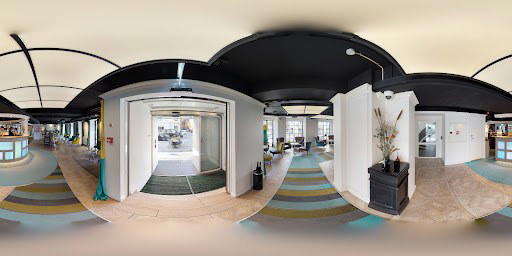
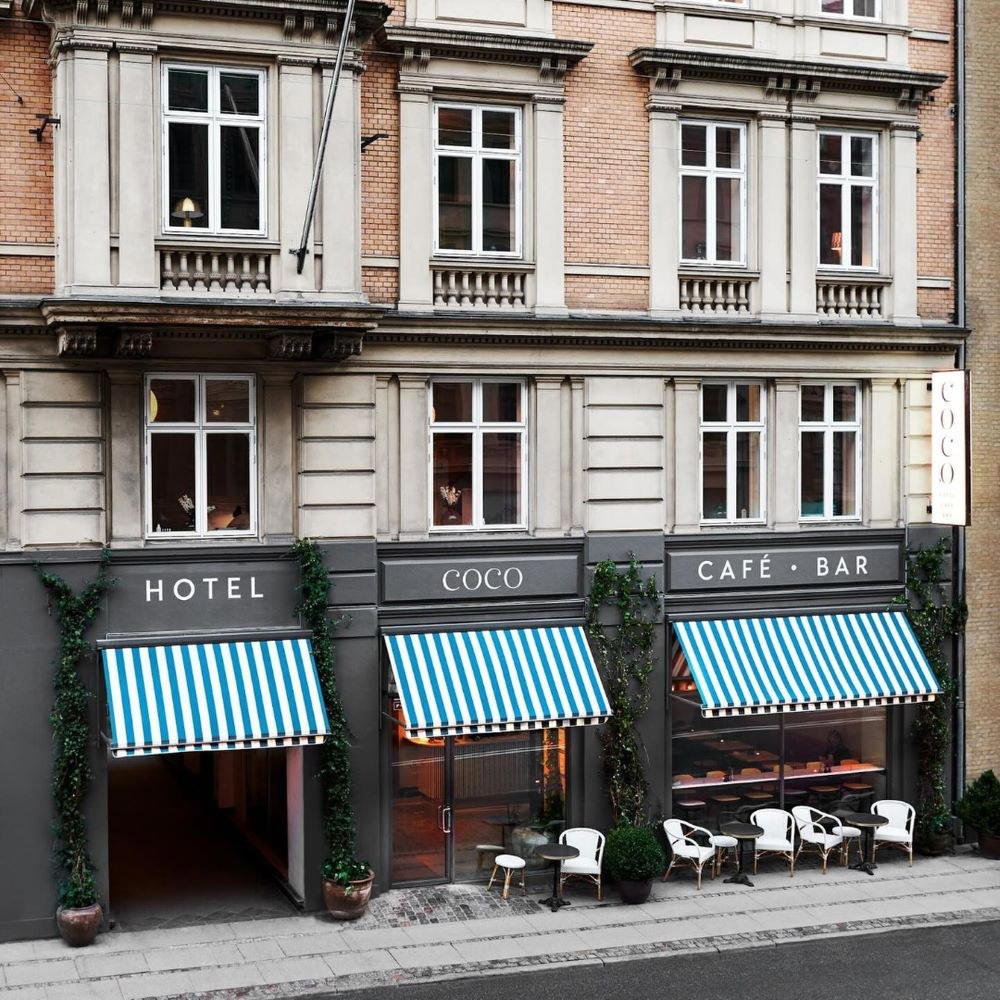
Industrial Meatpacking District setting with fluorescent neon signs, quirky plant-covered walls, and a distinctive pink flower ceiling; transitions from casual daytime dining to high-energy nightlife venue with DJ and dancefloor.