Elephant Hackney
Our verdict
Elephant Hackney occupies a corner of Lower Clapton Road where East London's ingredient-driven dining culture meets technique borrowed from further afield. The room is spare and the cooking is not, placing it in a neighbourhood increasingly defined by kitchens that take local sourcing seriously without performing it. For visitors mapping London's less-travelled dining corridors, it belongs on the list.

Pearl is the En Primeur Club membership app, where members save venues, book tables and use the concierge.

The menu
What to order
- Elephant Marinara
- Ziti Genovese Ragù
- Ox Cheek Croquettes
Lower Clapton and the East London Kitchen Shift
Lower Clapton Road has spent the better part of a decade quietly repositioning itself. The stretch running north from Hackney Central toward Clapton Pond carries a density of independent restaurants and neighbourhood bars that would have seemed implausible in 2010, when this section of E5 was better known for its off-licences than its cooking. What has emerged since is a dining corridor that operates by different rules than the West End or even Shoreditch: lower overheads permit more risk-taking on the plate, and proximity to a genuinely local customer base rewards honesty over performance. Elephant Hackney sits at 43 Lower Clapton Road inside that context, and that address tells you something meaningful about what to expect before you push the door open.
The broader East London dining shift is worth understanding because it explains why venues like this exist at all. When premium restaurant economics in central London push kitchens toward safe, high-margin menus designed for expense-account diners, neighbourhood rooms in E5 or E8 are under no such pressure. The result is a tier of cooking that can pursue seasonal British sourcing, less familiar proteins, and technique-forward preparations without building those choices around a luxury price point. This is the operative context for Elephant Hackney, and it is the context that makes Lower Clapton worth the journey for anyone tracking where London's cooking is actually moving.
The Intersection of Method and Ingredient
One of the more productive tensions in contemporary British cooking is the gap between what the land and sea produce and what technique is used to prepare it. Kitchens aligned with producers in the home counties, Scotland, or the southwest are increasingly pairing those materials with methods that have no geographic connection to them: fermentation practices from Scandinavia and Korea, smoking and curing traditions from continental Europe, precision cooking approaches refined in professional kitchens in France and the United States. The result is a category of British restaurant that is neither fusion nor fine dining in the traditional sense, but something more specific: a cooking style where the sourcing is domestic and the grammar is borrowed.
Elephant Hackney operates within that space. Lower Clapton's independent kitchens have generally favoured this approach over either nostalgic British cooking or direct international cuisine, and the neighbourhood's dining character reflects it. The venues that have lasted here are those that found a genuine position between local material and broader culinary literacy, rather than choosing one at the expense of the other. That balance, when it works, produces food that feels specific to place without being parochial about method.
For comparison, the upper tier of London dining addresses this same question from a very different price bracket. At CORE by Clare Smyth, British produce operates within a formally Michelin-starred frame. Dinner by Heston Blumenthal approaches British culinary history as a research project. The Ledbury and Sketch's Lecture Room and Library sit in the Modern European bracket where technical ambition is priced accordingly. Restaurant Gordon Ramsay anchors the classical French end of that spectrum. None of these are the right comparison for Elephant Hackney, which operates in a register defined by neighbourhood accountability rather than destination dining economics.
Beyond London, the same tension between local sourcing and imported technique is explored at different scales across the UK. L'Enclume in Cartmel applies rigorous Nordic-influenced method to Cumbrian produce at the top end of the market. Moor Hall in Aughton and Ynyshir Hall in Machynlleth each push British ingredients through intensely personal technical filters. Opheem in Birmingham does something structurally similar with South Asian sourcing and fine-dining method. Waterside Inn in Bray, Gidleigh Park in Chagford, Hand and Flowers in Marlow, hide and fox in Saltwood, Midsummer House in Cambridge, and Restaurant Andrew Fairlie in Auchterarder each represent variations on the same question, answered at different price points and with different emphases on tradition versus experiment. Internationally, Le Bernardin in New York City and Lazy Bear in San Francisco offer useful reference points for how technique-first kitchens handle sourcing narratives at higher price ceilings. Elephant Hackney sits in a different economic register from all of these, which is exactly the point.
The Room and the Approach
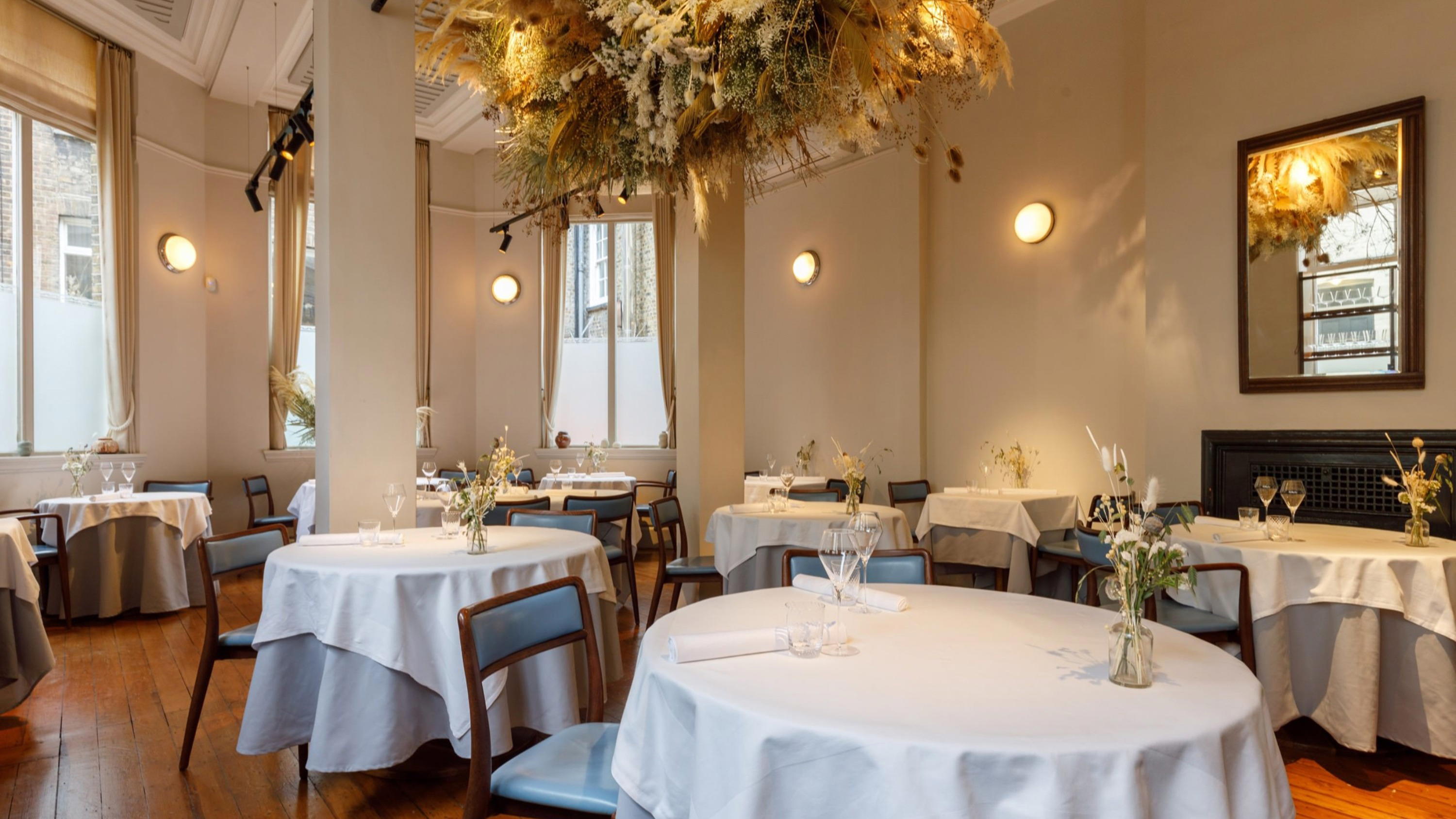
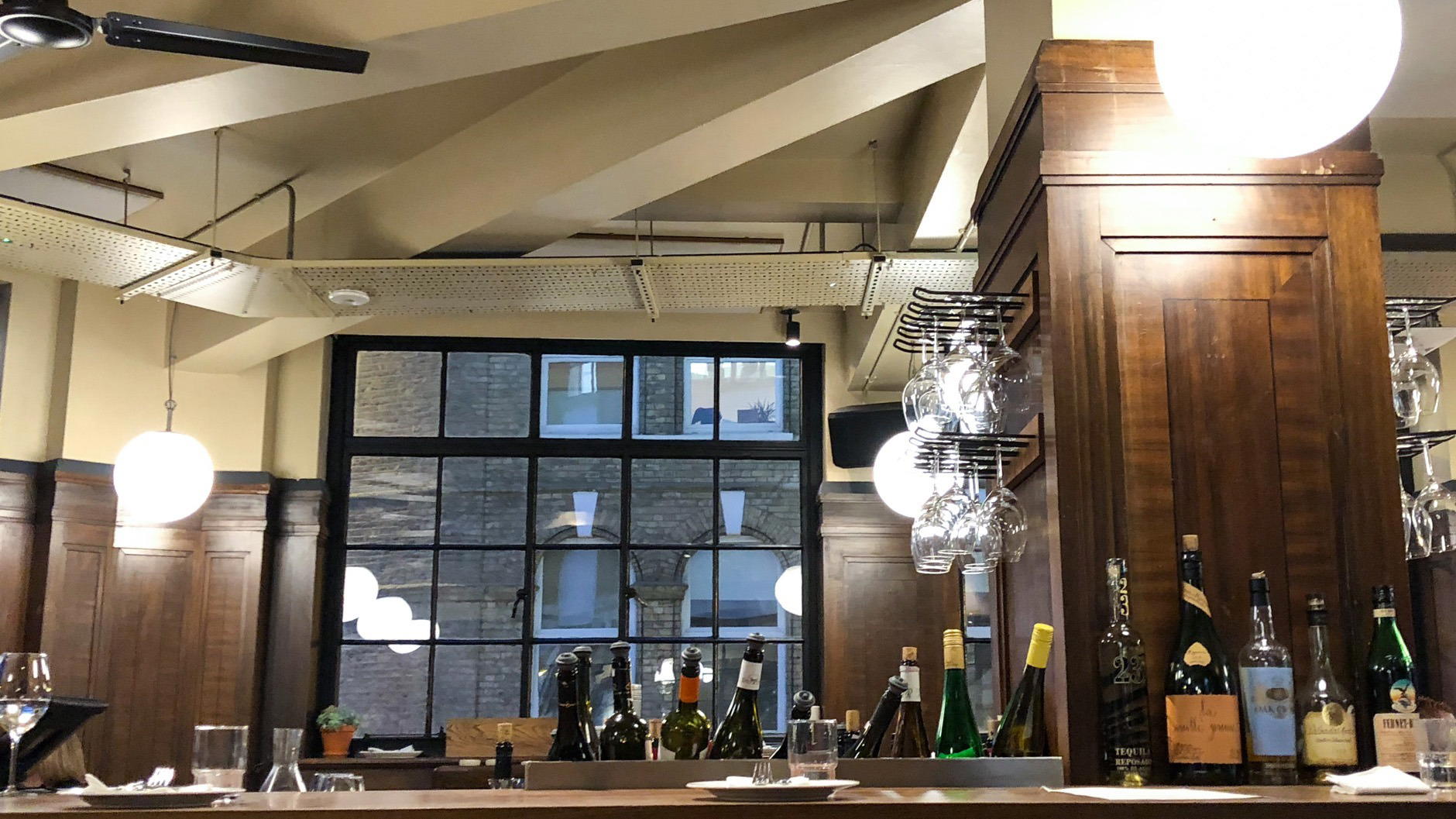
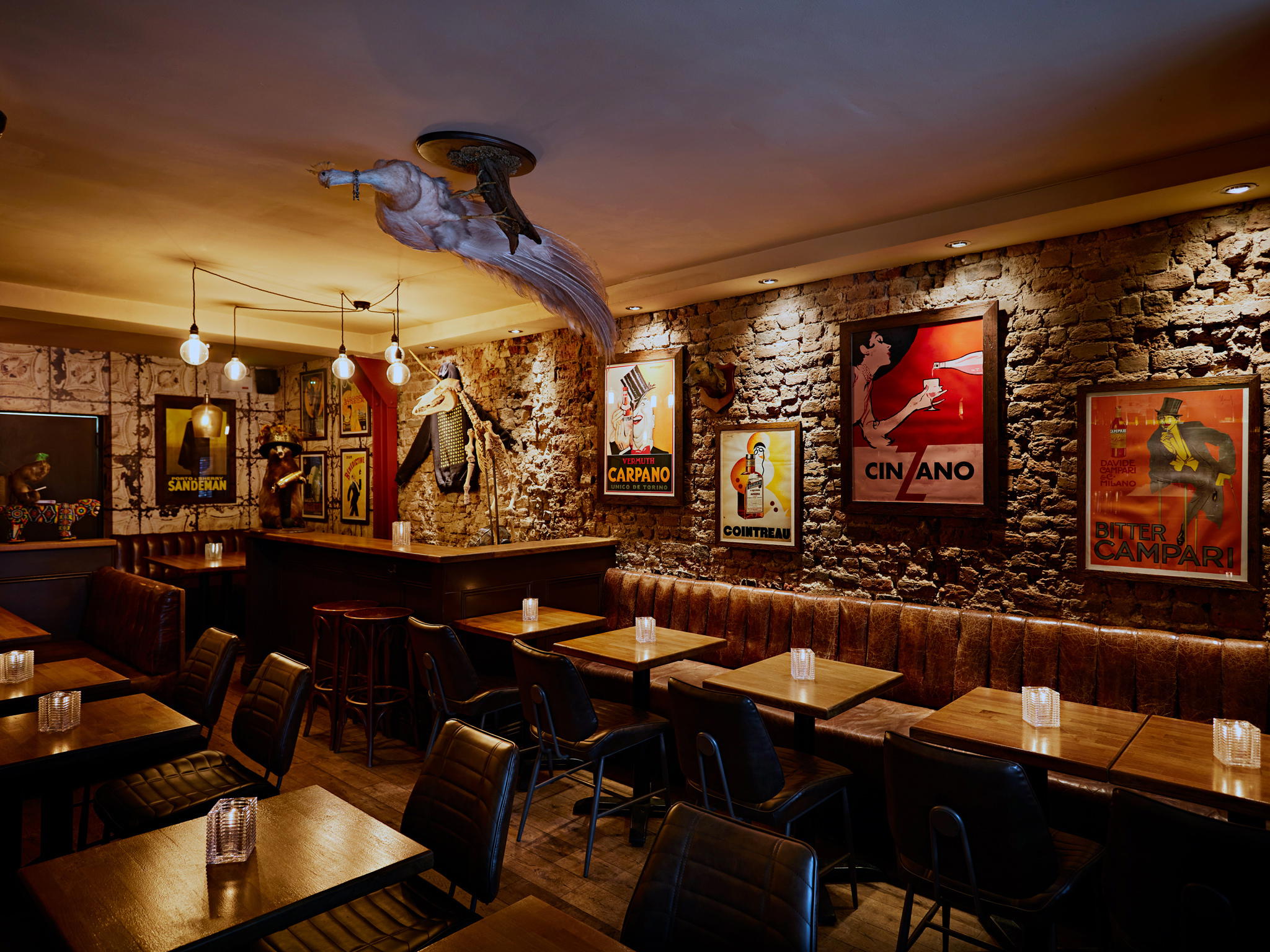
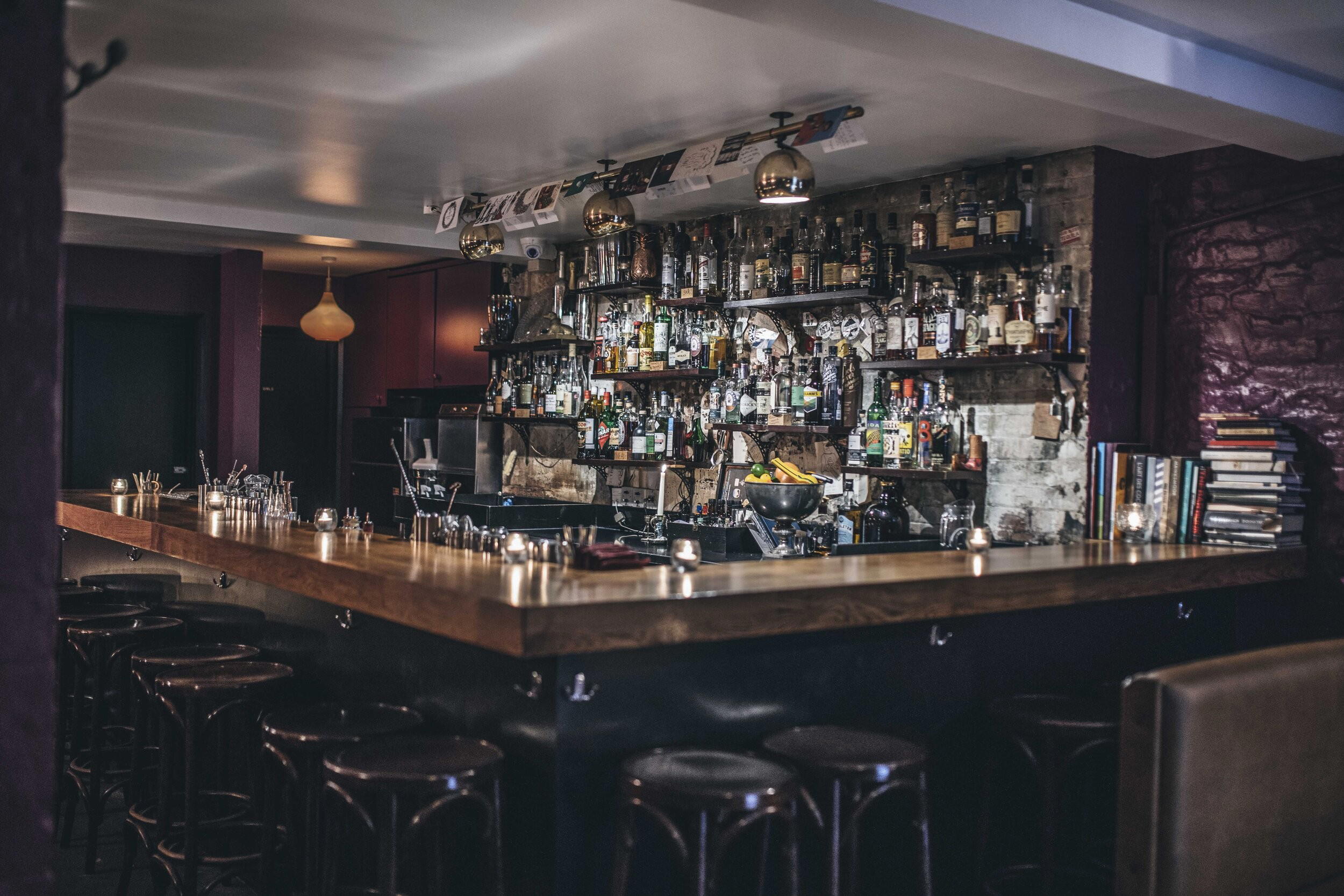
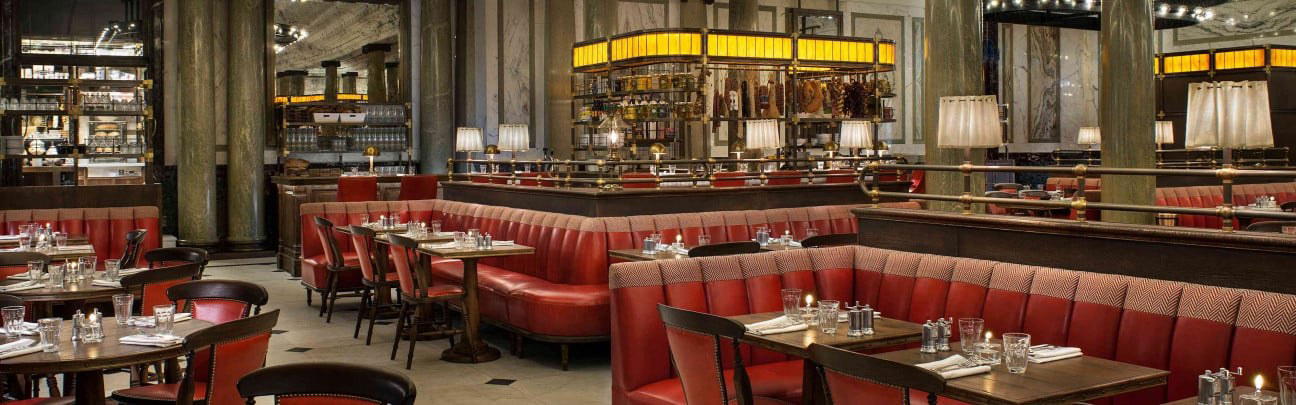
The physical address at 43 Lower Clapton Road is characteristic of the area: a ground-floor site on a mixed residential and commercial stretch, without the architectural theatrics that central London rooms use to signal their ambitions. East London's better independent restaurants have generally resisted the language of the designed interior, which in practice means the cooking has to carry more of the experience than the room itself. This is not a liability in neighbourhoods where the customer base is local enough to return repeatedly; it is, in fact, a selective pressure that tends to produce kitchens focused on the plate.
The practical shape of a meal at Elephant Hackney aligns with the neighbourhood's broader dining culture: informal enough to feel accessible, technically serious enough to reward attention. That combination describes a meaningful share of what Lower Clapton now offers, and it reflects how East London's independent dining scene has differentiated itself from the set-menu formality that dominates at the top of the market.
Planning Your Visit
For those building a wider London itinerary, our full London restaurants guide maps the city's dining across neighbourhoods and price tiers. Lower Clapton is most efficiently reached via Hackney Central Overground or the 48 and 55 bus routes along Clapton Road. The area rewards afternoon exploration before dinner, particularly around the canal at Hackney Wick to the south and the market stretch near Chatsworth Road to the north.
Reservations: Booking ahead is advisable, particularly for weekend evenings when the neighbourhood's limited seat counts across multiple independent rooms create real competition for tables. Dress: No formal requirement; the neighbourhood's dining culture trends toward smart-casual without the dress code expectations of central London destinations. Budget: Getting There: Hackney Central Overground is the most direct connection from central London; the venue is a short walk north along Lower Clapton Road.
Frequently asked questions
What should I eat at Elephant Hackney?
As a general principle for kitchens of this type in the East London independent tier, the strongest choices tend to be dishes that make the sourcing visible: preparations where the primary ingredient is clearly the point rather than the technique layered over it. Asking the kitchen or front-of-house what has arrived recently is a more reliable guide than any fixed list.
Should I book Elephant Hackney in advance?
Lower Clapton's independent dining rooms operate with limited covers by the standards of central London, and East London's dining culture has become considerably more competitive since the neighbourhood's reputation consolidated. Weekend tables at venues of this type routinely fill ahead, and booking a few days in advance is sensible even mid-week. For comparison, the formally acclaimed rooms across London, from CORE by Clare Smyth to The Ledbury, require weeks to months of lead time; Elephant Hackney operates in a more accessible tier, but that does not mean walk-ins are reliable.
How does Elephant Hackney fit into London's wider independent dining scene?
The venue sits within a recognisable cohort of East London neighbourhood restaurants that have built reputations through word of mouth and repeat local custom rather than awards infrastructure or destination marketing. This places it in a different competitive set from the Michelin-tracked rooms of Mayfair or Notting Hill, and closer in character to the independent kitchens that have made E5, E8, and E9 postcodes worth tracking for anyone serious about where London cooking is developing outside the traditional fine-dining circuit. For a full map of the city's options at every level, the EP Club London guide covers the range.
Comparable Venues
Comparable venues nearby, for context on price, style, and recognition.
| Venue | Cuisine | Price | Notes |
|---|---|---|---|
| Elephant HackneyThis venue (the venue you are viewing) | Southern Italian Neapolitan Pizzeria | Not listed | Not listed |
| Fatto a Mano Bethnal Green | Authentic Neapolitan Pizza | $20–30 | Bethnal Green |
| Nona Italian Restaurant, Swiss Cottage | Authentic Italian Trattoria | $20–30 | South Hampstead |
| Zia Lucia Brook Green | Neapolitan-style Pizza | $20–30 | Brook Green |
| Polentina | Regional Italian Canteen | $20–30 | Bromley-by-Bow |
| Quartieri | Authentic Neapolitan Pizzeria | $20–30 | Kilburn |
Continue exploring
More in London
Restaurants in London
All restaurants in London →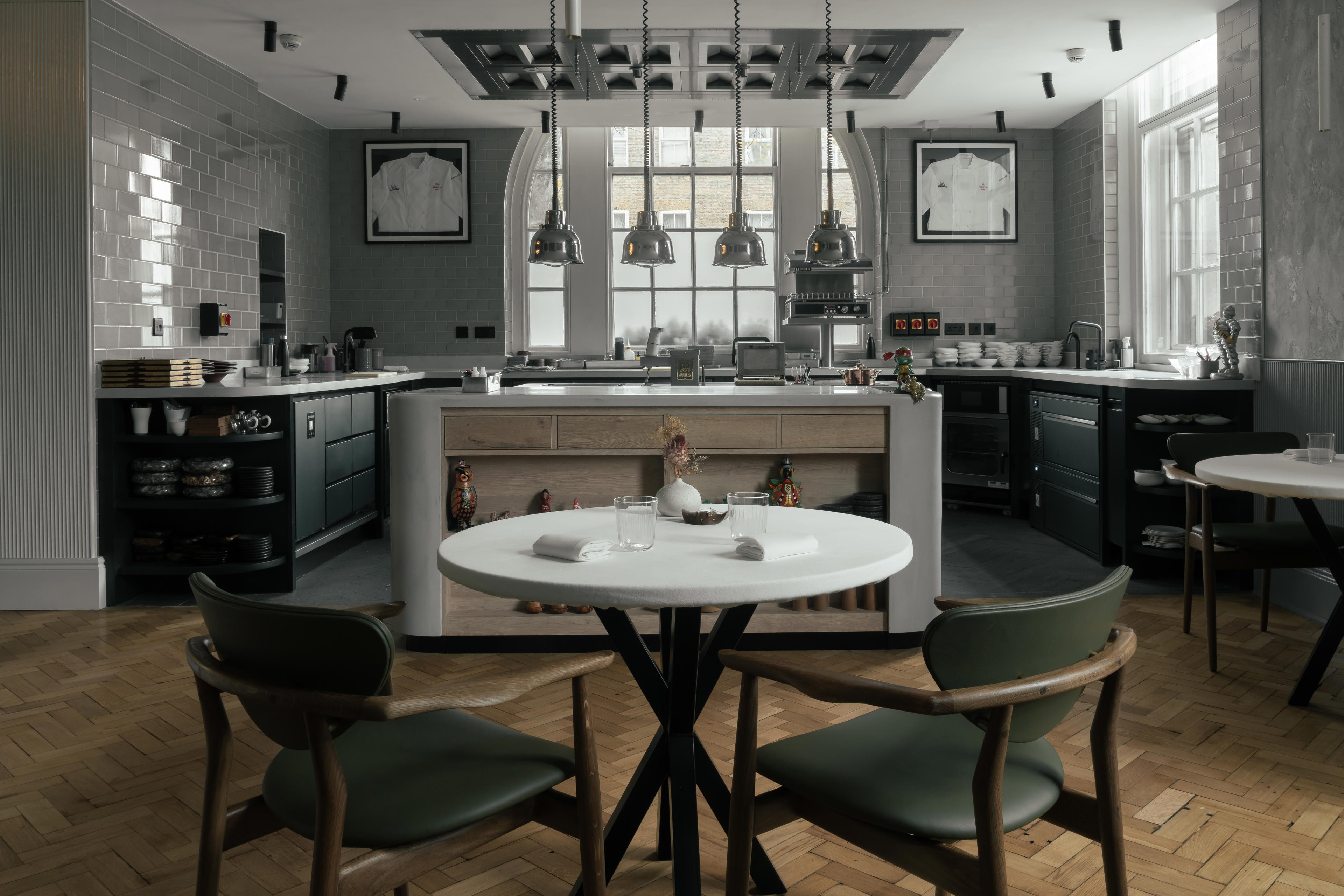
Bars in London
All bars in London →

Details
- Lively
- Trendy
- Casual Hangout
- Family
- Group Dining
- Open Kitchen
- Craft Cocktails
- Small Plates
- A La Carte
- Cocktails
- Italian Wine
Current opening hours
- Monday
- Closed
- Tuesday
- 6–11 PM
- Wednesday
- 6–11 PM
- Thursday
- 6 PM–12 AM
- Friday
- 6 PM–12 AM
- Saturday
- 12–3 PM, 6 PM–12 AM
- Sunday
- Closed
Hours can change for holidays and private events. Hours as of .
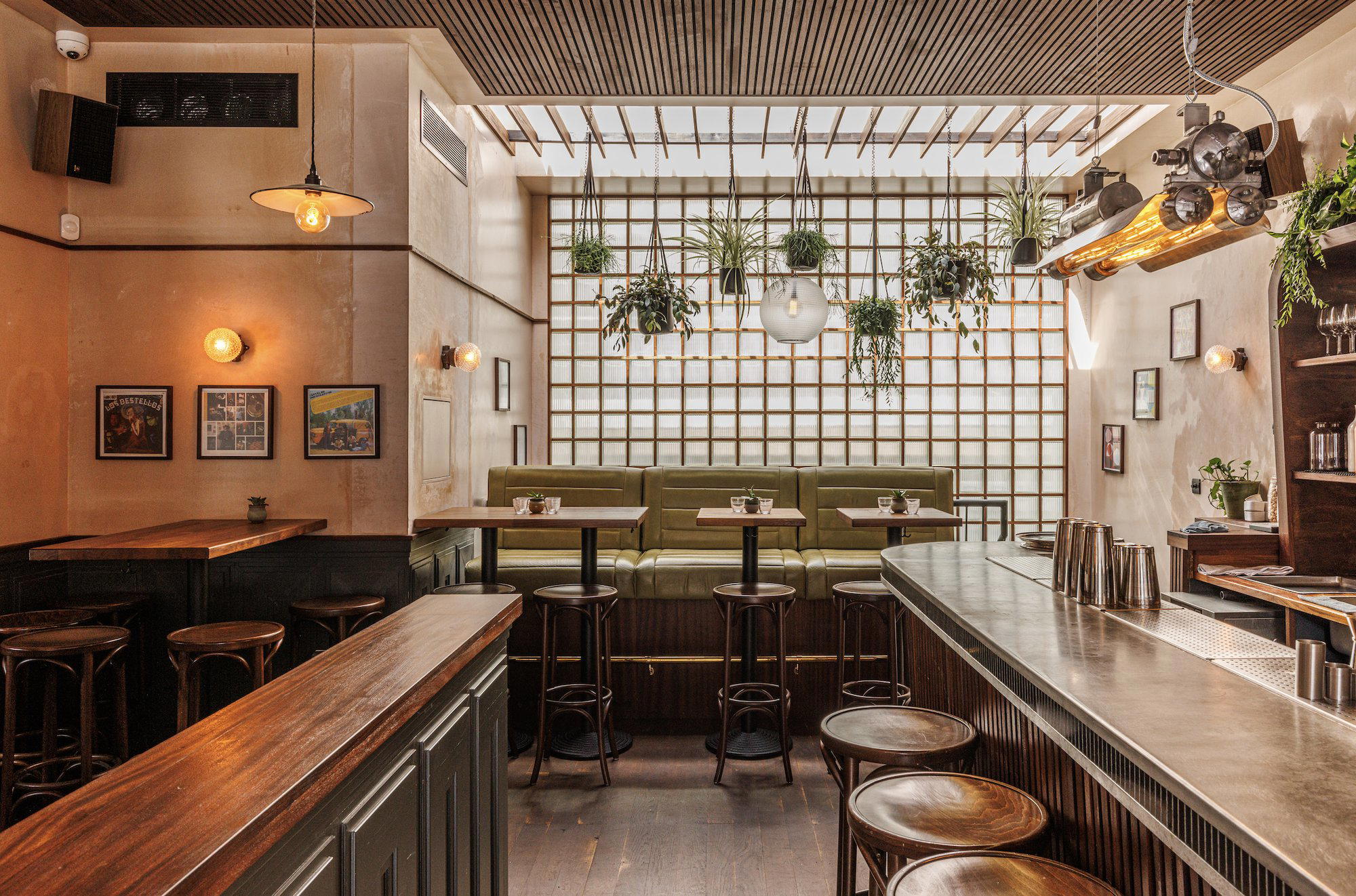
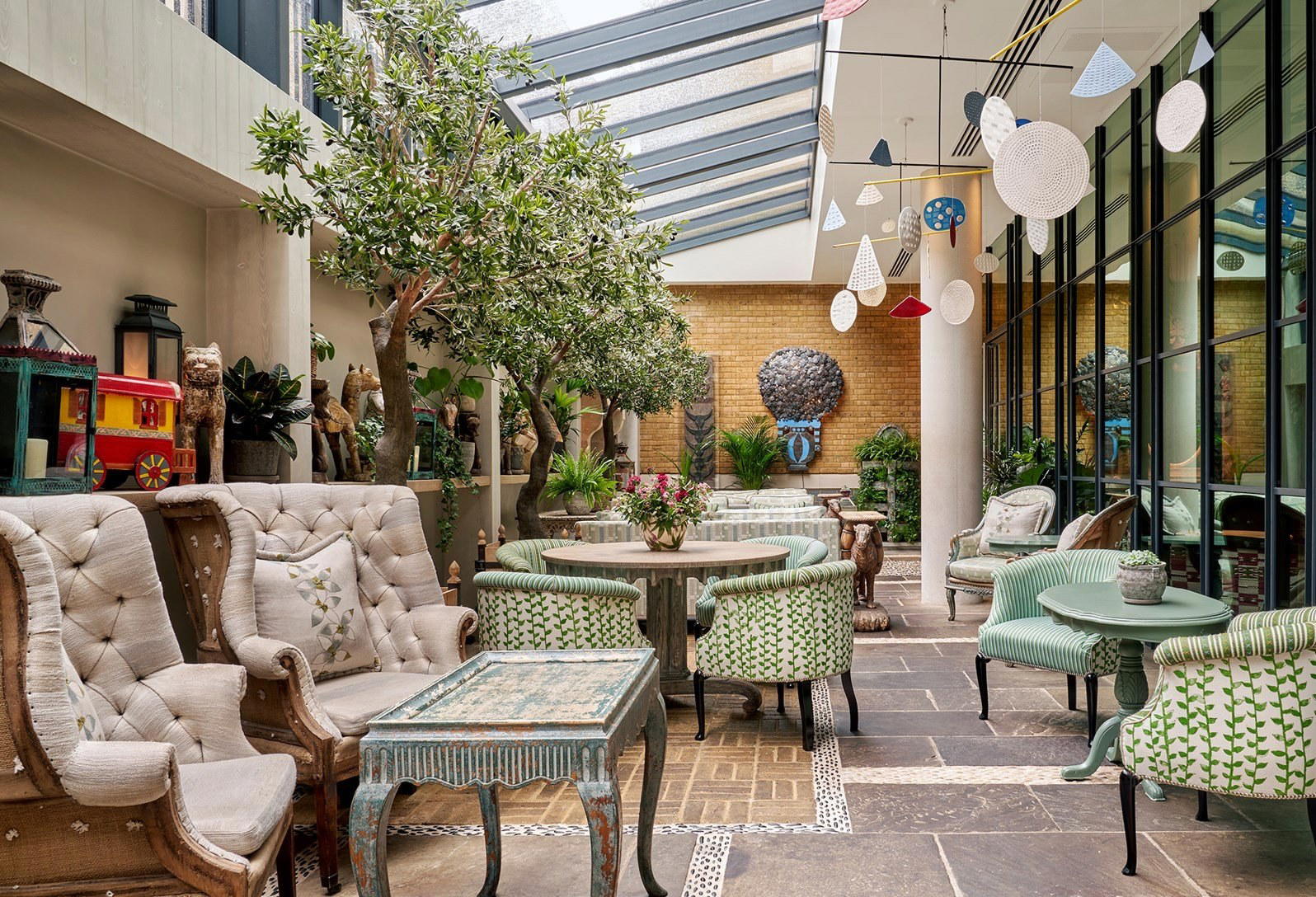
Gently lit with natural light from a 25-year-old stained glass skylight salvaged from an East End cinema, offering a lively and welcoming atmosphere in a revived Victorian boozer.