Element
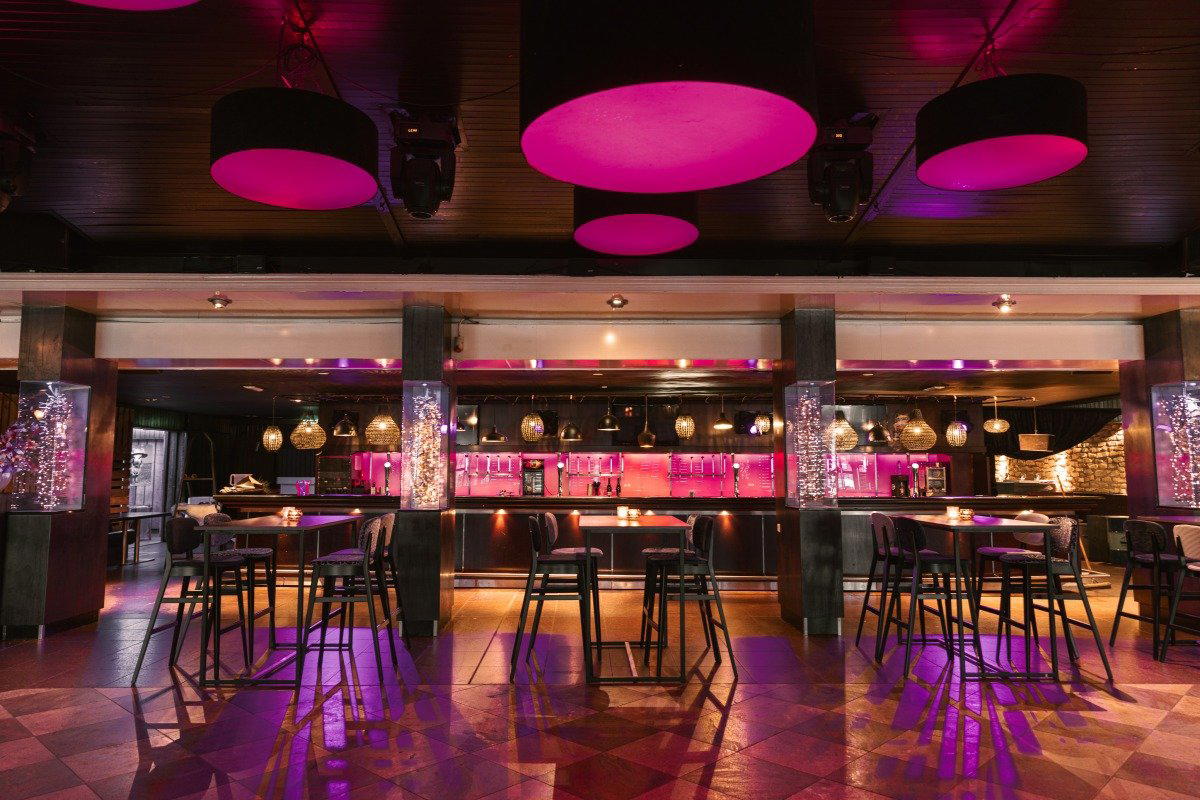
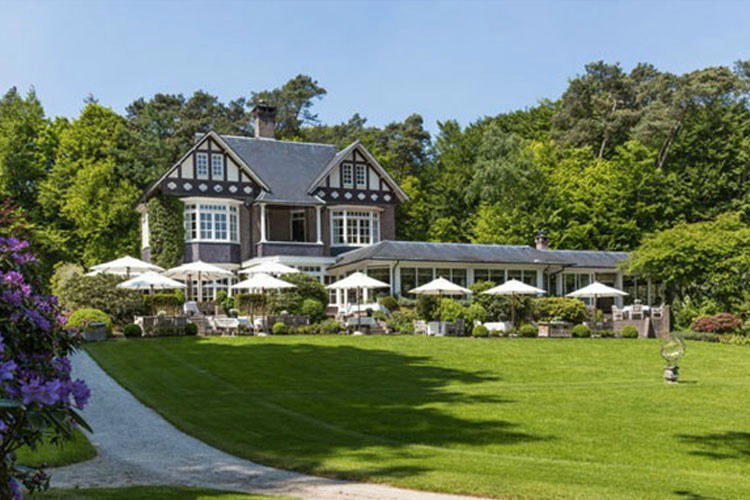
Element occupies a converted industrial address on Gasgracht in Meppel, placing it within a small tier of destination restaurants that have transformed provincial Dutch towns into serious dining stops. The kitchen's approach connects directly to the agricultural character of Drenthe and Overijssel, making ingredient provenance the organising logic of the menu rather than an afterthought.
Pearl is the En Primeur Club membership app — saves, bookings, and concierge access live there. Same editors, same standards.
- Address
- Gasgracht 4a, 7941 KE Meppel, Netherlands
- Phone
- +31652621511
- Website
- restaurantelement.nl
- Directions
- Get directions
 Saves & bookings on Pearl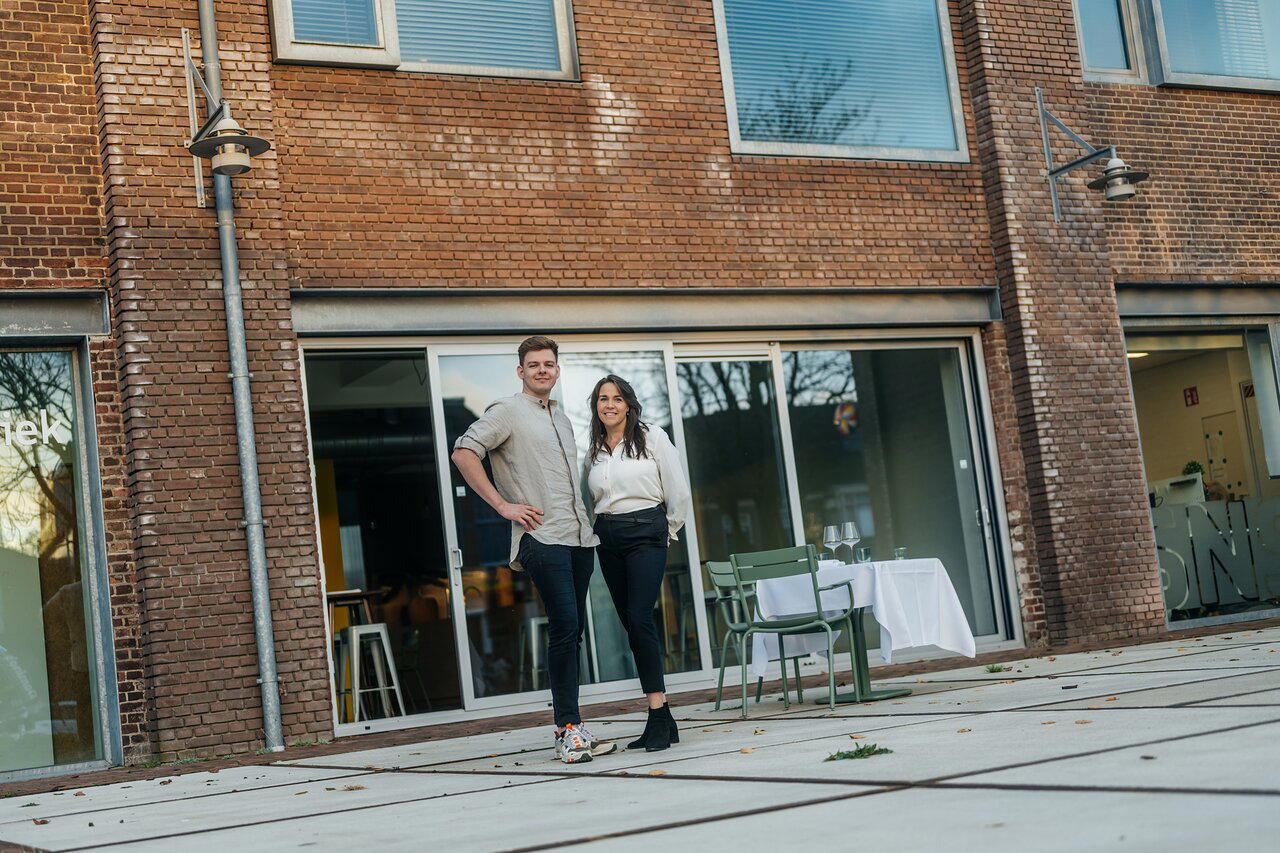
An Industrial Address in a Provincial Town That Takes Food Seriously
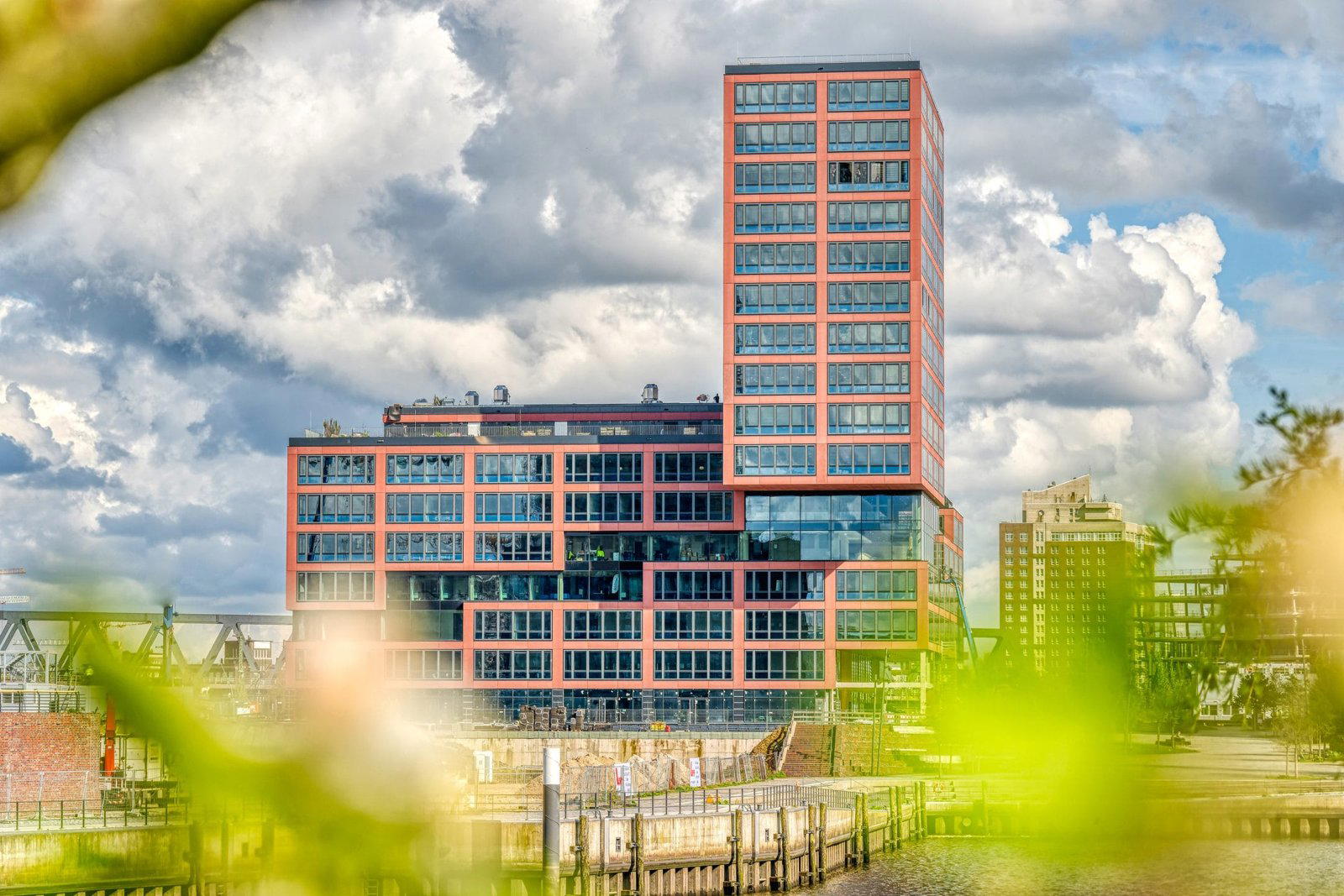
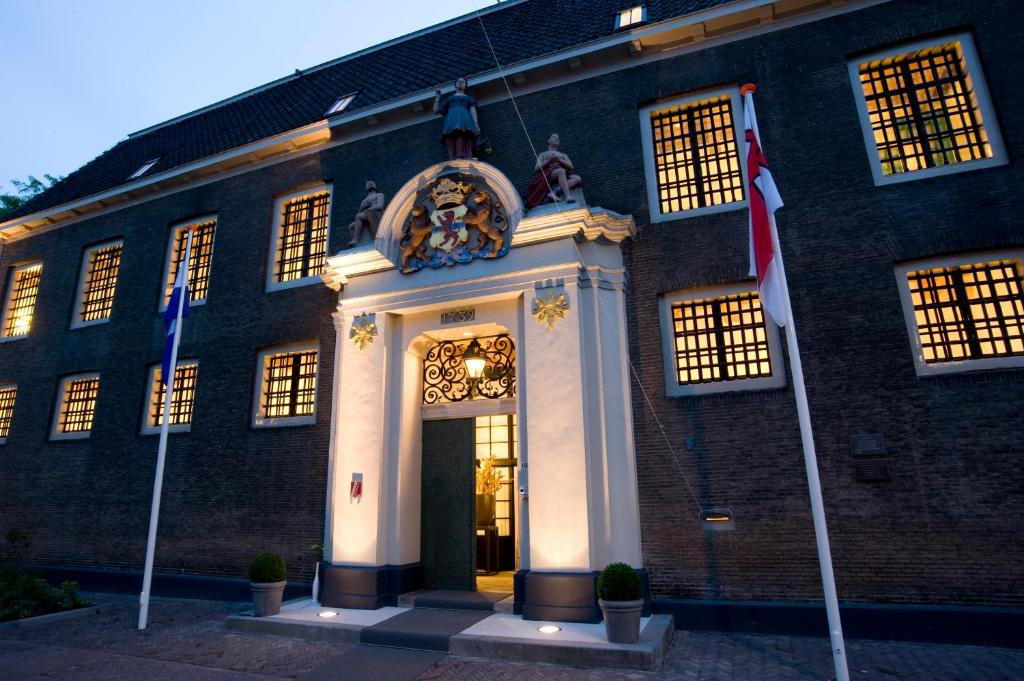
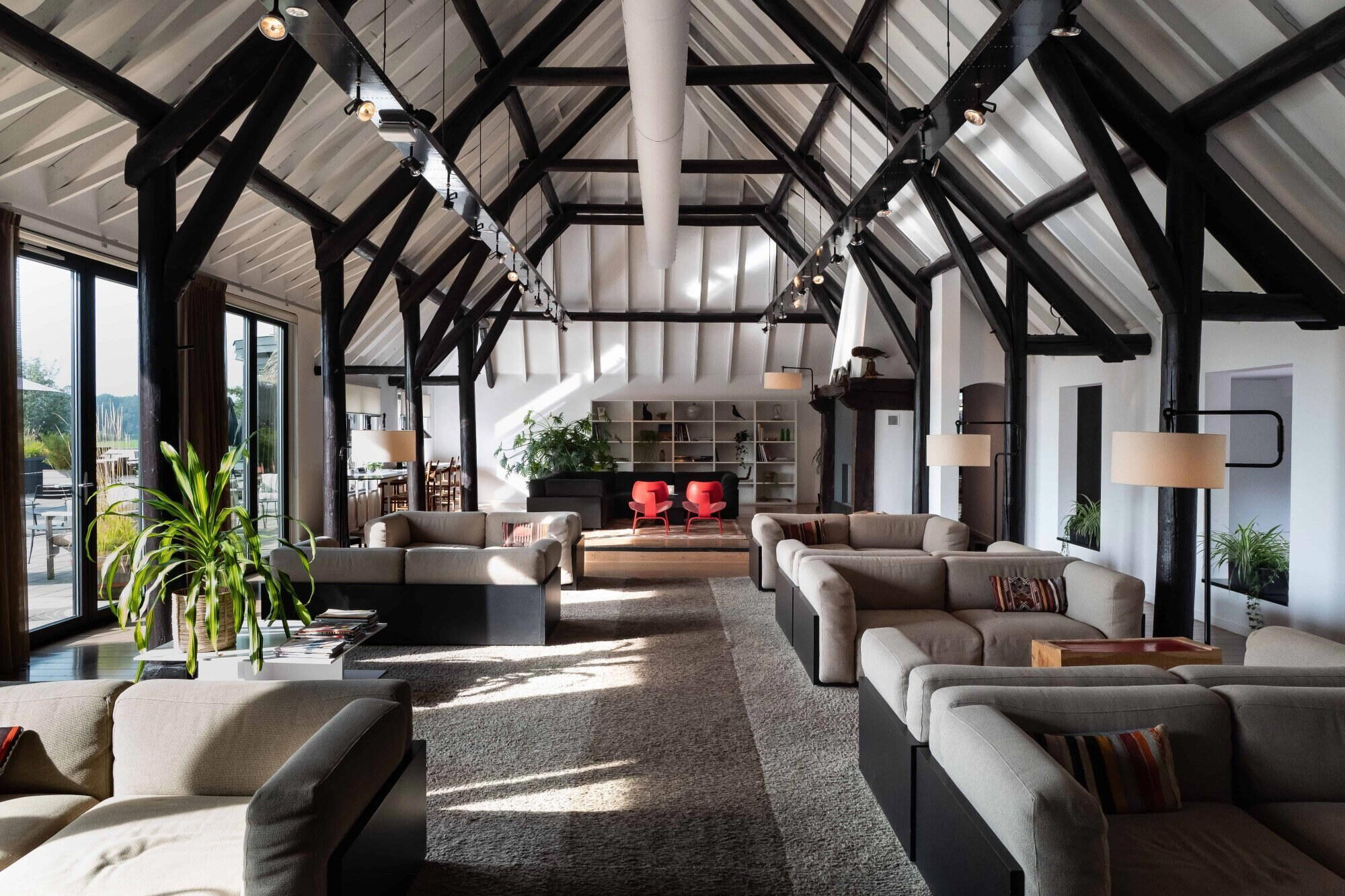
Meppel sits at the boundary of Drenthe and Overijssel, two provinces whose agricultural identity has, over the past decade, started to shape the ambitions of their restaurants as much as their farms. Gasgracht 4a, the address of Element, carries that industrial-to-cultural conversion arc that has become familiar in mid-sized Dutch cities: a former utilitarian building repurposed into a setting where the architecture signals intention before the menu does. The canal-side location places the restaurant within walking distance of Meppel's compact centre, but the building's character keeps it distinct from the town's older dining stock.
This pattern, a serious kitchen taking root in a secondary Dutch city, is not incidental. The Netherlands has developed a geographically distributed fine dining scene over the past fifteen years, with Michelin recognition spreading well beyond Amsterdam and Rotterdam to addresses in Zeeland, Gelderland, and the northern provinces. De Lindenhof in Giethoorn and De Groene Lantaarn in Staphorst are examples of kitchens that have made the surrounding rural environment the source material for their menus, turning remoteness from a liability into a defining credential. Element operates in that same regional current.
Where the Food Comes From: The Agricultural Logic of Drenthe
The editorial angle that makes Element worth understanding is not what appears on the plate but what precedes it. Drenthe is one of the least densely populated provinces in the Netherlands, and that low density has preserved a farming character that more urbanised regions have largely surrendered. Livestock, dairy, root vegetables, and game from the surrounding heathlands and polders form the raw material that kitchens in this region can access with a directness unavailable to their urban counterparts.
This matters because ingredient sourcing in the Netherlands has split into two distinct models. The first is the logistics-dependent approach: restaurants in Amsterdam, Rotterdam, and the Randstad drawing on centralised wholesale supply chains that prioritise consistency and volume. The second is the proximity model, where kitchens in provincial settings build direct relationships with individual producers, accepting seasonal constraint in exchange for traceability and quality at the primary level. De Nieuwe Winkel in Nijmegen, which has earned Michelin recognition for its plant-based approach, represents the most visible expression of this proximity model. Element's position in Drenthe places it within reach of the same supply logic, even if its category differs.
For diners, this translates into a menu whose structure is more likely to follow what the surrounding land produces than what global distribution makes available year-round. That is a meaningful difference in how a meal is constructed and experienced, and it is the reason that restaurants operating on this model tend to show more variation across visits at different points in the year.
Meppel in the Context of Dutch Destination Dining
A cluster of kitchens operating outside the major cities now draws visitors willing to travel specifically for a meal. De Librije in Zwolle, roughly 25 kilometres from Meppel, sits at the apex of this model with three Michelin stars and a reputation that pulls international visitors to a city most would otherwise bypass. That gravitational effect has made the broader Overijssel-Drenthe corridor a more viable dining destination than it was a generation ago.
Further afield, Inter Scaldes in Kruiningen and Tribeca in Heeze demonstrate that the Netherlands consistently produces serious kitchens in locations that require deliberate travel rather than opportunistic walk-ins. Brut172 in Reijmerstok and De Treeswijkhoeve in Waalre extend the same pattern into Limburg and Brabant. Element's Meppel address fits within this established framework of Dutch dining geography, where the distance from a major city is not a concession but a condition of the restaurant's identity.
Within Meppel itself, Sukade offers a farm-to-table alternative at a comparable local level, which suggests that the town has developed a modest but coherent dining identity rather than relying on a single anomalous address. For broader context on what the city offers, the full Meppel restaurants guide maps the options across price points and styles.
How Element Compares to Urban Dutch Fine Dining
The contrast with Amsterdam's top tier is instructive. Ciel Bleu in Amsterdam and Aan de Poel in Amstelveen operate within a competitive urban environment where peer comparison is constant and the supply of international diners is reliable. Restaurants at that level price against an international benchmark and compete on consistency above all else. FG - François Geurds in Rotterdam similarly prices and positions against a city-level competitive set.
Provincial kitchens operate under different pressures. Their audience is more local, their repeat visit rate higher, and their relationship with the surrounding food economy more direct. That does not make them lesser; it makes them structurally different. Internationally, the comparison points would be something like Lazy Bear in San Francisco, which built its reputation on a producer-connected, format-driven approach outside the mainstream fine dining circuit, or the way Le Bernardin in New York City has made sourcing the organising principle of its entire identity. Provincial sourcing discipline, when executed well, produces food that urban kitchens with longer supply chains simply cannot replicate.
The broader Dutch reference points worth noting: 't Nonnetje in Harderwijk, De Bokkedoorns in Overveen, and De Lindehof in Nuenen all illustrate the range of what serious Dutch cooking looks like outside the capital. Element belongs in that conversation, particularly given its location within a region defined by primary production.
Planning a Visit
Meppel is accessible by direct train from Amsterdam Centraal in approximately 90 minutes, and from Zwolle in around 20 minutes, making it feasible as a day trip from either city for those combining a meal with time in the region. Gasgracht 4a is a short walk from Meppel station. Specific booking details, hours, and pricing for Element are best confirmed directly given that the venue's operational information is subject to change, and the restaurant's own channels will carry current availability. As a provincial address with a focused offering, tables at this category of restaurant in the Netherlands tend to fill on weekends several weeks in advance, particularly in the autumn game season when regional sourcing is at its most varied.
| Venue | Cuisine | Price | Awards |
|---|---|---|---|
| ElementThis venue — the venue you are viewing | This venue | Not listed | Not listed |
| De Librije | Modern Cuisine | €€€€ | Michelin 3 Star |
| De Nieuwe Winkel | Organic | €€€€ | Michelin 2 Star |
| De Lindenhof | Creative | €€€€ | Michelin 2 Star |
| De Lindehof | Contemporary Dutch, Creative | €€€€ | Michelin 2 Star |
| Fred | Creative French | €€€€ | Michelin 2 Star |
Continue exploring
More in Meppel
Restaurants in Meppel
Browse all →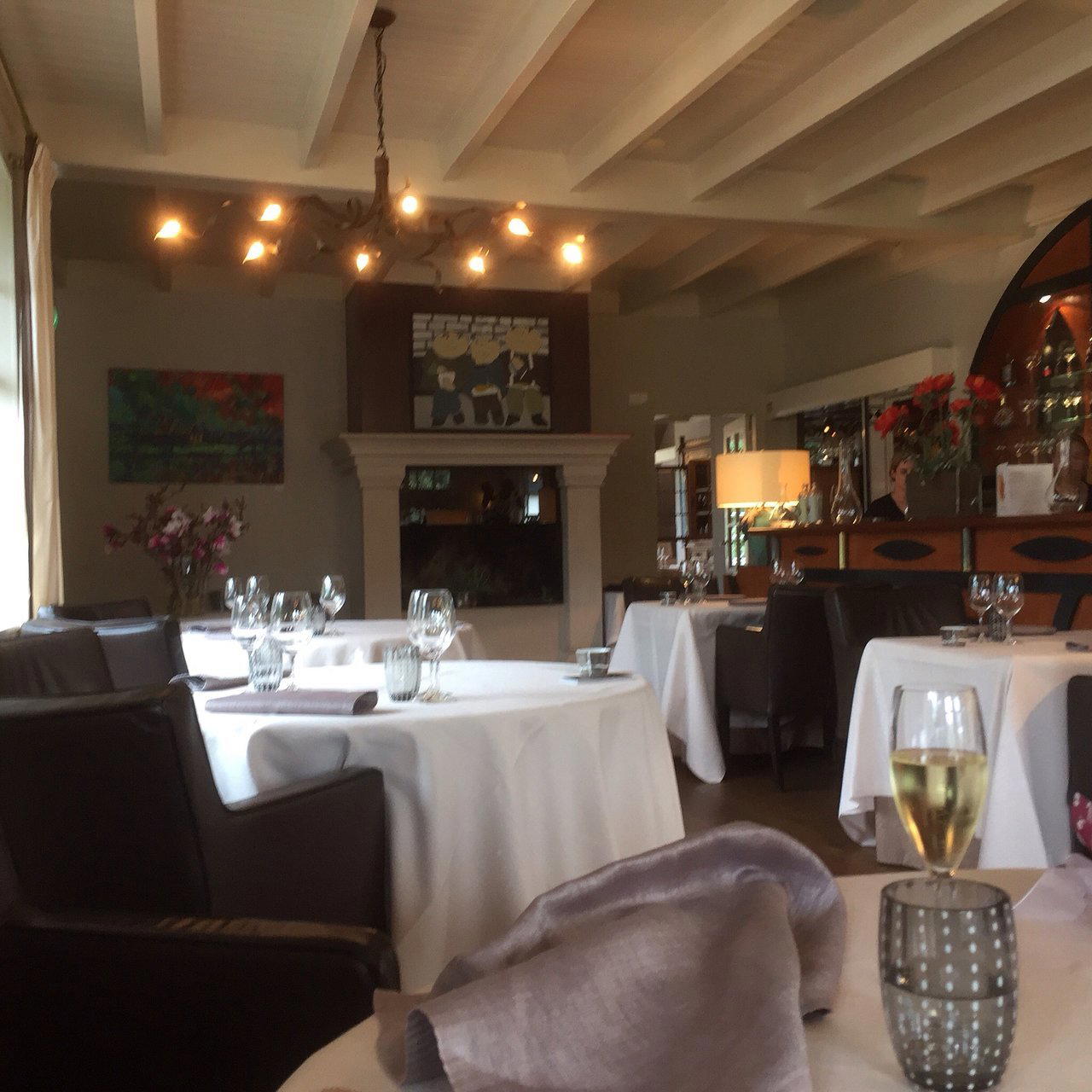
At a Glance
- Modern
- Cozy
- Intimate
- Sophisticated
- Date Night
- Special Occasion
- Historic Building
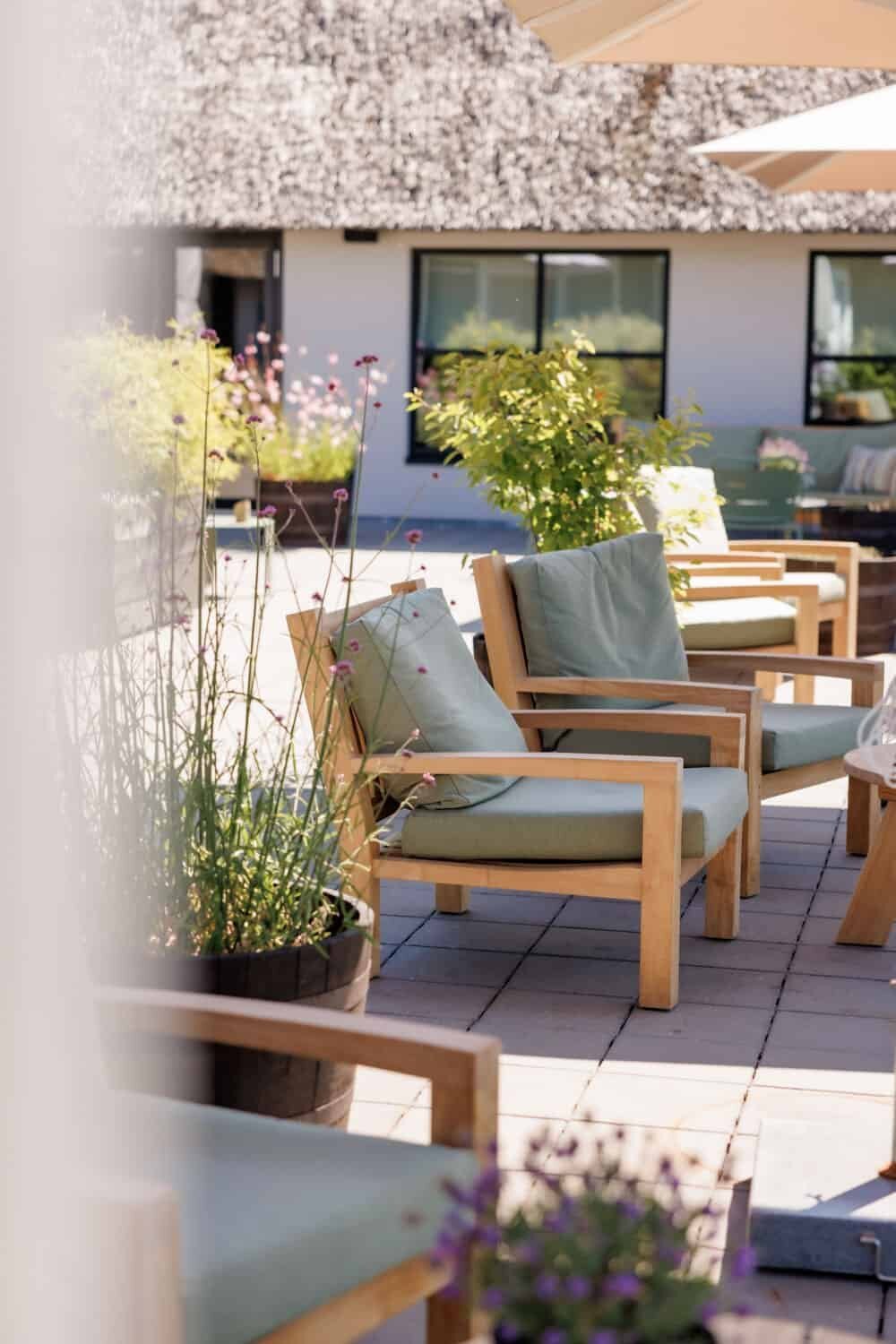
- Terrace
- Extensive Wine List
- Waterfront
Current opening hours
- Monday
- Closed
- Tuesday
- 6–11:30 PM
- Wednesday
- 6–11:30 PM
- Thursday
- 6–11:30 PM
- Friday
- 6–11:30 PM
- Saturday
- 6–11:30 PM
- Sunday
- Closed
Hours can change for holidays and private events. Last verified .
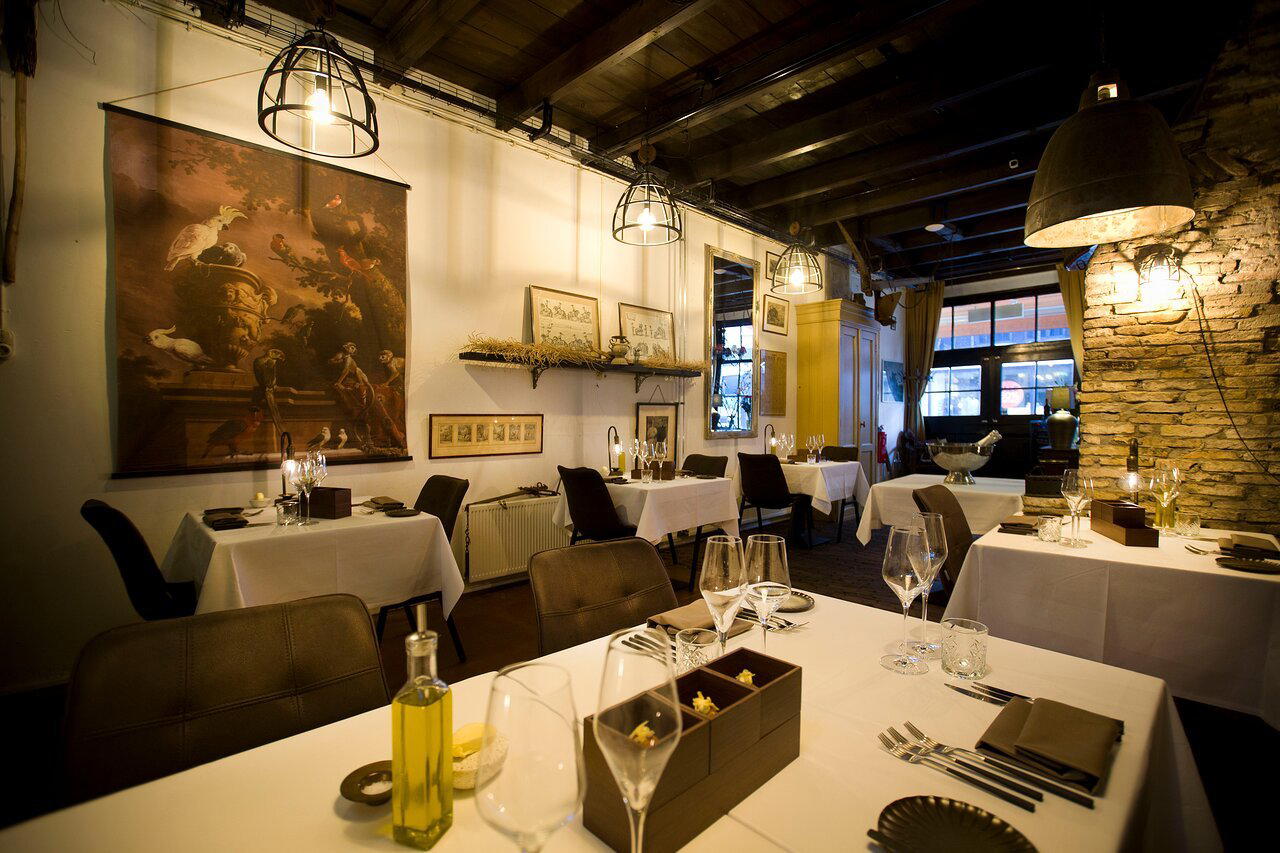
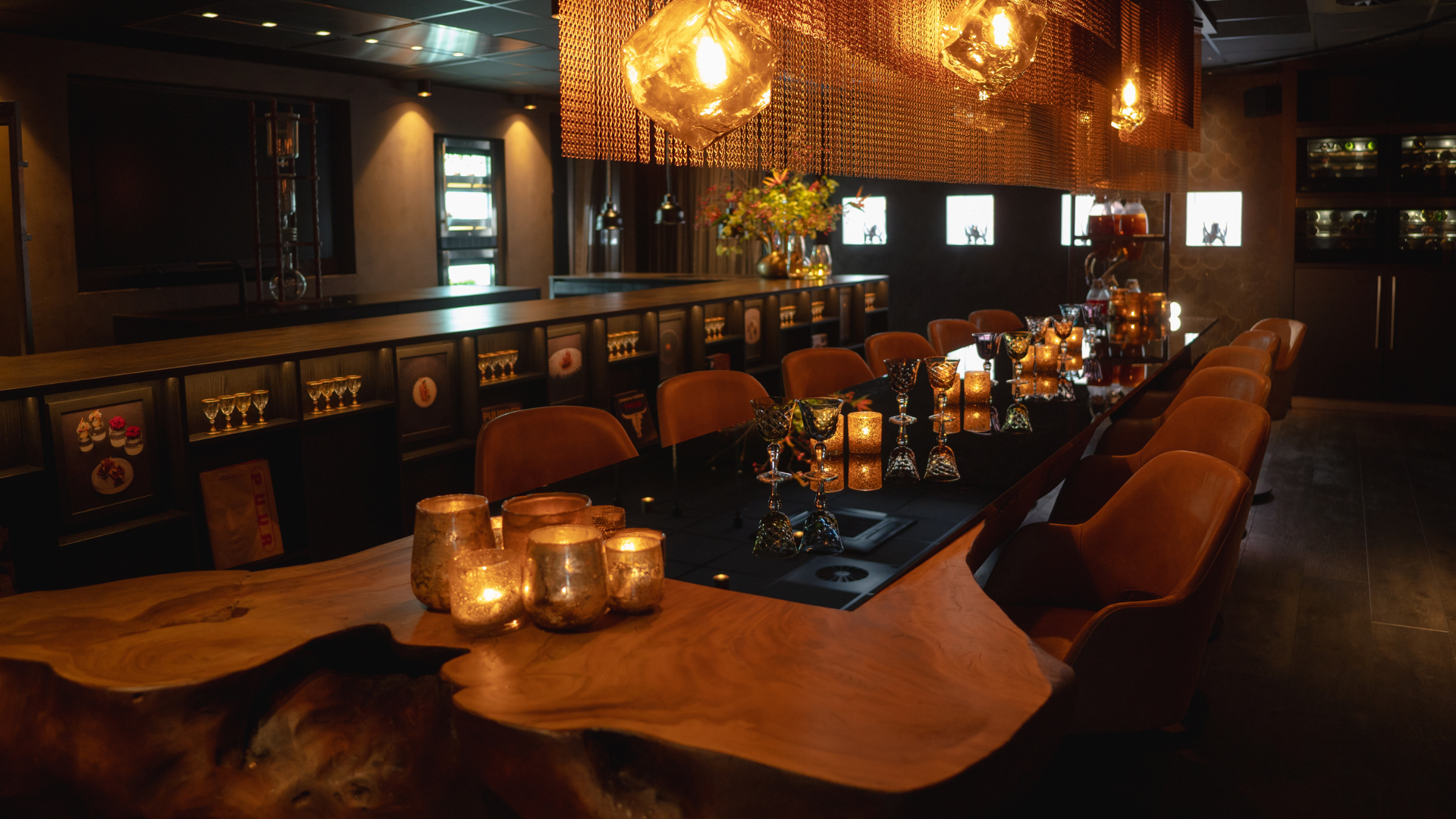
Kleinschalige en informele setting with attention to quality on the plate and in the glass, offering pure flavors in a welcoming atmosphere.
Know Before You Go
- Getting there
- Gasgracht 4a, 7941 KE Meppel, Netherlands