Eclipse di Luna
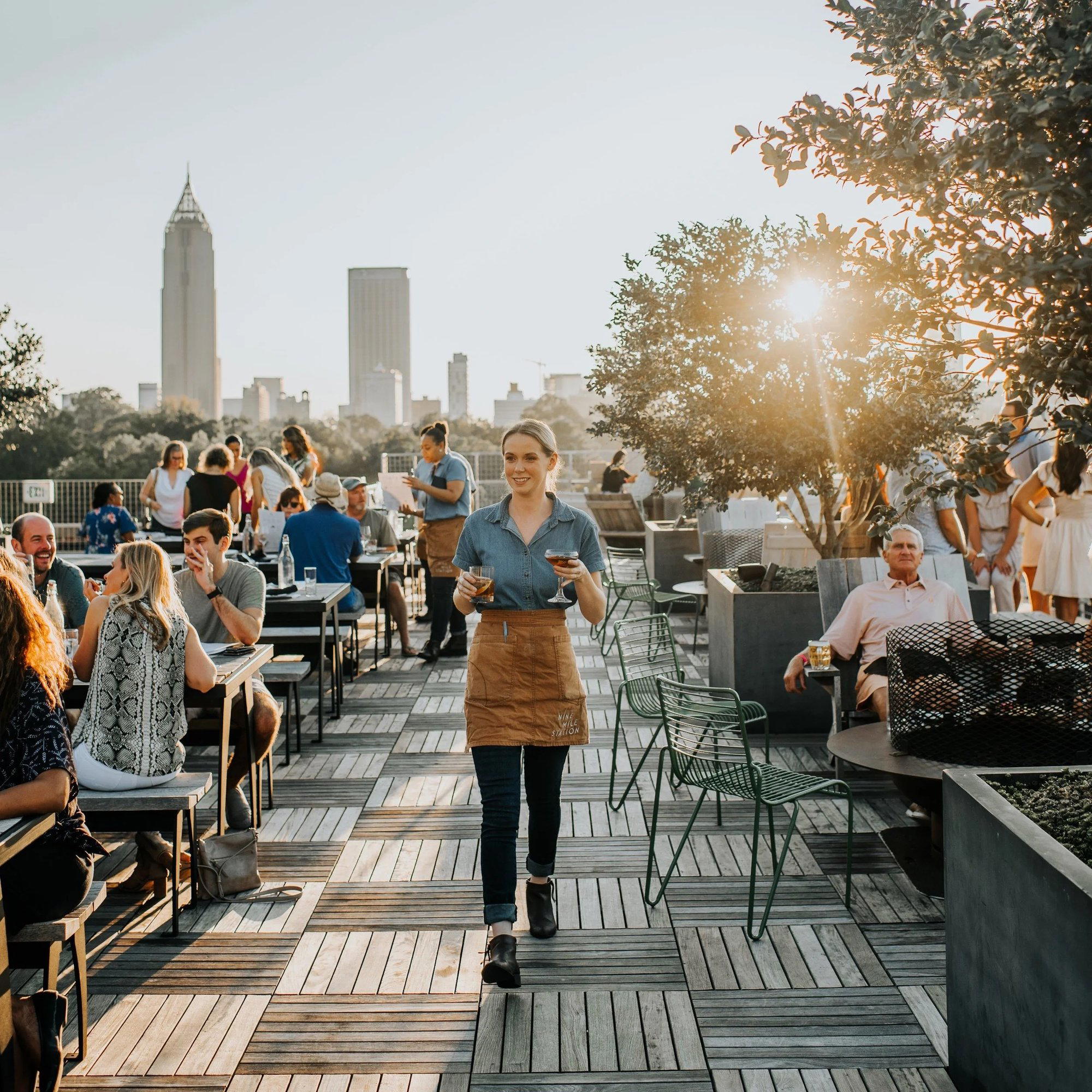
Eclipse di Luna on Miami Circle has long occupied Atlanta's middle ground between casual tapas and full-service dining, drawing a crowd that prefers plates designed for sharing over composed individual portions. The address puts it inside the design district's warehouse corridor, where the room tends to feel as social as the menu demands. It reads as a natural stop within a broader Buckhead-adjacent evening.
Pearl is the En Primeur Club membership app — saves, bookings, and concierge access live there. Same editors, same standards.
- Address
- 764 Miami Cir NE, Atlanta, GA 30324
- Phone
- +14706641188
- Website
- eclipsediluna.com
- Directions
- Get directions
 Saves & bookings on Pearl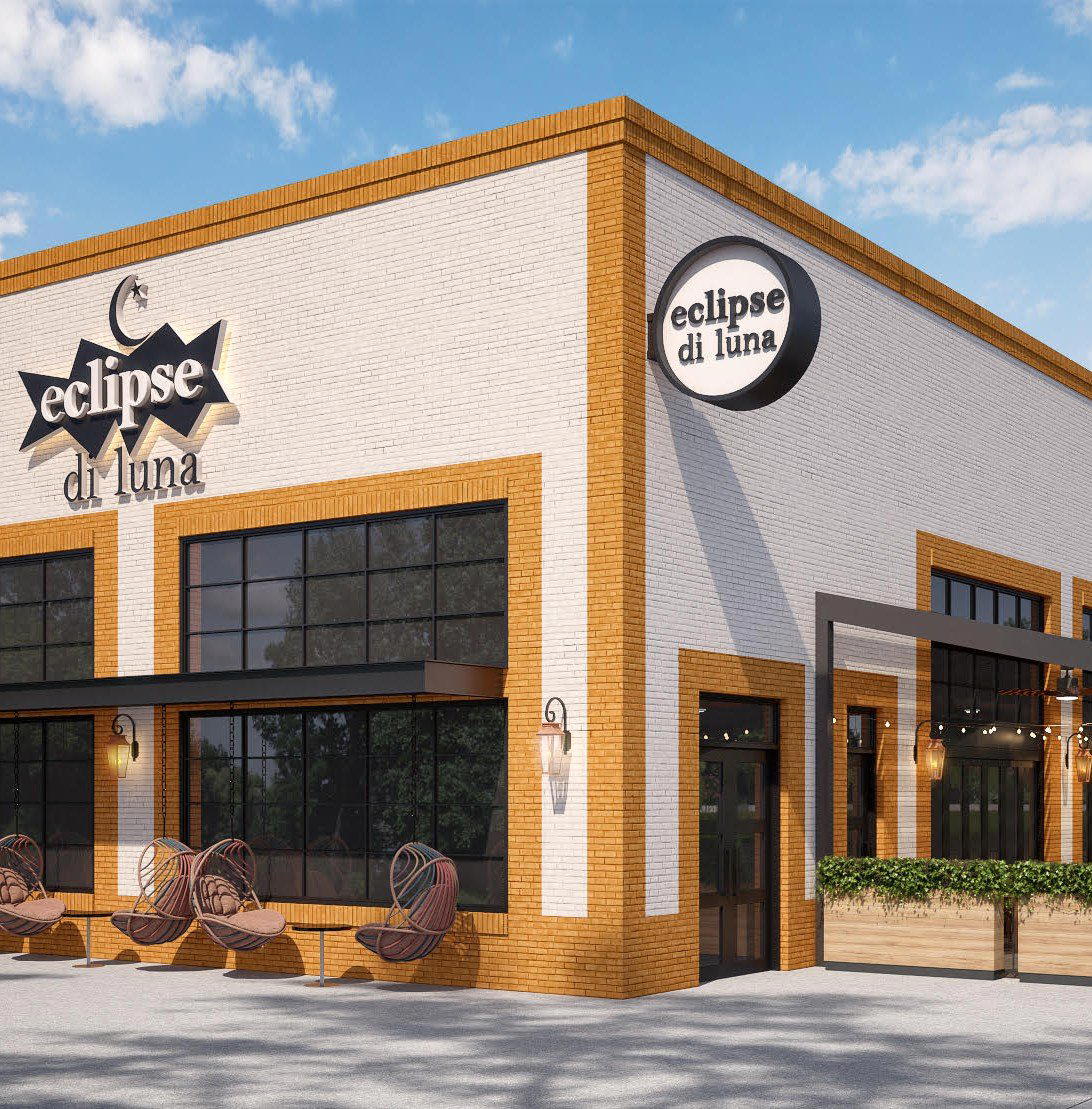
Miami Circle and the Sharing-Plate Tradition
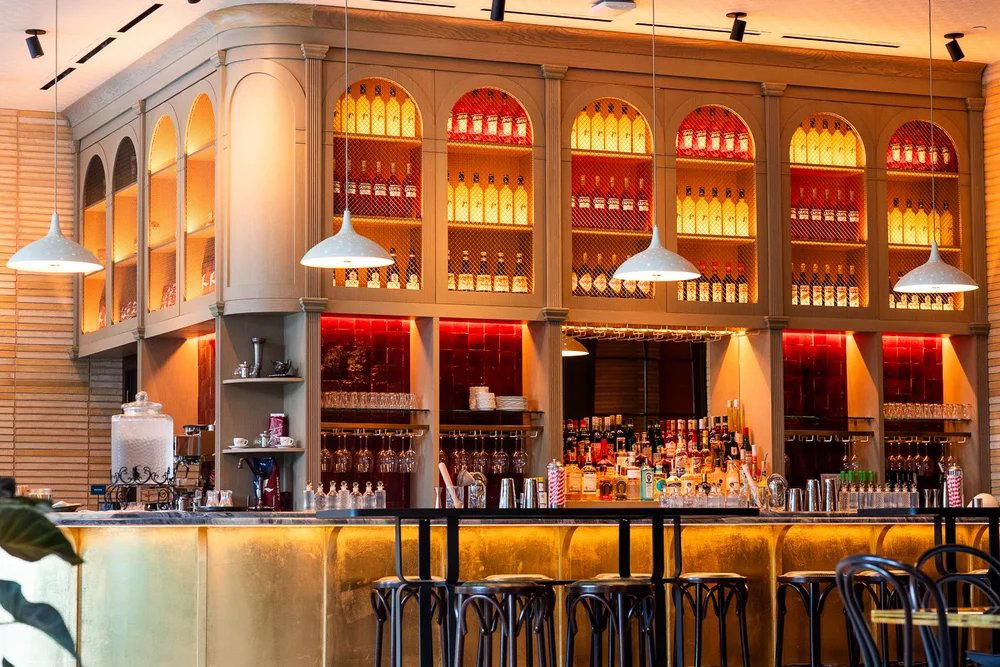
The stretch of Miami Circle NE that houses Atlanta's design showrooms has always attracted restaurants that understand their clientele: people who spend the day making decisions about texture, proportion, and finish, and who arrive at dinner with an appetite for something similarly considered. Eclipse di Luna sits within that corridor, and the room reflects the neighbourhood's instinct for spaces where the visual and the social reinforce each other. Long communal tables, a bar that stays active across multiple service hours, and a format built entirely around shared plates signal the venue's operating logic before a single dish arrives.
Tapas-format dining in American cities has gone through several distinct phases since its mainstream arrival in the 1990s. An early wave leaned on novelty: the format itself was the draw, and execution was often secondary. A second wave chased authenticity, importing Spanish regional specificity to justify premium positioning. The current model, which Eclipse di Luna represents, is more pragmatic: the shared-plate structure exists because it suits how people actually want to eat in groups, not because it makes a claim about Andalusian tradition. That pragmatism is, in its own way, a coherent position.
Sourcing in the Context of Atlanta's Food Scene
Atlanta's restaurant conversation has shifted meaningfully over the past decade toward questions of provenance. Venues like Bacchanalia, which has maintained its position at the summit of Atlanta's fine-dining tier through deliberate sourcing relationships, and Lazy Betty, which built its tasting-menu format around seasonal ingredient logic, have set a context in which sourcing claims carry real weight. Against that backdrop, a restaurant operating in the shareable-plates segment faces a specific question: how does a format designed for volume and sociability align with the slower, relationship-dependent work of ethical sourcing?
The sustainability story in casual-format restaurants is often harder to tell than at tasting-menu counters, precisely because the margin structure is different. High-volume tapas operations face pressure on food cost that single-seating omakase or prix-fixe formats do not. The restaurants in the American dining scene that have managed this tension most convincingly tend to do so through supplier consolidation rather than menu minimalism: fewer purveyor relationships, each one deeper. Nationally, venues like Blue Hill at Stone Barns and Single Thread Farm in Healdsburg have demonstrated that farm-integration can be a structural commitment rather than a marketing layer, even if those models operate at price points and capacities quite different from Eclipse di Luna's format.
The relevant question for any Atlanta diner applying that lens to Eclipse di Luna is not whether the restaurant matches the sourcing depth of a destination tasting-menu property, but whether its operating model creates genuine accountability in its supply chain or simply deploys the language of sustainability as positioning. That distinction matters increasingly to the segment of Atlanta's dining public that has grown fluent in the difference.
Positioning Among Atlanta's Dining Tiers
Atlanta's full-service restaurant market has a reasonably well-defined upper tier: Atlas and Bacchanalia anchor the fine-dining end, while Hayakawa and Mujō represent the city's growing Japanese counter segment. The restaurant operates in a different register entirely: accessible price points, a format that scales comfortably from two people to twelve, and a room calibrated for repeat neighbourhood use rather than occasion dining.
That positioning has its own competitive logic. In cities where the premium dining tier has expanded sharply, the mid-market social-dining format often retains loyalty precisely because it does not demand the planning overhead of a tasting-menu reservation. Nationally, the omakase and chef's-counter model has produced memorable meals at venues like Atomix in New York and Smyth in Chicago, but those formats require pre-commitment in ways that a tapas room does not. The restaurant's format answers a different need in the same city's dining week.
The comparison set that matters most for the restaurant is not Atlanta's Michelin-adjacent properties but rather the other mid-market concepts that have competed for the same Miami Circle and Buckhead-adjacent audience. On that basis, longevity itself functions as a trust signal: restaurants in that format and price tier turn over frequently, and addresses that persist across multiple dining cycles in Atlanta have usually done so by maintaining a floor of consistency that the market rewards.
The Waste and Sourcing Calculus in Shared-Plate Formats
Shared-plate formats generate a specific sustainability challenge that is worth naming directly: portion-size variability across a table of diners means food yield is harder to predict than in plated individual service. Kitchens that take waste reduction seriously in this format tend to build menus with overlapping ingredients across multiple dishes, reducing the number of raw materials held at any given time and improving utilisation rates. The restaurant operations that have made this work most visibly at scale, including Providence in Los Angeles and Addison in San Diego, have generally done so through kitchen systems rather than menu storytelling alone.
As sourcing transparency becomes a more standard expectation across American dining, the burden of proof shifts from premium-tier venues, where the economics of transparency are more manageable, to volume-oriented formats where the margin math is tighter. The restaurant's Miami Circle location, in a corridor defined by design-trade clientele with high aesthetic and ethical expectations, makes that question particularly pointed.
Peer Context: Ethical Sourcing at the National Level
The national restaurants that have built particularly durable reputations around ethical sourcing share a common structural feature: the sourcing commitment is embedded in the business model, not added as a communicable value. The French Laundry in Napa grows a portion of its produce on-site. Atelier Moessmer Norbert Niederkofler in Brunico has built an entire culinary identity around Alpine regionality. The Inn at Little Washington maintains documented local supplier networks. These are models that the broader industry references, even when operating at fundamentally different scales and price points.
The restaurant is not operating in that tier, nor should it be measured against it. What the comparison illustrates is the range of what sustainability commitment can look like structurally, so that diners arriving with ethical sourcing as a priority can calibrate their expectations appropriately.
Know Before You Go
Address: 764 Miami Circle NE, Atlanta, GA 30324
Neighbourhood: Miami Circle design district, Buckhead-adjacent
Format: Shared-plate, tapas-style dining; suited to groups of two to twelve
Booking: Reservations are recommended.
Timing: The Miami Circle corridor sees heavier weekday lunchtime trade from the design industry; evening service draws a more mixed crowd. Hours: Mon: 4–9 PM; Tue: 4–10 PM; Wed: 4–10 PM; Thu: 4–11 PM; Fri: 11 AM–12 AM; Sat: 12 PM–12 AM; Sun: 12–9 PM.
Dietary needs: Shared-plate formats allow flexible ordering around dietary restrictions; confirm specific allergen protocols with the venue directly before visiting
Comparable Spots
Comparable venues nearby, for context on price, style, and recognition.
| Venue | Cuisine | Price | Notes |
|---|---|---|---|
| Eclipse di LunaThis venue — the venue you are viewing | Spanish Tapas | $$ | Not listed |
| Toast On Lenox | Soul Food Brunch | $$ | Buckhead |
| Corbu's Pizza | Modern Italian Pizza | $$ | Buckhead |
| Pasta Vino | Traditional Italian Pasta | $$ | Buckhead |
| Sweet Georgia's Juke Joint | Southern Soul Food | $$ | Downtown |
| Punch Bowl Social | American Gastropub with Entertainment | $$ | Cumberland Bridge |





At a Glance
- Lively
- Trendy
- Energetic
- Date Night
- Group Dining
- Celebration
- Late Night
- Live Music
- Craft Cocktails
Current opening hours
- Monday
- 4–9 PM
- Tuesday
- 4–10 PM
- Wednesday
- 4–10 PM
- Thursday
- 4–11 PM
- Friday
- 11 AM–12 AM
- Saturday
- 12 PM–12 AM
- Sunday
- 12–9 PM
Hours can change for holidays and private events. Last verified .
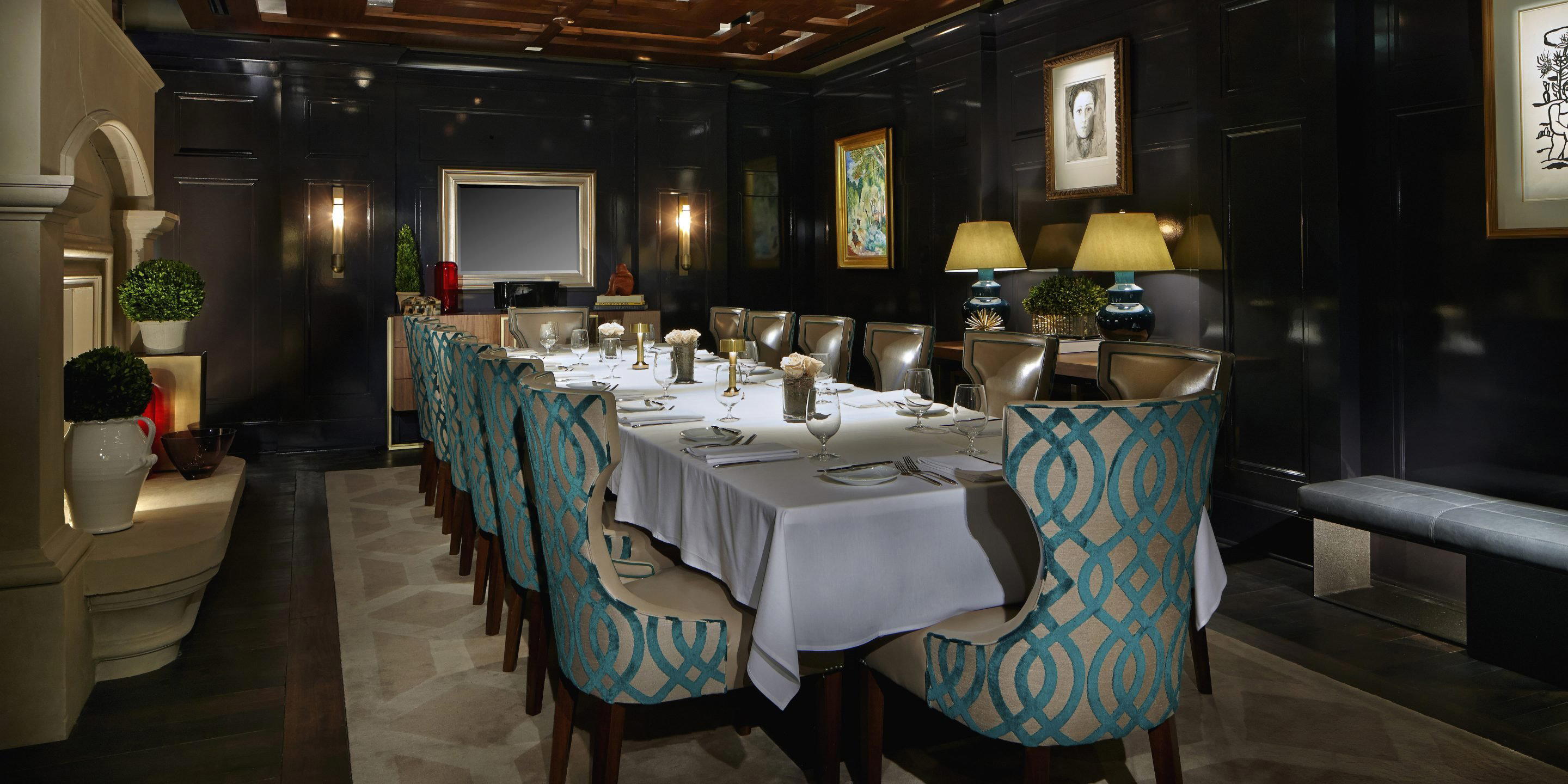
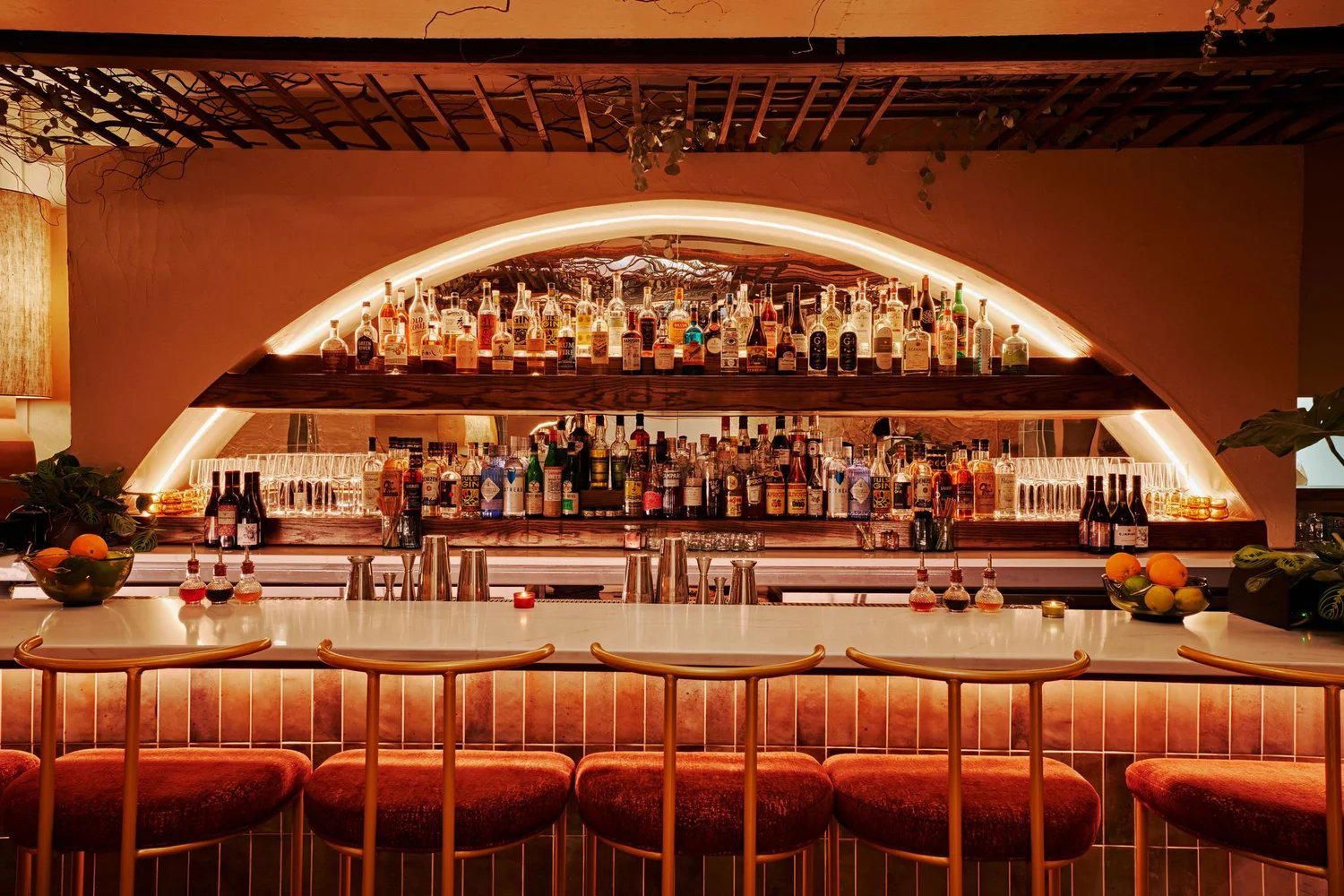
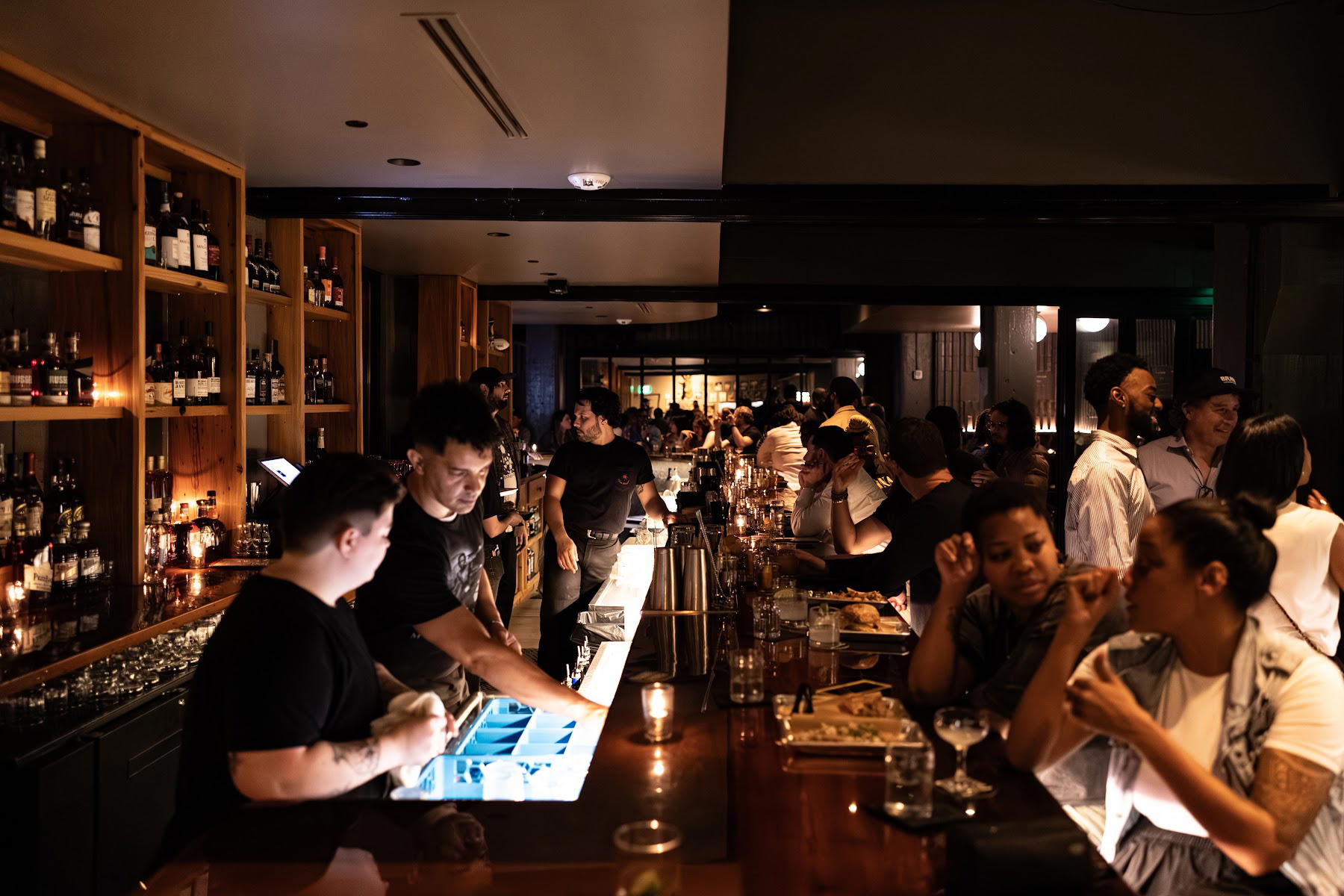
Dimly lit speakeasy with infectious energy, artsy personality, and lively party-like atmosphere enhanced by live music and dancing.