On Calle de Ibiza in Madrid's Retiro district, El Privado occupies a corner of the city's dining scene where intimacy and discretion carry more weight than visibility. The address places it in a residential pocket southeast of the park, away from the axis of Michelin-flagged dining that runs through central Madrid. What that means in practice depends heavily on what you bring to the table — and what you're looking for when you sit down.
Pearl is the En Primeur Club membership app — saves, bookings, and concierge access live there. Same editors, same standards.
- Address
- C. de Ibiza, 35, Retiro, 28009 Madrid, Spain
- Phone
- +34671290149
- Website
- elprivado.bulbiza.com
- Directions
- Get directions
 Saves & bookings on Pearl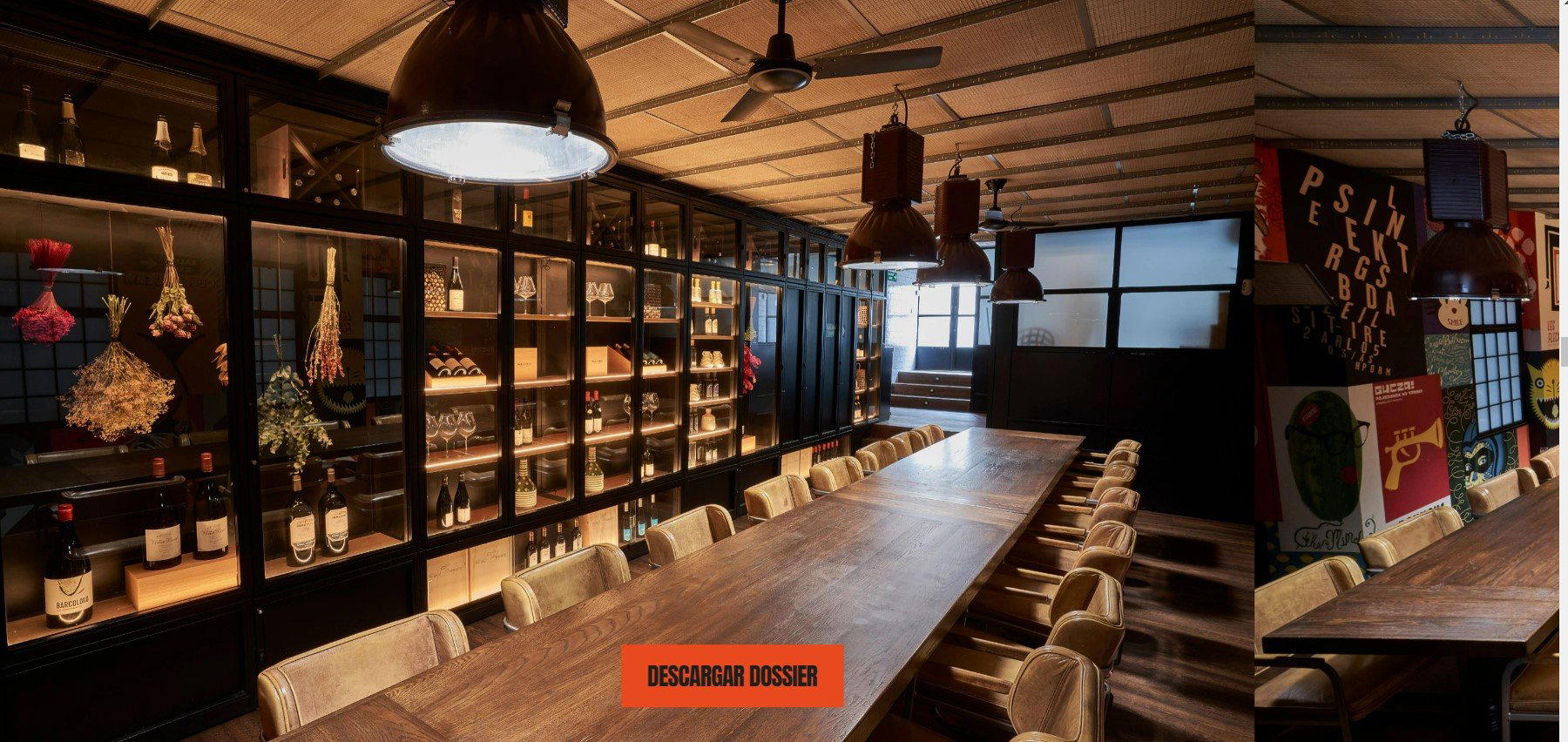
A Street in Retiro, and What It Signals
Retiro is not where Madrid's dining establishment tends to plant its flags. The neighbourhood's restaurant culture runs more local than destination-facing: neighbours, after-work tables, the occasional tourist who has wandered from the park. Calle de Ibiza, where El Privado sits at number 35, is a residential stretch that doesn't announce itself as a dining corridor. That context matters, because it shapes the kind of experience a place like this is structured to deliver. Madrid's higher-profile creative dining — DiverXO, Coque, Deessa, DSTAgE — is largely concentrated in districts that have positioned themselves as gastronomic destinations. Retiro hasn't made that play, which leaves places operating here in a different register: less performative, more embedded in the city's daily rhythm.
The Evolution of the Private Room Concept in Madrid
The name itself is a useful starting point. Across Spain's major cities, the idea of the privado, the private dining room, the members' table, the space set apart from the main restaurant floor, has evolved considerably over the past decade. What began as a direct corporate hospitality format, used primarily for business lunches and large-party celebrations, has in several cases pivoted toward something more considered: smaller capacities, tighter menus, a more deliberate sense of occasion. Spain's three-Michelin-star circuit, from El Celler de Can Roca in Girona to Mugaritz in Errenteria, has long used private formats as a way to extend what the main dining room does. The question for smaller, independent operations using the privado model is whether the intimacy is structural or cosmetic, whether the reduced scale actually changes what happens at the table, or whether it is simply a branding choice layered over a conventional restaurant experience.
That tension is live across Madrid right now. As the city has become a more serious reference point on the European fine dining circuit, partly through the outsized attention on DiverXO and partly through a generation of chefs returning from stints abroad, there has been growing room for formats that sit outside the main tasting-menu economy. Private or semi-private dining, supper-club adjacency, and invitation-style formats have all found footholds. El Privado's positioning on Calle de Ibiza places it within that broader shift, though the specific shape of its current offer is something visitors will need to verify directly, given the limited public-facing information the venue maintains.
Where This Fits in Madrid's Creative Dining Tier
To understand what El Privado is, it helps to map what it isn't. Madrid's uppermost creative tier, the rooms where Spain's culinary ambition is most legibly on display, runs through a handful of addresses. Paco Roncero operates within that circuit, as does Coque, which relocated from Humanes de Madrid to Almagro with its three Michelin stars intact. These are rooms built for a specific kind of transaction: high investment, high ceremony, menus that run to many courses and several hours. The comparison venues in the same price bracket all share that architecture.
El Privado, by contrast, operates from a Retiro address with a low public profile and limited documentation of its current format, which itself suggests a different market position. Venues operating at the top of the Madrid creative tier tend to be visible: reviewed, listed, awarded. The relative obscurity of this address points toward a format aimed at a more local, repeat-customer audience, or toward a concept still finding its public footing. For the broader context of where Madrid sits in the Spanish fine dining map, it's worth knowing that the country's most-recognised creative kitchens remain distributed across regions: Arzak and Martin Berasategui in the Basque Country, Azurmendi in Larrabetzu, Aponiente in El Puerto de Santa María, Quique Dacosta in Dénia, Cocina Hermanos Torres in Barcelona, and Ricard Camarena in València. Madrid competes in this geography primarily through volume and concentration rather than a single dominant style. El Privado sits somewhere below that highest visibility tier, which shapes expectations accordingly.
The Retiro Neighbourhood as Dining Context
Retiro rewards visitors who treat it as a neighbourhood rather than a destination. The park itself draws significant footfall, but the streets radiating outward, particularly south toward Ibiza and east toward the M-30, run quieter and more residential. The dining options here tend toward the personal and the repeat-visit: long-standing locals, family-run rooms, the occasional independent project that prioritises a regular clientele over a broad audience. This is not a district defined by press-friendly opening-night energy. A venue choosing to operate here, under a name like El Privado, is making a deliberate statement about who it wants to find it, and how.
For travellers building a Madrid itinerary around serious dining, Retiro functions more usefully as a complement to the main circuit than a replacement for it. The full Madrid restaurants guide maps where the city's dining energy is most concentrated, but the Retiro pocket offers something different: a lower-temperature version of the city's appetite, closer to how residents actually eat.
Planning Your Visit
The venue's deliberately low profile may reflect a format that operates by reservation only or through referral, which is consistent with the privado model as it has developed across Madrid and Barcelona in recent years. Visitors comparing options in the same neighbourhood and price range should treat the absence of a digital booking trail as a signal rather than an oversight. Internationally comparable formats operating at a similar intimacy level, including Lazy Bear in San Francisco and Le Bernardin in New York City, both of which have refined the private or high-commitment dining format over time, tend to make their terms of engagement clear well in advance. The same approach is worth taking here.
Logistics at a Glance
| Venue | District | Format | Price Tier | Booking |
|---|---|---|---|---|
| El Privado | Retiro, Madrid | Private/intimate dining | Not confirmed | |
| DiverXO | Tetuán, Madrid | Tasting menu | €€€€ | Online/advance |
| Coque | Almagro, Madrid | Tasting menu | €€€€ | Online/advance |
| DSTAgE | Chueca, Madrid | Tasting menu | €€€€ | Online/advance |
| Paco Roncero | Centro, Madrid | Tasting menu | €€€€ | Online/advance |
Cuisine and Recognition
| Venue | Cuisine | Price | Awards |
|---|---|---|---|
| El PrivadoThis venue — the venue you are viewing | This venue | Not listed | Not listed |
| DiverXO | Progressive - Asian, Creative | €€€€ | Michelin 3 Star |
| Coque | Spanish, Creative | €€€€ | Michelin 2 Star |
| Deessa | Modern Spanish, Creative | €€€€ | Michelin 2 Star |
| Paco Roncero | Creative | €€€€ | Michelin 2 Star |
| Smoked Room | Progressive Asador, Contemporary | €€€€ | Michelin 2 Star |
Continue exploring
More in Madrid
Restaurants in Madrid
Browse all →
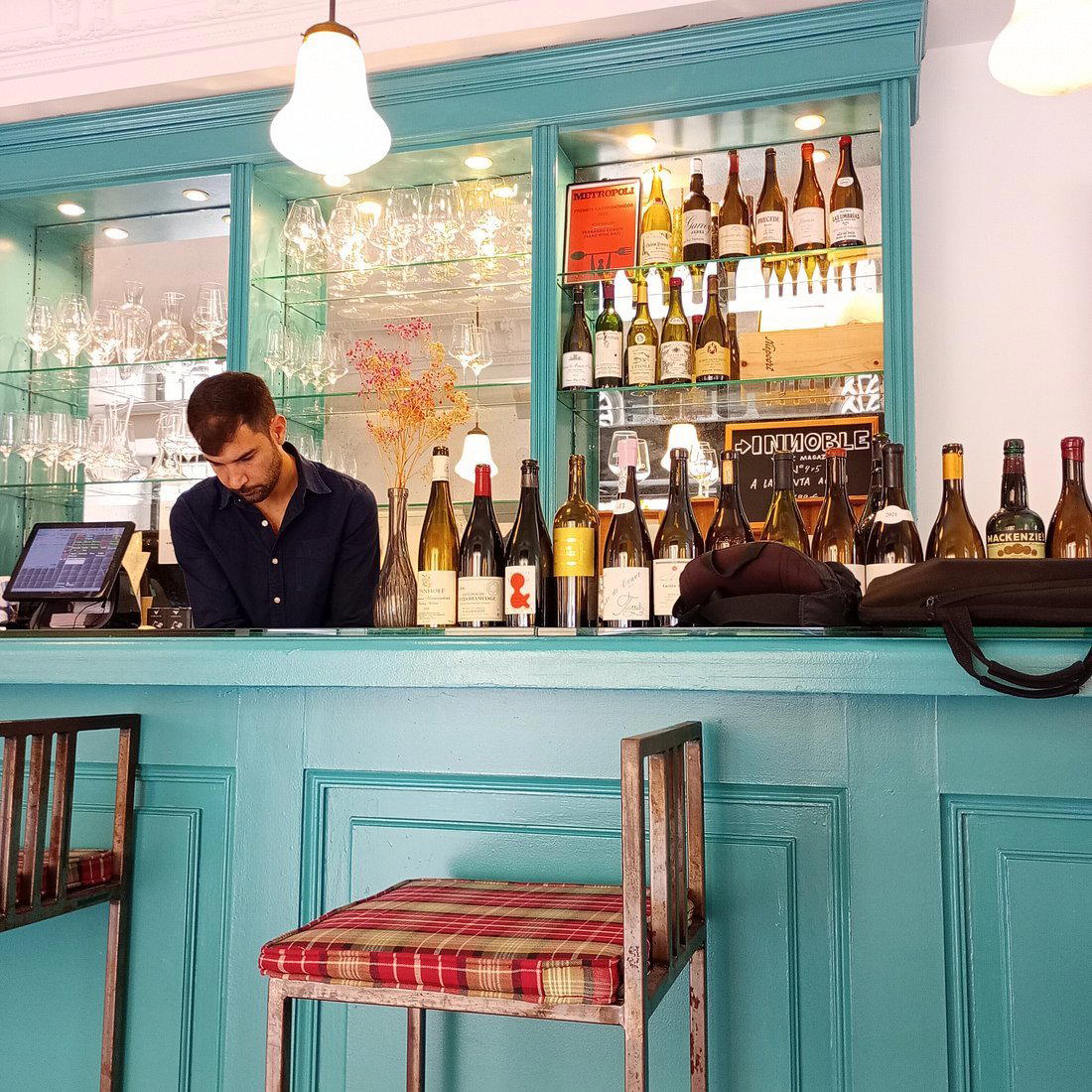
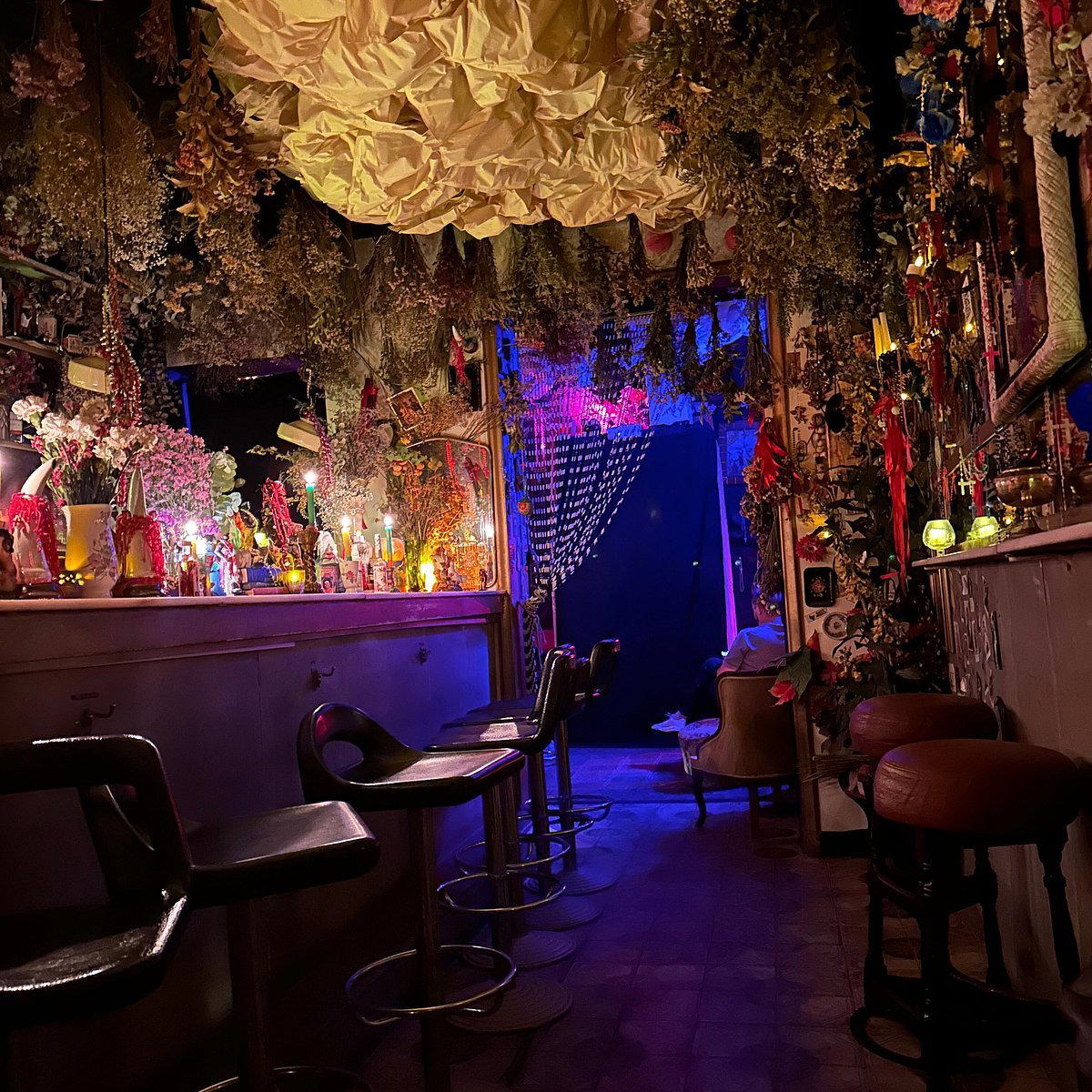
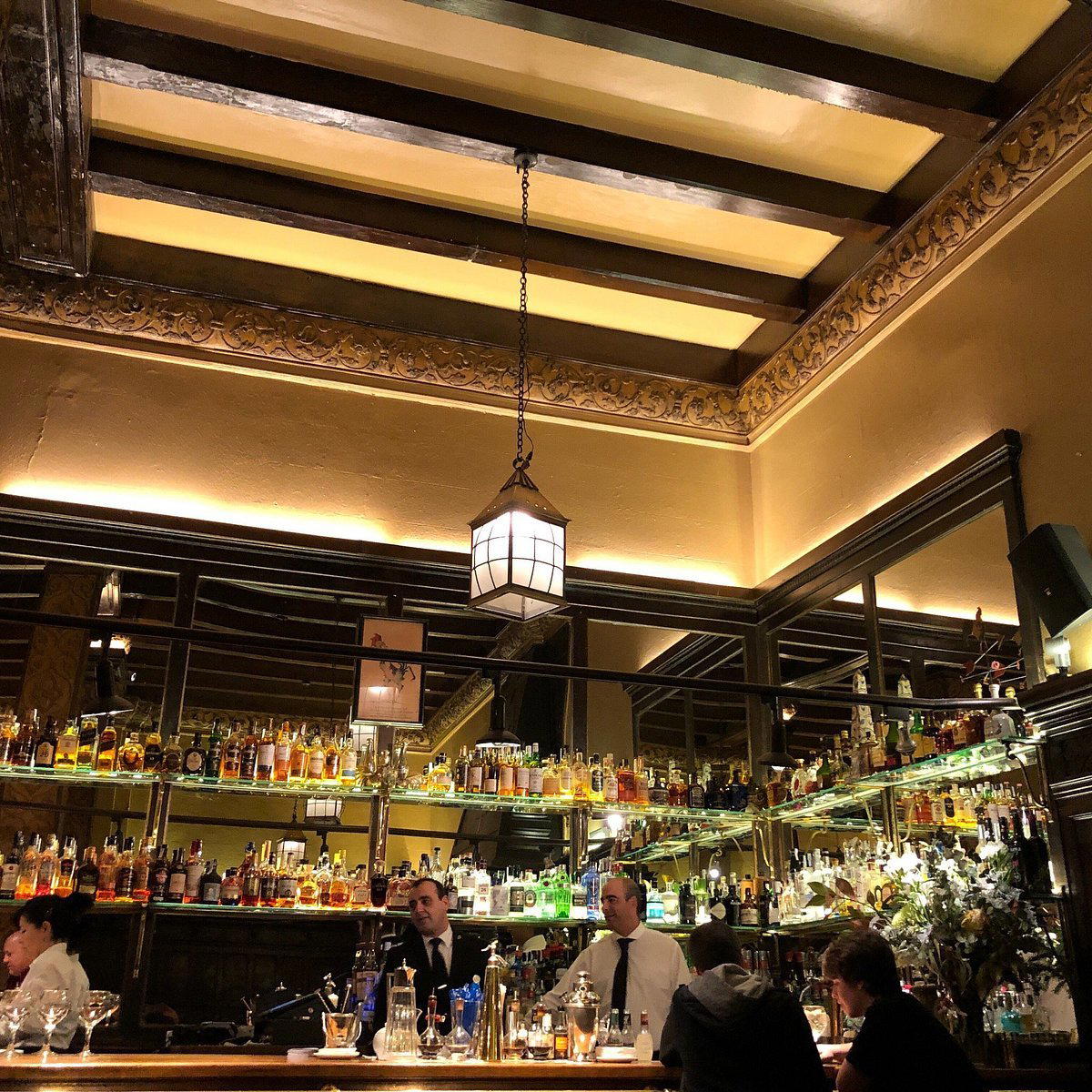
Bars in Madrid
Browse all →
Hotels in Madrid
Browse all →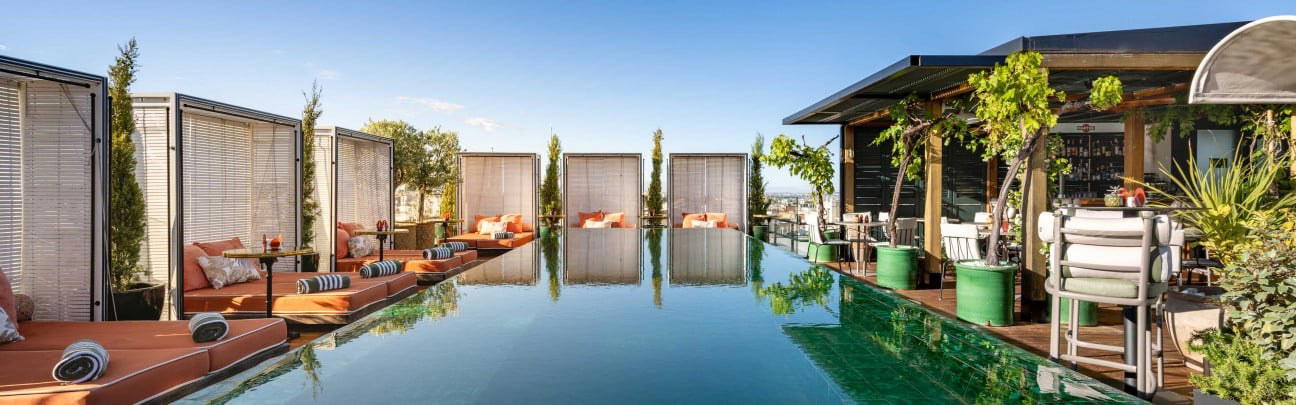

Know Before You Go
- Getting there
- C. de Ibiza, 35, Retiro, 28009 Madrid, Spain