Google: 4.6 · 1,133 reviews
El Nuevo Molino
.png)
Set inside an 18th-century water mill on the banks of the River Pas in Cantabria, El Nuevo Molino holds a 2025 Michelin Plate for its kitchen-garden-driven take on traditional Cantabrian cuisine. Chef José Antonio González sources fish daily at auction and grows many ingredients on-site, offering an à la carte alongside two menus — including the tasting format "Degustación" — at a mid-range price point that rewards the detour from Santander.
 Discover on Pearl
Pearl is the En Primeur Club membership app — saves, bookings, and concierge access live there. Same editors, same standards.
A Mill, a River, and a Kitchen Garden: How El Nuevo Molino Defines Cantabrian Sourcing
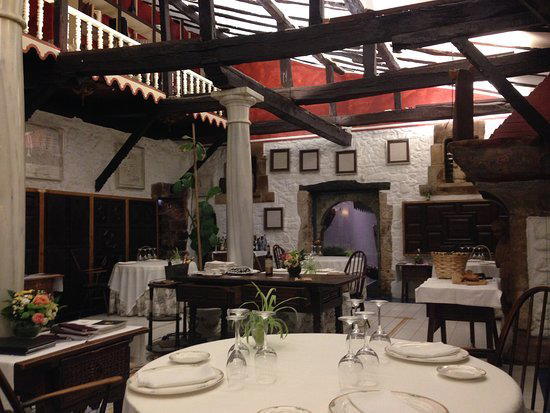
The River Pas cuts through a stretch of rural Cantabria that most visitors pass without stopping. Puente Arce is not a destination in the way that Santander is, nor does it carry the gastronomic gravity of San Sebastián — where Arzak in San Sebastián and Martin Berasategui in Lasarte-Oria anchor a three-star ecosystem. What it has, at Bo. Monsenor 18, is an 18th-century water mill sitting directly above the river, with millwheels still fixed to its stone walls, a deconsecrated chapel in the garden, and a large old granary that has been converted into a bistro-style dining space. The physical setting does a great deal of the work before the food arrives.
That setting is not incidental to the cooking. Across northern Spain, a strand of traditional regional cuisine has grown more rigorous about the relationship between the land it sits on and the plates it sends out. El Nuevo Molino holds a 2025 Michelin Plate, a recognition that reflects cooking with clear technique and consistent quality rather than the experimental progressivism that defines the multi-star circuit. The distinction matters: a Michelin Plate sits in a different conversation from Azurmendi in Larrabetzu or DiverXO in Madrid, and the comparison is neither useful nor the point. What the Plate signals here is honesty of execution: Cantabrian recipes, recognisably rendered, with sourcing that substantiates the traditional framing.
Where the Ingredients Come From
The question of provenance is, in many ways, the editorial story of El Nuevo Molino. Chef José Antonio González maintains a vegetable garden on the property from which a significant proportion of the kitchen's produce is drawn. In a region where the agricultural calendar is driven by the Atlantic climate, that means ingredients arriving at the pass at the moment they are ready rather than when a supplier's logistics allow. This is not a novel concept in Spanish fine dining — El Celler de Can Roca in Girona and Ricard Camarena in València both work within tight regional sourcing frameworks , but it carries a particular weight at a mid-range address where the kitchen cannot rely on elaborate technique to compensate for ingredient shortfall.
The fish sourcing follows a different logic but the same discipline. Fish is purchased daily at auction, meaning the menu's seafood component reflects availability rather than a fixed list. Cantabria's coastline, from Laredo to Comillas, runs along the Bay of Biscay and supplies anchovy, bonito, and a range of local bream and bass that fluctuate with the season. Sourcing at auction is standard practice in serious fish restaurants across northern Spain, and the approach connects El Nuevo Molino to the same tradition that shapes coastal kitchens in Asturias , among them Auga in Gijón , and further south at Aponiente in El Puerto de Santa María. The daily variable is not a marketing claim; it is a structural commitment that sets a restaurant's rhythm.
The Menu Structure and What to Order
Order the tasting menu, "Degustación," if the table has time and appetite for the full articulation of what the kitchen does. The format allows the sourcing logic to unfold across multiple courses rather than in a single dish, and at the €€ price tier it represents considerable value relative to comparable tasting formats elsewhere in northern Spain. For those who prefer to build their own meal, the à la carte includes half-ración options , a format that encourages exploration without committing to full portions , and the fish section shifts with the day's auction results.
The "Largo y Estrecho" menu offers a middle path: structured like a tasting menu but shorter in scope. The Michelin Plate recognition applies across the full offer, and the kitchen's approach to traditional Cantabrian recipes holds whether the guest is eating three courses or seven. The wine list concentrates on Cantabrian producers, which is the correct pairing decision here. Cantabrian wine remains a minor category in the national conversation , it does not carry the weight of Rioja or the prestige of Priorat , but the local white wines, in particular, track the acidity and salinity of the regional cuisine closely.
The Spaces: Mill, Garden, and Granary
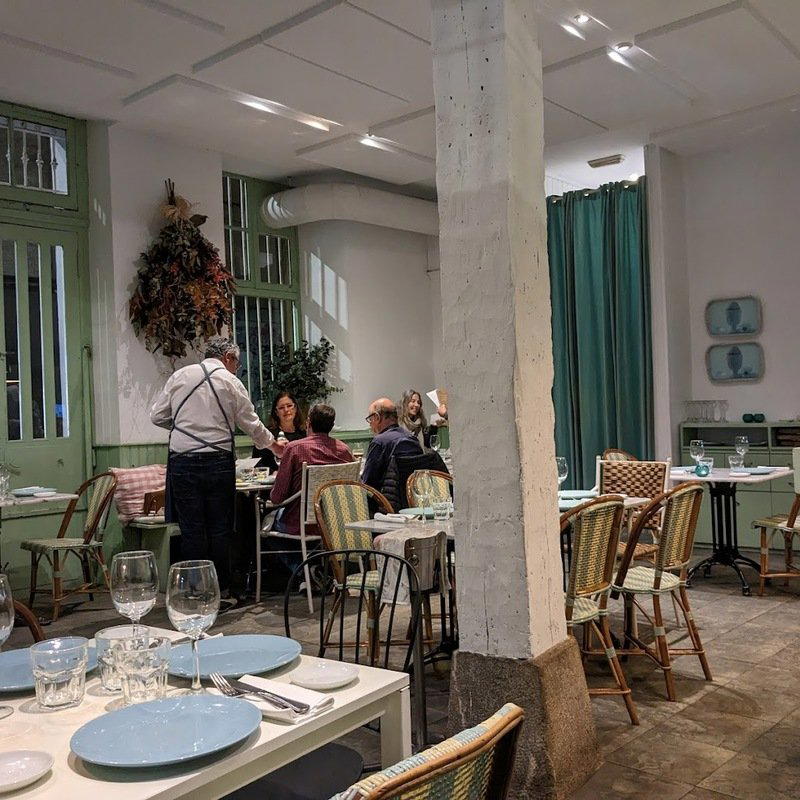
The property divides into distinct zones that suit different kinds of meals. The main building's dining rooms carry the original mill architecture: stone walls, rustically framed windows, and a physical connection to the river that runs below. These rooms are where the full à la carte and tasting menus are served. The granary , a large, separate structure on the grounds , operates on a more relaxed register, hosting the daily Le Hórreo menu in a bistro-style format that suits a lighter visit. The garden, with its deconsecrated chapel, sits between the two buildings and gives the property a scale that feels less like a restaurant and more like a working rural estate that happens to cook.
This kind of layered setting is relatively uncommon in Cantabrian dining. The region has strong traditional cooking, but it is not particularly rich in destination properties that combine heritage architecture with serious kitchen work. El Nuevo Molino occupies that niche, and the 4.6 rating across over 1,100 Google reviews suggests that the physical experience is consistent enough to hold up against varied expectations. That breadth of audience , locals, visitors from Santander, travellers passing through the Pas valley , also explains why the format accommodates multiple price points and dining styles within a single property.
Planning Your Visit
El Nuevo Molino sits at Bo. Monsenor 18, in Arce, about 20 kilometres south of Santander along the Pas valley. The address is accessible by car from Santander in under 30 minutes, and the rural location means parking is not a constraint. Booking in advance is advisable, particularly for the main dining rooms and the tasting menu formats , the combination of Michelin recognition and limited rural capacity creates a booking window that rewards planning. The €€ price bracket places it firmly in the mid-range for northern Spain, and the half-ración à la carte format keeps flexibility for guests who prefer to manage their own pacing.
For those building a wider visit to the area, see our full Puente Arce restaurants guide, our full Puente Arce hotels guide, our full Puente Arce bars guide, our full Puente Arce wineries guide, and our full Puente Arce experiences guide for context on what surrounds the restaurant. If this style of regionally rooted, heritage-sited cooking interests you, the comparison set worth tracking includes Auberge Grand'Maison in Mûr-de-Bretagne, which occupies a similar position in Brittany, as well as Atrio in Cáceres, Mugaritz in Errenteria, Quique Dacosta in Dénia, and Cocina Hermanos Torres in Barcelona as broader points of reference within the Spanish dining map.
Side-by-Side Snapshot
These are the closest comparables we have in our database for quick context.
| Venue | Cuisine | Price | Awards | Notes |
|---|---|---|---|---|
| El Nuevo Molino | Traditional Cuisine | €€ | If you’re on the lookout for a restaurant with plenty of charm, make sure you bo… | This venue |
| Aponiente | Progressive - Seafood, Creative | €€€€ | Michelin 3 Star | Progressive - Seafood, Creative, €€€€ |
| Arzak | Modern Basque, Creative | €€€€ | Michelin 3 Star | Modern Basque, Creative, €€€€ |
| DiverXO | Progressive - Asian, Creative | €€€€ | Michelin 3 Star | Progressive - Asian, Creative, €€€€ |
| El Celler de Can Roca | Progressive Spanish, Creative | €€€€ | Michelin 3 Star | Progressive Spanish, Creative, €€€€ |
| Quique Dacosta | Creative | €€€€ | Michelin 3 Star | Creative, €€€€ |
Continue exploring
More in Puente Arce
Restaurants in Puente Arce
Browse all →
Hotels in Puente Arce
Browse all →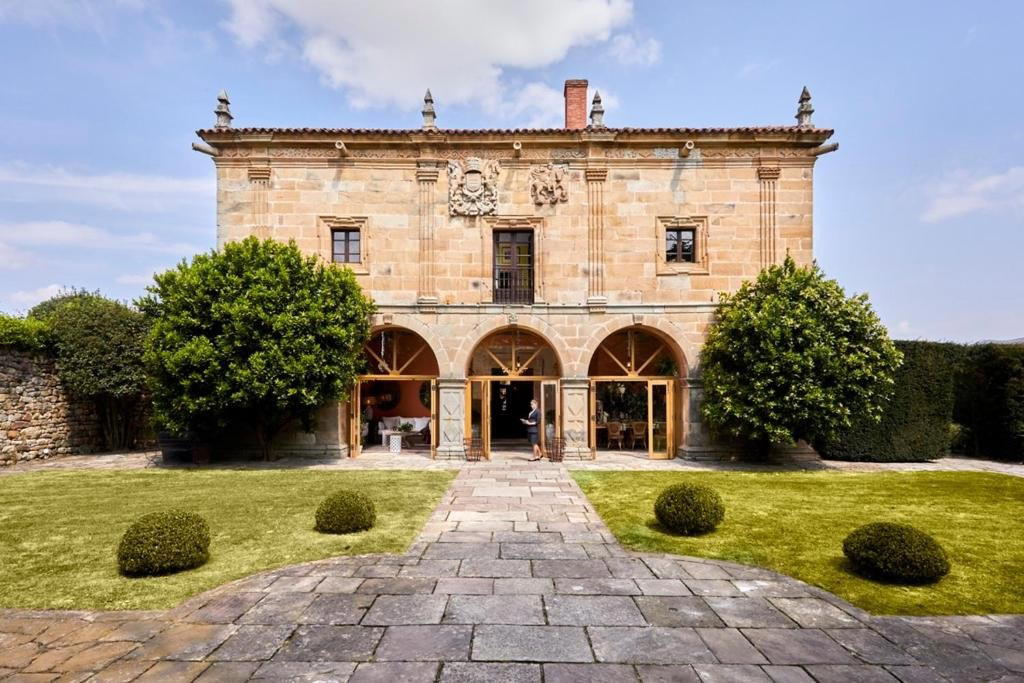
At a Glance
- Romantic
- Elegant
- Rustic
- Scenic
- Cozy
- Sophisticated
- Date Night
- Celebration
- Special Occasion
- Group Dining
- Private Event
- Garden
- Waterfront
- Open Kitchen
- Private Dining
- Historic Building
- Terrace
- Sommelier Led
- Local Sourcing
- Farm To Table
- Garden
- Waterfront
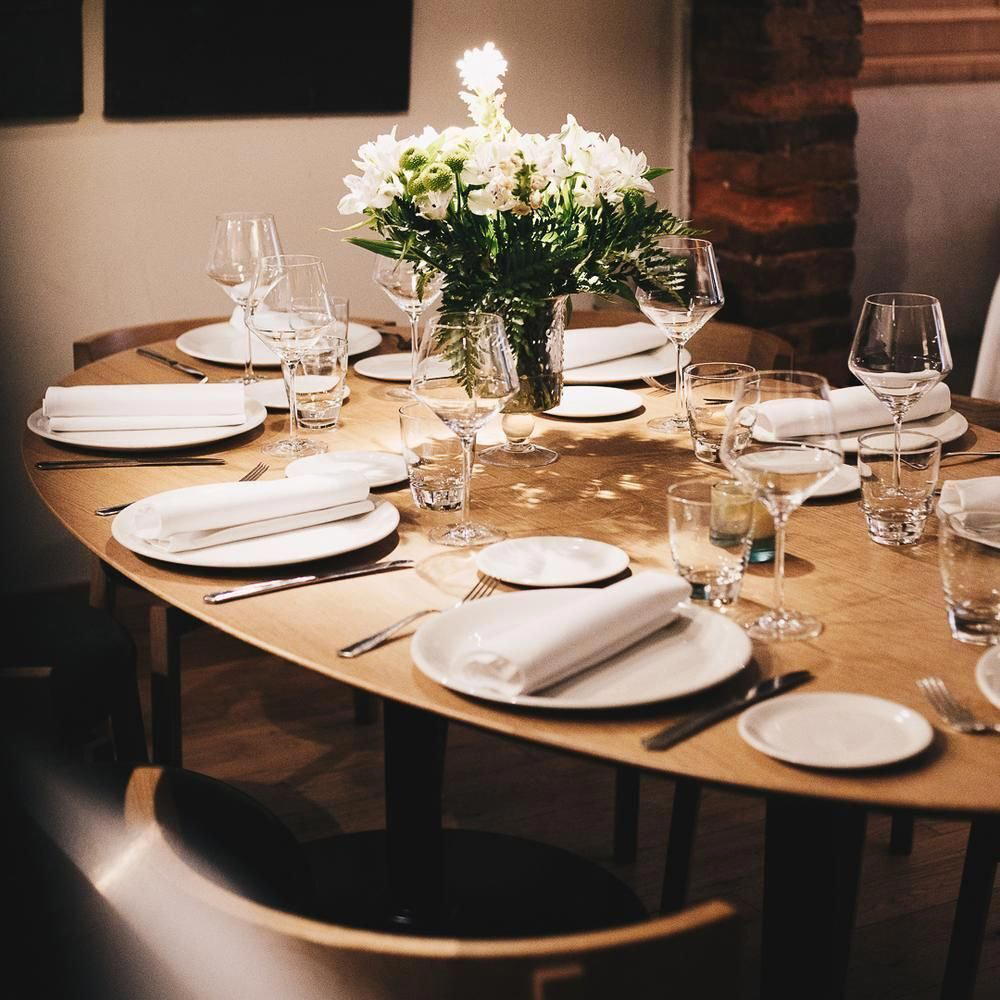
Warm, rustically-inspired dining rooms with elegant touches, historic mill architecture, garden views, and a mix of classic and modern design elements creating an intimate yet refined atmosphere.