Our verdict
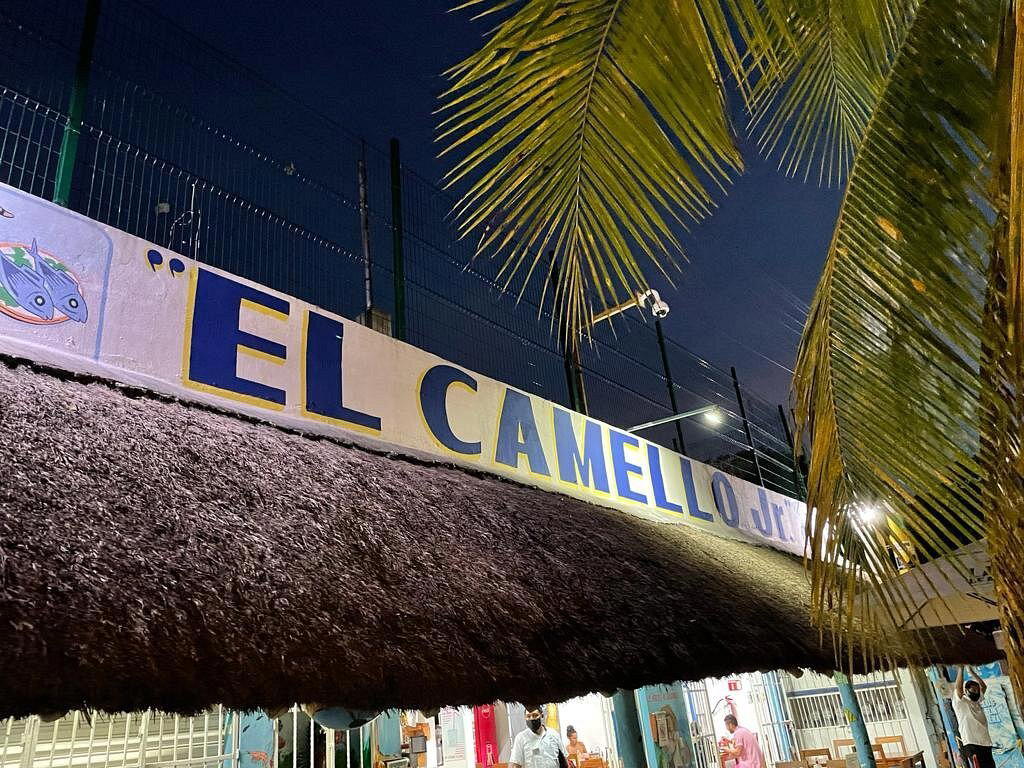
El Camello Jr sits in Tulum Centro, the town-side district that predates the beach strip's design-hotel era by several decades. Where much of modern Tulum trades on imported aesthetics, this address operates in the register of the working Mexican coastal town, a useful counterpoint for anyone mapping the full range of what the Yucatán Peninsula's food culture actually looks like at street level.

Pearl is the En Primeur Club membership app, where members save venues, book tables and use the concierge.
The menu
What to order
- Ceviche
- Octopus ceviche
- Grilled octopus
- Seafood tacos
- Fish tacos
- Shrimp cocktail
- Pulpo alla diabla
The Other Tulum: Eating on the Town Side
Most international visitors to Tulum arrive with coordinates already set for the Hotel Zone, a coastal corridor where architectural statements, multi-course tasting menus, and DJ sets at dinner define the category. But Tulum has a second axis: the Centro district, running along the spine of the old highway, where the town existed long before the Instagram era arrived. El Camello Jr occupies this older geography, on a stretch of Carretera Chetumal-Cancun where the clientele is locals, the rhythm is unhurried, and the cooking vocabulary draws from the Quintana Roo coast rather than from contemporary Mexican cuisine's fine-dining circuit.
This distinction matters more than it might first appear. The Yucatán Peninsula has two distinct food cultures operating in parallel. The first is the one receiving most international editorial attention: venues like Arca and Autor, which fold regional ingredients into frameworks borrowed from modern European technique. The second is older, less photographed, and built around the specific maritime abundance of this coastline, fresh catch from the Caribbean, preparations with minimal intervention, and prices calibrated for the community rather than the traveller. El Camello Jr belongs firmly to that second tradition.
What Centro Signals About a Meal Here
Arriving at El Camello Jr from the beach zone involves crossing what is effectively a cultural boundary within a single small town. The Centro address, at Locales 1 y 2 Lte 3 Mza 40 off the main highway, is not a neighbourhood that courts visitors with curated signage or mood lighting. The physical environment is functional: open-air or semi-covered seating typical of coastal Mexican casual dining, a setting where the ceiling fan does more atmospheric work than any interior design brief. What orients you instead is the smell, the char of grilled seafood, the brine of fresh catch, the particular heat of a kitchen that has been running this way for a long time.
This is the kind of room where the quality signal is the queue or the full house rather than a reservation system. The accessible price positioning that defines this tier of Quintana Roo seafood dining, comparable in local market terms to places like Cetli but operating in a completely different register, means the room fills with working families, tradespeople, and the minority of travellers who have figured out that the most interesting meals in any coastal Mexican town are rarely in the most discussed postal codes.
The Seafood Tradition This Kitchen Belongs To
Mexican coastal cooking along the Caribbean littoral is not a monolithic category. The Yucatán Peninsula's food culture has distinct inflections depending on whether you are in Mérida, Campeche, or the Quintana Roo coastline, and within the coast itself, the further south you travel from Cancun's resort corridor, the more the cooking reflects Mayan culinary inheritance alongside the fishing economy rather than resort-industry demand. Tulum Centro is close enough to the water, and sufficiently removed from the design-hotel ecosystem, that kitchens here still cook to the logic of what came off a boat that morning.
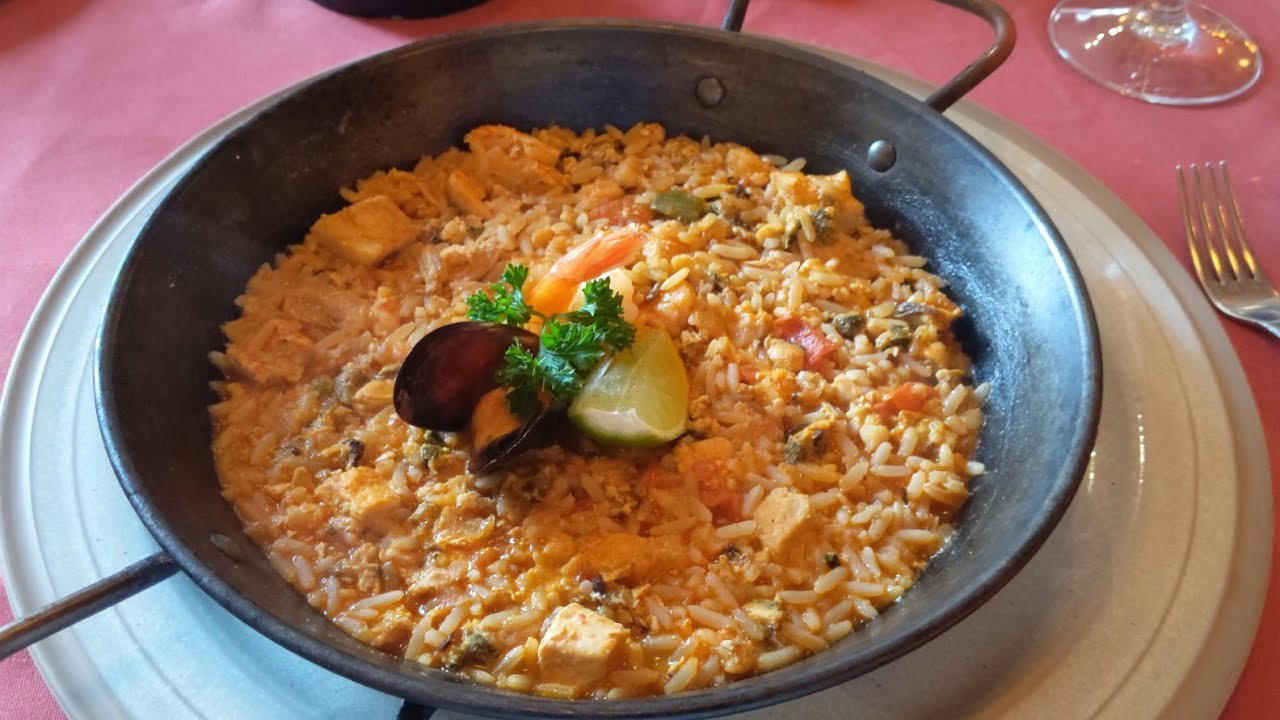
The camarón, shrimp in its various treatments, is the reference dish at this type of establishment, and El Camello Jr's local reputation centres on its seafood, particularly preparations that prioritise the ingredient over elaborate construction. This positions the kitchen in a tradition more comparable to the working seafood restaurants of HA' in Playa del Carmen's surrounding area than to the ambitious contemporary programs at venues like Pujol in Mexico City or the technique-led coastal cooking of Le Chique in Puerto Morelos. Those are different conversations entirely. El Camello Jr is not competing in that space, and that is the point.
Across Mexico's serious food cities, the tendency now is for critics and travellers alike to look past the fine-dining tier toward kitchens that have maintained a single approach through decades of tourism pressure. Levadura de Olla in Oaxaca operates on a comparable logic: the value is in continuity and rootedness, not innovation. El Camello Jr carries that same signal in Tulum's specific context.
Who Eats Here and When
The practical intelligence on El Camello Jr points toward midday as the primary window. Seafood-forward Mexican restaurants in this tier typically operate on lunch hours shaped by fishing schedules and local eating patterns, which means the kitchen is fullest, freshest, and most representative of what it does between late morning and mid-afternoon. The dinner trade, where it exists at all, is secondary. Visiting at the tail end of lunch service or expecting an evening experience comparable to Tulum's beach-strip operations would be a misreading of the format.
No reservation system appears to operate here, which is consistent with Centro dining at this level. Arriving early in the lunch window, particularly on weekends when the local clientele is thicker, is the practical approach. The address is accessible from the town centre on foot or by the local moto-taxi system; the beach zone is a separate journey of several kilometres. Travellers staying in the Hotel Zone who want to eat at El Camello Jr should factor that into their planning rather than assuming a quick detour.
For those building a broader Tulum itinerary, the contrast between a Centro lunch here and an evening at somewhere like Casa Banana or Cocina Del Pueblo maps the actual range of the town's eating culture more accurately than staying within either zone alone. The same principle applies if you are moving through the Riviera Maya more broadly: Animalón in Valle de Guadalupe, Alcalde in Guadalajara, and KOLI in Monterrey each represent a different register of serious Mexican eating, and El Camello Jr sits at a specific coordinate in that wider map: unpretentious, local-facing, and oriented entirely toward what the sea provides.
See the full Tulum restaurants guide for the complete picture of how the town's dining tiers relate to each other.
Frequently asked questions
What part of town is El Camello Jr in?
El Camello Jr is located at Carretera Chetumal-Cancun Locales 1 y 2 Lte 3 Mza 40, Centro, 77600 Tulum, Q.R. Mexico, Tulum.
Is El Camello Jr in Tulum's Hotel Zone or the town centre, and does the location affect the experience?
El Camello Jr sits in Centro, Tulum's inland town district, at Carretera Chetumal-Cancun Locales 1 y 2 Lte 3 Mza 40, a deliberate contrast to the beach-zone restaurant circuit that most visitors default to. The Centro address places it inside a different economic and cultural register: lower price pressure, a local clientele, and a kitchen that answers to neighbourhood habit rather than hotel-guest expectation.
What dish is El Camello Jr famous for?
El Camello Jr is associated with the seafood traditions of Mexico's Caribbean coast, where the kitchen draws on Yucatán Peninsula cooking rather than generic resort fare. Arriving at midday gives the best read on what the kitchen is running that day.
How hard is it to get a table at El Camello Jr?
El Camello Jr operates in Tulum's Centro, not the Hotel Zone, which keeps foot traffic more local and less tourist-driven. Formal reservations do not appear to be part of the format; midday arrival is the practical approach for seafood restaurants at this tier in the region. Showing up early in the lunch window is the standard strategy.
What do critics highlight about El Camello Jr?
Editorial coverage of El Camello Jr focuses on its position as a Centro address in a town where most international attention lands on the beach corridor. The restaurant represents the working-class seafood tradition of the Yucatán Caribbean coast, which operates on different terms than the architectural-restaurant circuit a few kilometres away.
How does El Camello Jr handle allergies?
Given the kitchen's focus on coastal Mexican seafood, shellfish is likely central to the menu, which is a relevant consideration for guests with crustacean or mollusc allergies. Confirming directly at the Centro address, Carretera Chetumal-Cancun Locales 1 y 2 Lte 3 Mza 40, is the only reliable route.
The Quick Read
Comparable venues nearby, for context on price, style, and recognition.
| Venue | Cuisine | Price | Notes |
|---|---|---|---|
| El Camello JrThis venue (the venue you are viewing) | Fresh Mexican Seafood & Ceviche | $20–30 | Not listed |
| Antojitos La Chiapaneca | Traditional Mexican Taqueria | $1–10 | Tulum Pueblo, Traditional Mexican Taqueria |
| Humo | Contemporary Mexican | $30–50 | Tulum, Contemporary Mexican |
| Taqueria Honorio | Authentic Yucatecan Taqueria | $10–20 | Tulum, Authentic Yucatecan Taqueria |
| Mateos Mexican Grill | Traditional Mexican Beach Grill | $20–30 | Tulum, Traditional Mexican Beach Grill |
| Noma Mexico | Tulum, Modern Mexican Fine Dining | Not listed | Not listed |
Continue exploring
More in Tulum
Restaurants in Tulum
All restaurants in Tulum →


Details
- Rustic
- Lively
- Casual Hangout
- Group Dining
- Family
- Standalone
- Beer Program
- Craft Cocktails
- Local Sourcing
- Sustainable Seafood
- A La Carte
- Margaritas
- Beer
- Pescatarian Friendly
Current opening hours
- Monday
- 12–9 PM
- Tuesday
- 12–9 PM
- Wednesday
- 12–9 PM
- Thursday
- 12–9 PM
- Friday
- 12–9 PM
- Saturday
- 12–9 PM
- Sunday
- 12–9 PM
Hours can change for holidays and private events. Hours as of .
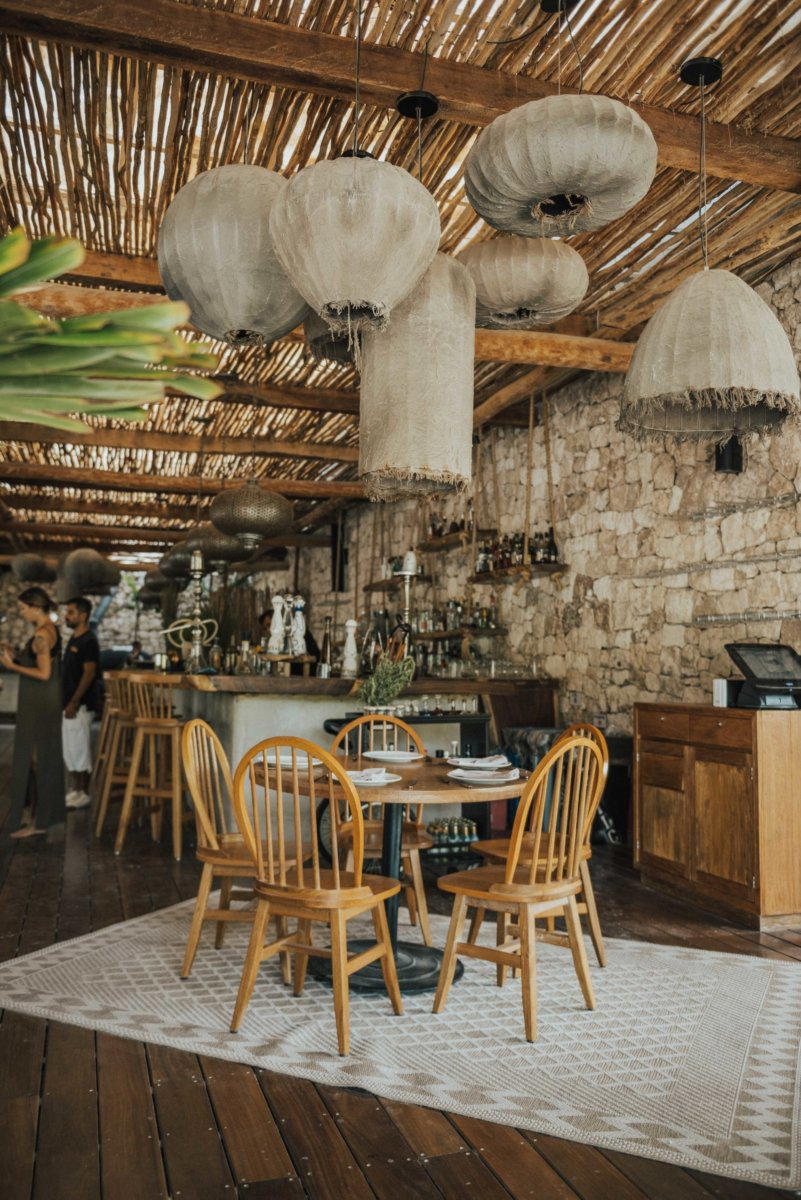
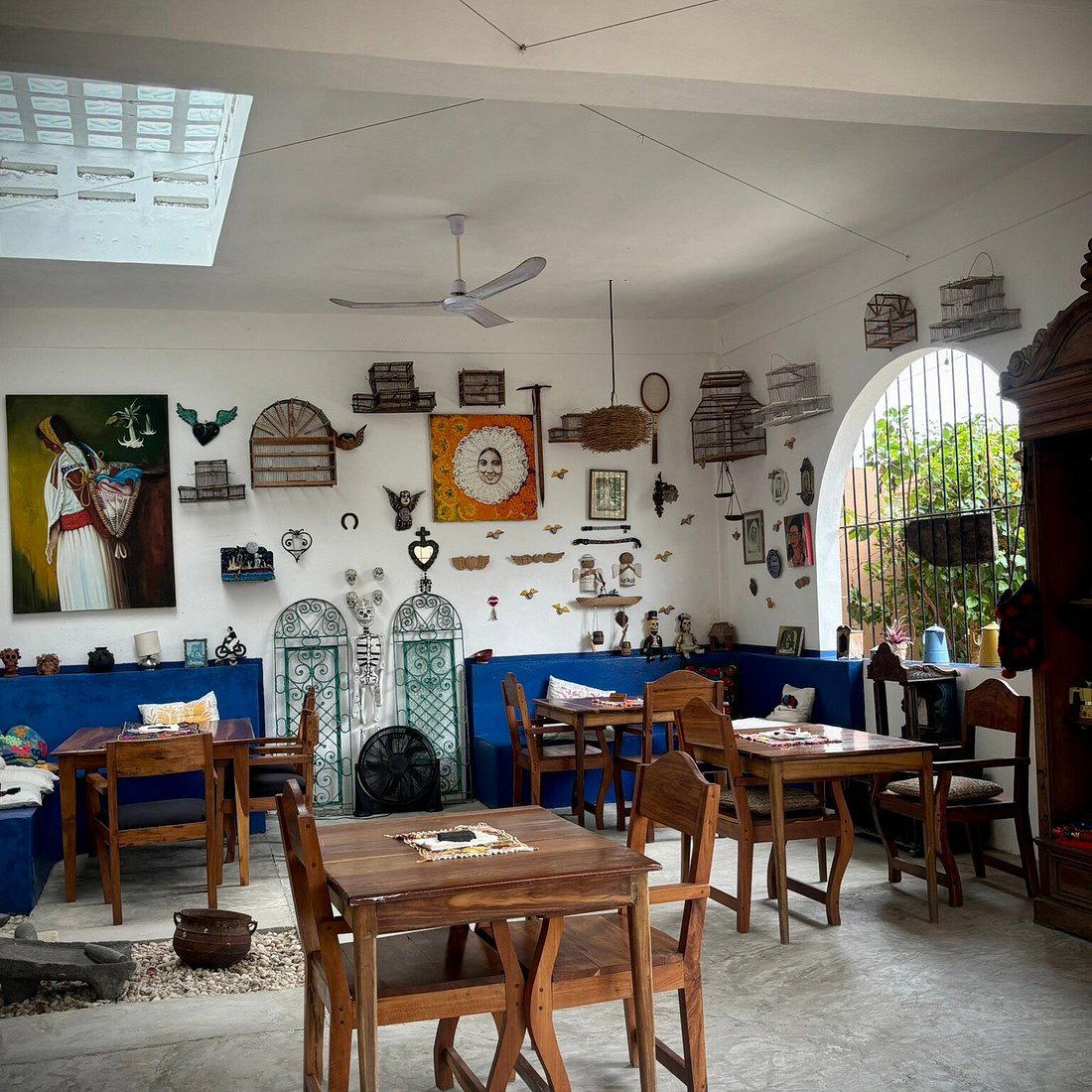
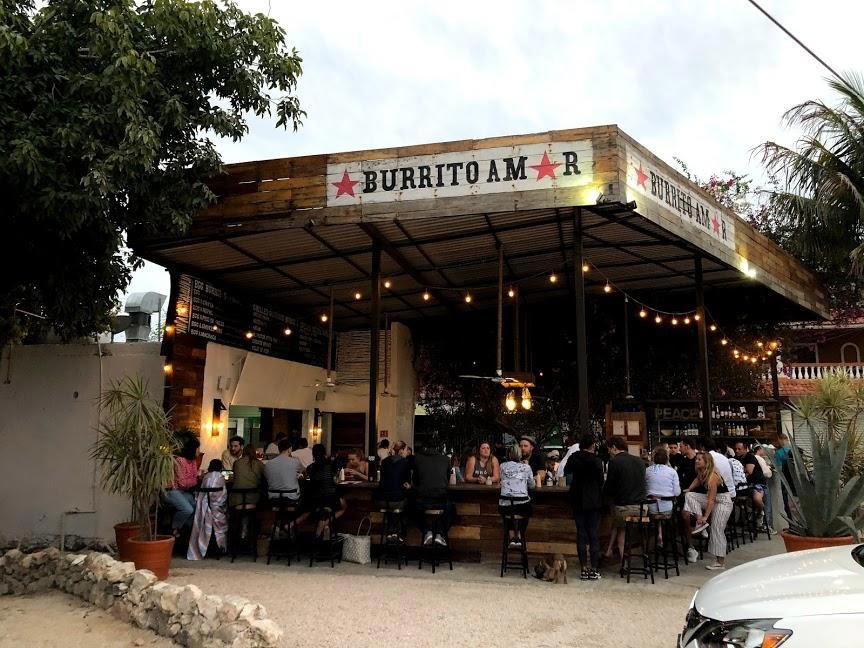
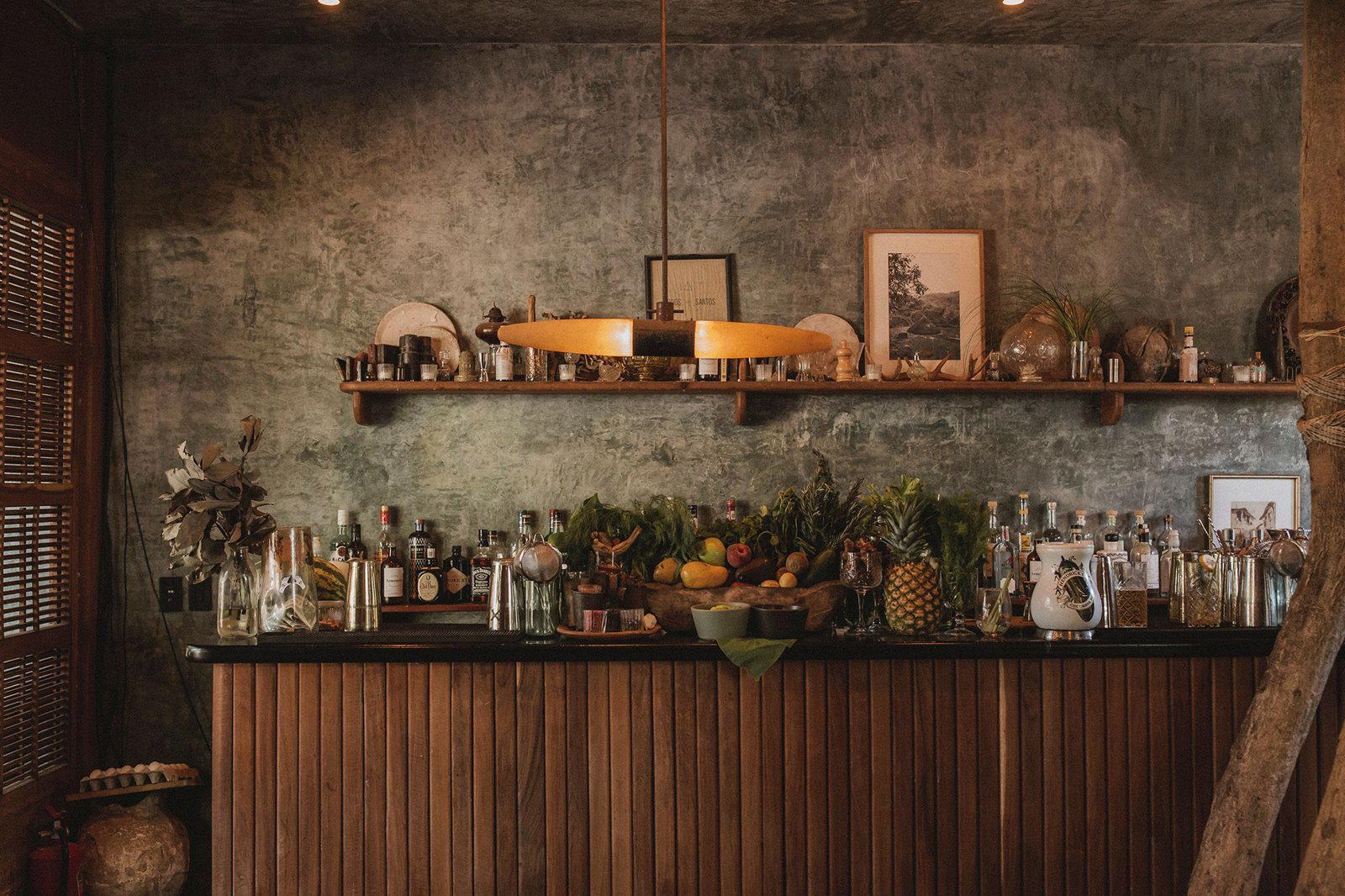
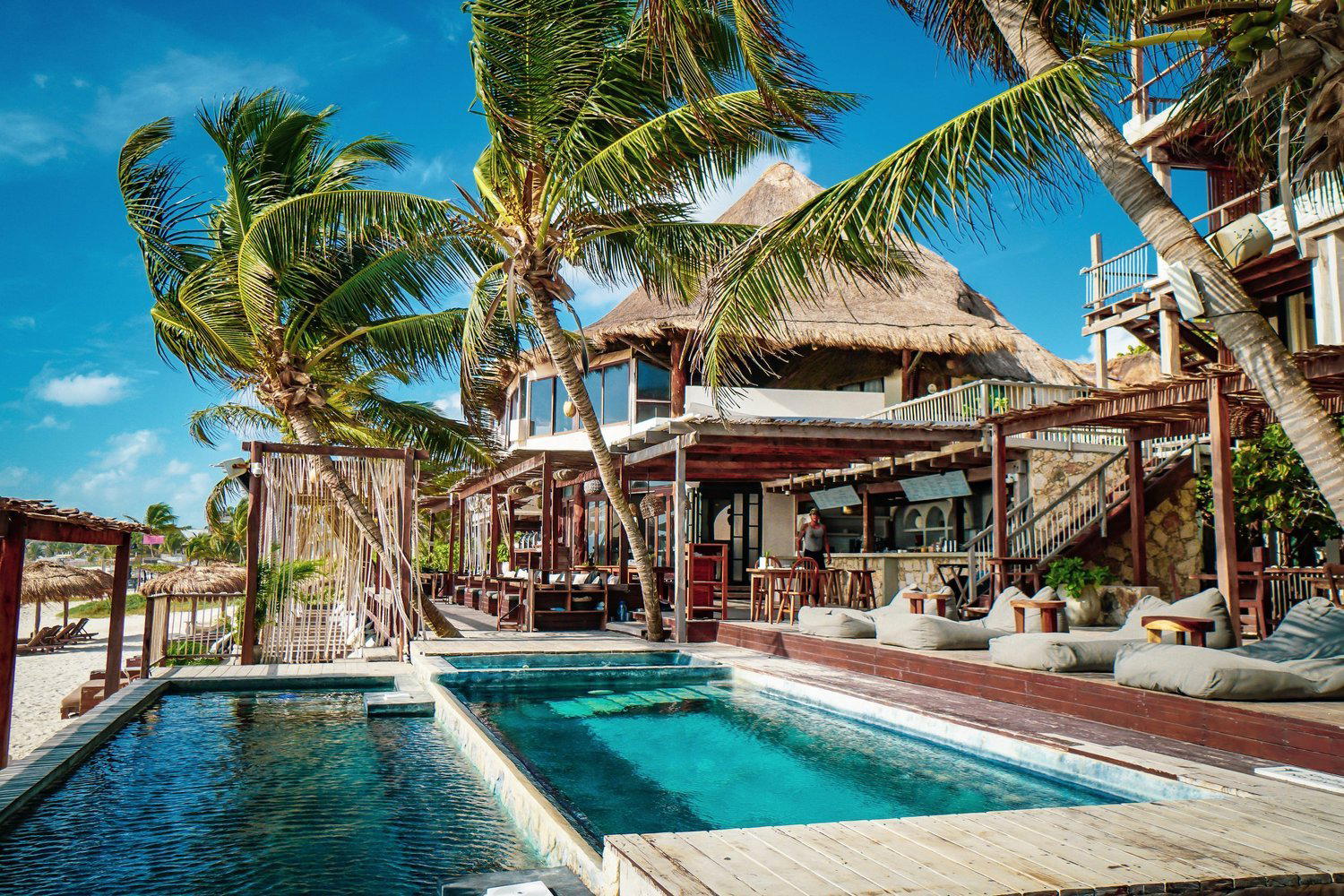
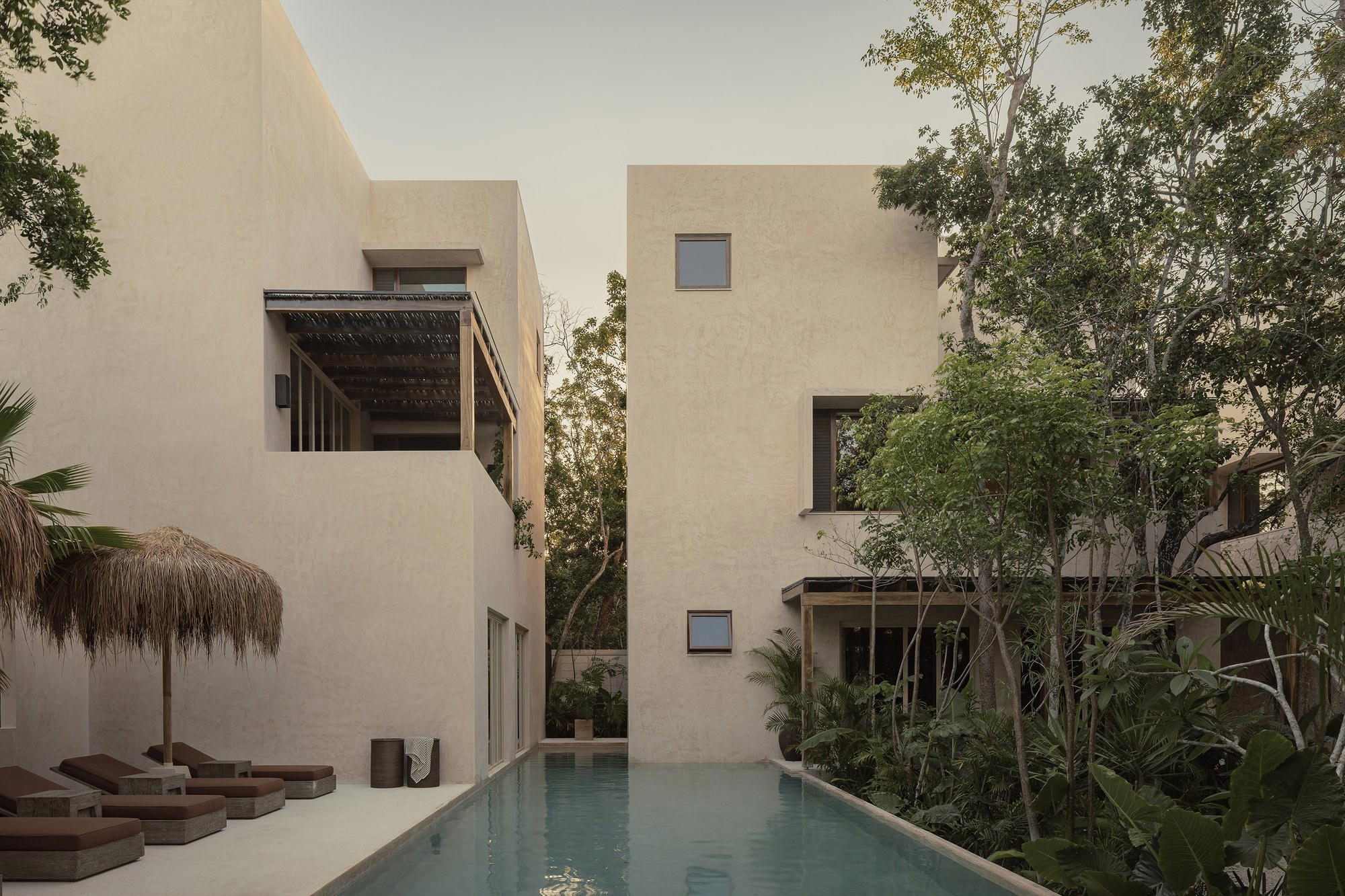
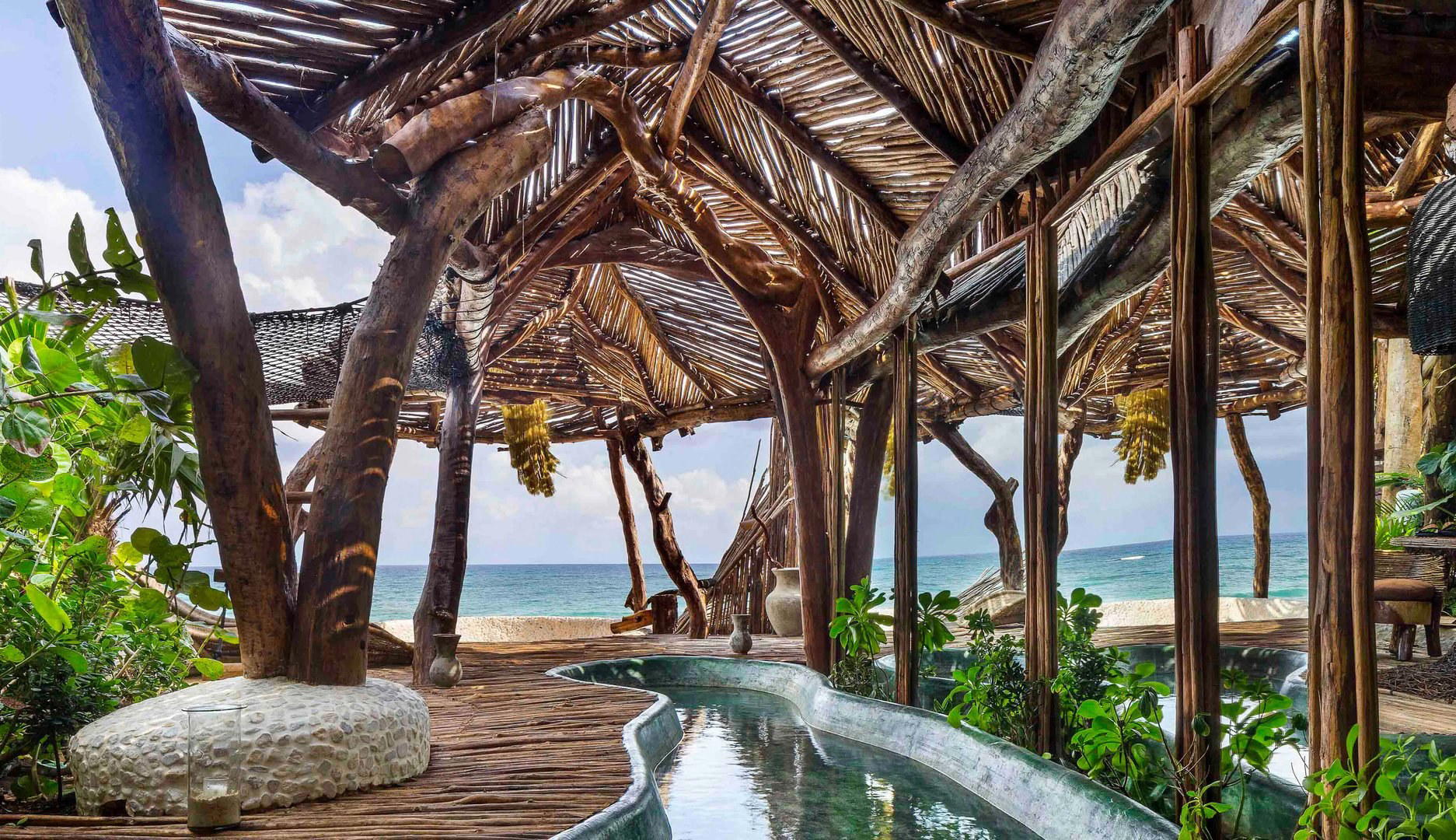
Casual, open-air atmosphere with plastic chairs and basic lighting; bustling with activity throughout the day, creating an authentic local dining experience.