



1 Michelin Star · Guía Repsol 2 Soles · Macarfi 8.1 Food Rating
Our verdict
A Michelin-starred address on the Toledo road that distils La Mancha's cooking tradition through a contemporary lens. Chef Pepe Rodríguez, familiar from Spanish television, built this restaurant on a mesón his grandmother opened decades ago, and the resulting menus (Traditional, Seasonal, and Tasting) read as a direct argument for regional cuisine as a living practice. Ranked #358 in OAD's Classical in Europe list for 2025.

Pearl is the En Primeur Club membership app, where members save venues, book tables and use the concierge.
The menu
What to order
- Lentils with butifarra
- La Mancha gazpacho
- Pringá del cocido
- Ham croquette
A Roadside Mesón That Grew Into Something Else Entirely
Illescas sits on the A-4, the old road south from Madrid toward Toledo and, further on, Andalusia. For most of its modern history, this stretch of Castile-La Mancha registered as a place drivers passed through rather than stopped at. The cuisine of La Mancha, cocido, gazpacho manchego, lentil dishes built on cured pork and slow heat, was always here, but fine-dining recognition arrived late and concentrated itself in a single address: El Bohío, on Avenida Castilla-La Mancha. The building's exterior does not signal a Michelin-starred restaurant the way an address in central Madrid or San Sebastián might. That gap between expectation and reality is precisely the editorial story.
The restaurant carries the name of the Cuban hut, a bohío, in a nod to the Cuban roots of grandmother Valentina, who opened the original roadside mesón. That origin point matters because the restaurant has never fully shed the informal character of what it once was, even as the dining room was renovated into its current bright, contemporary form. In a Spanish dining culture where some regional restaurants chase the abstraction of the country's avant-garde tradition, El Bohío has chosen a different argument: that La Mancha's cooking is worth taking seriously on its own terms, updated in technique and presentation but not disguised.
La Mancha's Larder and the Role of Cured Pork
To understand what the kitchen is doing here, it helps to understand the food geography of Castile-La Mancha. This is landlocked plateau country, high, dry, and historically reliant on pulses, game, saffron, and cured pork. The Ibérico pig and its derivatives run deep through the region's cooking: morcilla, butifarra, the rendered fat and slow-cooked proteins of cocido and pringá. These are not garnishes; they are structural ingredients, the fat and salt and smoke around which peasant cooking was organized for centuries.
Spain's broader jamón tradition, encompassing the Ibérico bellota cured legs of Extremadura and Salamanca as much as the serrano hams of the Alpujarras, informs the everyday logic of how cured pork is used in La Mancha's kitchen. In the mesón tradition from which El Bohío descended, Butifarra sausage and tripe were staples, not showpieces. The contemporary treatment here takes that inheritance seriously: lentils with Butifarra sausage appears as a signature because it is genuinely representative of what the region has always cooked, not because it functions as retro decoration. The updated pringá del cocido, served with cabbage and broth, works on the same principle: the base recipe is old, the execution is current.
This approach places El Bohío in a specific and relatively small cohort of Spanish restaurants. The country's most recognized contemporary kitchens, DiverXO in Madrid, Azurmendi in Larrabetzu, Aponiente in El Puerto de Santa María, El Celler de Can Roca in Girona, and Mugaritz in Errenteria, are mostly operating in creative-progressive modes that treat regional ingredients as raw material for reinvention. El Bohío's project is closer to what Arzak in San Sebastián has done with Basque cooking, or what Ricard Camarena in València does with Valencian produce: a regional kitchen taken forward without being taken apart.
The Menus and What They Signal
El Bohío structures its offer around three formats: a Traditional menu, a Seasonal menu, and a Tasting menu. That architecture reflects a genuine choice about who the restaurant is trying to serve. The Traditional menu anchors the experience in recognizable La Mancha dishes; the Tasting menu allows the kitchen to push further in technique and presentation. The Seasonal menu sits between them, tracking what is available in the region at any given point in the year.
The La Mancha-style gazpacho listed among the restaurant's signatures is worth pausing on. Gazpacho manchego is not the cold tomato soup most international visitors associate with the word; it is a hot game stew, thickened with unleavened torta bread, a dish that predates the Columbian exchange and speaks to a radically different food culture from the Andalusian coast. Its presence on the menu is an editorial statement about what this kitchen considers its inheritance. The tripe tapa, available as an addition across all three formats, operates similarly, offal as a point of pride rather than a concession to old-fashioned tastes.
Recognition and Where This Kitchen Sits
The restaurant holds one Michelin star, awarded in 2024, and was included in the Opinionated About Dining Classical in Europe list in 2023 before climbing to #376 in 2024 and #358 in 2025. The OAD ranking is particularly telling because the Classical category specifically rewards restaurants that preserve and develop traditional cooking rather than those pursuing novelty. The trajectory, recommended, then ranked, then climbing, suggests a kitchen gaining confidence in its own position rather than one chasing recognition through trend alignment.
Chef Pepe Rodríguez has a public profile in Spain through television, which gives El Bohío a different kind of awareness than most provincial starred restaurants achieve. That visibility does not change what the restaurant is doing at the table, but it does mean the reservation demand profile differs from a comparably awarded address without that reach. Booking ahead is advisable; the restaurant operates Wednesday through Saturday for both lunch and dinner, with Sunday lunch service and Monday and Tuesday closures. For visitors traveling from Madrid, the drive south toward Toledo takes under an hour, and the positioning on the Toledo road makes El Bohío a natural anchor for a day trip that combines the restaurant with the city.
For broader regional context, El Retiro in Llanes and Amós in Madrid are comparable in their orientation toward Spanish regional cooking at the Michelin level, as is Martin Berasategui in Lasarte-Oria and Quique Dacosta in Dénia at the more elaborated end of that spectrum. Cocina Hermanos Torres in Barcelona offers another data point: a restaurant that foregrounds its domestic roots within a technically demanding contemporary format.
Planning a Visit
El Bohío is at Avenida Castilla-La Mancha 81 in Illescas, Toledo, in the price bracket €€€€. The restaurant is closed Monday and Tuesday. Wednesday through Saturday it runs a lunch service from 1:30 PM to 3:45 PM and a dinner service from 8:30 PM to 10:45 PM; Sunday is lunch only, from 1:30 PM to 4:00 PM. Given the public profile of Chef Pepe Rodríguez and the restaurant's Michelin recognition, reservations are strongly recommended, particularly for weekend service.
For more on dining, drinking, and staying in the area, see our full Illescas restaurants guide, our full Illescas hotels guide, our full Illescas bars guide, our full Illescas wineries guide, and our full Illescas experiences guide. For other Illescas restaurants, Ancestral (Modern Cuisine) is worth noting as a local address operating in a different register.
Frequently asked questions
Is El Bohío expensive?
Pricing at El Bohío is listed as €€€€.
What are the operating hours at El Bohío?
Hours at El Bohío: Monday closed Tuesday closed Wednesday 1:30 PM-3:45 PM 8:30 PM-10:45 PM Thursday 1:30 PM-3:45 PM 8:30 PM-10:45 PM Friday 1:30 PM-3:45 PM 8:30 PM-10:45 PM Saturday 1:30 PM-3:45 PM 8:30 PM-10:45 PM Sunday 1:30 PM-4 PM.
Booking and Cost Snapshot
| Venue | Cuisine | Price | Awards | Notes |
|---|---|---|---|---|
| El BohíoThis venue (the venue you are viewing) | Modern La Mancha Fine Dining | $150–200 | 1 Michelin Star · Guía Repsol 2 Soles | Not listed |
| Aponiente | Avant-Garde Marine Seafood | $200–300 | 3 Michelin Stars · World's 50 Best #84 | Progressive - Seafood, Creative |
| Arzak | Contemporary Basque Fine Dining | $300–500 | 3 Michelin Stars · World's 50 Best #31 | Modern Basque, Creative |
| DiverXO | Avant-Garde Spanish Tasting Menu | $300–500 | 3 Michelin Stars · World's 50 Best #4 | Progressive - Asian, Creative |
| El Celler de Can Roca | Creative Catalan Fine Dining | $300–500 | 3 Michelin Stars · World's 50 Best #2 | Progressive Spanish, Creative |
| Quique Dacosta | Avant-Garde Spanish Fine Dining | $300–500 | 3 Michelin Stars · World's 50 Best #65 | Creative |
Recognition history
Dated appearances from independent guides and award organizations, with the underlying list record or original source where available.
Michelin 1 Star
Michelin
Guía Repsol 2 Soles
Guía Repsol
Macarfi 8.1 Food Rating
Macarfi
Opinionated About Dining Classical in Europe Ranked #358
Opinionated About Dining
Full recognition history (8 entries)
Michelin 1 Star
Michelin
Michelin 1 Star
Michelin
Opinionated About Dining Classical in Europe Ranked #376
Opinionated About Dining
Opinionated About Dining Classical in Europe Recommended
Opinionated About Dining
Continue exploring
More in Illescas
Restaurants in Illescas
All restaurants in Illescas →
Bars in Illescas
Browse all →
Hotels in Illescas
Browse all →


El Bohío
The wine
- Wine program
- Deep wine list
- Extensive wine list
- Sommelier-led
Details
- Elegant
- Minimalist
- Cozy
- Rustic
- Special Occasion
- Date Night
- Family
- Celebration
- Open Kitchen
- Extensive Wine List
- Sommelier Led
- Local Sourcing
- Tasting Menu
- Wine
- Allergy Accommodating
Current opening hours
- Monday
- Closed
- Tuesday
- Closed
- Wednesday
- 1:30–3:45 p.m., 8:30–10:45 p.m.
- Thursday
- 1:30–3:45 p.m., 8:30–10:45 p.m.
- Friday
- 1:30–3:45 p.m., 8:30–10:45 p.m.
- Saturday
- 1:30–3:45 p.m., 8:30–10:45 p.m.
- Sunday
- 1:30–4 p.m.
Hours can change for holidays and private events. Hours as of .
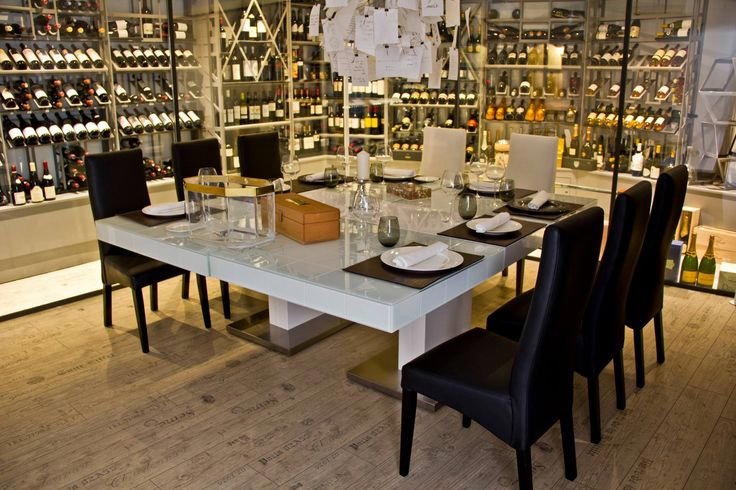
Minimalist and elegant with well-suited lighting, wide table separation for privacy, and a bright renovated look retaining informal mesón character.