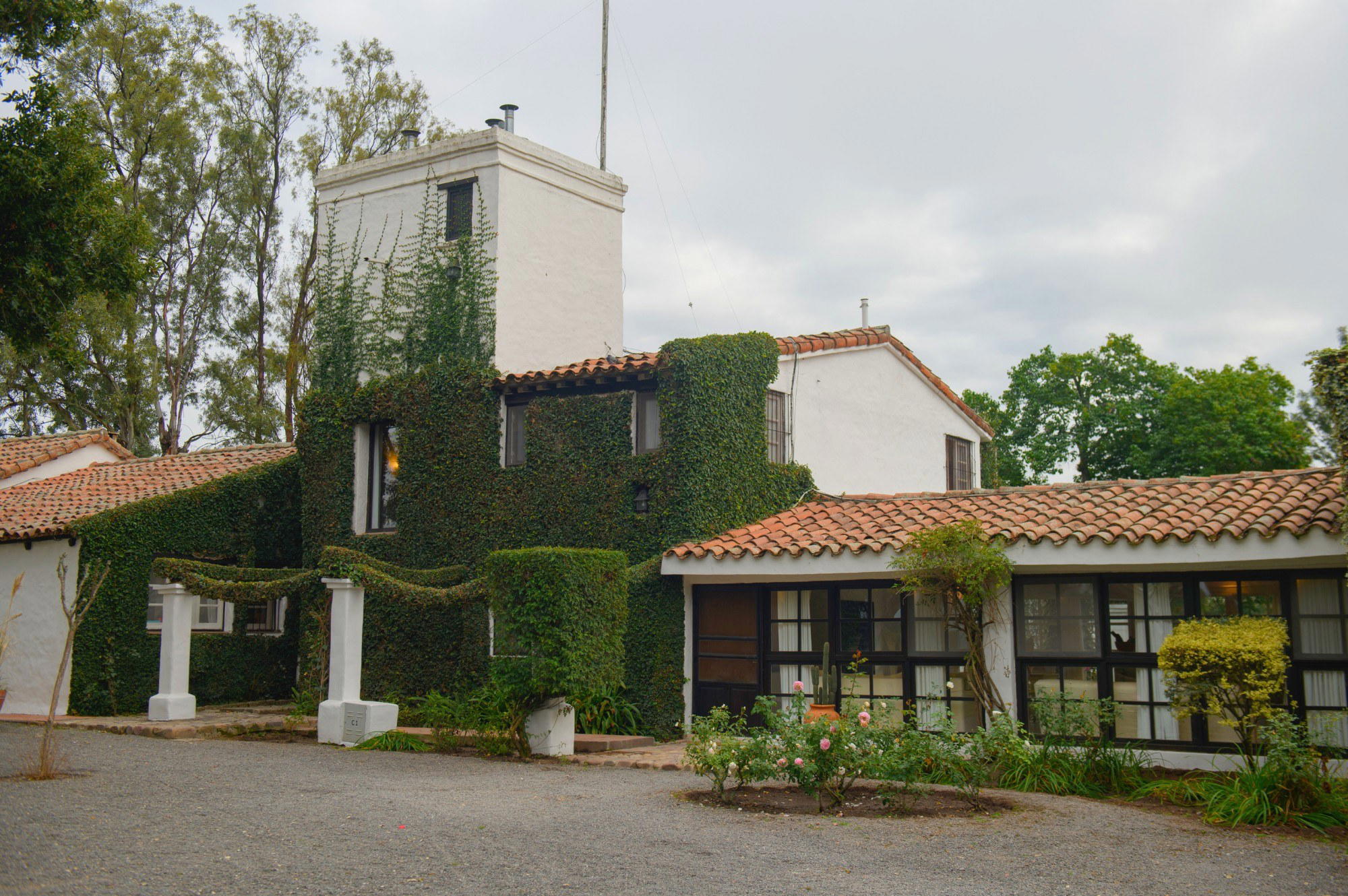
Positioned on the slopes of Cerro San Bernardo above the colonial city of Salta, El Baqueano sits at an intersection where Andean altitude agriculture and northwestern Argentine culinary tradition meet a considered dining format. The setting alone frames the sourcing story before a dish arrives. For the wider Salta dining picture, see our full Salta restaurants guide.
Pearl is the En Primeur Club membership app — saves, bookings, and concierge access live there. Same editors, same standards.
- Address
- Cima del, Cam. Cerro San Bernardo, A4400 Salta, Argentina
- Phone
- +5493874073932
- Website
- elbaqueano.meitre.com
- Directions
- Get directions
 Saves & bookings on Pearl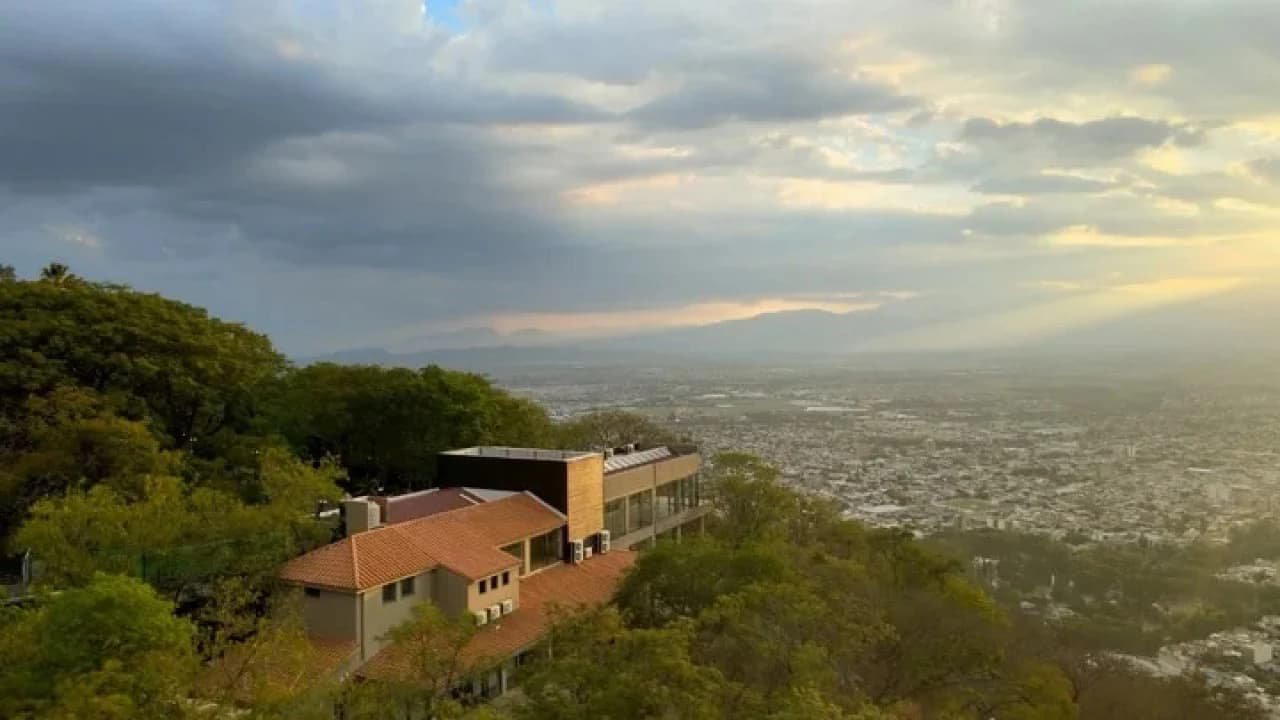
A Dining Room at Altitude, Shaped by What Grows Around It
Approaching El Baqueano along the Camino Cerro San Bernardo, the city of Salta spreads below in the ochre and terracotta tones that define the Argentine northwest. The altitude here is not incidental, it is the editorial premise of the meal. Northwestern Argentina sits at elevations where quinoa, maize, and potato varieties have been cultivated since pre-Columbian times, where llama and vicuña graze arid pastures, and where the diurnal temperature swings that stress a vine also concentrate flavour in root vegetables and dried chiles. El Baqueano operates within that agricultural reality, on the edge of a city that remains among the more culturally intact colonial centres in the country.
Salta's dining scene divides, roughly, between restaurants anchored in the city's colonial centro, offering locro, tamales, and empezando by the plaza, and a smaller tier of addresses that treat the region's produce as raw material for something more considered. El Baqueano sits in that second category, set apart from the lowland steakhouse tradition that dominates much of Argentina's premium dining conversation. Where a restaurant like Don Julio in Buenos Aires builds its authority on Pampas beef and a specific Buenos Aires institution, the northwest asks different questions of its kitchens, questions about altitude crops, indigenous grains, and proteins that have no equivalent on the Pampas.
What the Andes Put on the Plate
The ingredient sourcing argument for northwestern Argentine cuisine is one of the more compelling in South America. The Quebrada de Humahuaca, a UNESCO World Heritage valley north of Salta, produces coloured potato varieties and maize that are practically unknown at sea level. The puna, the high plateau that Argentina shares with Bolivia and Peru, supports llama herds whose meat is leaner, earthier, and more complex in flavour than commercial beef, carrying the mineral character of high-altitude pasture. Andean salt, wild herbs from the quebrada, and locoto chiles round out a larder that has no equivalent further south.
This matters editorially because the sourcing is not a marketing overlay on a conventional menu, it is what makes the cuisine structurally distinct. The same logic applies to comparisons across Argentina's premium tier: Azafrán in Mendoza draws on Cuyo's vine-country produce and Mediterranean-inflected tradition; Agrelo in Lujan De Cuyo operates inside Mendoza's wine-belt geography. The restaurant's reference points are Andean rather than viticulture-centred, and that shapes everything from the protein choices to the way spice and dried ingredient functions on the plate.
Restaurants that work seriously with indigenous Andean ingredients occupy a small niche globally. The conversation includes Lima's post-Nobu generation, kitchens that validated native Peruvian produce as fine-dining material, but also property restaurants in the Argentine northwest that have made terrain-specificity their organising principle. La Table de House of Jasmines, set on a finca outside Salta, operates in a related register, where the estate's agricultural surroundings inform the table. The restaurant's position on Cerro San Bernardo places it slightly apart from that finca model, it is an urban-adjacent address shaped by the same regional larder rather than a single estate's output.
The Scene Around It
Salta as a dining city rewards some framing. The colonial centre, around Plaza 9 de Julio, concentrates the city's traditional food culture, where peñas serve locro on winter evenings and regional wine from the Calchaquí valleys pours freely. That scene is worth understanding on its own terms before engaging with the higher-end tier.
The broader Argentine premium dining conversation has shifted in the last decade toward regional specificity. Buenos Aires-centric fine dining, anchored in European technique applied to Pampas beef, no longer monopolises the critical conversation. Patagonian addresses like EOLO in El Calafate and estancia-format experiences like La Bamba de Areco have demonstrated that Argentina's culinary geography extends far beyond the capital's grid. The northwest represents a distinct axis in that argument, with ingredients and traditions that predate European arrival and a produce calendar shaped by altitude rather than latitude.
Comparable terrain-driven formats internationally, from Lazy Bear in San Francisco, which works around Northern California's seasonal specificity, to technically rigorous seafood addresses like Le Bernardin in New York City, where sourcing discipline underpins every menu decision, suggest that ingredient provenance as a primary editorial frame is a durable one. The restaurant operates within that logic applied to a specific Andean latitude.
The restaurant sits on the Camino Cerro San Bernardo, accessible from the city centre by road. The location on the hillside means the approach itself provides context: Salta's density gives way to eucalyptus and thorn scrub before the address appears, and the altitude shift is perceptible. That timing also aligns with the regional calendar for many of the drier, stored ingredients, grains, dried chiles, preserved proteins, that define this cuisine in its more traditional register.
The Calchaquí Valleys, immediately accessible from Salta, produce Torrontés and high-altitude Malbec with a character that differs sharply from Mendoza's benchmark bottlings. Properties like Cavas Wine Lodge in Alto Agrelo and Entre Cielos Luxury Wine Hotel and Spa in Lujan du Cuyo offer a Mendoza counterpoint to Salta's highland register. For restaurant comparisons across Argentina's regional dining circuit, El Papagayo in Cordoba and El Colibri in Santa Catalina round out the northwest and central picture, while Las Balsas Restaurant in Villa La Angostura and Awasi Iguazu in Puerto Iguazu extend the terrain-driven format into Patagonia and the Mesopotamia, respectively. Further afield, Los Talas del Entrerriano in General San Martin, Chacras de Coria in Las Heras, and Ti Amo in Adrogué each represent distinct nodes in Argentina's regional dining map.
At-a-Glance Comparison
Comparable venues nearby, for context on price, style, and recognition.
| Venue | Cuisine | Price | Notes |
|---|---|---|---|
| El BaqueanoThis venue — the venue you are viewing | Northwest Argentine Haute Cuisine | $$$$ | Not listed |
| Chila | Modern New Argentine Fine Dining | $$$$ | Puerto Madero |
| Alcahuete | Porteña Pizza | $ | Palermo |
| El Baqueno | Cocina Autóctona Contemporánea | $$$ | San Telmo |
| Casa del Visitante | Traditional Argentine Grill | $$$$ | Maipu |
| La Table de House of Jasmines | Peruvian | Not listed | La Merced Chica |
Continue exploring
More in Salta
Restaurants in Salta
Browse all →
At a Glance
- Elegant
- Scenic
- Sophisticated
- Intimate
- Special Occasion
- Date Night
- Panoramic View
- Extensive Wine List
- Sommelier Led
- Local Sourcing
- Skyline
- Mountain
Current opening hours
- Monday
- Closed
- Tuesday
- 7 PM–12 AM
- Wednesday
- 7 PM–12 AM
- Thursday
- 7 PM–12 AM
- Friday
- 7 PM–12 AM
- Saturday
- 7 PM–12 AM
- Sunday
- Closed
Hours can change for holidays and private events. Last verified .
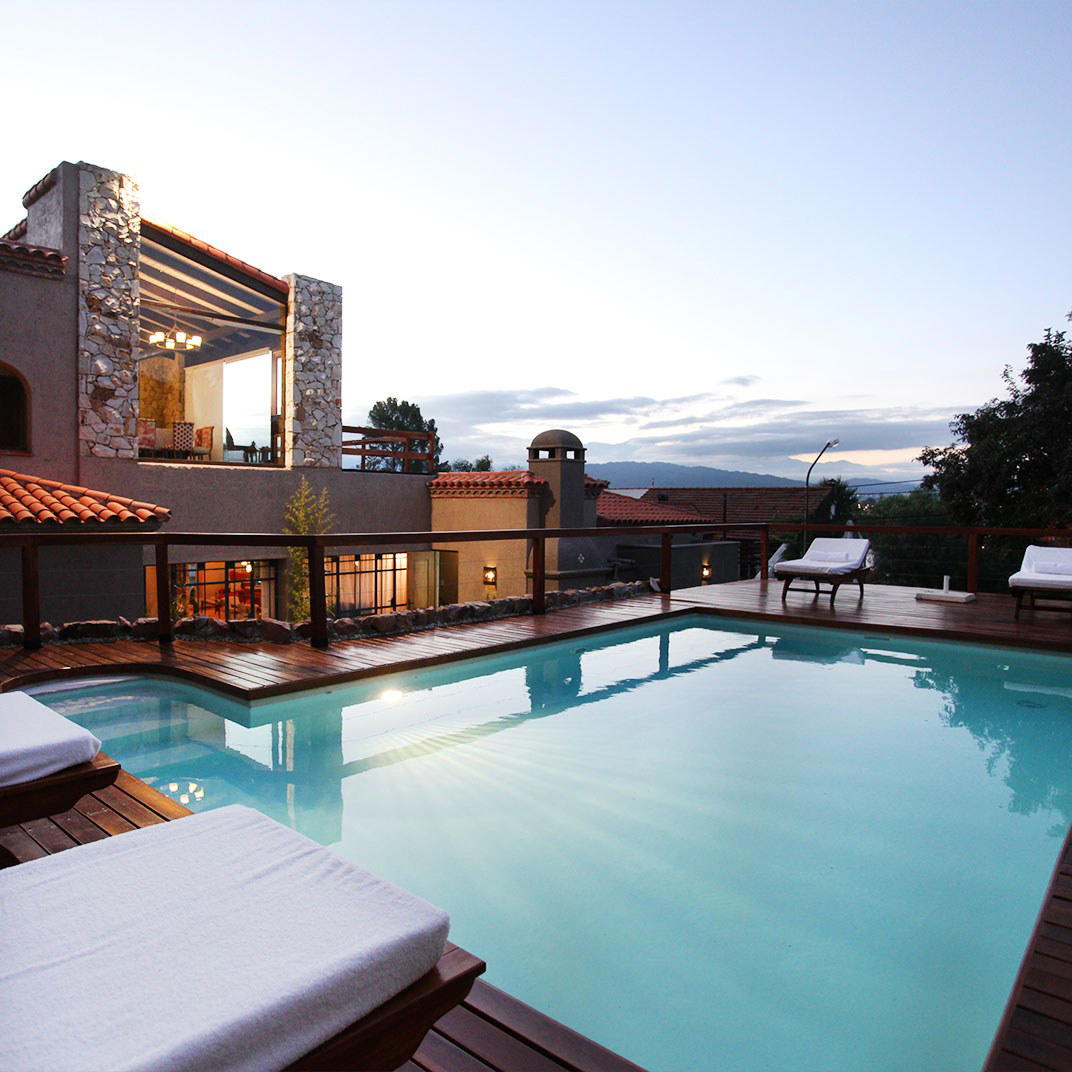
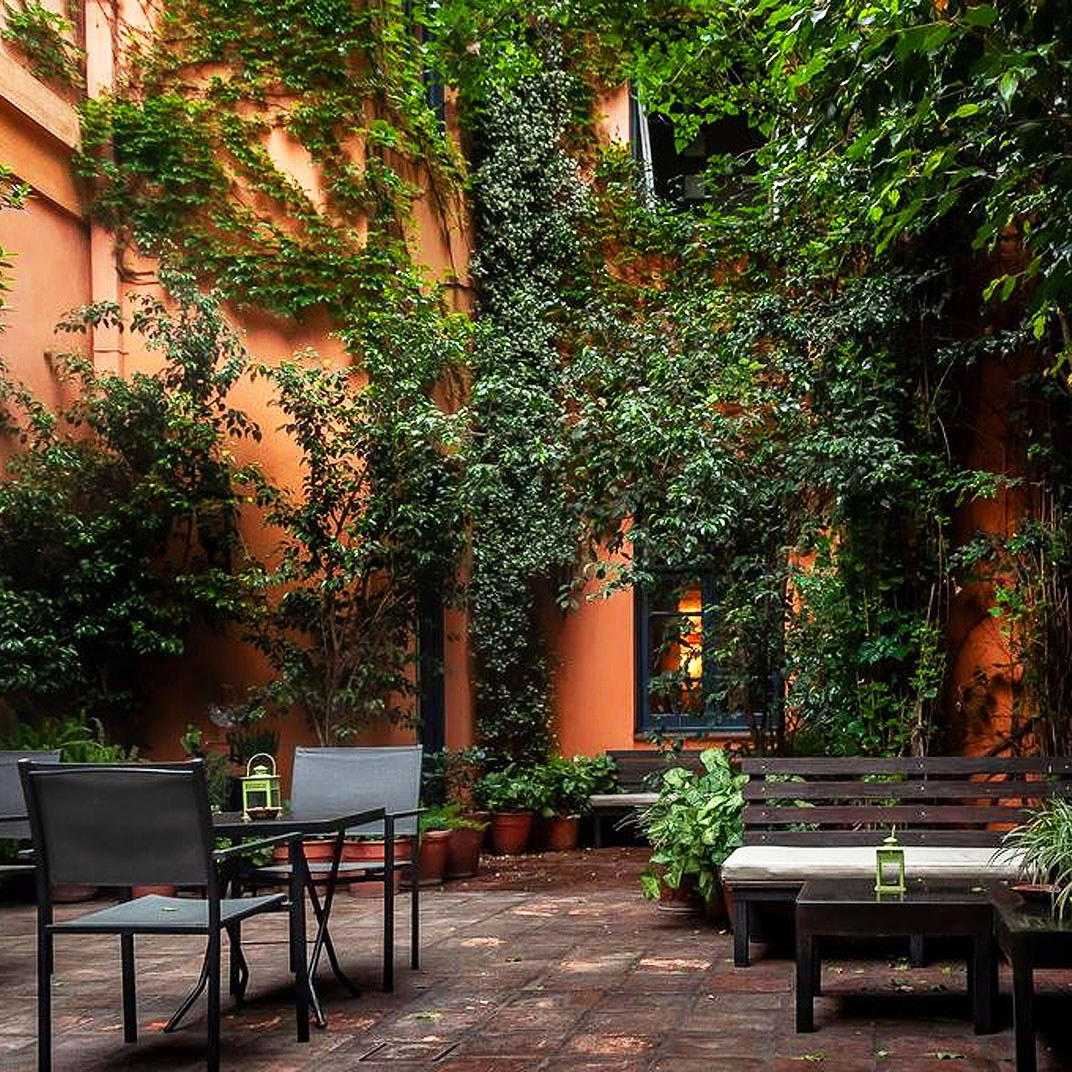
Cozy and elegant atmosphere with refined lighting, modern design, impressive wine cellar, and dramatic panoramic views of Salta.