Alcahuete
Our verdict
Alcahuete sits within Buenos Aires’ contemporary Argentine dining current, where local produce, beef culture, Italian inheritance, and a newer interest in regional ingredients share the same table. The restaurant is better read as part of the city’s ingredient-led shift than as a formal temple of technique: its relevance comes from how it reflects Buenos Aires cooking now.

Pearl is the En Primeur Club membership app, where members save venues, book tables and use the concierge.
The menu
What to order
- Pizza de media masa al molde
- Pizza XXL con bordes gratinados
Buenos Aires dining often announces itself before the first plate: the rhythm of conversation, the smell of fire somewhere nearby, the steady traffic between old cafés, new counters, wine bars, and restaurants that treat Argentine ingredients with less nostalgia than precision. Alcahuete belongs to that contemporary Argentine category, a label that carries more weight in this city than it first suggests. It signals a kitchen working inside a national pantry shaped by beef, wheat, dairy, river fish, Patagonian produce, Andean grains, Italian migration, Spanish habits, and a wine culture that has moved well beyond Malbec shorthand.
The useful way to read Alcahuete is not as an isolated address but as part of a broader Buenos Aires correction. For years, visitors reduced the city’s food identity to parrilla, empanadas, helado, and late dinners. Those remain central, but the more interesting movement is happening in restaurants that treat Argentine sourcing as a live argument: what should come from the pampas, what belongs to the coast, what is seasonal in the capital, and how much technique a local ingredient actually needs. Contemporary Argentine cooking is strongest when it avoids mimicry of European tasting-menu grammar and instead lets the country’s own geography set the terms.
Contemporary Argentine cooking, with the pantry doing the work
Ingredient sourcing matters in Buenos Aires because the city is both a capital and a filter. Produce, meat, cheese, wine, seafood, and dry goods arrive from regions with distinct identities, but the capital decides which of those identities become fashionable, expensive, casual, or serious. A restaurant described as Contemporary Argentine is therefore making a claim about selection as much as style. The category can cover pared-back plates, seasonal menus, open-fire elements, house-made pastas, vegetable-led cooking, and the kind of wine-aware dining that has become part of the city’s middle-to-premium restaurant conversation.
Alcahuete’s strongest editorial value is that it points toward this sourcing-first reading of the city. The Buenos Aires Herald has highlighted it as a new comfort-forward yet refined spot with crafted plates and a strong neighborhood concept, which helps explain why it belongs in the city’s present conversation. The name on the door is less important than the decision it represents for the diner: choosing Buenos Aires as a place where Argentine ingredients are not simply served in inherited forms, but edited for a present-tense restaurant audience. That shift explains why the city’s contemporary dining scene now needs to be read alongside its bars, hotels, and wine routes rather than apart from them. A meal can sit in conversation with Buenos Aires wine lists, Argentine cellar culture, and the produce logic of inland Argentina without needing to imitate any one of them.
For a wider view of how the capital frames this category, keep Alcahuete in the same mental map as other Buenos Aires dining rooms working with modern local cooking. This is not a ranking; it shows the range of formats Buenos Aires now uses to express contemporary Argentine food, from wine-led rooms to kitchens built around tighter present-tense menus.
Why Buenos Aires context matters more than ceremony
Buenos Aires rewards diners who understand pace. The city eats late, talks long, and treats restaurants as social rooms rather than hushed performance spaces. That matters for Alcahuete because contemporary Argentine cooking is rarely only about what appears on the plate. The surrounding culture shapes the experience: wine is not an accessory, beef is not automatically the main event, and Italian influence can appear without turning the meal into an Italian restaurant. The category works when the kitchen gives local ingredients enough structure to feel current without stripping away the city’s appetite for warmth and informality.
The absence of a heavily codified format also matters. In cities where tasting menus dominate the premium conversation, diners often judge ambition by length, price, and choreography. Buenos Aires is more fluid. Serious meals may look relaxed, and relaxed rooms may source with real discipline. Alcahuete fits that local logic: Contemporary Argentine cuisine here should be assessed by ingredient choice, seasonal intelligence, wine compatibility, and whether the cooking says something specific about Argentina rather than simply borrowing an international restaurant accent.
Travelers building a broader Buenos Aires itinerary should read the restaurant through the city rather than slotting it into a single-meal checklist. The capital’s food scene connects naturally to Our full Buenos Aires restaurants guide, while the surrounding trip often depends just as much on where to stay, drink, taste, and spend the day: Our full Buenos Aires hotels guide, Our full Buenos Aires bars guide, Our full Buenos Aires wineries guide, and Our full Buenos Aires experiences guide. That wider frame is useful because Argentina’s restaurant culture is inseparable from wine, regional travel, and late-night social habits.
The national pantry beyond the capital
Alcahuete also benefits from being read against Argentina as a whole. Buenos Aires is the stage, but many of the country’s strongest food signals come from outside the capital: wine country’s fire-and-wine grammar, Patagonia’s cold-climate produce and meat culture, the northeast’s river and jungle influences, and the agricultural belt that feeds the city daily. Contemporary Argentine restaurants in Buenos Aires succeed when they make those connections legible without turning the menu into a geography lesson.
For travelers extending the thread beyond the capital, Argentina’s wine regions show how vineyard culture changes the conversation around food, fire, and hospitality. Other regional destinations point to different expressions of the same national pantry, from cold-climate produce to river fish and agricultural abundance. Even outside Argentina, tightly focused dining formats are useful reminders that narrow ideas can say more than sprawling menus when sourcing and identity are clear.
The verdict is simple: Alcahuete is for diners who want Buenos Aires through its present-tense pantry, not through a postcard version of Argentine food. Approach it as a contemporary local restaurant shaped by the capital’s appetite, regional supply lines, and the country’s growing confidence in its own ingredients. That is where the interest lies.
Frequently asked questions
Is Alcahuete focused on a specific cuisine style?
Alcahuete serves Contemporary Argentine cuisine.
How hard is it to get a table at Alcahuete?
Alcahuete is a Contemporary Argentine restaurant in Buenos Aires. For booking details, check the venue's official channels for the latest information.
What's the defining dish or idea at Alcahuete?
The defining idea is Contemporary Argentine cooking, so the focus is on a modern reading of local ingredients rather than a fixed classic formula. The restaurant is positioned in Buenos Aires, where that style often reflects the city’s own pace and pantry.
Is Alcahuete a family-friendly restaurant?
Alcahuete is listed as a Contemporary Argentine restaurant in Buenos Aires. For practical details on suitability, seating, and service, check the venue's official channels for the latest information.
What's the overall feel of Alcahuete?
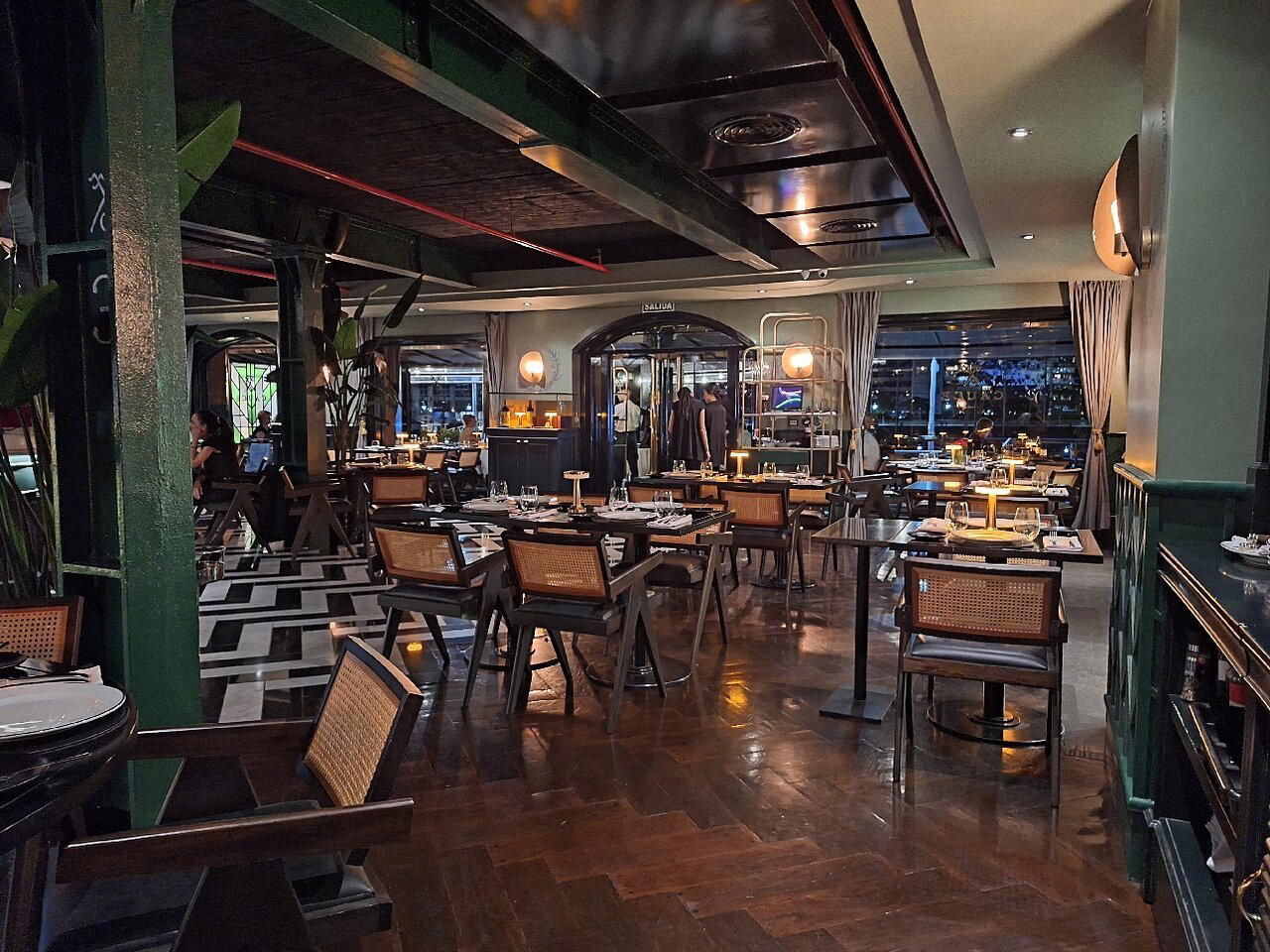
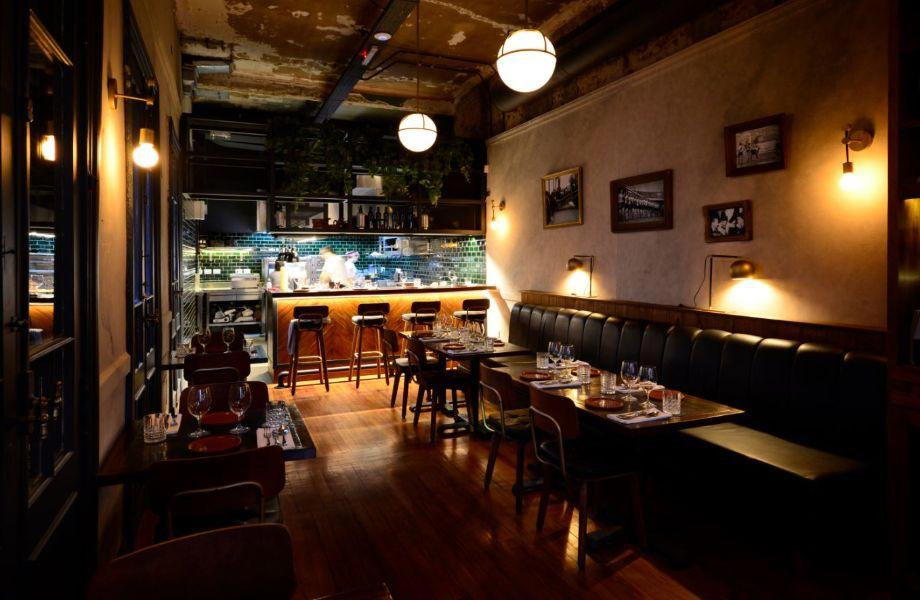
Expect a Buenos Aires dining room shaped by Contemporary Argentine cooking rather than formal ceremony. The emphasis is on local context and the city’s restaurant culture, not on a rigid tasting-menu performance.
In Context
Comparable venues nearby, for context on price, style, and recognition.
| Venue | Cuisine | Price | Awards | Notes |
|---|---|---|---|---|
| AlcahueteThis venue (the venue you are viewing) | Porteña Pizza | Not listed | Not listed | Not listed |
| L'Adesso | Modern Italian | $20–30 | Not listed | Palermo, Modern Italian |
| Caprichito | Comfort Italian Restaurant & Pizzeria | $30–50 | Conde Nast Hot List Restaurants | Palermo, Comfort Italian Restaurant & Pizzeria |
| Siamo nel Forno | Authentic Neapolitan Pizza | $10–20 | 50 Top Pizza Latin America #21 | Palermo, Authentic Neapolitan Pizza |
| La Más Querida | Pizza a la Parrilla | Not listed | Not listed | Belgrano, Pizza a la Parrilla |
| BHARAT | Authentic North Indian | Not listed | Not listed | Piñeyro, Authentic North Indian |
Continue exploring
More in Buenos Aires
Restaurants in Buenos Aires
All restaurants in Buenos Aires →
Bars in Buenos Aires
All bars in Buenos Aires →
Hotels in Buenos Aires
All hotels in Buenos Aires →




Wineries in Buenos Aires
All wineries in Buenos Aires →
Details
- Trendy
- Cozy
- Casual Hangout
- Group Dining
- Late Night
- Standalone
- Organic
- Local Sourcing
- A La Carte
- Vegetarian Friendly
Casual, late-night pizza spot with a neighborhood, no-frills feel focused on a single product rather than formal dining.