Mesón del Marqués
Our verdict
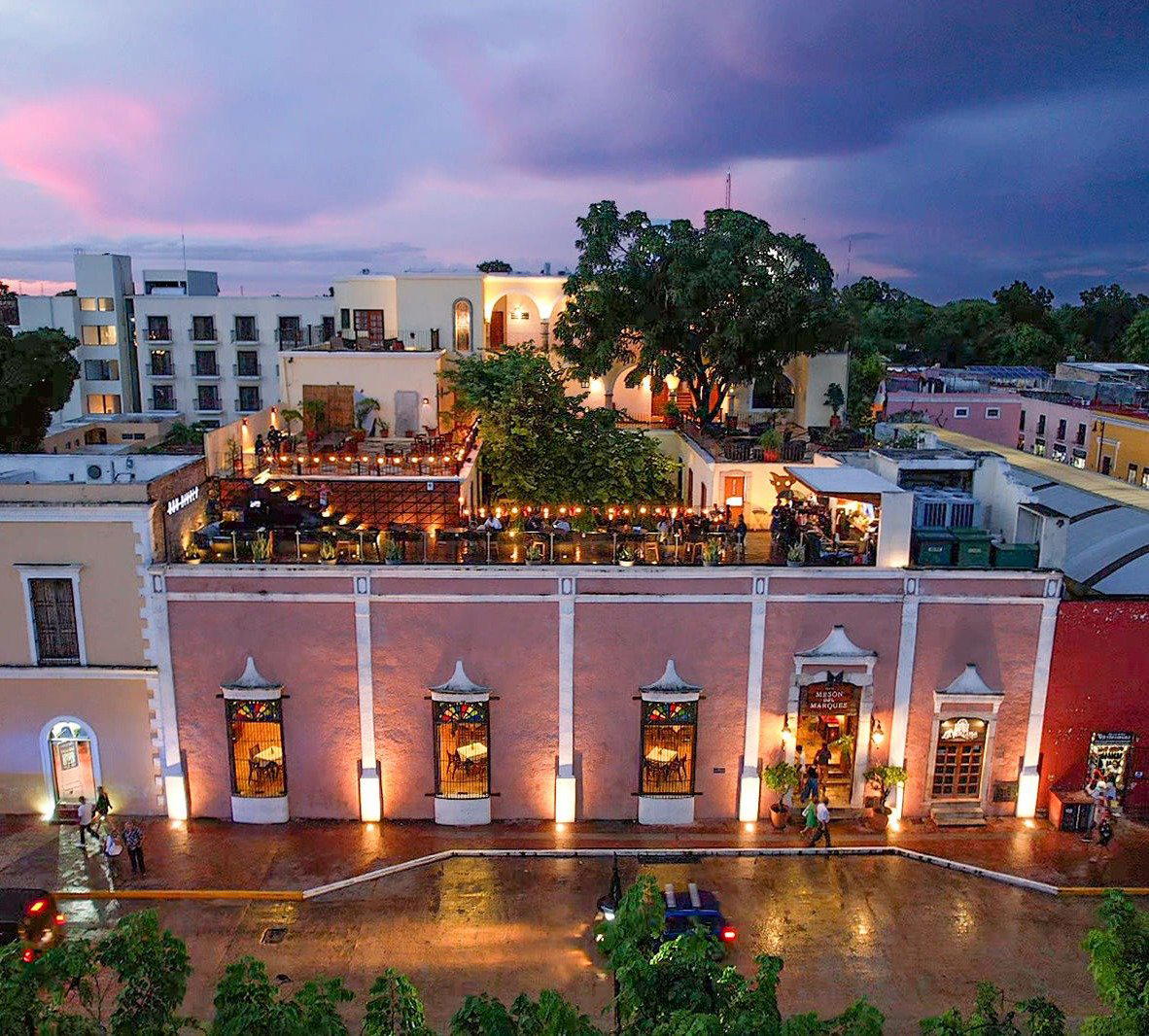
Set around a colonial courtyard in the heart of Valladolid's historic centre, Mesón del Marqués occupies one of the city's most recognisable colonial-era buildings on Calle 39. The kitchen draws on the deep Yucatecan culinary tradition that defines this corner of the peninsula, placing it firmly within the regional cooking circuit that connects Valladolid to the broader Mayan gastronomic heritage. For travellers pausing between Chichén Itzá and the Caribbean coast, this is a reliable reference point for the region's cooking.

Pearl is the En Primeur Club membership app, where members save venues, book tables and use the concierge.
The menu
What to order
- Cochinita pibil
- Papadzules
- Poc chuc
- Lomitos
Eating in Colonial Stone: Valladolid's Dining Ritual
There is a particular rhythm to eating in Yucatán's colonial towns that differs sharply from the pacing of a Mexico City tasting menu or a Guadalajara bistro. The meal arrives slowly, in courses shaped by heat and heritage rather than by a kitchen brigade operating under time pressure. Tortillas come warm from the comal. Salsas sit at the table before you order. Agua fresca sweats in ceramic pitchers. The act of eating in a place like Valladolid is less about performance and more about settling in, a posture that Mesón del Marqués, set inside a colonial mansion on Calle 39 just off the main plaza, reinforces through its physical architecture alone.
The building frames the experience before the menu does. The open courtyard format common to Spanish colonial construction across the Yucatán peninsula means that lunch here unfolds under sky rather than ceiling, with the particular quality of mid-morning light that makes the limestone walls glow amber before midday heat flattens everything to white. Colonial-courtyard dining in this region carries its own etiquette: you arrive, you take your time, you let the meal find its pace rather than imposing one on it.
Where Mesón del Marqués Sits in Valladolid's Table
Valladolid's restaurant offering has diversified considerably over the past decade. The city now supports a range of formats from farm-to-table producers like 5 Gustos and Dámaso to creative kitchens like Alquimia - Laboratorio and modern cuisine at Trigo. Within that spread, Mesón del Marqués occupies a different register: it is a traditional-format restaurant anchored in the colonial core, serving the regional dishes that Yucatecan cooking has carried for generations. Where Alquimia applies laboratory technique to local ingredients and Trigo applies contemporary plating sensibility to regional produce, the proposition here is continuity rather than reinterpretation.
That positioning is meaningful in the context of Yucatán's broader dining scene. The peninsula has attracted serious culinary attention across the past two decades, with kitchens from Le Chique in Puerto Morelos to HA' in Playa del Carmen building international profiles on the back of Mayan ingredients. The national conversation, led by kitchens like Pujol in Mexico City, has centred on elevating those ingredients through technique. Mesón del Marqués does not participate in that particular conversation. It operates in an older, slower register, which is precisely its function for the traveller who wants to eat what Valladolid has always eaten rather than what the contemporary Mexican kitchen is doing with Valladolid's pantry.
The Grammar of a Yucatecan Meal
Understanding the customs of Yucatecan table culture clarifies what a meal here asks of you. The region's cooking is organised around a handful of foundational preparations: cochinita pibil, slow-cooked pork pulled from the pit and acidified with sour orange and achiote; sopa de lima, the sharp citrus-scented broth that appears at virtually every traditional Yucatecan table; panuchos and salbutes, antojitos built on hand-formed masa that carry braised meats and pickled red onion. These are not dishes that reward speed or distraction. The pit-cooking tradition of the Yucatán is one of the longest fermentation and slow-cook traditions in Mexican cookery, with some preparations requiring overnight brining and hours of buried cooking before they reach the table.
The ritual of the Yucatecan meal also has a social dimension. Shared dishes are common. The order of courses is loose rather than strict. Habanero salsas come in graduated heat, and the etiquette around them is specific: you taste cautiously before you pour. Agua de jamaica and horchata are not afterthoughts but integral parts of the table composition, providing the sweetness and acidity that balance the fat of slow-cooked meats. Eating in this framework is a practice rather than a transaction, and the courtyard setting of a colonial-era building enforces that reading: there is nowhere to rush to, and the architecture will not hurry you.
Across the region, the restaurants that hold this traditional format most credibly are those operating in buildings with genuine colonial fabric, not reproductions. The stone walls, the courtyard well, the covered corredor that shields tables from direct sun, these are not decorative choices but functional elements of a pre-air-conditioning architecture designed for the peninsula's climate. In that sense, the venue's physical conditions are part of the dining experience in ways that a modern restaurant interior cannot replicate.
Valladolid as a Dining Destination
Valladolid sits at the geographic midpoint of several major travel circuits: roughly two hours from Cancún's international airport, forty-five minutes from Chichén Itzá, and close enough to the Río Lagartos biosphere to make it a viable base for the northern Yucatán. That positioning has shaped its restaurants more than any single culinary movement. Diners here are frequently in transit, which creates a market for restaurants that can deliver a satisfying, complete expression of regional cooking without demanding the kind of commitment a multi-hour tasting format requires.
For the traveller building a wider picture of Mexican regional cooking, Valladolid adds a layer that the coastal kitchens and the capital cannot provide. The farm-to-table kitchens at 5 Gustos and Dámaso work with Yucatecan producers directly. The creative end of the market, represented by Alquimia - Laboratorio, applies avant-garde technique to the same pantry. And spots like El Atrio del Mayab work within the cultural-heritage framing of Mayan gastronomy. Reading all of these against each other, and against Mexico's broader contemporary kitchens at KOLI in Monterrey, Alcalde in Guadalajara, or Levadura de Olla in Oaxaca, produces a clearer picture of what Mexican regional cooking is doing with its own traditions. Our full Valladolid restaurants guide maps the city's current options across all price tiers.
Planning a Meal Here
The restaurant occupies a colonial building at Calle 39 x 40 y 42 #239 in central Valladolid, walking distance from the main plaza and the Zócalo. For the traveller arriving from Mérida or heading east toward the coast, the address is a ten-minute walk from the bus station, making it a workable lunch stop on a transit day. The courtyard format means the experience changes materially between mid-morning and midday, the earlier seating benefits from cooler temperatures and better light, while lunchtime tables fill with both local and visiting diners. Because booking information is not publicly available through official channels at time of publication, contacting the restaurant directly or arriving early during peak travel periods is the more reliable approach.
Frequently asked questions
What's the address for Mesón del Marqués?
Mesón del Marqués is located at Calle 39 x 40 y 42 #239, 97780 Valladolid, Yucatán, Valladolid.
Is Mesón del Marqués a good stop between Cancún and Mérida?
Valladolid sits roughly two hours from Cancún's international airport and about ninety minutes from Mérida, which places Mesón del Marqués at a practical midpoint on the most-travelled Yucatán overland route. The restaurant's colonial building on Calle 39, within walking distance of the Zócalo, makes it a logical lunch stop rather than a detour. For travellers covering that corridor, it offers a grounded read on Yucatecan traditional cooking without the resort-town adjustments common closer to the coast.
What do regulars order at Mesón del Marqués?
The Yucatecan canon is the reliable through-line at this Valladolid address: sopa de lima, cochinita pibil, and panuchos appear consistently on traditional menus across the region, and these are the dishes that draw repeat visitors here. Cochinita pibil in particular, pit-braised pork slow-cooked in achiote and sour orange, is the preparation most closely associated with the peninsula's cooking tradition. Ordering around these three dishes gives you a direct read on where the kitchen stands within Yucatecan convention.
Is Mesón del Marqués reservation-only?
Confirmed booking policy is not available through public channels for this Valladolid address. Valladolid draws sustained tourist traffic as a stop on the Cancún-Mérida corridor and during peak Yucatán travel periods, so arriving early or at off-peak hours is a practical precaution. Contacting the restaurant directly through its physical address at Calle 39 x 40 y 42 #239 is the most reliable path to confirming table availability.
What's the signature at Mesón del Marqués?
In Yucatecan traditional cooking, the signature is less a single dish than a method: cochinita pibil, the slow pit-braised pork preparation central to the peninsula's culinary identity, is the reference point that most visitors use to judge a Valladolid kitchen. At a colonial-format restaurant like Mesón del Marqués, the version of cochinita on offer reflects the local tradition of achiote-marinated pork cooked in banana leaves. How closely that execution tracks the regional standard is the real measure of the meal.
Is Mesón del Marqués good for vegetarians?
Yucatecan traditional menus are organised around slow-cooked meats, and the peninsula's culinary tradition does not carry a strong vegetarian current. A meal at Mesón del Marqués in Valladolid will centre pork, poultry, and lime-based broths. Vegetarians can typically find side dishes, black beans, or egg-based preparations, but the menu's core logic is meat-forward, and a plant-based eater should go in with that expectation set.
Where It Fits
Comparable venues nearby, for context on price, style, and recognition.
| Venue | Cuisine | Price | Notes |
|---|---|---|---|
| Mesón del MarquésThis venue (the venue you are viewing) | Traditional Yucatecan Mexican | $20–30 | Not listed |
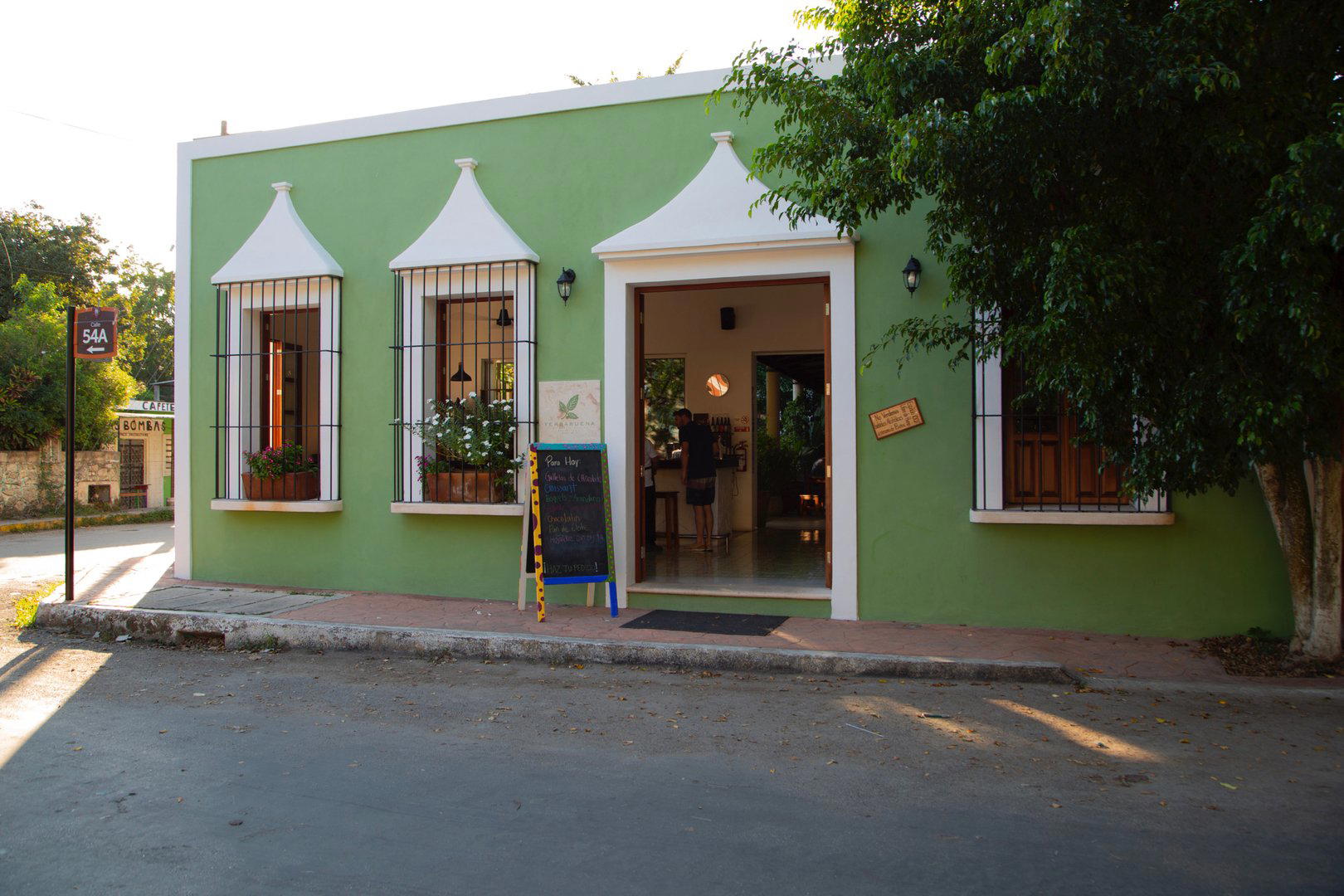
| Yerbabuena Del Sisal | Healthy Mexican Café | $10–20 | Sisal |
| El Atrio del Mayab | Traditional Yucatecan | $20–30 | Centro |
| Birrieria Chololo Las Juntas | Traditional Birria Jalisco | $10–20 | Las Juntas |
| MIGAS La Guera | Traditional Mexican Migas Soup | $10–20 | Unidad Candelaria Los Patos |
| Birriería Las 9 Esquinas | Authentic Guadalajara Birria | Not listed | 1403900011626 |
Continue exploring
More in Valladolid
Restaurants in Valladolid
All restaurants in Valladolid →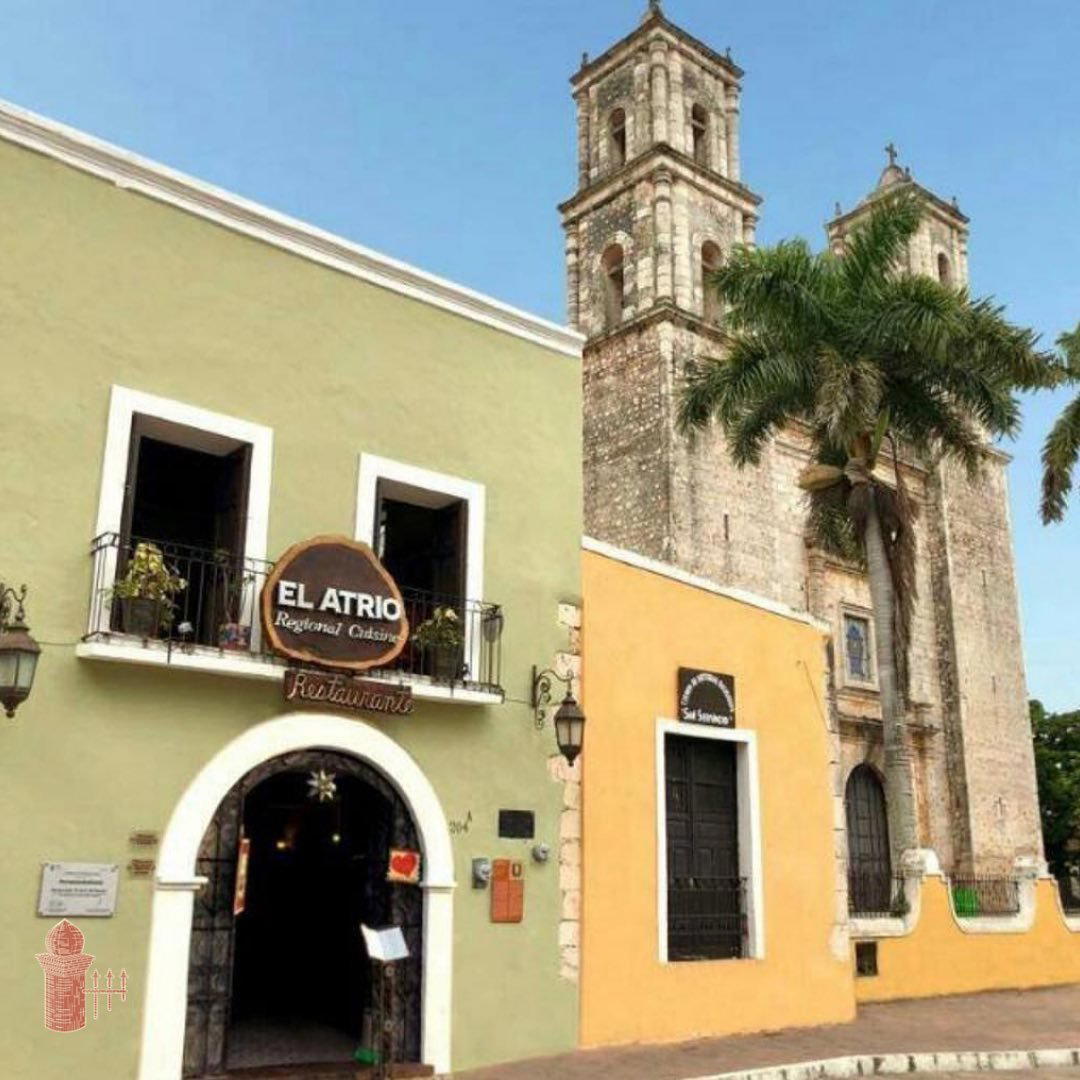
Details
- Rustic
- Classic
- Cozy
- Elegant
- Family
- Casual Hangout
- Special Occasion
- Courtyard
- Historic Building
- Hotel Restaurant
- Craft Cocktails
- Local Sourcing
- Street Scene
- A La Carte
- Craft Cocktails
- Vegetarian Friendly
- Vegan Options
- Gluten Free Options
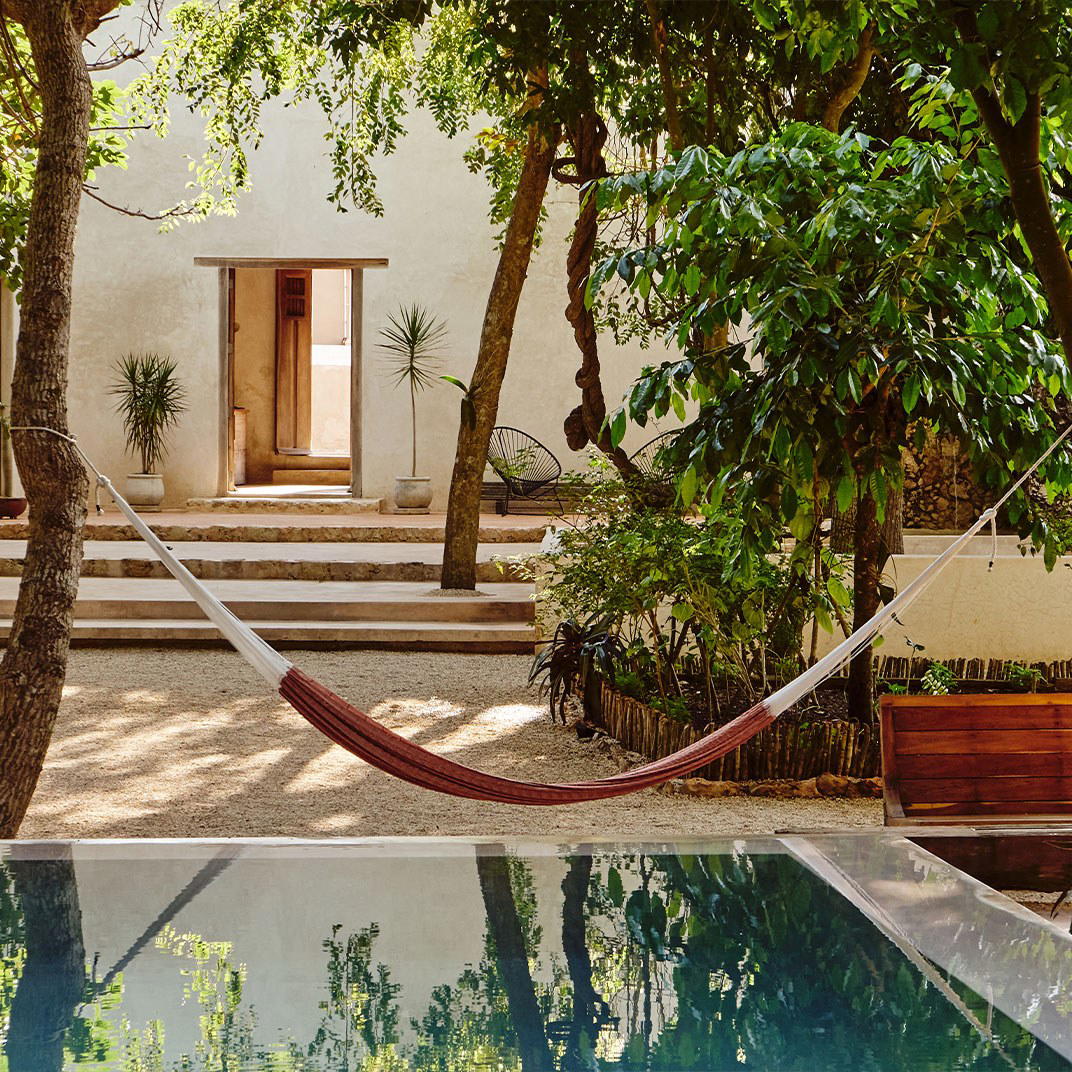
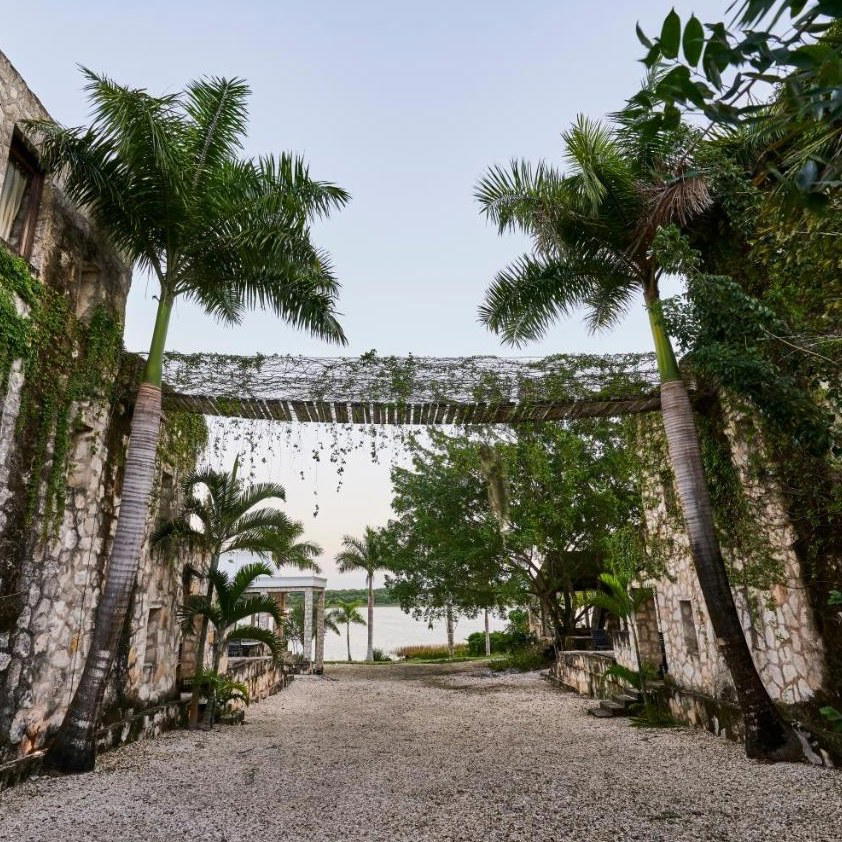
Tranquil colonial courtyard atmosphere with elegant lighting, lush gardens, and a relaxed historic charm.