

Macarfi 7 Food Rating
Our verdict
Hortensio occupies a quiet street in Madrid's Centro district and has earned an Opinionated About Dining Classical recommendation for its grounded approach to Spanish cooking under chef Mario Valles. The kitchen operates within a tradition that prizes product clarity over technique display, making it a reference point for the kind of midday and evening dining ritual that defines serious Madrid tables. Open Tuesday through Sunday, with Sunday service ending at 4:30pm in classic Spanish fashion.

Pearl is the En Primeur Club membership app, where members save venues, book tables and use the concierge.
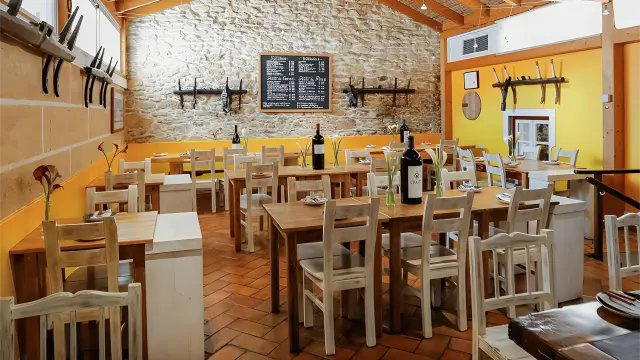
The menu
What to order
- Salmon in sorrel
- Guinea hen with black trumpet mushrooms
- Hare tartar with yuzu
- Grilled pigeon with mole
The Rhythm of a Madrid Table
Calle de la Farmacia sits just off the busier arteries of Centro, close enough to the noise of Chueca to draw a mixed crowd but quiet enough that the meal itself takes precedence over the spectacle of being seen. In Madrid, this distinction matters. The city's dining culture divides sharply between restaurants that perform for the room and those that perform for the plate, and the leading indicator of which you're dealing with is often the street address. Hortensio belongs to the latter category.
The wider Centro dining scene spans considerable range, from the centuries-deep institution of Botín Restaurante to the direct bar-leading pleasures of Casa Revuelta. What they share, and what most serious Madrid restaurants share regardless of price point, is a respect for the pacing of the meal. Eating in Madrid is not a transaction. It is a scheduled event, often two hours or more at lunch, with courses arriving at a tempo set by the kitchen and the conversation in equal measure.
Classical Recognition in a Creative Capital
Madrid's restaurant conversation is dominated, understandably, by its most technically ambitious addresses. Desencaja operates at the experimental end, while Michelin-recognised rooms like DiverXO, Coque, Deessa, Paco Roncero, and Smoked Room occupy the city's top tier of creative cooking. That concentration of innovation makes the classical category all the more legible by contrast. When Opinionated About Dining included Hortensio in its Classical in Europe Recommended list in 2023, the designation was meaningful precisely because OAD's Classical category is not a consolation prize for kitchens that lack imagination. It is a recognition that product-driven, tradition-rooted cooking requires its own discipline and that the discipline is harder to maintain than it appears.
Spain's classical tradition in a restaurant context means something specific: sourcing that follows seasonality without announcing it, technique that serves the ingredient rather than the concept, and a menu structure that mirrors how Spaniards actually eat rather than how international tasting-menu culture dictates. Chef Mario Valles operates within that framework at Hortensio.
For context on where this kind of classical Spanish commitment shows up beyond Madrid, the coastal radicalism of Aponiente in El Puerto de Santa María and the long-standing authority of Arzak in San Sebastián anchor opposite ends of the Spanish spectrum. The Basque Country's contribution to Spanish fine dining, from Azurmendi in Larrabetzu to Martin Berasategui in Lasarte-Oria, has shaped how the world reads Spanish cooking. Catalonia's major rooms, including El Celler de Can Roca in Girona and Cocina Hermanos Torres in Barcelona, complete the picture of a national scene in which classical Madrid cooking occupies its own, often undervalued, position.
How the Meal Actually Works
Hortensio's hours follow the architecture of a Spanish dining day with some precision. Lunch service opens at 1pm Tuesday through Saturday, and the kitchen runs through to midnight, accommodating both the long midday meal and the later dinner that is common in Madrid. Sunday closes at 4:30pm, reflecting the city's tradition of the extended family or friends lunch that anchors the weekend. Monday is dark.
The structure of eating here connects to a broader Madrid ritual that visitors accustomed to northern European or American dining schedules often underestimate. Arriving at 1pm for lunch means you are arriving at the correct time, not early. By 2pm the room is in full operation. The meal at a table like this is expected to run across multiple courses with unhurried transitions between them. Wine is part of the tempo, not an accessory to it. This is the dining culture that venues like Cuenllas and El Fogón de Trifón also sustain in their respective registers: the understanding that the meal has its own internal clock and that the room accommodates that clock rather than fighting it.
The OAD Classical designation is also an indicator of how to approach the ordering process. Classical recognition in this framework typically signals a menu that rewards conventional progression through courses, where skipping starters to arrive at the main is not the point. The full arc of the meal is the point.
Spanish classical cooking with this kind of recognition also travels. The global appreciation for Spain's culinary identity means addresses like this carry weight beyond their postcode. ZURRIOLA in Tokyo and Arco by Paco Pérez in Gdańsk demonstrate that Spanish kitchen values export with some fidelity. But the source, in classical terms, remains Madrid and the Iberian peninsula, and Hortensio sits close to that source.
Centro and the Surrounding Scene
The 28004 postcode places Hortensio at the edge of Chueca, a neighbourhood that has evolved considerably from its counterculture roots into one of the more concentrated dining and drinking zones in central Madrid. The density of options in the area means that a restaurant earns its repeat trade on merit rather than geography. A 4.4 average across more than six thousand reviews indicates a room that converts first-time visitors into returning ones at a rate that sustains that score over time.
For visitors building a broader Madrid itinerary, the city's full range is substantial. See our full Madrid restaurants guide, our full Madrid hotels guide, our full Madrid bars guide, our full Madrid wineries guide, and our full Madrid experiences guide for coverage across categories.
Know Before You Go
- Address: C. de la Farmacia, 2, Centro, 28004 Madrid, Spain
- Chef: Mario Valles
- Hours: Tuesday to Saturday 1pm–12am; Sunday 1pm–4:30pm; Monday closed
- Recognition: Opinionated About Dining Classical in Europe Recommended (2023)
- Cuisine: Spanish (classical)
Frequently asked questions
Who is the chef or culinary lead at Hortensio?
The chef associated with Hortensio is Mario Valles.
What part of town is Hortensio in?
Hortensio is located at C. de la Farmacia, 2, Centro, 28004 Madrid, Spain, Madrid.
What do regulars order at Hortensio?
Hortensio's 2023 OAD Classical recognition points toward a kitchen organised around product quality and seasonal availability rather than technique-forward showmanship. Chef Mario Valles works within the Spanish culinary tradition, which at this level typically means market-driven plates where the sourcing does the heavy lifting. Specific menu items are not publicly listed, so the safest approach is to ask the kitchen what is moving well on the day.
What time does Hortensio open and close?
Hours at Hortensio: Hours: Monday Closed Tuesday 1 pm–12 am Wednesday 1 pm–12 am Thursday 1 pm–12 am Friday 1 pm–12 am Saturday 1 pm–12 am Sunday 1–4:30 pm.
What kind of recognition has Hortensio received?
Hortensio has received recognition including: Opinionated About Dining Classical in Europe Recommended (2023).
What has Hortensio built its reputation on?
The 2023 Opinionated About Dining Classical recommendation is the clearest published credential. Operating out of Centro's 28004 postcode under Chef Mario Valles, the restaurant holds its ground in a Madrid scene that more often rewards the experimental end of the spectrum.
Recognition Snapshot
Comparable venues nearby, for context on price, style, and recognition.
| Venue | Cuisine | Price | Awards | Notes |
|---|---|---|---|---|
| Casa HortensiaThis venue (the venue you are viewing) | Modern French with Latin and Spanish influences | $50–100 | Macarfi 7 Food Rating | Not listed |
| Brasserie Lafayette | Classic French Brasserie | $50–100 | Macarfi 7.5 Food Rating | El Viso |
| Azotea del Círculo | Modern Spanish Mediterranean with Tapas | $30–50 | Not listed | Cortes |
| 99 Sushi Bar (Hermosilla) | Japanese haute cuisine & sushi | $50–100 | Guía Repsol 1 Sol | Barrio de Salamanca |
| Taberna pirámide | Traditional Spanish Tapas | $20–30 | Not listed | Lavapies |
| Ramón Freixa Tradición | Traditional Spanish Cuisine | $100–150 | Guía Repsol 1 Sol · Macarfi 7.9 Food Rating | Salamanca |
Recognition history
Dated appearances from independent guides and award organizations, with the underlying list record or original source where available.
Macarfi 7 Food Rating
Macarfi
Opinionated About Dining Classical in Europe Recommended
Opinionated About Dining
Continue exploring
More in Madrid
Restaurants in Madrid
All restaurants in Madrid →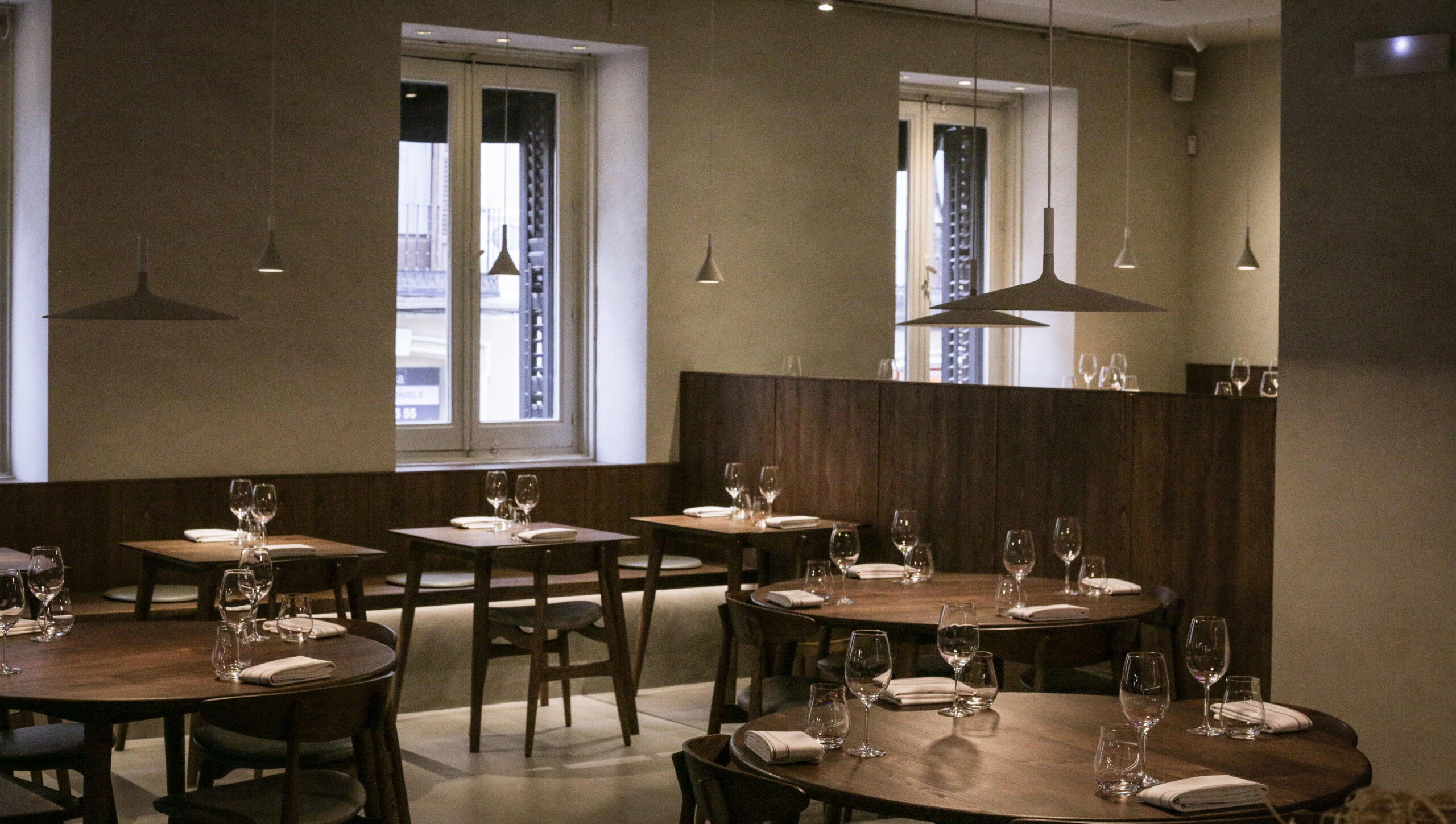
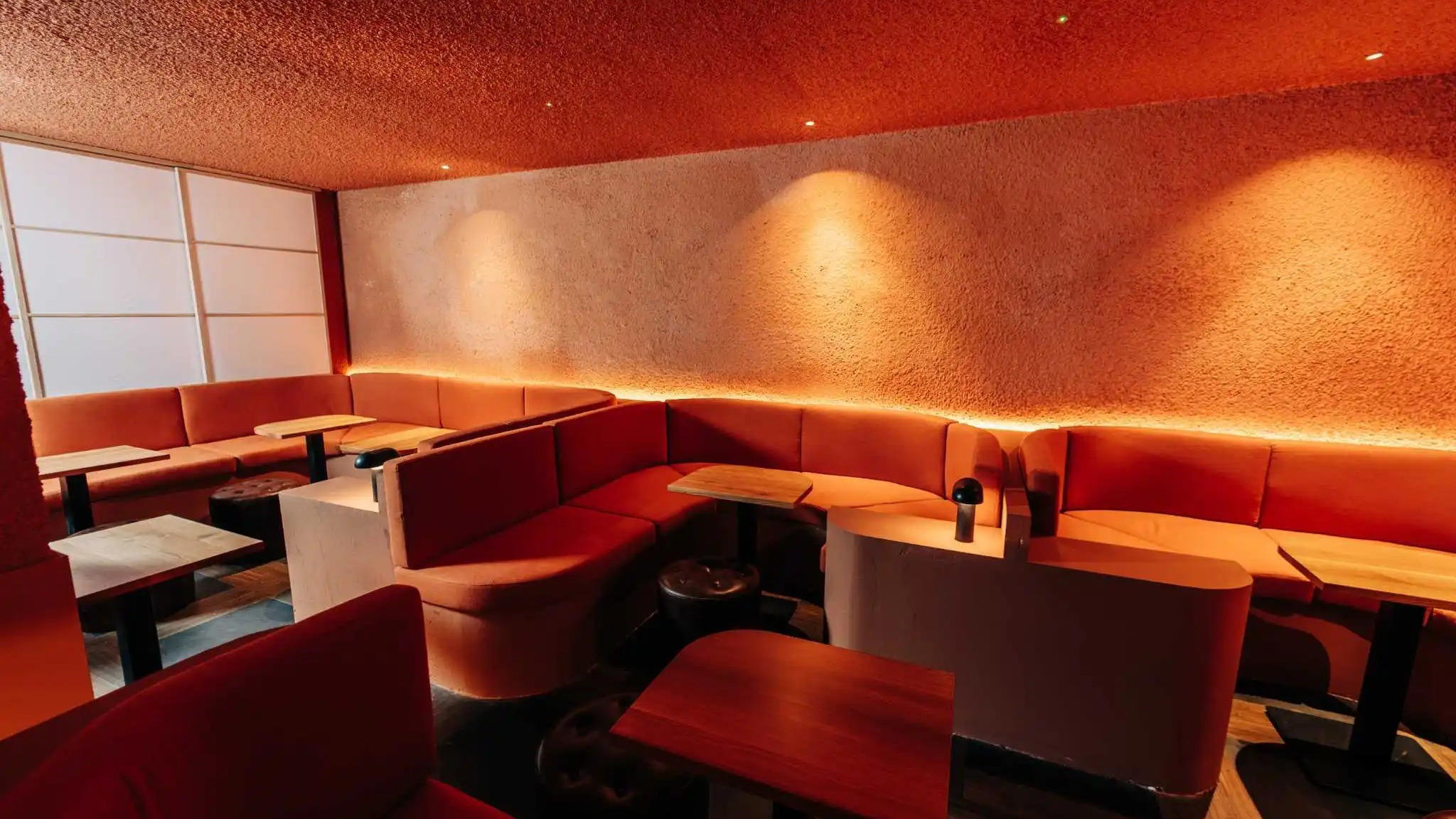
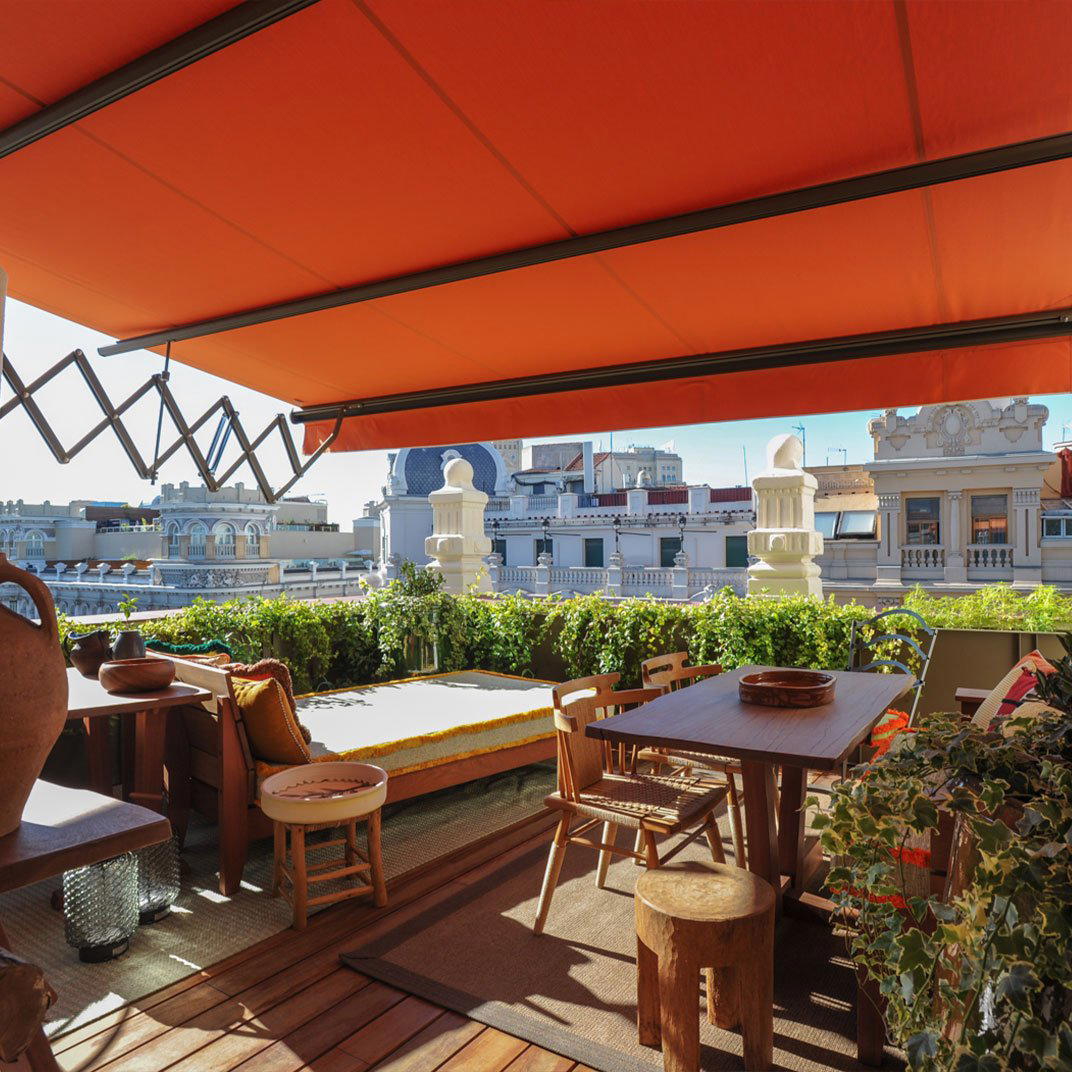
Bars in Madrid
All bars in Madrid →

Details
- Intimate
- Elegant
- Romantic
- Cozy
- Sophisticated
- Date Night
- Special Occasion
- Hotel Restaurant
- Open Kitchen
- Extensive Wine List
- Set Menu
- Wine
Current opening hours
- Monday
- 1 PM–12 AM
- Tuesday
- 1 PM–12 AM
- Wednesday
- 1 PM–12 AM
- Thursday
- 1 PM–12 AM
- Friday
- 1 PM–12 AM
- Saturday
- 1 PM–12 AM
- Sunday
- 1–4:30 PM
Hours can change for holidays and private events. Hours as of .
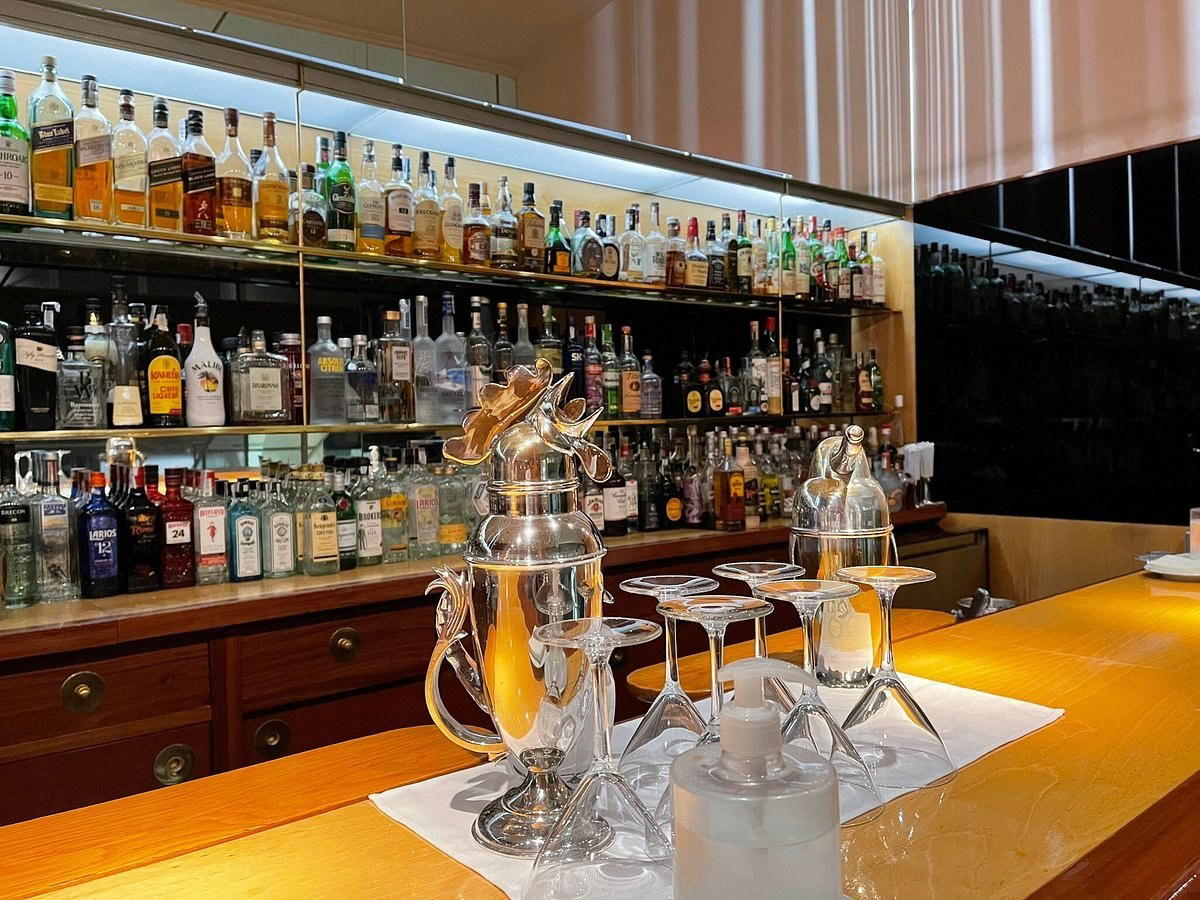
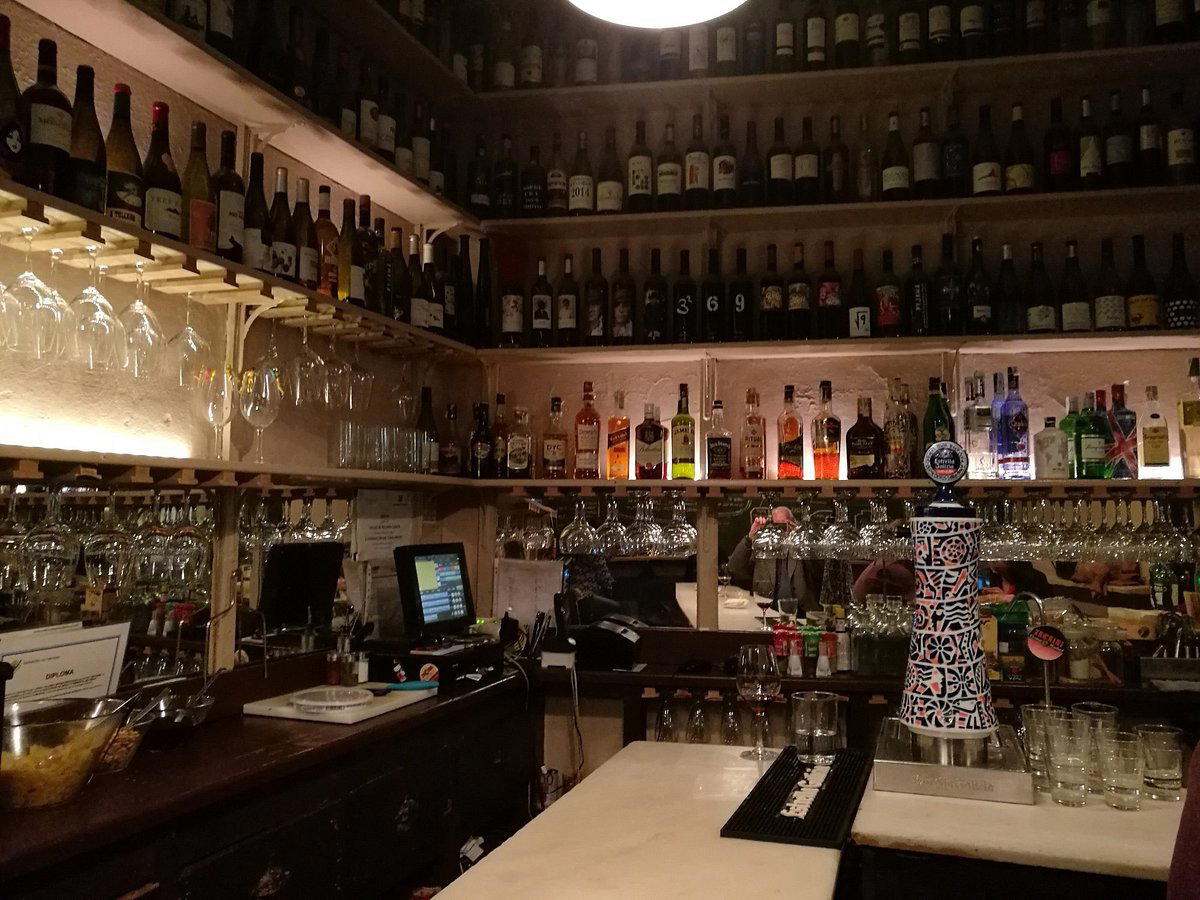
Polished marble, soft lighting, exposed brick walls, fresh flowers, and an atmosphere of assured discretion and unhurried grace.