Google: 4.7 · 39 reviews

Seestern holds a Michelin star earned in both 2024 and 2025, operating from within Hotel LAGO on Ulm's Friedrichsau peninsula under chef Takeshi Morooka. The kitchen works in a Modern French register, positioning it at the top of Ulm's fine dining bracket and above the city's contemporary mid-range scene. For serious diners passing through Baden-Württemberg, it represents the highest-credentialed table the city currently offers.
 Discover on Pearl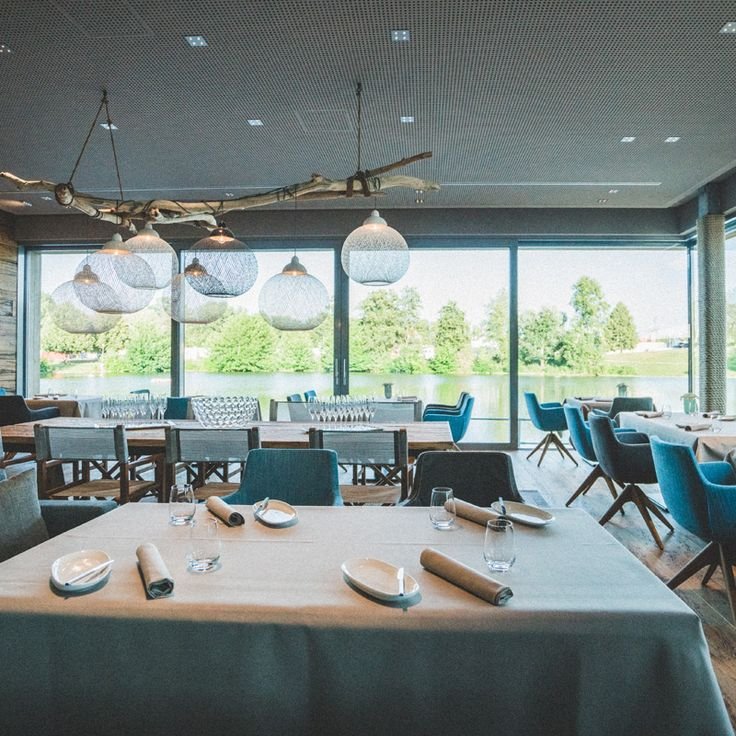
A Michelin Table on the Water's Edge
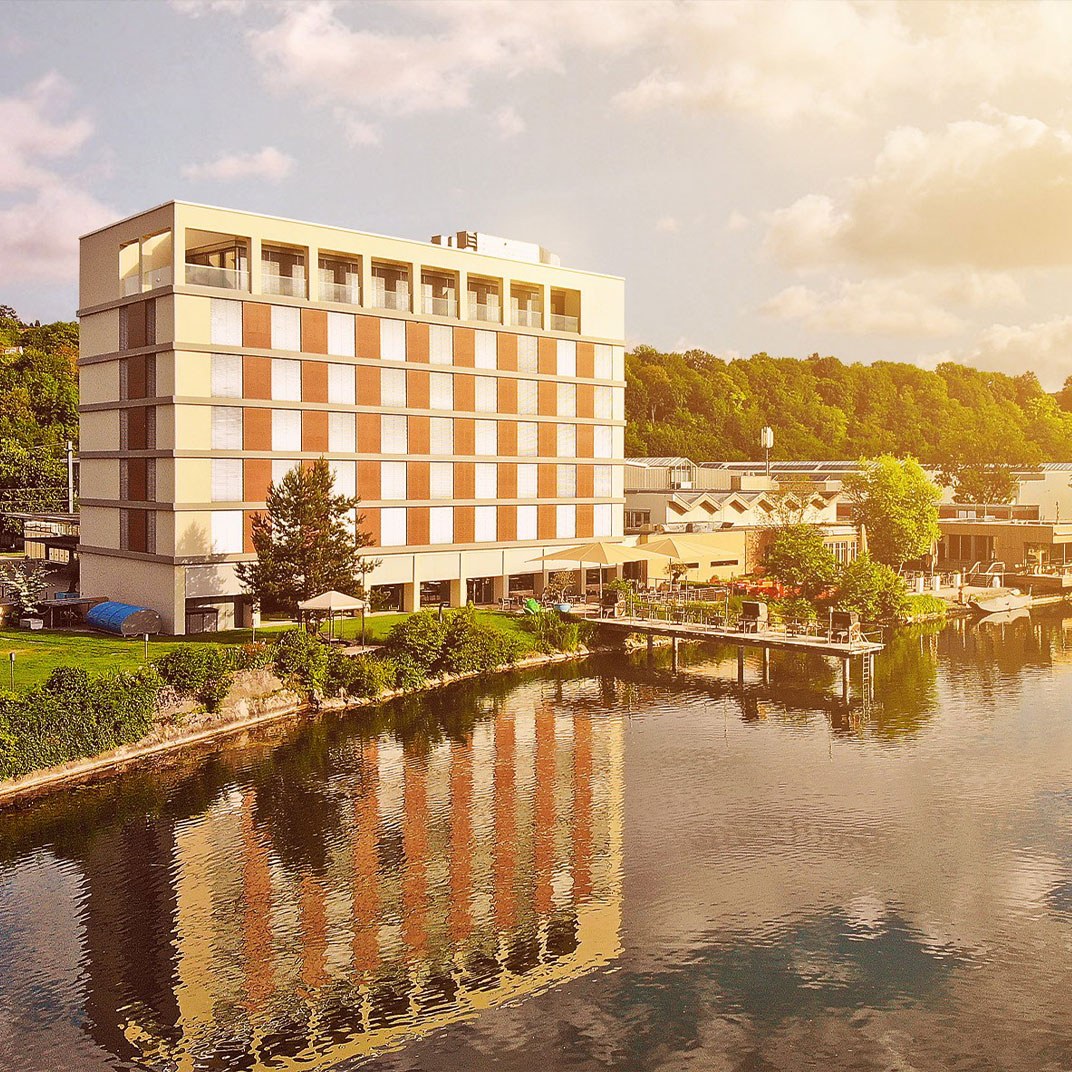
Ulm is not a city that announces its fine dining ambitions loudly. The Münster dominates the skyline, the Danube cuts through the lower town, and most visitors arrive for the Gothic architecture rather than the kitchen arts. Which makes the presence of a consecutively Michelin-starred restaurant — awarded in both 2024 and 2025 — inside Hotel LAGO on the Friedrichsau peninsula something worth examining carefully. The address, Friedrichsau 50, places Seestern at the city's eastern waterfront, where the peninsula extends into the Danube floodplain. The approach through the hotel building opens onto a dining room that sits with water on multiple sides, a physical environment that shapes the entire experience before a course arrives.
Hotel-based fine dining in Germany occupies a specific niche. It tends toward formality, toward a certain remove from the informal Swabian tavern culture that surrounds it, and toward a kitchen that treats the hotel as infrastructure rather than identity. Seestern operates within that tradition but with a French technical framework that sits at an angle to its Swabian setting , the tension between classical French method and the local geography is part of what makes the restaurant worth attention.
Modern French in a German Context
The broader category of Modern French dining in Germany has bifurcated over the past decade. One branch runs through the grand hotel restaurants , Vendôme in Bergisch Gladbach, Restaurant Haerlin in Hamburg , where classical French structure provides the skeleton and regional German produce fills in the detail. The other branch is leaner, more personal in expression, pulling from French technique while abandoning some of its ceremonial weight. Seestern, under chef Takeshi Morooka, sits closer to the second tendency: a French-trained sensibility working through a Japanese lens, in a city where that combination has no obvious precedent.
That lineage matters because it shapes what Modern French means at Seestern. French cuisine at the highest level is a discipline built on codified technique: precise saucing, specific knife work, the patience of reduction and emulsion. When a Japanese chef works within that system , as has happened at some of the most decorated tables in Paris and Lyon , the result is often a deepened precision rather than a departure from it. The classical architecture remains; the editing becomes more severe. Schwarzwaldstube in Baiersbronn and Aqua in Wolfsburg represent different points on the German fine dining spectrum; Seestern's particular coordinates , French technique, Japanese sensibility, Swabian location , place it at a point that has few direct comparisons in the region.
For further reference in the Modern French category at the international level, Sketch, The Lecture Room and Library in London and Alex Dilling at Hotel Café Royal in London show how the format adapts across hotel and standalone contexts, each with distinct responses to the classical-modern tension that defines the category.
The Question of Technique vs. Innovation
Modern French as a label carries productive ambiguity. It can mean a kitchen that has shed the ornamental excess of classical service while retaining the technical rigour underneath. It can also mean a kitchen that uses French vocabulary to say something genuinely new. The distinction matters when assessing a Michelin-starred table, because the star system rewards consistent execution across both registers. A restaurant earns and retains its star through reliability and craft, not through novelty alone.
What Seestern's consecutive stars in 2024 and 2025 suggest is that the kitchen has achieved that reliability. Two consecutive awards from Michelin's German inspectors , who cover a country with a dense concentration of high-performing tables , indicate a level of execution that holds across multiple visits and multiple seasons. JAN in Munich and ES:SENZ in Grassau are among the Bavarian and Baden-Württemberg tables operating at comparable star level; Seestern's position in Ulm rather than a major urban centre or resort destination makes the achievement more specific. The city does not generate the same volume of international fine dining traffic as Munich or Stuttgart, which means the restaurant's reputation rests on a narrower base of local and regional regulars supplemented by destination diners.
The tension between classical and modern at the plate level , the defining question for the Modern French category , plays out differently at a one-star table than at two or three. A one-star kitchen in France or Germany is generally expected to show confident command of technique and a clear identity rather than the sustained conceptual ambition of the multi-star tier. At CODA Dessert Dining in Berlin or Schanz in Piesport, the format itself carries an implicit argument about what fine dining can be. Seestern's argument appears to rest on precision and restraint , the French classical frame filtered through a Japanese-trained eye for reduction.
Ulm's Fine Dining Tier
Within Ulm's own dining structure, Seestern occupies the leading bracket by a clear margin. The city's contemporary mid-range scene , represented by tables like bi:braud at the €€€ level and Treibgut and Edda Brasserie at €€ , operates in a register that is several price points and a different level of technical ambition below the €€€€ fine dining format. That gap is typical of mid-sized German cities, where one or two Michelin-level tables serve as the ceiling of local ambition while a broader tier of casual-contemporary restaurants handles everyday dining.
The practical consequence for visitors is that Seestern functions as both a local institution for Ulm's business and cultural elite and as a destination table for travellers making a deliberate stop. Ulm sits on the main Stuttgart–Munich rail corridor, which places it within 45 minutes of Stuttgart and around 90 minutes from Munich by fast train , a proximity that makes it accessible as a standalone dining destination without requiring an overnight stay, though the Hotel LAGO context means that option exists.
Booking at the €€€€ level in a city of Ulm's size typically requires more lead time than the restaurant's local profile might suggest. Michelin recognition concentrates demand in a way that the city's overall tourism volume does not prepare you for. Planning at least several weeks ahead is advisable, with the hotel's front desk likely serving as the primary booking channel given the restaurant's integration within Hotel LAGO. Phone or hotel-direct contact is the standard approach for hotel-based fine dining of this tier in Germany, though website confirmation of current availability channels is worth checking before travel.
What to Expect at the Table
A €€€€ Modern French kitchen with two consecutive Michelin stars sets a specific set of expectations. The format will almost certainly be tasting menu-led, with a fixed sequence of courses that reflects the kitchen's current seasonal position and technical priorities. The pace will be deliberate. The service register, shaped by the hotel context, will tend toward formal without necessarily being rigid.
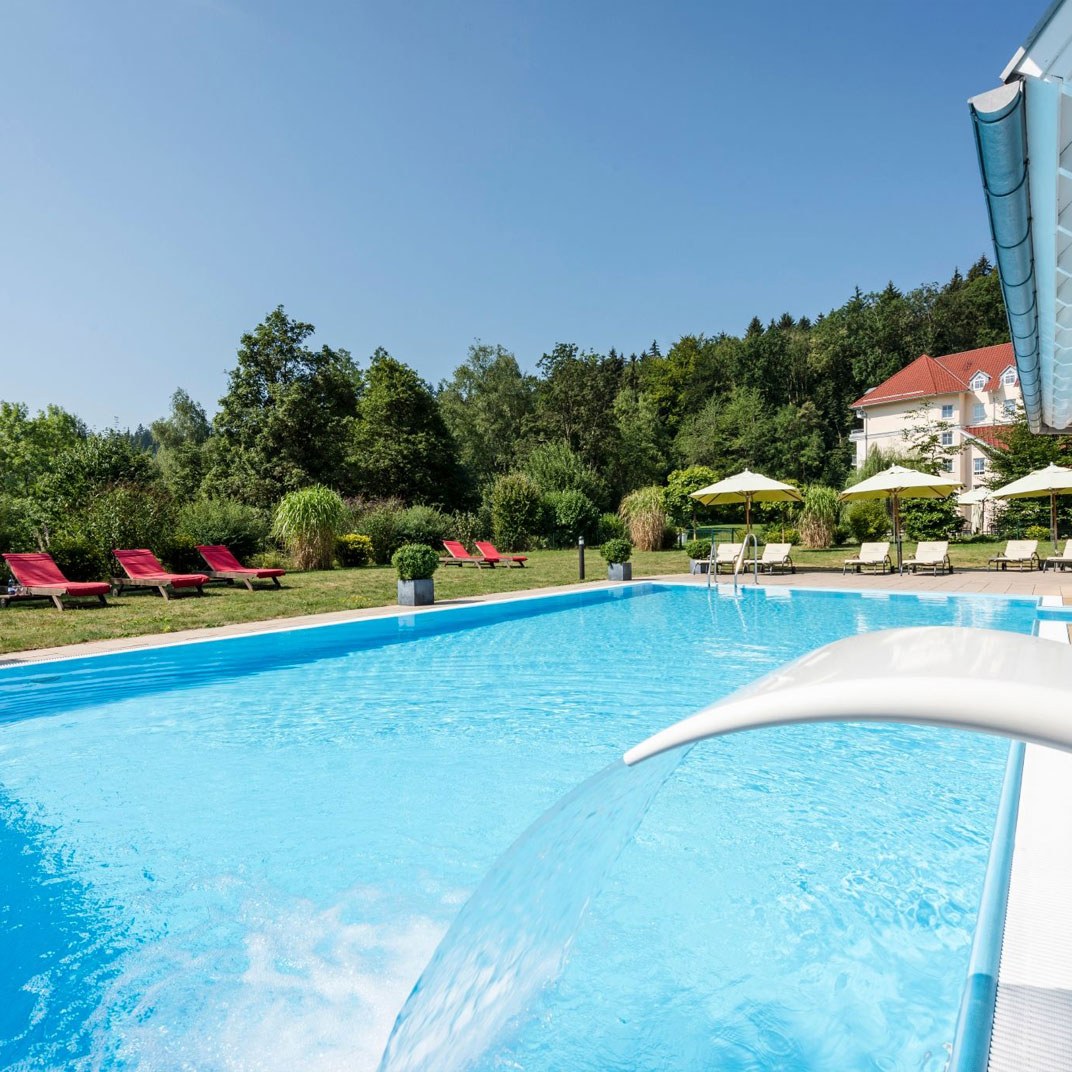
The waterfront setting at Friedrichsau adds a dimension that few Michelin tables in Baden-Württemberg can offer: natural light from the water, a sense of remove from the city centre, and a physical environment that earns its place in the experience rather than simply providing backdrop. That quality of setting, combined with the kitchen's credentials, places Seestern in the category of restaurants where the full experience , room, service, food, wine , justifies the price point rather than the kitchen alone.
For context on what the broader Ulm dining, drinking, and hospitality scene offers around a visit to Seestern, see our full Ulm restaurants guide, our full Ulm hotels guide, our full Ulm bars guide, our full Ulm wineries guide, and our full Ulm experiences guide.
Style and Standing
These are the closest comparables we have in our database for quick context.
| Venue | Cuisine | Awards | Notes |
|---|---|---|---|
| Seestern | Modern French | Michelin 1 Star | This venue |
| bi:braud | Contemporary | Michelin 1 Star | Contemporary, €€€ |
| Edda Brasserie | Seasonal Cuisine | Seasonal Cuisine, €€ | |
| Treibgut | Contemporary | Contemporary, €€ |
Continue exploring
More in Ulm
Restaurants in Ulm
Browse all →
At a Glance
- Elegant
- Cozy
- Intimate
- Sophisticated
- Date Night
- Special Occasion
- Waterfront
- Terrace
- Extensive Wine List
- Waterfront
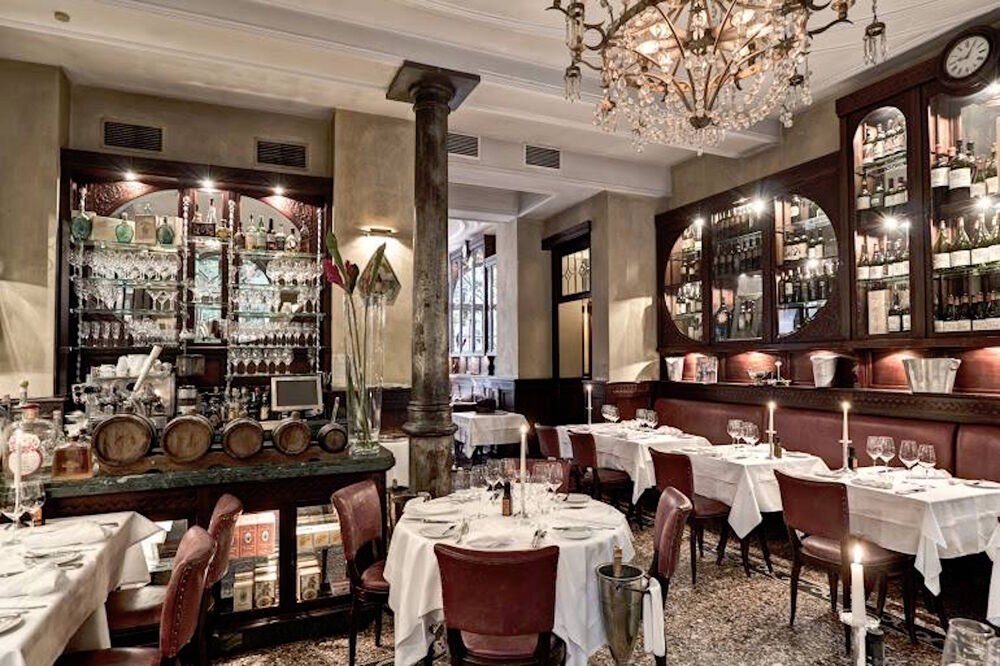
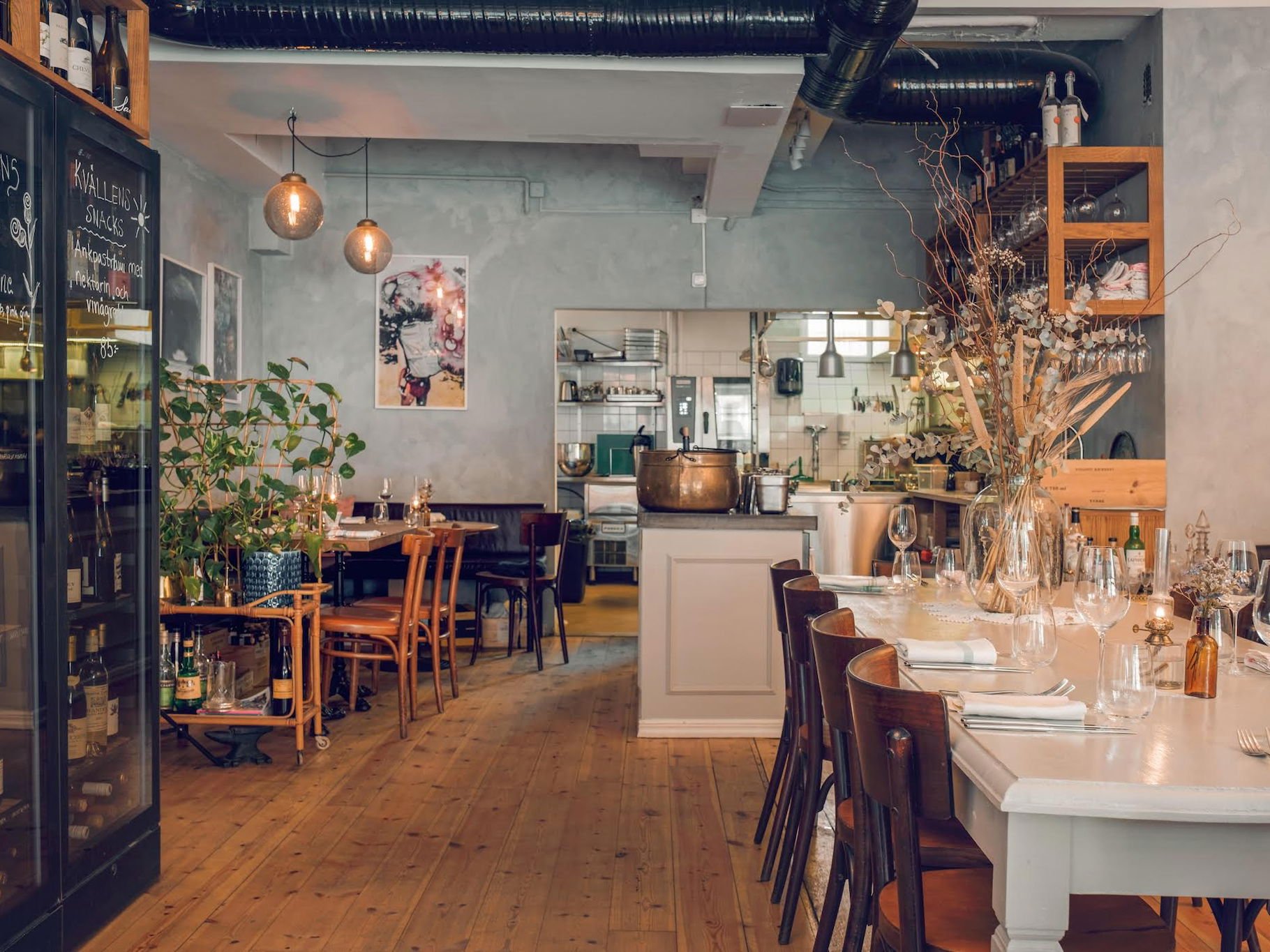
Warm wood interiors with maritime colors, high-quality furnishings, elegant Nordic design, cozy wood-burning stove in winter, and summer terrace with lounge and sandy beach.