
HOCHZWEI gives Langenau a serious classic-cuisine address with Hans Häge Jr. at the stove and Michelin recognition in both 2024 and 2025. The appeal is not novelty for its own sake, but the disciplined middle ground German dining often handles well: familiar structure, sharper execution, and a room suited to diners who want craft without ceremony taking over.
Pearl is the En Primeur Club membership app — saves, bookings, and concierge access live there. Same editors, same standards.
- Address
- Burghof 11, 89129 Langenau, Germany
- Phone
- +49 7345 96000
- Website
- gasthof-zum-bad.de
 Saves & bookings on Pearl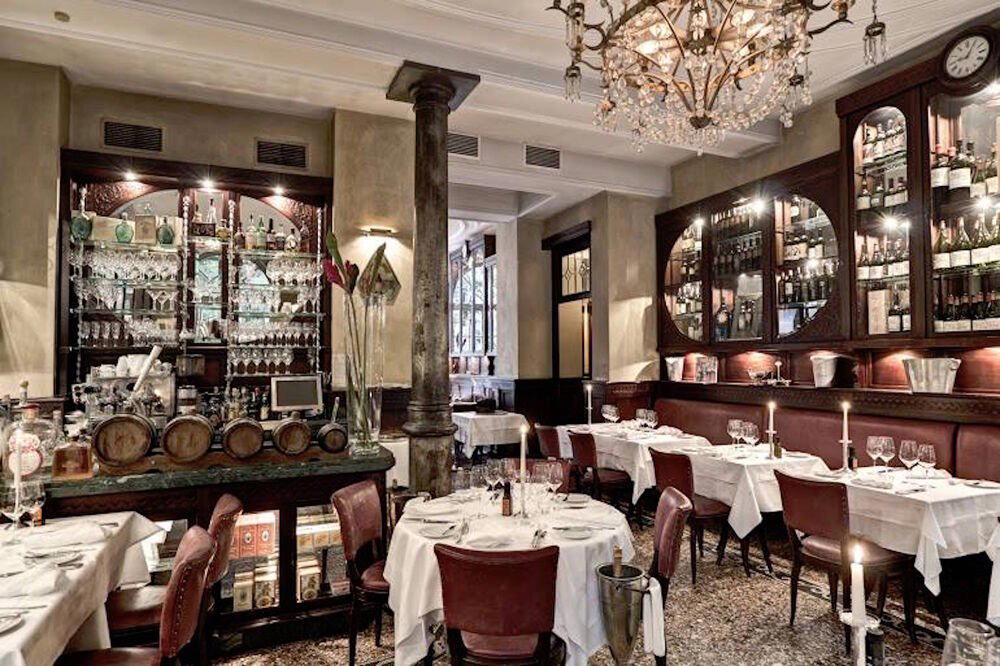
Approaching HOCHZWEI, the first impression is not metropolitan theatre but small-city German dining at a sharper register: Langenau, a quieter pace than nearby urban rooms, and a restaurant presented with more ambition than a simple stopover meal. In southern Germany, the strongest meals outside major cities often keep the bones of the inn tradition while tightening technique, service rhythm, and sense of place. HOCHZWEI belongs there: not spectacle, but a precise expression of regional seriousness.
The Michelin signal changes expectations. A Michelin Bib Gourmand in 2025 points to value discipline, while Michelin one-star recognition in 2024 and 2025 places the restaurant in a demanding bracket. The combination is notable. Bib Gourmand language rewards generosity and price-to-quality balance; one-star recognition rewards cooking with clarity and control enough to justify a detour. Together, they suggest not formality or grandeur, but craft judged above luxury theatre.
Michelin recognition, judged by precision rather than nostalgia
In Germany, familiar regional dining can mean comfort, seasonality, polished service, and a room that still feels connected to its local audience. At weaker addresses, the language can become safe branding. At stronger ones, it tests restraint: pacing needs confidence without stiffness, plates need structure without looking assembled for photography, and the meal must satisfy regulars while giving Michelin inspectors something measurable to recognise.
HOCHZWEI’s position in Langenau sharpens that balance. It cannot rely on capital-city density, international hotel traffic, or a destination-resort economy. It must serve a smaller local catchment while speaking to diners who know the difference between a polished regional restaurant and Michelin-level control. That demanding middle ground explains the award pattern’s weight. The restaurant is not merely a local address with attention; it competes where consistency is visible across repeat services.
The more useful story is the format’s implied evolution: a dining room sharpened enough for Michelin attention while staying outside the language of grand tasting-menu luxury. In German dining, that has become one of the past decade’s compelling regional stories. The old binary, traditional Gasthof or formal fine dining, has softened. Restaurants can keep familiar vocabulary and still meet exacting contemporary standards.
Compared with nearby peers such as Stubersheimer Hof, Gasthof Krone, Zum Goldenen Schäfli, Weinlaube, and Speisemeisterei Burgthalschenke, the distinction is category pressure rather than simple menu genre. Several share the same broad regional context, but HOCHZWEI’s Michelin recognition gives it a different burden: the meal must read as controlled from first course to last, not simply hospitable, generous, or locally liked. That separates a dependable regional table from one attracting diners who track Michelin movement across smaller German towns.
Langenau's dining appeal is compact, not provincial
Langenau does not overwhelm visitors with choice, which can help diners. In larger German dining centres, the high-end conversation often tilts toward tasting-menu architecture, luxury signals, or international reference points. In a smaller city, the room must make sense for locals and travellers, and the cooking must justify attention without abandoning recognisable pleasures. HOCHZWEI’s interest lies there: it gives Langenau a restaurant inside the broader German Michelin conversation while retaining local scale.
The Michelin profile is part of the analysis, not a footnote. In Germany, starred dining can quickly enter a more expensive register, especially when menus lengthen, wine pairings become central, and service teams expand. Michelin recognition alongside Bib Gourmand recognition changes the calculus for travellers using Langenau as a meal stop rather than a full weekend base. It also reframes the local comparison: less “how luxurious is it?” than “how much precision is delivered inside a familiar regional framework?”
For travellers mapping the wider area, HOCHZWEI pairs logically with a broader Langenau itinerary rather than a single-purpose restaurant chase. The city’s compact scale makes it easy to connect lunch or dinner with nearby stays, drinks, or cultural planning. EP Club’s broader city coverage sits here: Our full Langenau restaurants guide, Our full Langenau hotels guide, Our full Langenau bars guide, Our full Langenau wineries guide, and Our full Langenau experiences guide. The restaurant makes better sense as part of that compact regional circuit, not as an isolated trophy booking.
How it fits the wider German Michelin-recognised circuit
Germany’s regionally rooted restaurants are moving in two directions at once. Some lean into rustic continuity: familiar formats, generous hospitality, regular clientele. Others refine the same vocabulary until it can sit beside contemporary fine dining without becoming abstract. HOCHZWEI belongs to the second group. Its value is not radical reinvention, but the discipline of doing recognisable cooking under higher scrutiny.
That places it among other dining references in the wider region. A food-focused visitor comparing regional formats might look from Langenau toward other nearby dining rooms for contrast, or farther afield to restaurants that interpret familiar hospitality in different settings. For a broader Michelin-recognised lens, the useful comparison is category language rather than name-collecting: how much precision, comfort, and restraint can a restaurant deliver without turning the meal into pure ceremony?
The practical reading is simple: HOCHZWEI is strong for diners who want Michelin-recognised cooking without destination tasting-menu posture. The calendar matters because a Michelin-level meal in a smaller city rewards planning rather than assumption. That rhythm suits regional dining habits and encourages diners to treat the booking with care. For Langenau, the restaurant gives the city a serious culinary anchor; for travellers, it offers a measured reason to stop, eat well, and understand how contemporary German dining is being refined outside the country’s larger centres.
Fast Comparison
Comparable venues by cuisine and price in the same metro.
| Venue | Cuisine | Price | Awards | Notes |
|---|---|---|---|---|
| HOCHZWEIThis venue — the venue you are viewing | Modern German Fine Dining | $$$$ | Michelin 1 Star | |
| Nose & Belly | Modern Bavarian Fine Dining | $$$$ | Michelin 1 Star | Georgs-Kreuzviertel |
| Lamm Rosswag | Modern Creative German Cuisine | $$$$ | Michelin 1 Star | Roßwag |
| Laurentius | Modern Regional German Fine Dining | $$$$ | Michelin 1 Star | Marktplatz |
| Mittermeier | Modern German Fine Dining | $$$$ | Michelin 1 Star | Vorm Würzburger Tor |
| Laudensacks Gourmet Restaurant | Classic German Fine Dining | $$$$ | Michelin 1 Star | Kurhausstraße |
Continue exploring
More in Langenau
Restaurants in Langenau
Browse all →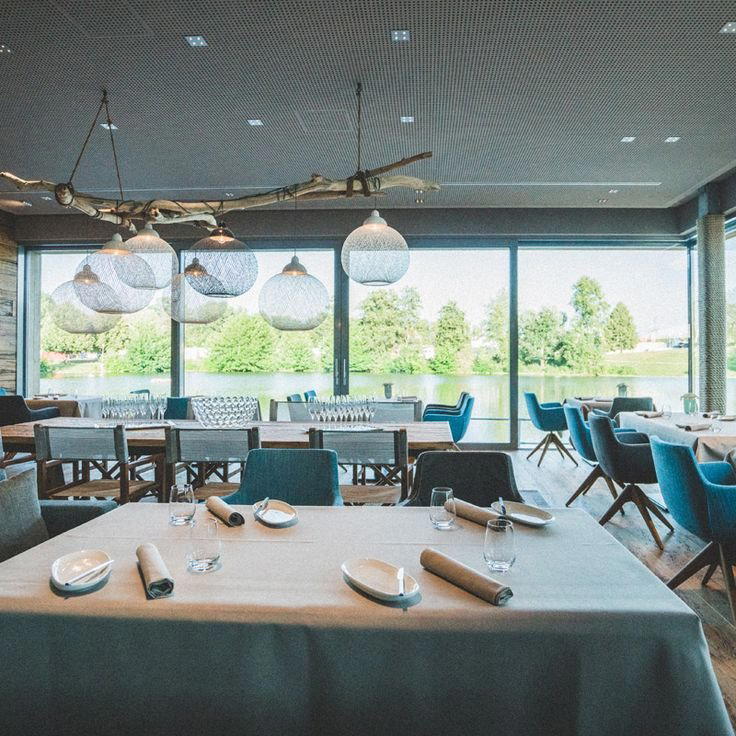
At a Glance
- Sophisticated
- Elegant
- Cozy
- Modern
- Classic
- Special Occasion
- Business Dinner
- Celebration
- Historic Building
- Hotel Restaurant
- Extensive Wine List
- Sommelier Led
- Local Sourcing
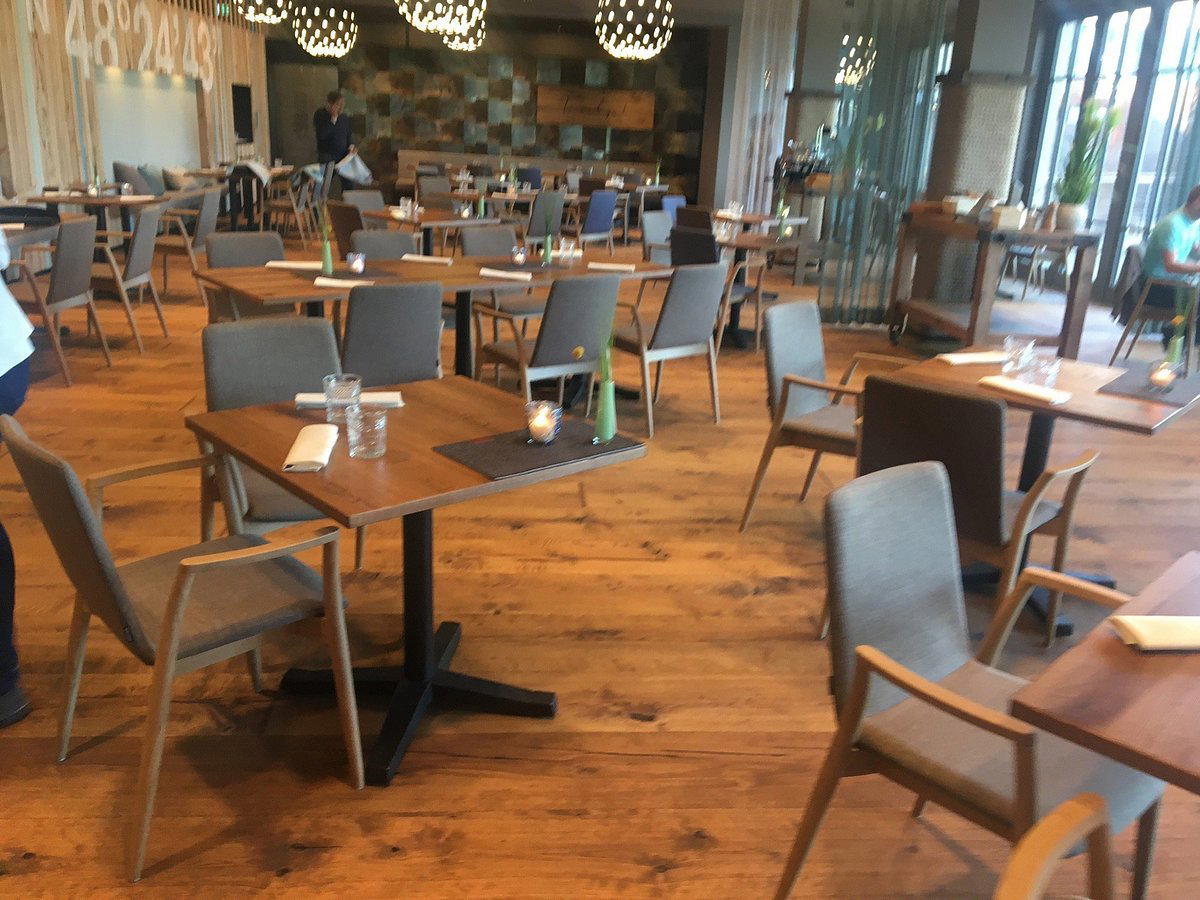
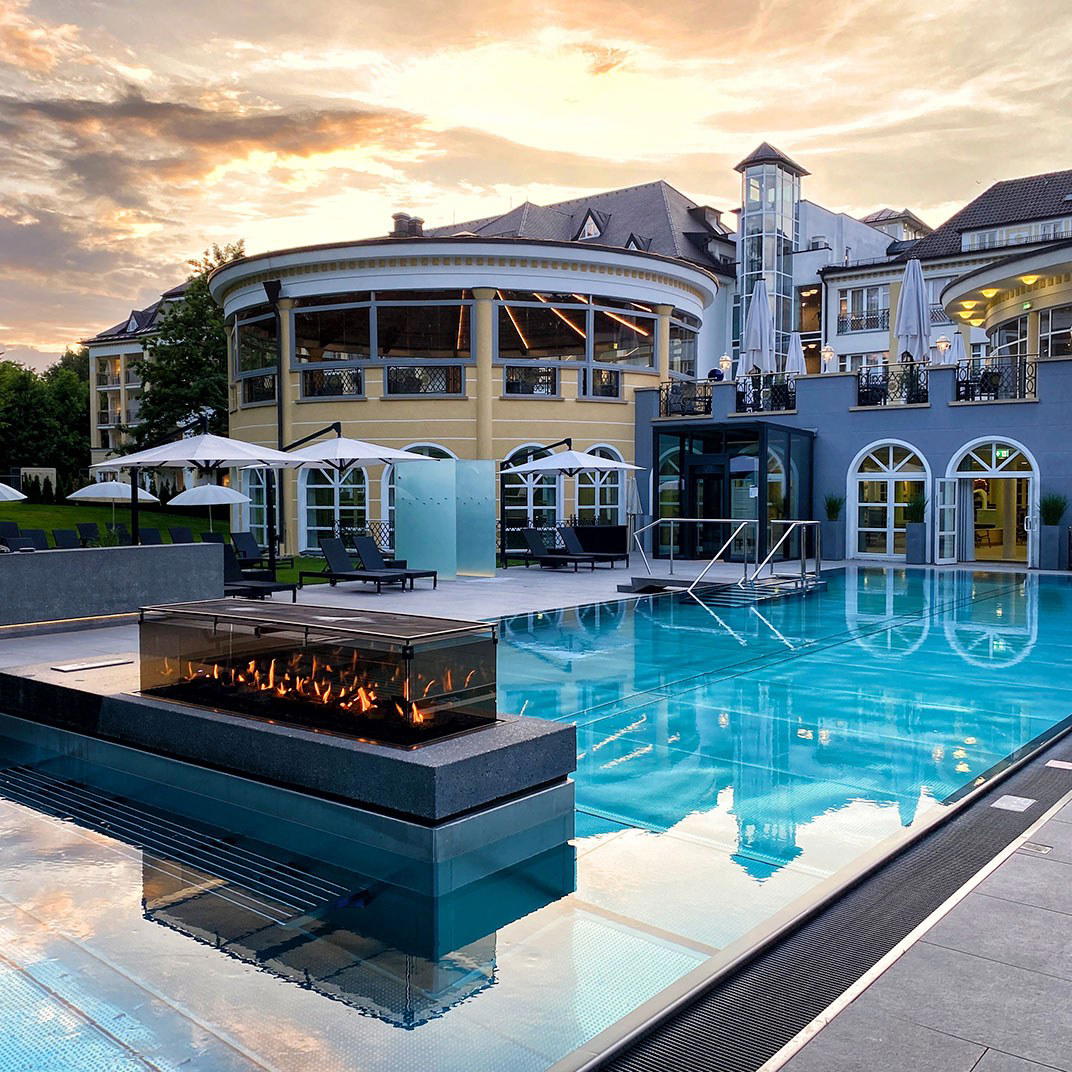
Sophisticated yet warm atmosphere with modern bare wood tables in a laid-back environment connected to historic heritage.