Eat Street Crossing
Our verdict
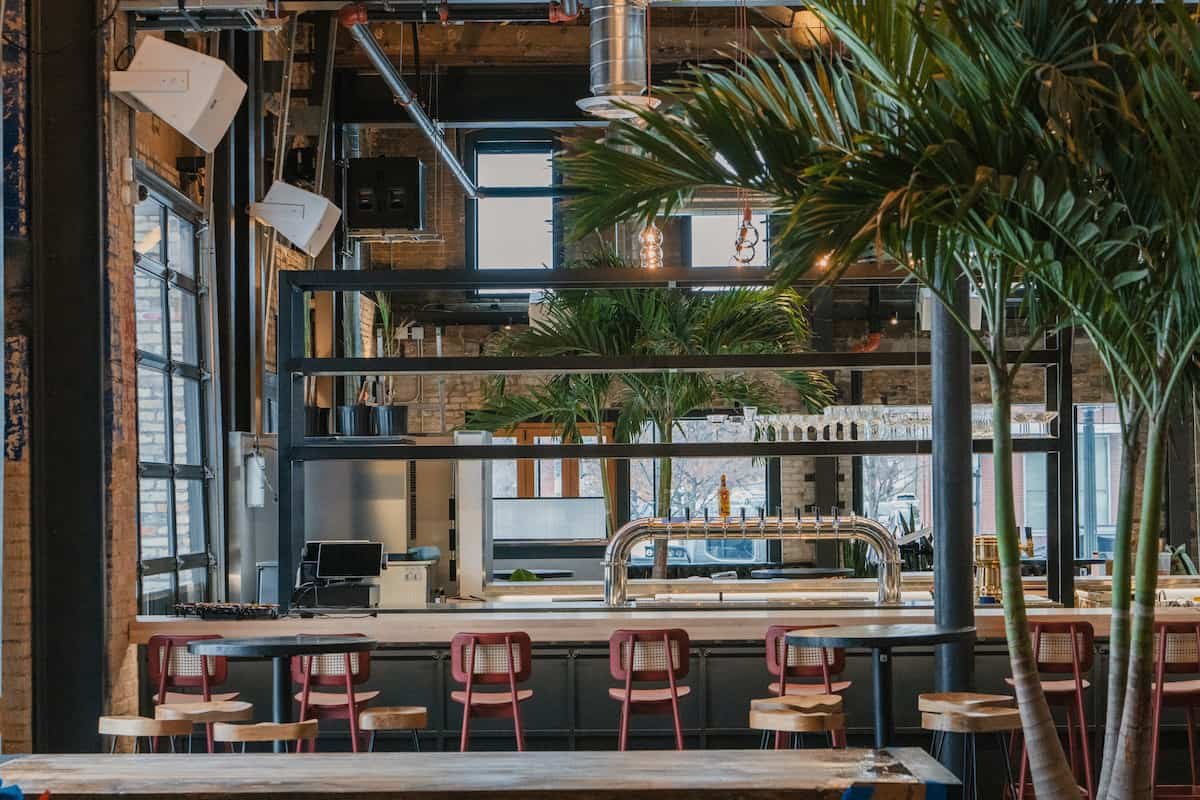
Eat Street Crossing anchors the south end of Minneapolis's Nicollet Avenue dining corridor, a stretch that has long served as the city's most concentrated run of independent restaurants. The address at 2819 Nicollet Ave places it within the heart of a neighbourhood where daytime counter culture and evening table service operate at distinctly different rhythms, making time-of-visit a genuine decision rather than a formality.

Pearl is the En Primeur Club membership app, where members save venues, book tables and use the concierge.
Nicollet Avenue and the Corridor It Built
Minneapolis has several dining corridors, but Nicollet Avenue between roughly 24th and 31st Streets has held a particular identity for decades. The stretch locals call Eat Street earned its nickname through sheer density: Vietnamese pho houses, Greek tavernas, Ethiopian injera spots, and American gastropubs occupying the same few blocks in a way that resists easy categorization. In most American cities, this kind of informal multicultural density gets tidied up or priced out over time. On Nicollet, it has persisted, and the result is a corridor where a single afternoon walk reveals genuinely different dining registers within a few storefronts. Eat Street Crossing at 2819 Nicollet Ave sits at the south end of this concentration, making it a logical anchor for anyone orienting around the neighbourhood rather than a single reservation.
For context on how Minneapolis dining compares to other cities in the region, see our full Minneapolis restaurants guide, which maps the city's distinct dining pockets and price tiers.
The Lunch and Dinner Divide on Eat Street
On Nicollet Avenue, the difference between a daytime visit and an evening one is not purely cosmetic. Lunch on this corridor tends to draw office workers from nearby Whittier and Lyndale businesses, solo diners, and regulars who treat the strip as a functional canteen rather than a destination. The mood is faster, the tables turn more quickly, and the value proposition sharpens: many spots along Eat Street price their midday menus at a register that reflects the neighbourhood's working character rather than the aspirational pricing that has crept into the North Loop and Lyn-Lake over the past decade.
Evening service shifts the dynamic. The demographic broadens to include destination diners crossing from other neighbourhoods, and the corridor's ambient energy changes as restaurant lighting dims and bar programs come online. For a venue at the south end of the strip like Eat Street Crossing, this split matters: daytime foot traffic on Nicollet is organic and neighbourhood-driven, while evening visitors are more likely to have made a deliberate choice to come here over the cocktail-bar clusters gathering around 112 Eatery or the gastropub format represented by All Saints Restaurant.
This lunch-versus-dinner divide also shapes how regulars structure their visits to Eat Street broadly. The corridor rewards familiarity: knowing which spots hold their kitchen quality through a Friday dinner rush, and which are better suited to a Tuesday lunch, is the kind of intelligence that separates a passing visitor from someone who actually knows the strip. Eat Street Crossing at 2819 Nicollet is positioned on a block where that intelligence applies directly.
Where Eat Street Fits in Minneapolis's Broader Bar and Restaurant Scene
Minneapolis has developed a more sophisticated bar culture over the past several years than its national reputation might suggest. The city's cocktail programs have grown in technical depth, and a handful of venues now operate at a level that invites comparison with bars in larger markets. That shift has been most visible in neighbourhoods like the North Loop and downtown, where venues like Able Seedhouse + Brewery and 5-8 Club represent different points on the spectrum from craft production to long-standing local institution.
Eat Street occupies a different position in that map. The corridor's identity has never been built around cocktail programs or chef-driven tasting menus. Its strength is informal density and cultural variety, which makes it a counterpoint to the more carefully planned neighbourhood dining experiences developing elsewhere in the city. Nationally, bar and restaurant programs that operate with serious technical ambition, such as Kumiko in Chicago, Jewel of the South in New Orleans, or Bar Leather Apron in Honolulu, define one end of the hospitality register. Eat Street defines something closer to the other: accessible, community-facing, and built on repeat visits rather than destination bookings. Both models have genuine value; they simply serve different reader decisions.
For travelers accustomed to hunting technically serious programs in other cities, venues like Julep in Houston, Superbueno in New York City, or ABV in San Francisco offer useful reference points for what the cocktail-forward end of a dining corridor can look like. Eat Street is not positioned at that end of the spectrum, and that is not a criticism. The neighbourhood's value is in the aggregate, not in any single venue operating at peak technical level.
Planning a Visit: What to Know Before You Go
Nicollet Avenue between Lake Street and 28th Street is accessible by bus along the 18 line, which runs frequently through the Whittier neighbourhood and connects to downtown Minneapolis. For visitors staying in the central city, the corridor is a reasonable distance by ride-share or a committed walk on warmer days. Minneapolis winters do affect foot traffic patterns on the strip, and the shoulder seasons of late spring and early fall tend to produce the most consistent street-level energy on Nicollet.
Given the density of options on the block, arriving without a fixed plan is a reasonable approach to the corridor, particularly at lunch. Evening visits to Eat Street Crossing specifically benefit from knowing what is open and at what hour, since kitchen and bar hours on this stretch vary by operator and day. For comparably community-anchored bar experiences with stronger program documentation, The Parlour in Frankfurt on the Main offers an instructive international reference point for how a neighbourhood anchor can carry both casual and serious drinking under one roof.
Frequently asked questions
How would you describe the overall feel of Eat Street Crossing?
Eat Street Crossing sits on Nicollet Avenue in the Whittier neighbourhood, a corridor that has sustained one of Minneapolis's most consistent multi-cuisine identities for decades. The feel here is neighbourhood-rooted rather than destination-focused: daytime draws differ from evening crowds, and the surrounding block mix of independent operators gives the area a working-city texture. It is less a single concept than a point of entry into what Nicollet Ave has built over time.
Where can I find Eat Street Crossing?
Eat Street Crossing is located at 2819 Nicollet Ave, Minneapolis, MN 55408, Minneapolis.
Is Eat Street Crossing a good option for exploring Minneapolis's multicultural dining corridor?
Nicollet Avenue between Lake Street and 28th Street, where Eat Street Crossing sits at 2819 Nicollet Ave, has long functioned as one of Minneapolis's most ethnically varied dining stretches, with independent operators across multiple culinary traditions running in close proximity. The corridor is accessible via the 18 bus line through Whittier, making it practical for visitors without a car. Eat Street Crossing places you at a functional midpoint in that stretch.
Cuisine Lens
Comparable venues nearby, for context on price, style, and recognition.
| Venue | Cuisine | Price | Awards | Notes |
|---|---|---|---|---|
| Eat Street CrossingThis venue (the venue you are viewing) | Dining | $20–30 | Not listed | Not listed |
| Esther's Table | Modern American Gastropub | Not listed | Not listed | Loring Park |
| TRUCE - Uptown | Organic Fresh-Pressed Juice Bar | Not listed | Not listed | ECCO |
| Gandhi Mahal Restaurant | Authentic Indian & Bangladeshi | $10–20 | Diners, Drive-Ins and Dives Featured Restaurant | Seward |
| Hen House Eatery | All-Day Breakfast with Local Farm Ingredients | $20–30 | Not listed | WeDo |
| Tilia | Mediterranean and New American | $30–50 | Not listed | Linden Hills |
Continue exploring
More in Minneapolis
Restaurants in Minneapolis
All restaurants in Minneapolis →
Bars in Minneapolis
All bars in Minneapolis →


Details
- Lively
- Trendy
- Energetic
- Whimsical
- Group Outing
- Casual Hangout
- After Work
- Standalone
Current opening hours
- Monday
- 11:30 AM–9 PM
- Tuesday
- 11:30 AM–9 PM
- Wednesday
- 11:30 AM–9 PM
- Thursday
- 11:30 AM–9 PM
- Friday
- 11:30 AM–10 PM
- Saturday
- 11:30 AM–10 PM
- Sunday
- 11:30 AM–9 PM
Hours can change for holidays and private events. Hours as of .
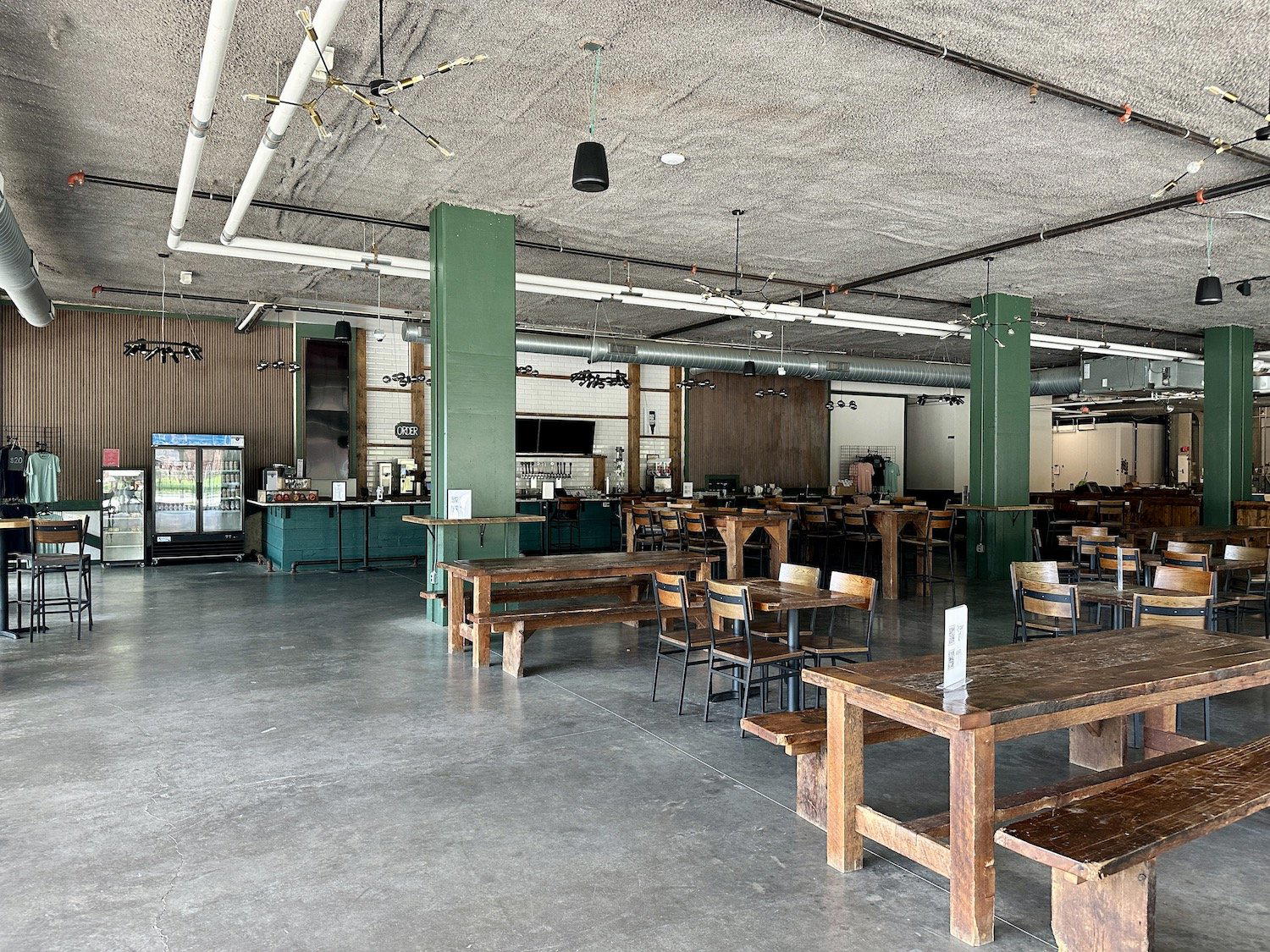
Communal and lively atmosphere with varied seating vibes in different rooms, fostering a fun and flavorful gathering space.