East Pole Coffee Co.
East Pole Coffee Co. on Ottley Drive sits inside Atlanta's specialty coffee tier, where roasting transparency and sourcing precision have replaced the generic café model. The address puts it in a light-industrial corridor that has become a reliable indicator of serious coffee operations in mid-size American cities. For Atlanta drinkers who treat the cup as a product of terroir rather than convenience, it occupies a specific position worth knowing.
 Discover on Pearl
Pearl is the En Primeur Club membership app — saves, bookings, and concierge access live there. Same editors, same standards.
- Address
- 255 Ottley Dr NE #105, Atlanta, GA 30324
- Phone
- +14049396498
- Website
- eastpole.coffee
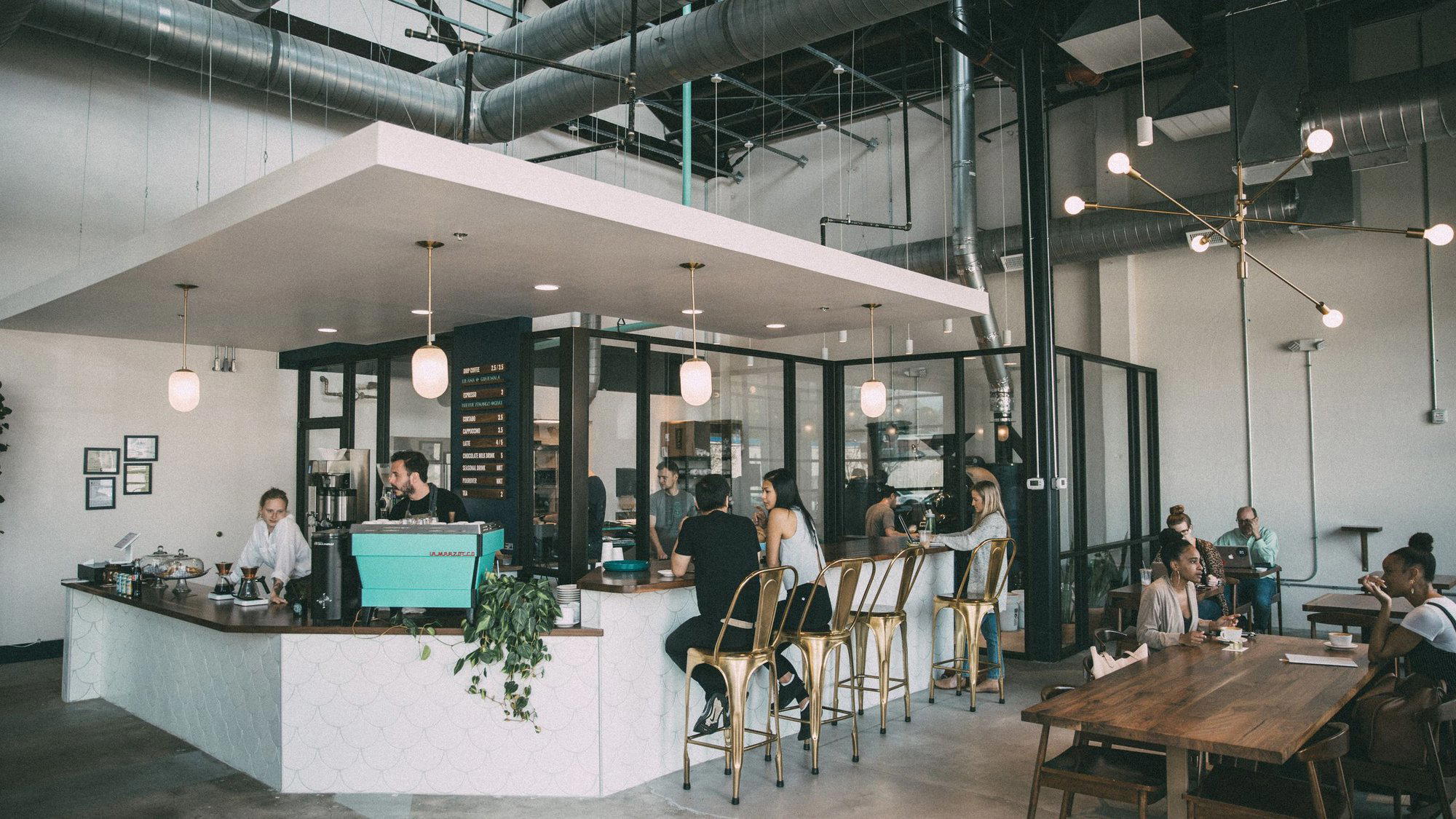
The Corner of Craft and Convenience in Atlanta's Coffee Scene
Atlanta's specialty coffee market has matured considerably over the past decade, splitting into two recognizable camps: the hospitality-led café that treats the drink as a secondary feature to atmosphere, and the roaster-forward operation that treats sourcing, processing, and extraction as the primary editorial statement. East Pole Coffee Co., operating from a unit on Ottley Drive NE in the 30324 zip code, belongs to the second category. The Ottley Drive address is not incidental.
That context matters when you arrive. The scent of roasting and the hum of equipment signal a working roastery that serves visitors rather than a café that happens to roast. In Atlanta's coffee geography, that distinction separates East Pole from the mid-range chains and even from some of the design-forward independents that prioritize aesthetic over process.
Where Atlanta Drinks Seriously
To understand East Pole's position, it helps to map the broader scene. Atlanta's dining and drinking culture has been building a credible fine-dining and specialty food infrastructure for the better part of two decades. Restaurants like Bacchanalia and Atlas anchored the case that the city could sustain serious, nationally relevant food operations. More recently, Hayakawa and Mujō have extended that credibility into Japanese fine dining, while Lazy Betty holds the contemporary tasting menu tier. The specialty coffee scene follows a parallel track: as fine dining raises consumer expectations for sourcing transparency and product specificity, coffee drinkers in the same city begin applying the same scrutiny to their cup.
This is not unique to Atlanta. Across American cities with active food cultures, the roaster-retailer model has become the format of choice for operators who want to control quality from green bean to final extraction. You see the same pattern at operations associated with cities like San Francisco, where venues like Lazy Bear demonstrate how artisan food culture concentrates. In New York, the level of product specificity expected by diners at Le Bernardin and Atomix filters into expectations across the broader food and beverage market. The same dynamic applies in Chicago, where Smyth operates, and in farm-to-table-forward contexts like Blue Hill at Stone Barns in Tarrytown or Single Thread Farm in Healdsburg. Specialty coffee benefits from this culture of specificity wherever it takes root.
The Sourcing Argument as the Wine List
The editorial angle that applies to wine-forward restaurants, the idea that a cellar tells you almost everything you need to know about a kitchen's philosophy, translates directly to specialty coffee roasters. Where a sommelier-driven program at a restaurant like The French Laundry or Providence signals curatorial discipline through producer relationships and allocation access, a roaster's green coffee sourcing tells the same story. Which farms, which processing methods, which harvest years, and how transparently that information is communicated to the end drinker: these are the equivalent of reading a wine list for signals about a kitchen's seriousness.
Roaster-retailers operating in this tier typically work directly with farms or through importers with farm-level traceability. The resulting offer is not simply coffee by origin country but coffee traceable to specific lots, often with processing notes that parallel the language of natural or biodynamic wine production. A naturally processed Ethiopian lot carries the same conversation-starting weight as an allocation Burgundy at a restaurant where the sommelier has the context to explain it. For drinkers who want that level of engagement with their beverage, the roaster-retailer format is the only format that consistently delivers it. This is what separates an Ottley Drive operation from a chain outpost in a hotel lobby, the same distinction that separates a tasting menu at Addison in San Diego or The Inn at Little Washington from a well-executed prix-fixe at a competent neighborhood restaurant.
European fine dining has long understood that the beverage program is a parallel expression of the kitchen's values. At Atelier Moessmer Norbert Niederkofler in Brunico, sourcing specificity extends across every element of the meal. Specialty coffee at its most rigorous makes the same argument: the drink is the product of decisions made at origin, during processing, during roasting, and during extraction. Each decision is traceable. That traceability is the offer.
Atlanta's Roaster Tier in Context
Within Atlanta's specialty coffee market, the Ottley Drive address places East Pole in a comparable set defined by roasting as the primary activity rather than retail as the primary revenue model. This cohort is smaller than the general café market and operates with different economics: wholesale relationships with restaurants, offices, and hotels often provide the revenue base that allows retail pricing to remain accessible and the sourcing to remain ambitious. It is a model that has proven durable in cities with active hospitality industries, and Atlanta's growing restaurant scene provides exactly the kind of wholesale demand that sustains it.
The comparison venues worth holding in mind when assessing East Pole's position are not other cafés but the restaurants that shape Atlanta's broader expectations for beverage quality. When Bacchanalia invests in a serious wine program, it signals to the market that sourcing depth is valued. When Emeril's in New Orleans or independently minded operators in comparable cities commit to producer relationships, coffee roasters in those cities benefit from a consumer base already trained to ask provenance questions. East Pole operates in that environment.
Know Before You Go
| Address | 255 Ottley Dr NE #105, Atlanta, GA 30324 |
|---|---|
| Phone | Not available |
| Website | Not available, search East Pole Coffee Co. for current details |
| Hours | Mon: 7 AM-6 PM; Tue: 7 AM-6 PM; Wed: 7 AM-6 PM; Thu: 7 AM-6 PM; Fri: 7 AM-6 PM; Sat: 8 AM-6 PM; Sun: 8 AM-6 PM |
| Price range | About $10 per person |
| Booking | Walk-in friendly |
Cuisine Context
Comparable venues nearby, for context on price, style, and recognition.
| Venue | Cuisine | Price | Awards | Notes |
|---|---|---|---|---|
| East Pole Coffee Co.This venue — the venue you are viewing | Specialty Coffee & Cafe | $$ | , | |
| Tap : A Gastropub | Modern Gastropub | $$ | , | Midtown |
| Paschal's Restaurant | Southern Soul Food | $$ | , | Castleberry Hill |
| TWO urban licks | Fiery American Wood-Fired Rotisserie | $$ | , | Poncey-Highland |
| Sweet Georgia's Juke Joint | Southern Soul Food | $$ | , | Downtown |
| Bantam + Biddy | Modern Southern Rotisserie Chicken | $$ | , | Ansley Park |
At a Glance
- Cozy
- Modern
- Casual Hangout
- Brunch
- Standalone
- Craft Cocktails
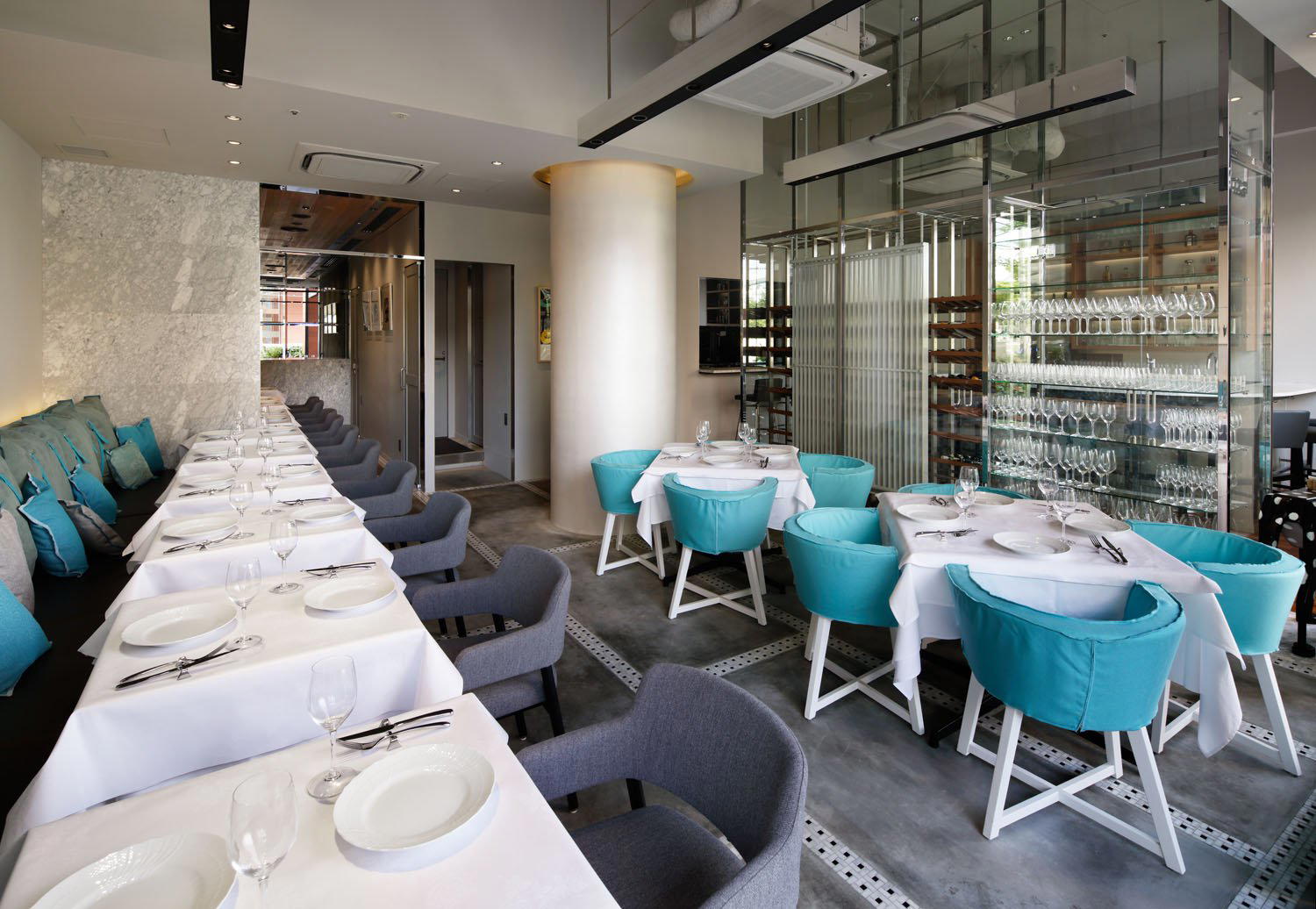
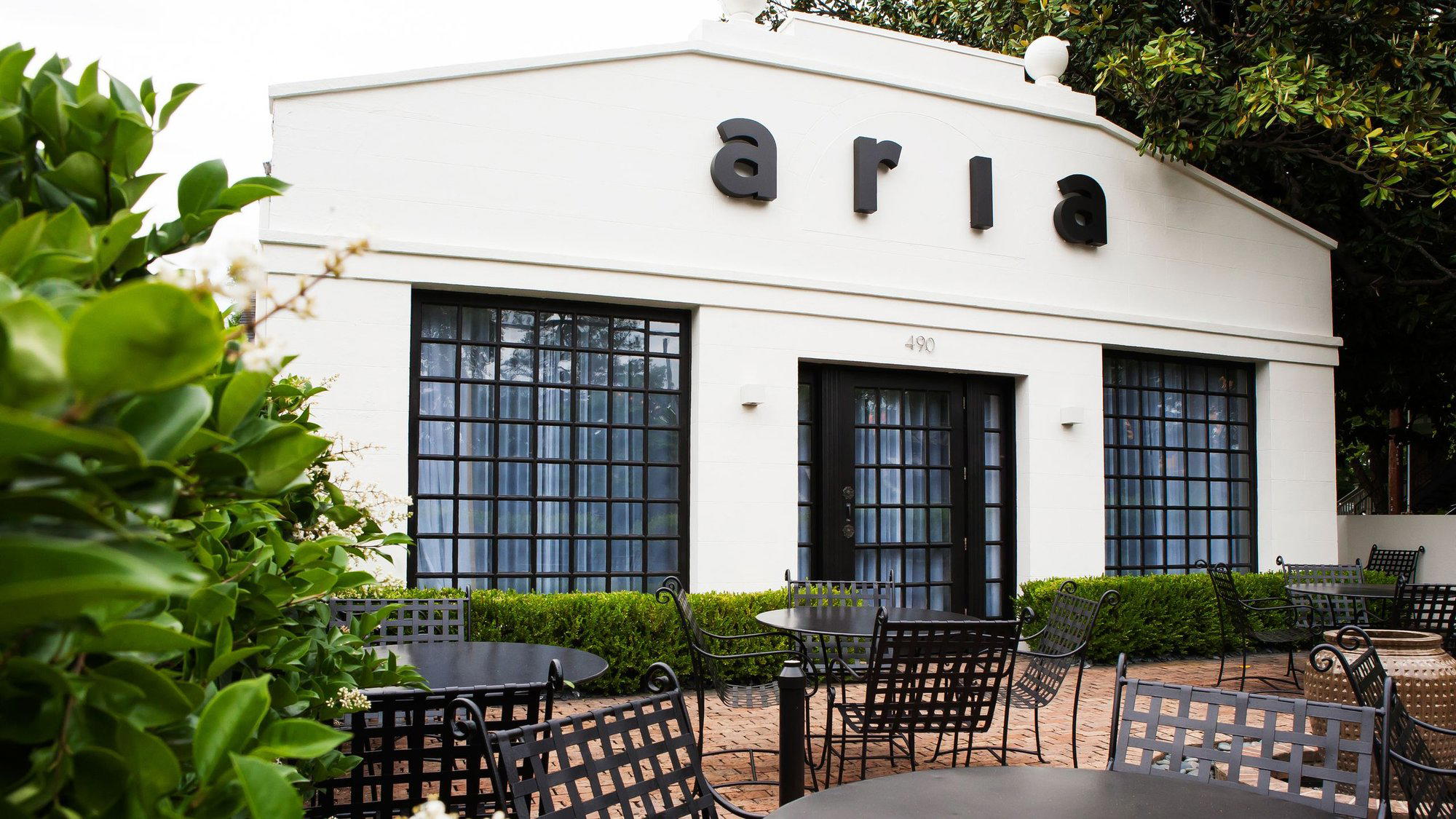
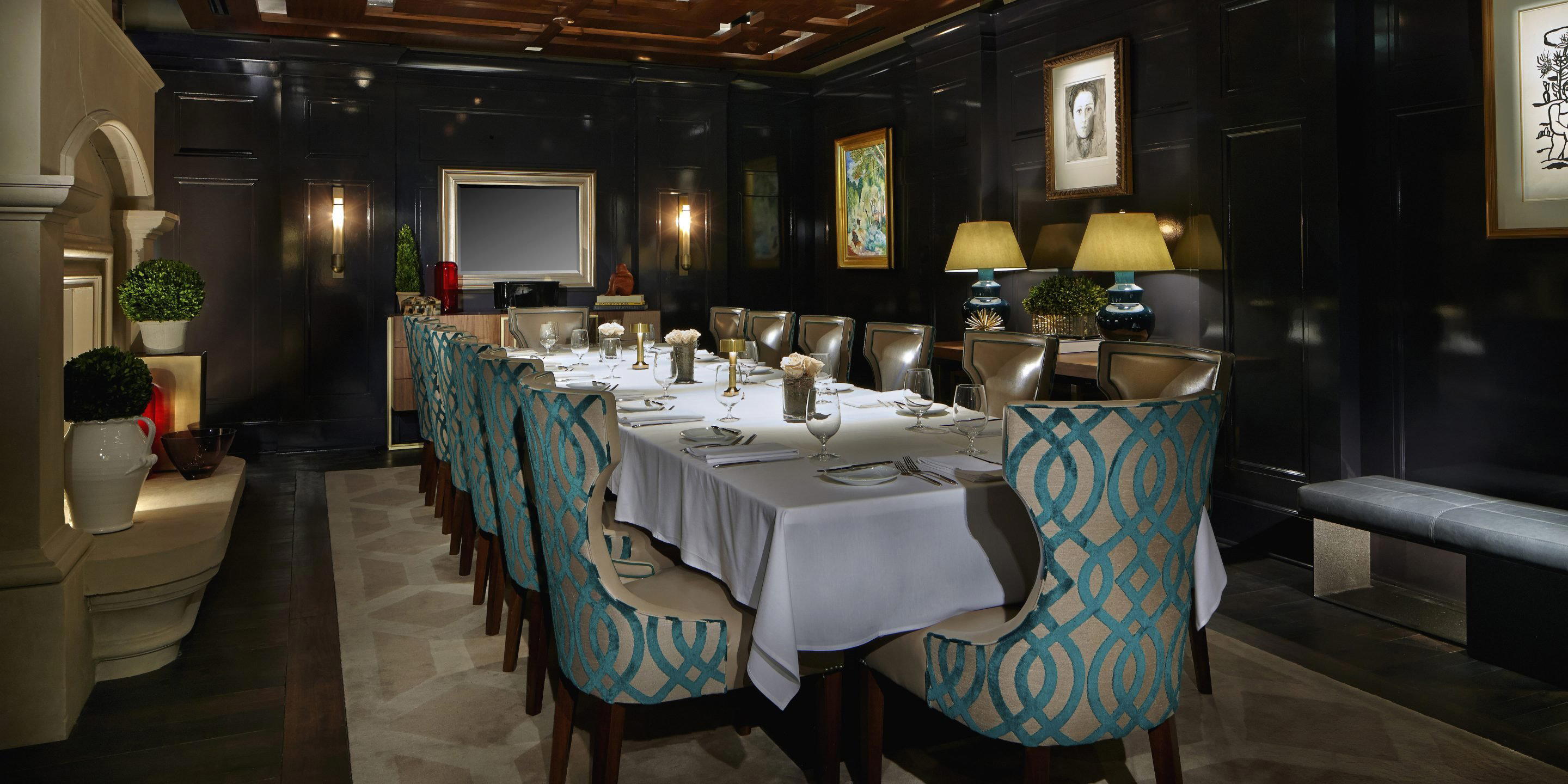
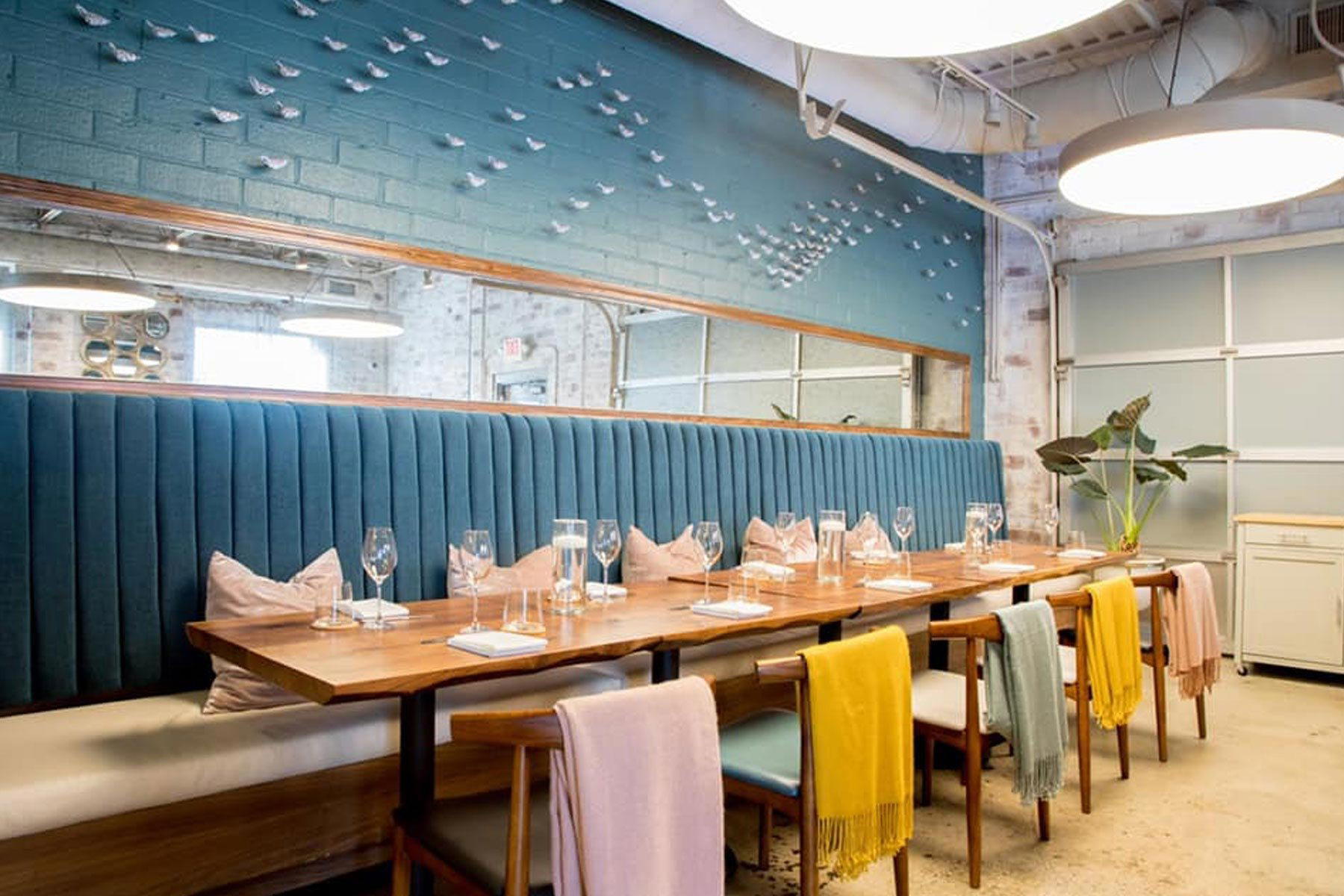
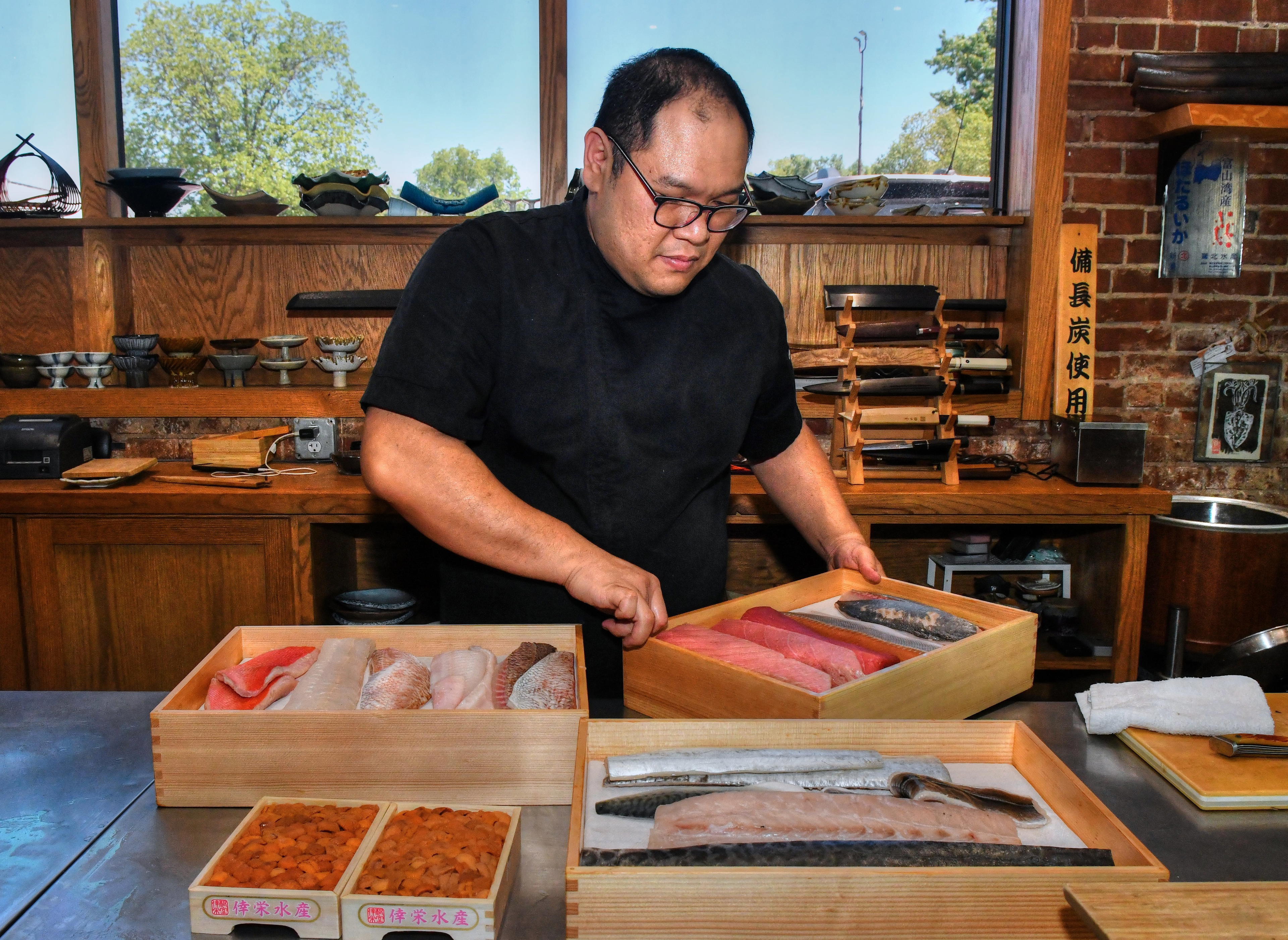
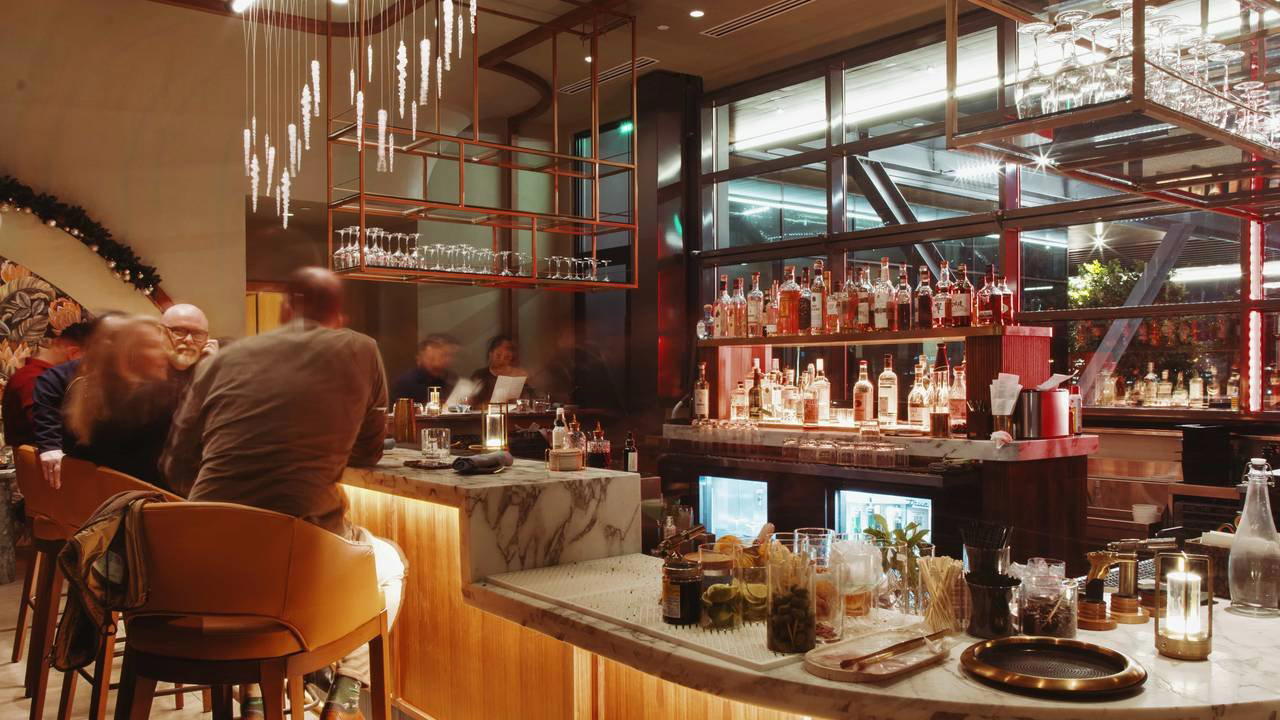
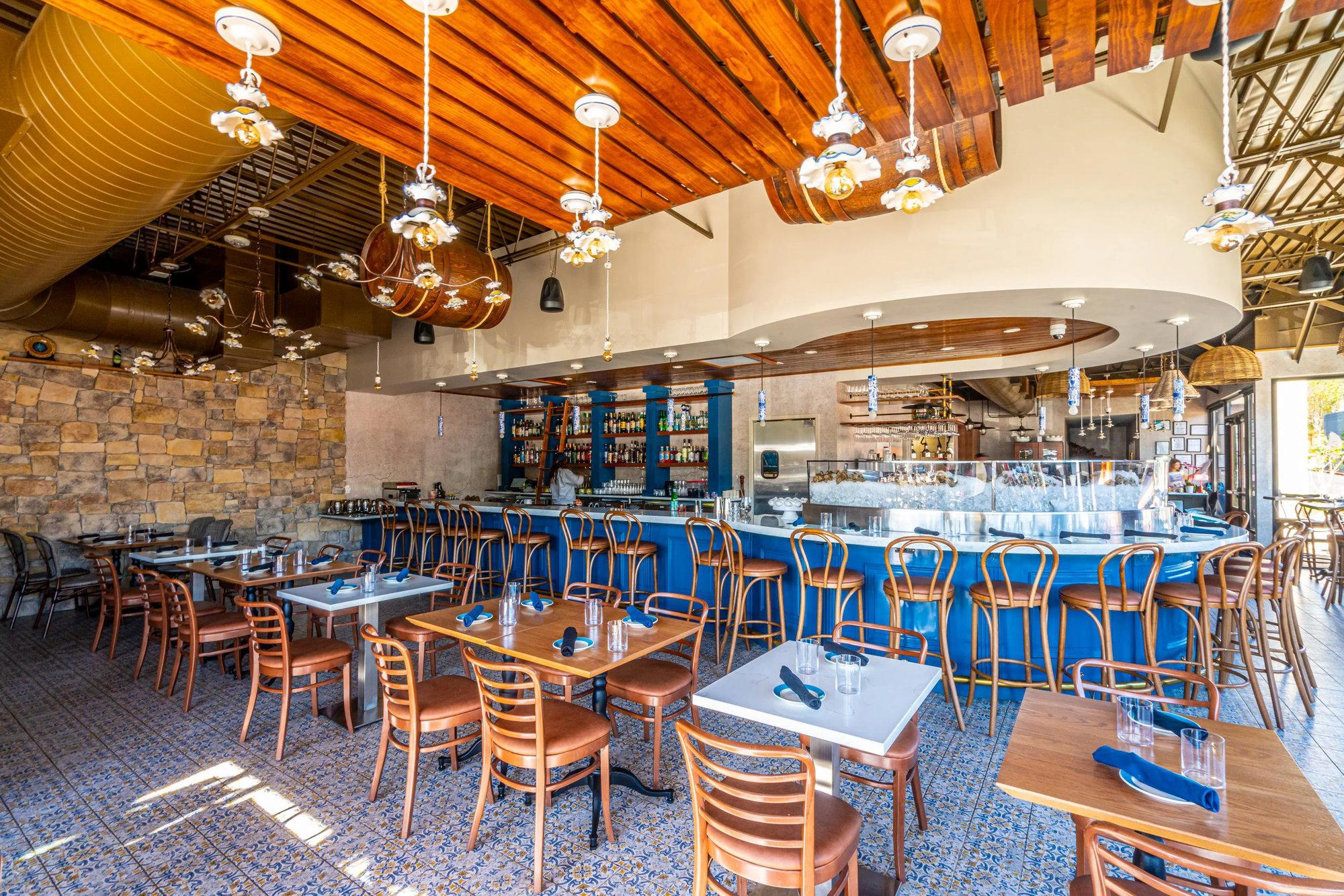
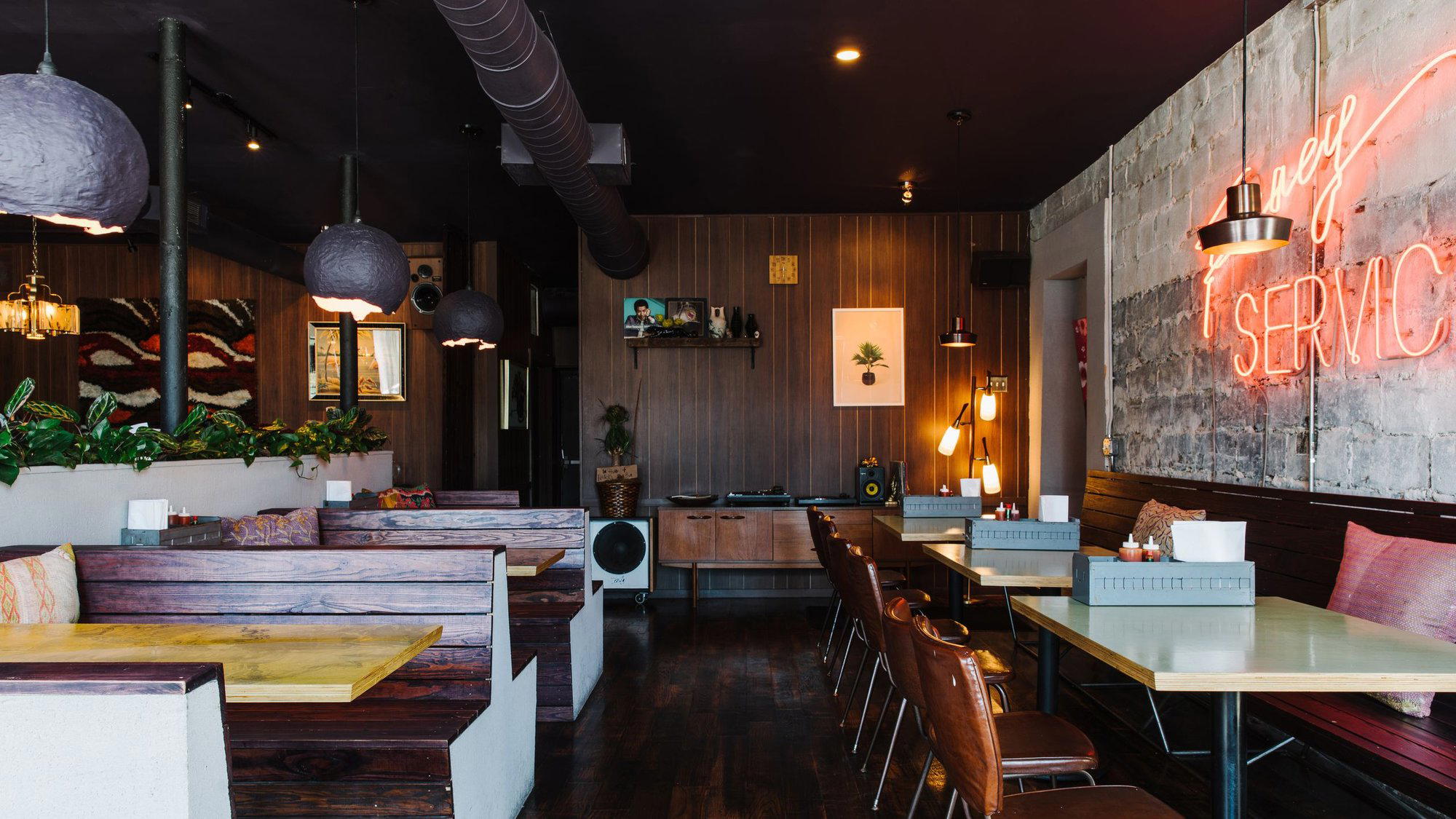
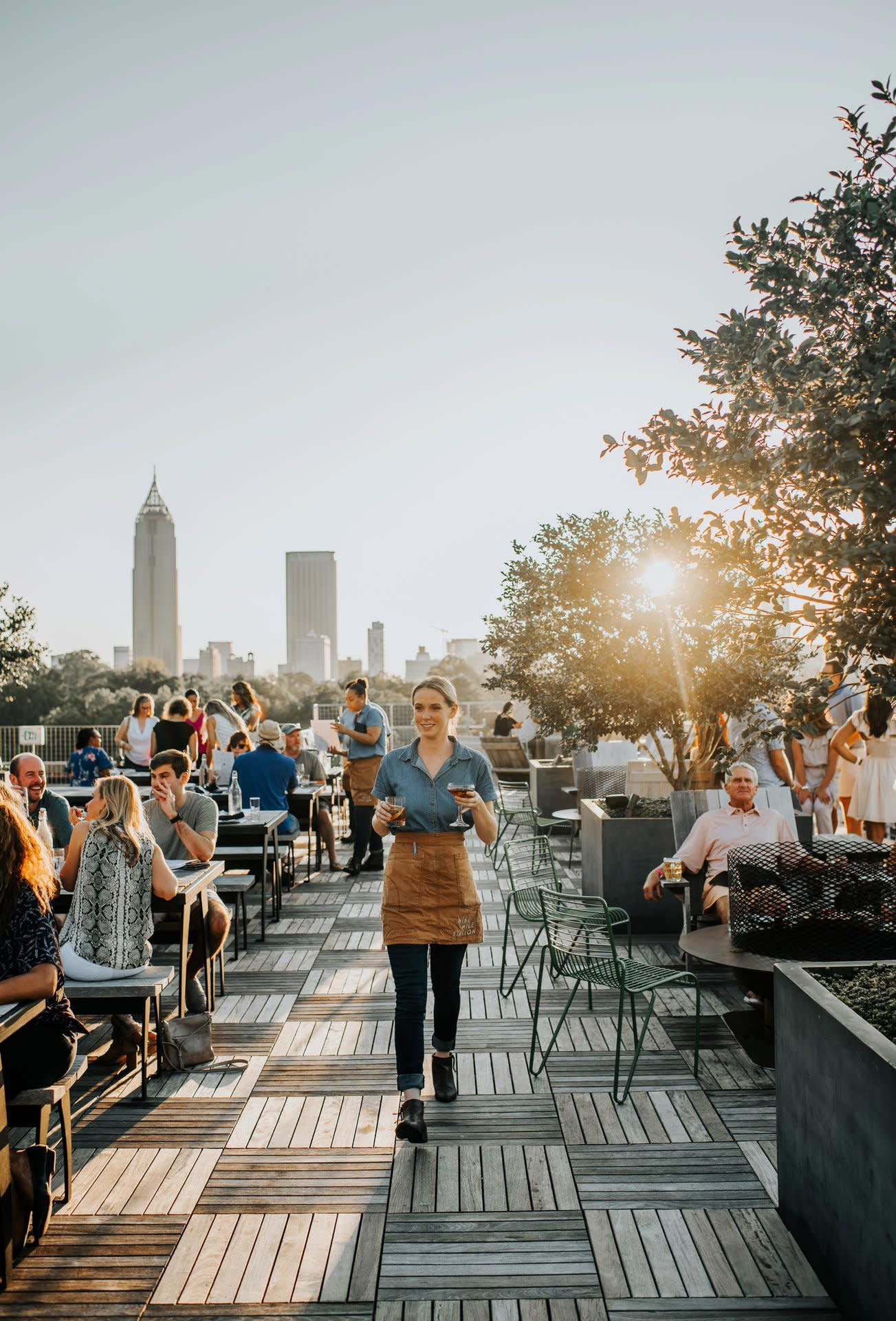
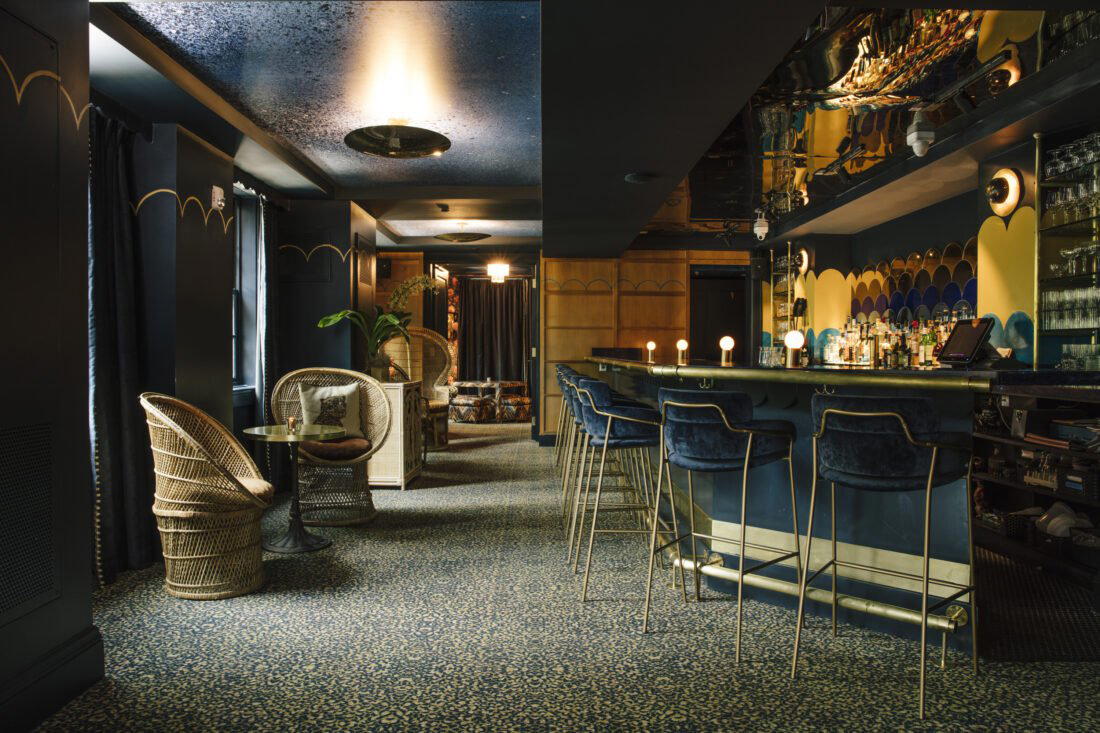
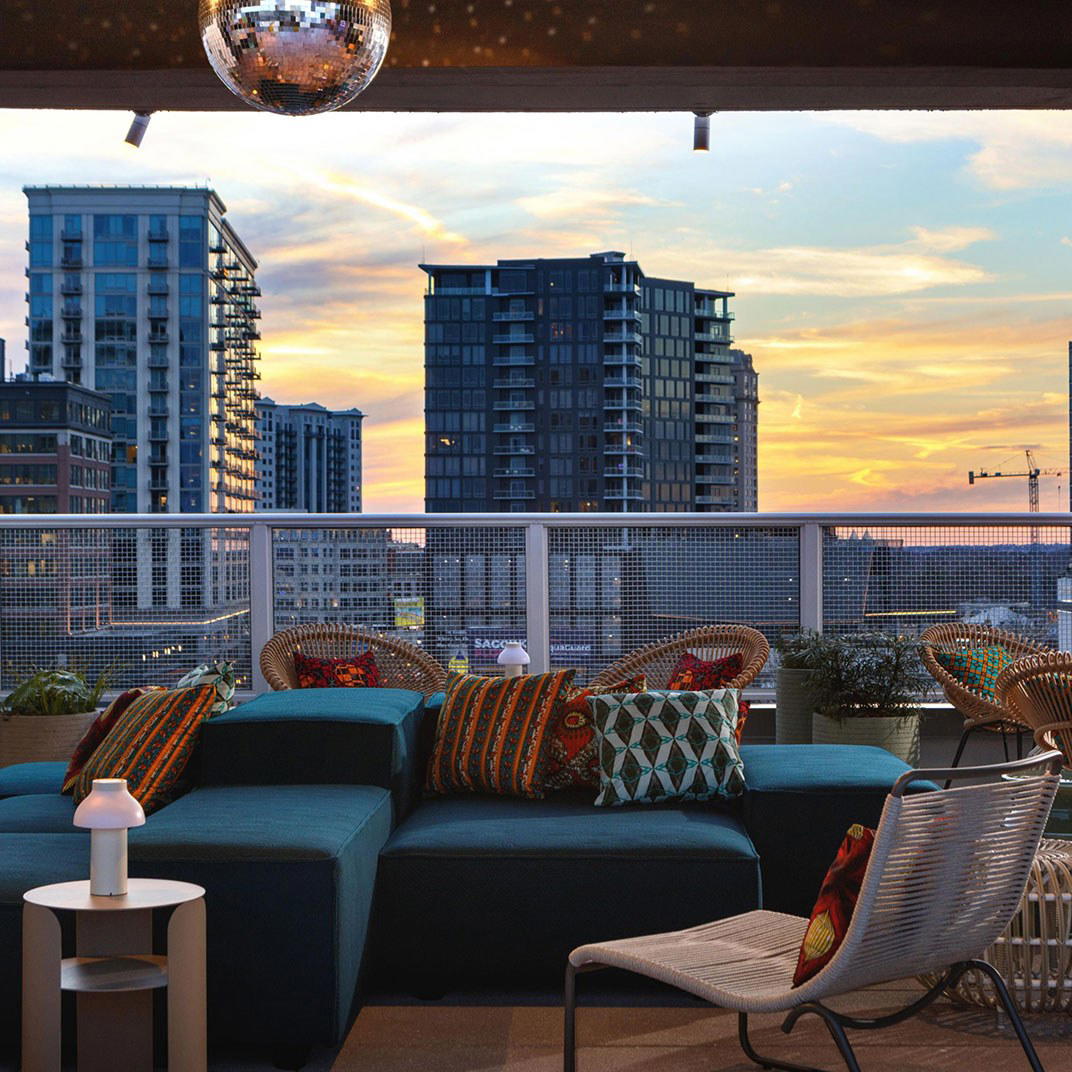
Cozy and welcoming neighborhood cafe atmosphere with focus on quality coffee.