On a quiet stretch of Liaoning Street in Taipei's Zhongshan District, 四鄉五島馬祖麵店 carries the noodle traditions of the Matsu Islands into the city's everyday dining fabric. The restaurant draws on the archipelago's distinct culinary lineage, where Fujianese techniques and island-specific ingredients have evolved apart from mainland Taiwan's dominant food culture. For those tracking regional specificity in Taipei's noodle scene, this address is a concrete reference point.
Pearl is the En Primeur Club membership app — saves, bookings, and concierge access live there. Same editors, same standards.
- Address
- 遼寧街7號 (八德路), 台北市, 104
- Directions
- Get directions
 Saves & bookings on Pearl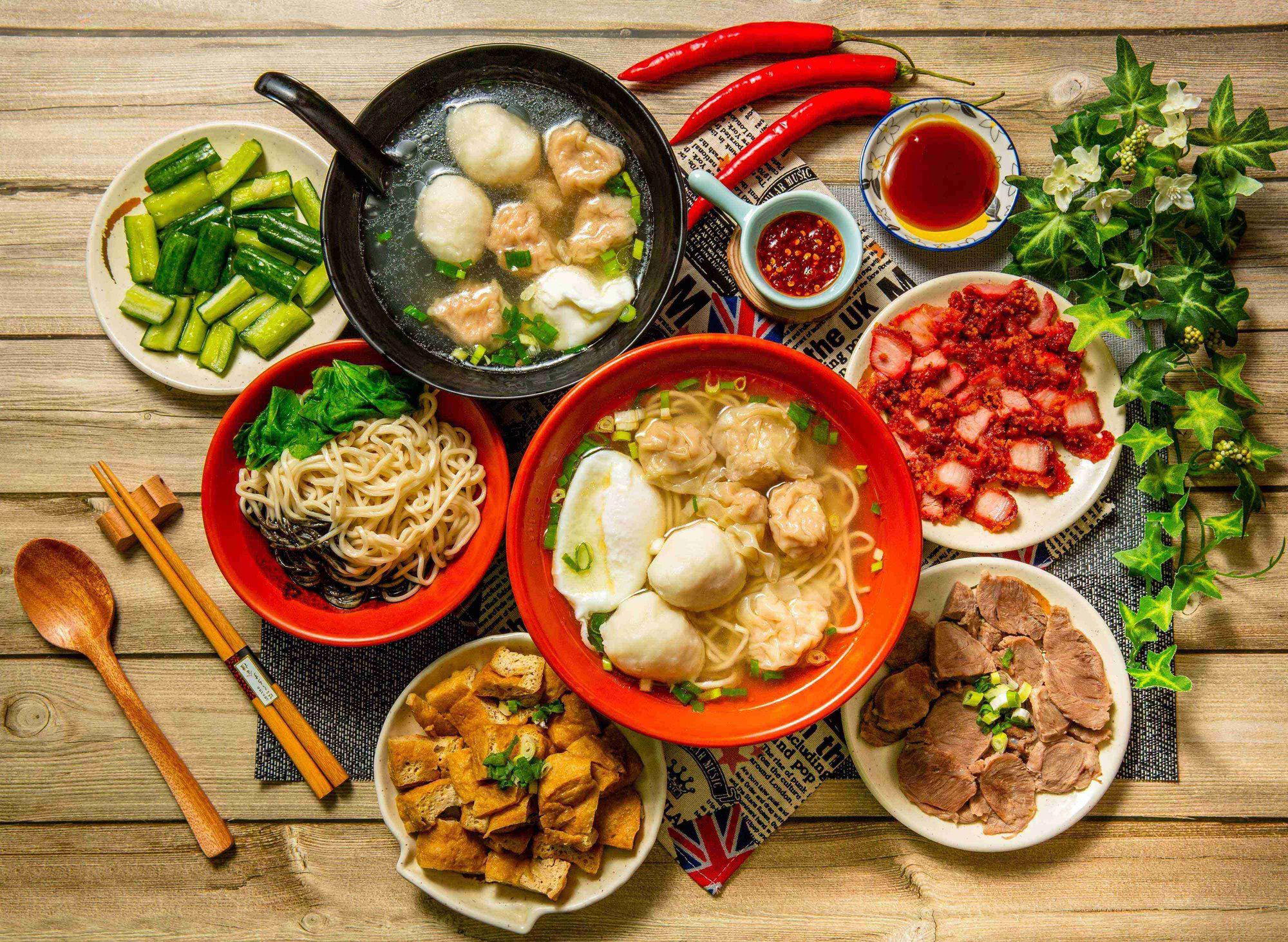
When a Bowl of Noodles Carries an Archipelago's History
There is a particular kind of restaurant that does not announce itself. On Liaoning Street, a short walk from the grid of Zhongshan's quieter residential blocks, 四鄉五島馬祖麵店 occupies the kind of address where the signage does more work than any décor: the name itself is a geographical statement. 四鄉五島 refers to the four townships and five island clusters that make up the Matsu archipelago, a chain of islands administered by Taiwan but sitting just off the Fujian coast of mainland China. That specificity, built into the restaurant's name rather than its marketing, tells you the food is not performing regionalism for an audience, it is the product of it.
Taipei's noodle culture covers considerable ground. The city has built a reputation around beef noodle soup, oyster vermicelli, and the broader canon of Taiwanese street food. But Matsu cuisine sits at a remove from those familiar reference points. The archipelago's cooking traces its DNA to southern Fujianese tradition, shaped over generations by fishing communities with access to specific coastal ingredients and the isolation that produces genuinely distinct local repertoires. When that tradition migrates to Taipei, as it has here on Liaoning Street, it introduces a set of flavours and preparations that Taipei diners do not encounter at most other counters.
What Matsu Food Actually Means on the Plate
Matsu's culinary identity is built around the sea in ways that differ from Taiwan's own coastal traditions. The archipelago's fishing heritage produces preparations centred on fish paste, dried seafood, and fermentation techniques particular to the Fujianese littoral. Noodle dishes from this tradition tend to carry the weight of those preserved and fermented elements, layered against broths that reflect the long-simmering habits of communities that historically had to work with what could be preserved across seasons. This is not the clean, cattle-forward register of Taipei's celebrated beef noodle houses, nor the light broth aesthetic of Shanghainese noodle shops. It occupies a different category entirely.
The restaurant's name signals its intent as a custodian of a specific geographical food culture, not a fusion interpreter of it. In a city where regional specificity is often softened for broader palatability, that positioning matters. For occasions where the meal itself is meant to communicate something, a deliberate choice rather than a convenient one, a restaurant that commits fully to a particular regional tradition offers a different kind of meaning than a venue whose identity is more composite.
Occasion Dining at a Regional Counter
Milestone meals tend to gravitate toward one formal and expensive end of any dining spectrum, but that impulse can miss what actually makes a meal memorable. Particularly considered occasion dining in Taipei happens at counters like this one, where the specificity of what is served creates the occasion rather than the white tablecloths. Bringing someone to a restaurant because you know it represents something they cannot encounter elsewhere, the food of an archipelago most Taipei residents have never visited, is an act of curation that high-end tasting menus do not always achieve. By that measure, 四鄉五島馬祖麵店 sits in an interesting position: humble in format, but with the kind of backstory that a meal at logy or Le Palais cannot replicate.
The contrast is instructive. Taipei's formal fine dining tier, which includes multi-course operations like Taïrroir, L'Atelier de Joël Robuchon, and Molino de Urdániz, organises occasion dining around the restaurant's own architecture and ambition. A regional noodle shop organises it around the food's own provenance. For certain guests and certain occasions, the latter carries more weight. Taiwan's ability to hold both of these registers simultaneously, within the same city, is one reason Taipei's food culture generates the kind of editorial attention it does. Our full Taipei restaurants guide maps the breadth of that range in more detail.
Regional Dining Across Taiwan's Islands and Cities
Taiwan's regional food diversity is often understood through the lens of its north-south axis, Taipei's density versus Tainan's older culinary traditions, but the island's relationship with its outlying archipelagos adds a further layer. The Matsu Islands, like the Penghu or Kinmen groups, carry food cultures that reflect specific historical circumstances and trade routes. Restaurants built around those traditions are rare on the mainland, which gives addresses like 四鄉五島馬祖麵店 an archival quality alongside their daily service function.
That pattern of regional specificity travelling into Taipei mirrors what has happened across Taiwan's food scene more broadly. In Taichung, JL Studio draws on Southeast Asian Peranakan traditions through a fine dining lens. In Kaohsiung, GEN applies local sourcing discipline to its format. In Tainan, A Xia grounds itself in the city's own culinary identity. The thread connecting these places is a commitment to geographical specificity rather than generic pan-Asian or pan-Taiwanese positioning. 四鄉五島馬祖麵店 belongs to that current, even if its format and price point sit far from the tasting menu tier.
For those building a Taipei itinerary that goes wider, comparable regional specificity in the noodle and rice category can be found across the city's districts. 餐廳 in Sanchong District and GARDENh in Yonghe District represent different registers of the greater Taipei area's food culture. Further afield, 廚壁館香飯 in Hsinchu and Volcanic rock in Zhubei City point toward the regional specificity that extends beyond the capital.
Planning a Visit
The restaurant sits at 遼寧街7號 in Taipei's Zhongshan District, a neighbourhood whose street-level food culture runs parallel to the more photographed markets and branded dining of the area. The Liaoning Street night market is a reference point for orientation, though the restaurant's daytime and evening relevance extends beyond the market's primary operating hours. For an occasion meal built around this kind of regional rarity, that minor reconnaissance investment is worth making. Comparable preparations, noodle counters representing specific island or regional traditions, rarely keep long hours, and the leading bowls tend to move early in service.
Peers Worth Knowing
Comparable venues nearby, for context on price, style, and recognition.
| Venue | Cuisine | Price | Notes |
|---|---|---|---|
| 四鄉五島馬祖麵店This venue — the venue you are viewing | Matsu-Style Black Sesame Noodles | $ | Not listed |
| 五福豆漿店 | Taiwanese Soy Milk Breakfast | $ | Fujin |
| Yangerlou Beef Noodle Soup | Taiwanese Beef Noodle Soup | $ | Minsheng Community |
| Ching Cheng Hainan Chicken Rice | Hainanese Chicken Rice | $ | Songshan District |
| Din Tai Fung Xinyi Branch | Shanghainese Soup Dumplings | $$ | Fuzhu |
| Yong He Soy Milk King (永和豆漿大王) | Traditional Taiwanese Breakfast | $ | Yonghe District |
Continue exploring
More in Taipei
Restaurants in Taipei
Browse all →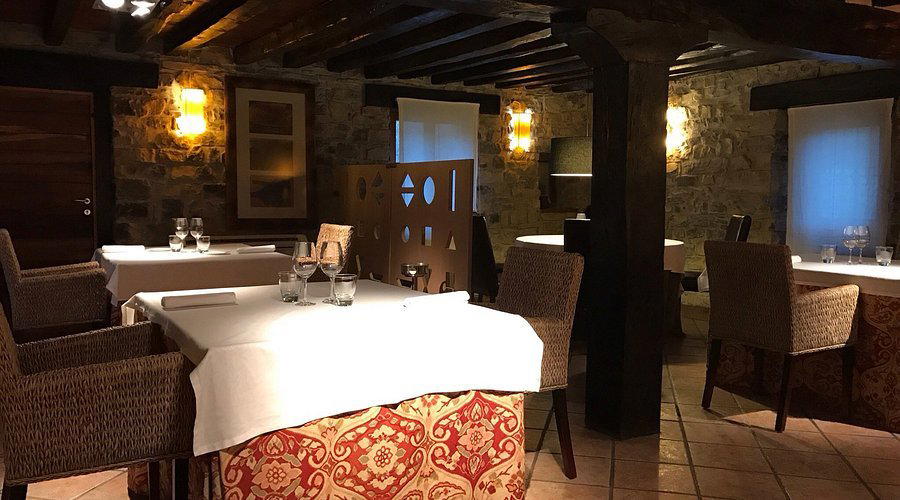
Bars in Taipei
Browse all →
Hotels in Taipei
Browse all →

Wineries in Taipei
Browse all →
At a Glance
- Rustic
- Cozy
- Late Night
- Casual Hangout
- Standalone
Casual and spacious with first and second floors, upgraded from basic eatery, comfortable for late-night crowds.